In the high-stakes world of metallurgy, precision is paramount. Every component, from the raw material to the final alloy, plays a critical role in determining the quality, performance, and cost-efficiency of the end product. At the heart of this intricate process, especially in iron and steel casting, lies the often-underestimated yet profoundly strategic role of the recarburizer. More than just a carbon additive, a high-quality recarburizer is a fundamental pillar for achieving optimal metallurgical properties, controlling shrinkage, enhancing fluidity, and ensuring the structural integrity of castings. It is the silent workhorse that enables foundries and steel mills to meet stringent material specifications, reduce defects, and ultimately deliver superior products to industries ranging from automotive and aerospace to construction and heavy machinery.
The ability to accurately and efficiently adjust the carbon content in molten metal is a cornerstone of modern casting. Carbon, in its various forms, dictates the microstructure of iron and steel, directly influencing properties such as hardness, tensile strength, ductility, and machinability. An inadequate or inconsistent carbon addition can lead to a cascade of problems: brittle castings, excessive chill formation, porosity, and poor mechanical performance. Conversely, an optimized recarburizer not only elevates these properties but also streamlines the production process, contributing to significant energy savings and reduced scrap rates. The selection of the right recarburizer is thus not merely a purchasing decision; it is a strategic investment that directly impacts a company's competitive edge and long-term profitability. Understanding its nuanced technical advantages, comparing market options, and leveraging custom solutions are essential steps toward unlocking true foundry excellence.
The Technical Superiority of Advanced Carbon Solutions
The efficacy of a carbon additive extends far beyond its elemental carbon percentage. Advanced recarburizer solutions are engineered products, meticulously designed to offer superior performance characteristics crucial for demanding metallurgical applications. Key technical parameters differentiate premium recarburizers from standard grades. Foremost among these is carbon purity, often exceeding 98.5% in high-quality graphite petroleum coke (GPC) or calcined petroleum coke (CPC). This high purity ensures minimal introduction of undesirable elements into the melt.
Equally critical is the sulfur content, which should ideally be exceptionally low (typically <0.03% for high-grade options). Sulfur is a detrimental impurity in iron and steel, promoting embrittlement and forming undesirable inclusions. Similarly, low nitrogen content (<100 ppm) is vital, particularly in ductile iron production, to prevent nitrogen porosity and ensure optimal spheroidization. The presence of minimal ash and volatile matter further contributes to cleaner melts, reduced slag formation, and improved refractory life. A high fixed carbon content ensures maximum carbon recovery.
Beyond chemical composition, the physical properties are equally important. Particle size distribution (PSD) is carefully controlled to optimize dissolution rates. Finer particles offer faster dissolution but can increase dust and oxidation losses, while coarser particles ensure slower, more controlled absorption. The ideal PSD varies depending on the furnace type (induction, arc) and charging method. Furthermore, high bulk density contributes to efficient storage and handling. The metallurgical benefits of a technically superior recarburizer are profound: improved carbon recovery rates (often >90-95%), consistent and predictable carbon pickup, reduced melting time due to optimized dissolution, enhanced microstructural control (e.g., increased graphite nodule count in ductile iron), and a significant reduction in casting defects. These technical advantages translate directly into higher quality castings, lower production costs, and a more robust manufacturing process.
Navigating the Market: A Comparative Analysis of Carbon Additives
Choosing the optimal recarburizer in a diverse market requires a thorough understanding of available options and their performance implications. Foundries and steel mills face a spectrum of choices, each with distinct characteristics regarding raw material source, processing, purity, and cost. The primary categories include graphite petroleum coke (GPC), calcined petroleum coke (CPC), and anthracite-based recarburizers.
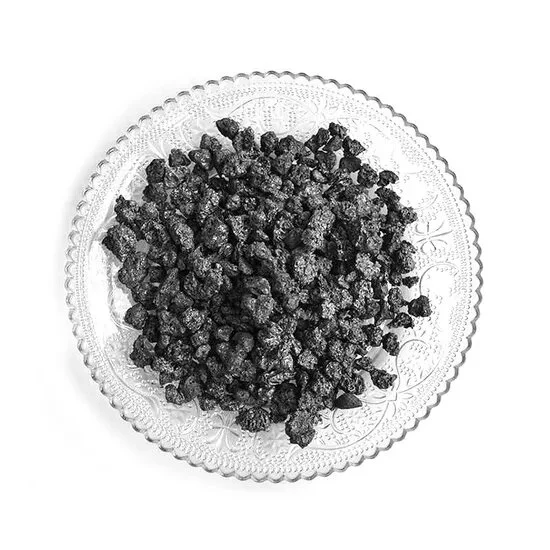
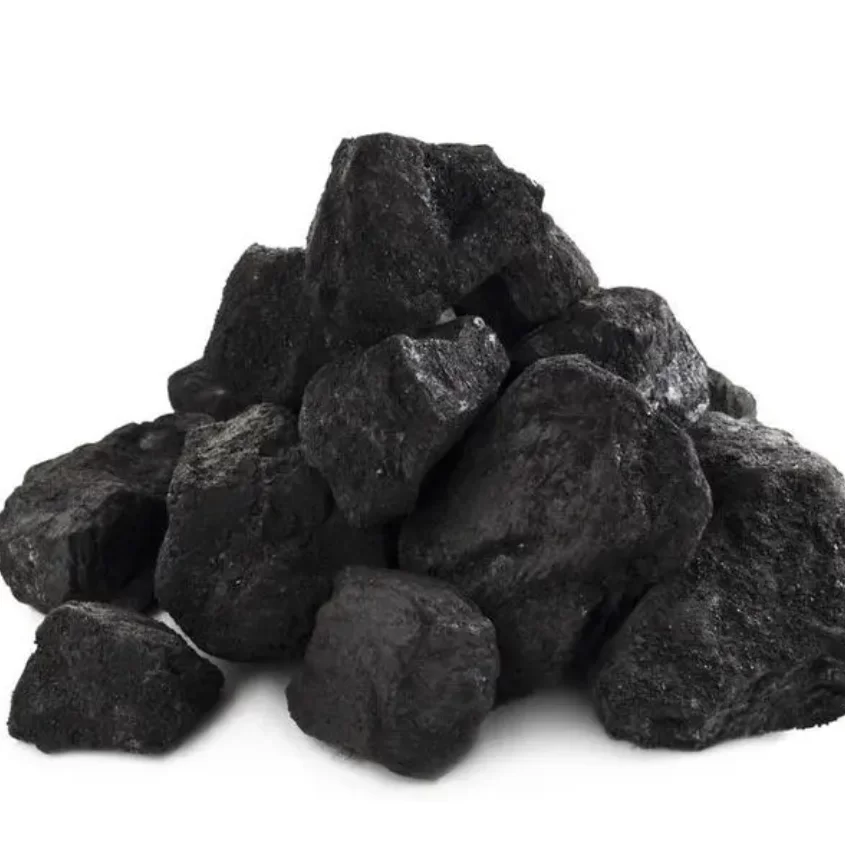
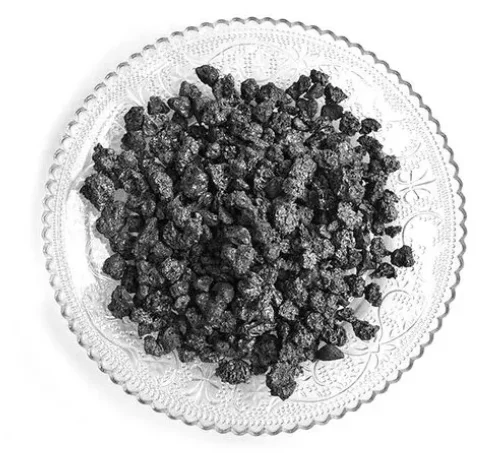
Graphite Petroleum Coke (GPC) stands at the pinnacle for its extremely high carbon purity (typically >98.5%), very low sulfur and nitrogen content, and high graphitization degree, which facilitates rapid and efficient dissolution. It is derived from high-purity petroleum coke that undergoes a graphitization process at temperatures exceeding 2500°C. GPC is ideal for applications demanding the highest quality and tightest carbon control, such as ductile iron and high-grade steel alloys.
Calcined Petroleum Coke (CPC), while also derived from petroleum coke, is processed at lower temperatures (around 1200-1400°C), resulting in slightly lower carbon purity (98-98.5%) and higher sulfur and nitrogen levels compared to GPC. It remains a cost-effective and highly functional option for many gray iron and steel applications where extreme purity is not the absolute top priority but consistent performance is required.
Anthracite-based recarburizers are typically derived from natural anthracite coal. Their purity can vary significantly depending on the source and processing, generally offering lower fixed carbon (85-95%) and higher ash, sulfur, and volatile matter content than petroleum coke derivatives. While more economical, their slower dissolution rates and potential for introducing impurities make them suitable for less demanding applications or as part of a blended solution.
The table below provides a comparative overview of typical characteristics:
Characteristic | High Purity GPC | Standard CPC | Anthracite Grade |
Fixed Carbon (%) | >98.5 | 98.0 - 98.5 | 85 - 95 |
Sulfur (%) | <0.03 | 0.05 - 0.5 | 0.5 - 1.0+ |
Nitrogen (ppm) | <100 | 100 - 300 | 300 - 800+ |
Ash (%) | <0.5 | <1.0 | 5 - 10+ |
Volatile Matter (%) | <0.5 | <1.0 | 0.5 - 2.0 |
Typical Dissolution Rate | Very Rapid | Rapid | Moderate to Slow |
Primary Application | Ductile Iron, High-Grade Steel | Gray Iron, Steel Casting | Basic Iron/Steel, Cost-Sensitive |
Beyond these grades, factors like particle size distribution, packaging, logistics, and supplier technical support also play a significant role in the selection process. A comprehensive evaluation considering both technical specifications and economic viability is crucial for optimal results.
Crafting Precision: Tailored Carbon Solutions for Specific Metallurgical Needs
The notion that "one size fits all" simply doesn't apply to metallurgical carbon additions. Every foundry and steel mill operates with unique variables: different furnace types (coreless induction, channel induction, arc furnaces), varying melt capacities, distinct raw material inputs (pig iron, scrap), and specific output requirements (gray iron, ductile iron, various steel alloys). Consequently, the optimal recarburizer solution is often a tailored one, meticulously crafted to align with these intricate parameters.
Customization primarily revolves around three key areas: chemical composition, physical properties, and application methodology. For chemical composition, suppliers can adjust blends to achieve specific target purities, sulfur levels, or nitrogen content, especially when standard grades might introduce undesired elements. For instance, a foundry producing highly sensitive ductile iron might require an ultra-low sulfur and nitrogen GPC blend, whereas a gray iron producer might prioritize a cost-effective CPC with specific particle sizing for their ladle addition system.
Particle size distribution (PSD) is a critical physical property that is frequently customized. A coarse particle size (e.g., 1-5mm) might be preferred for furnace additions to minimize dust and maximize recovery rates within the melt bath. Conversely, a finer particle size (e.g., 0.5-2mm) could be optimal for ladle additions where rapid dissolution in a smaller volume is paramount. Some applications even benefit from a specific bimodal or multimodal PSD to achieve both fast initial dissolution and sustained carbon pickup. Suppliers with advanced processing capabilities can create custom blends with tailored PSDs to optimize performance in specific furnace types and charging practices.
Furthermore, custom solutions can involve specific packaging (e.g., precise weight bags for individual heats, bulk bags, or loose bulk delivery) and integration with other melt shop additives. Collaboration with an experienced recarburizer supplier allows metallurgical engineers to analyze existing processes, identify pain points (e.g., inconsistent carbon pickup, high chill, excess slag), and develop a bespoke carbon additive solution that enhances efficiency, reduces defects, and ultimately lowers overall production costs. This strategic partnership transforms the recarburizer from a mere commodity into a highly optimized, value-adding component of the casting process.
Real-World Impact: Case Studies in Foundries and Steel Mills
The theoretical benefits of a high-quality carbon additive are best illustrated through its tangible impact in real-world metallurgical operations. Here are illustrative examples demonstrating how optimized recarburizer usage translates into measurable improvements:
Case Study 1: Automotive Gray Iron Foundry – Reduced Chill and Enhanced Machinability
A medium-sized automotive parts foundry producing gray iron engine blocks struggled with inconsistent chill depth and varying machinability, leading to a 7% reject rate at the machining stage. Their existing recarburizer was an uncalibrated anthracite-based product. After consulting with a specialized supplier, they transitioned to a precisely sized, low-sulfur Calcined Petroleum Coke (CPC) recarburizer, with particle distribution optimized for their induction furnaces. The change resulted in a remarkable 15% reduction in chill depth variability and a 20% improvement in tool life at the machining line. The overall reject rate due to material inconsistencies dropped by 4 percentage points within six months, representing significant cost savings and increased production throughput.
Case Study 2: High-Strength Steel Mill – Tighter Carbon Specifications and Improved Yield
A specialty steel mill producing high-strength, low-alloy (HSLA) steels faced challenges in consistently achieving the extremely tight carbon specifications required for aerospace components (e.g., target C: 0.28% ± 0.01%). Their standard CPC led to fluctuations, often requiring costly re-tapping or off-spec material. By implementing an ultra-high purity, graphitized petroleum coke (GPC) recarburizer with very low nitrogen and sulfur, introduced via a carefully controlled furnace addition system, they achieved unprecedented consistency. The carbon variance in their heats was reduced by an average of 0.02%, bringing over 95% of heats within the stringent specification. This reduced rework by 12% and increased first-pass yield by 6%, leading to substantial gains in profitability and customer satisfaction.
Case Study 3: Ductile Iron Pipe Manufacturer – Enhanced Spheroidization and Mechanical Properties
A large ductile iron pipe manufacturer encountered issues with inconsistent graphite nodule count and morphology, occasionally resulting in lower than desired tensile strength and elongation. Upon detailed analysis, it was determined that residual nitrogen from their current carbon additive was interfering with spheroidization. They switched to a highly purified GPC recarburizer with guaranteed nitrogen content below 80 ppm. Post-implementation, their metallurgical analysis showed a consistent 10-15% increase in active nodule count and a significant improvement in nodularity (from 80% to over 90%). This directly translated to a 5% average increase in tensile strength and 8% improvement in elongation, ensuring that all pipes consistently met and exceeded industry standards, reducing warranty claims, and reinforcing their brand's reputation for quality.
These examples underscore that the correct recarburizer is not merely an expense but a critical enabler of quality, efficiency, and ultimately, profitability across diverse metallurgical operations.
The Economic Imperative: ROI from Optimized Carbon Additions
While the technical superiority of advanced carbon solutions is undeniable, their true value is ultimately measured by the economic returns they generate. Investing in a premium recarburizer, often perceived as a higher upfront cost, proves to be a powerful strategy for driving significant cost savings and enhancing profitability across the entire casting or steelmaking process. The return on investment (ROI) stems from a multi-faceted impact on operational efficiency, material quality, and resource utilization.
Firstly, reduced scrap rates are perhaps the most direct economic benefit. Inconsistent carbon pickup, high impurities, or poor dissolution from low-grade recarburizers can lead to various defects like chill, porosity, and inadequate mechanical properties. By transitioning to a high-quality recarburizer with predictable performance, foundries can often reduce their scrap rates by 5% to 15%. Considering the material, energy, and labor costs embedded in scrapped castings, this represents substantial savings. For instance, a foundry with an annual production of 10,000 tons and a typical scrap rate of 8% could save hundreds of thousands of dollars annually by reducing that rate to 4% through better carbon control.
Secondly, energy efficiency and reduced processing times contribute significantly. High-purity recarburizers with optimized particle sizes dissolve more rapidly and efficiently into the molten metal. This can lead to shorter melt cycles and faster tap-to-tap times in electric furnaces, translating into lower energy consumption per ton of metal produced. Additionally, a cleaner recarburizer reduces slag formation, minimizing the need for frequent deslagging and extending refractory life, which further reduces maintenance costs and downtime. Some operations have reported energy savings of up to 3-5% per ton of molten metal due to improved carbon recovery and faster processing.
Finally, the ripple effect on downstream operations and customer satisfaction cannot be overstated. Consistent, high-quality castings require less post-processing (e.g., grinding, welding repair), leading to lower labor costs and faster delivery times. Products with superior mechanical properties lead to fewer warranty claims and higher customer loyalty. The true economic imperative lies in recognizing that the cost of a recarburizer is a small fraction of the overall production cost, but its impact on quality and efficiency can dramatically swing the financial performance of a metallurgical operation. Strategic investment in optimized carbon additions is not an expense, but a lever for greater profitability and sustained competitive advantage.
Strategic Sourcing: Partnering for Sustainable Recarburizer Excellence
In conclusion, the journey toward metallurgical excellence is inextricably linked to the judicious selection and application of carbon additives. A premium recarburizer is far more than a commodity; it is a critical enabling component that directly influences material properties, operational efficiency, and ultimately, the profitability of foundries and steel mills. The intricate balance of chemical purity, physical characteristics, and dissolution kinetics determines its effectiveness, making technical understanding and strategic sourcing paramount.
From controlling the carbon content with unparalleled precision to mitigating detrimental impurities like sulfur and nitrogen, the technical advantages of advanced recarburizer solutions translate into tangible improvements in casting quality, reduced defect rates, and enhanced mechanical properties. We've seen how a comparative analysis of different grades—from ultra-pure GPC to cost-effective CPC and anthracite—highlights the need for a tailored approach. Moreover, customization is not a luxury but a necessity, ensuring that carbon additions perfectly align with specific furnace types, metal chemistries, and production goals. Real-world case studies underscore that these benefits are not theoretical but yield measurable ROI, from reduced scrap and improved machinability to tighter carbon specifications and superior mechanical performance.
Therefore, strategic sourcing involves more than just price comparison; it demands a partnership with suppliers who offer not only high-quality products but also comprehensive technical support, consistent supply chain reliability, and a commitment to sustainable practices. As the metallurgical industry continues to evolve, embracing innovation in carbon solutions and fostering collaborative relationships will be key to achieving sustained excellence, driving efficiency, and ensuring that every molten batch meets the highest standards of quality and performance. The strategic investment in the right recarburizer is an investment in the future of precision metallurgy.
Frequently Asked Questions (FAQ) about Recarburizers
1. What is a recarburizer and what is its primary function?
A recarburizer is a carbonaceous material added to molten metal (primarily iron and steel) to increase its carbon content to a desired level. Its primary function is to adjust and control the carbon chemistry, which significantly impacts the metal's mechanical properties, fluidity, and solidification characteristics.
2. What are the main types of recarburizers available?
The main types include Graphitized Petroleum Coke (GPC), Calcined Petroleum Coke (CPC), and anthracite-based recarburizers. GPC offers the highest purity and fastest dissolution, CPC is a cost-effective option for many applications, and anthracite is generally used where cost is a primary concern and lower purity is acceptable.
3. Why is carbon purity important in a recarburizer?
High carbon purity ensures that minimal impurities (such as sulfur, nitrogen, and ash) are introduced into the molten metal. These impurities can negatively affect material properties, lead to defects (e.g., porosity, embrittlement), and increase processing costs, especially in high-performance alloys like ductile iron or specialty steels.
4. How does particle size distribution (PSD) affect recarburizer performance?
PSD significantly impacts the dissolution rate and recovery of carbon. Finer particles dissolve faster but can cause more dust and oxidation losses, while coarser particles dissolve slower. Optimal PSD depends on the furnace type, charging method, and desired dissolution kinetics, often customized for specific applications.
5. What are the economic benefits of using a high-quality recarburizer?
Economic benefits include reduced scrap rates due to fewer defects, improved energy efficiency from faster melt cycles and better carbon recovery, extended refractory life from less aggressive impurities, and lower post-processing costs. These factors collectively lead to significant operational cost savings and increased profitability.
6. Can recarburizers be customized for specific applications?
Yes, reputable suppliers offer tailored recarburizer solutions. Customization can involve adjusting chemical composition (e.g., ultra-low sulfur, nitrogen), optimizing particle size distribution for specific furnace types, or creating unique blends to meet the precise metallurgical and operational requirements of a foundry or steel mill.
7. What role does a recarburizer play in producing ductile iron?
In ductile iron production, a high-purity recarburizer (typically GPC with very low nitrogen) is crucial. It ensures the precise carbon content needed for the formation of graphite nodules, which gives ductile iron its characteristic strength and ductility. Low nitrogen content is especially vital to prevent interference with spheroidization and achieve optimal nodule morphology.