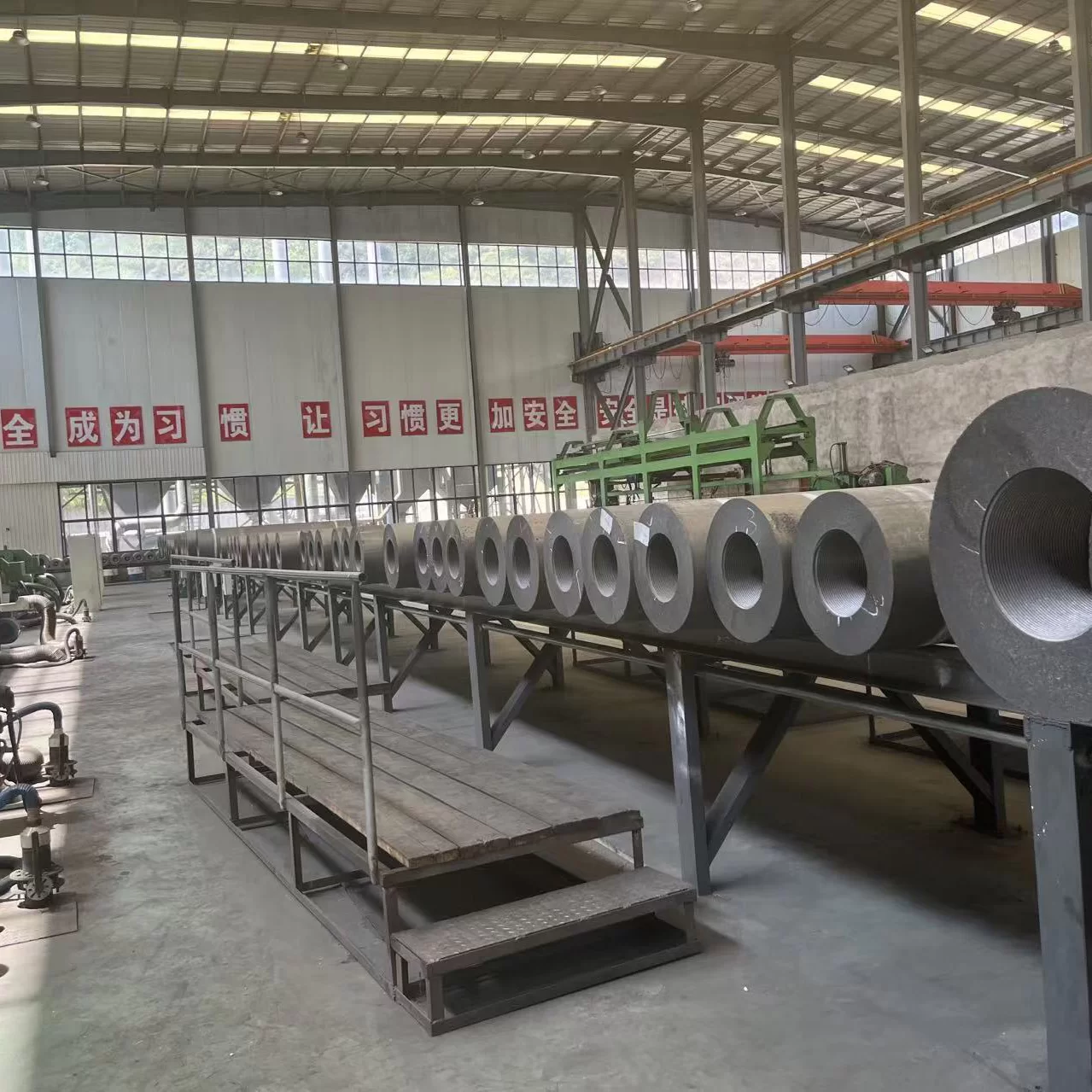
Synthetic Graphite Anode: Powering the Future of Energy Storage
In the evolving landscape of energy technology, the synthetic graphite anode stands out as a crucial component. But what exactly is it, and why does it matter beyond the lab? Globally, these engineered materials are transforming how we store electricity—impacting everything from electric vehicles to grid storage and even portable electronics. Understanding the synthetic graphite anode isn’t just a niche topic; it’s central to advancing sustainability and supporting the global shift towards cleaner energy.
Introduction: Why Synthetic Graphite Anodes Matter Globally
The global push for renewable energy and carbon neutrality is driving an unprecedented demand for efficient energy storage solutions. The International Energy Agency (IEA) reported in 2023 that the lithium-ion battery market, where synthetic graphite anodes are used extensively, is projected to grow at an annual rate of over 20% through 2030. But scaling this technology comes with challenges—natural graphite sources are limited, costly, and subject to geopolitical constraints.
This is where synthetic graphite anodes make a genuine difference. They not only provide a more stable and customizable alternative to natural graphite but also help address supply chain vulnerabilities, crucial for industries aiming at sustainable growth. This has huge implications, especially in booming sectors like electric vehicle (EV) manufacturing and renewable energy storage facilities.
What is a Synthetic Graphite Anode?
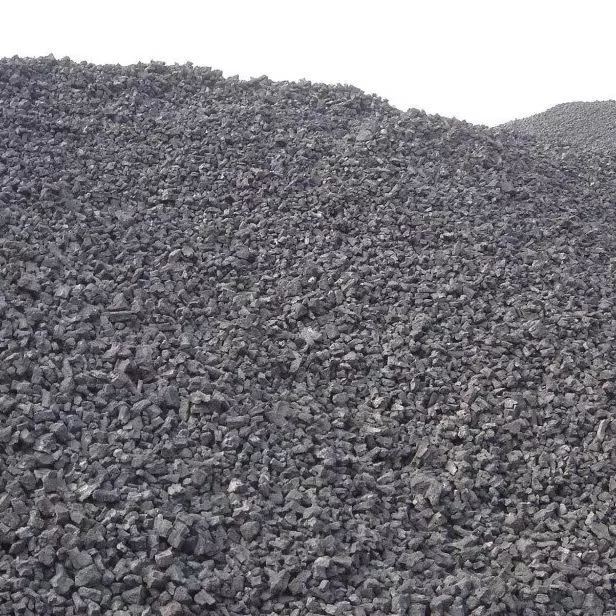
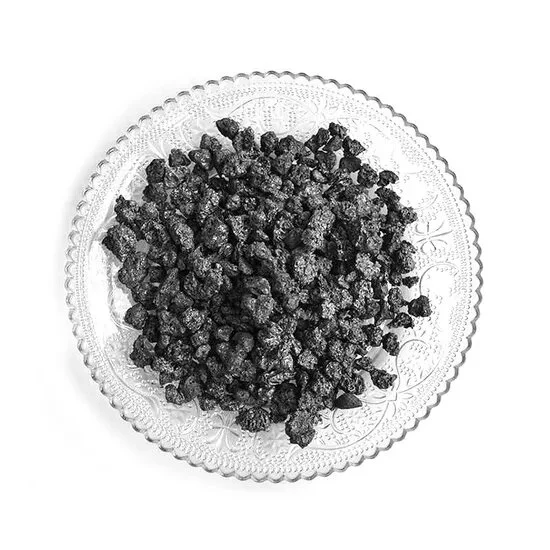
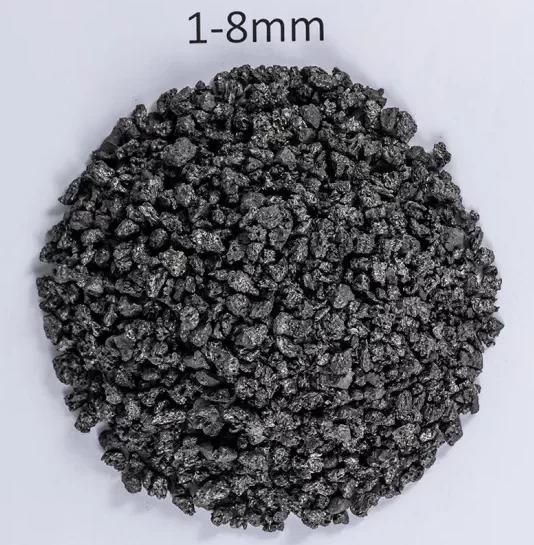
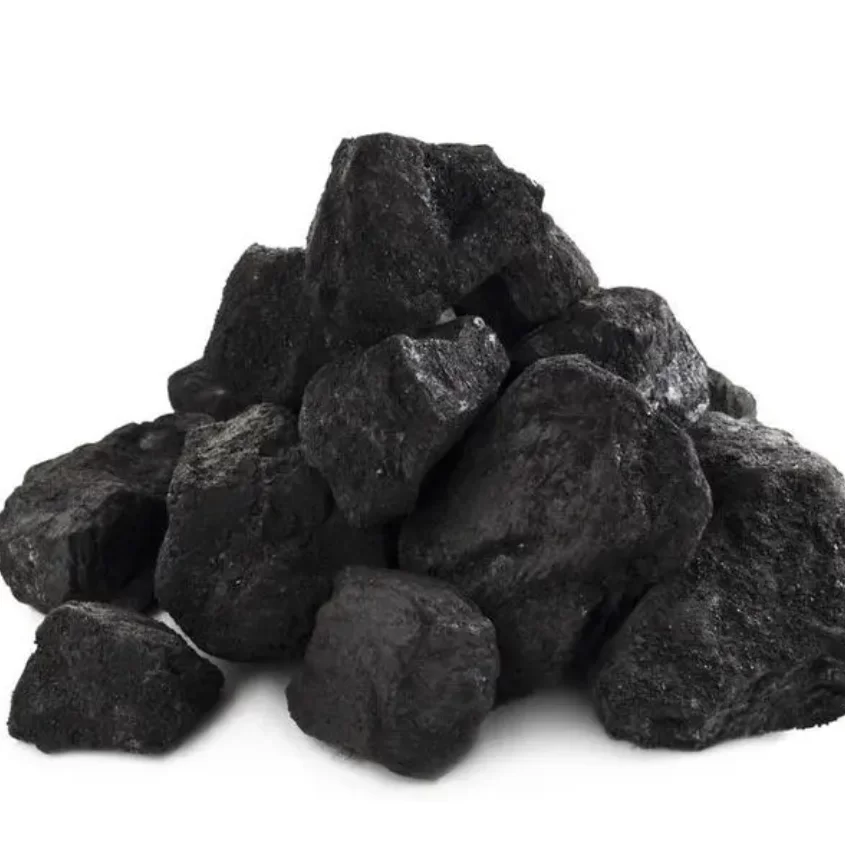
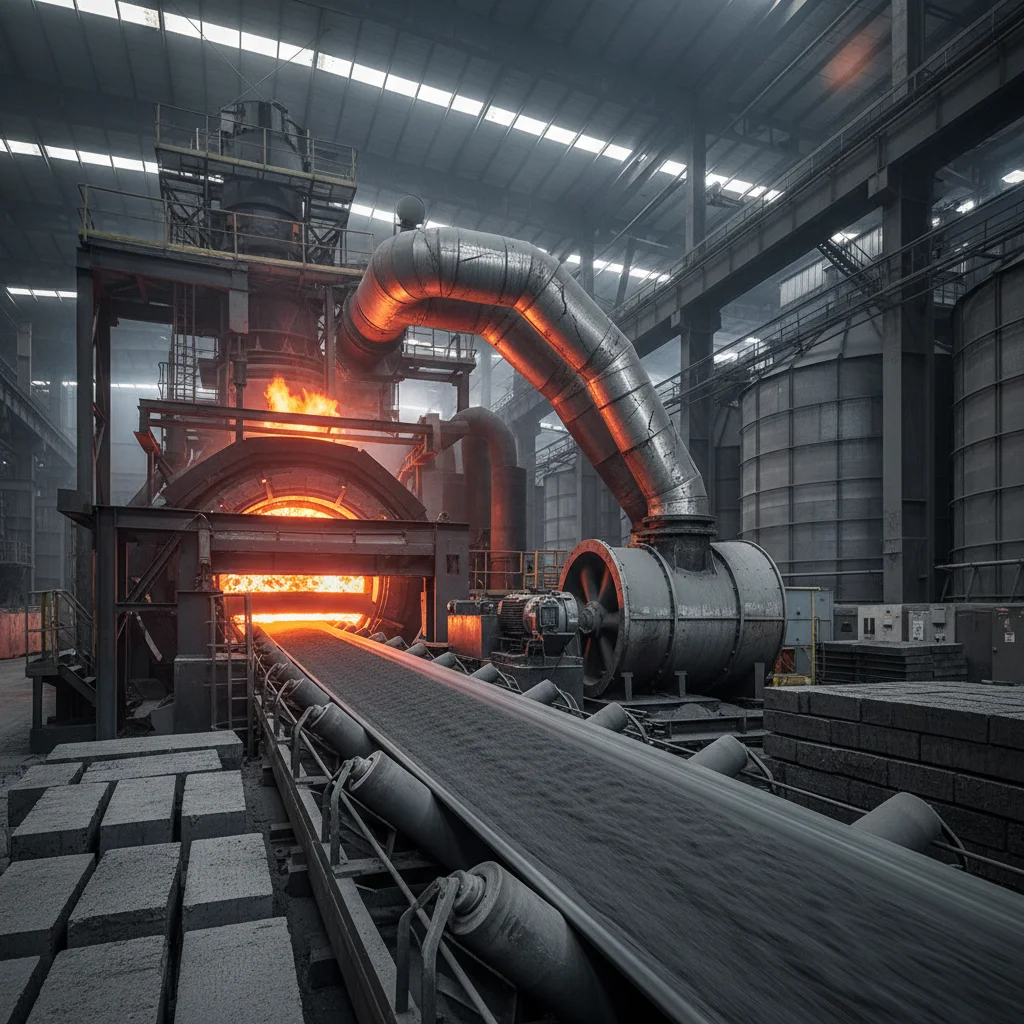
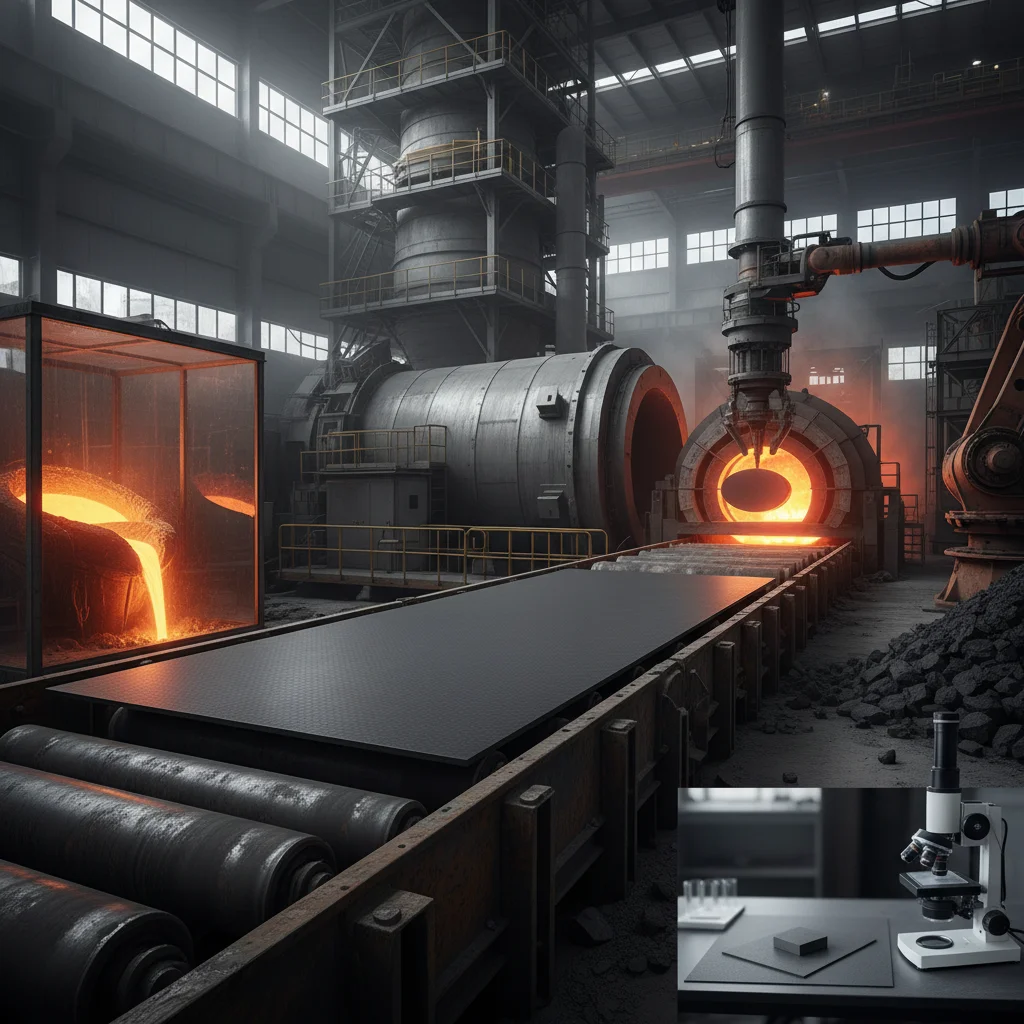
Put simply, a synthetic graphite anode is a man-made carbon structure used as the negative electrode in lithium-ion batteries. Unlike natural graphite, which is mined and then processed, synthetic graphite is produced through highly controlled industrial processes—usually by heating petroleum coke to very high temperatures until it forms graphite-like layers.
These anodes are vital because they act as the host material absorbing lithium ions during charging, enabling batteries to store and release energy efficiently. The synthetic route offers enhanced purity, uniformity, and mechanical strength that natural graphite sometimes lacks, directly influencing battery lifespan and performance.
Key Aspects of Synthetic Graphite Anodes
1. Durability
Synthetic graphite anodes generally exhibit superior durability compared to natural graphite. They better withstand repeated charge-discharge cycles and thermal stress, which translates into longer battery life, a factor crucial for applications like electric vehicles and grid storage.
2. Scalability
Because synthetic graphite can be produced in large controlled batches, it’s easier to ramp up manufacturing according to demand. This scalability is vital for meeting growing global battery needs, especially as other raw materials remain limited or volatile in price.
3. Cost Efficiency
While synthetic graphite anodes tend to be more expensive up-front compared to natural graphite, their improved durability and performance can reduce overall costs by extending battery life and reducing replacements. Oddly enough, this makes synthetic graphite cost-effective in the long haul.
4. Purity & Performance
Synthetic production allows removing impurities that can degrade battery performance or cause safety issues. This consistently high purity improves ion intercalation dynamics—meaning faster charging and better stability.
Typical Specifications of Synthetic Graphite Anodes
| Specification | Typical Value | Unit |
|---|---|---|
| Purity (Carbon Content) | >99.5% | % |
| Specific Surface Area | 3–5 | m²/g |
| Particle Size Diameter | 10–20 | µm |
| Bulk Density | 1.5–1.7 | g/cm³ |
| Electrical Conductivity | ≥1500 | S/m |
Global Applications and Use Cases
The synthetic graphite anode is increasingly found at the heart of critical technologies worldwide:
- Electric Vehicles (EVs): Major automotive hubs like China, Europe, and the US rely heavily on synthetic anodes to improve battery longevity and driving range.
- Grid Energy Storage: Utility companies integrate synthetic graphite anode batteries in renewable energy plants to stabilize power supply in wind and solar farms.
- Consumer Electronics: High-performance smartphones and laptops benefit from these anodes’ fast charge and discharge capabilities.
- Emergency & Remote Areas: Portable energy solutions with synthetic graphite anodes provide reliable power for disaster relief and remote field operations, supporting humanitarian efforts.
In real terms, companies scaling EV production find synthetic graphite crucial to balancing quality, availability, and cost—a delicate dance in today’s fiercely competitive markets.
Advantages and Long-Term Value
Choosing synthetic graphite anodes can:
- Enhance battery lifetime, lowering lifetime costs and waste.
- Support sustainability goals, since synthetic graphite can rely more on industrial byproducts than mined materials.
- Increase safety and reliability, reducing battery failures and associated risks.
- Enable innovation—new graphite textures or shapes improve performance customized to specific battery designs.
Frankly, this is about much more than economics. Synthetic graphite anodes help build trust in energy systems that people depend on daily—for their cars, phones, homes, and ultimately their futures.
Future Trends and Innovations
Looking ahead, the synthetic graphite anode industry is buzzing with innovation:
- Advanced coating technologies improve anode stability and capacity.
- Green synthesis methods aim to reduce carbon emissions during production.
- Artificial intelligence is being applied to optimize graphite microstructures tailored for next-gen batteries.
- Recycling and circular economics increasingly factor into anode design, reducing reliance on virgin materials.
Combined, these trends promise cleaner, smarter, and more affordable energy storage options worldwide.
Challenges & Solutions
Of course, no technology is perfect. Some common challenges include:
- Higher initial costs: Synthetic graphite anodes often cost more upfront than natural alternatives.
- Energy-intensive production: High-temperature manufacturing consumes significant power.
- Material sourcing: Some precursor materials are derived from fossil fuels.
To tackle these, industry leaders focus on:
- Process optimization: Improving production efficiency and scaling renewable energy use.
- Innovative raw materials: Investigating bio-based or recycled feedstocks.
- Hybrid anode materials: Combining synthetic graphite with silicon or other carbons for enhanced performance at lower cost.
Vendor Comparison: Leading Synthetic Graphite Anode Suppliers
| Vendor | Quality | Production Capacity (tons/year) | Price Range | Sustainability Initiatives |
|---|---|---|---|---|
| Dah Carbon | High purity, tailored specs | 15,000+ | Moderate | Green synthesis & recycling programs |
| Vendor B | Standard purity | 10,000 | Low | Limited |
| Vendor C | Premium quality | 20,000+ | High | Renewable powered plants |
Frequently Asked Questions About Synthetic Graphite Anodes
1. What advantages do synthetic graphite anodes have over natural graphite?
Synthetic graphite anodes offer greater purity and uniformity, leading to improved battery life and safer operation. Their engineered structure also allows better control over performance characteristics, unlike natural graphite, which can have impurities and heterogeneous materials.
2. How long can batteries with synthetic graphite anodes typically last?
Depending on the application and cycling conditions, batteries using synthetic graphite anodes can last between 800 to over 2000 charge cycles. Enhanced durability reduces replacement frequency, crucial for EVs and renewable storage.
3. Are synthetic graphite anodes environmentally friendly?
While production can be energy-intensive, many manufacturers are now incorporating green synthesis methods and recycling to reduce environmental impact. Also, synthetic graphite’s longer lifespan contributes indirectly to sustainability by minimizing battery waste.
4. Can synthetic graphite anodes be customized for specific applications?
Yes. One of the key benefits is tailoring particle size, shape, and surface treatments to meet unique performance requirements, such as faster charging for smartphones or higher energy density for EVs.
5. How can I source high-quality synthetic graphite anodes for my manufacturing needs?
Partnering with established suppliers like Dah Carbon ensures consistent quality and supply. It’s important to assess capacity, sustainability commitment, and technical support when selecting vendors.
Conclusion: Why Synthetic Graphite Anodes are a Smart Investment
In essence, synthetic graphite anodes are more than just a battery ingredient—they’re a pivotal enabler of modern energy transition. By enhancing durability, safety, and performance, they support cleaner transport, stable renewable energy grids, and smarter devices. As demand grows, their contribution to sustainability, innovation, and economic resilience becomes increasingly clear.
Want to deepen your understanding or source high-quality synthetic graphite anodes? Visit our website for detailed technical resources and product information.
In the end, it feels like these engineered carbons quietly power a significant chunk of our clean energy future—trusted and indispensable.