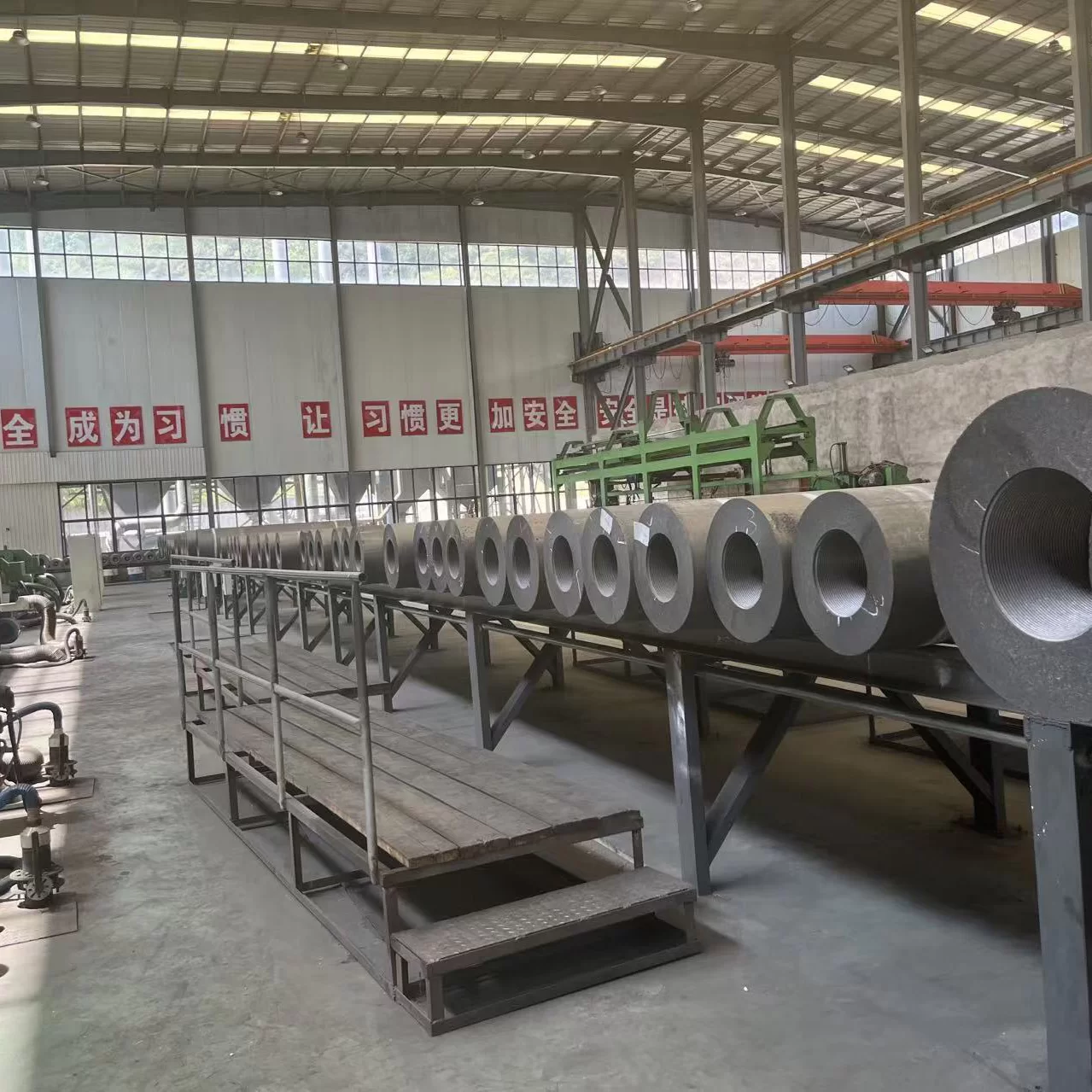
Synthetic Graphite Production Process: Shaping Tomorrow’s Industries
When you hear “synthetic graphite production process,” what comes to mind? Maybe it feels a bit niche, like something only material scientists or battery engineers mull over. However, understanding this process is more important than ever — globally — because synthetic graphite powers vital sectors such as energy storage, electronics, and even aerospace. Frankly, it’s one of those behind-the-scenes heroes enabling technological leaps and sustainability goals. Knowing its intricacies can reveal why it’s so central to modern innovation and how industries worldwide are evolving because of it.
Global Context: Why Synthetic Graphite Production Matters
To grasp the global significance, consider this: The International Energy Agency noted that demand for battery materials, including synthetic graphite, is expected to more than triple by 2030 thanks to electric vehicles and renewable grids. Moreover, synthetic graphite production aligns with the ambitions of several countries under the Paris Agreement to shift to cleaner energy. That said, producing high-quality synthetic graphite at scale presents challenges — such as controlling purity, energy consumption, and cost-efficiency — which this production process is designed to overcome.
It’s also worth highlighting the United Nations’ call for sustainable industrial innovation (SDG 9), pushing industries to enhance materials and methods. Synthetic graphite fits right within that framework by enabling longer-lasting batteries and efficient electronics that conserve resources.
What Is the Synthetic Graphite Production Process?
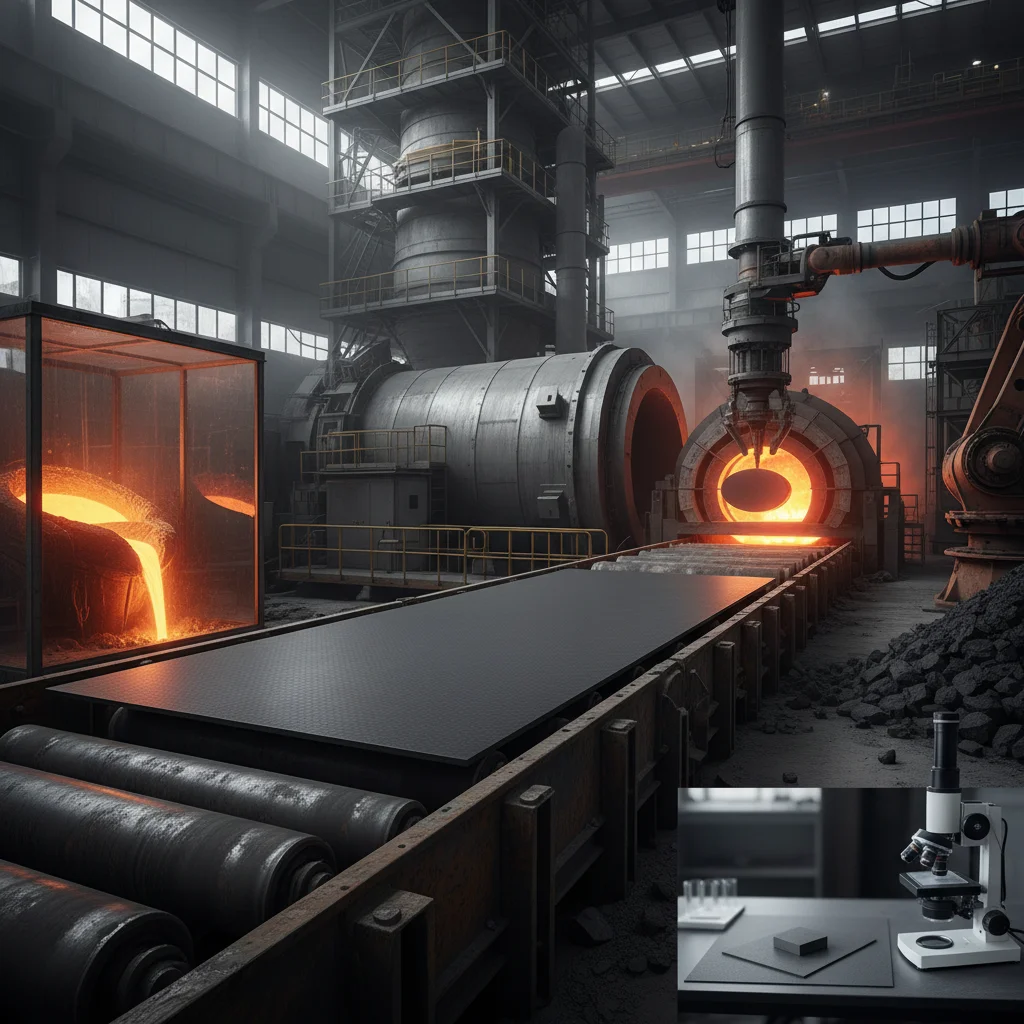
Put simply, the synthetic graphite production process involves converting carbon-rich raw materials into graphite with very high purity and a specific crystalline structure. Unlike natural graphite, which is mined, synthetic graphite is engineered in factories, typically through a controlled sequence of heat treatments and shaping. It’s akin to baking and sculpting carbon until it achieves the desired electrical and thermal properties. This production is tightly connected to industries pressing on innovation — from electric vehicle batteries to nuclear reactors — because the quality of graphite can determine an entire system’s performance and safety.
Key Factors in the Synthetic Graphite Production Process
1. Raw Material Quality
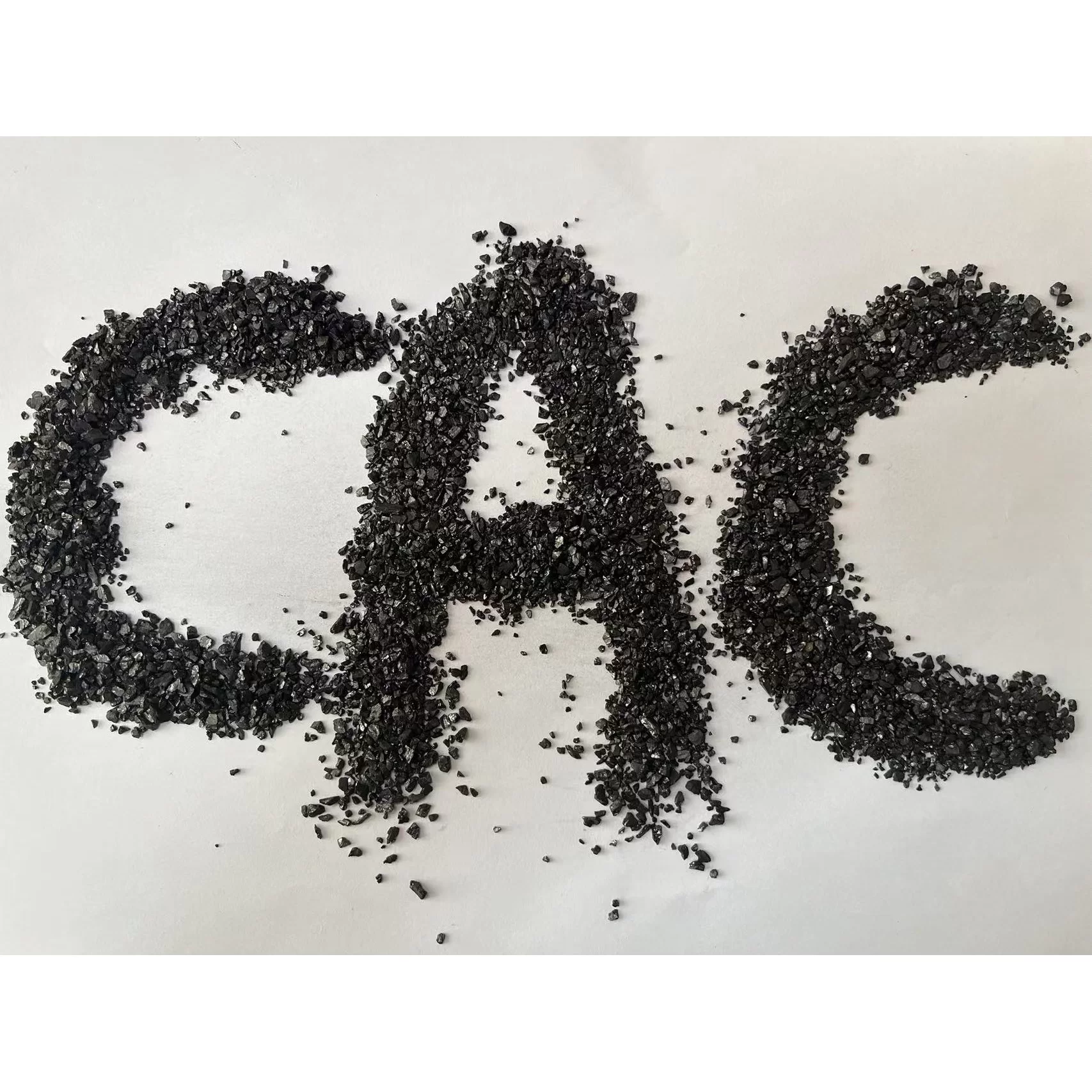
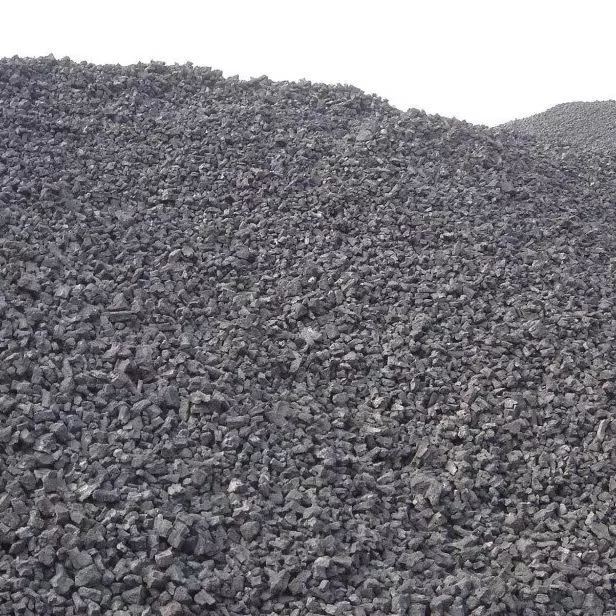
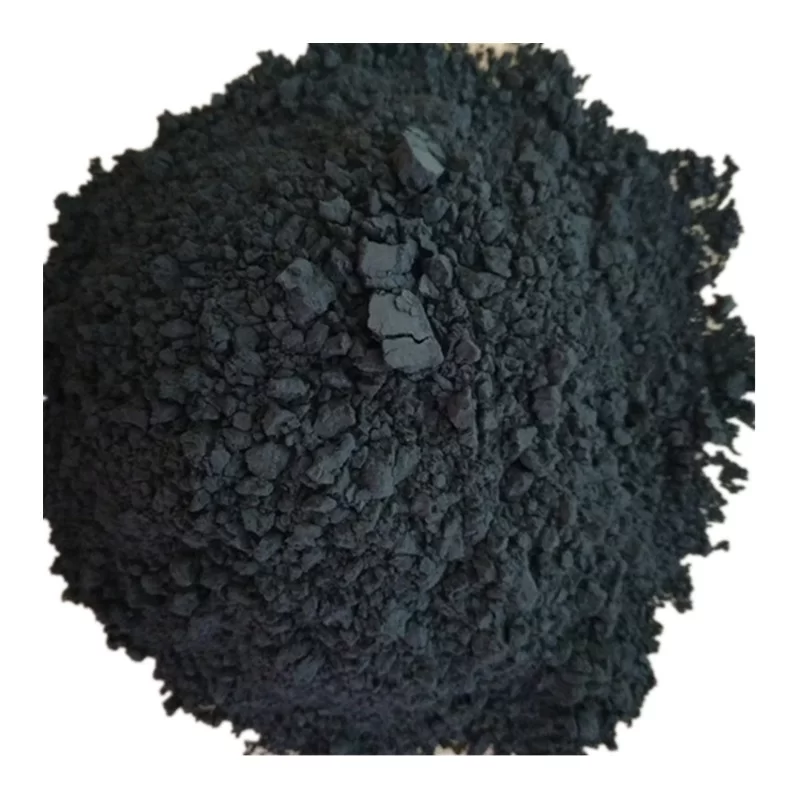
The journey starts with carbon precursors — usually petroleum coke or coal tar pitch. Their purity and particle size directly influence the graphite’s final characteristics. Oddly enough, minor contaminations can dramatically reduce performance in battery anodes or electrodes.
2. High-Temperature Heat Treatment
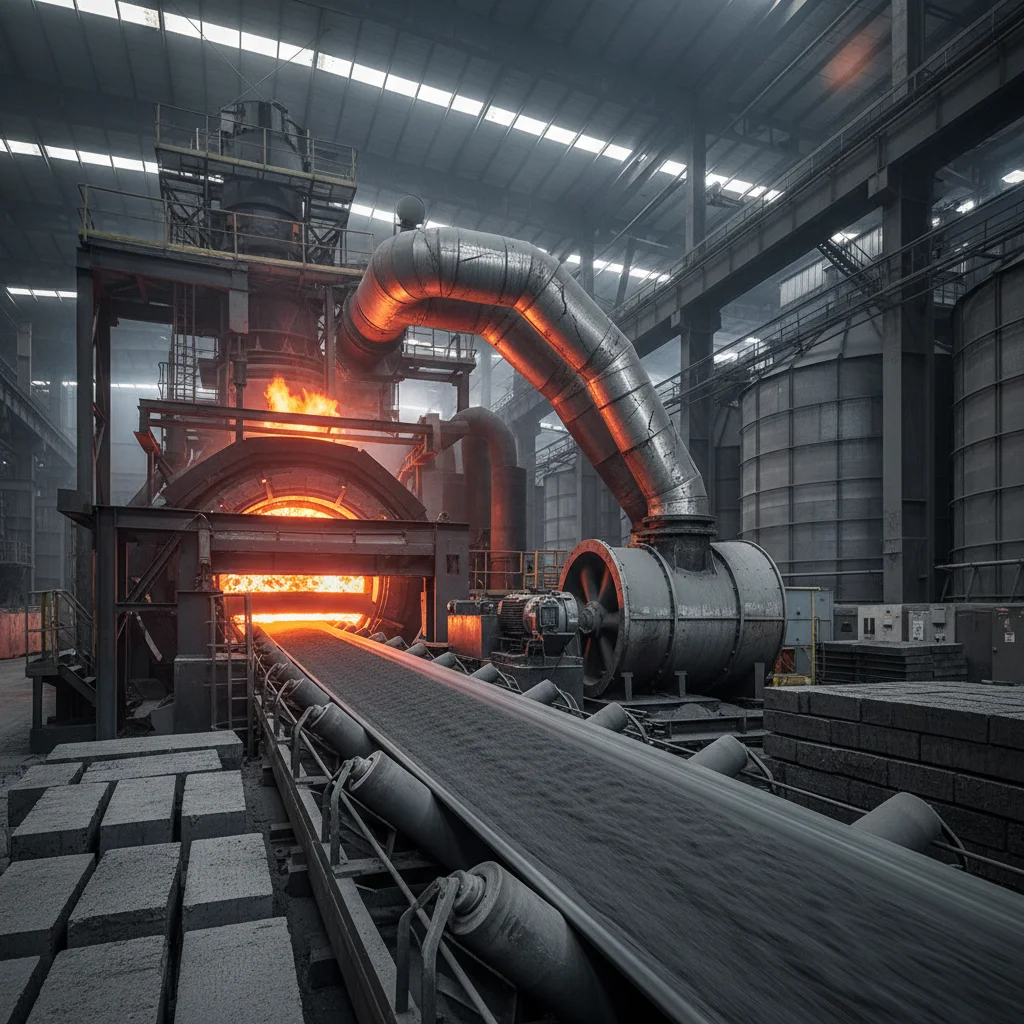
The heart of the process is graphitization, where materials are baked at temperatures around 2500–3000°C. This step reconfigures carbon atoms into a hexagonal lattice structure, giving synthetic graphite its signature properties like conductivity and durability.
3. Shaping & Machining
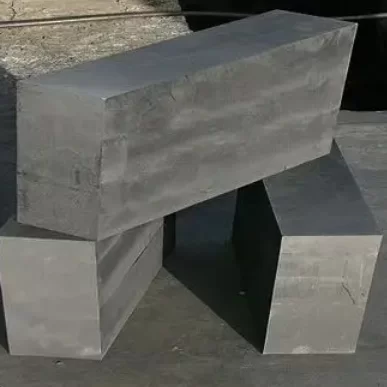
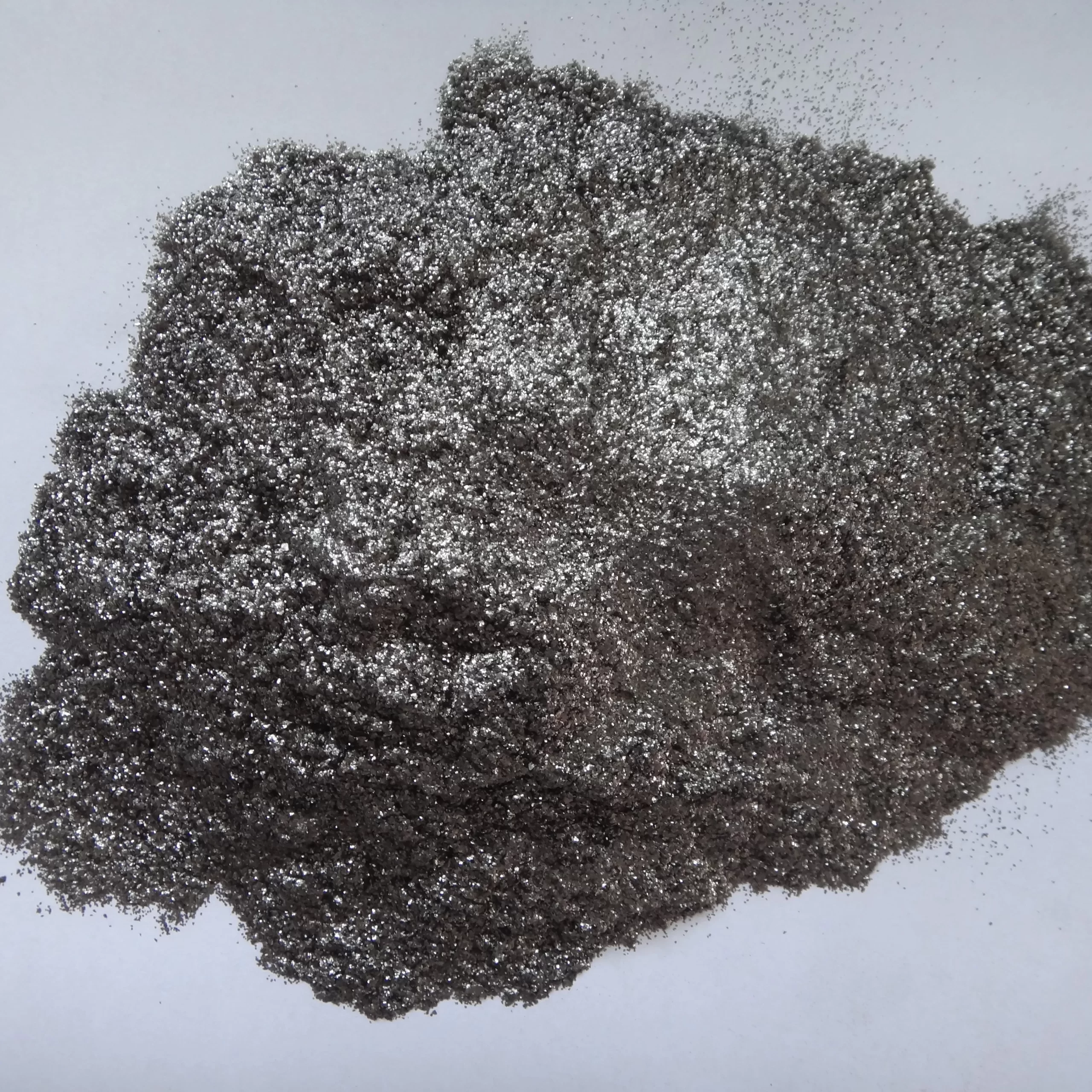
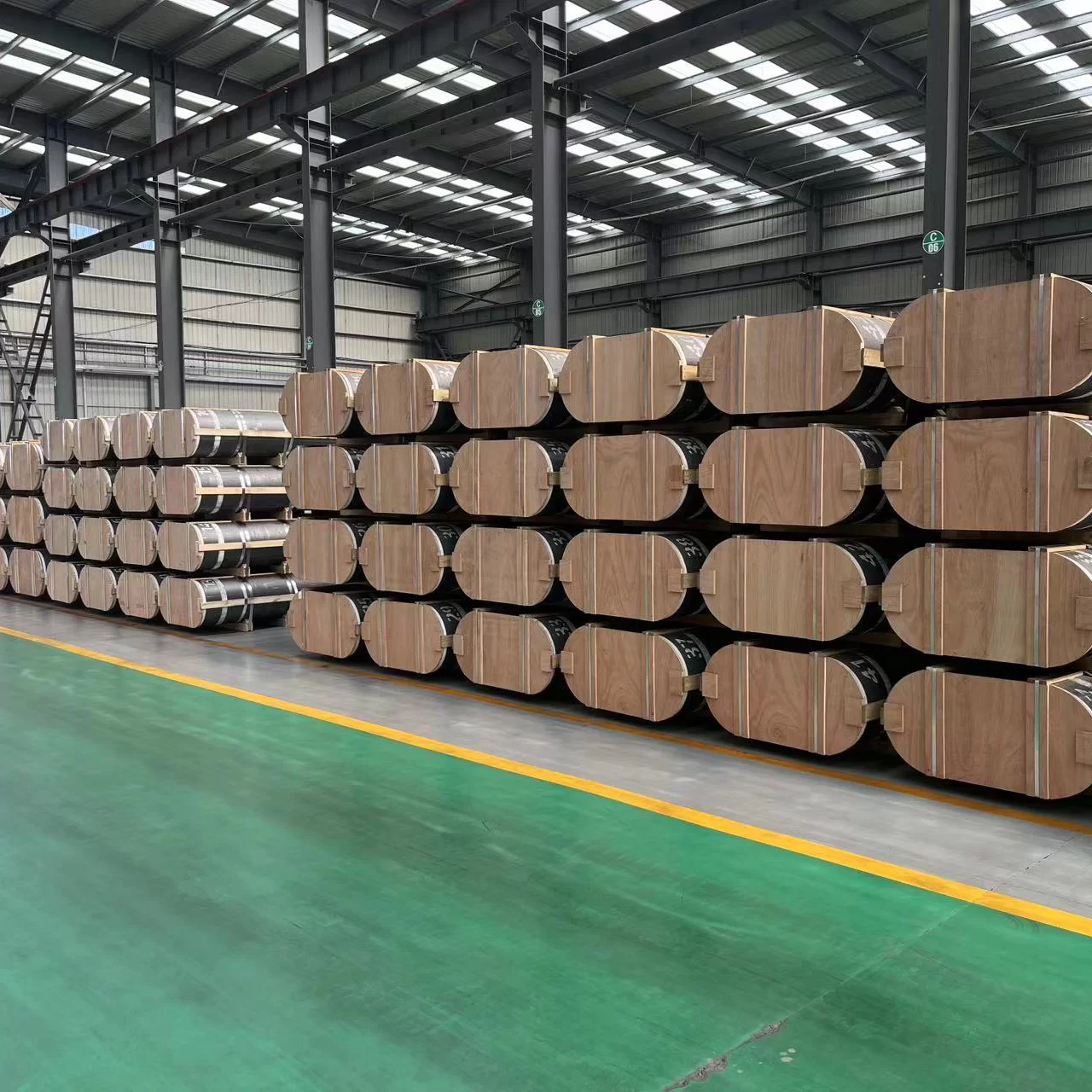
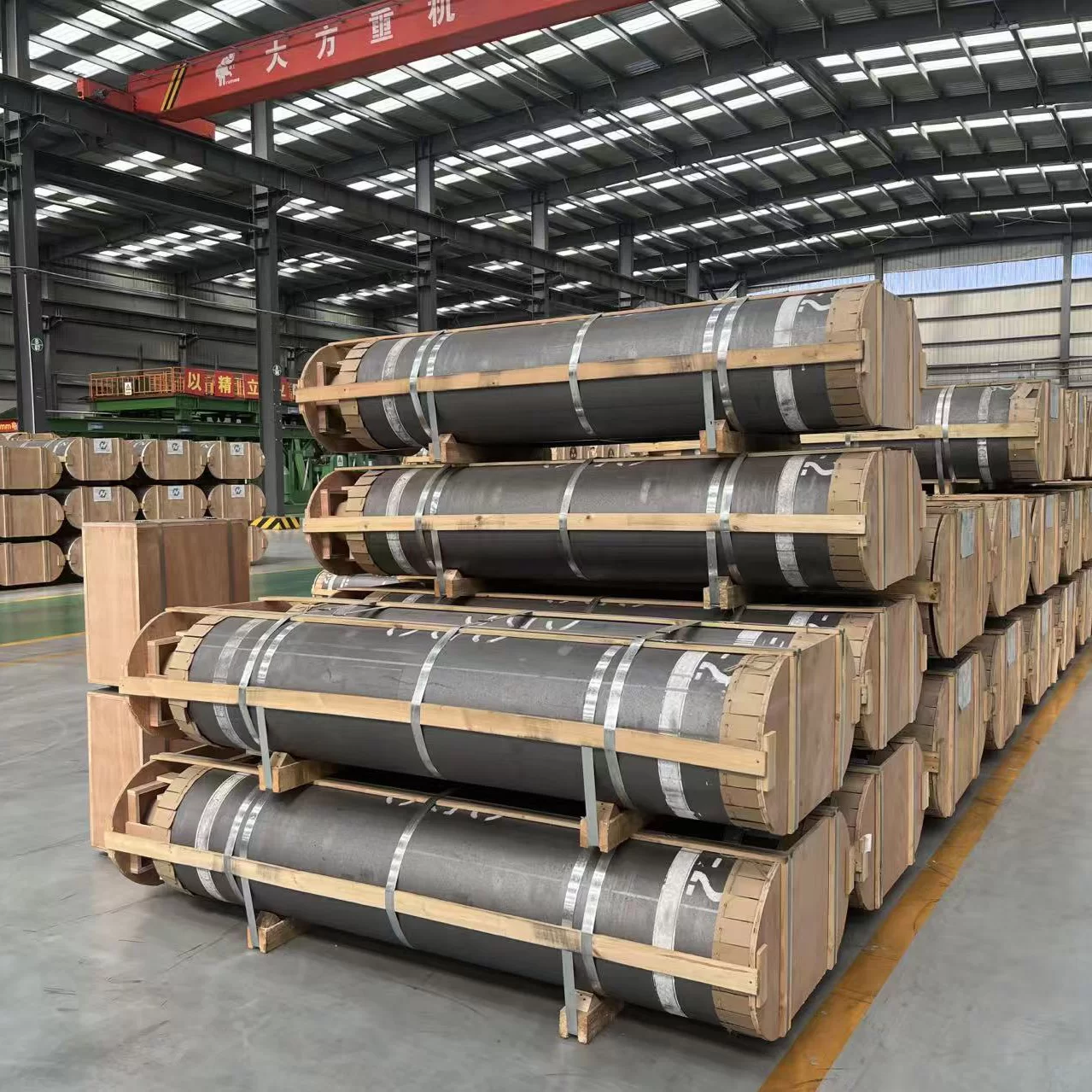
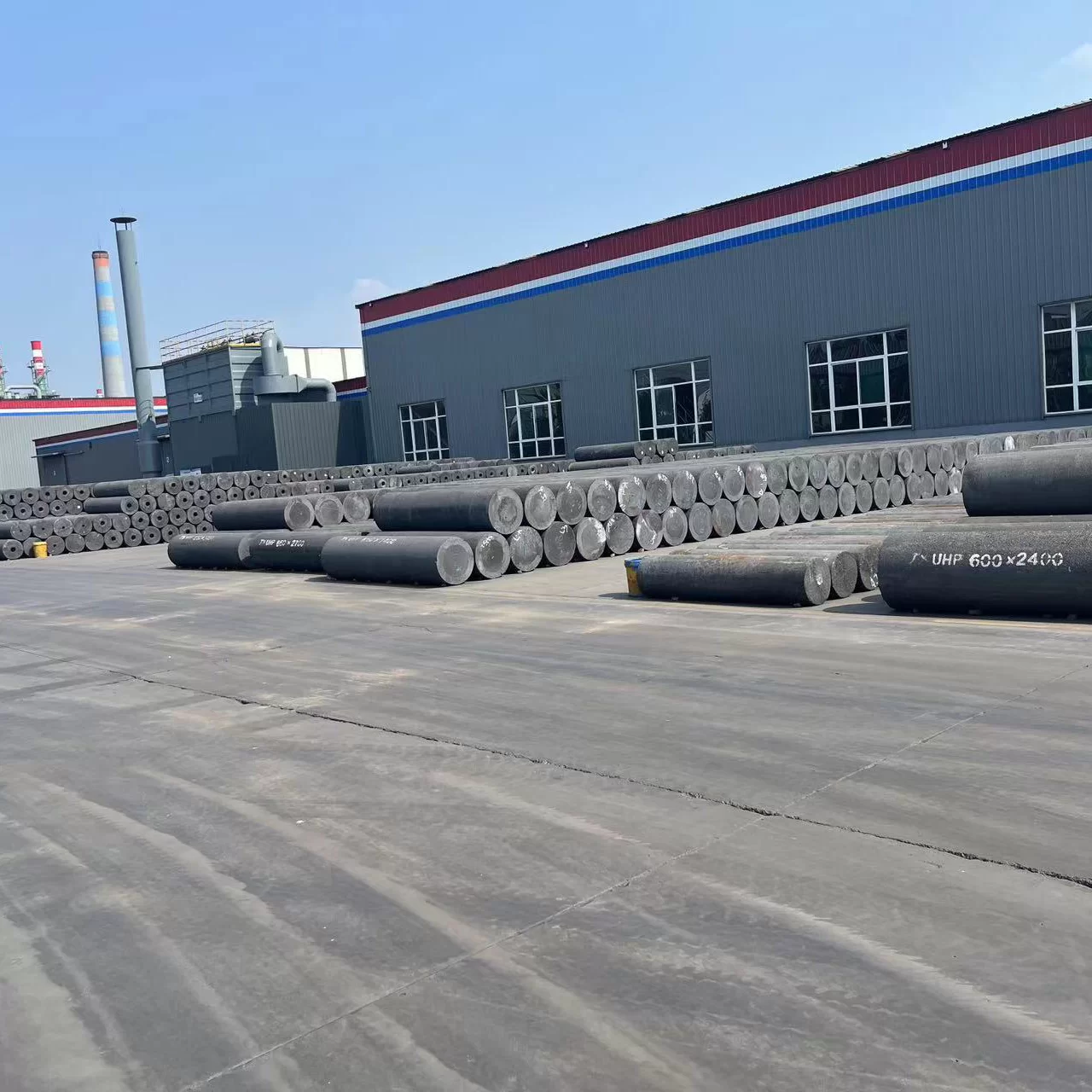
After heat treatment, graphite can be cut, milled, or formed into various shapes — blocks, powders, or fibers — depending on the application. This versatility makes it suitable for a wide range of industries.
4. Purification
Additional purification steps may occur to remove residual metals or ash content, ensuring the graphite meets strict industrial standards.
5. Quality Control
Rigorous testing — including crystallinity checks, density measurements, and impurity analysis — guarantees performance consistency.
Product Specification Table: Synthetic Graphite
| Parameter | Typical Range | Units |
|---|---|---|
| Purity | >99.5 | % |
| Bulk Density | 1.5–1.9 | g/cm³ |
| Electrical Conductivity | 7000–10000 | S/m |
| Resistivity | 10–20 | μΩ·m |
| Graphitization Temp. | 2500–3000 | °C |
Global Applications & Use Cases
Synthetic graphite has found its place across countless industries globally, literally shaping the infrastructure of our tech-driven world. Here’s where it shines:
- Electric Vehicles (EVs): As the go-to anode material in lithium-ion batteries, synthetic graphite is critical to the EV revolution sweeping across North America, Europe, and Asia.
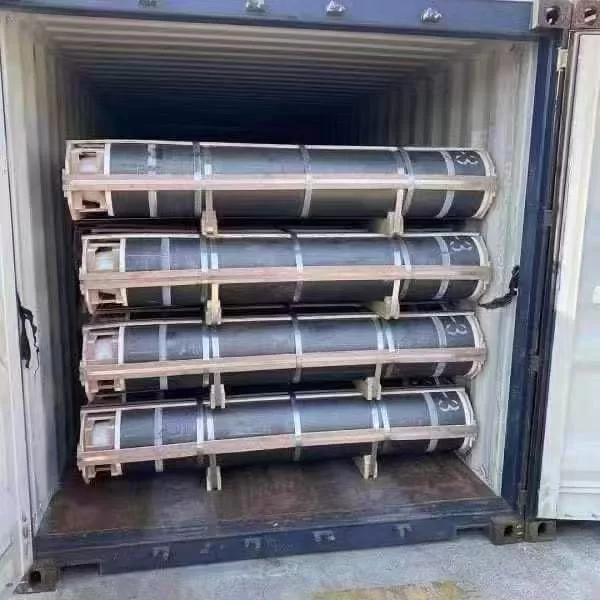
- Steel Manufacturing: Synthetic graphite electrodes enable high-efficiency electric arc furnaces, especially in China and India’s booming steel sectors.
- Aerospace Components: Its heat resistance is vital in thermal shielding and rocket nozzles, mostly produced in the US and Russia.
- Renewables & Energy Storage: Grid-scale batteries and solar panels also benefit from its properties, notably in Europe’s green energy push.
An interesting real-world glimpse: In post-disaster zones where power infrastructure collapses, portable batteries with synthetic graphite anodes can provide stable, reliable emergency energy, preserving communication and medical equipment.
Comparison of Leading Synthetic Graphite Vendors
| Vendor | Purity (%) | Production Capacity (tons/year) | Sustainability Certifications |
|---|---|---|---|
| DahCarbon | 99.8 | 15,000 | ISO 14001, RoHS |
| GraphiteTech | 99.6 | 12,000 | ISO 9001 |
| CarbonClean | 99.7 | 10,000 | Green Seal Certified |
Advantages & Long-Term Value of Synthetic Graphite
Manufacturers and end-users are drawn to synthetic graphite because it offers:
- Superior Purity & Consistency: Unlike mined graphite, synthetic variants can be tailored to exacting specs, which ensures reliability.
- Environmental Sustainability: Advances in production now focus on reducing carbon footprints and waste, making synthetic graphite a greener choice than ever.
- Improved Safety & Performance: The enhanced structural integrity supports safer battery operation, which ultimately protects people and assets.
- Economic Efficiency: While the upfront cost may be higher, lifespan extension and efficiency gains yield strong value over time.
Plus, there’s a quiet dignity in knowing this material supports innovations that preserve human livelihoods — from cleaner cities to disaster-resilient technologies.
Future Trends & Innovations
The synthetic graphite production process is evolving, driven by digital automation, improved material sciences, and green energy integration. For instance, some factories now use renewable energy sources for graphitization furnaces, cutting emissions dramatically. Meanwhile, new precursor materials are in development to enhance graphite performance even further. Automation and AI also play a part in quality control, helping detect impurities faster.
A particularly exciting trend lies in synthetic graphite production process innovations targeting next-generation batteries with higher energy densities and faster charging times — unlocking potentials we once only dreamed of.
Challenges & Solutions
No process is perfect. Currently, synthetic graphite production faces:
- High Energy Consumption: The graphitization furnace is power-intensive, pushing manufacturers to seek sustainable energy inputs.
- Cost Constraints: Balancing production costs and market price remains tricky, especially as demand spikes.
- Material Sourcing Risks: Petroleum coke availability can fluctuate, affecting supply chains.
However, experts suggest that embracing circular economy principles, like recycling used graphite and investing in renewable energy, are effective solutions. Also, close partnerships between material scientists and producers foster constant innovation, adjusting to these challenges dynamically.
FAQ: Frequently Asked Questions About Synthetic Graphite Production Process
- What raw materials are used in producing synthetic graphite?
- Typically, petroleum coke and coal tar pitch are the main raw materials. These carbon-rich sources undergo processing and heat treatments to form synthetic graphite. The selection of high-quality precursors impacts the material’s purity and performance.
- How does synthetic graphite differ from natural graphite?
- Synthetic graphite is man-made through thermal processing, resulting in higher purity, consistent structure, and tailored properties. Natural graphite is mined directly from deposits and may contain impurities and inconsistencies.
- Why is synthetic graphite important for electric vehicle batteries?
- Synthetic graphite serves as a primary anode material in lithium-ion batteries due to its excellent conductivity and stability, improving battery life and efficiency—key factors in EV performance.
- Are there environmental concerns with synthetic graphite production?
- Energy-intensive graphitization processes can impact the environment, but industry trends are moving towards greener energy inputs and recycling methods to minimize footprints.
- Can synthetic graphite production be scaled sustainably?
- Yes, advancements in technology and energy use optimization are helping scale production without compromising sustainability goals.
Conclusion & Call to Action
In real terms, the synthetic graphite production process is a cornerstone of modern industry and sustainability efforts. Its role in enabling clean energy, smarter electronics, and resilient infrastructure cannot be overstated. As we advance, investing in and understanding this process promises both economic opportunity and ecological responsibility.
If you’re curious to dive deeper into the nuances or explore top-quality materials, I encourage you to visit DahCarbon’s website. They’re truly at the forefront of synthetic graphite technology.
It’s funny how such a specialized process quietly supports big-picture innovations — makes you appreciate the layers behind every gadget, vehicle, or energy solution, doesn’t it?
- International Energy Agency (IEA), The Role of Critical Minerals in Clean Energy Transitions.
- United Nations Sustainable Development Goals, SDG 9 Industry, Innovation, and Infrastructure.
- Wikipedia: Synthetic graphite