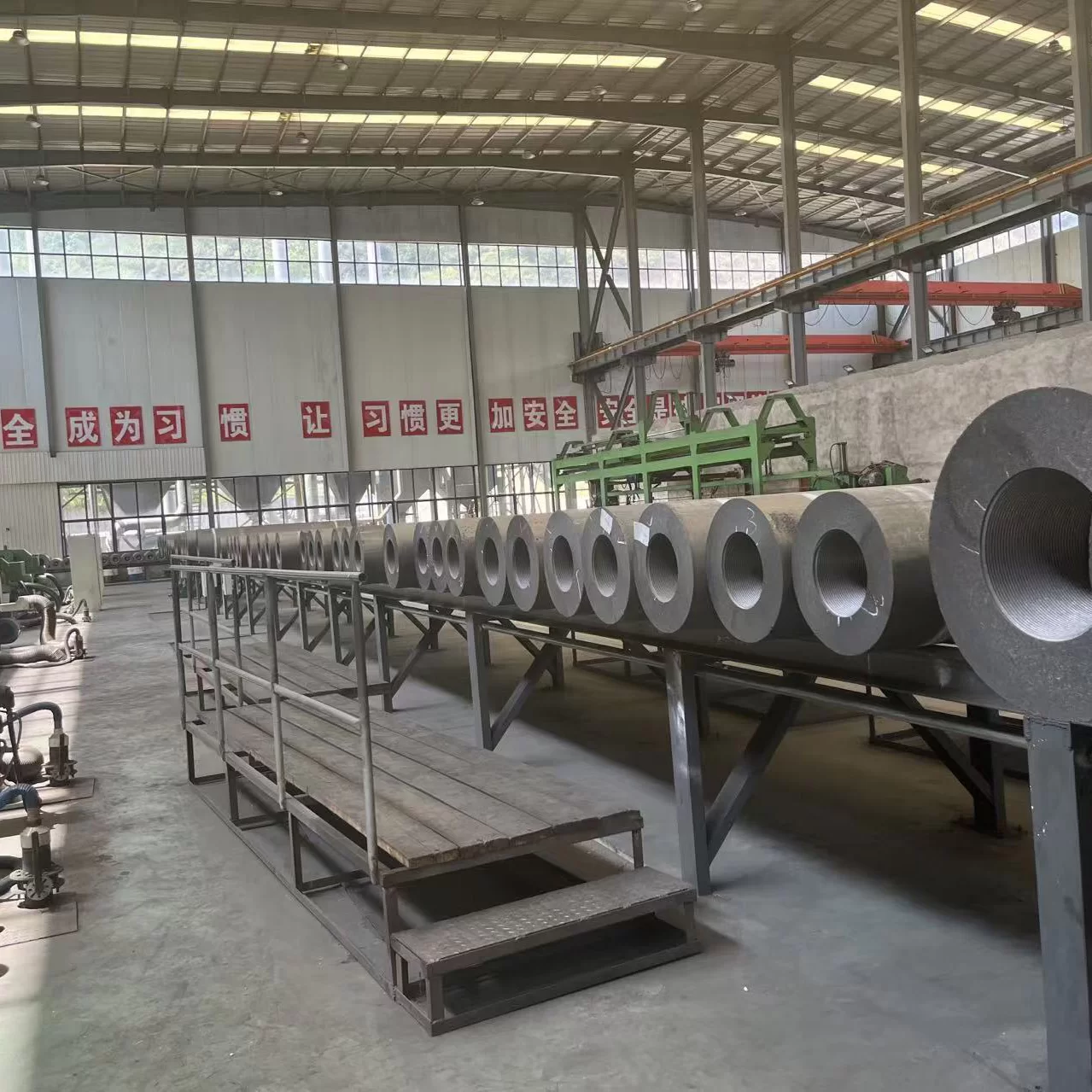
Understanding How Artificial Graphite Is Prepared: The Process Explained
Artificial graphite is a fascinating material integral to many modern industries — from batteries powering your smartphone to electrodes in steel manufacturing. But have you ever wondered how artificial graphite is prepared by which process? Why does it matter so much globally? Well, understanding this process sheds light on how industries make materials with specific, high-performance qualities — and how these qualities transform technology and sustainability worldwide.
The Global Relevance of Artificial Graphite Production
Artificial graphite production is not just a niche industrial activity. Frankly, it’s a cornerstone in advancing clean energy, electronics, and manufacturing sectors globally. According to the International Energy Agency, graphite demand, especially synthetic graphite, is expected to surge with the rise of electric vehicle batteries and renewable energy storage solutions. Countries like China, the US, and Japan invest heavily in technologies optimizing artificial graphite to meet these demands.
But here’s the challenge: achieving high-quality graphite at scale while balancing cost, environmental footprint, and performance. Understanding how artificial graphite is prepared by which process provides insights into meeting this complex equation effectively.
Defining Artificial Graphite Preparation
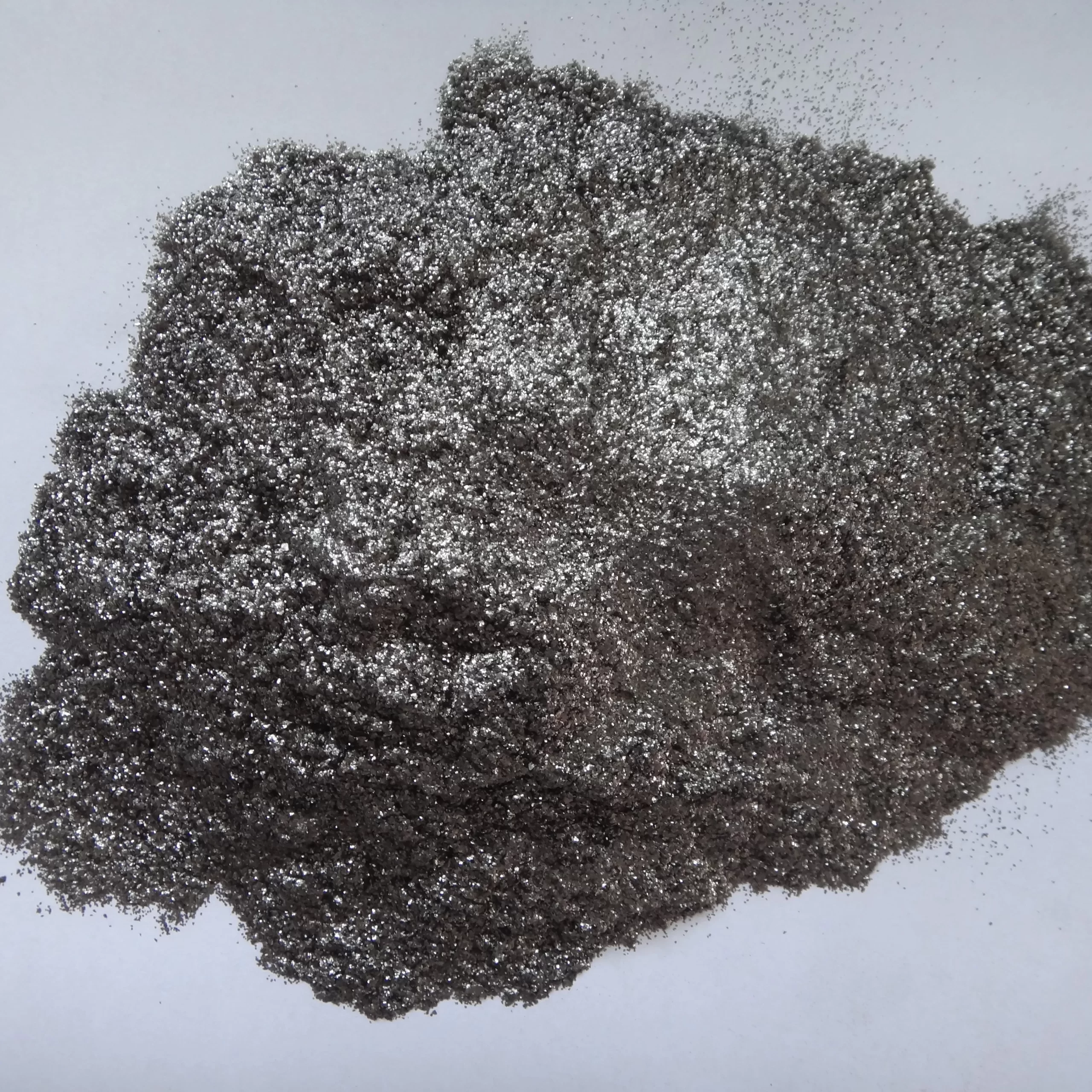
In simple terms, artificial or synthetic graphite is produced by converting carbon-rich materials into a highly ordered, graphite crystal structure. Unlike natural graphite mined from the earth, synthetic graphite is manufactured, allowing control over purity, particle size, and electrical properties.
This process is crucial. Artificial graphite powers lithium-ion batteries, serves as heat-resistant components in aerospace, and is fundamental in producing steel. It also fulfills humanitarian and industrial needs where reliable, durable graphite properties are non-negotiable.
Core Components of Artificial Graphite Production
1. Raw Material Selection
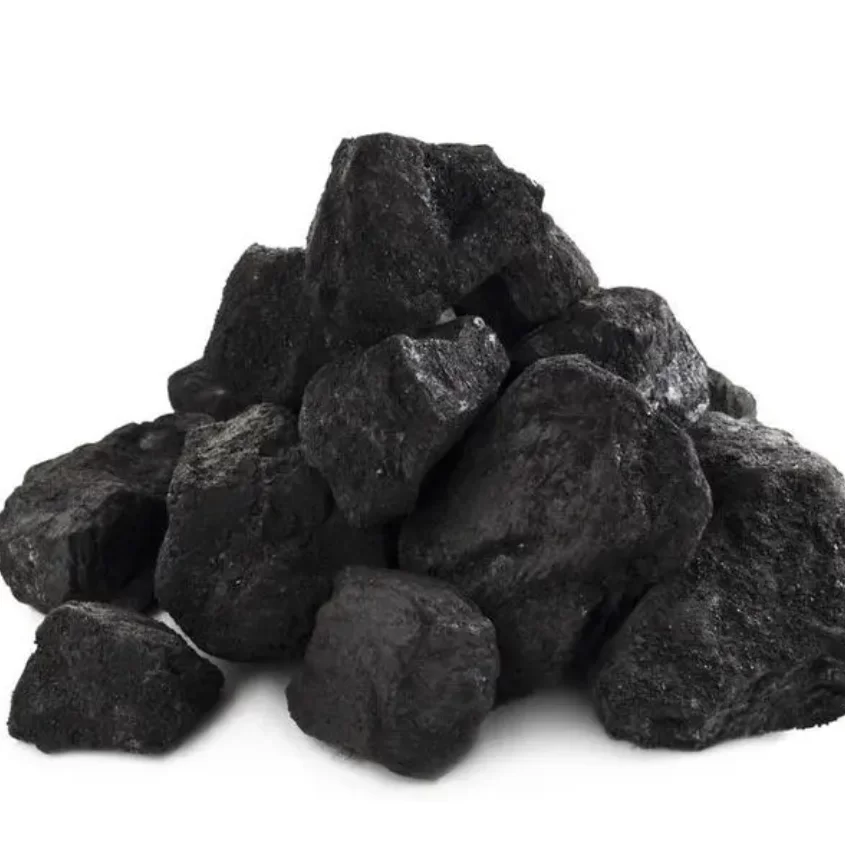
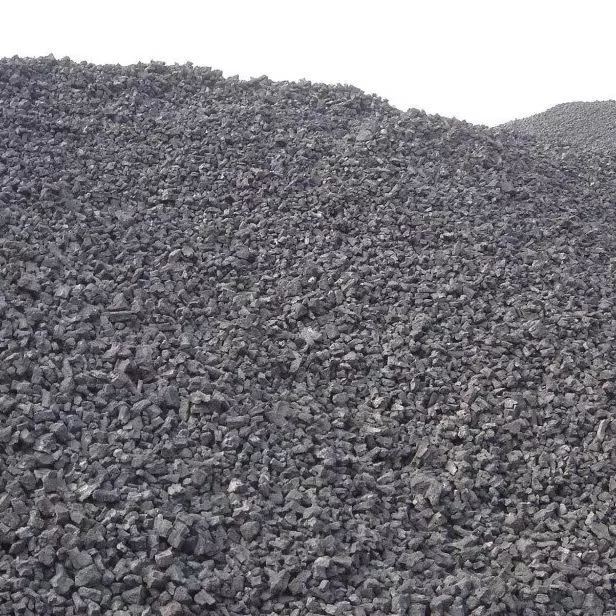
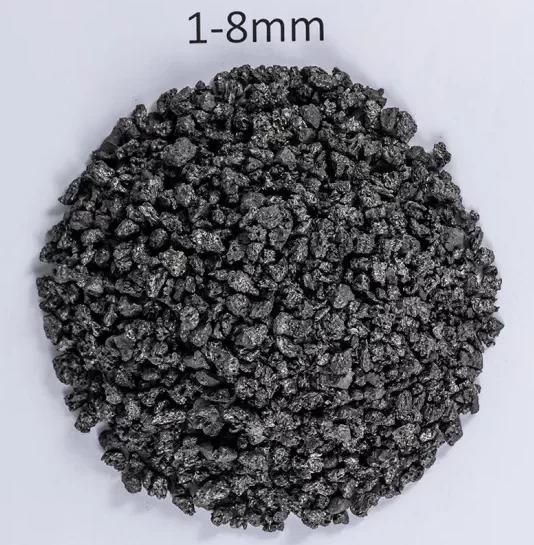
Usually, petroleum coke or coal tar pitch acts as the carbon source. Selecting the right precursor impacts the final product’s purity and conductivity. For example, petroleum coke is preferred for high-quality electrodes.
2. Calcination
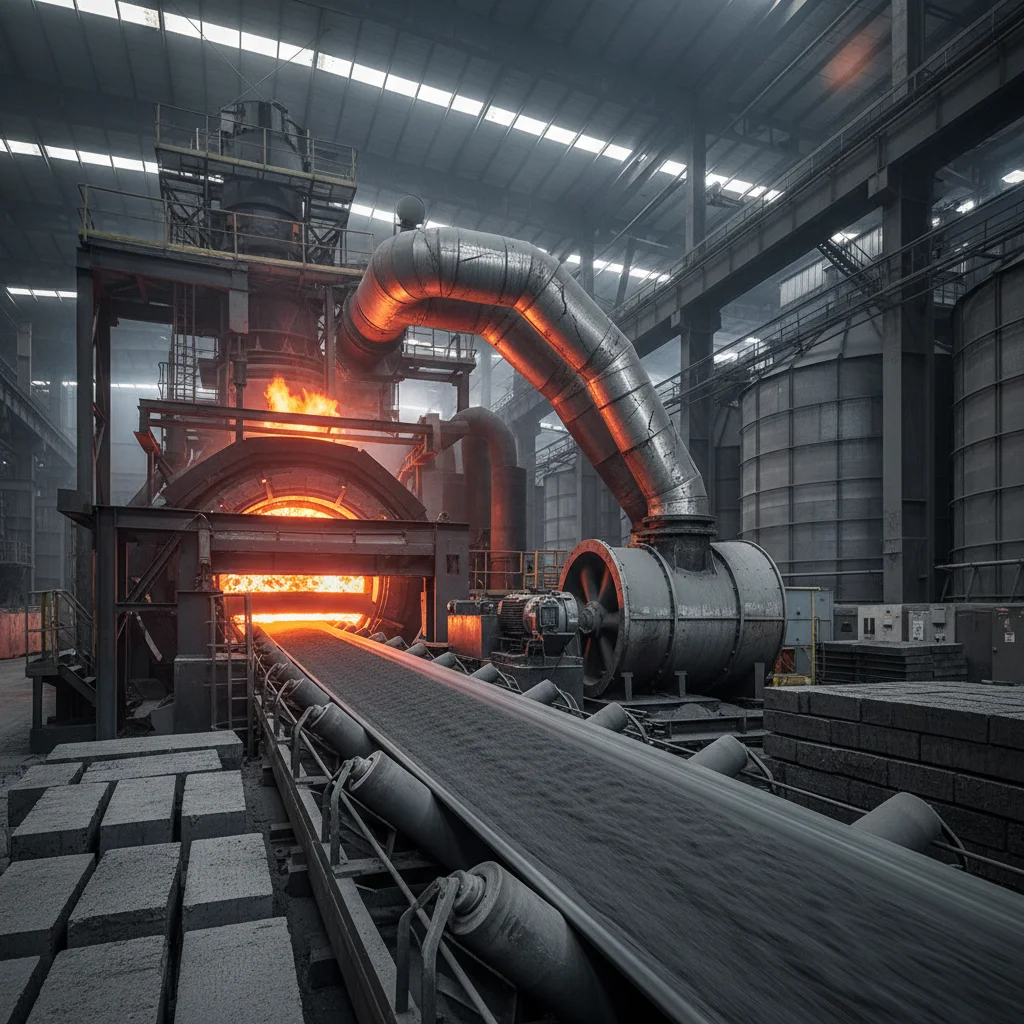
The raw carbon is heated to 1000–1300°C to remove volatile materials. Think of it as “cleaning” the carbon before shaping it.
3. Shaping and Forming
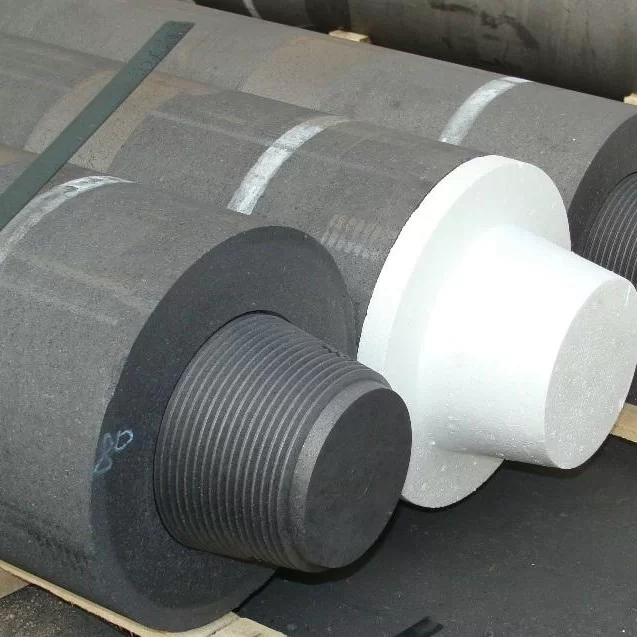
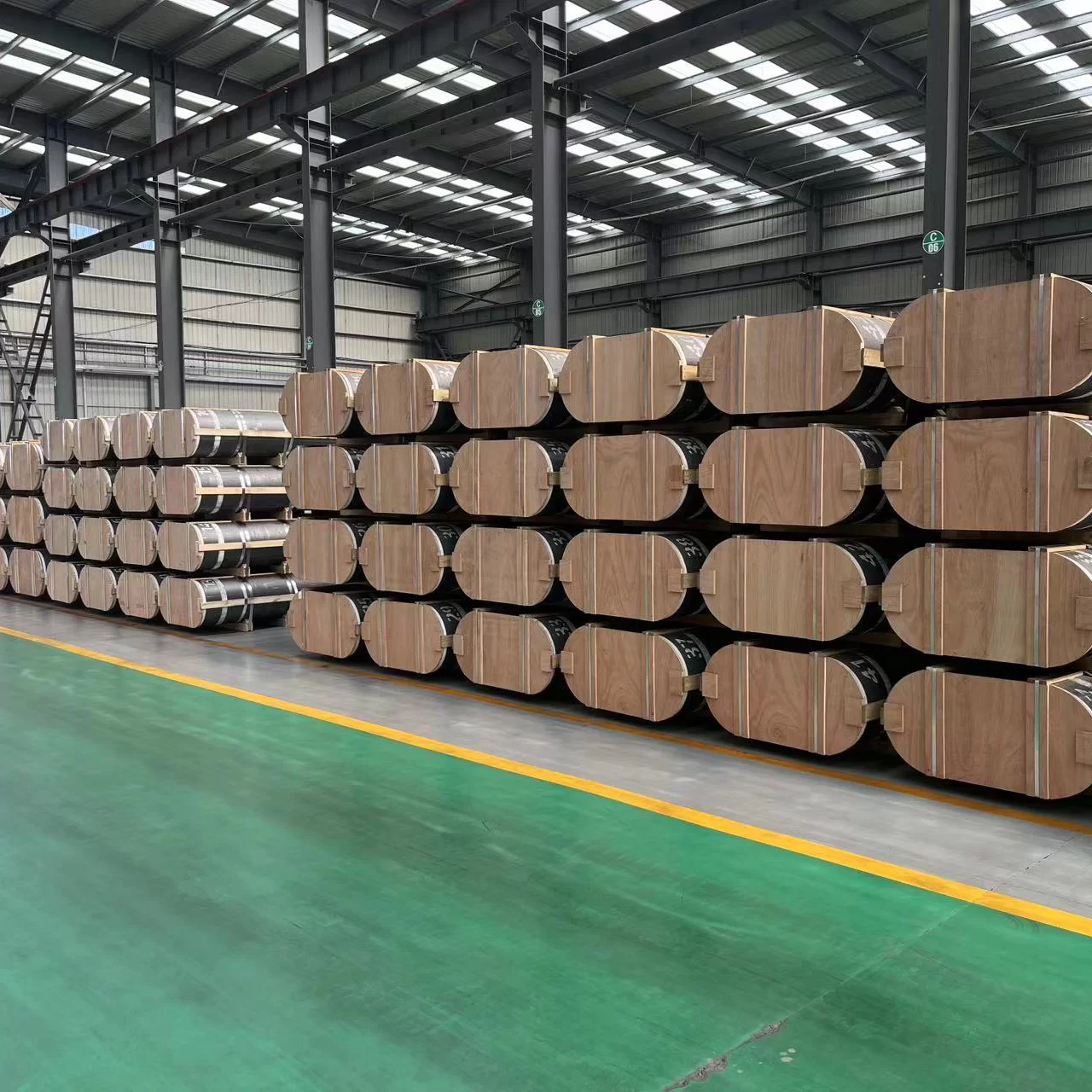
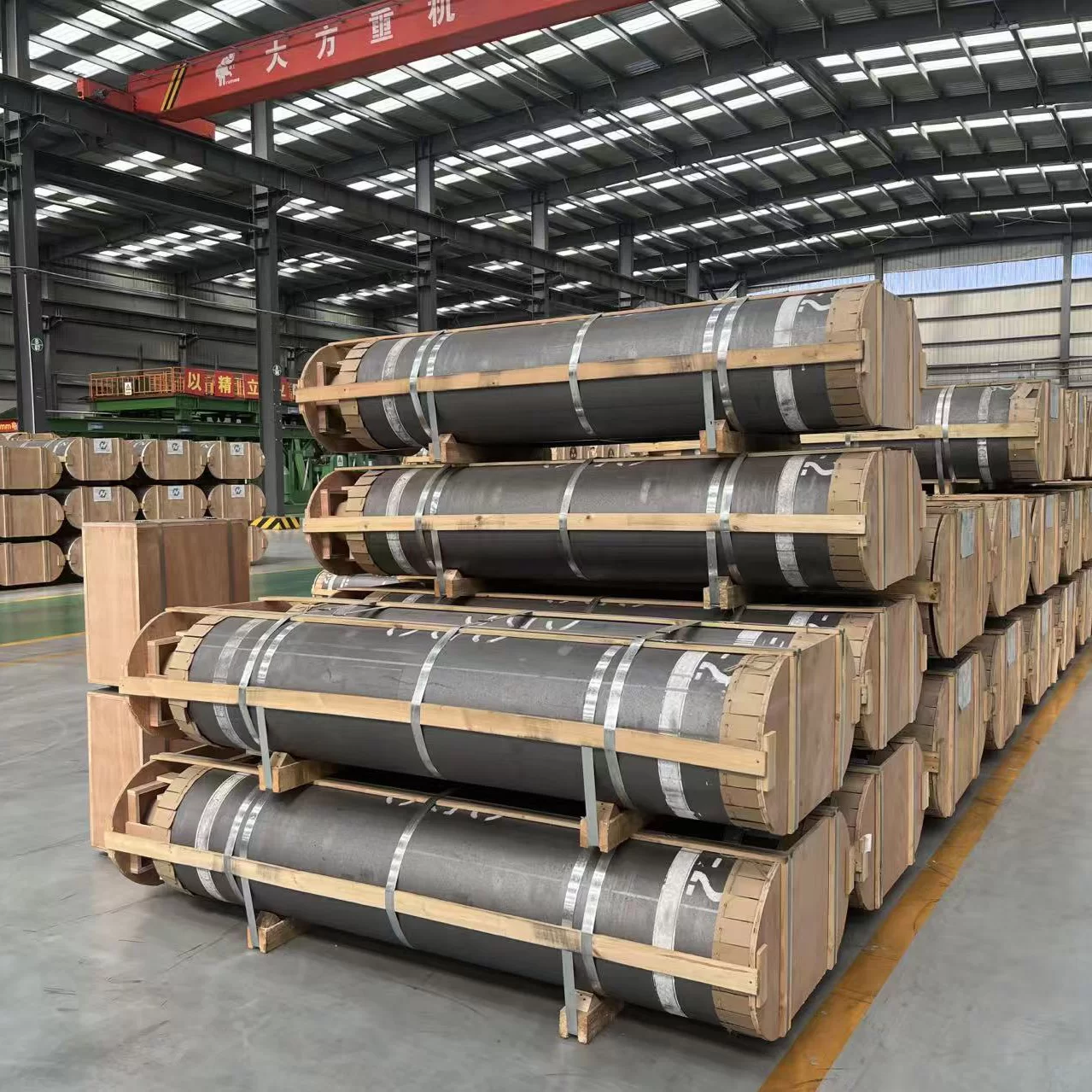
The calcined carbon powder is mixed with binders, formed into desired shapes—rods, plates, or blocks—using extrusion or molding.
4. Carbonization
Next, shaped parts are heated to roughly 1000–1200°C in an oxygen-free environment, solidifying their structure.
5. Graphitization
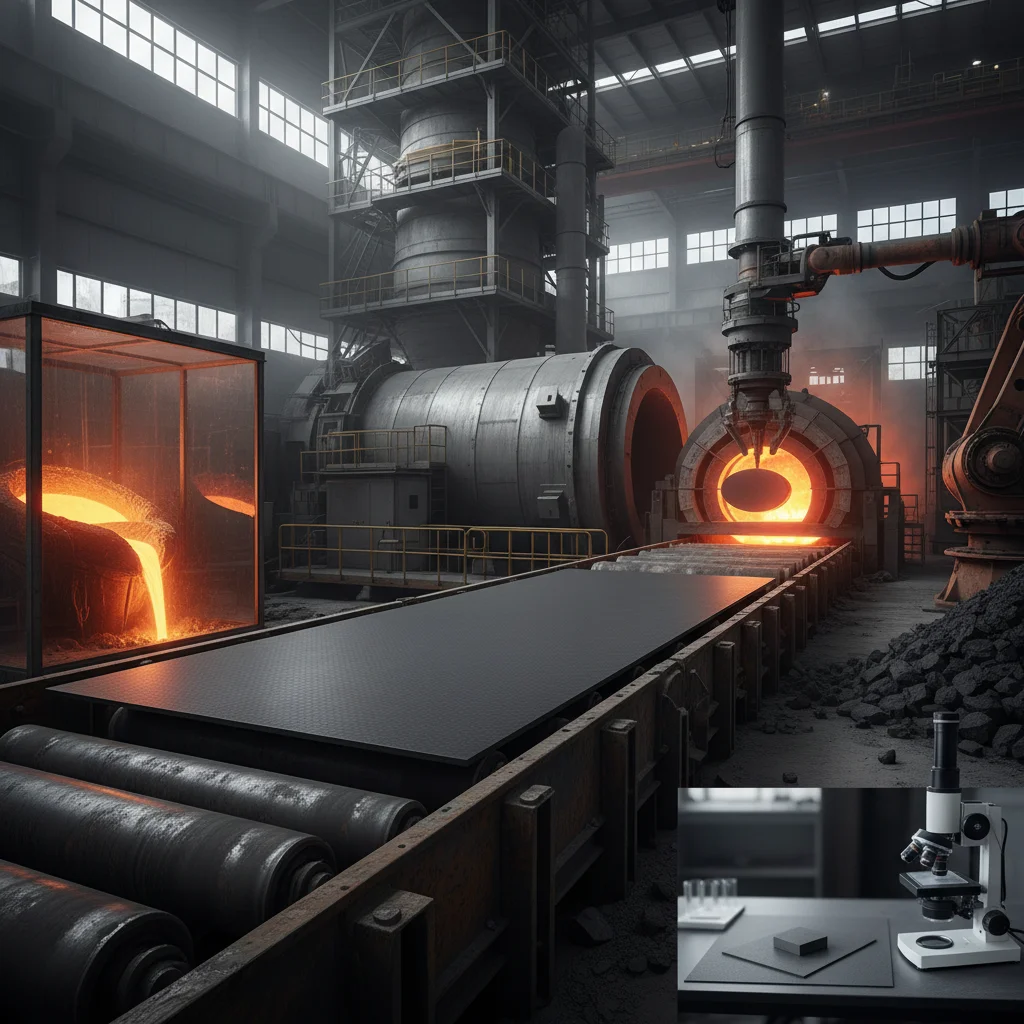
This is the heart of the process and what answers how artificial graphite is prepared by which process. The carbonized parts are baked at extremely high temperatures (~2500–3000°C). This rearranges the carbon atoms into the hexagonal graphite crystalline structure.
6. Finishing and Quality Control
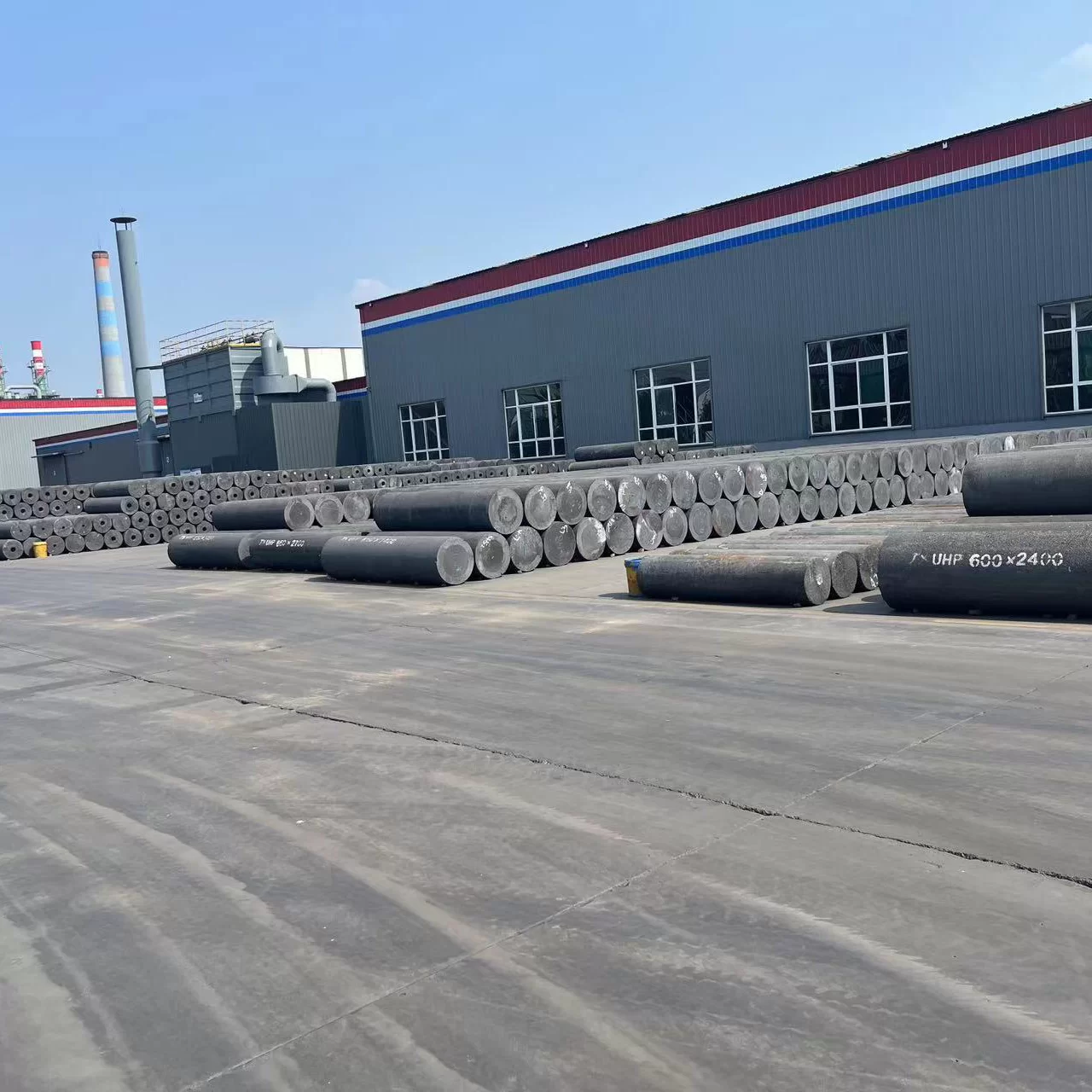
Finally, the graphite undergoes machining, polishing, and inspections to meet exact standards.
| Step | Temperature Range (°C) | Purpose |
|---|---|---|
| Calcination | 1000–1300 | Removal of volatiles |
| Carbonization | 1000–1200 | Solidifying carbon structure |
| Graphitization | 2500–3000 | Conversion to graphite crystal |
Mini takeaway: The preparation process for artificial graphite is a multi-stage dance of heat and chemistry, producing a material tailored for high-tech uses worldwide.
Real-World Applications and Global Impact
Artificial graphite's preparation process has huge ramifications on numerous sectors:
- Energy Storage: Electric vehicle batteries need synthetic graphite for their anodes. This is especially true in leading EV markets like Europe, China, and the US.
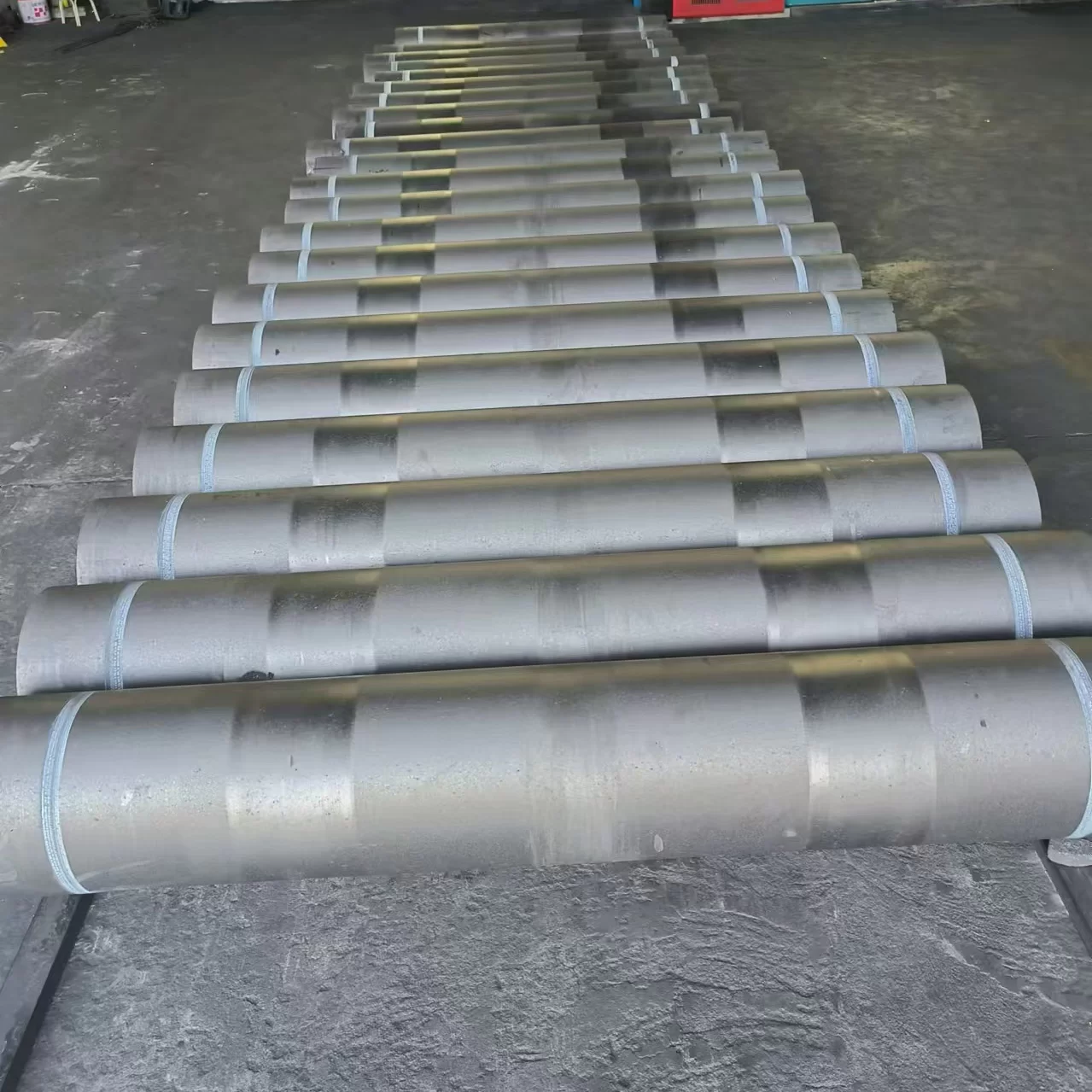
- Steel Production: Graphite electrodes are vital in electric arc furnaces. Steelmakers in India and South Korea lean heavily on these materials.
- Aerospace & Electronics: Heat-resistant graphite is used in spacecraft and semiconductors. NASA and Silicon Valley companies are notable beneficiaries.
- Environmental Technologies: Artificial graphite catalyzes processes in wastewater treatment and recycling plants.
For more on related processing technologies, check out artificial graphite is prepared by which process.
Advantages & Long-Term Value
The benefits of understanding this process are obvious once you think about applications:
- Quality Control: Synthetic graphite’s purity and consistency help manufacturers meet strict standards.
- Cost Efficiency: Manufacturing rather than mining can lower long-term costs when done right.
- Sustainability: Advanced preparation processes can minimize waste and energy use, fostering greener materials.
- Innovation: Tailor-made graphite allows for cutting-edge battery designs and high-temperature industrial components.
Looking Ahead: Innovations on the Horizon
Artificial graphite preparation is evolving rapidly with:
- Green Graphitization: Research focuses on lowering energy consumption during high-temp graphitization.
- Automation & Digital Control: AI technologies improve process monitoring, reducing defects.
- Material Hybridization: Combining graphite with nanomaterials (like graphene) for enhanced performance.
Common Challenges & How to Address Them
Producing artificial graphite isn’t a walk in the park. Consider:
- Energy Intensity: Graphitization demands extreme heat, which is costly and carbon-heavy. Green energy and process innovations are vital.
- Consistency: Uniform crystallinity is tricky but critical. Precision machinery and analytics help here.
- Raw Material Supply: High-quality precursors may be scarce or expensive. Recycling and alternative carbons are being explored as solutions.
Vendor Comparison: Artificial Graphite Manufacturers
| Vendor | Graphitization Temp (°C) | Product Purity (%) | Sustainability Initiatives | Lead Time |
|---|---|---|---|---|
| Dah Carbon | 2800 | >99% | Solar-powered plants, eco-packaging | 4 weeks |
| GraphTech Inc. | 2700 | 98.5% | Waste heat recovery systems | 6 weeks |
| CarbonPlus | 2900 | 99.2% | Recycled feedstock programs | 3 weeks |
FAQs About Artificial Graphite Preparation
Q1: What materials are commonly used to prepare artificial graphite?
Typically, petroleum coke and coal tar pitch are the main precursors. These carbon-rich materials undergo cleaning, shaping, and high-temperature graphitization to become synthetic graphite. Selecting the right raw material directly affects purity and electrical properties.
Q2: How high is the temperature during the graphitization process?
The graphitization step usually requires heating carbonized material between 2500°C and 3000°C. This extreme heat rearranges the carbon atoms into the hexagonal graphite crystal structure essential for performance.
Q3: Can the artificial graphite production process be environmentally friendly?
Yes, though traditionally energy-intensive, recent advances focus on reducing emissions through renewable energy use, heat recovery, and greener raw materials. Some manufacturers, like Dah Carbon, have integrated solar power and eco-packaging to improve sustainability.
Q4: Why is artificial graphite preferred over natural graphite in some applications?
Artificial graphite offers higher purity, customizable properties, and consistent quality. This makes it better suited for high-tech uses like lithium-ion battery anodes where performance consistency is critical.
Conclusion: Why Knowing How Artificial Graphite Is Prepared Matters
So, the question of artificial graphite is prepared by which process involves careful material selection, multi-stage heating, and precise shaping to produce a versatile, high-performance material. Its importance cannot be overstated — powering green energy transitions, tech innovation, and industrial progress worldwide.
Want to learn more or source high-quality synthetic graphite? Visit our website: https://www.dahcarbon.com
Reflecting on this, you realize how chemistry and engineering blend to forge materials that quietly revolutionize daily life and the future.