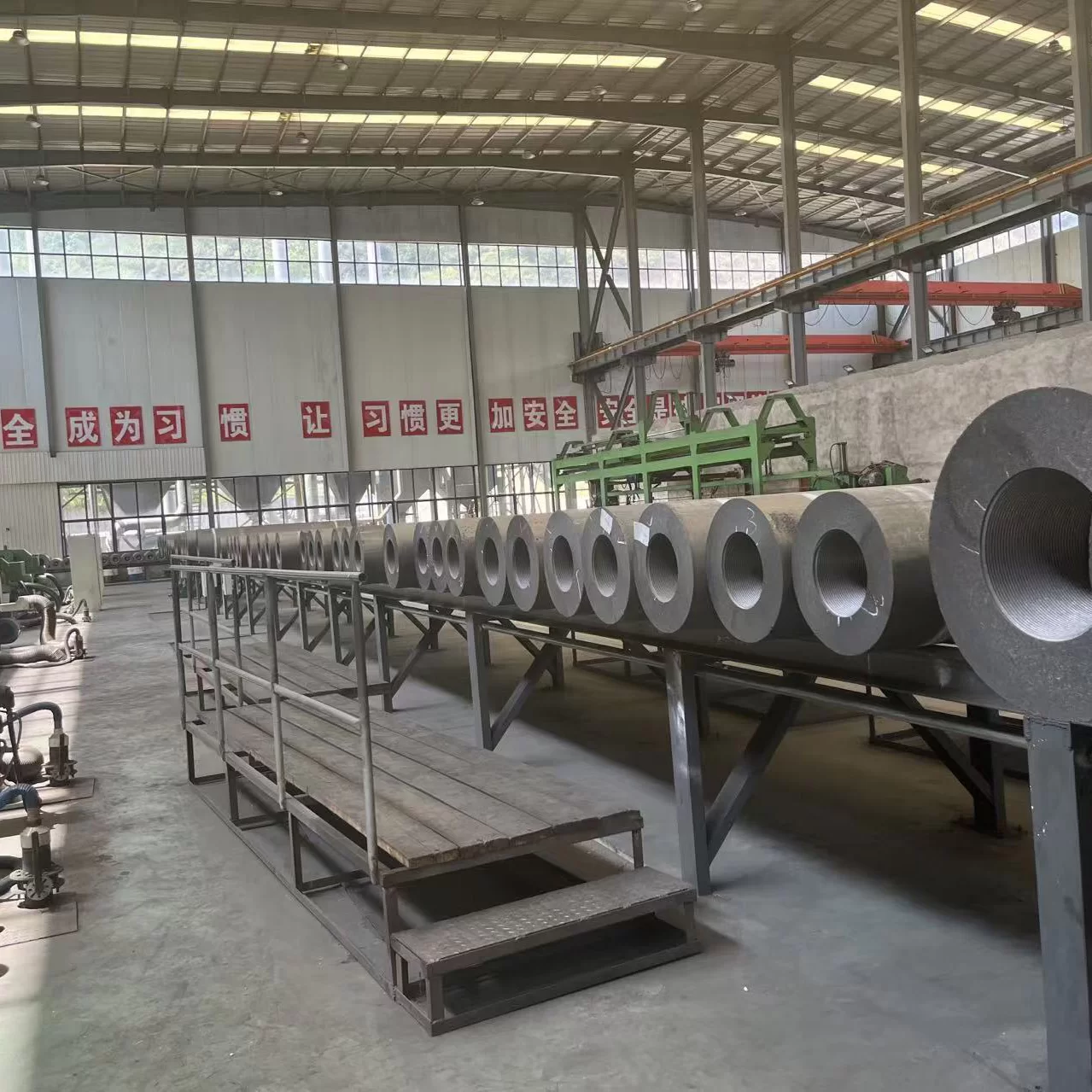
Understanding the Large Graphite Block: Industrial Cornerstone and Global Asset
Large graphite blocks might not be a household term, but they quietly power many essential industries worldwide. From steelmaking to high-tech manufacturing, these blocks serve as indispensable raw materials. Their unique properties make them particularly valuable for applications demanding durability, heat resistance, and electrical conductivity. Understanding what large graphite blocks are, and why they matter globally, opens a window into a crucial piece of modern industrial infrastructure.
Introduction: Global Relevance of Large Graphite Blocks
Graphite’s global production exceeds 1 million metric tons annually, reflecting its significant industrial footprint (Wikipedia - Graphite). Large graphite blocks, specifically, underpin sectors like metallurgy, electrical batteries, and even emerging green energy technologies. With countries like China, Brazil, and Canada leading mining efforts, the supply chain reflects worldwide industrial interdependence.
However, challenges such as sustainable sourcing and material optimization remain. In a world increasingly concerned about carbon footprints and climate impact, the lifecycle and environmental costs of graphite production and use cannot be overlooked. Here, large graphite blocks offer promise in efficiency gains and recyclability compared to synthetic alternatives.
Definition & Meaning
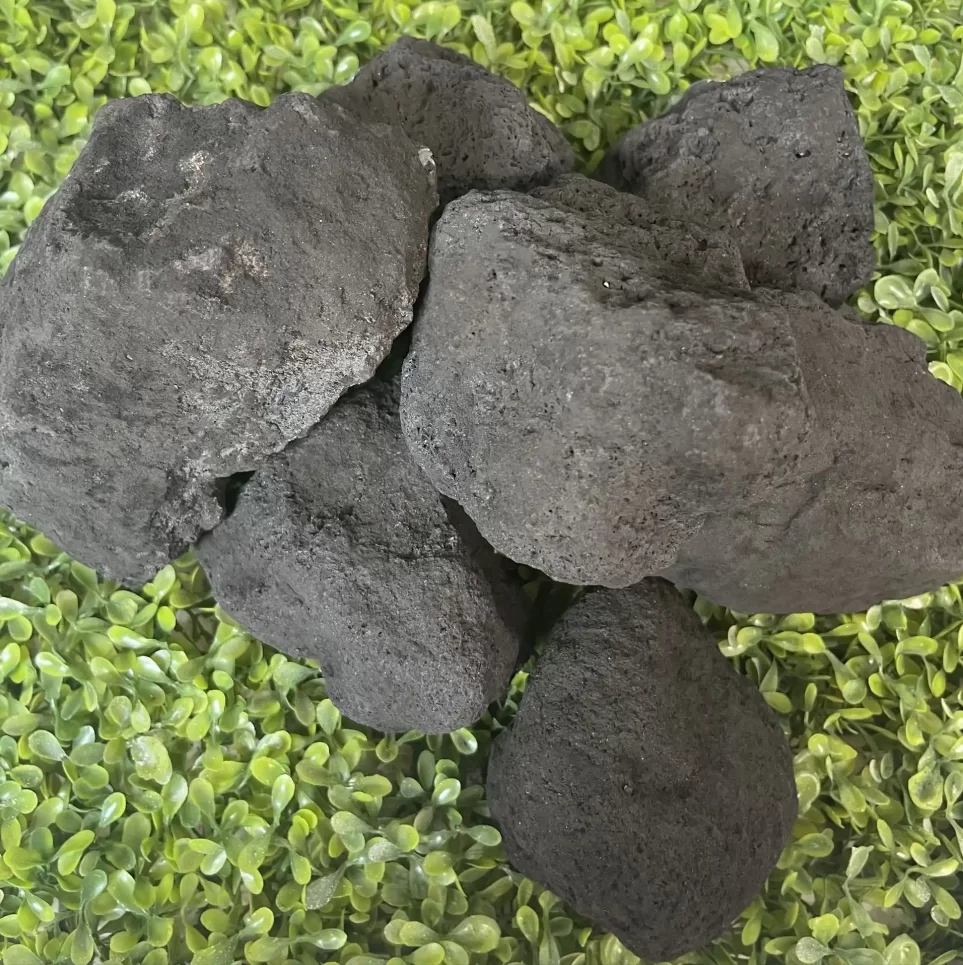
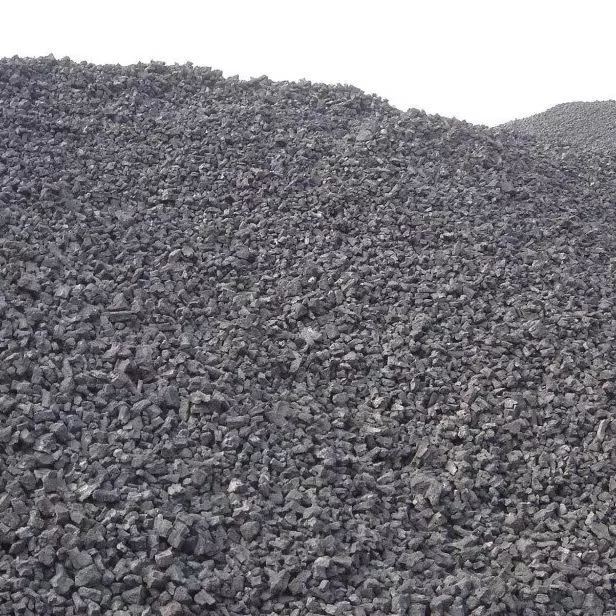
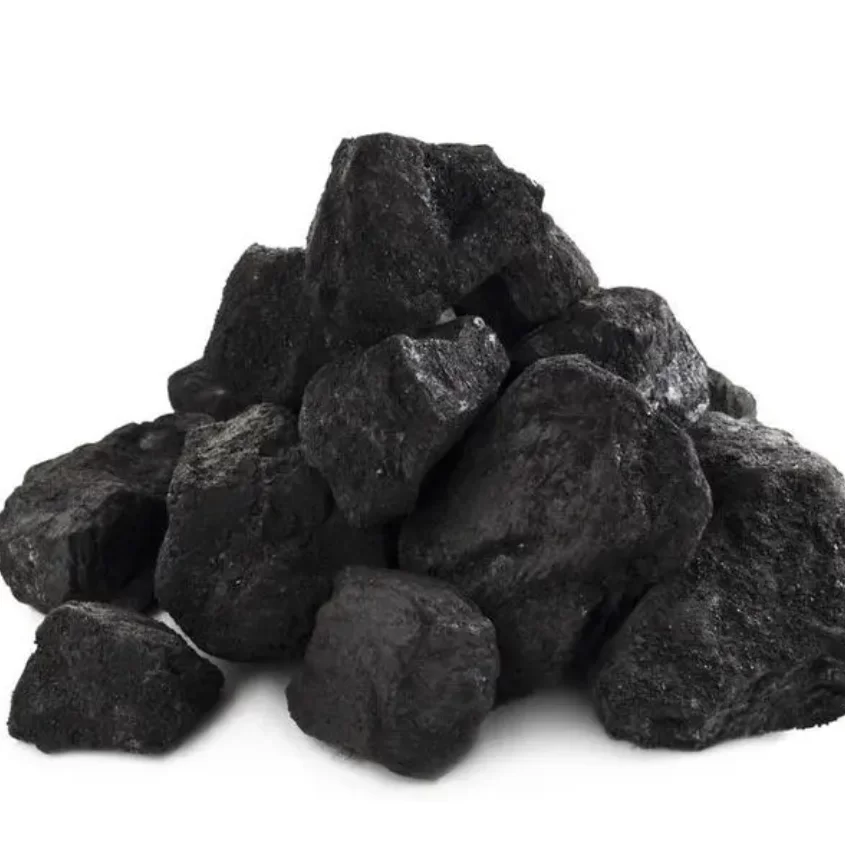
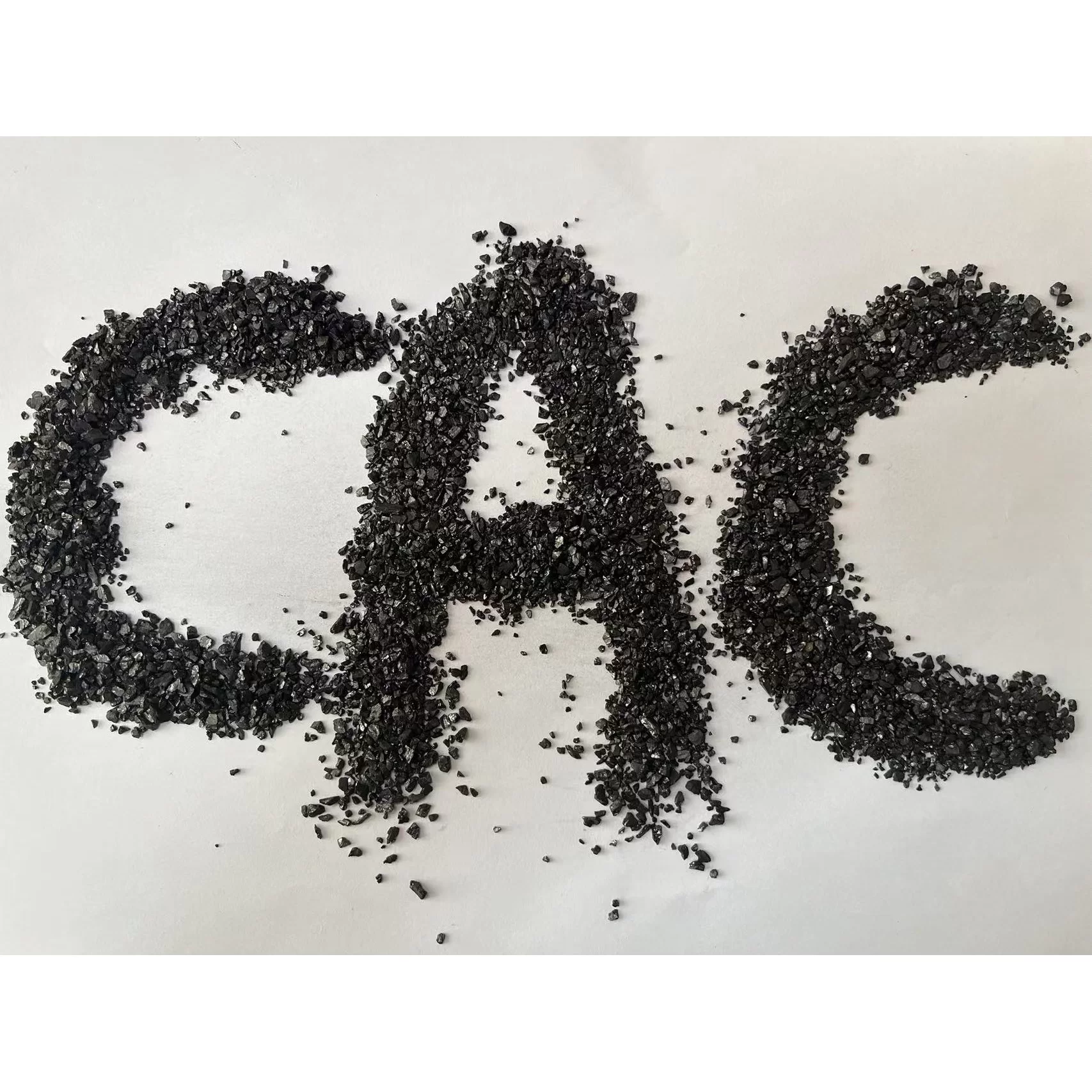
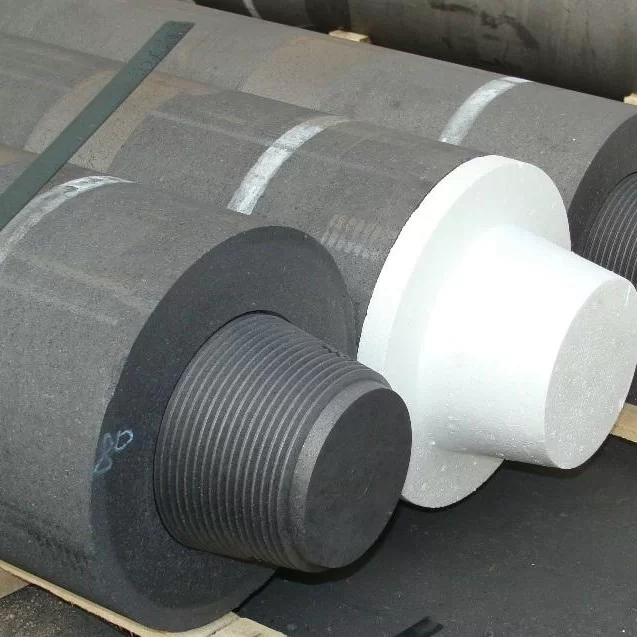
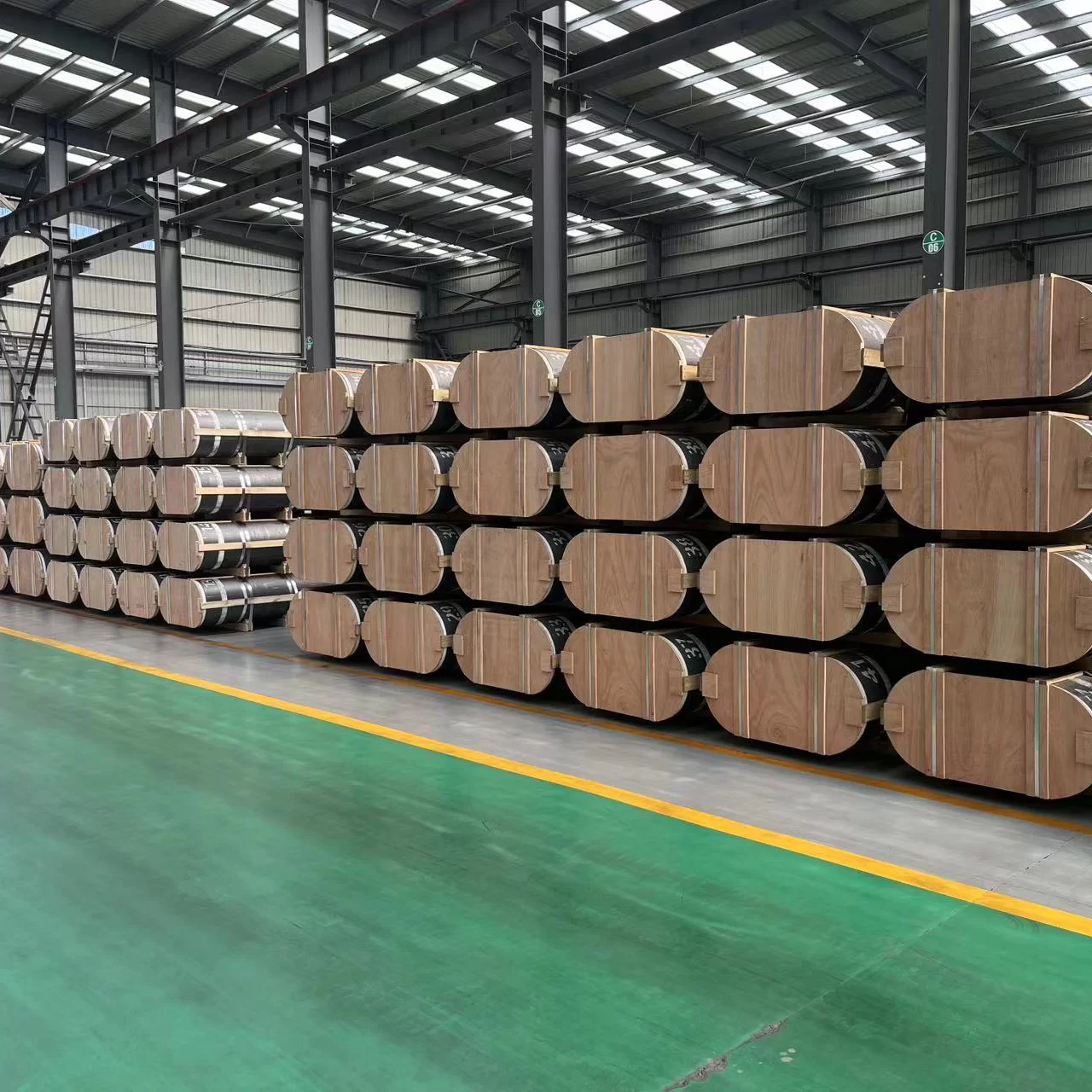
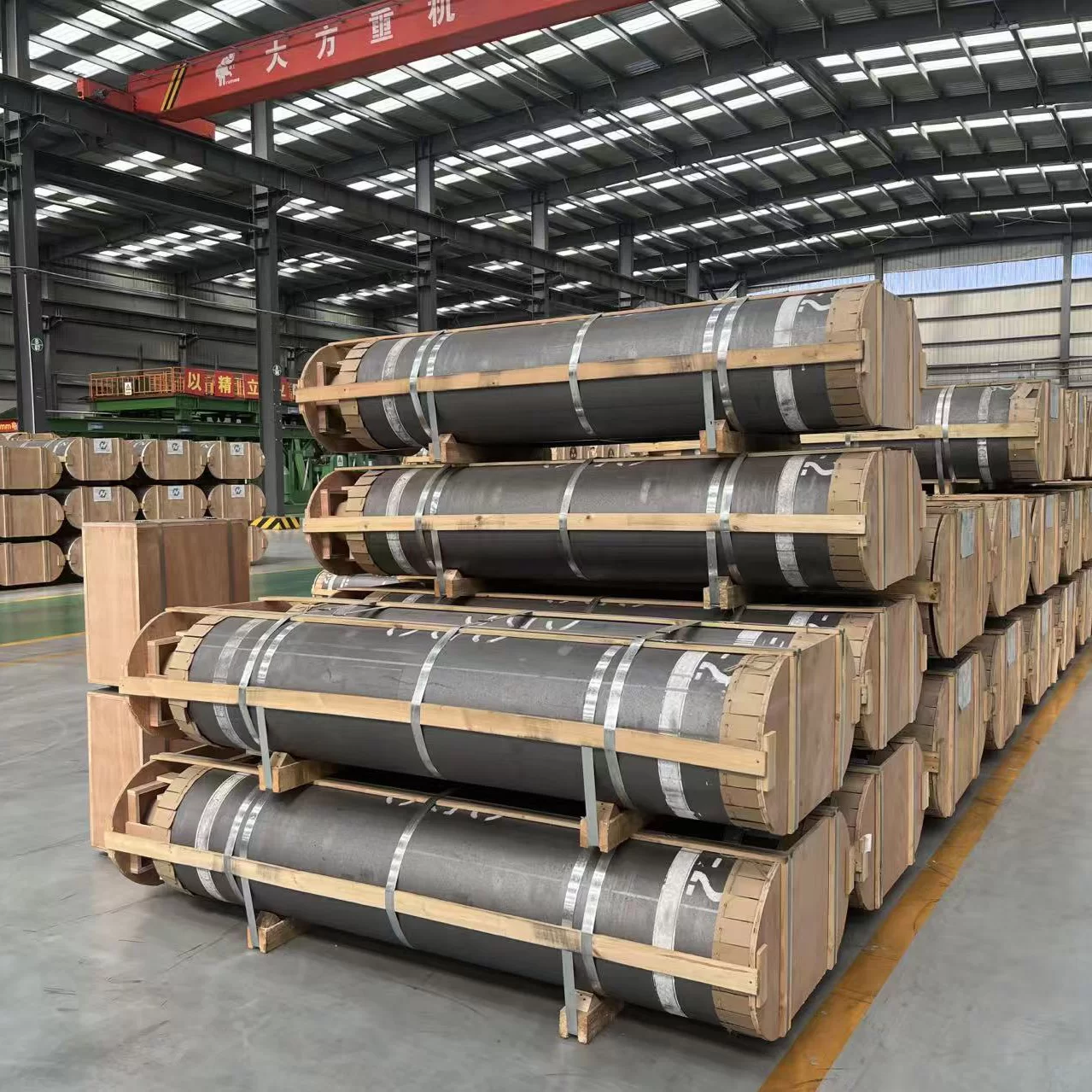
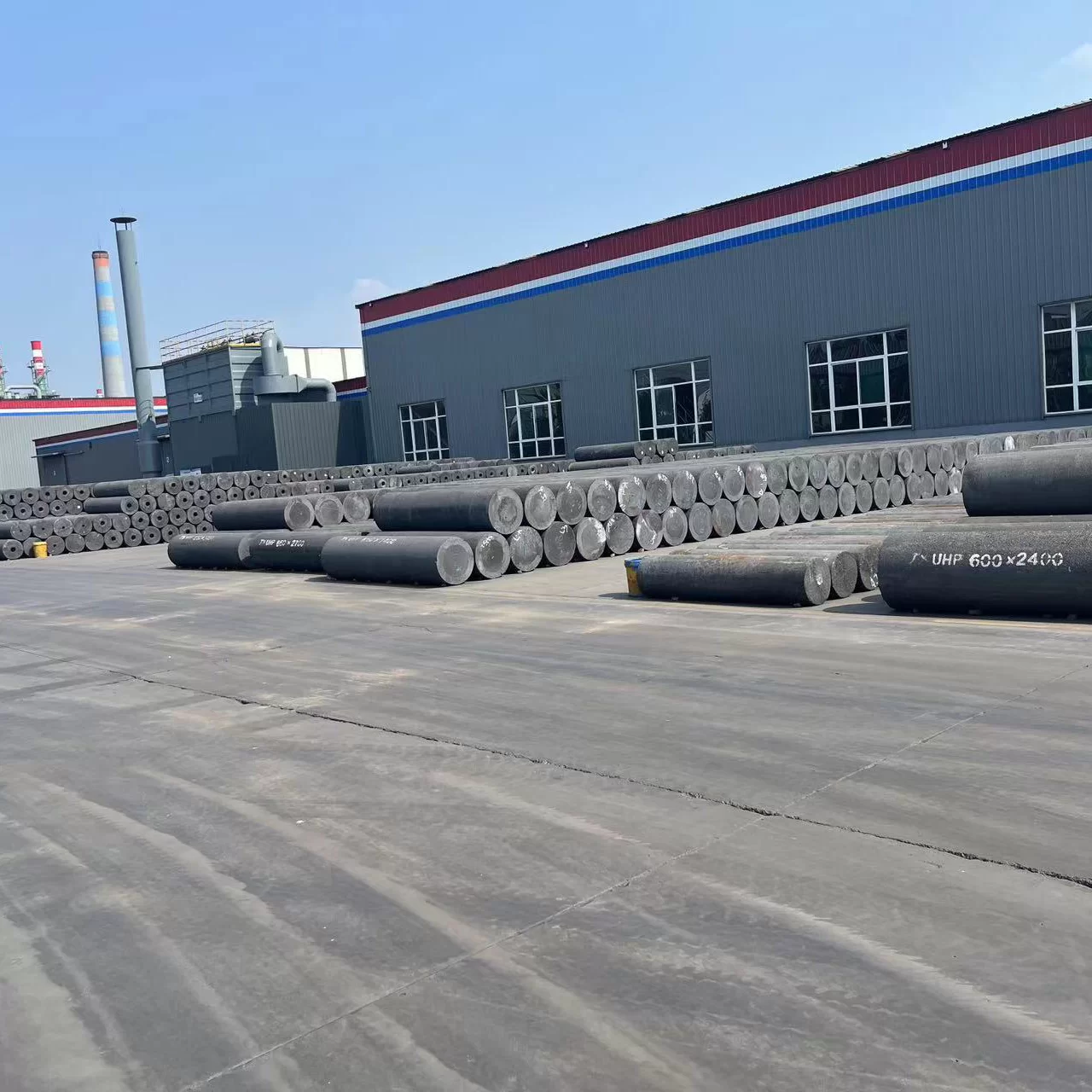
A large graphite block is essentially a solid, bulky form of natural or synthetic graphite. It is recognized by its high purity and density, often machined into electrodes, molds, or heat shields. In simple terms, it’s a tough, black carbon block characterized by its layered crystal structure, which gives graphite its distinctive properties of heat resistance, lubrication, and electrical conductivity.
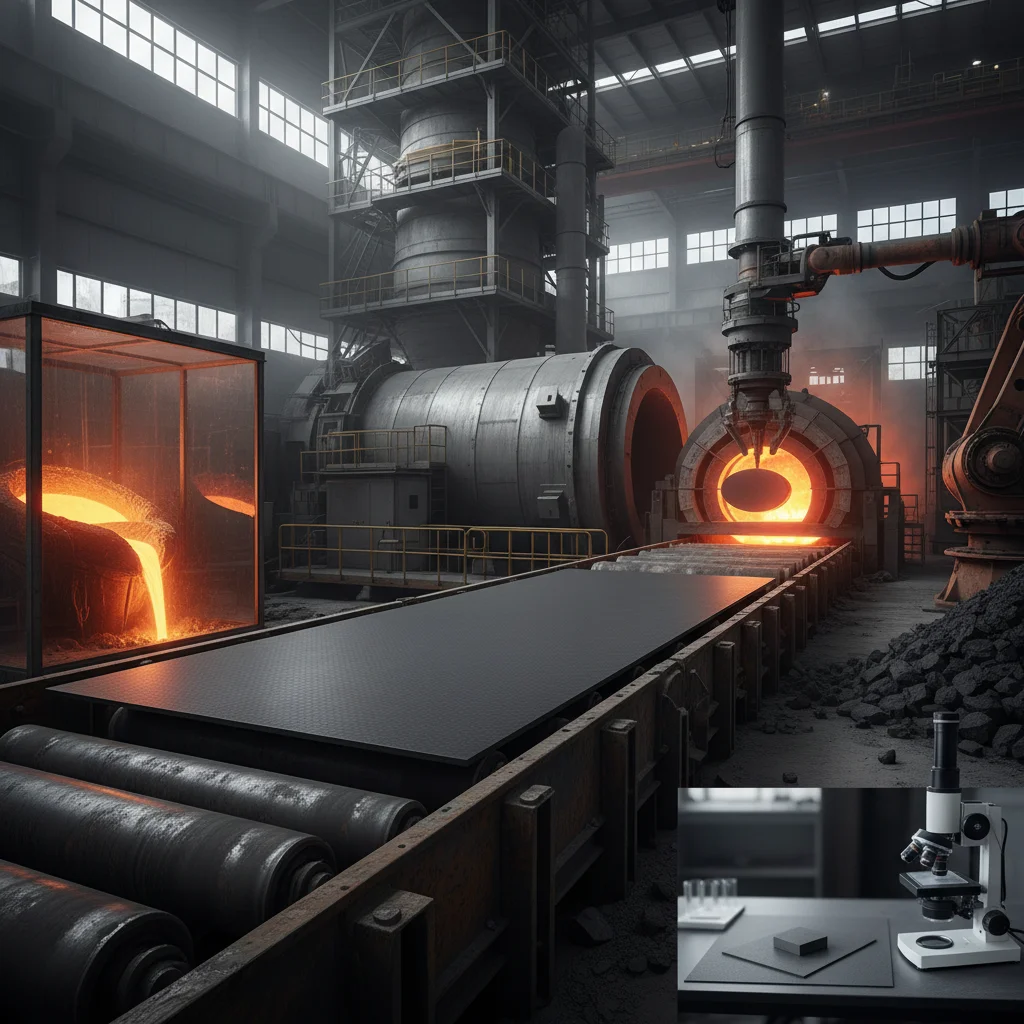
Linking this material to modern industries is straightforward: graphite blocks form the backbone of molten metal handling in steel plants, are key electrodes in aluminum smelting, and increasingly, they’re critical in battery technologies powering electric vehicles and renewable energy storage systems. Without reliable large graphite blocks, many of today’s technological advances would literally grind to a halt.
Key Aspects of Large Graphite Blocks
Durability & Thermal Stability
Large graphite blocks withstand extreme temperatures—often up to 3000°C—without losing structural integrity. This feature is vital in high-temperature industrial processes, especially in steelmaking where molten metal is common. Their crystalline structure also resists cracking under thermal stress.
Electrical Conductivity
Graphite’s layered carbon atoms allow free movement of electrons, making large graphite blocks ideal for electrode construction in electric arc furnaces and battery components.
Machinability
Despite their hardness, large graphite blocks can be precisely machined into custom shapes and sizes. This flexibility supports specialized tools, molds, and heat exchangers tailored to diverse industrial needs.
Cost Efficiency
Natural large graphite blocks offer an economical alternative to synthetics—especially when durability and lifespan are accounted for. Their ability to be recycled or rejuvenated often enhances cost-effectiveness over multiple production cycles.
Product Specification Table for Large Graphite Blocks
| Specification | Typical Range | Units |
|---|---|---|
| Density | 1.75 – 1.95 | g/cm³ |
| Flexural Strength | 25 – 40 | MPa |
| Electrical Resistivity | 6 – 12 | µΩ·m |
| Maximum Operating Temperature | 2500 – 3000 | °C |
| Purity | >98 | % |
Mini Takeaway: Large graphite blocks excel thanks to their durability, conductivity, machinability, and cost efficiency—making them a fundamental industrial material.
Global Applications & Use Cases
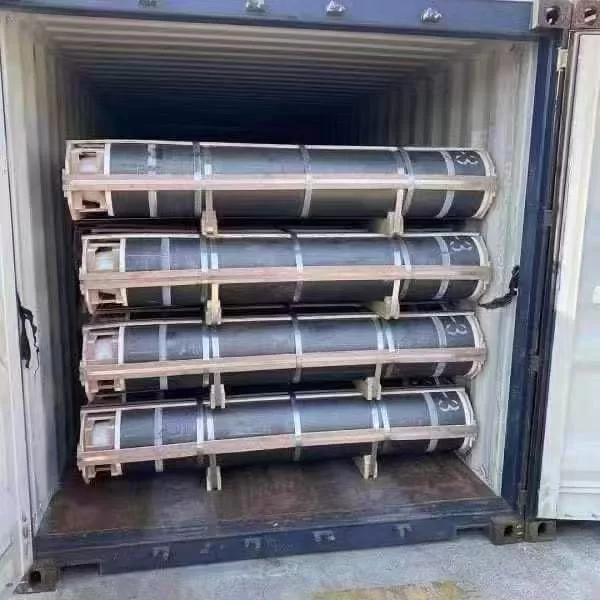
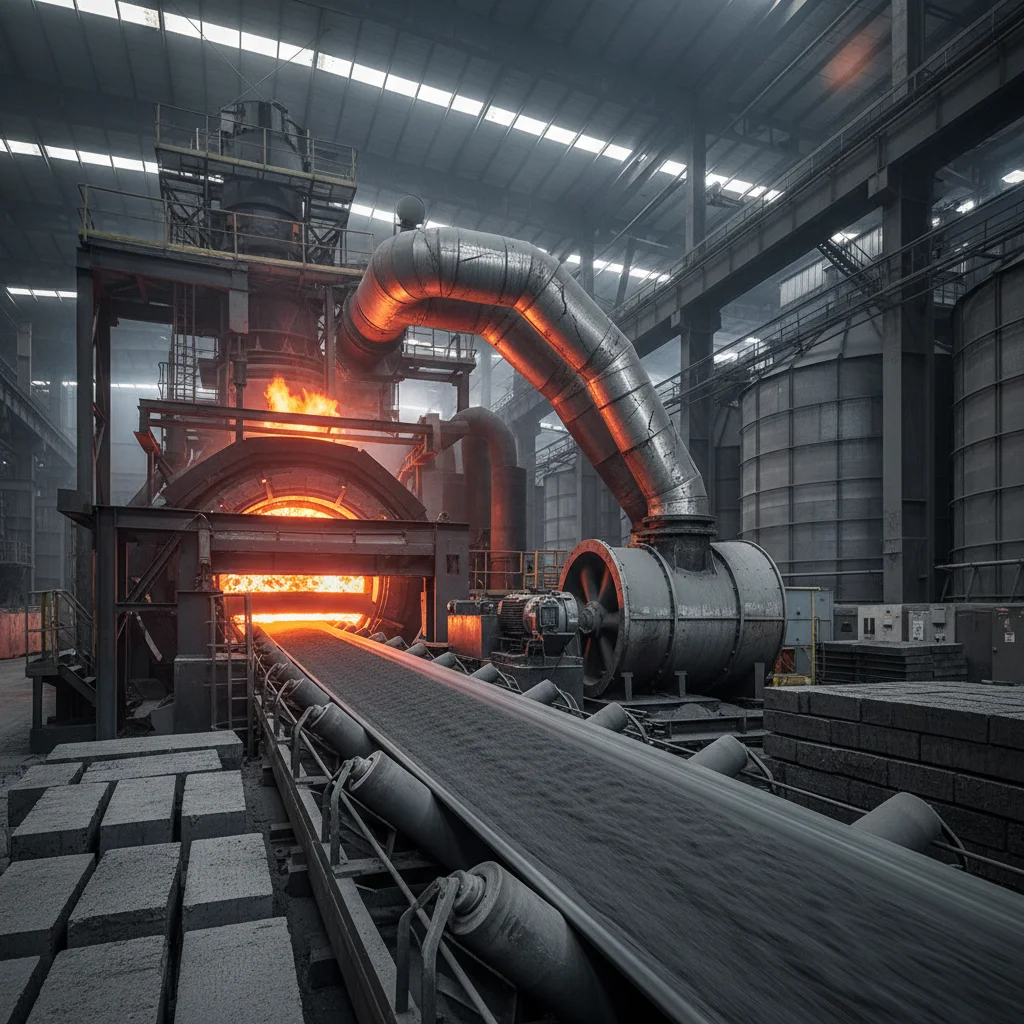
Worldwide, large graphite blocks are mostly used in steelmaking and aluminum production, particularly in countries with large metal production industries like China, India, and the USA. For example, large graphite block electrodes form the heart of electric arc furnaces, critical for recycling steel efficiently.
In Japan and South Korea, graphite blocks also support the semiconductor manufacturing process, serving as heat shields during chip fabrication. Meanwhile, the rise of electric vehicle manufacturing is fueling demand for highly pure graphite blocks in lithium-ion battery anodes.
Humanitarian organizations and remote industrial zones rely on graphite block molds for producing durable components onsite, reducing transport costs and downtime during urgent infrastructure rebuilds or disaster response efforts. So, oddly enough, large graphite blocks quietly touch humanitarian work, too.
Vendor Comparison Table: Large Graphite Block Suppliers
| Vendor | Material Source | Purity (%) | Custom Machining | Typical Lead Time |
|---|---|---|---|---|
| Dah Carbon | Natural | >98.5 | Yes | 3-5 weeks |
| GraphCarbon Inc. | Synthetic | >99 | Optional | 4-6 weeks |
| EcoGraphite Ltd. | Natural (Sustainably Sourced) | >97 | Yes | 5-7 weeks |
Mini Takeaway: Selecting a supplier for large graphite blocks hinges on purity, customization options, lead time, and sourcing practices—factors vital for precision-dependent industries.
Advantages and Long-Term Value
When you think about the advantages of using large graphite blocks, it’s not just about raw performance. Sure, they deliver reliable conductivity and thermal endurance, but these benefits translate directly to operational safety and cost savings. For industries, efficient heat management means less downtime, less waste, and therefore more sustainable operations.
Emotionally, providers and end-users gain a sense of trust — knowing their process materials won’t fail under intense heat or electrical load. In some ways, this trust elevates graphite blocks beyond mere components; they become a silent ally ensuring safety and dignity in manufacturing environments, where workers’ livelihood depends on reliable tools.
Future Trends & Innovations
Looking ahead, innovations such as nano-engineered graphite and hybrid composites hint at better-performing large graphite blocks with enhanced strength and conductivity. The green energy push is particularly exciting: as lithium-ion batteries scale up, demand for ultra-high purity graphite blocks is expected to soar.
Also, digital transformation in manufacturing means more precise machining processes, integrating automation to customize graphite blocks quickly and reduce waste. Innovations in recycling graphite from spent blocks could further improve the sustainability profile of the supply chain.
Challenges & Solutions
However, not all is easy in the graphite block world. Limitations like sourcing consistent high-purity natural graphite, managing supply chain disruptions, and machining challenges (due to brittleness) remain prevalent.
Expert efforts focus on developing synthetic alternatives tailored for specific industrial processes and improving supplier transparency. Manufacturers also integrate rigorous quality testing (aligned with ISO 9001 standards) to ensure every large graphite block meets strict tolerances and performance benchmarks.
FAQ: Frequently Asked Questions About Large Graphite Blocks
- Q: What industries use large graphite blocks most frequently?
A: Industries like steelmaking, aluminum smelting, battery manufacturing, and semiconductor fabrication rely heavily on large graphite blocks for their high temperature and conductivity demands. - Q: How long can a large graphite block last in industrial applications?
A: Depending on the application and maintenance, graphite blocks can last several months to years, especially when rotated or properly cooled to reduce thermal shock. - Q: Are large graphite blocks environmentally sustainable compared to synthetic options?
A: Natural graphite blocks tend to have a lower carbon footprint if sourced responsibly and recycled effectively, though advances in synthetic processes also aim to reduce environmental impact. - Q: Can large graphite blocks be customized for specific temperatures or shapes?
A: Yes, vendors usually offer machining services to precisely shape graphite blocks and can tailor properties to suit particular temperature or electrical conductivity requirements. - Q: How can companies import large graphite blocks internationally without delays?
A: Establishing relationships with trusted suppliers who understand export regulations, plus advance planning for customs documentation, typically streamlines international shipments.
Conclusion & Call to Action
In real terms, large graphite blocks are more than just carbon bricks; they’re foundational materials that enable modern industry and emerging technologies alike. Their blend of durability, conductivity, and flexibility makes them uniquely suited to a broad spectrum of global applications. Investing in high-quality, reliable large graphite blocks today pays dividends in sustainability, operational efficiency, and safety tomorrow.
Looking for trusted suppliers or custom solutions? Explore options at Dah Carbon, a leading provider specializing in natural large graphite blocks tailored to your industry needs.
Final thought: Never underestimate this humble black block—it’s quietly shaping the future of manufacturing and energy every day.