Graphite Powder for Planters: A Versatile Material Shaping Industry and Sustainability
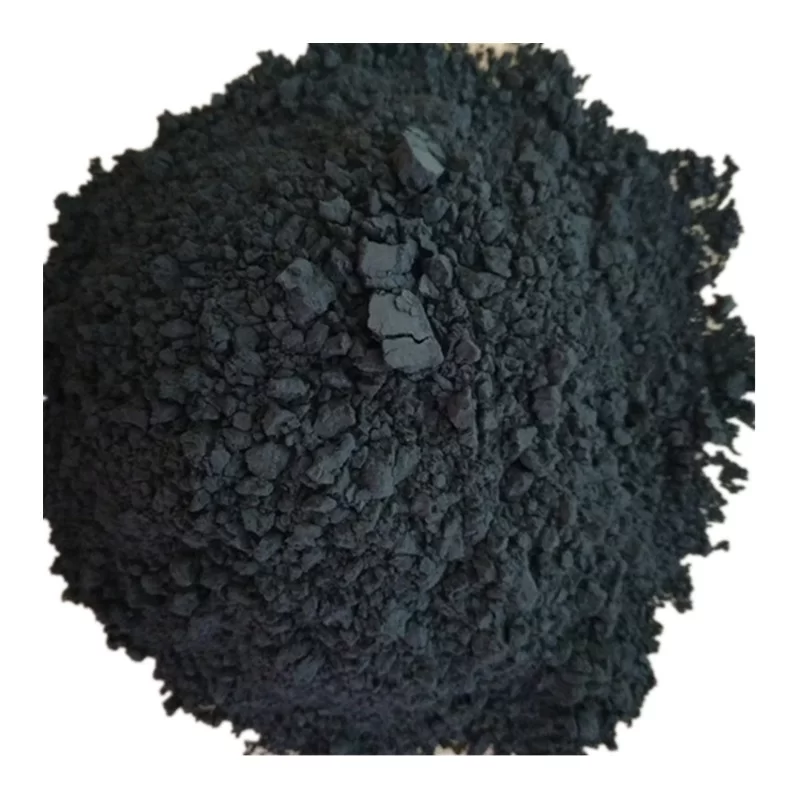
If you’re wondering what graphite powder for planters is and why it’s quietly becoming so important worldwide, you’ve landed in the right place. In nutshell, graphite powder is a finely ground form of graphite—an allotrope of carbon—that’s increasingly used not only for industrial applications but also innovations in planter technology. Understanding this material can open doors to smarter, more sustainable production methods, eco-friendly gardening solutions, and even advanced manufacturing processes.
Introduction: The Global Significance of Graphite Powder for Planters
Globally, the demand for sustainable planting solutions and innovative manufacturing materials is accelerating. According to the United Nations Environmental Programme, sustainable agriculture and urban greening are vital to combat climate change and support biodiversity (1). Here, graphite powder for planters emerges as an intriguing material: it offers properties that enhance planter durability, electrical conductivity, and thermal regulation.
Yet challenges persist. Materials used in planters often struggle with longevity or environmental impact, especially when polymers or plastics are involved. Graphite powder, with its unique characteristics, addresses several of these issues making it a game changer in materials science globally.
What Is Graphite Powder for Planters?
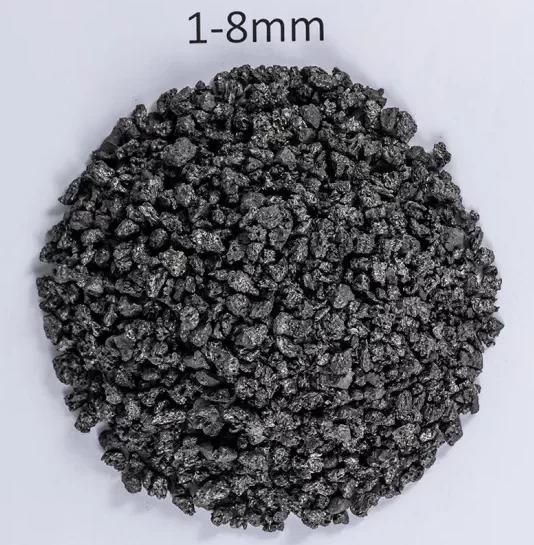
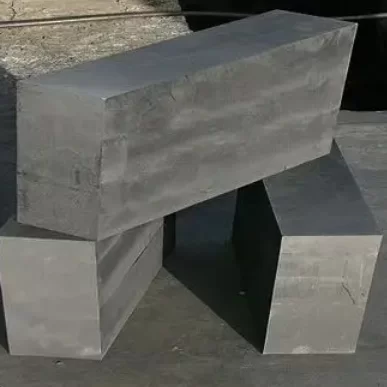
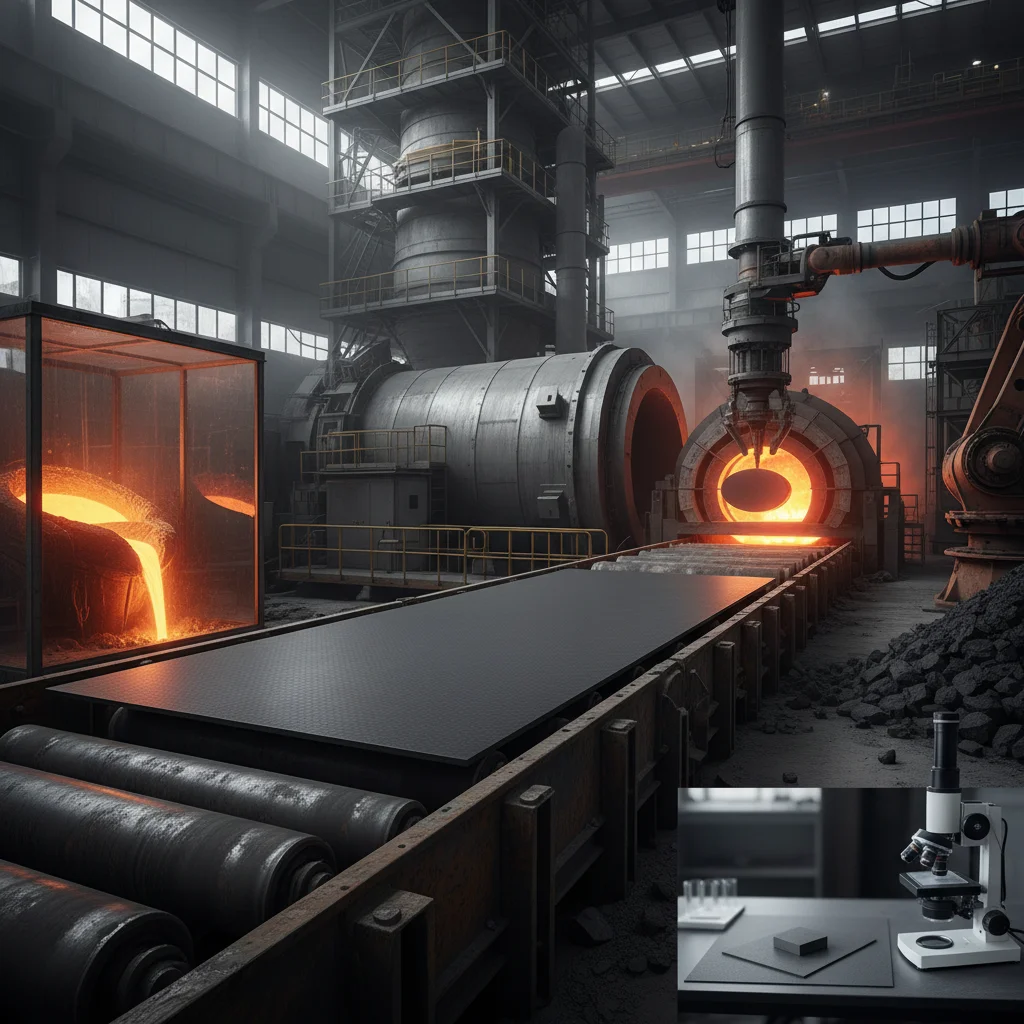
Simply put, graphite powder is powdered graphite used as an additive or coating in planter manufacturing. Its fine particulate form means it can be integrated into plastics, ceramics, or concrete composites to improve strength, heat resistance, and water repellency. For planters, these qualities translate to longer-lasting containers that help regulate soil temperature and moisture retention.
On a larger scale, graphite powder links the dots between traditional horticulture and high-tech industry. Its incorporation aligns with humanitarian goals, supporting urban and rural planting which aid food security, poverty relief, and healthier living spaces.
Core Components and Key Factors of Graphite Powder in Planter Applications
1. Durability
Graphite powder’s inherent robustness reinforces planter materials, reducing cracks or breakage caused by freeze-thaw cycles or rough handling. This is deeply valuable for planters shipped internationally or used in harsh climates.
2. Thermal Conductivity
Oddly enough, graphite is one of the most thermally conductive non-metallic materials. When blended into planters, it helps moderate soil temperature, protecting roots from extreme heat or cold, thereby promoting healthier plant growth.
3. Water Resistance
Combining graphite with polymers or ceramics enhances water repellency. This limits waterlogging and fungal growth, common enemies in planter maintenance.
4. Environmental Friendliness
Graphite powder can reduce reliance on plastics in planters and improve recyclability. Plus, it’s naturally abundant and less toxic than synthetic additives.
5. Cost Efficiency
Though initial production costs might edge up a bit, the long-term savings from increased planter lifespan and reduced failures make graphite powder a cost-effective solution.
Global Applications & Real-World Use Cases
- In European urban green projects, graphite-enhanced cement planters are favored for their durability and aesthetics.
- Asia’s booming vertical farming industry incorporates graphite powder composites to optimize heat flow and moisture retention.
- NGOs in post-disaster zones use graphite powder-infused portable planters for emergency food cultivation, leveraging their toughness and lightweight nature.
It’s worth noting regions with variable climates, like Canada or parts of Australia, have reported success using graphite-enhanced polymer planters which stand up to weather extremes beautifully.
Advantages & Long-Term Value
Graphite powder’s benefits for planters stretch beyond mere specs:
- Cost Savings: Fewer replacements, less maintenance.
- Environmental Impact: Supports recyclable, reduced-plastic designs for greener cities.
- Social Impact: Enables dependable urban agriculture projects, empowering communities.
- Reliability & Trust: Industries trust materials that have proven thermal and mechanical consistency.
Frankly, the emotional reassurance comes from knowing your plants, whether in your backyard or a public park, thrive in containers that truly perform.
Future Trends & Innovations
Looking ahead, graphite powder for planters intersects with smart materials and green technology:
- Integration with nanomaterials could enhance self-cleaning and anti-microbial properties on planter surfaces.
- Digital sensors embedded in graphite composites for monitoring soil and plant health remotely.
- Policy shifts toward circular economies may boost recycling standards, fostering wider adoption of graphite-modified eco-planters.
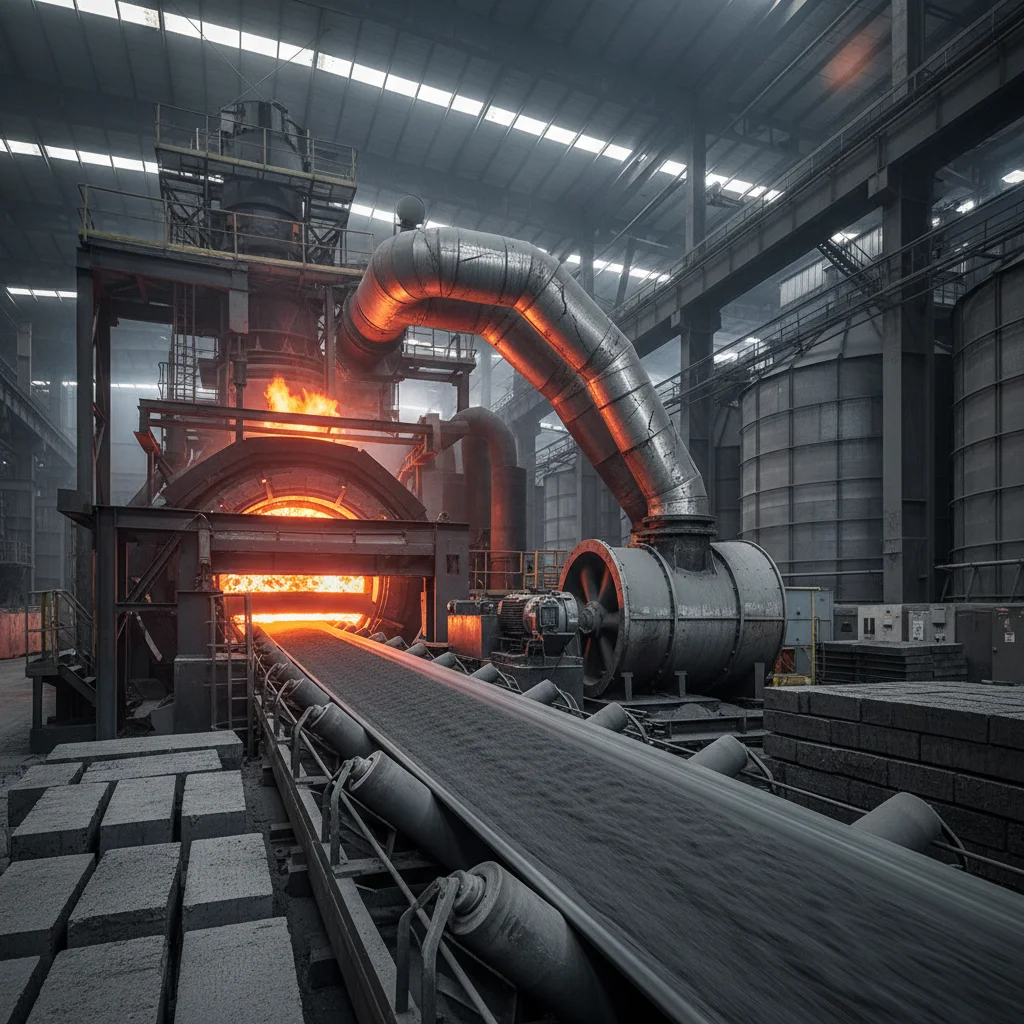
Also, automation trends in planter production line manufacturing are expected to leverage graphite’s consistent properties for better scalability.
Challenges & Practical Solutions
Despite its promise, graphite powder integration isn’t without hurdles:
- Dispersion Difficulty: Uniformly mixing graphite powder with plastics or ceramics can be tricky.
- Cost Barriers: Some manufacturers hesitate at upfront expense increases.
- Quality Variance: Not all graphite powders are created equal — purity and particle size make a big difference.
Industry experts suggest combining advanced mixing techniques and supplier vetting to address these. Collaborations between material scientists and planter manufacturers have also yielded optimized composite formulas.
Product Specifications Table
| Property | Value / Range | Unit |
|---|---|---|
| Purity | 98–99.9% | % |
| Particle Size | 5–50 | Microns |
| Thermal Conductivity | 120–150 | W/m·K |
| Moisture Content | % | |
| Bulk Density | 0.4–0.7 | g/cm³ |
Vendor Comparison Table: Top Providers of Graphite Powder for Planters
| Vendor | Purity (%) | Particle Range (μm) | Eco-certifications | Average Price ($/kg) |
|---|---|---|---|---|
| DahCarbon | 99.5 | 5–30 | ISO 14001 | 18 |
| CarbonX | 98.7 | 10–50 | None | 15 |
| PureGraphite Inc. | 99.9 | 3–20 | ISO 9001 | 22 |
Frequently Asked Questions About Graphite Powder for Planters
1. What benefits does graphite powder add to plastic planters?
Integrating graphite powder into plastic planters enhances their mechanical strength, thermal regulation, and water resistance. This results in more durable containers that help maintain healthier soil conditions and reduce planter degradation over time.
2. How does graphite powder improve planter sustainability?
Graphite powder reduces the need for synthetic additives and plastics, allowing for more recyclable and eco-friendly planter materials. Its natural abundance and non-toxic nature also contribute to lower environmental impact during manufacturing and disposal phases.
3. Can graphite powder be used in all types of planters?
Generally yes, graphite powder is versatile and can be mixed with ceramics, concrete, and polymers. However, proper formulation and quality control are essential to achieve optimal benefits depending on the planter’s intended material and environment.
4. Are graphite-enhanced planters cost-effective for large commercial projects?
Definitely. While initial costs might be slightly higher, the extended lifespan and reduced maintenance mean better overall value in large-scale urban greening or agricultural projects.
5. Where can I source high-quality graphite powder for planter manufacturing?
Reliable sources include manufacturers like DahCarbon, which provide certified, high-purity graphite powder tailored for industrial and horticultural applications. Always check for purity and particle size specifications to match your needs.
Conclusion
Graphite powder for planters might sound niche, but it’s quietly reshaping how we think about sustainable materials in agriculture and urban greening. Its smart thermal and mechanical properties, combined with environmental friendliness, make it a material worth investing in long-term. Whether you’re a manufacturer, horticulturist, or sustainability advocate, exploring graphite powder composites could mean healthier plants and a healthier planet.
Want to learn more or source quality products? Visit us at https://www.dahcarbon.com for detailed insights and support.
Mini takeaway: Graphite powder not only boosts planter durability and sustainability but also opens doors to innovative applications in urban agriculture and beyond.
References: