Graphite to Lubricate Lock: Unlocking Smooth Operation Worldwide
At first glance, graphite to lubricate lock might seem like a niche, almost quaint topic—just some powder to keep a stubborn door from squeaking or sticking. But, oddly enough, this simple material plays a surprisingly vital role globally, from everyday household applications to heavy industrial use. Understanding why graphite is favored for locks and how its qualities make it indispensable is more important than you might think, especially when it comes to durability, safety, and cost-effective maintenance worldwide.
Introduction: Why Graphite Lubrication Matters Globally
Graphite's use in lock lubrication transcends borders and sectors. According to the International Organization for Standardization (ISO), appropriate lubrication can extend mechanical lifetime by up to 50%. When it comes to locks—devices critical for security—the right lubrication ensures reliability and prevents wear in diverse climates and environments. Given that billions of locks are in use worldwide, the significance of choosing the right lubricant is clear.
Locks exposed to harsh conditions, from the humid tropics to freezing Arctic zones, often fail prematurely due to corrosion or mechanical jamming. Graphite’s unique properties address these challenges with a clean, dry lubrication that performs whether dusty, wet, or cold—conditions where oils or greases often falter.
What Is Graphite to Lubricate Lock?
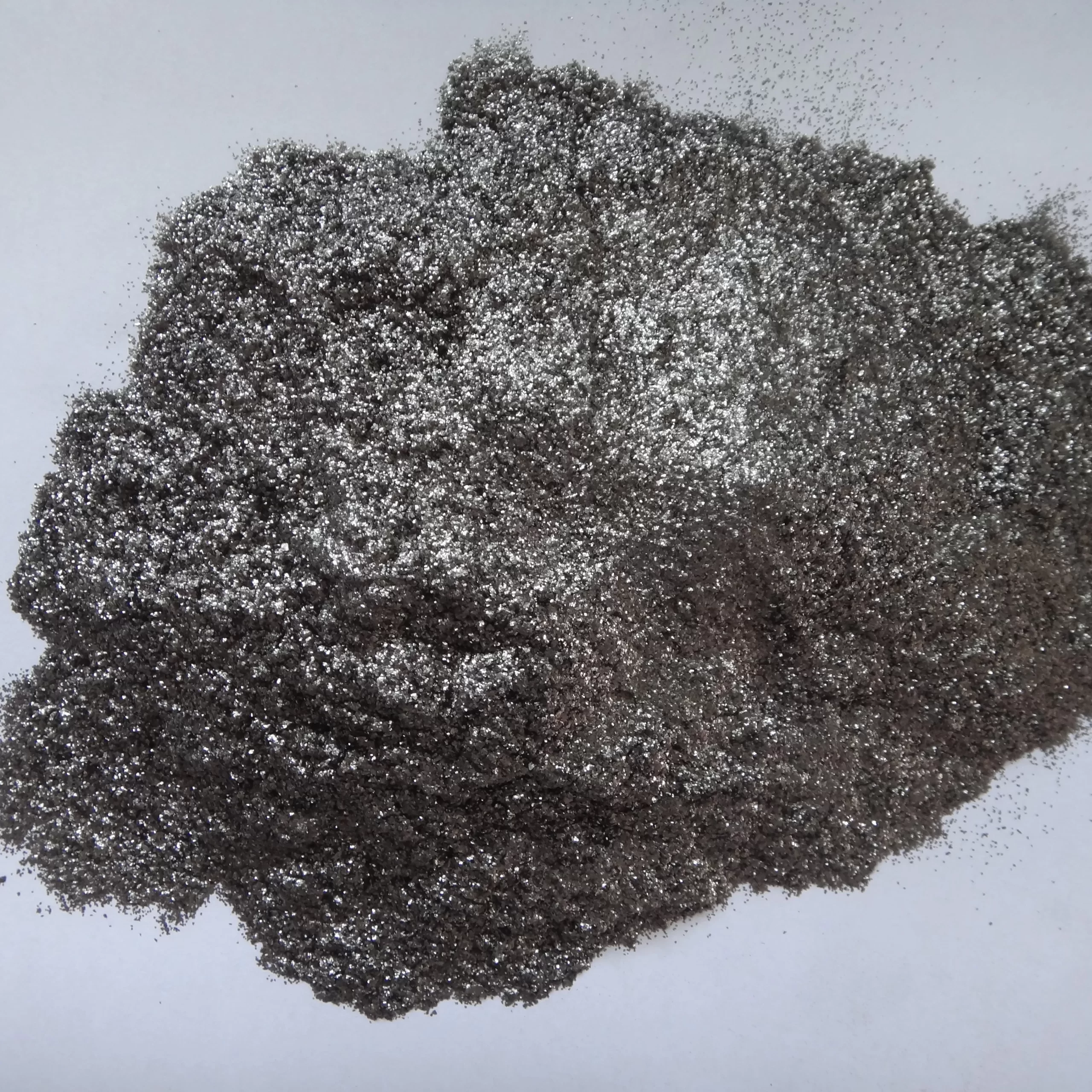
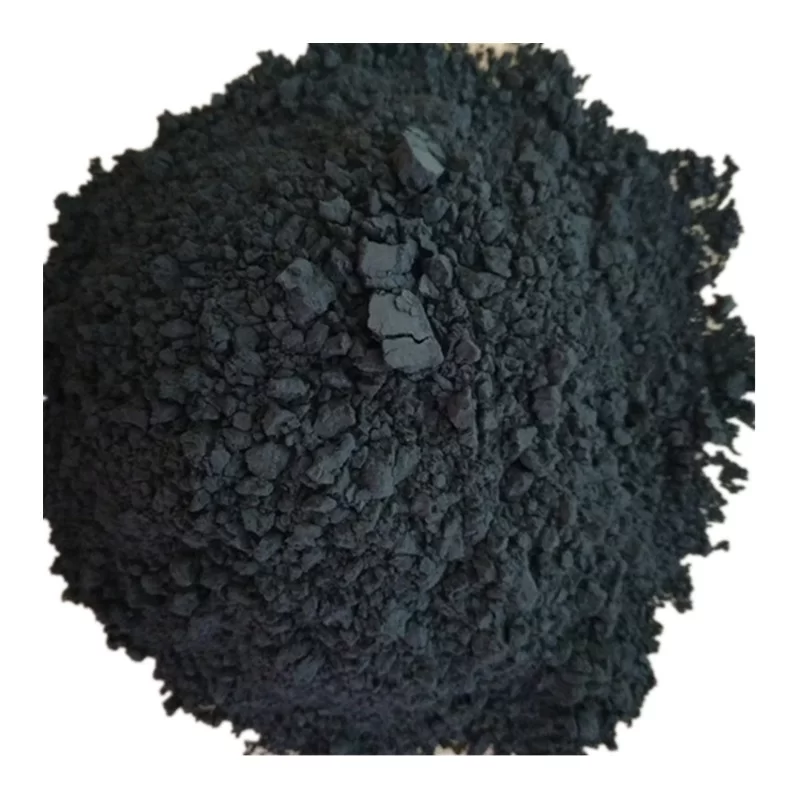
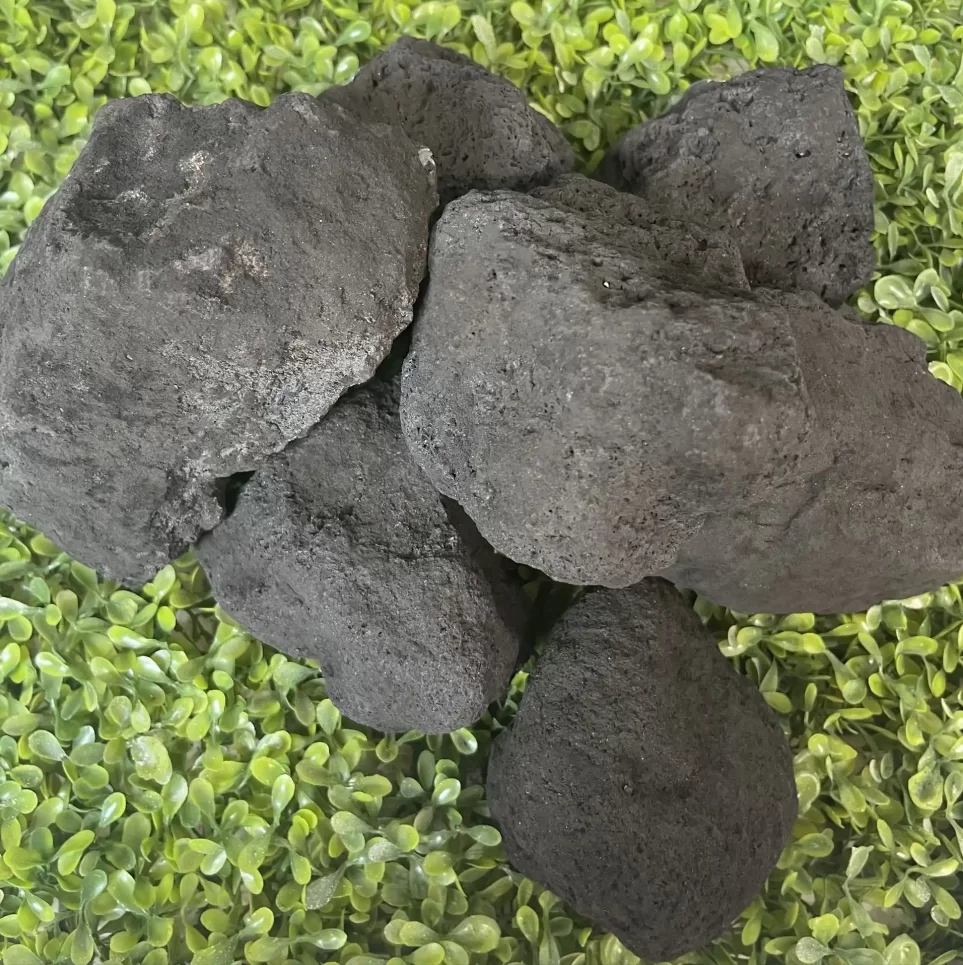
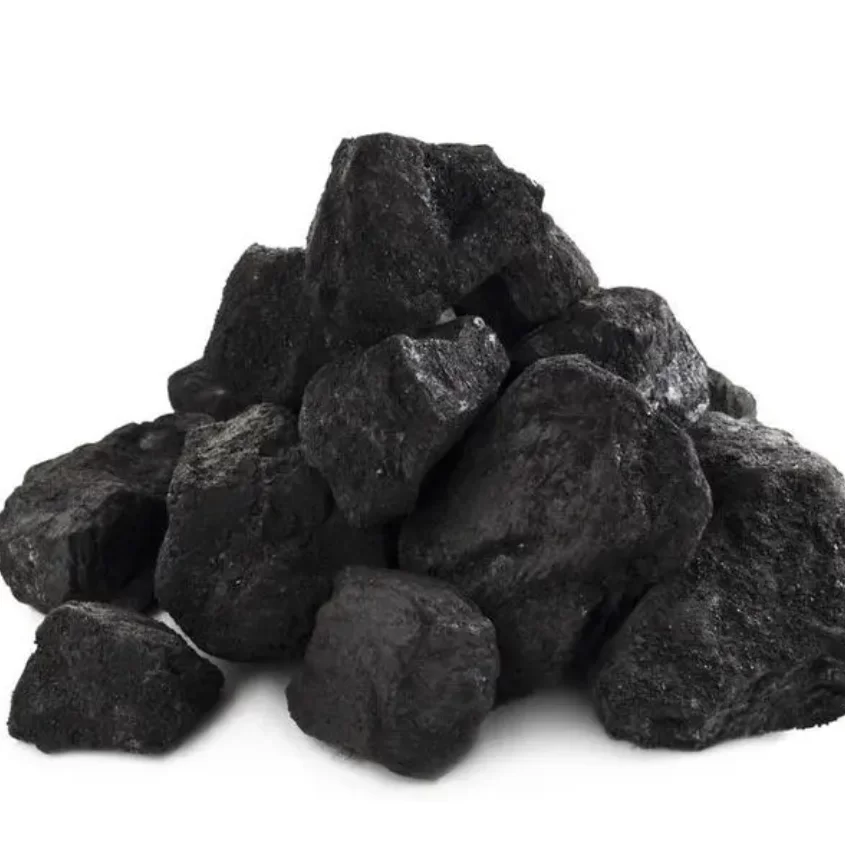
Simply put, graphite is a naturally occurring form of carbon renowned for its lubricating abilities due to its layered crystalline structure. For locks, powdered or fine graphite is applied inside keyways or on moving components, reducing friction without attracting dust or grime. It’s a dry lubricant, unlike oil-based alternatives, which means it avoids sticky buildup and extends lock life.
This connection between graphite and locks draws from centuries-old practices, yet remains vital in modern industrial and residential security systems alike. In humanitarian contexts—such as emergency shelters or refugee housing—the reliability of locks protected with graphite lubricants can mean the difference between security and vulnerability.
Key Factors Behind Graphite’s Effectiveness
- Durability: Graphite's stable carbon layers resist breakdown over long periods, making it a long-lasting lubricant.
- Temperature Resistance: It remains effective from sub-zero to high heat, ensuring operational consistency.
- Non-corrosiveness: Unlike some lubricants, graphite doesn’t cause metal corrosion, crucial for longevity.
- Cleanliness: Being a dry powder, it doesn’t attract dust or dirt, which can otherwise jam locks.
- Ease of Application: Simple to apply via powder, sprays, or aerosols suitable even in tough-to-reach places.
- Cost Efficiency: An economical choice compared to specialty greases or chemical lubricants, ideal for large-scale or low-resource uses.
In real practical setups, these factors translate to less fiddling, fewer replacements, and safer premises.
How Graphite Lubricants Are Used Worldwide
From North America to Southeast Asia, fields like building maintenance, automotive lock servicing, and industrial equipment rely heavily on graphite lubricants. For example:
- In remote industrial zones, where oil-based lubricants might freeze or attract dust, graphite keeps locks functioning smoothly.
- Emergency response teams deploying temporary shelters often supply graphite powder to ensure locks work reliably under rough conditions.
- Residential maintenance in high-humidity areas—think coastal cities—uses graphite to prevent rust jams in door and window locks.
Graphite’s role is sometimes overlooked yet essential, ensuring security hardware remains trustworthy despite environmental challenges.
Product Specifications at a Glance
| Specification | Typical Value |
|---|---|
| Particle Size | 10-50 microns |
| Purity Level | > 99% |
| Operating Temperature Range | -40°C to 450°C |
| Lubrication Type | Dry Powder |
| Application Method | Powder, Spray, Aerosol |
Vendor Comparison: Selecting The Right Graphite Product
| Feature | Vendor A | Vendor B | Vendor C |
|---|---|---|---|
| Purity (%) | 99.5 | 98.9 | > 99.9 |
| Packaging Sizes | 100g, 500g | 250g, 1kg | 50g, 500g, 1kg |
| Price per 100g | $12 | $10 | $14 |
| Delivery Time | 3 days | 1 week | 2 days |
| Recommended For | Industrial locks, automotive | Household locks | High precision or specialty locks |
Advantages and Long-Term Value of Graphite in Lock Lubrication
Let’s be honest: no one loves fiddling with jammed locks. Graphite lubricants offer a host of benefits that go beyond mere convenience. First, they significantly cut down on lock repairs or replacements, saving money long-term. Sustainability-wise, graphite is a natural material, with none of those chemical residues oils sometimes leave behind, making it environmentally more responsible.
Moreover, there’s something reassuring in a well-lubricated lock—it’s a silent guardian of safety and dignity, whether for your home or humanitarian shelters. Many engineers note that the dry powder approach feels less messy (no greasy fingers!), and increases trust in the locking mechanism's reliability. Also, with green initiatives pushing for less toxic substances in products, graphite aligns neatly with evolving regulations.
Future Trends and Innovations
Looking ahead, research into nanographite enhanced lubricants is gaining traction, promising even finer performance and longevity. Some companies are integrating graphite powders with digital IoT-enabled locks to monitor internal friction and preempt failures. Additionally, sustainability efforts drive innovation toward sourcing graphite with minimal environmental impact, boosting its appeal.
Automated application techniques are also developing, allowing for precise, standardized graphite lubrication in manufacturing lines—a sign that this ancient lubricant’s role will only grow with modern technology.
Challenges and Practical Solutions
Of course, graphite lubrication isn't without hurdles. It can be messy in powder form if overapplied and may cause black staining on hands or clothing. Sometimes, in extremely wet conditions, graphite's dry nature limits its lubrication slightly compared to oils which can seal out moisture.
Experts recommend combining graphite with minute amounts of silicone sprays for cases needing moisture protection, or using precise aerosol applicators to minimize overuse. Education on proper application techniques—often overlooked—makes a big difference in consistent results.
Frequently Asked Questions About Graphite to Lubricate Lock
- Q: Can graphite lubricant be used on all types of locks?
A: Generally, yes. Graphite works well with mechanical locks, including pin tumbler and wafer locks. However, electronic locks usually require alternative maintenance approaches. - Q: How often should I apply graphite to my locks?
A: For standard home use, reapplication once or twice a year is typically sufficient. In harsher environments, more frequent maintenance may be warranted. - Q: Is graphite safe to use on outdoor locks exposed to rain?
A: Graphite is water resistant and non-corrosive, but in persistently wet climates, supplementing with moisture-repellent protectants can enhance durability. - Q: Does graphite attract dirt or dust?
A: Unlike oil lubricants, graphite is a dry powder and less likely to gum up with dirt. Still, it can accumulate if overapplied and should be used sparingly.
Wrapping It Up: Why Choose Graphite for Lock Lubrication?
In the long run, graphite to lubricate lock offers a simple, cost-effective, and environmentally friendly solution that performs across climates and industries. It’s a small thing that contributes massively to security, safety, and maintenance savings.
Ready to keep your locks sliding smoothly? Visit our website for a range of high-quality graphite lubricants tailored for your needs: graphite to lubricate lock.
It’s the kind of product that quietly makes life better—you may not think about it daily, but it’s there when you need it.
Quick takeaway: Dry graphite lubrication is an age-old, proven solution that blends natural material science with modern-day applications to safeguard locks worldwide.