Understanding Homemade Graphite Powder: A Vital Material in Modern Industry
Graphite powder—particularly when made homemade graphite powder—is more than just a simple carbon substance. It’s quietly fundamental to a range of industries worldwide, from battery manufacturing to lubrication and even humanitarian tech. But why should anyone care about homemade versions of this material? Frankly, as global supply chains strain and environmental concerns mount, understanding how graphite powder is produced at smaller, local scales is increasingly vital.
Homemade graphite powder embodies sustainability, accessibility, and remarkable versatility. By grasping its properties and uses, businesses and innovators alike can find cheaper, eco-conscious alternatives, while researchers gain insight into applications ranging from energy storage to steelmaking. The global push for green solutions makes graphite powder, homemade or otherwise, a quiet superstar in the materials world.
Global Relevance: Why Homemade Graphite Powder Matters
The graphite market is booming, expected to reach over $25 billion by 2030, according to forecasts from industry watchers like the International Organization for Standardization (ISO). Much of that demand stems from lithium-ion batteries powering electric vehicles and portable devices. Yet, the bulk of graphite production is concentrated in limited regions—China, India, and Brazil dominate. This creates supply vulnerabilities overseas.
That's where homemade graphite powder makes a real difference. It offers local producers or labs a chance to develop this resource independently, reducing reliance on international trade and responding quickly to industry demands—from rapid prototyping in labs to on-site use in battery recycling plants.
What Is Homemade Graphite Powder?
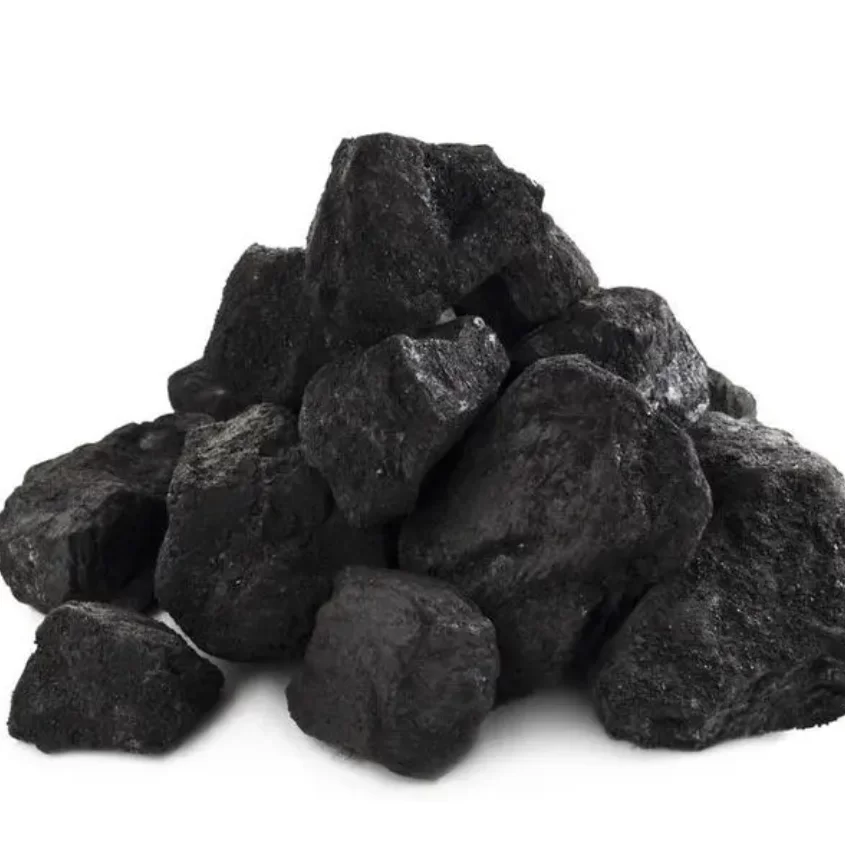
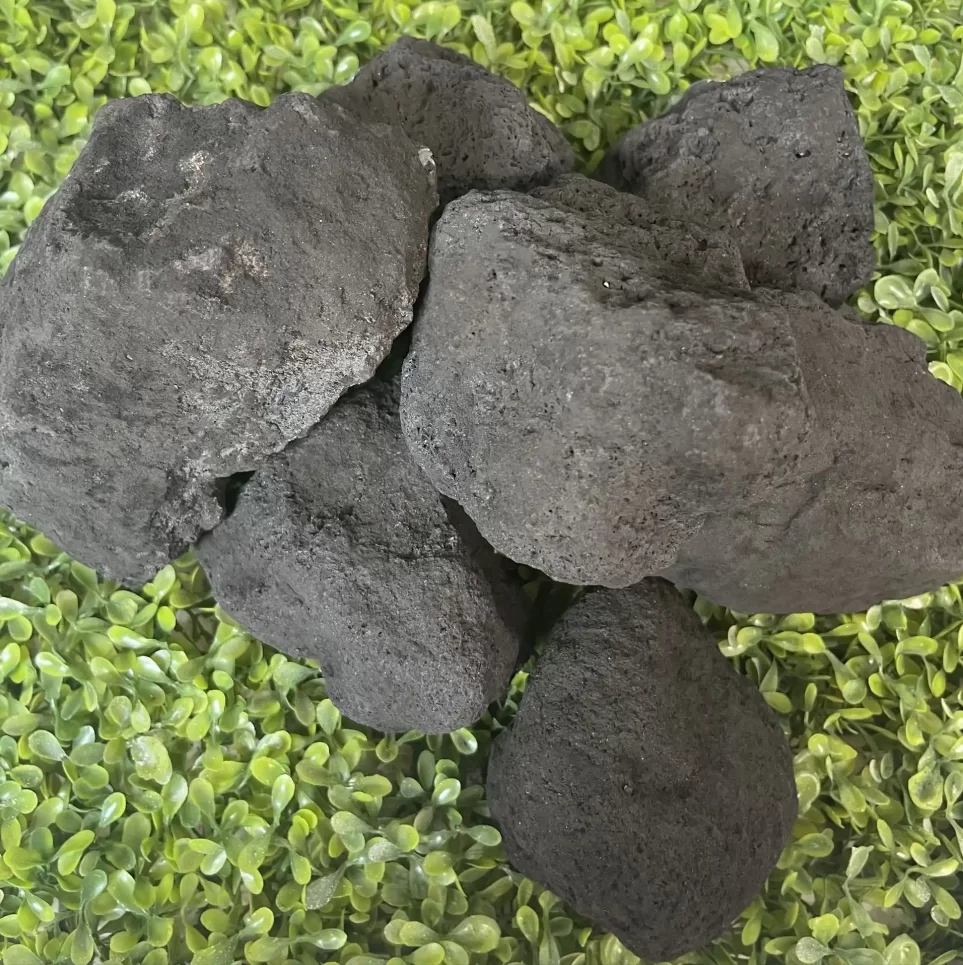
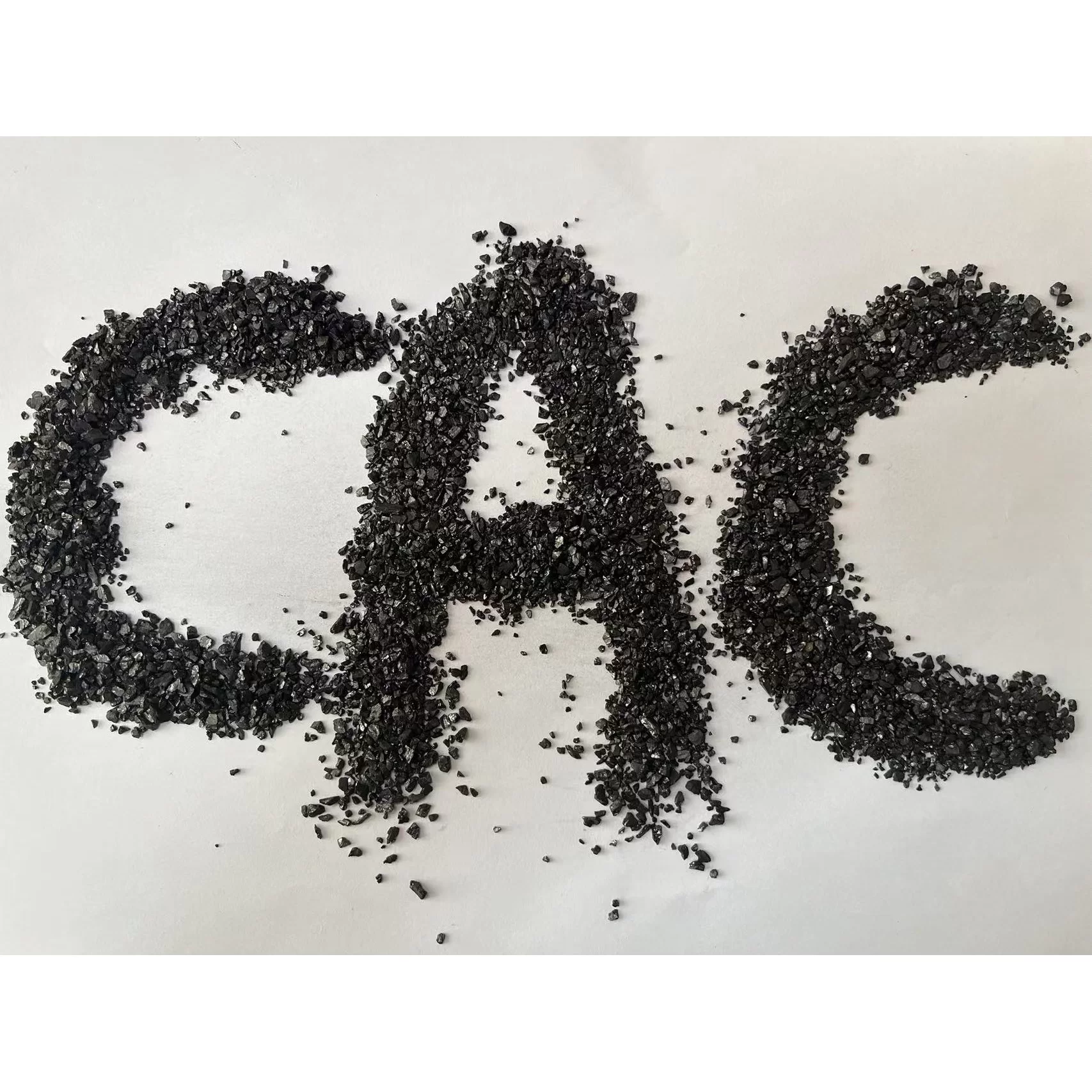
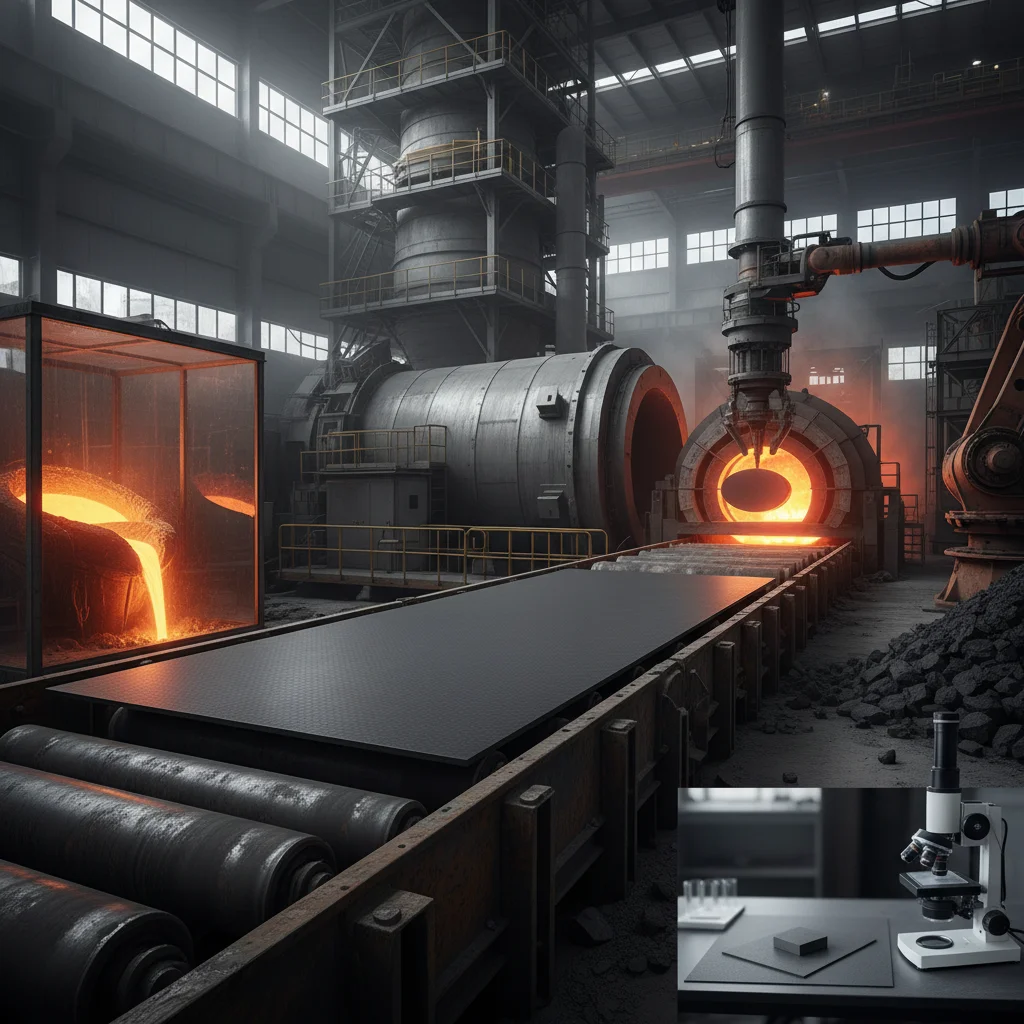
Simply put, homemade graphite powder is finely ground graphite created outside large industrial settings—often lab-made or small-batch produced using readily available raw materials. Its purity might vary, but the aim is to replicate high-quality natural or synthetic graphite’s unique properties at a manageable scale.
This powder is essential for conductivity, thermal management, lubrication, and energy storage solutions. It’s a practical base material in chemistry labs, additive manufacturing, and even humanitarian technology aimed at building resilient communities.
Key Factors of Homemade Graphite Powder
1. Purity and Particle Size
Purity directly affects electrical conductivity and chemical stability. Homemade graphite usually ranges from 90–99% purity, with particle sizes typically between 5–45 microns, tailored for various applications.
2. Cost Efficiency
Producing graphite powder locally can significantly reduce transportation and import taxes. This affordability makes homemade graphite powder especially appealing for small businesses and research institutions.
3. Scalability and Flexibility
Though volumes might not match industrial giants, homemade graphite powders can be customized rapidly, adapting particle size and additives to specific process needs.
4. Environmental Impact
The local production of graphite powder often results in lower carbon footprints. Suppliers can recycle precursor materials and bypass extensive shipping, reducing environmental degradation.
5. Durability and Stability
Homemade graphite powders tend to maintain stable chemical properties if stored carefully, ensuring longevity in industrial processes such as electrode fabrication or lubrication.
Product Specification Table
| Specification | Homemade Graphite Powder | Industrial Grade Graphite |
|---|---|---|
| Purity | 90% - 99% | >99.9% |
| Particle Size | 5 - 45 µm | 1 - 25 µm |
| Production Volume | Batch-scale | Mass production |
| Typical Uses | Lab research, prototyping | Batteries, industrial lubrication |
Global Applications & Use Cases
Homemade graphite powder finds its footing in diverse environments globally. For example:
- In post-disaster relief operations, lightweight conductive graphite additives help create makeshift energy storage units, enabling power resilience in affected zones.
- Remote industrial zones lacking direct imports have adopted small-scale graphite powder production to maintain operations, like lubricant supply for mining equipment.
- Academic and research institutions in Asia and Africa are producing homemade graphite to investigate new battery chemistries precisely tailored to local needs and mineral qualities.
Vendor Comparison Table
| Vendor | Product Purity | Price per Kg | Production Scale | Sustainability Focus |
|---|---|---|---|---|
| CarbonCraft Labs | 95% | $12 | Small-batch | Recycled precursors |
| Urban Graphite Works | 92% | $9 | Pilot-scale | Energy-efficient process |
| GreenCarbon Solutions | 99% | $20 | Medium scale | Bio-based feedstocks |
Advantages & Long-Term Value
Homemade graphite powder brings concrete benefits. Cost-wise, it trims expenses on shipping and tariffs, which is no small deal for startups or labs on tight budgets. Environmentally, it reduces emissions and waste through local sourcing and production methods. Socially, it empowers communities and industries to innovate on their own terms, fostering self-reliance and trust.
From an emotional perspective, there is something satisfying about having material control rather than dependence. Many engineers I’ve spoken with mention this “hands-on” control brings a kind of confidence to experimental work or niche manufacturing.
Future Trends & Innovations
The path ahead for homemade graphite powder is exciting. Advances in green energy push increased battery production, driving innovation into cleaner, locally sourced materials. Digital manufacturing processes like 3D printing increasingly integrate graphite-based inks and powders, opening doors to custom electronics fabrication at home or in startups.
On the policy side, sustainability certifications and ISO standards are beginning to encompass small-scale producers, boosting their credibility in global supply chains. Oddly enough, automation technologies also enable precision milling, making higher-purity powders accessible beyond industrial behemoths.
Challenges & Solutions
Despite these advantages, homemade graphite powder does face some hurdles. Achieving consistent purity can be tricky without advanced equipment, and quality control demands tight protocols. Additionally, volatile market pricing for raw graphite risks margin squeeze for boutique producers.
Experts suggest collaborations with universities to share lab facilities, investment in modular purification systems, and participation in cooperative purchasing groups to overcome some limitations. With rising interest, I suppose the next few years will see innovative solutions and partnerships bloom in this niche.
FAQ: Frequently Asked Questions About Homemade Graphite Powder
- How pure is homemade graphite powder compared to industrial grade?
- Homemade graphite powders typically have purities ranging from 90% to 99%. While not quite matching industrial-grade (often >99.9%), they are sufficient for many research and minor industrial purposes.
- Can homemade graphite powder be used in lithium-ion batteries?
- In principle, yes. Homemade graphite can serve as anode material, but its electrochemical performance depends on purity, particle size, and structure, which often require precise control.
- Is homemade graphite powder environmentally friendly?
- Generally, yes. Producing graphite powder locally reduces transportation emissions and can utilize recycled materials, lowering the environmental impact compared to mass-produced powders.
- What equipment is needed to produce homemade graphite powder?
- At minimum, grinding mills, sieves for particle size control, and ovens for heat treatment are needed. More advanced setups might include purification systems for higher purity.
- Where can I learn more about sourcing raw materials for homemade graphite?
- Consult industry reports, academic publications, or suppliers specializing in natural graphite. The homemade graphite powder website also offers resources and expert contacts.
Conclusion
In the grand scheme, homemade graphite powder is a promising component of sustainable, decentralized manufacturing and research. It balances cost, environmental benefit, and adaptable quality features, making it a valuable resource for emerging industries and communities worldwide. I’d encourage curious innovators and businesses to explore its potentials — discover more about homemade graphite powder here.
To sum up: homemade graphite powder might not yet replace industrial giants, but it certainly carves out an important niche for local economies and environmental stewardship.
Thanks for reading — I hope this guided tour through graphite’s homecrafted side opens up new perspectives in materials science and sustainable enterprise.