Understanding Graphite Powder Lube: A Comprehensive Guide
Graphite powder lube is a highly effective dry lubricant prized for its exceptional properties and wide range of applications. Unlike traditional oil-based lubricants, graphite powder provides lubrication without attracting dust or dirt, making it ideal for challenging environments. This article will explore the benefits, applications, and considerations when using graphite powder lube, providing valuable insights for both industrial and personal use. Properly selecting and applying graphite powder can significantly enhance the lifespan and performance of your equipment.
What is Graphite Powder Lube and Why Choose It?
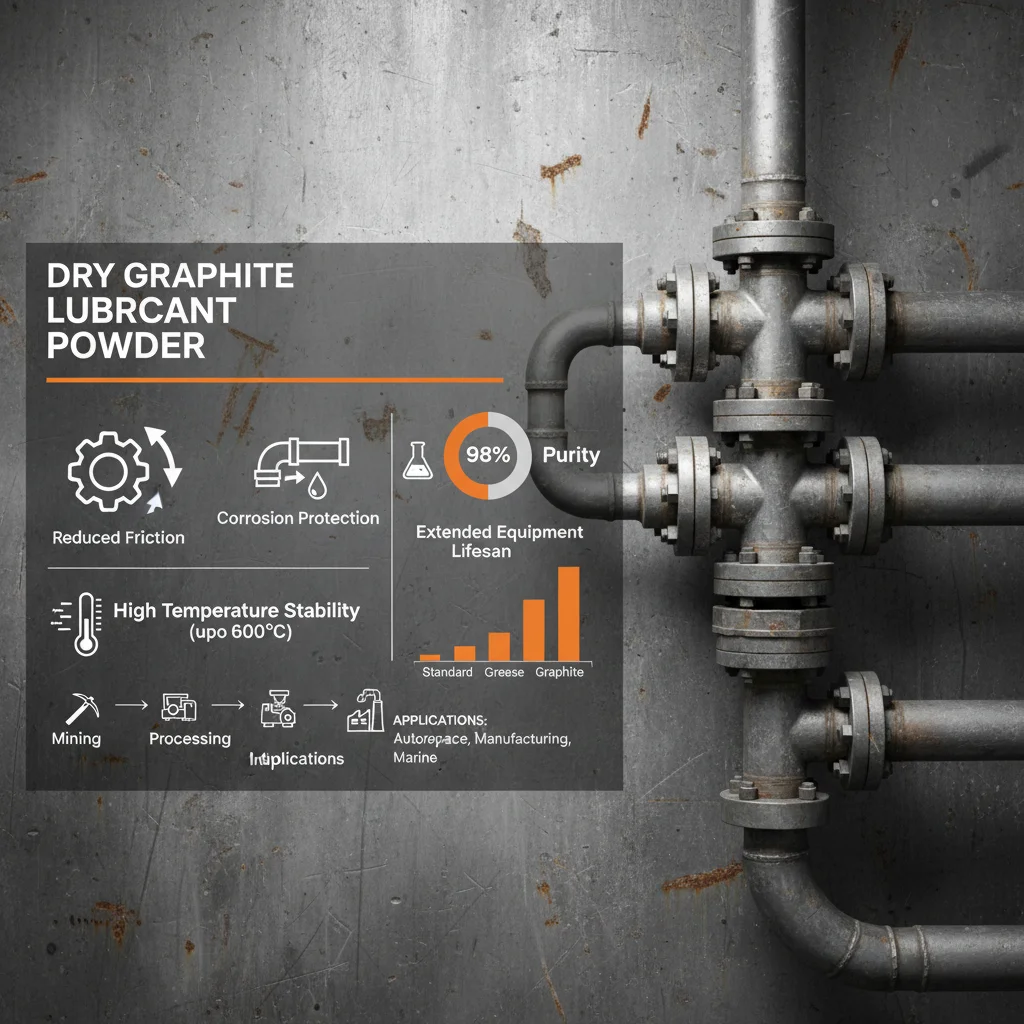
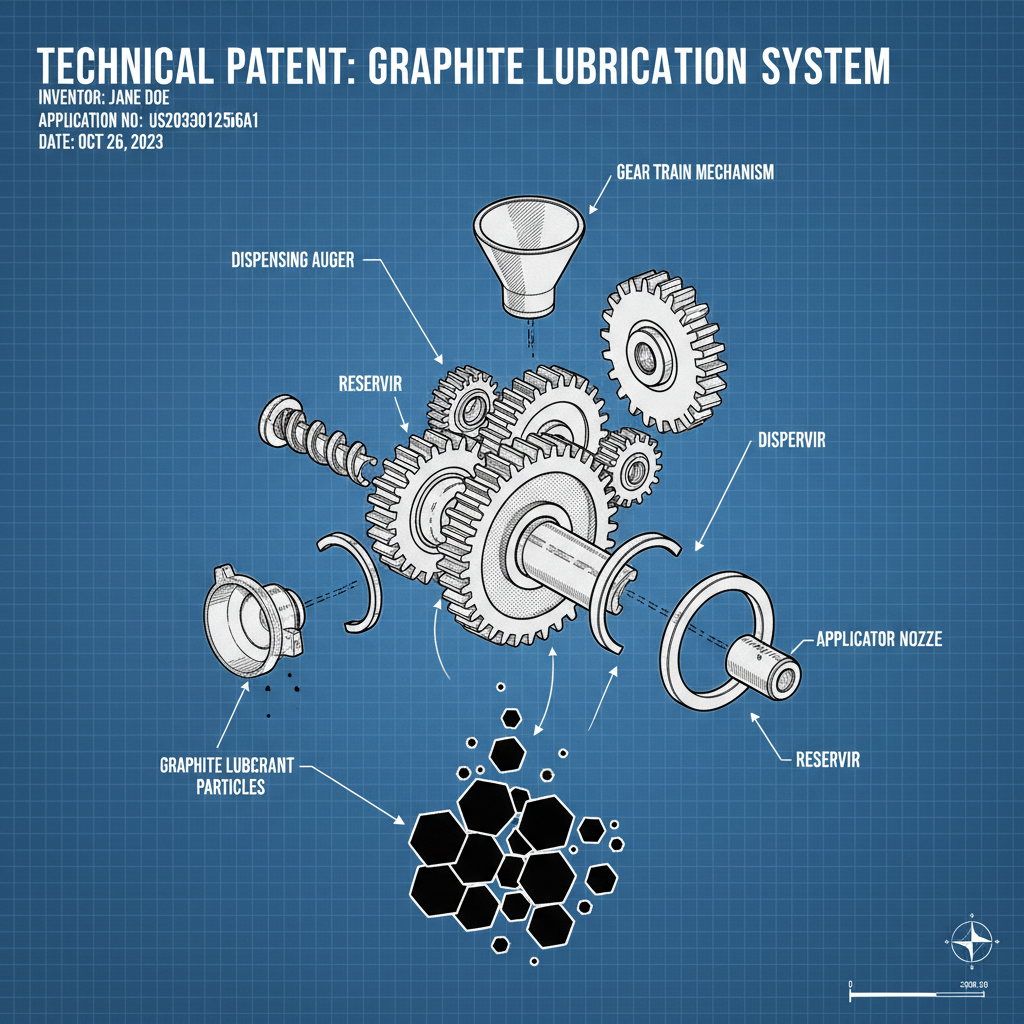
Graphite powder lube consists of microscopic flakes of graphite, a crystalline form of carbon. These flakes slide easily over one another, reducing friction between surfaces. Its key advantages include its ability to perform in extreme temperatures (both high and low), its chemical inertness, and its non-conductive nature. This makes it suitable for applications where oil or grease would be problematic, such as in locks, hinges, and dry environments. Graphite’s stability ensures consistent performance, even under heavy loads and for extended periods. Choosing the right type of graphite powder is crucial, as different grades offer varying levels of purity and particle size. You can find the perfect grade with Dah Carbon.
Key Highlights: Graphite powder offers exceptional lubrication in extreme conditions, is chemically inert, and does not attract contaminants.
Applications of Graphite Powder Lube
The versatility of graphite powder lube lends itself to a wide array of applications. Common uses include lubricating locks and keys, hinges, bicycle chains, garage door mechanisms, and various industrial machinery. It’s particularly effective in environments where traditional lubricants are unsuitable, like in vacuum systems or in the food processing industry (using food-grade graphite). Furthermore, graphite powder is utilized as a component in anti-seize compounds and as a dry film lubricant for applications requiring long-term corrosion protection. It’s also a vital component in certain brake linings and clutch materials.
Application Benefits:
• Lubricates locks and keys effectively
• Suitable for bicycle chains and hinges
• Ideal for vacuum systems and food processing (food-grade graphite)
• Provides long-term corrosion protection
Graphite Powder Lube: Comparing Grades and Particle Sizes
Not all graphite powder lubes are created equal. Different grades and particle sizes cater to specific applications. Larger particle sizes are generally better for heavy-duty applications where a thicker lubricant is desired, while finer particle sizes are ideal for precision mechanisms and applications requiring a smooth finish. The purity level also matters; higher purity graphite minimizes contamination. Understanding these distinctions ensures you select the optimal product for your needs. Choosing the right particle size and grade of graphite powder from Dah Carbon ensures maximum performance and longevity.
Applying Graphite Powder Lube Effectively
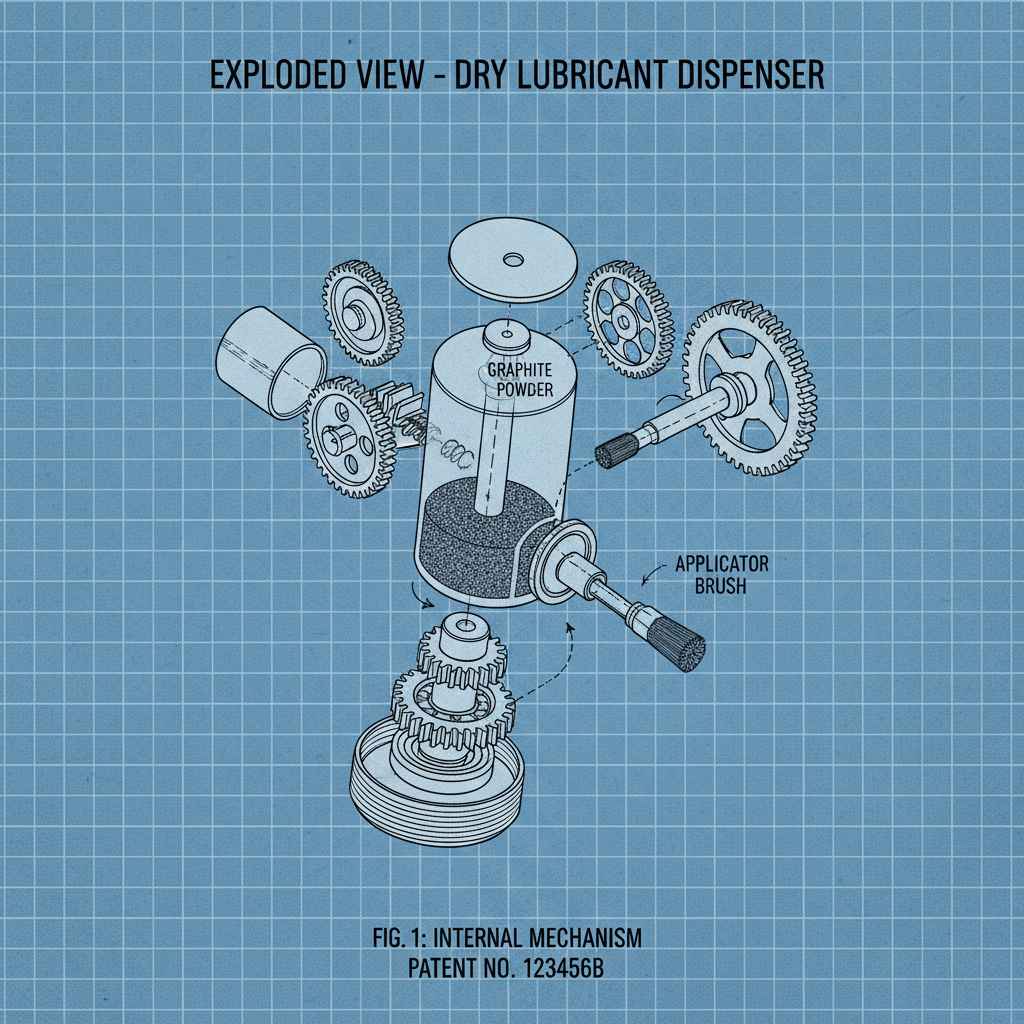
Proper application is crucial for maximizing the benefits of graphite powder lube. Begin by cleaning the surface to remove any existing dirt or debris. Apply a small amount of powder directly to the surface and work it in by moving the parts back and forth. Avoid over-application, as excess powder can create a messy residue. For hard-to-reach areas, a small brush or applicator can be used. Remember, a little goes a long way. For optimal results, explore the application techniques recommended by Dah Carbon’s expert team.
Safety Considerations When Using Graphite Powder
While generally safe, graphite powder can create dust. It's advisable to wear a dust mask during application to avoid inhalation. Avoid contact with eyes, and if contact occurs, rinse thoroughly with water. Store graphite powder in a sealed container in a dry place. While graphite is not flammable, it is conductive, so avoid using it in electrical applications unless specifically designed for that purpose. Always consult the Material Safety Data Sheet (MSDS) for detailed safety information.
Conclusion: Unleashing the Potential of Graphite Powder Lube
Graphite powder lube offers a powerful and versatile solution for a wide range of lubrication needs. Its unique properties make it ideal for challenging environments and applications where traditional lubricants fall short. By understanding the different grades, particle sizes, and proper application techniques, you can maximize its benefits and ensure the longevity of your equipment. Explore the extensive range of high-quality graphite powder lube products at Dah Carbon today!
Frequently Asked Questions (FAQs)
Is graphite powder lube safe for use on plastics?
Generally, yes, but it's crucial to test on an inconspicuous area first. Some plastics can be affected by graphite, particularly softer plastics. Finer grades of graphite powder are less likely to cause issues. Always check the compatibility of the graphite powder with the specific plastic material before widespread application. Using a small amount and observing for any adverse reactions (such as discoloration or degradation) is recommended.
Can graphite powder lube be used in high-temperature applications?
Yes, one of the key benefits of graphite powder is its ability to withstand high temperatures. It remains stable and effective up to temperatures exceeding 450°C (842°F) in air and even higher in inert atmospheres. This makes it suitable for lubricating bearings, ovens, and other high-temperature equipment. However, it’s important to select a grade specifically designed for high-temperature applications.
How does graphite powder lube compare to silicone-based lubricants?
Graphite powder and silicone-based lubricants have different strengths. Silicone is excellent for rubber and plastic parts, preventing swelling or degradation. However, graphite performs better at high temperatures and doesn't attract dust or dirt as easily. Silicone can also degrade over time, while graphite maintains its stability. The best choice depends on the specific application and material compatibility requirements.