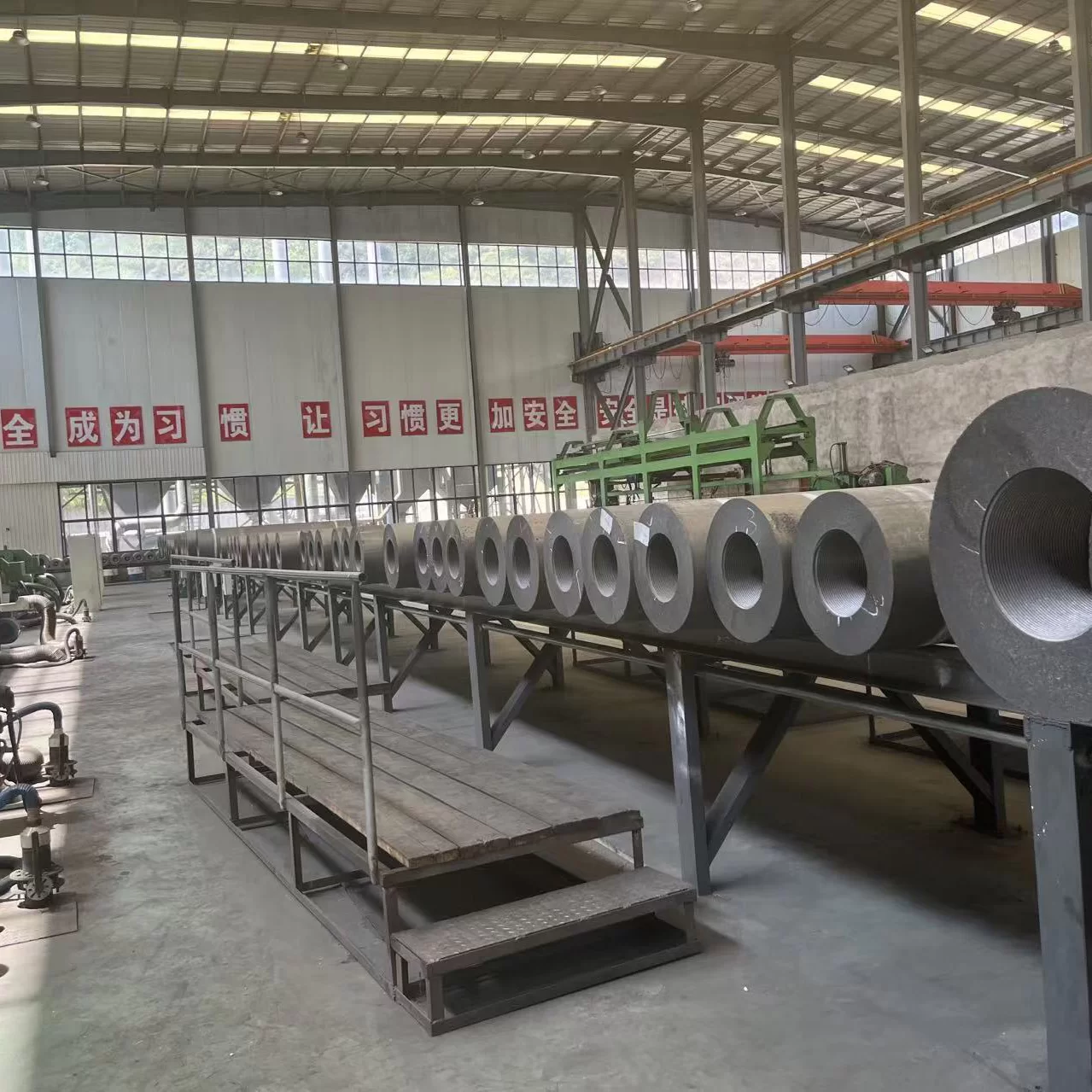
Understanding Graphite Recarburizers: A Comprehensive Guide
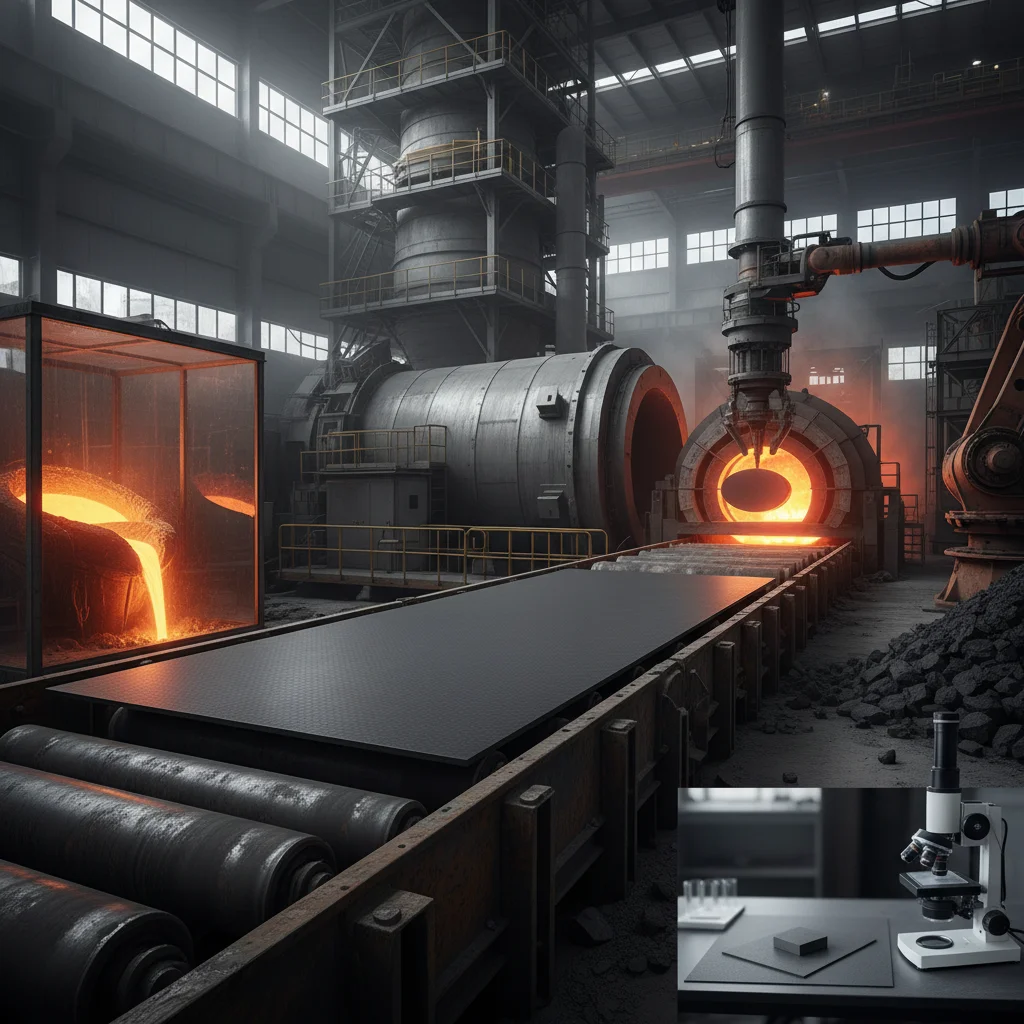
Graphite recarburizers are crucial materials in the metallurgical industry, playing a vital role in adjusting the carbon content of steel and cast iron. They are specifically designed to add carbon to molten metal, enhancing its hardness, strength, and wear resistance. Choosing the right recarburizer is paramount to achieving desired material properties and optimizing production processes. At Dah Carbon, we specialize in high-quality graphite recarburizers tailored to meet diverse industrial needs. Understanding the nuances of these materials, from their composition to their applications, is key to maximizing their effectiveness.
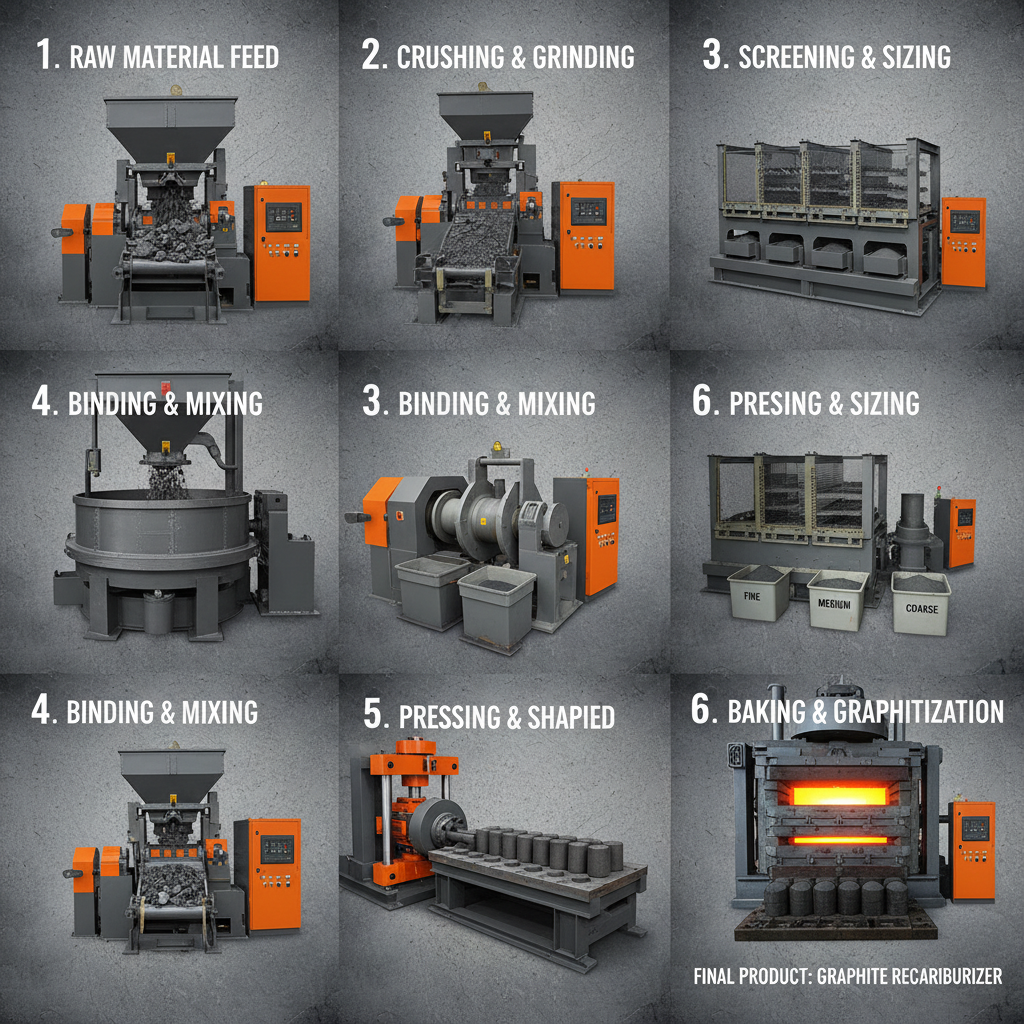
What are Graphite Recarburizers?
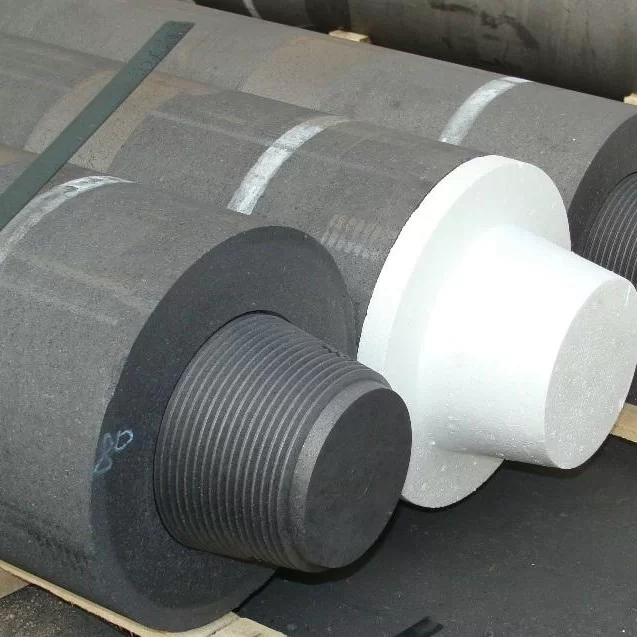
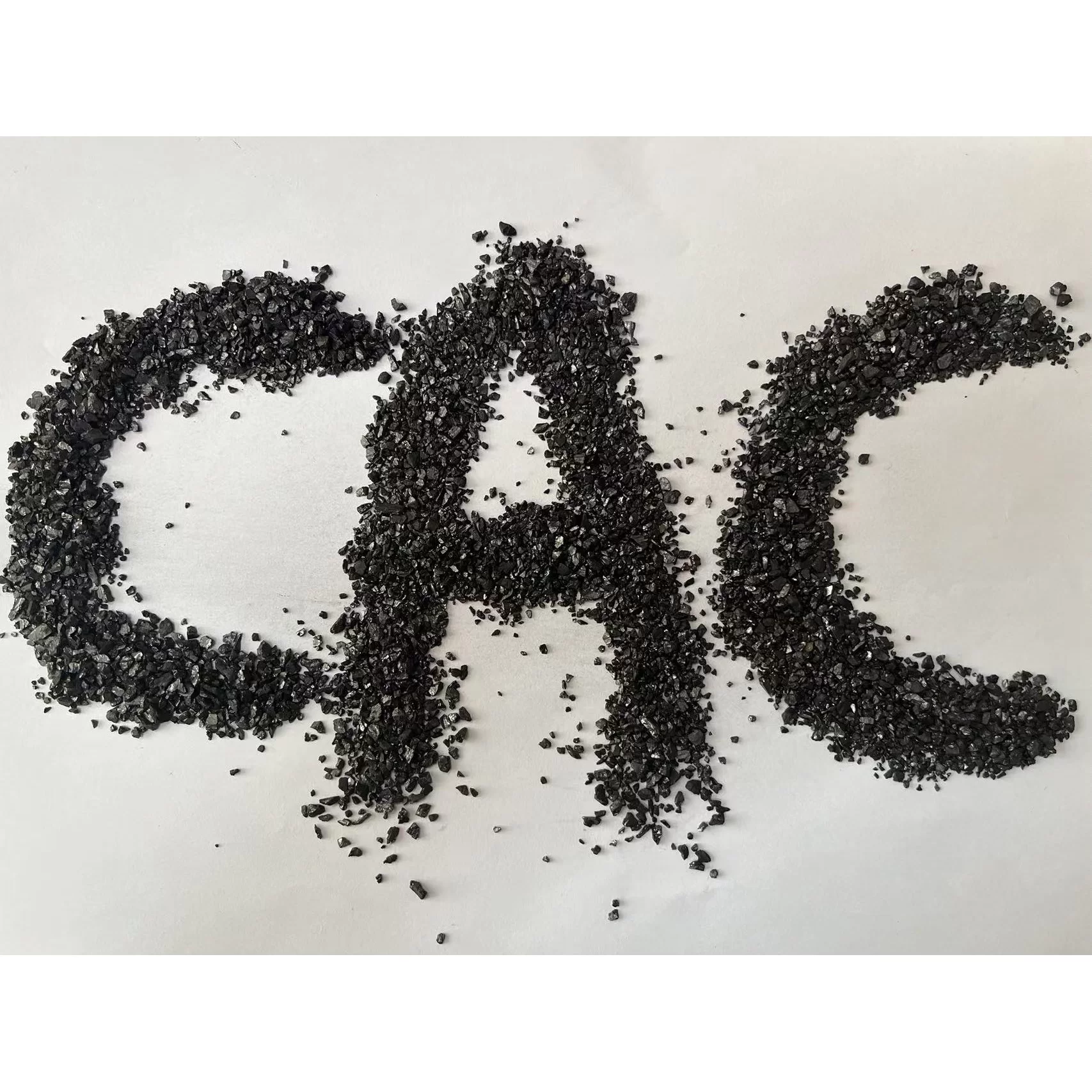
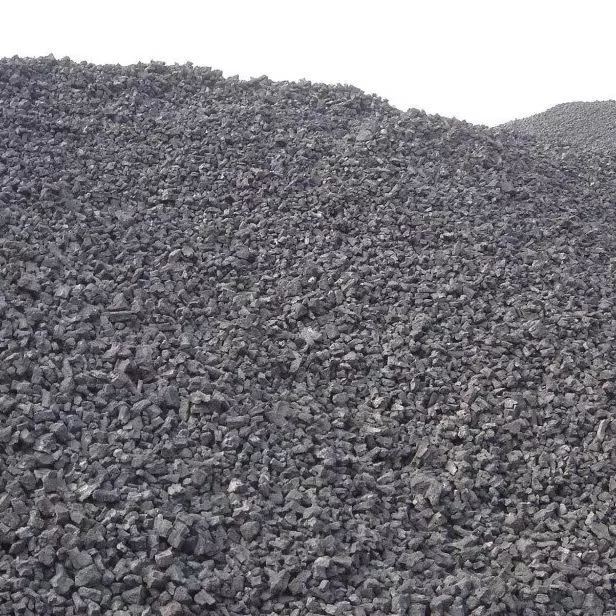
Graphite recarburizers are carbon-rich materials utilized to increase the carbon content in iron and steel during the melting process. They come in various forms, including calcined petroleum coke (CPC), graphite electrode scrap, and natural graphite. The primary purpose is to correct carbon loss during melting, deoxidation, or to achieve specific carbon levels for desired mechanical properties. The addition of carbon strengthens the metal matrix and improves its machinability. Different grades of recarburizers offer varying carbon content and reactivity rates, making selection crucial for specific applications. Dah Carbon's recarburizers are known for their consistent quality and high carbon content.
Key Benefits: Increased hardness, enhanced strength, improved wear resistance, optimal carbon content control, and efficient melting processes.
Types of Graphite Recarburizers
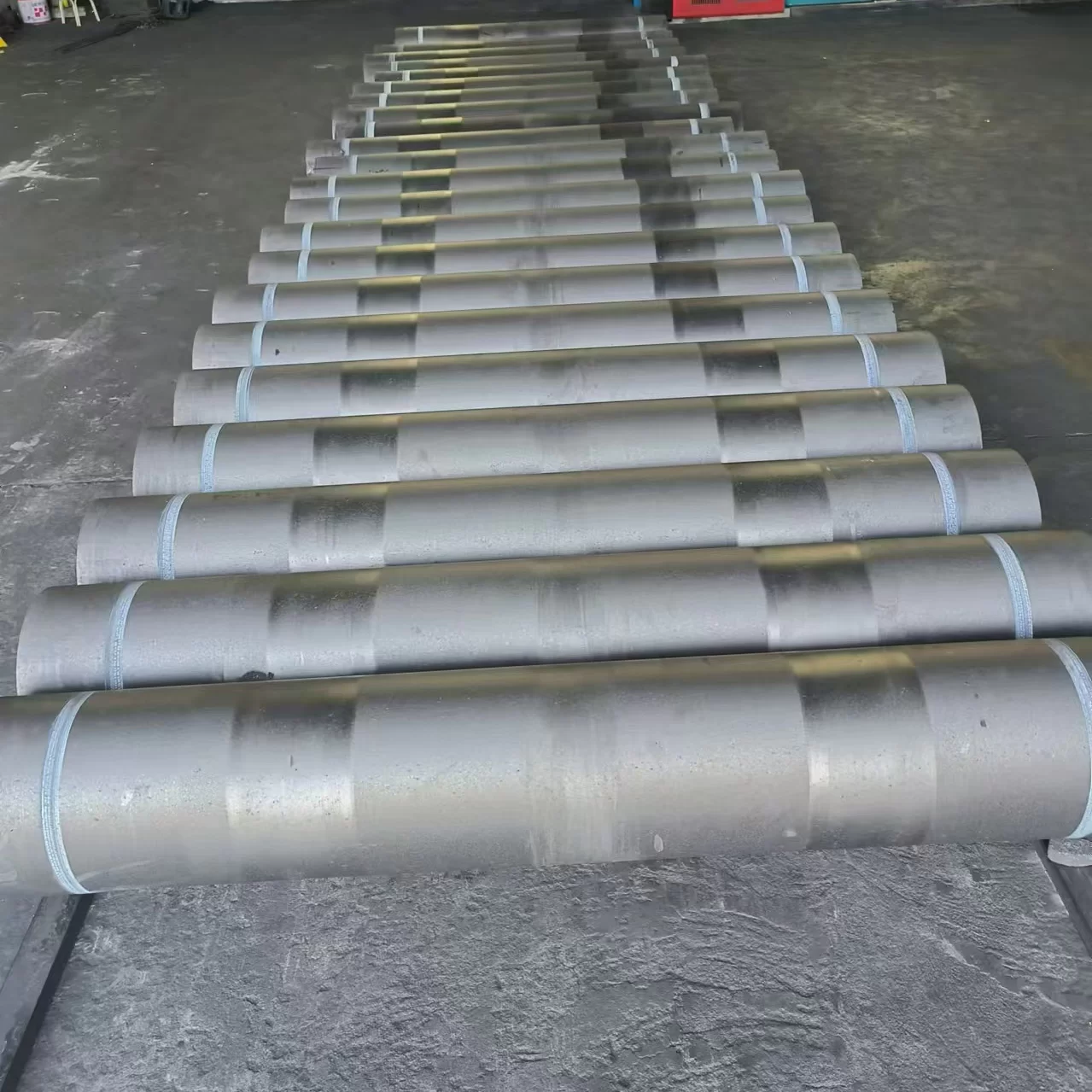
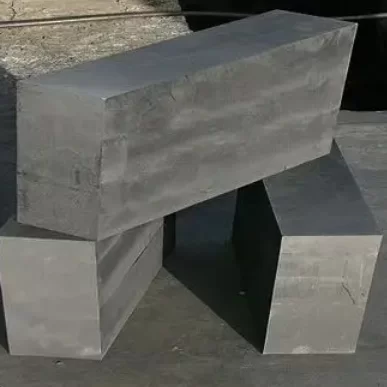
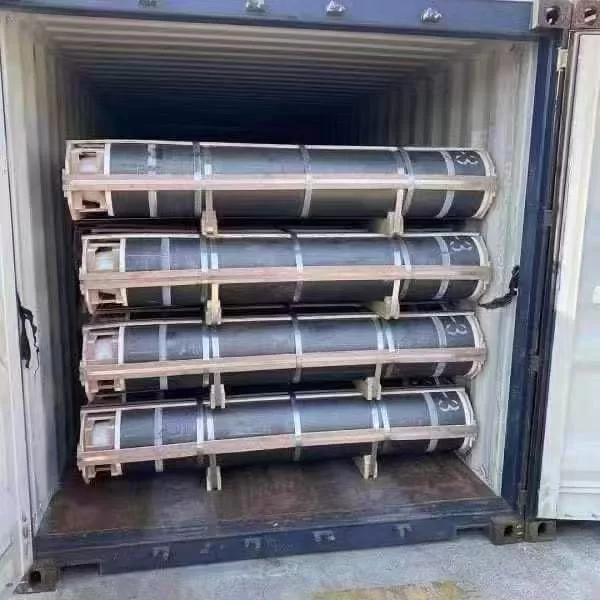
The market offers several types of graphite recarburizers, each with unique characteristics. Calcined Petroleum Coke (CPC) is the most commonly used due to its affordability and relatively high carbon content. Graphite electrode scrap, sourced from used graphite electrodes, offers a sustainable option. Natural graphite, though more expensive, provides exceptional purity and reactivity. Choosing the appropriate type depends on factors like cost, desired carbon content, melting conditions, and environmental considerations. Dah Carbon offers a comprehensive range of recarburizers to suit diverse industry requirements.
Recarburizer Type Comparison:
• CPC: Cost-effective, good carbon content, widely available.
• Graphite Electrode Scrap: Sustainable, reliable carbon source.
• Natural Graphite: High purity, excellent reactivity, premium price.
Graphite Recarburizer Applications
Graphite recarburizers find widespread application across various metallurgical processes. They are extensively used in steelmaking to control carbon levels in different steel grades, including carbon steel, alloy steel, and stainless steel. In cast iron production, they are crucial for achieving the desired carbon equivalent for gray iron, ductile iron, and white iron. Other applications include foundry operations, ferroalloy production, and powder metallurgy. The specific grade of recarburizer and the addition rate are carefully controlled to meet the stringent quality requirements of each application. Dah Carbon provides customized recarburizer solutions for diverse industrial sectors.
Choosing the Right Graphite Recarburizer: Key Considerations
Selecting the optimal graphite recarburizer requires careful consideration of several factors. Carbon content is a primary determinant, ensuring the desired carbon levels are achieved in the molten metal. Reactivity rate dictates how quickly the carbon is absorbed, influencing the efficiency of the recarburization process. Particle size affects the dispersion of carbon in the melt. Impurities, such as sulfur and ash, can impact the final metal quality. Dah Carbon offers detailed product specifications and technical support to assist customers in choosing the most suitable recarburizer for their specific application.
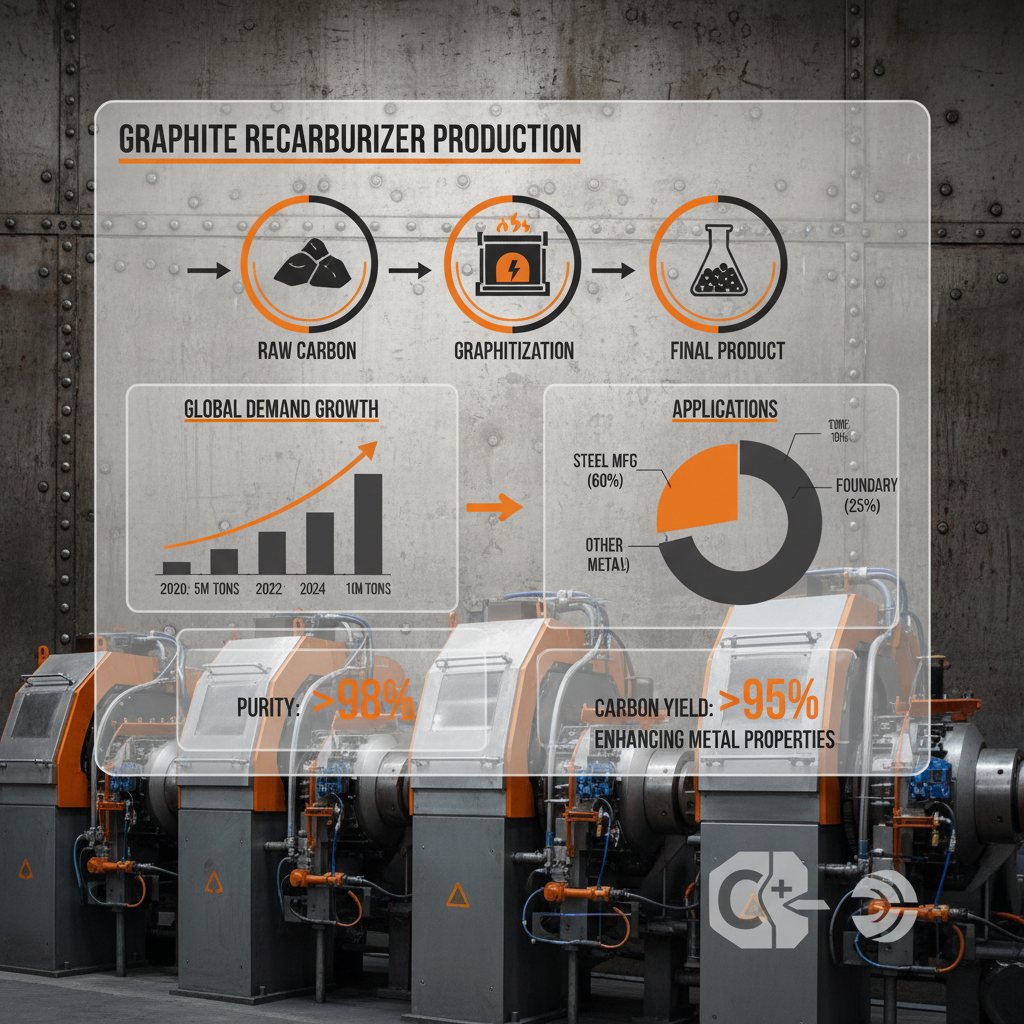
Dah Carbon’s Graphite Recarburizer Products
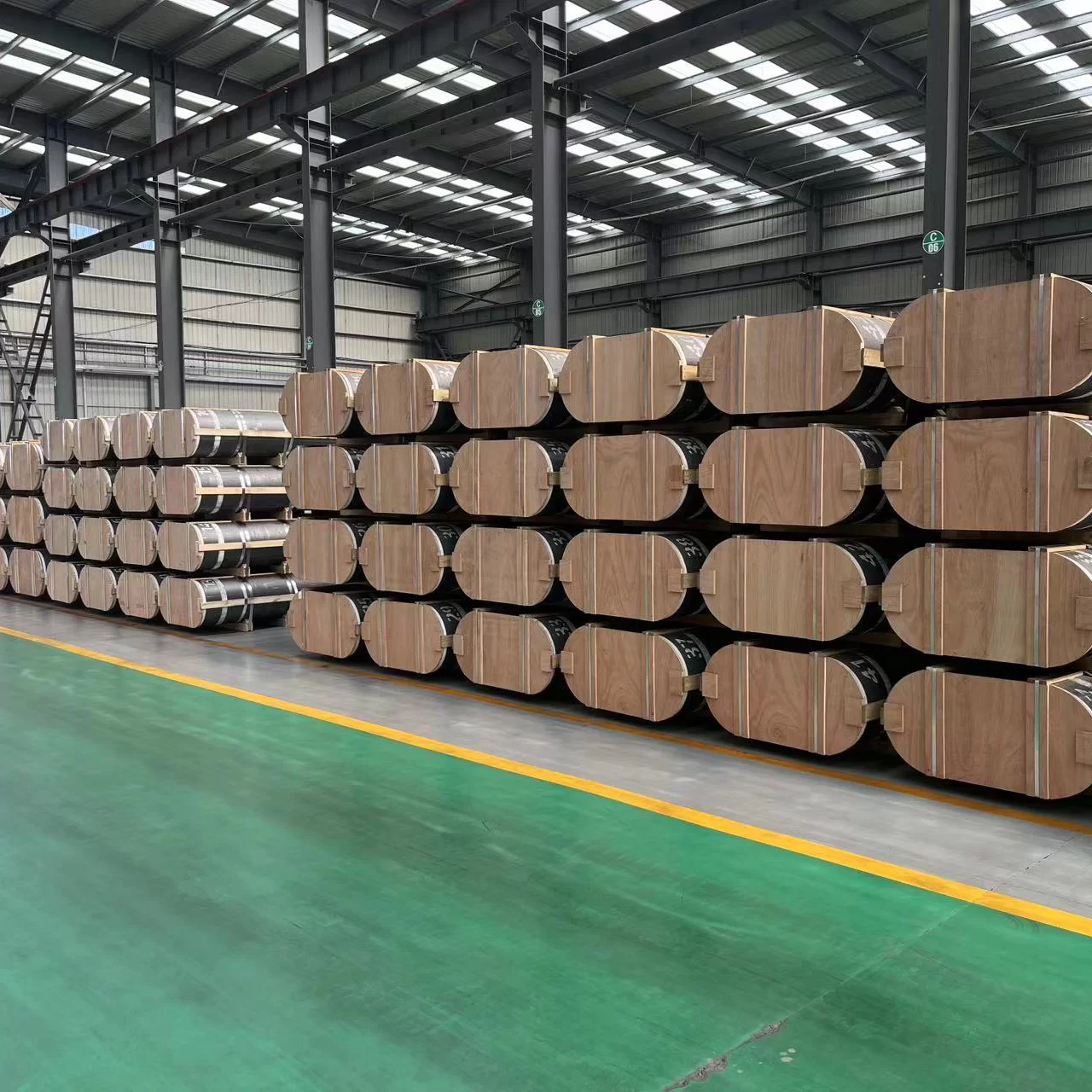
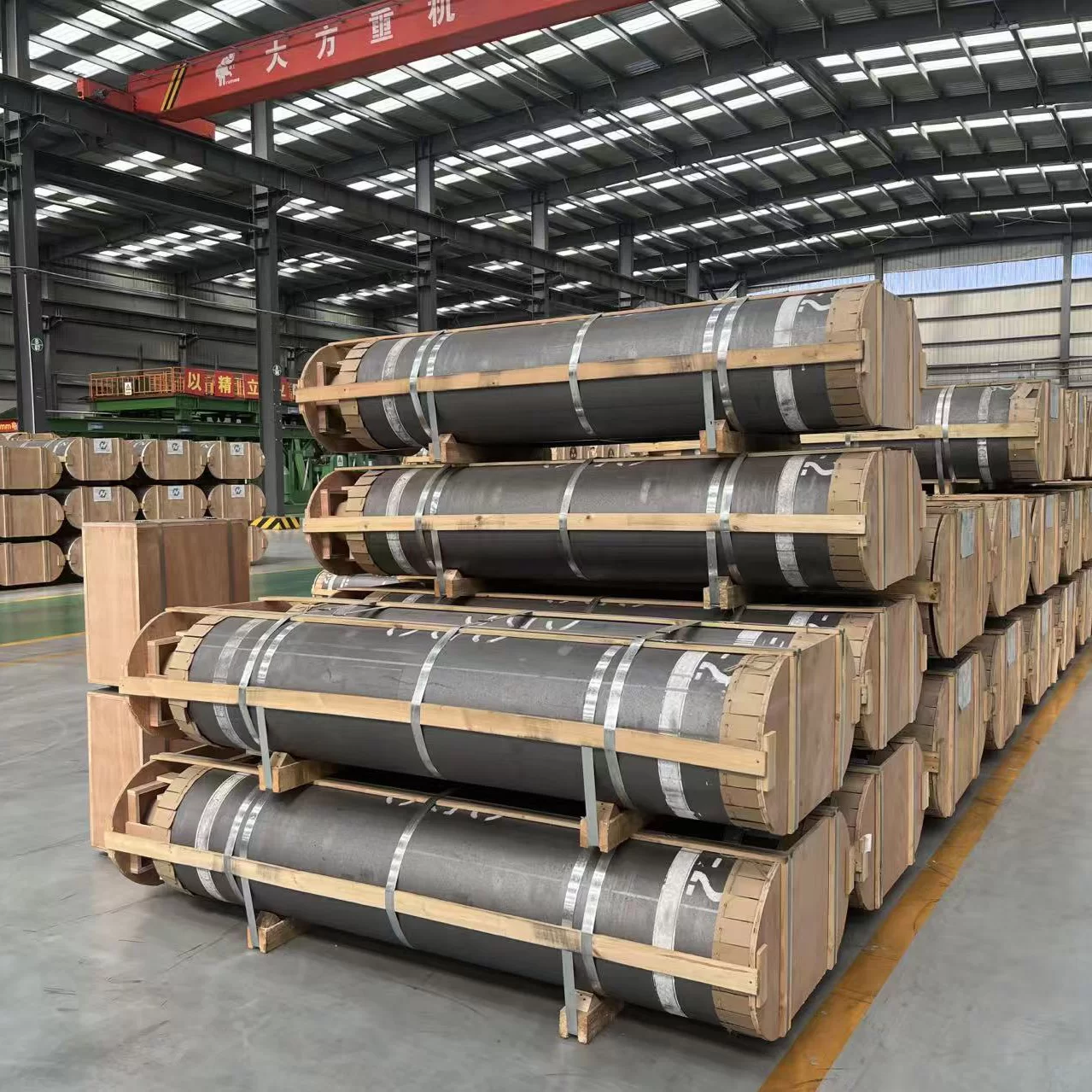
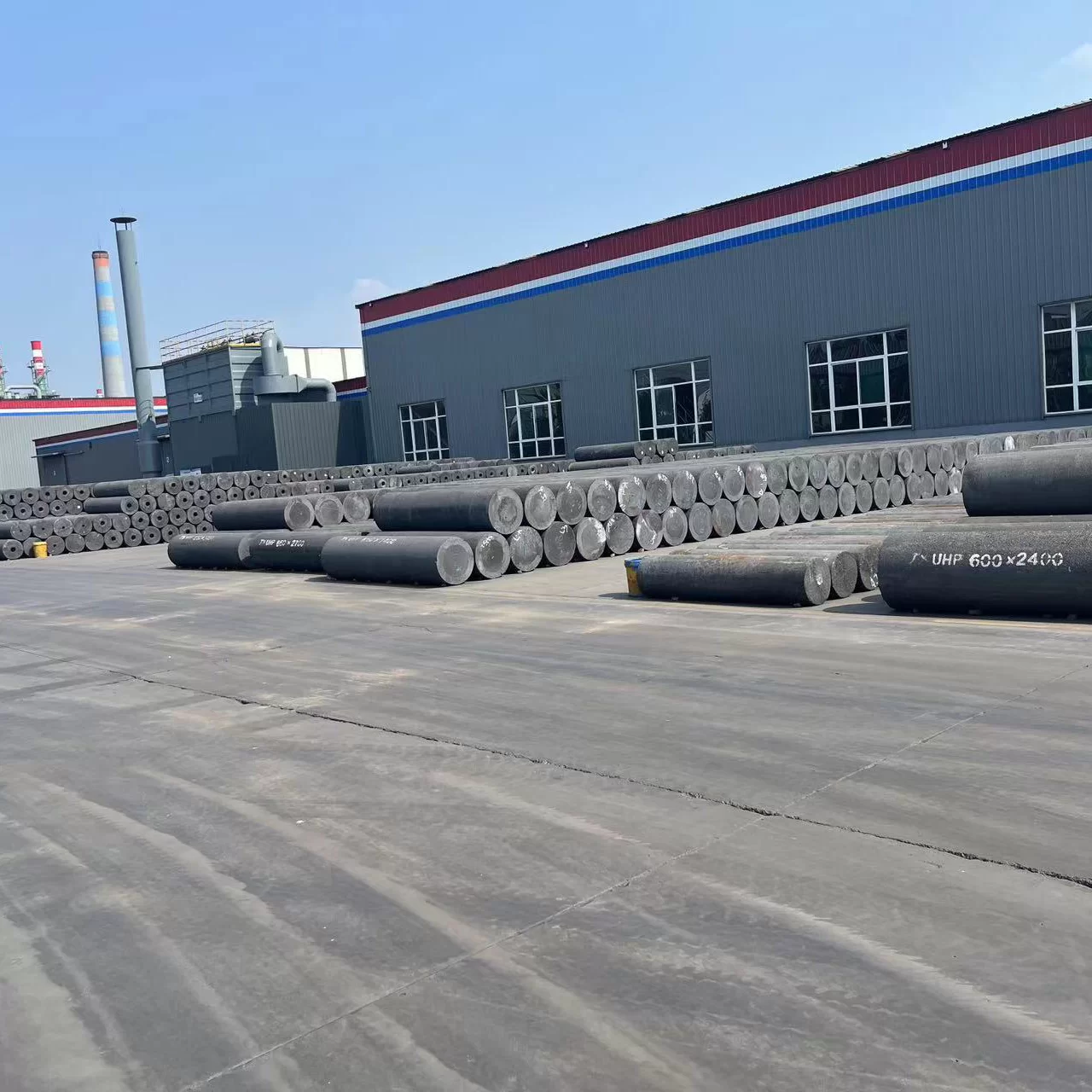
At Dah Carbon, we provide a comprehensive range of graphite recarburizers tailored to meet diverse industrial requirements. Our products are renowned for their consistent quality, high carbon content, and reliable performance. Here’s a glimpse of our key product specifications:
Conclusion: Partner with Dah Carbon for Superior Recarburization
Choosing the right graphite recarburizer is critical for achieving optimal metallurgical results. Dah Carbon provides high-quality recarburizers, expert technical support, and tailored solutions to meet your specific needs. We are committed to delivering consistent quality and reliable performance, helping you enhance your production efficiency and product quality. Contact us today to discuss your requirements and discover how we can support your success.
Frequently Asked Questions (FAQs)
What is the ideal particle size for graphite recarburizers?
The ideal particle size depends on the melting process and the desired carbon absorption rate. Generally, smaller particle sizes offer faster absorption but can also lead to increased dust formation. Larger particle sizes are easier to handle but may require longer melting times for complete carbonization. A typical range is between 0.1mm to 2mm. We at Dah Carbon offer a variety of particle sizes to cater to different customer needs and melting technologies. The optimum size ensures efficient carbon utilization and minimizes losses due to oxidation or carryover.
How does ash content affect the quality of the steel?
Ash content refers to the inorganic impurities present in the recarburizer. High ash content can lead to the formation of slag in the molten metal, potentially causing defects like inclusions and reduced mechanical properties. Therefore, it's crucial to choose recarburizers with low ash content. At Dah Carbon, we carefully control the ash content in our products to ensure optimal steel quality. Lower ash content contributes to cleaner steel, improved ductility, and enhanced overall performance.
What safety precautions should be taken when handling graphite recarburizers?
While graphite recarburizers are generally considered safe, it's important to take certain precautions. Dust inhalation should be avoided by wearing a dust mask or respirator. Contact with skin and eyes should be minimized by wearing appropriate protective gear. The material should be stored in a dry, well-ventilated area to prevent dust buildup and potential fire hazards. Always consult the Material Safety Data Sheet (MSDS) for detailed safety information. Dah Carbon provides comprehensive safety data sheets for all our products.