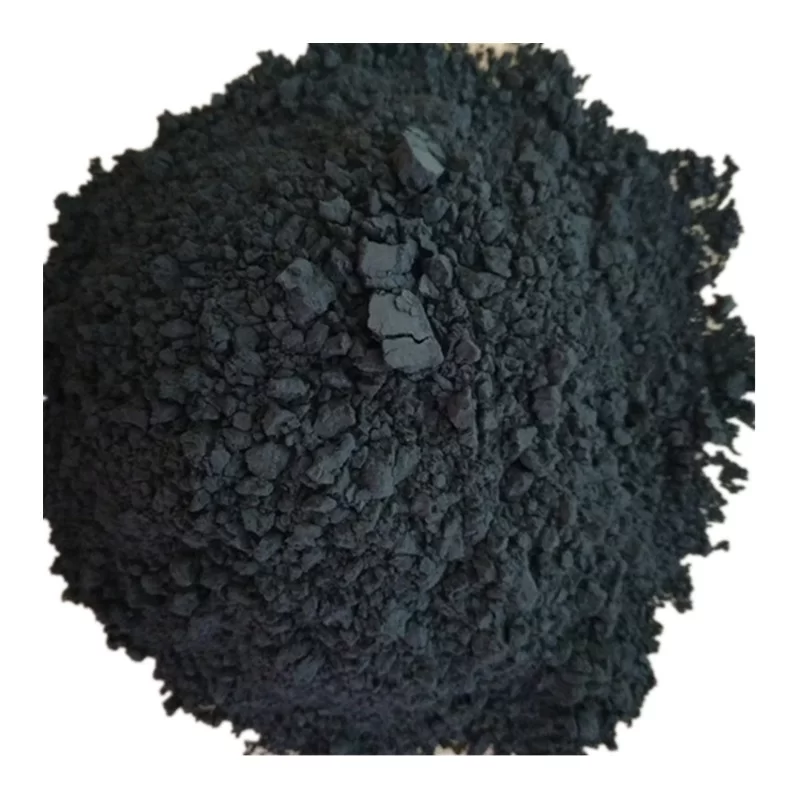
Industrial Carbon Solutions for Arc Furnace Electrodes in DRC

Industrial Carbon Solutions for Arc Furnace Electrodes in DRC

Industrial Carbon Solutions for Arc Furnace Electrodes in DRC

Empowering the Democratic Republic of the Congo's mining and metallurgical sectors with high-performance graphite and carbon products for maximum efficiency.

Industrial Carbon Solutions for Arc Furnace Electrodes in DRC

Specialized carbon materials designed to withstand the extreme thermal and electrical demands of heavy-duty smelting and refining operations across the Democratic Republic of the Congo.

The Carbon Material Landscape in the Democratic Republic of the Congo

Analyzing the intersection of mineral wealth and industrial carbon requirements.

The Democratic Republic of the Congo (DRC) possesses some of the world's richest mineral deposits, creating a massive demand for high-grade graphite blocks and electrodes. However, the local industrial environment faces challenges due to humid tropical climates and complex logistics, which affect the storage and stability of carbonaceous materials.

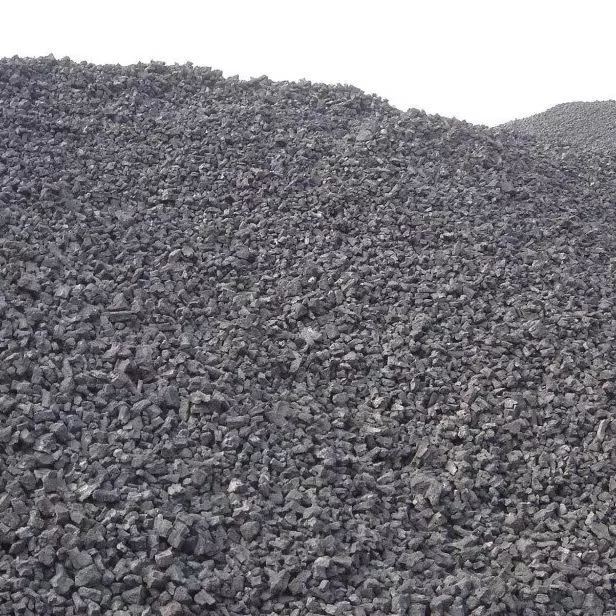
Currently, most smelting plants in the Katanga region rely heavily on imported calcined petroleum coke to ensure the purity of their alloys. The reliance on external supply chains highlights a critical need for consistent quality and standardized specifications to prevent furnace downtime in remote mining sites.

Economic growth in the DRC's non-ferrous metal sector has pushed the demand for more efficient energy conductors. The transition toward larger scale smelting requires a shift from basic carbon products to specialized graphitized petroleum coke to reduce electricity consumption and improve metal recovery rates.
Evolution of Carbon Technology in DRC Smelting

From traditional charcoal-based reducers to advanced synthetic graphite solutions.

Market Development History

In the early industrial phase (pre-2000s), the DRC smelting industry relied primarily on local biomass and crude coke, which resulted in high impurity levels and inconsistent heat distribution in furnaces.

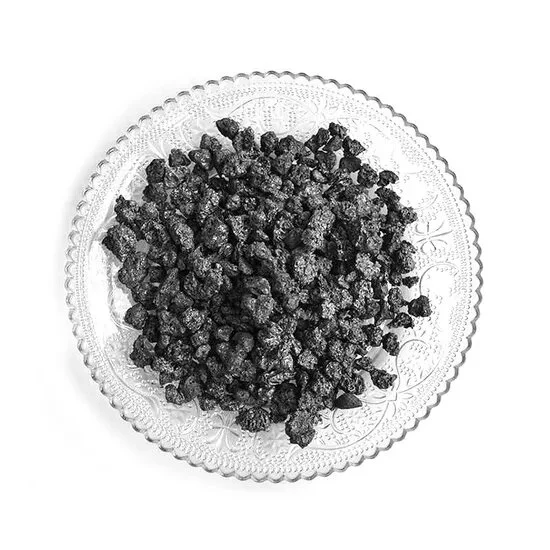
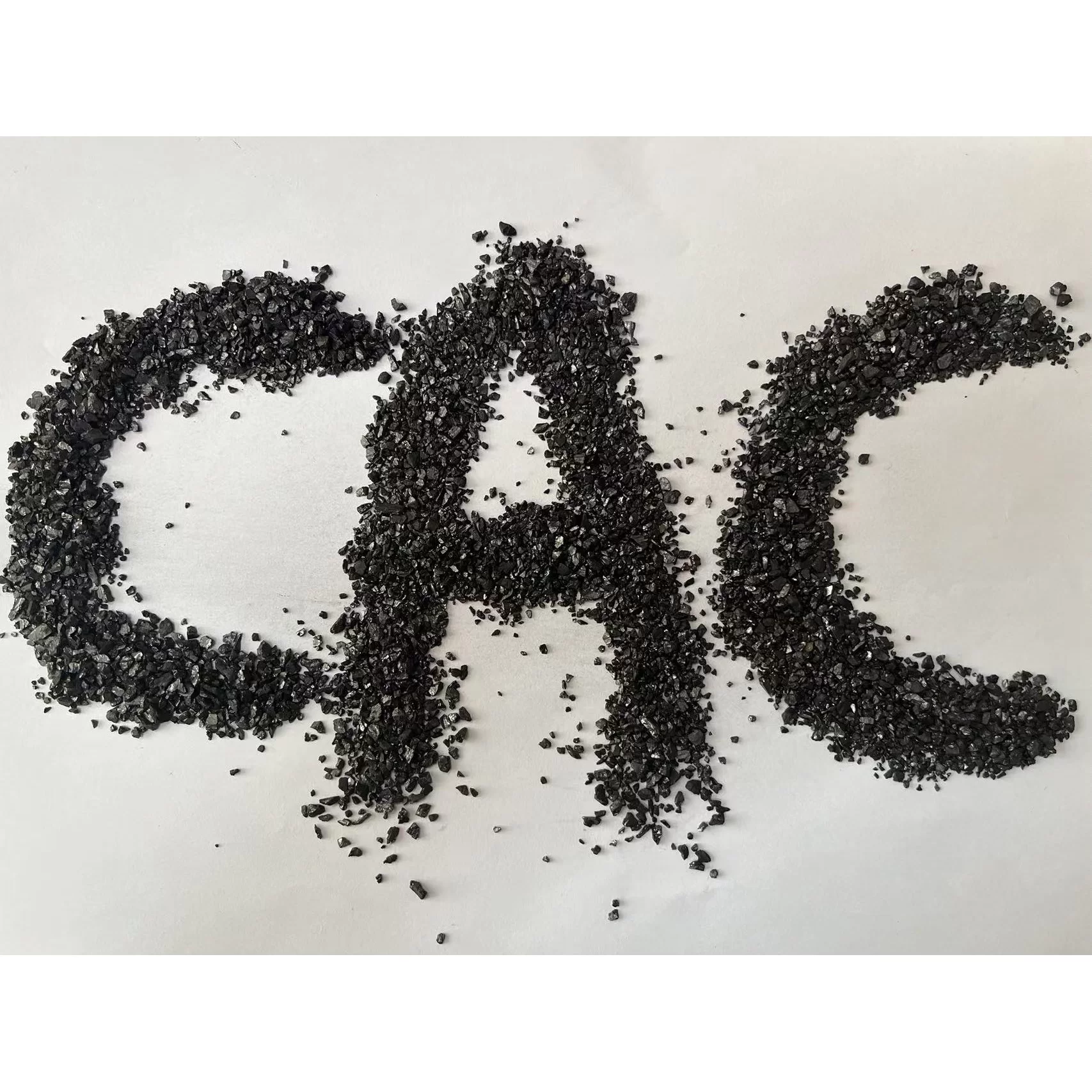
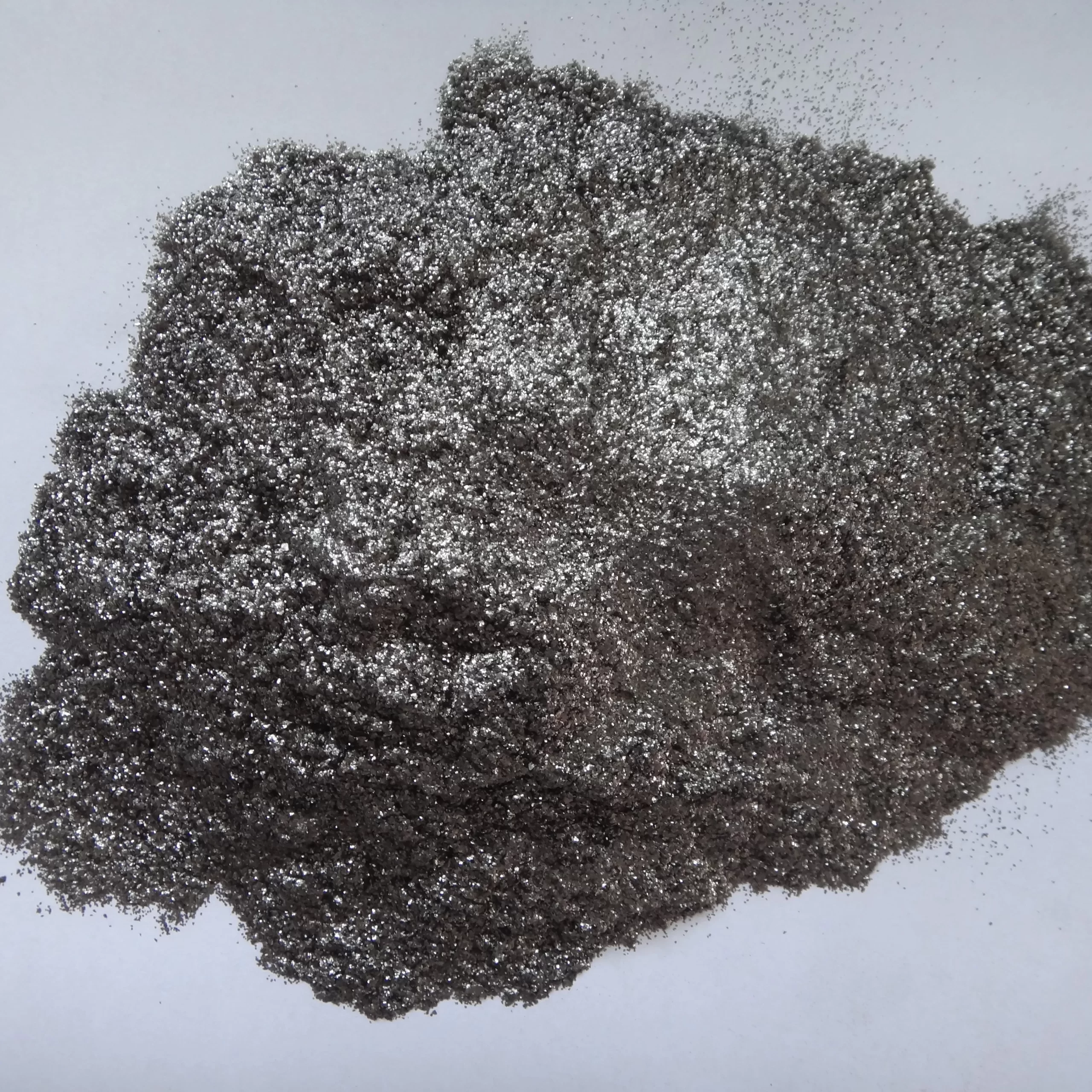
Between 2010 and 2020, the introduction of global mining standards led to the adoption of graphite powder as a precision additive, allowing for better control over the chemical composition of extracted minerals.

By 2023, the industry shifted toward integrated high-power systems, where the synergy between high-density electrodes and purified petroleum coke became the standard for industrial-scale copper and cobalt production.

Future Development Trends

Ultra-High Current Density

The next phase involves the deployment of electrodes capable of handling higher currents to increase throughput per furnace cycle.

Environmental Compliance

Integration of low-emission carbon materials to meet stricter international ESG standards for mining operations in Africa.

Digital Twin Integration

Using real-time sensor data to predict the wear rate of graphite components, optimizing replacement cycles.

Industry Trends and Future Outlook

Strategic projections for the carbon products market in Central Africa.

Energy Efficiency Optimization
Increasing the use of graphitized materials to lower electrical resistance and reduce power costs.
Material Purity Standards
Shift toward ultra-low sulfur coke to improve the quality of high-purity cobalt and copper cathodes.
Supply Chain Resilience
Establishing strategic buffers for carbon products to mitigate geopolitical logistics risks in DRC.
Diversification of Use-Cases
Expanding graphite applications into battery anode precursors for the DRC's emerging EV material sector.

Industry Outlook

Based on Google search trends for "industrial carbon in Africa," there is a marked increase in demand for sustainable and long-life electrodes. The market is moving away from generic commodities toward engineered carbon solutions that offer lower oxidation rates at high temperatures.

The integration of the DRC into the global green energy supply chain will inevitably drive the demand for higher purity graphitized petroleum coke, as the production of battery-grade materials requires stricter carbon control.

Localized Application Scenarios in the DRC

Practical deployments of carbon products across Congo's industrial landscape.

1. Copper Smelting in Katanga

Using high-conductivity electrodes to maintain stable arcs in the smelting of copper concentrates, ensuring consistent temperature profiles despite fluctuating raw material quality.

2. Cobalt Refining Processes

Implementing high-purity graphite powder as a reducing agent to achieve the high purity levels required for battery-grade cobalt oxides.

3. Ferromanganese Production

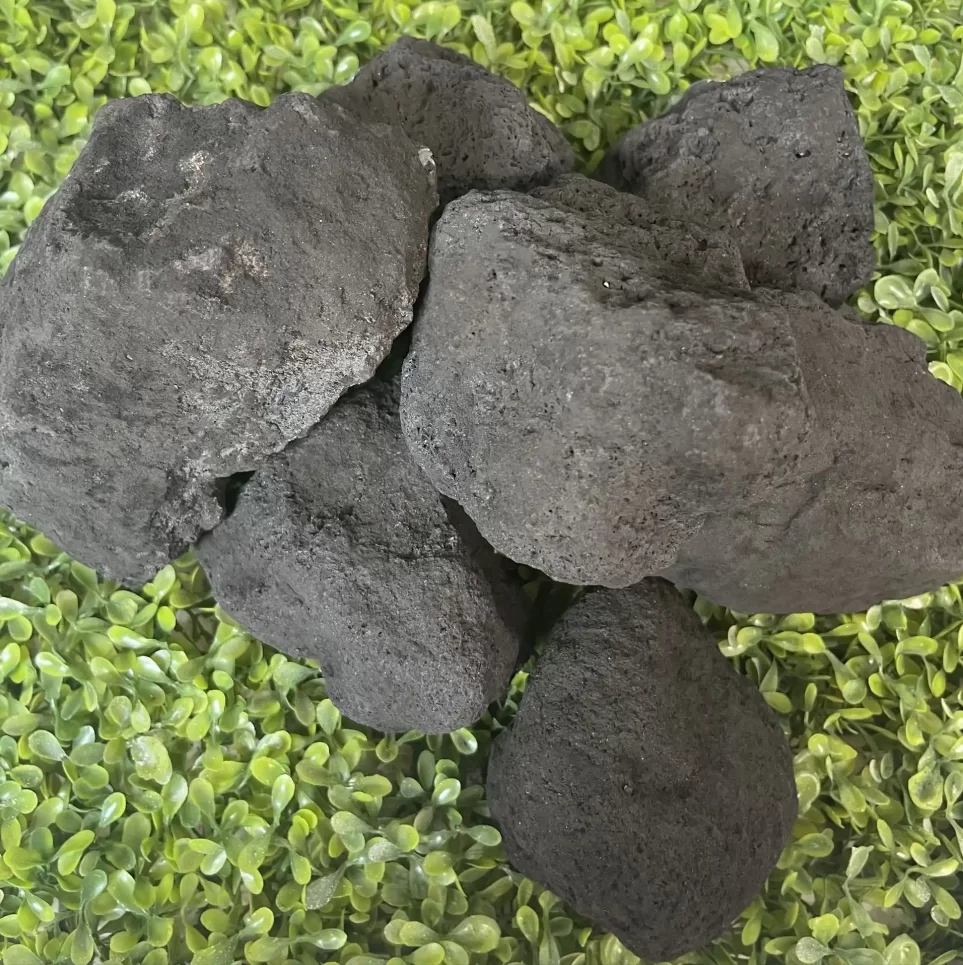
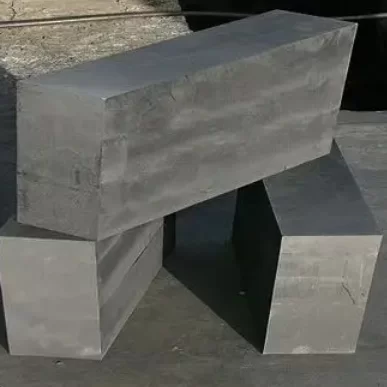
Deploying heavy-duty graphite blocks in submerged arc furnaces to resist the corrosive nature of manganese slag and extend furnace lining life.

4. Aluminum Casting Units

Utilizing specialized carbon anodes and petroleum coke for electrolytic reduction, optimized for the regional power grid's voltage characteristics.

5. Mining Equipment Maintenance

Applying high-density graphite components as lubricants and seals in heavy mining machinery operating in the dusty and abrasive environments of the Congo basin.

Brand Story

Global Development Journey of Hebei Dahcarbon Co., Ltd.

Foundational Expertise

Established with a focus on the core science of carbonization, we began by solving the basic purity issues of industrial coke.

Technological Breakthrough

Developed advanced graphitization processes that significantly reduced the electrical resistance of carbon electrodes.

Global Expansion

Extended our reach into the African market, specifically tailoring products for the unique mineralogical needs of the DRC.

Quality Certification

Achieved international ISO certifications, ensuring that every batch of graphite powder meets global metallurgical standards.

Sustainable Future

Now leading the transition toward "Green Carbon," focusing on reducing the carbon footprint of the smelting industry worldwide.

Comprehensive Carbon Portfolio for the DRC Market

From raw materials to engineered components for the Congo's metallurgical industry.

Industrial Carbon FAQs for DRC Operators

Expert answers to common technical and logistical questions in the region.

How does humidity in DRC affect the storage of calcined petroleum coke?

High humidity can lead to moisture absorption which may cause instability during the smelting process. We recommend sealed, climate-controlled storage or moisture-proof packaging for all calcined materials shipped to the Congo basin.

What is the optimal grade of graphitized petroleum coke for cobalt smelting?

For cobalt production, ultra-low sulfur and low ash content are critical. Our premium graphitized petroleum coke ensures minimal contamination of the final cathode, maximizing the purity of the output.

Can graphite blocks be customized for specific furnace dimensions in DRC plants?

Yes, we provide precision machining for graphite blocks based on the specific technical drawings of your furnace, ensuring a perfect fit and reducing thermal leakage during operation.

How to increase the lifespan of arc furnace electrodes in high-power settings?

Lifespan can be increased by optimizing the current density and using electrodes with a refined grain structure that resists oxidation and thermal shock more effectively.

What are the shipping lead times for graphite powder to the DRC?

Lead times vary depending on the port of entry (e.g., Matadi or via neighboring countries). We offer strategic logistics planning to ensure a steady supply of graphite powder to your site.

Why choose synthetic graphite over natural graphite for DRC smelting?

Synthetic graphite offers superior consistency in electrical conductivity and purity, which is essential for the precise chemical reactions required in high-value mineral refining.

Get Your Custom Carbon Solution

Our technical engineers are ready to optimize your production efficiency in the Democratic Republic of the Congo. Contact us for a tailored material analysis.

Contact Us Now

If you are interested in our products, you can choose to leave your information here, and we will be in touch with you shortly.

  • captcha