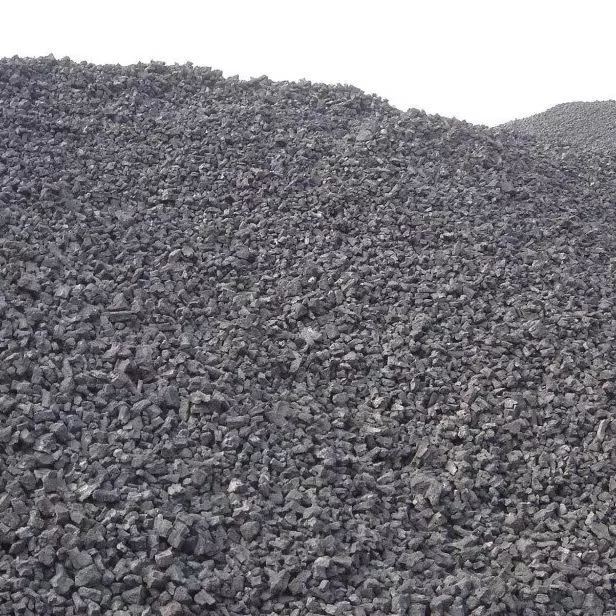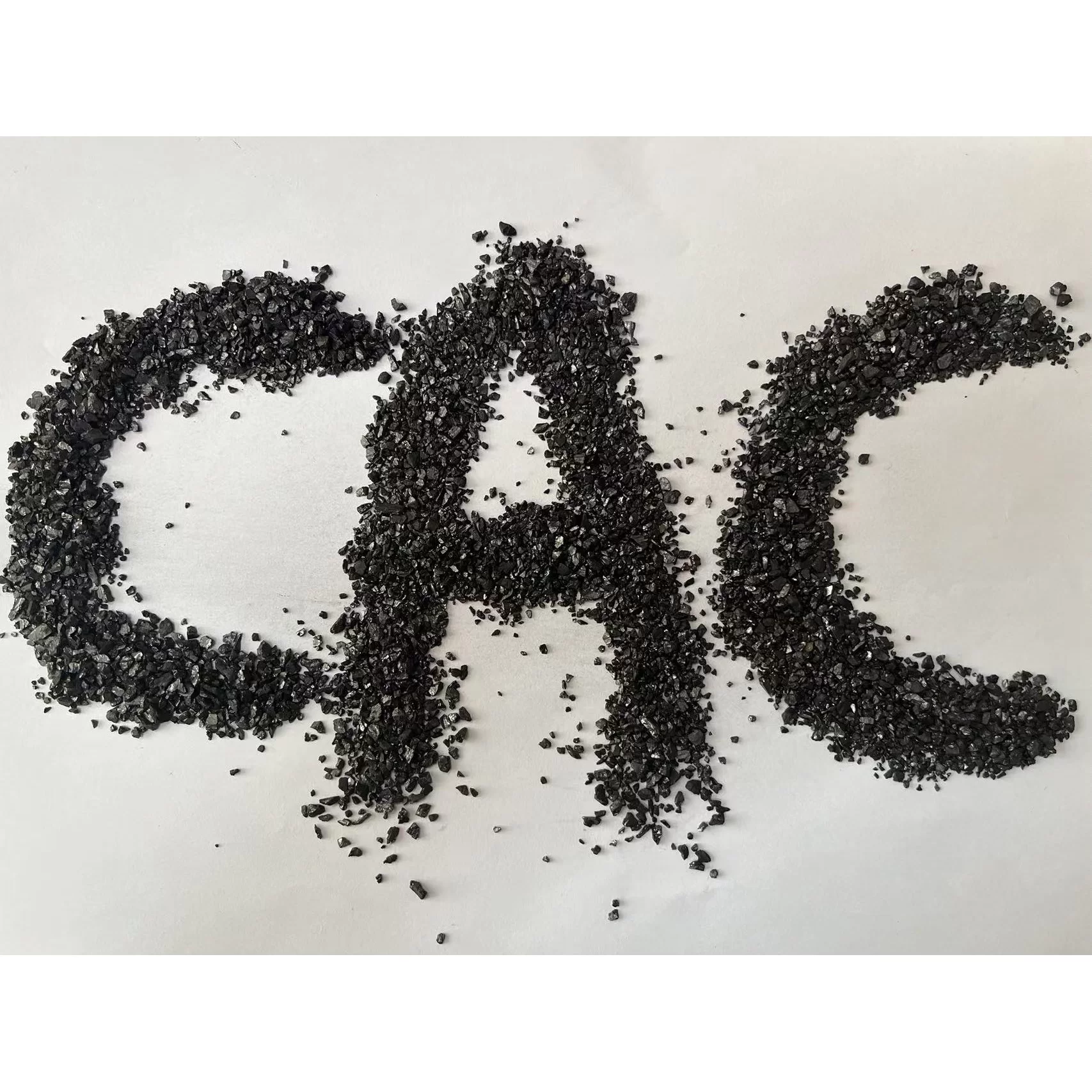
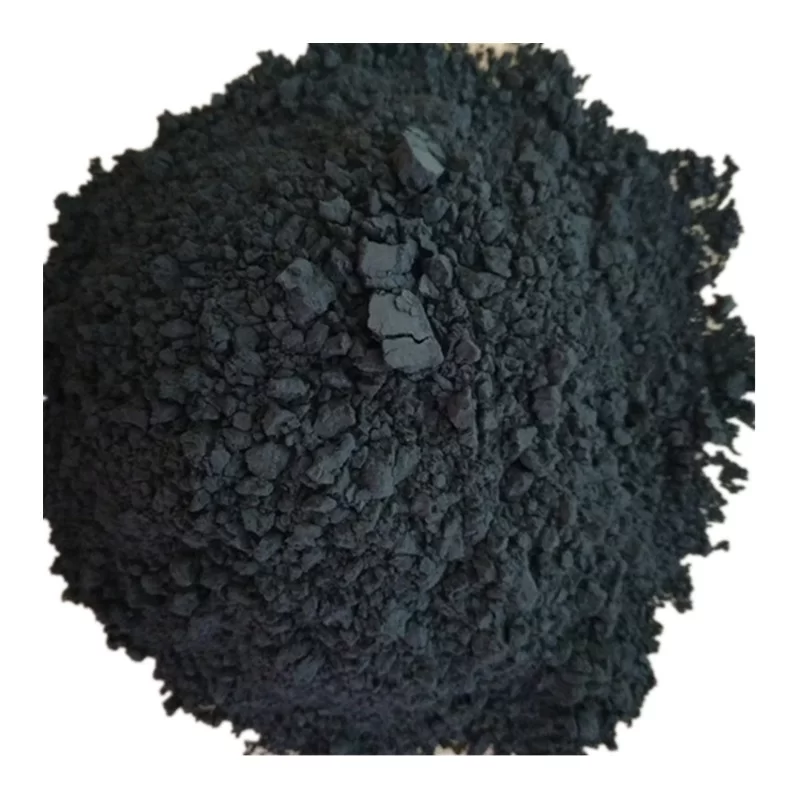
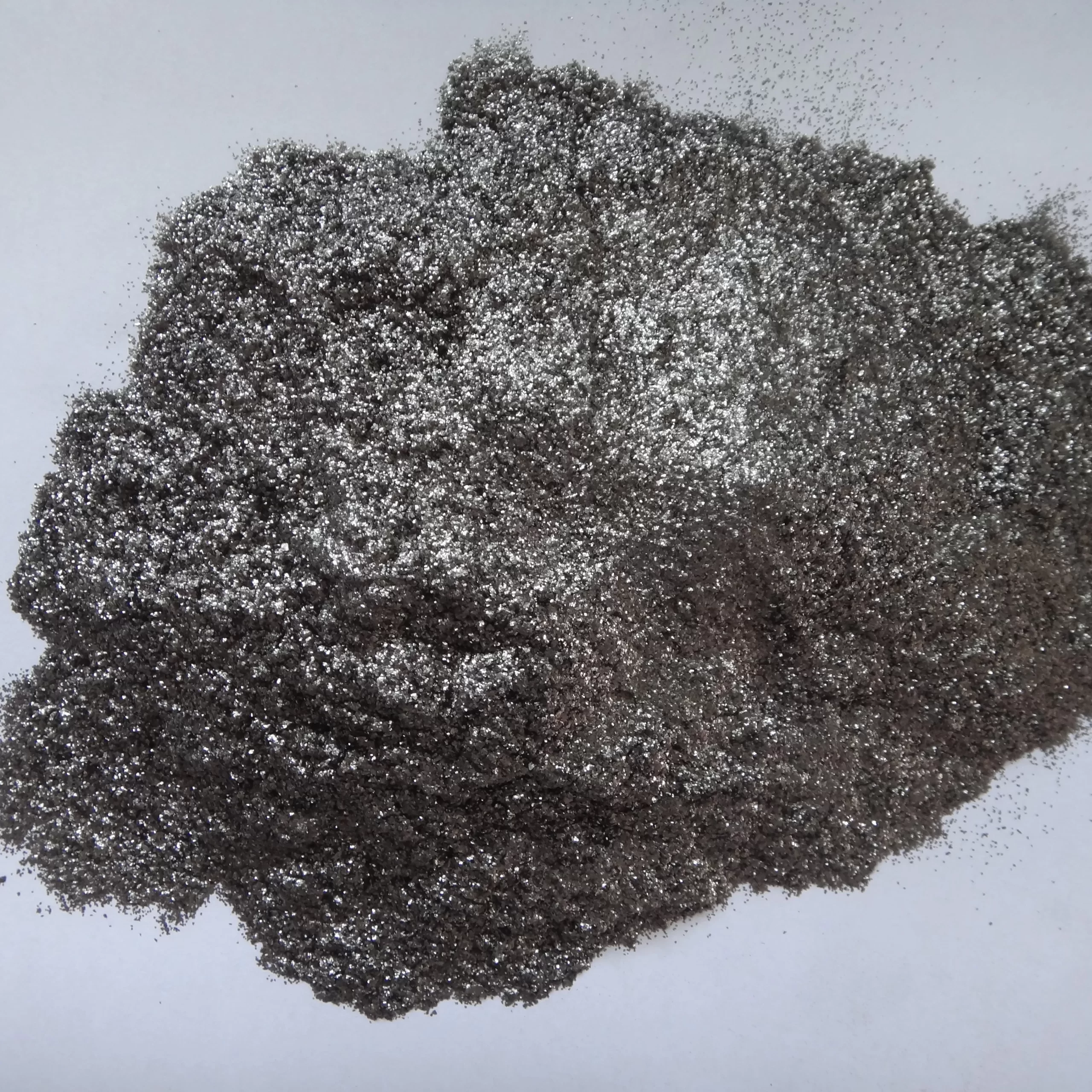
The industrial landscape in Libya is heavily influenced by its vast oil and gas reserves, which creates a unique synergy for the production and consumption of calcined petroleum coke. However, the extreme desert climate and high salinity in coastal industrial zones place significant stress on the oxidation resistance of carbon materials.
Currently, the Libyan manufacturing sector faces a critical need for high-purity graphitized petroleum coke to support the modernization of its steel mills. The reliance on imported raw materials often leads to volatility in production cycles, necessitating a more stable supply of high-density graphite products.
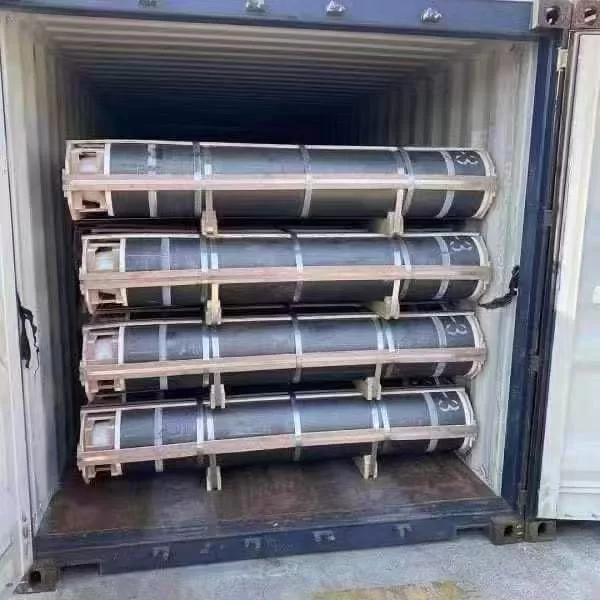
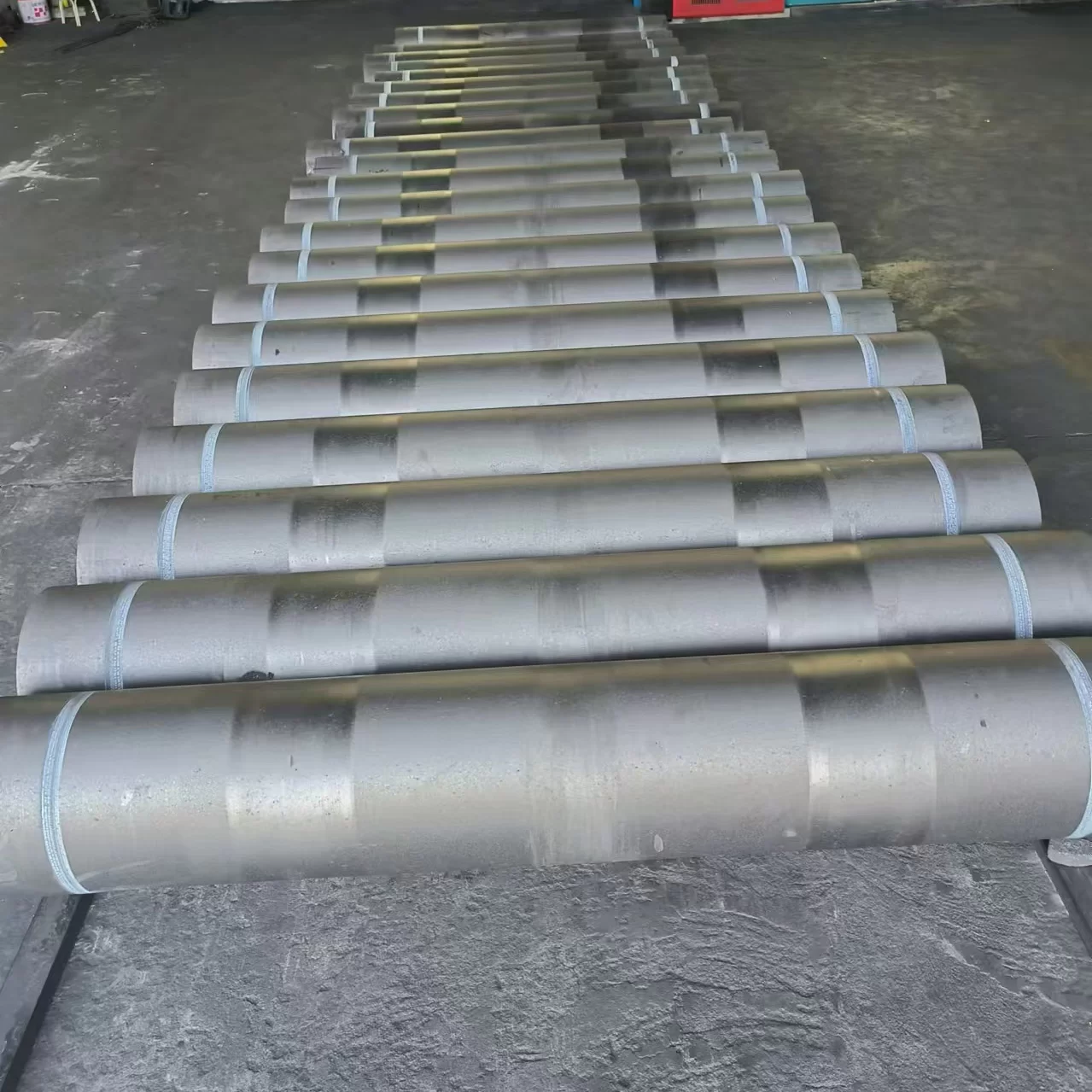
Despite geopolitical fluctuations, the demand for robust graphite blocks has surged as the country seeks to diversify its non-oil economy, focusing on infrastructure rebuilding and the expansion of domestic metal processing facilities.