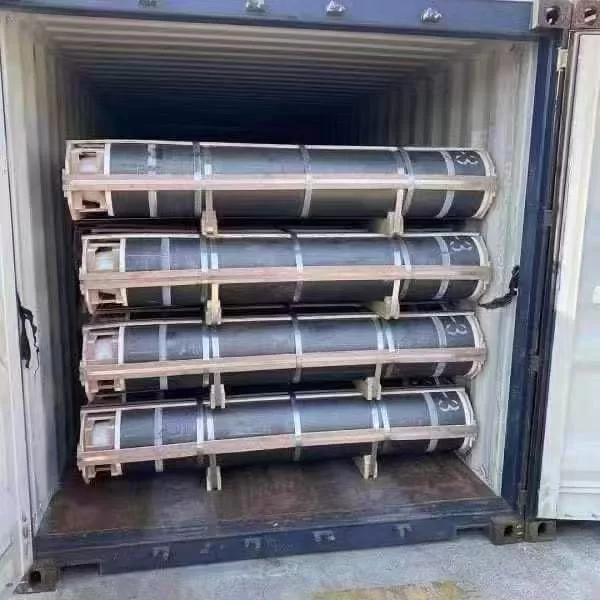
Advanced arc furnace electrodes Solutions for South Sudan’s Industrial Sector

Advanced arc furnace electrodes Solutions for South Sudan’s Industrial Sector

Advanced arc furnace electrodes Solutions for South Sudan's Industrial Sector

Empowering South Sudanese smelting and foundry operations with high-conductivity carbon products engineered for extreme thermal environments.

Advanced arc furnace electrodes Solutions for South Sudan's Industrial Sector

Providing world-class carbon and graphite materials to enhance the efficiency of metallurgical plants and industrial heating processes across South Sudan.

Industrial Carbon Landscape in South Sudan

Analyzing the integration of high-performance graphite products in the local infrastructure.

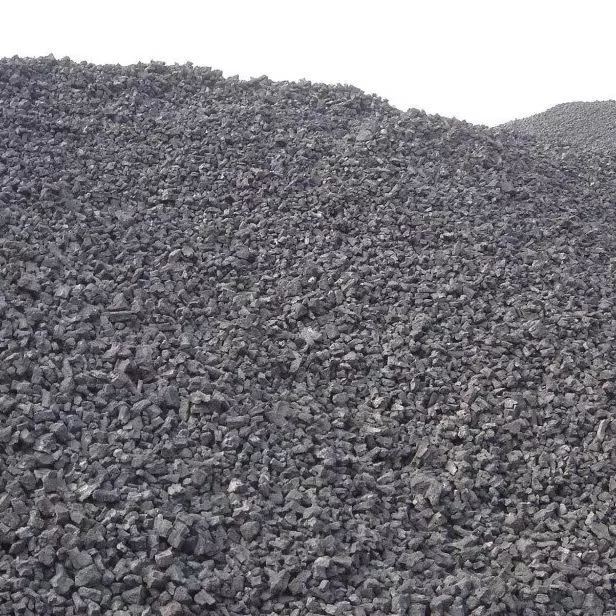
South Sudan's industrial landscape is currently characterized by a nascent metallurgical sector and a heavy reliance on imported raw materials. The volatile climate and logistical challenges of the region require carbon materials like calcined petroleum coke that can withstand humidity and temperature fluctuations during transit and storage.

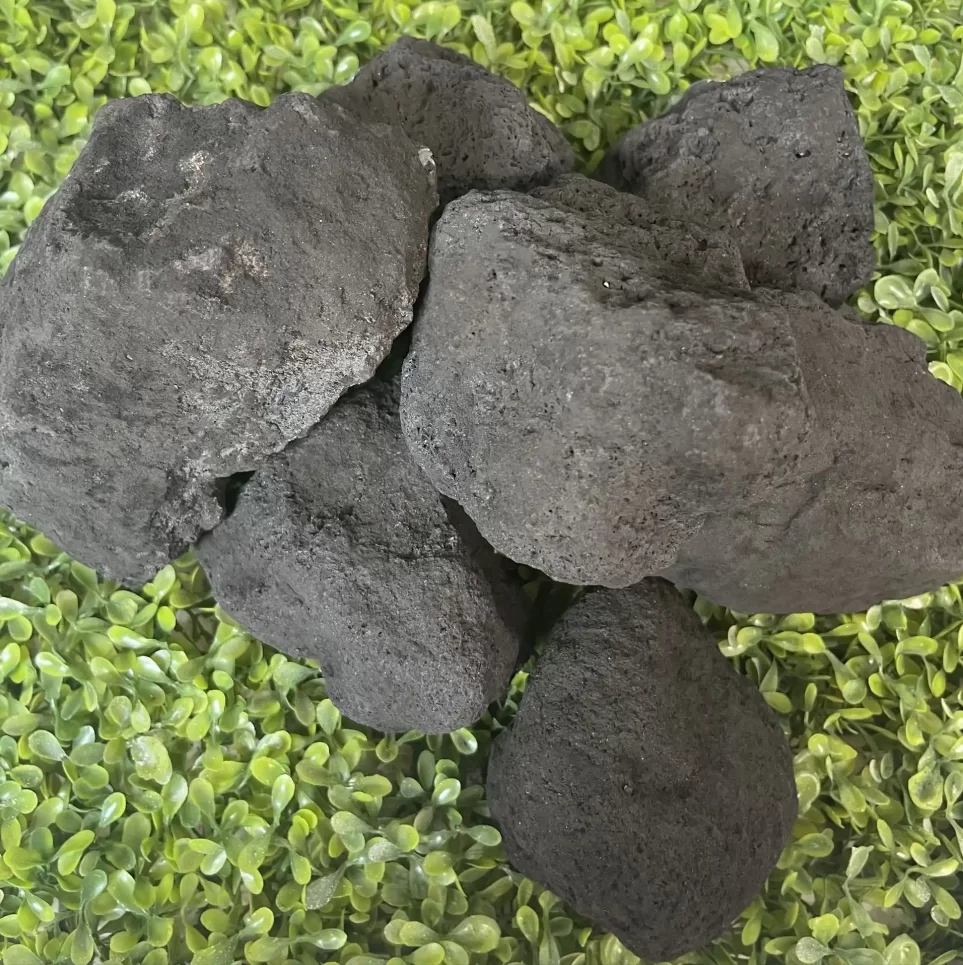
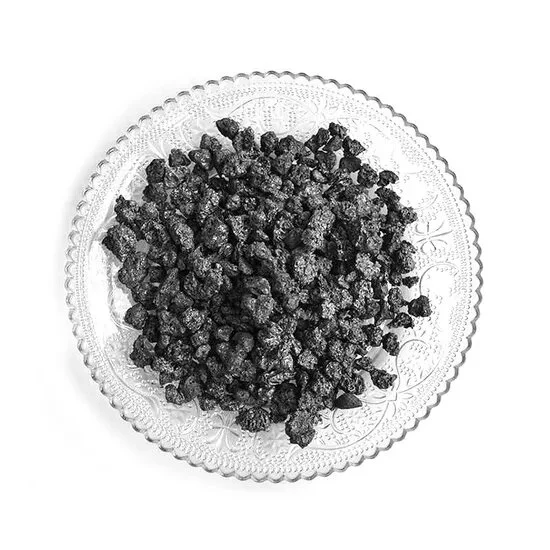
Many local smelting operations still utilize basic heating methods, leading to significant energy loss. The introduction of premium graphitized petroleum coke is becoming critical for those aiming to optimize the conductivity and purity of their carbon additives in steel and alloy production.

Despite the challenges, there is a growing demand for specialized materials like graphite blocks to support the development of localized mineral processing plants, shifting the economy from pure extraction toward primary manufacturing.
Evolution of Carbon Technology in South Sudan

From basic carbon additives to precision-engineered graphite components.

Market Development History

In the early 2000s, the South Sudanese market relied predominantly on low-grade coal and raw coke for basic heating, which resulted in high impurity levels in smelted metals and inefficient energy usage.

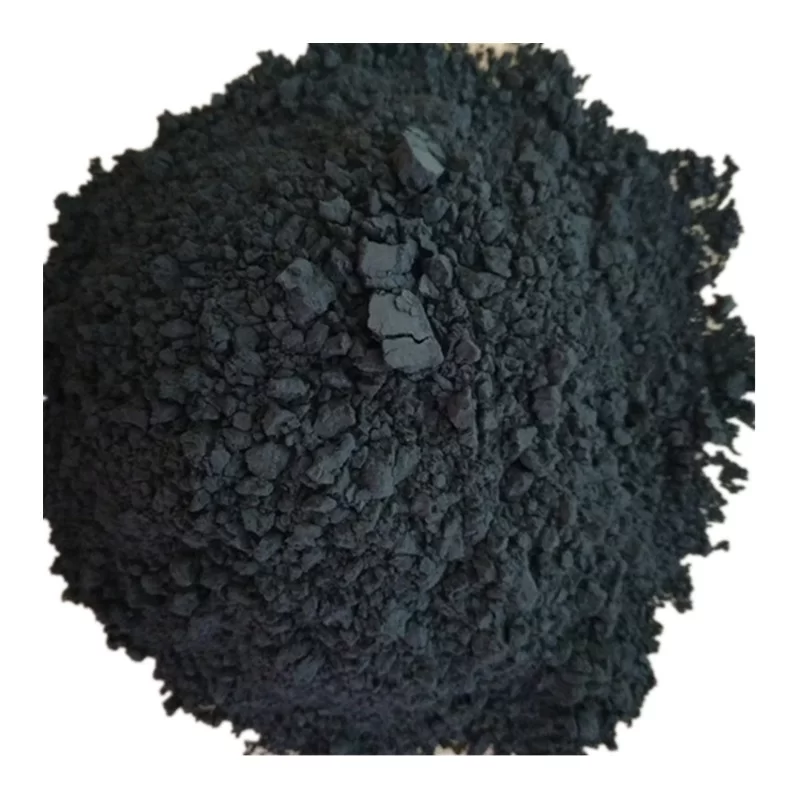
Between 2010 and 2020, the shift toward standardized graphite powder began as local workshops upgraded to precision lubrication and additive processes, improving the surface quality of cast parts.

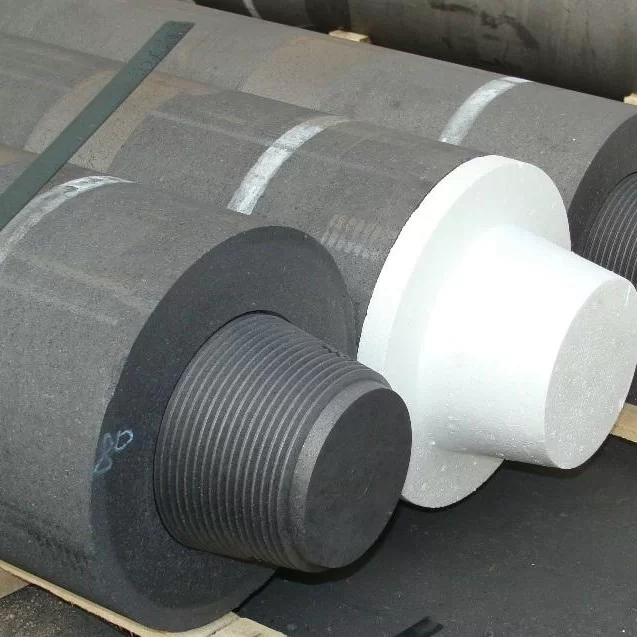
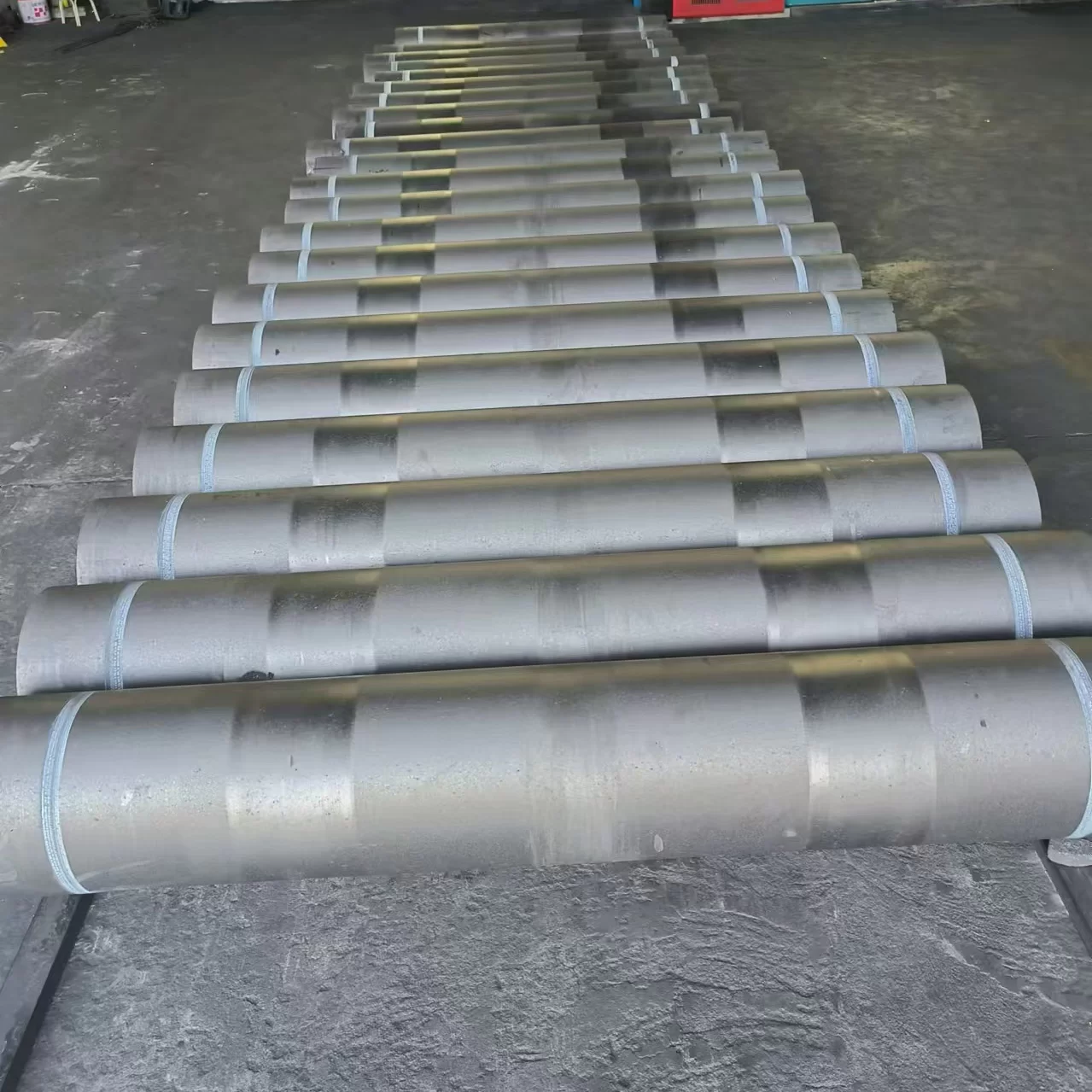
Since 2021, the industry has entered a phase of modernization, importing high-density arc furnace electrodes to support the transition toward electric arc furnace (EAF) technology, drastically reducing the carbon footprint of local metal recovery.

Future Development Trends

Transition to Ultra-High Purity (UHP) Carbon

Expect a surge in the adoption of UHP materials to satisfy the requirements of electronic-grade components and advanced aerospace alloys as the region diversifies its output.

Energy-Efficient Thermal Management

The trend is moving toward materials with superior thermal shock resistance to decrease downtime in industrial kilns during South Sudan's extreme seasonal weather changes.

Digital Integration of Electrode Consumption

Integration of AI-driven monitoring to predict the wear rate of electrodes, optimizing the supply chain for carbon consumables in remote industrial zones.

Strategic Forecast for South Sudanese Carbon Industry

Predicting the technological trajectory based on global search trends and regional growth.

Sustainable Smelting Transition
Shift toward lower-emission carbon sources to meet emerging African environmental standards.
High-Conductivity Optimization
Increased demand for specialized graphite with ultra-low electrical resistance.
Modular Carbon Architecture
Adoption of modular graphite blocks for faster furnace lining and reduced downtime.
Supply Chain Localization
Strategic stockpiling of critical carbon components to avoid logistical disruptions.

Industry Outlook

Google search trends indicate a rising interest in "green steel" and "energy efficiency" within the African metallurgical sector. This suggests that South Sudanese operators will increasingly seek carbon products that reduce electricity consumption per ton of metal produced.

Over the next 3-5 years, we expect the market to shift from general-purpose coke to high-spec, grade-specific graphite solutions, driving a demand for technical support and customized material formulations.

Localized Application Scenarios in South Sudan

Practical implementation of carbon materials across key regional industries.

1. Electric Arc Steel Smelting

Utilizing high-current arc furnace electrodes to process scrap metal into construction-grade steel for Juba's infrastructure projects.

2. Mineral Ore Reduction

Implementing calcined petroleum coke as a high-efficiency reducing agent in the extraction of rare earth minerals and metals from local deposits.

3. Industrial High-Temperature Kilns

Designing furnace linings using precision-cut graphite blocks to ensure uniform heat distribution and extended equipment life.

4. Precision Casting Lubrication

Applying micro-fine graphite powder in automotive part casting to reduce friction and improve the surface finish of metal components.

5. Alloy Production Enhancement

Using graphitized petroleum coke to control carbon content in specialized alloy production for the oil and gas tool industry.

Brand Story

Global Development Journey of Hebei Tiksen Carbon Co., Ltd.

Foundational Excellence

Established with a focus on purity, Hebei Tiksen began by mastering the synthesis of high-grade carbon materials to solve basic conductivity issues.

Technical Breakthroughs

Developed proprietary graphitization processes that allowed for the production of ultra-dense carbon products with superior thermal stability.

Global Market Expansion

Expanded operations to Africa, tailoring carbon solutions to withstand the unique environmental and logistical challenges of emerging economies.

Commitment to Sustainability

Pioneered eco-friendly production methods to reduce the carbon footprint of the graphite manufacturing process itself.

Vision for the Future

Striving to be the primary carbon partner for South Sudan's industrialization, solving the pain point of material inconsistency in remote regions.

Comprehensive Carbon Portfolio for South Sudan

Integrated material solutions designed for maximum durability and efficiency in African industrial settings.

Common Questions on Carbon Products in South Sudan

Technical guidance for regional procurement and application.

How to store calcined petroleum coke in high-humidity environments like South Sudan?

It is recommended to use moisture-proof HDPE lining and store the material in elevated, well-ventilated warehouses to prevent oxidation and agglomeration.

What is the expected lifespan of arc furnace electrodes in local smelting plants?

Lifespan varies by current density and scrap quality, but our high-density electrodes are engineered to reduce consumption rates by 10-15% compared to standard grades.

Can graphite powder be used for high-temperature lubrication in oil rigs?

Yes, our high-purity graphite powder is ideal for extreme pressure and temperature lubrication, common in the South Sudanese energy sector.

Why choose graphitized petroleum coke over standard carbon additives?

Graphitized coke offers significantly higher electrical conductivity and lower sulfur content, which is essential for producing high-quality alloys.

How do graphite blocks improve furnace efficiency?

They provide superior thermal conductivity and resistance to chemical erosion, reducing heat loss and extending the interval between furnace relining.

What logistics options are available for bulk carbon shipments to Juba?

We provide specialized export packaging and coordinate with regional logistics partners to ensure safe delivery via multimodal transport routes.

Connect With Our Carbon Experts

Ready to optimize your industrial output in South Sudan? Contact us for technical specifications and customized quotes.

Contact Us Now

If you are interested in our products, you can choose to leave your information here, and we will be in touch with you shortly.

  • captcha