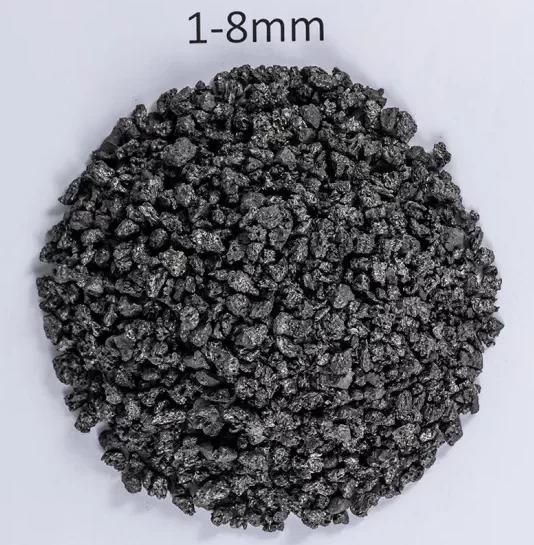
Advanced Graphite Solutions for Algeria HighPerformance arc furnace electrodes

Advanced Graphite Solutions for Algeria HighPerformance arc furnace electrodes

Advanced Graphite Solutions for Algeria: High-Performance arc furnace electrodes

Optimizing the metallurgical efficiency of Algeria's industrial sector through precision-engineered carbon products and sustainable mineral processing.

Advanced Graphite Solutions for Algeria: High-Performance arc furnace electrodes

Providing Algeria's steel and aluminum industries with critical carbon materials, from raw recarburizers to precision-grade electrodes, ensuring thermal stability and electrical conductivity in harsh Saharan environments.

Carbon Material Landscape in Algeria

Analyzing the supply chain and operational challenges of the Algerian non-metallic mineral industry.

Algeria's industrial landscape is characterized by a heavy reliance on hydrocarbon resources, which creates a unique synergy for the production and use of calcined petroleum coke. The local metallurgical plants, particularly in the northern coastal regions, face the dual challenge of extreme temperature fluctuations and high humidity, which can accelerate the degradation of carbon components.

Currently, the market is transitioning from basic carbon inputs to high-purity graphitized petroleum coke to meet the growing demand for specialized alloys. However, the volatility of global supply chains often disrupts the availability of high-density materials, forcing local operators to seek more resilient and thermally stable alternatives for their furnace linings.

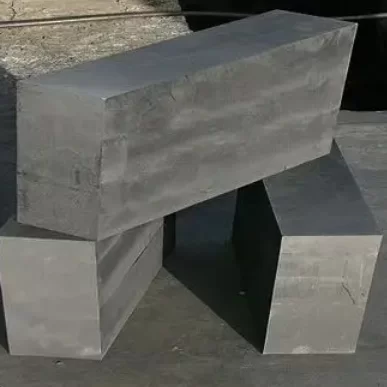
The adoption of high-grade graphite blocks has become essential for Algerian smelting operations. With the government's push toward industrial diversification, there is an increasing need for materials that can withstand the corrosive nature of local mineral ores while maintaining peak electrical efficiency.
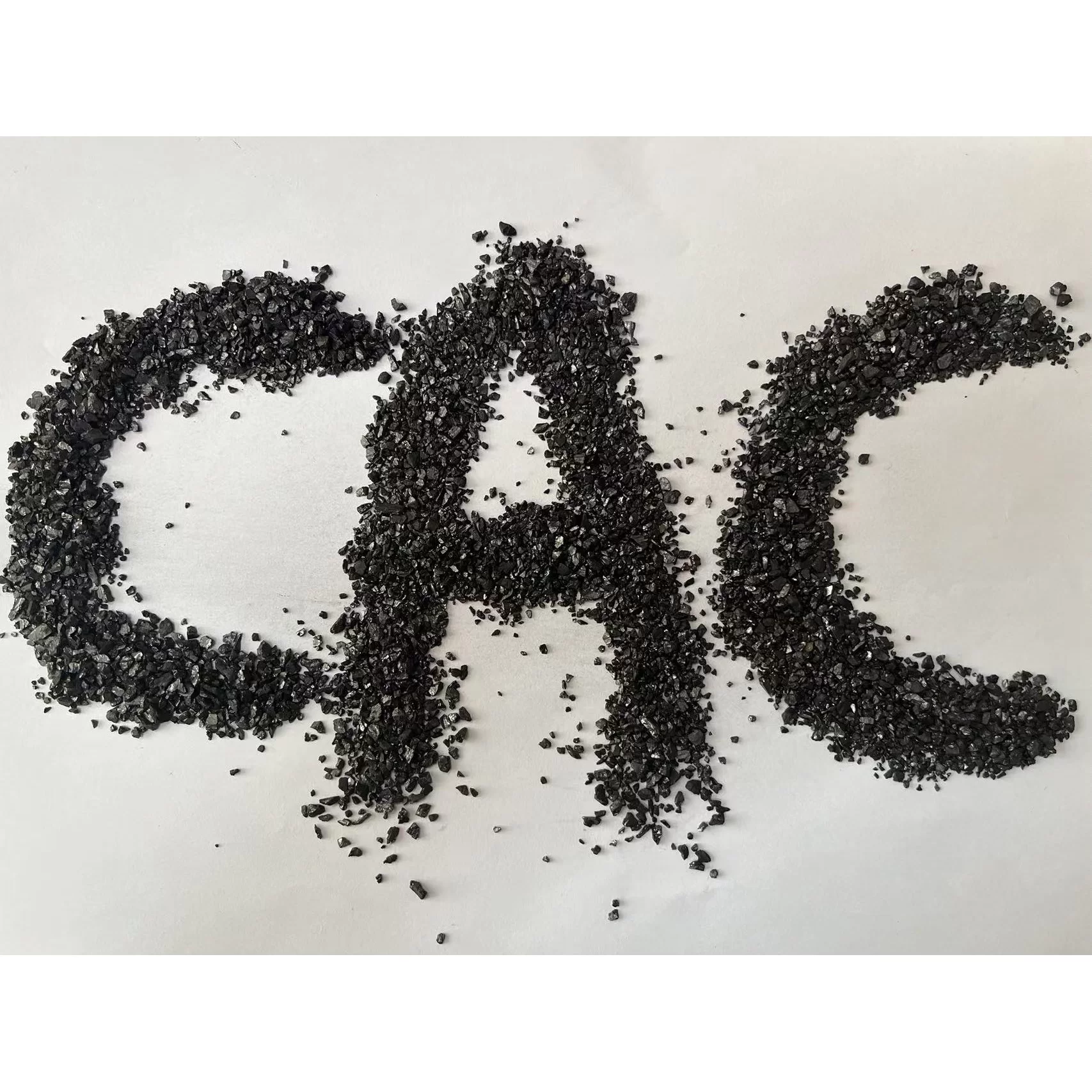
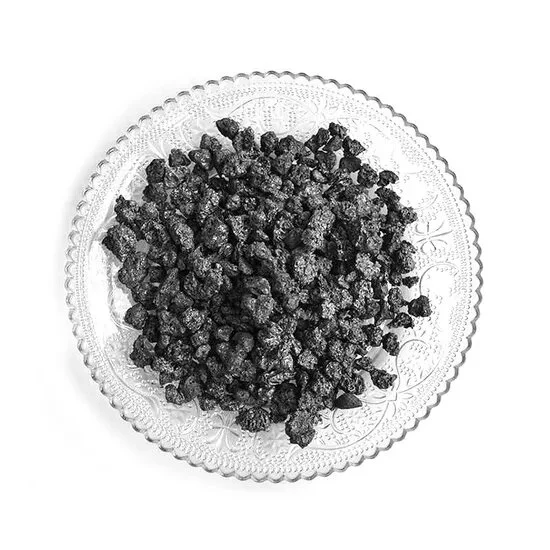
Evolution of Carbon Manufacturing in Algeria

From traditional smelting to precision-engineered carbon technology.

Market Development History

In the early 2000s, the Algerian industry relied primarily on low-grade coal-based additives. The first major shift occurred around 2010, when the integration of graphite powder allowed for more precise control over carbon content in steel production, reducing waste and increasing purity.

Between 2015 and 2020, the focus shifted toward energy efficiency. The introduction of advanced graphitization processes enabled the local market to move toward materials with lower electrical resistivity, significantly reducing the power consumption of large-scale industrial furnaces across the Maghreb region.

Entering the 2020s, the trend has moved toward "Specialized Carbonization." The industry is now implementing high-density molding techniques, moving away from generic imports toward customized carbon solutions tailored to the specific chemical compositions of Algerian iron ore.

Future Development Trends

Digital Twin Integration

Over the next 3 years, we expect the integration of IoT sensors within carbon electrodes to monitor wear-and-tear in real-time, optimizing the replacement cycle of industrial components.

Eco-Friendly Recarburization

Google search trends indicate a surge in "Green Steel" queries in North Africa, leading to a transition toward low-emission carbon sources and recycled graphite materials.

Ultra-High Temperature Ceramics

Future trajectories point toward the fusion of graphite with ceramic composites to create hybrid blocks that can withstand temperatures exceeding 3000°C without deformation.

Industrial Outlook and Technical Forecast

Predicting the trajectory of carbon-based mineral products in the North African market.

Energy Efficiency Optimization
Reducing kilowatt-hour consumption per ton of melted steel through high-conductivity carbon materials.
Material Purity Standards
Increasing the adoption of ultra-low sulfur carbon to meet international export standards for Algerian steel.
Thermal Shock Resistance
Engineering carbon structures that resist cracking during rapid cooling cycles in desert climates.
Supply Chain Localization
Reducing reliance on long-haul logistics by optimizing regional distribution hubs in Algeria.

Industry Outlook

The next five years will see a convergence of carbon technology and automation. We anticipate that the demand for high-performance carbon additives will grow by 15% annually as Algeria expands its domestic smelting capacity.

Furthermore, the alignment with global ESG (Environmental, Social, and Governance) criteria will drive the adoption of "clean carbon" solutions, where the purity of the raw materials is prioritized to reduce industrial emissions.

Localized Applications in Algeria

Real-world deployment of carbon products across Algeria's heavy industry.

01. Steel Smelting in Annaba

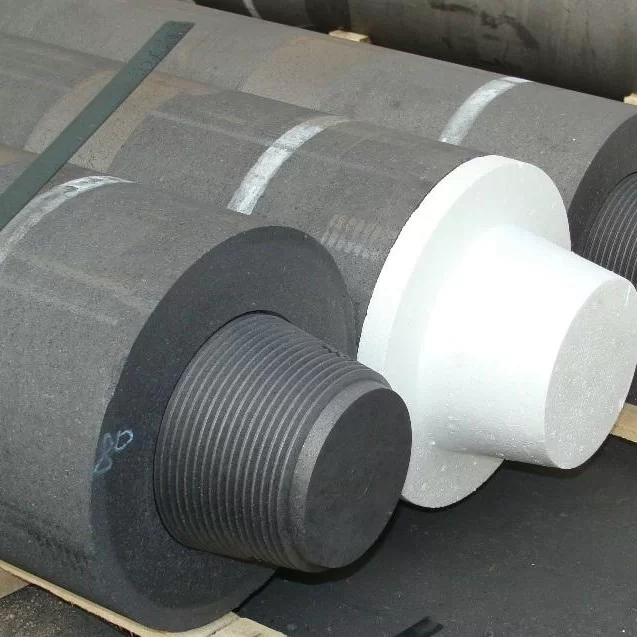
Utilization of high-density arc furnace electrodes to increase the melt rate of scrap steel, optimizing energy use in one of Algeria's largest industrial hubs.

02. Aluminum Processing in Bejaia

Implementing high-purity carbon linings and specialized graphite blocks to prevent chemical erosion during the electrolytic reduction of alumina.

03. Ferroalloy Production in the Highlands

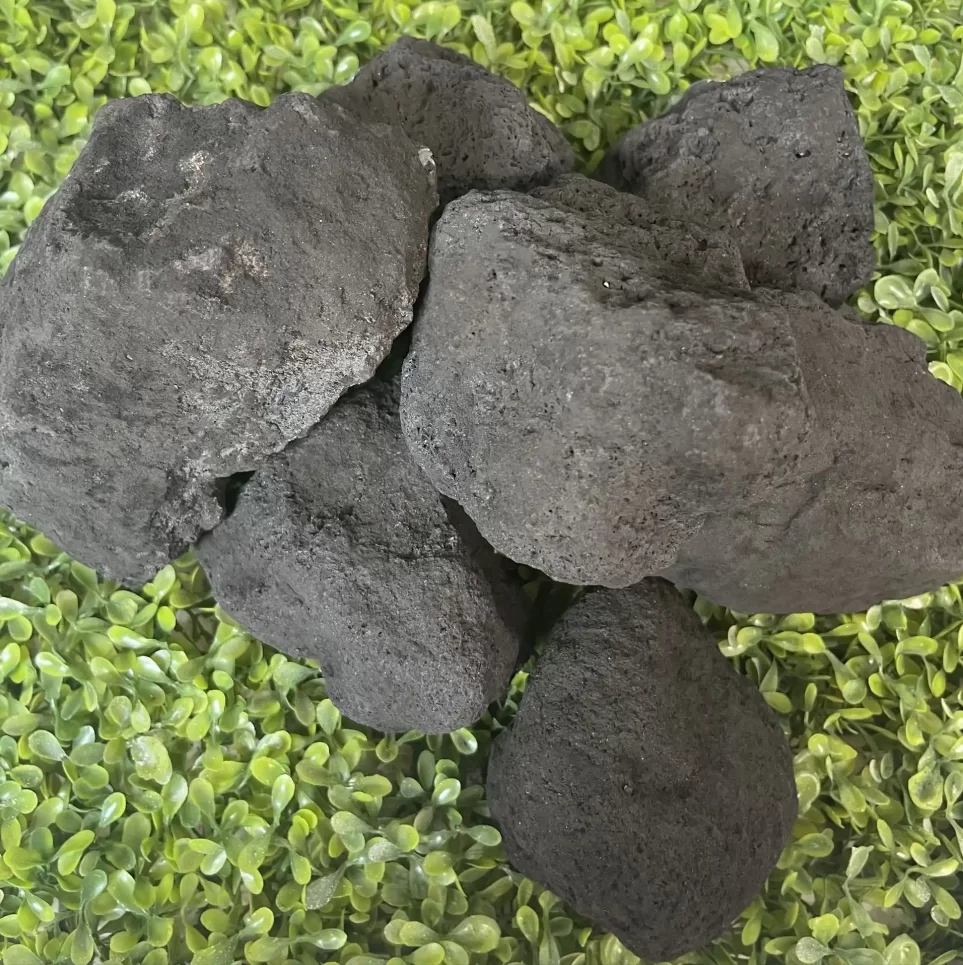
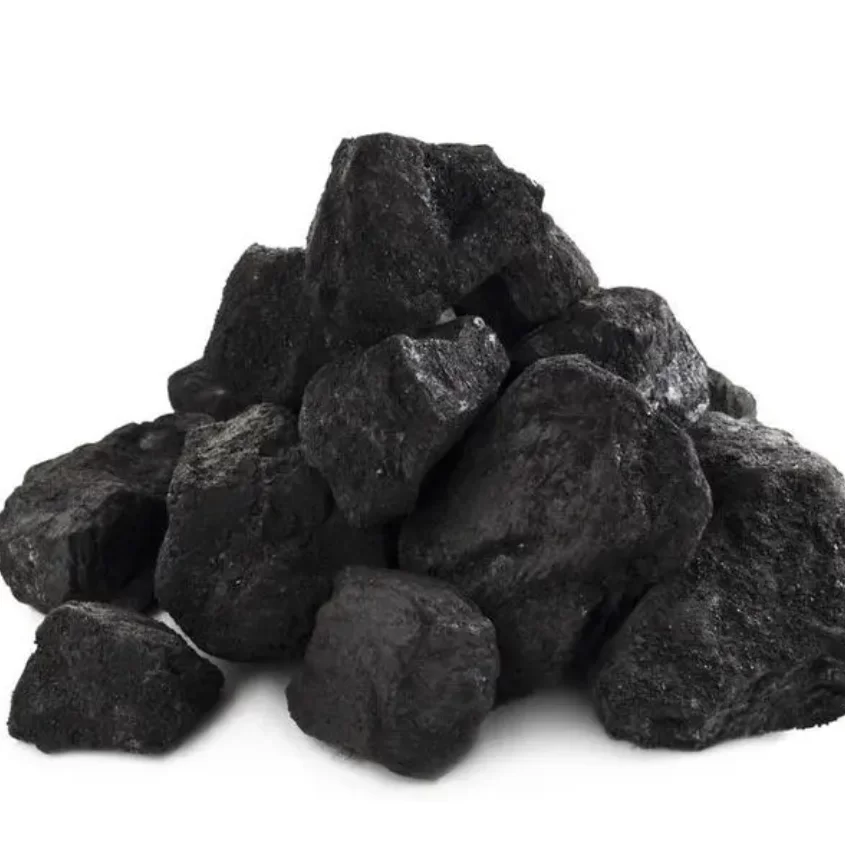
Applying precision-grade calcined petroleum coke as a reducing agent to improve the yield of manganese and silicon alloys.

04. Precision Casting in Algiers

Using fine-mesh graphite powder as a lubricant and molding agent for high-precision aerospace and automotive components.

05. Industrial Heat Treatment Plants

Installation of graphitized petroleum coke based heating elements to provide uniform temperature distribution in vacuum furnaces.

Brand Story

Global Development Journey of Hebei Tixun Carbon Co., Ltd.

Foundational Excellence

Established with a mission to solve the inconsistency of carbon purity in industrial electrodes, setting the stage for global expansion.

Technological Breakthrough

Pioneered a proprietary graphitization process that significantly reduced electrical resistance, becoming a benchmark for the industry.

Expanding to Africa

Strategically entered the North African market, specifically Algeria, to provide localized support for the growing metallurgical sector.

Sustainable Innovation

Launched a series of eco-friendly carbon products designed to reduce the carbon footprint of heavy smelting operations worldwide.

Global Leadership

Currently serving as a leading provider of carbon solutions, bridging the gap between raw material extraction and high-end industrial application.

Complete Carbon Product Portfolio for Algeria

Integrated solutions from raw coke to finished graphite components for the Algerian market.

Algeria Carbon Industry FAQ

Expert answers to common technical and logistical questions in the Algerian market.

How does humidity in coastal Algeria affect the storage of calcined petroleum coke?

High humidity can lead to moisture absorption, affecting the purity and electrical properties. We recommend vacuum-sealed packaging and climate-controlled silos for long-term storage in regions like Annaba or Algiers.

What is the optimal grade of graphitized petroleum coke for Algerian ferroalloy plants?

For the specific ore compositions found in the Algerian highlands, we suggest a high-purity grade with sulfur content below 0.5% to ensure maximum alloy quality and minimal slag formation.

Can graphite blocks be customized for specific furnace dimensions in Algeria?

Yes, we provide full customization of graphite blocks, including precise CNC machining to fit existing furnace architectures, ensuring a seamless thermal seal and reducing energy leakage.

Which arc furnace electrodes provide the best wear resistance for recycled scrap steel?

Our ultra-high power (UHP) electrodes are engineered with enhanced mechanical strength and oxidation resistance, specifically designed to handle the erratic thermal loads of recycled scrap smelting.

How do I verify the purity of graphite powder for high-precision casting?

We provide a comprehensive Certificate of Analysis (CoA) with every batch, detailing carbon content, particle size distribution, and ash levels, verified by third-party lab testing.

What are the shipping lead times for carbon materials to Algerian ports?

Depending on the volume and specific port (e.g., Algiers, Oran), lead times typically range from 25 to 40 days, utilizing optimized maritime routes to ensure timely delivery.

Consult Our Carbon Experts

Ready to optimize your industrial output? Contact us for customized carbon solutions tailored to the specific needs of Algeria.

Contact Us Now

If you are interested in our products, you can choose to leave your information here, and we will be in touch with you shortly.

  • captcha