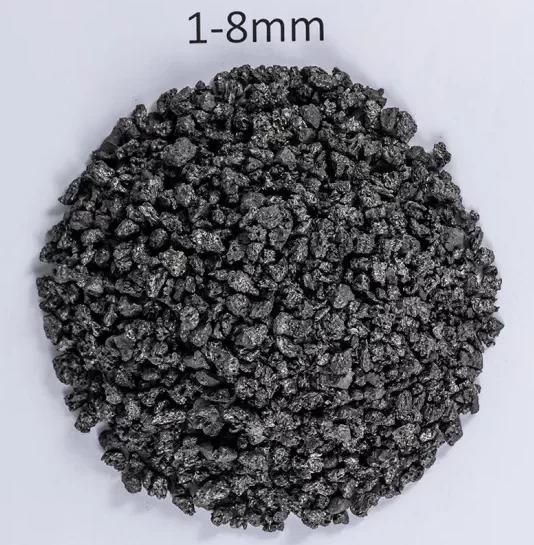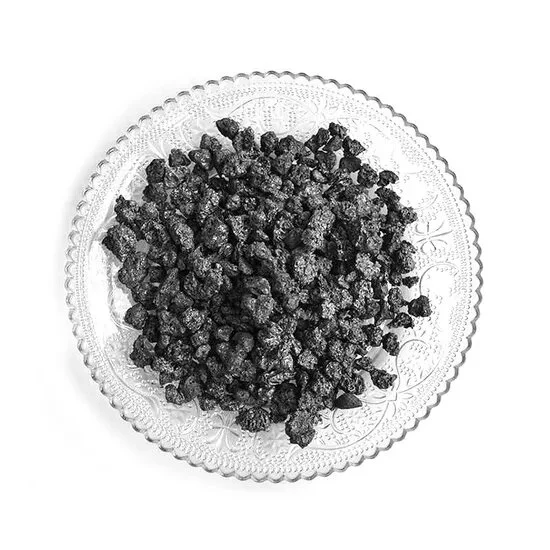
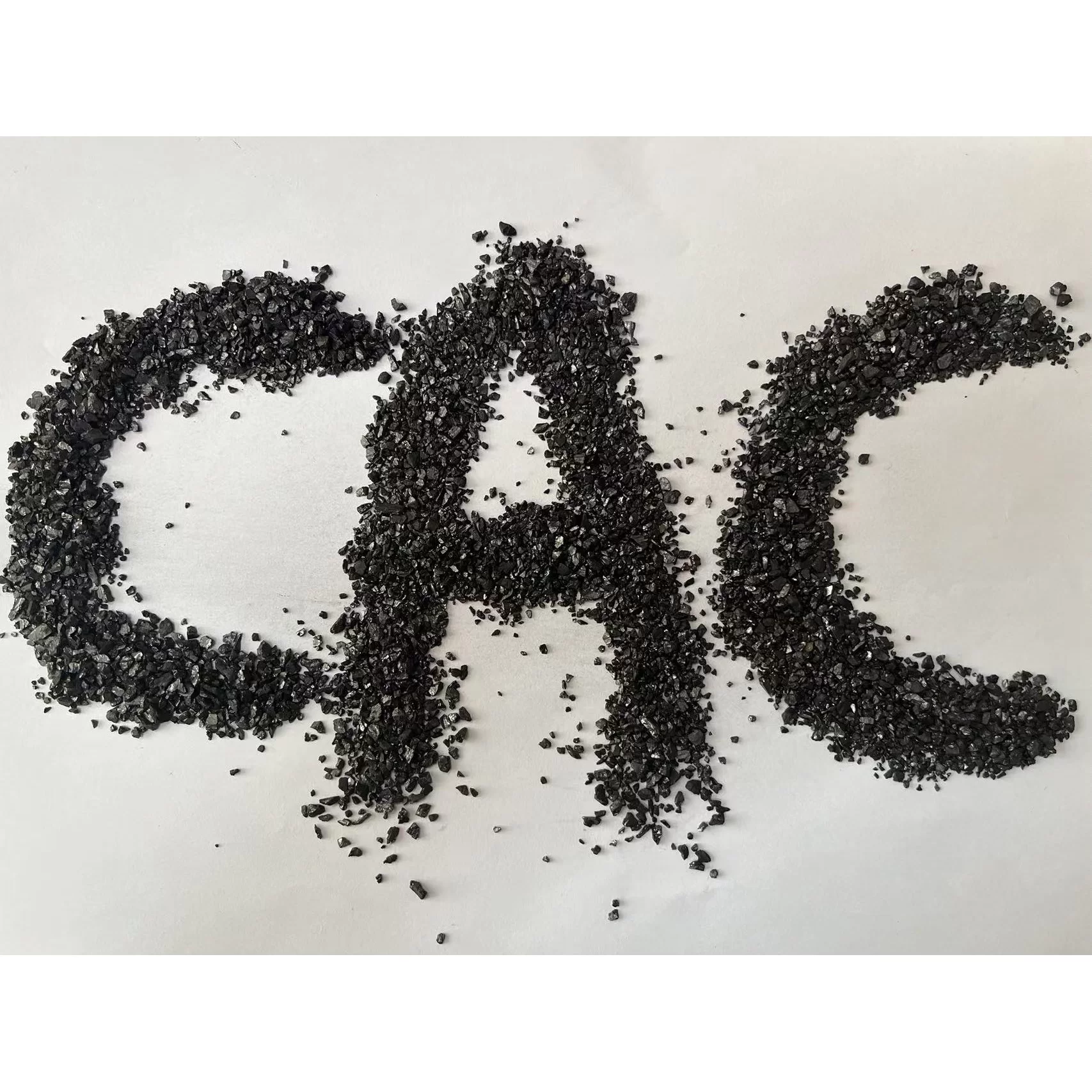
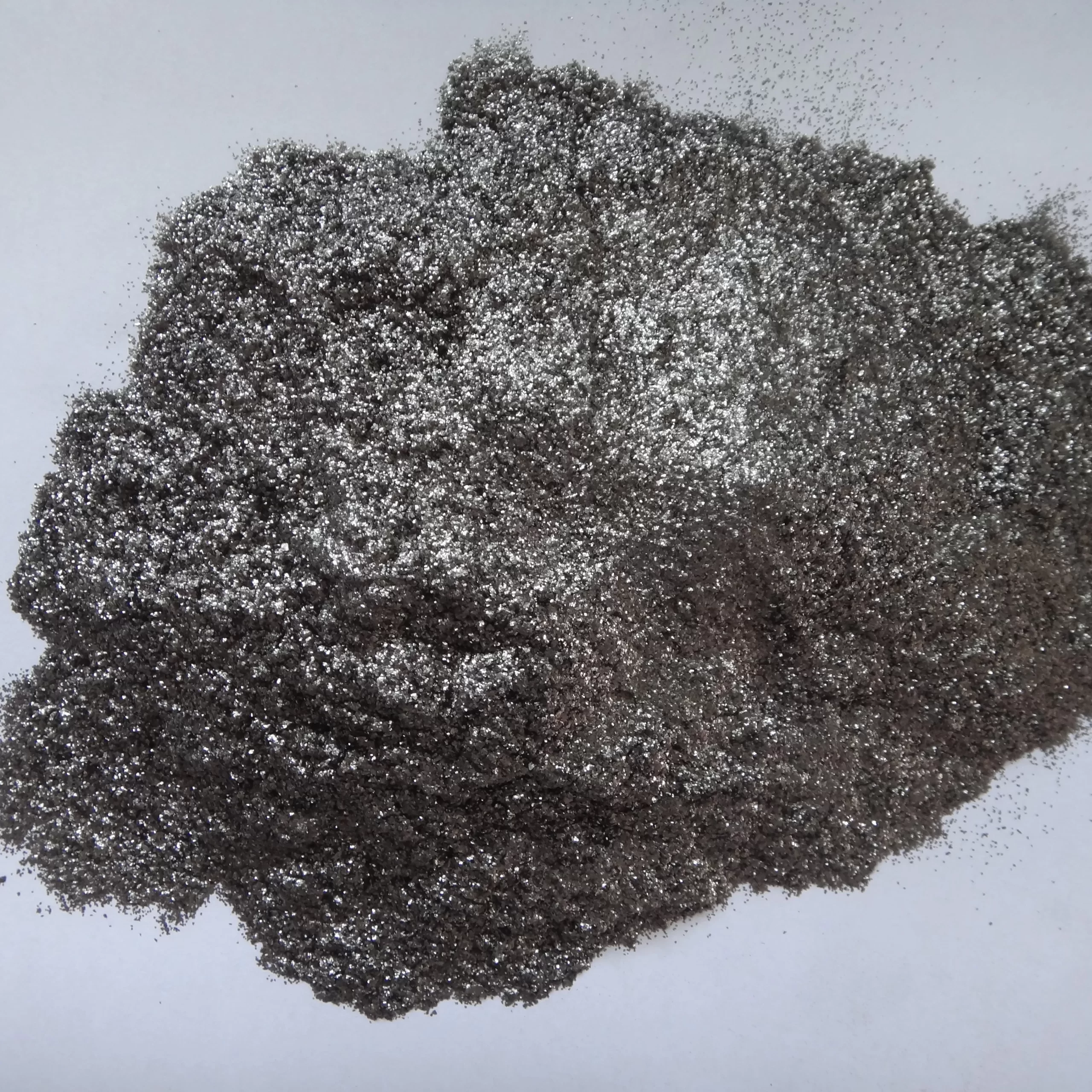
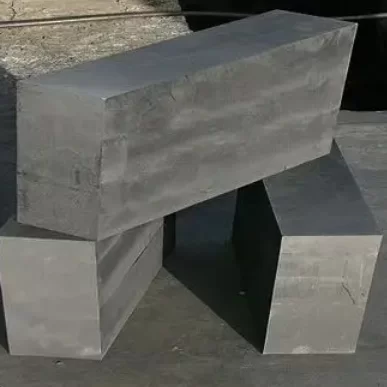
The industrial sector in North Korea relies heavily on autonomous production of steel and alloys, where the availability of high-quality calcined petroleum coke is critical for maintaining the structural integrity of electrodes. Given the region's focus on heavy machinery, the demand for carbon materials that can withstand extreme temperature fluctuations is paramount.
Geographically, the reliance on domestic mineral resources often leads to a need for imported specialized additives. The integration of graphitized petroleum coke allows local smelters to reduce energy consumption, which is a significant operational challenge in the current energy landscape of the country.
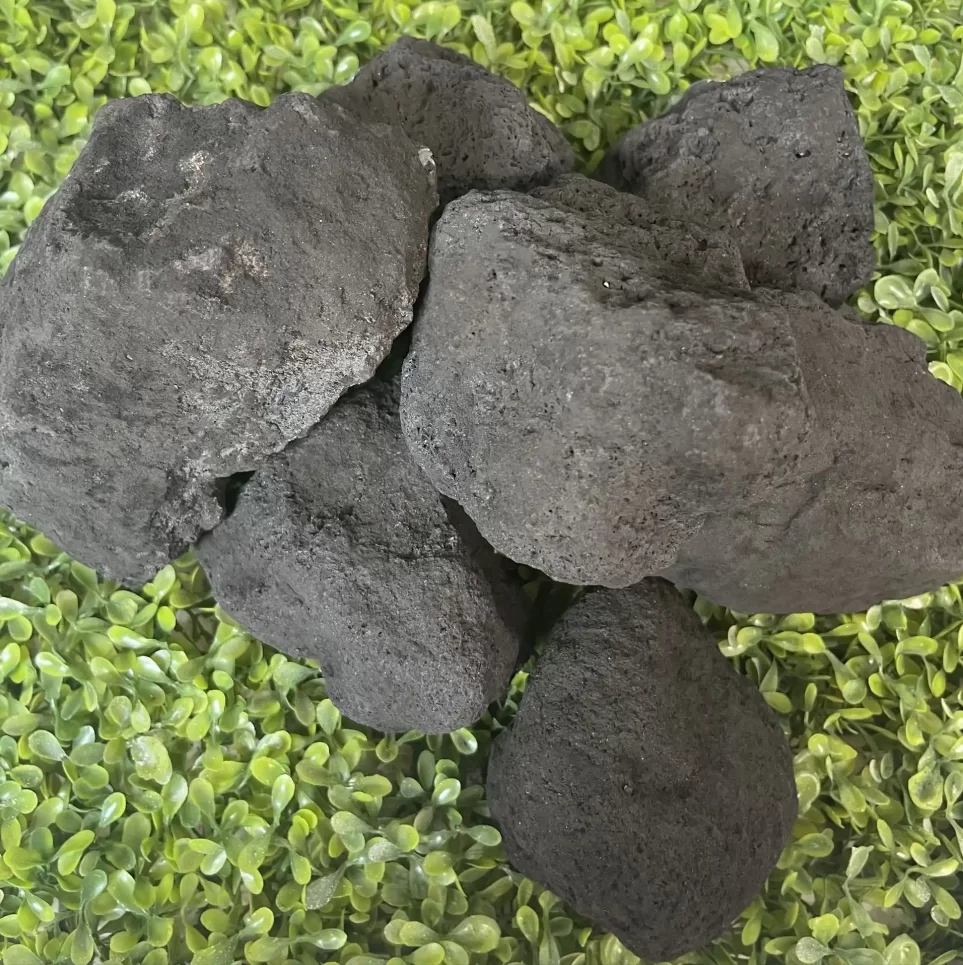
Furthermore, the logistical constraints and the emphasis on durability mean that carbon products must possess superior oxidation resistance. The local market is currently shifting from basic carbon blocks to high-density graphite blocks to minimize waste during the smelting cycle.