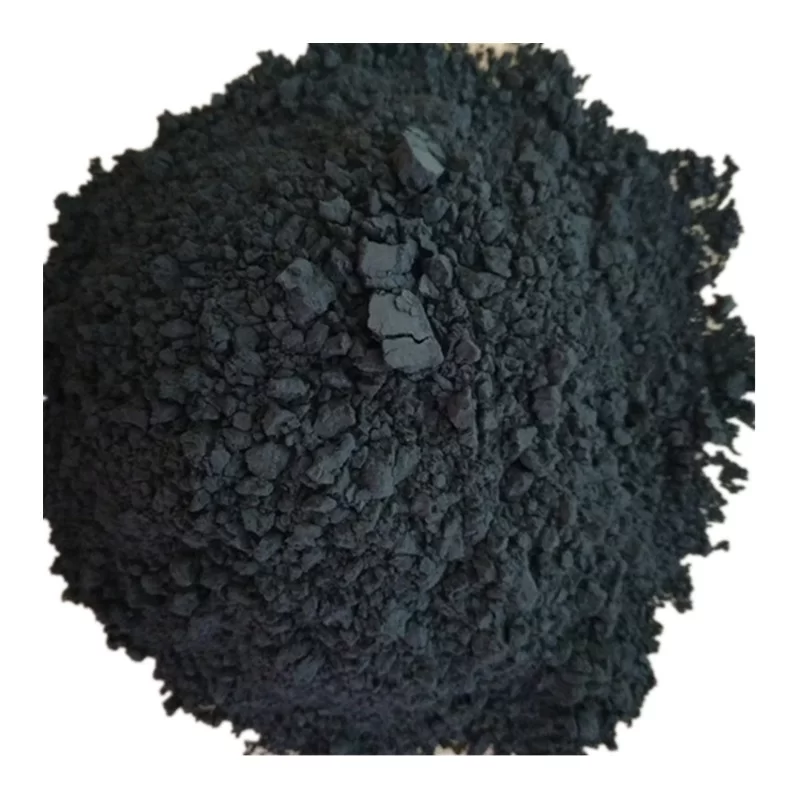
HighPerformance arc furnace electrodes Solutions for Norway’s Metallurgy

HighPerformance arc furnace electrodes Solutions for Norway’s Metallurgy

High-Performance arc furnace electrodes Solutions for Norway's Metallurgy

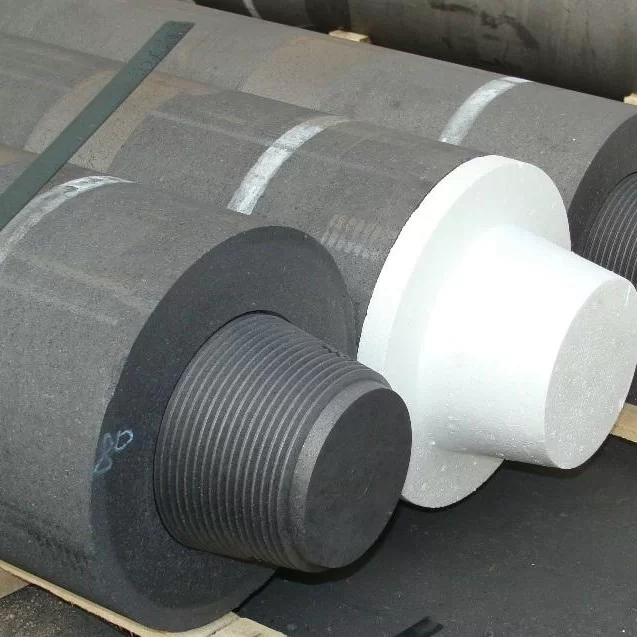
Precision-engineered carbon products designed to withstand the extreme thermal demands of Norwegian smelting and industrial heating processes.

High-Performance arc furnace electrodes Solutions for Norway's Metallurgy

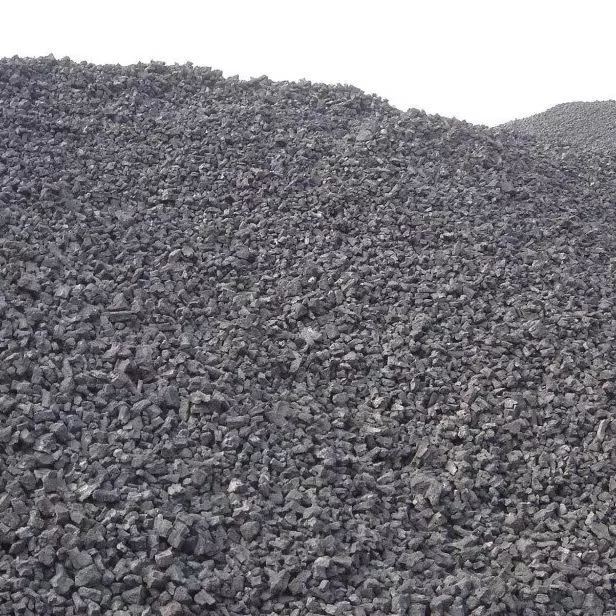
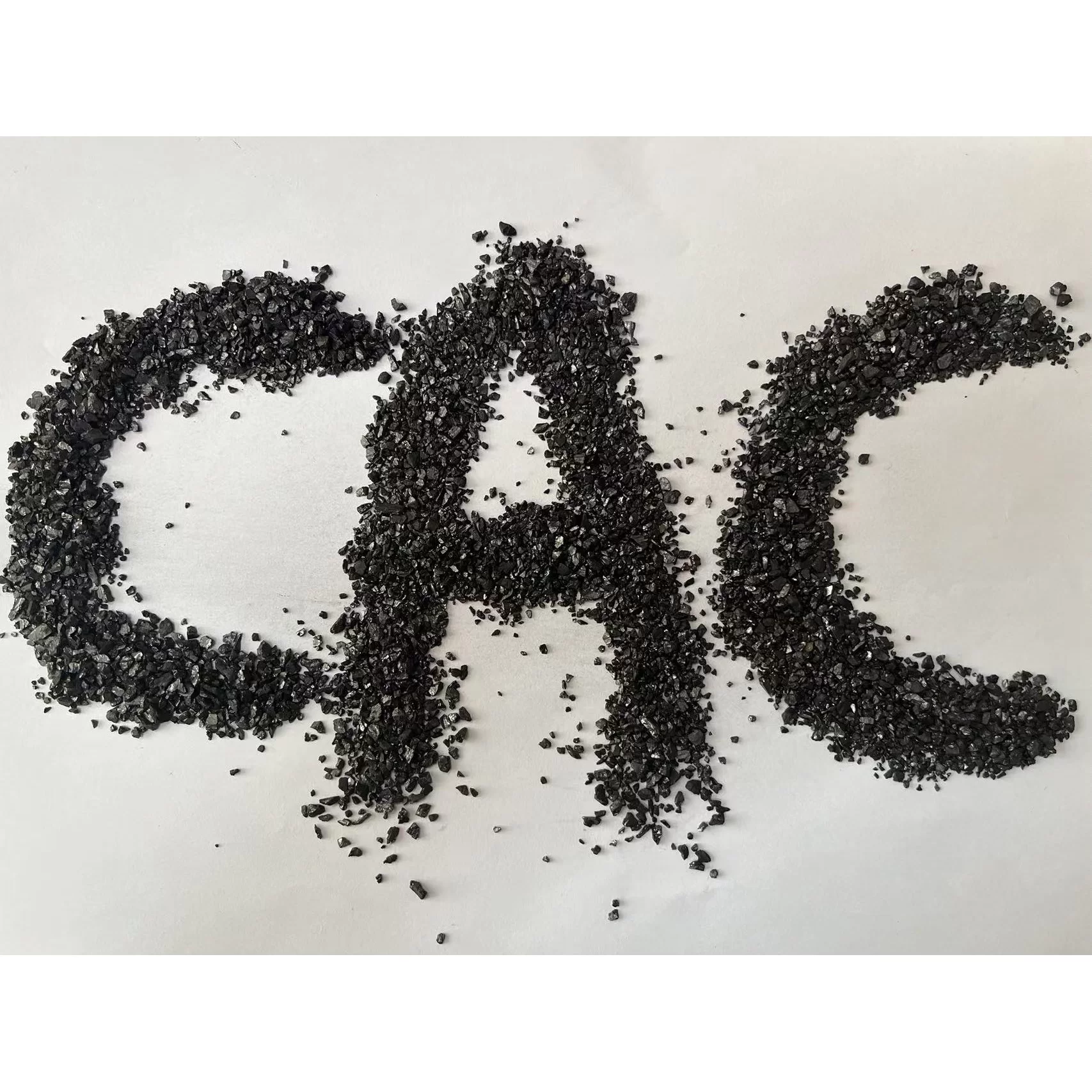
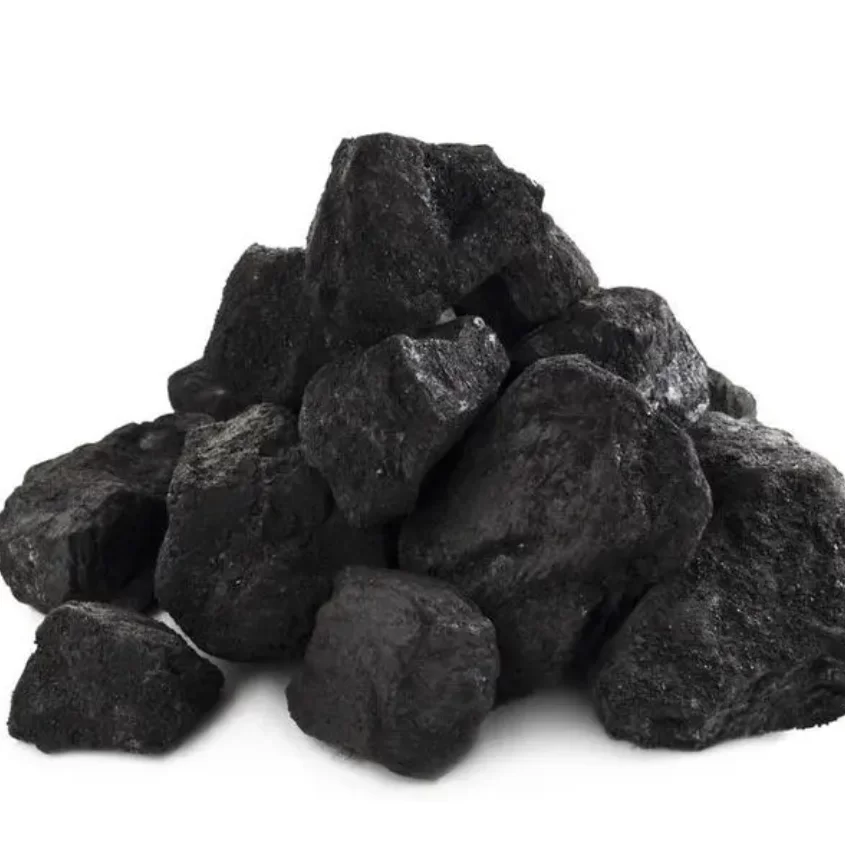
Providing the Norwegian industrial sector with world-class carbon materials, from raw calcined petroleum coke to high-density graphite components, ensuring maximum conductivity and structural integrity.

The Current State of Carbon Material Demand in Norway

Analyzing the intersection of Nordic energy efficiency and advanced carbon requirements.

Norway's industrial landscape, heavily influenced by its vast hydropower resources, has evolved into a hub for energy-intensive metallurgy. The demand for high-purity graphitized petroleum coke is driven by the need for ultra-low electrical resistance in smelting plants, where energy efficiency is paramount to maintain competitive operational costs.

The harsh Nordic climate and stringent environmental regulations in the Europe - Norway region necessitate carbon materials with minimal impurities. Industries are increasingly shifting towards materials that reduce emissions during the heating phase, making the quality of raw inputs critical for meeting local sustainability standards.

Currently, the reliance on specialized graphite blocks for high-temperature insulation and conductivity is growing, as Norwegian plants upgrade their furnaces to handle more complex alloys and higher throughput without compromising structural safety.
Evolution of Carbon Manufacturing and Market Trajectory

From traditional smelting additives to precision-engineered carbon electronics.

Market Development History

In the early 20th century, the Norwegian carbon market relied heavily on basic coke for rudimentary smelting. By the 1970s, the introduction of standardized calcined petroleum coke revolutionized the production of aluminum and ferroalloys, allowing for more stable electrochemical reactions.

The 1990s marked a transition toward "Graphitization Era," where the adoption of graphitized petroleum coke became the industry standard for high-end electrodes, significantly reducing energy losses and increasing the lifespan of furnace linings.

Entering the 2010s, the focus shifted toward material purity and morphology. The integration of micronized graphite powder allowed for the creation of advanced composite materials, tailored specifically for the precision requirements of modern Norwegian industrial furnaces.

Future Development Trends

Green Hydrogen Integration

As Norway leads the transition to green hydrogen, carbon materials are being redesigned to withstand the unique chemical environments created by hydrogen-based reduction processes.

Nano-Carbon Enhancement

The adoption of nano-structured carbon additives is expected to increase the mechanical strength of electrodes, reducing the frequency of breakages during high-current operations.

Circular Carbon Economy

Future trends indicate a move toward the regeneration and recycling of graphite components to minimize the environmental footprint of the non-metallic mineral industry.

Industry Trends and Future Outlook

Forecasting the shift toward sustainable and high-conductivity carbon solutions.

Energy Efficiency Optimization
Utilizing high-density carbon to lower electrical resistance and reduce kWh per ton of metal produced.
Ultra-Low Impurity Standards
Developing materials with minimal sulfur and ash content to align with EU emission directives.
Smart Electrode Monitoring
Integrating sensor-compatible carbon structures to monitor wear and tear in real-time.
Customized Material Morphology
Tailoring particle size and distribution of graphite powders for specific industrial binders.

Industry Outlook

Based on search trend data and industrial reports, the next 3-5 years will see a surge in demand for high-purity carbon components in Norway, driven by the expansion of the battery materials sector and the decarbonization of the steel industry. The focus is shifting from bulk commodity supply to value-added, precision-engineered carbon solutions.

Furthermore, the integration of AI-driven material science will allow for the creation of "hyper-stable" electrodes that can withstand the extreme thermal cycling typical of Norwegian high-capacity arc furnaces, reducing downtime and increasing overall plant productivity.

Localized Application Scenarios in Norway

Practical deployments of graphite and carbon products across Nordic industrial hubs.

01. Ferroalloy Smelting in Western Norway

Utilization of premium arc furnace electrodes to produce high-grade silicon and manganese alloys, leveraging hydropower for low-cost, high-intensity thermal processing.

02. Aluminum Electrolysis Plants

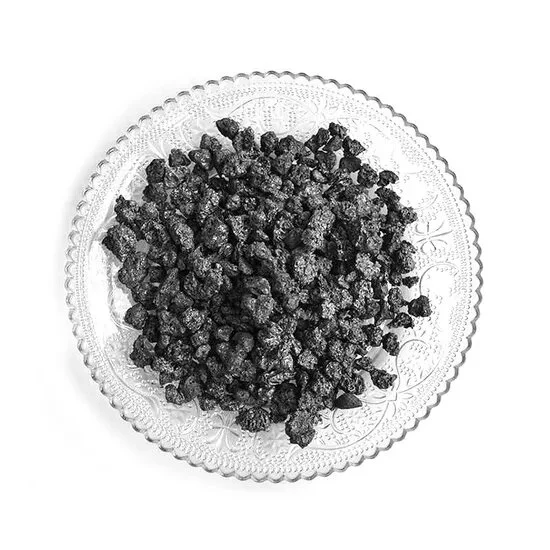
Deployment of high-purity calcined petroleum coke as a primary raw material for anode production, ensuring minimal contamination and optimal current flow.

03. Specialized Industrial Heating Elements

Application of custom-machined graphite blocks for vacuum furnaces used in the aerospace and defense sectors within the Nordic region.

04. High-End Lubricant Production

Incorporation of specialized graphite powder into high-performance lubricants for offshore drilling equipment operating in Arctic conditions.

05. Battery Component Manufacturing

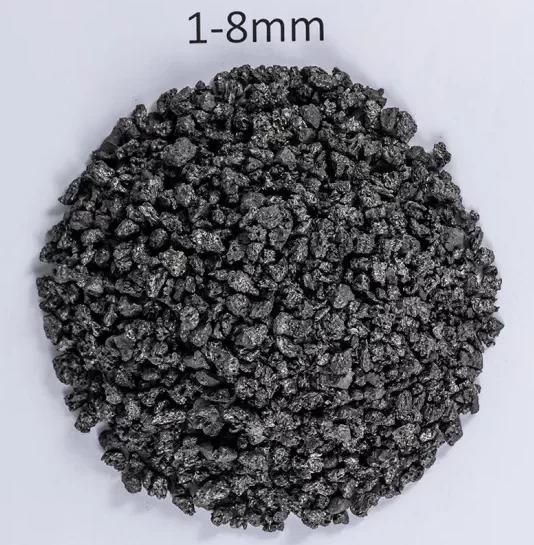
Integration of graphitized petroleum coke as an anode precursor for the emerging Norwegian electric vehicle battery ecosystem.

Brand Story

Global Development Journey of Hebei Tixun Carbon Co., Ltd.

Foundation and Core Vision

Established with a mission to solve the critical pain point of electrode instability in heavy metallurgy, we began by perfecting the purity of carbon inputs.

Technological Breakthroughs

Invested heavily in graphitization technology, allowing us to produce materials with unprecedented electrical conductivity and thermal shock resistance.

Global Market Expansion

Extended our reach into the European market, adapting our product specifications to meet the strict environmental and quality standards of Norway and the EU.

Sustainable Innovation

Developed a closed-loop production system that reduces carbon emissions during the calcination process, aligning with global net-zero goals.

Industry Leadership

Now recognized as a leading provider of integrated carbon solutions, bridging the gap between raw material extraction and high-precision industrial application.

Comprehensive Carbon Product Portfolio for Norway

A one-stop source for all industrial carbon and graphite needs, from raw coke to finished electrodes.

Frequently Asked Questions - Norway Carbon Market

Expert answers to common technical queries regarding carbon products.

How does high-purity calcined petroleum coke improve anode life?

High-purity calcined petroleum coke reduces the presence of volatile elements and impurities, which minimizes internal stresses and oxidation, thereby significantly extending the lifespan of the anode in smelting processes.

What are the benefits of graphitized petroleum coke over standard coke?

Graphitized petroleum coke undergoes a high-temperature process that aligns carbon atoms into a crystalline structure, resulting in far superior electrical conductivity and better thermal stability.

Can custom graphite blocks be machined for specific furnace geometries?

Yes, our graphite blocks can be precision-machined to any specific geometric requirement, ensuring a perfect fit for high-temperature insulation or conduction roles in customized industrial furnaces.

How to choose the right arc furnace electrodes for high-current operations?

Selection should be based on current density, required operating temperature, and mechanical strength. Our electrodes are designed to prevent premature breakage under high-amperage loads.

What is the ideal particle size for industrial graphite powder applications?

The ideal size depends on the binder and application. For high-precision lubricants or composites, micronized powders are preferred, whereas coarser powders are used for refractory linings.

Do your carbon products comply with European environmental regulations?

Absolutely. All our products are manufactured to meet or exceed EU standards for purity and emissions, ensuring they are suitable for the strict regulatory environment in Norway.

Ready to Optimize Your Carbon Supply Chain?

Our technical experts are ready to provide tailored carbon solutions for your operations in Norway. Contact us today for a consultation.

Contact Us Now

If you are interested in our products, you can choose to leave your information here, and we will be in touch with you shortly.

  • captcha