Advanced Arc Furnace Electrodes Solutions for US Steel Industry

Advanced Arc Furnace Electrodes Solutions for US Steel Industry

Advanced Arc Furnace Electrodes Solutions for US Steel Industry

Driving metallurgical efficiency and operational stability across North American industrial hubs with high-performance carbon materials.

Advanced Arc Furnace Electrodes Solutions for US Steel Industry

Providing the United States manufacturing sector with precision-engineered carbon products, from raw recarburizers to high-density electrodes, ensuring optimal thermal conductivity and structural integrity in extreme environments.

Carbon Material Dynamics in the United States

Analyzing the intersection of US energy policies and graphite demand.

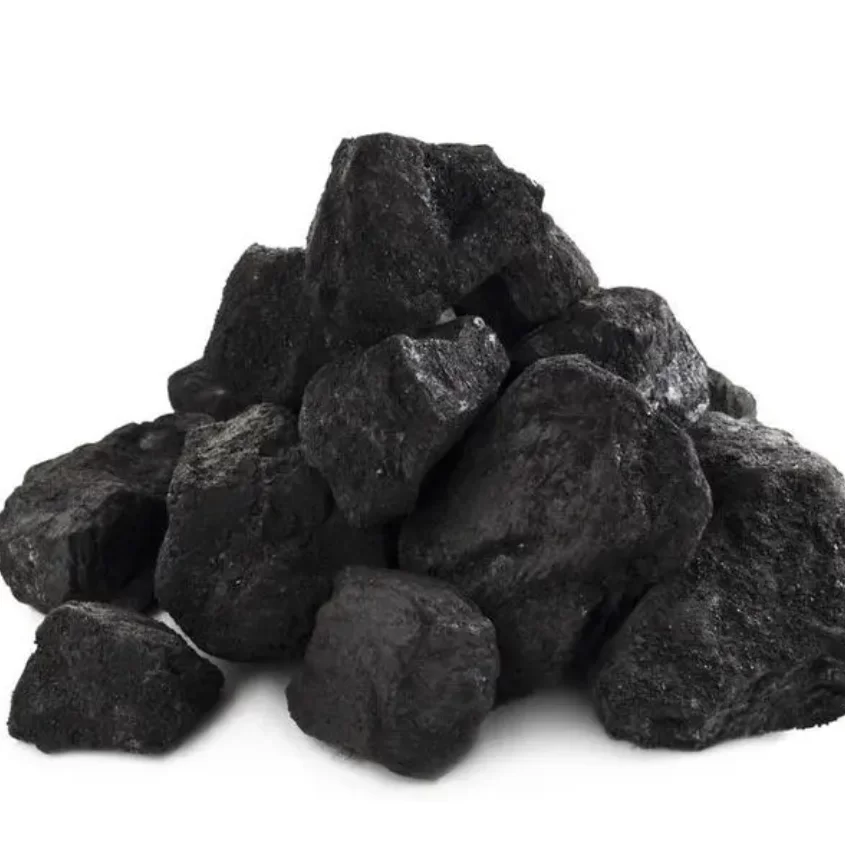
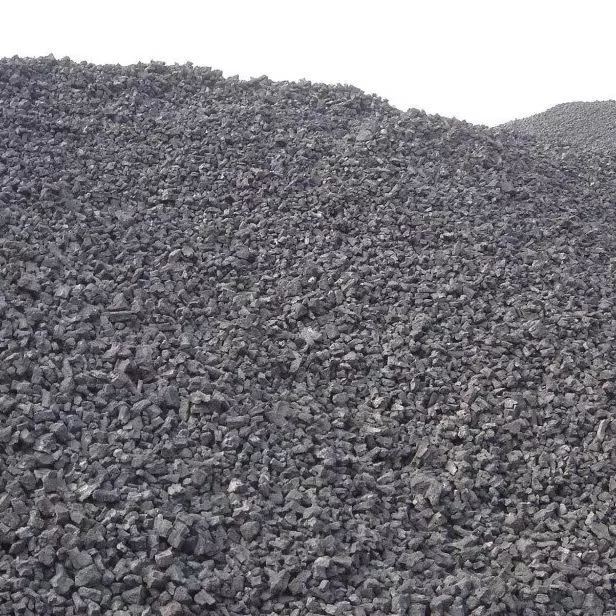
The United States market for calcined petroleum coke is currently characterized by a shift toward higher purity standards to meet the rigorous demands of modern electric arc furnace (EAF) steelmaking. With the concentration of heavy industry in the Rust Belt, there is an intensified need for materials that can withstand fluctuating power grids and high-intensity thermal cycles.

Economic pressures and environmental regulations in North America are forcing manufacturers to optimize their carbon footprints. This has led to an increased adoption of graphitized petroleum coke, which offers superior conductivity and reduced oxidation rates, directly lowering the energy consumption per ton of molten steel.

Furthermore, the strategic push for domestic supply chain resilience in the US has revitalized interest in high-grade graphite blocks. These are critical not only for metallurgy but also for the burgeoning semiconductor and EV battery infrastructure across the West Coast and Texas.
Evolution of Carbon Production in North America

From traditional coke ovens to precision graphite engineering.

Market Development History

In the early 20th century, the US industry relied on basic carbon sources with wide tolerance levels. The 1950s-1980s saw a transition toward standardized petroleum-based carbons, where the refinement of graphite powder became essential for specialized lubricants and casting additives.

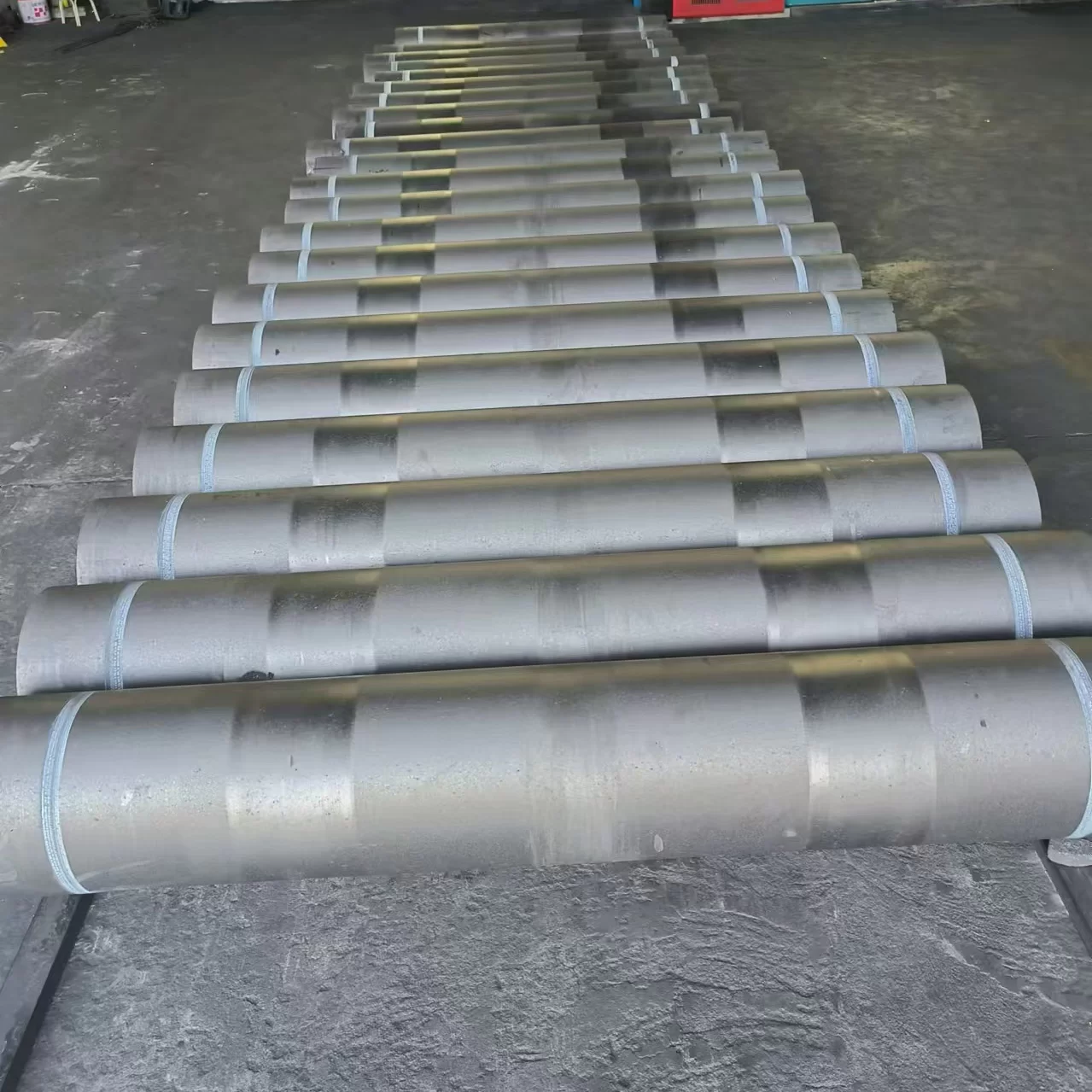
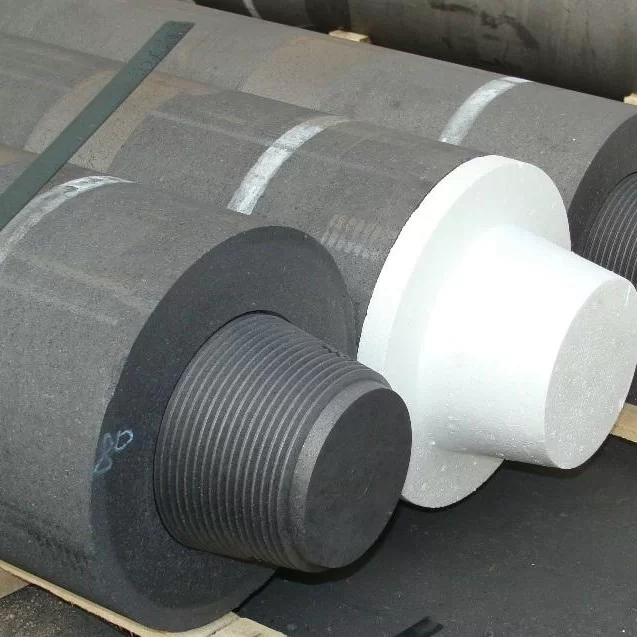
By the 1990s, the integration of computerized furnace controls necessitated a leap in electrode quality. This era marked the shift from simple carbon rods to advanced, ultra-high-power (UHP) electrodes, reducing downtime in US steel mills significantly.

From 2010 to the present, the trajectory has moved toward "Ultra-Pure" materials. The focus has shifted from volume to precision, with nano-scale graphite structures being developed to enhance the efficiency of energy transfer in high-frequency applications.

Future Development Trends

Low-Emission Carbonization

Transitioning toward hydrogen-assisted calcining processes to meet the US EPA's stringent carbon emission targets for 2030.

Digital Twin Integration

Using AI to predict the wear rate of carbon components, allowing for just-in-time replacement of graphite parts in automated mills.

Hybrid Carbon Composites

Development of metal-matrix carbon composites to combine the heat resistance of graphite with the mechanical toughness of alloys.

Industry Trends and Strategic Outlook

Navigating the future of non-metallic mineral products in the US.

Green Steel Transition
Accelerating the shift from Blast Furnaces to EAFs, increasing the demand for high-grade carbon electrodes.
Purity Optimization
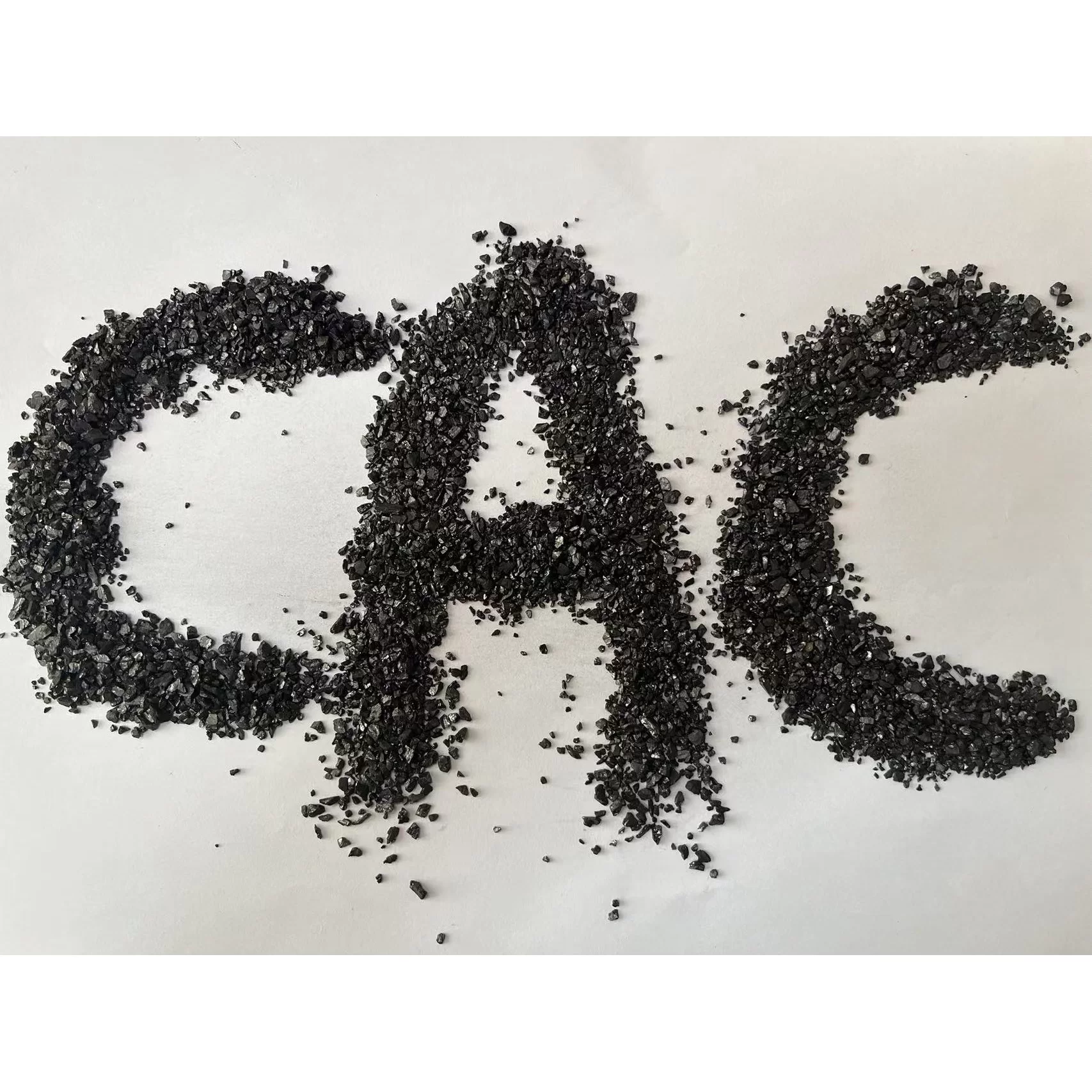
Reducing sulfur and ash content in recarburizers to enhance alloy quality for automotive aerospace grades.
Automation Synergy
Integrating smart sensors with graphite components to monitor real-time erosion and thermal stress.
Supply Chain Security
Reducing dependence on volatile imports by establishing strategic North American graphite partnerships.

Industry Outlook

Based on Google search trends, there is a significant spike in queries regarding "sustainable carbon materials" and "EAF electrode efficiency." This indicates a market shift where US procurement officers are prioritizing longevity and energy-saving properties over the lowest unit cost.

Over the next 3-5 years, we expect the US market to consolidate around "smart" carbon products. The convergence of material science and IoT will transform graphite from a consumable commodity into a data-providing component of the industrial process.

Localized Applications in the United States

Real-world deployment of carbon solutions across key US industrial sectors.

1. EAF Steel Production in the Midwest

Utilizing high-amperage electrodes in Indiana and Ohio steel mills to optimize the melting of scrap steel, ensuring minimal carbon loss and maximum throughput.

2. Aluminum Smelting in the Pacific Northwest

Applying high-density carbon blocks in hydroelectric-powered aluminum plants to maximize electrical conductivity and reduce anode consumption.

3. Aerospace Component Casting in California

Implementing ultra-pure graphite powder for precision investment casting of jet engine components, ensuring smooth surface finishes.

4. Battery Anode Precursor Plants in Texas

Deploying processed petroleum coke as a primary feedstock for synthetic graphite production in the emerging "Battery Belt" of the Southern US.

5. Specialized Semiconductor Crucibles in Arizona

Using high-purity graphite blocks for silicon crystal growth, providing the necessary thermal stability for the US chip manufacturing renaissance.

Brand Story

Global Development History of Hebei Tixun Carbon Co., Ltd.

Foundational Excellence

Established with a focus on raw material purity, we began by solving the volatility issues of petroleum coke for local foundries.

Technological Leap

Invested in advanced graphitization furnaces, allowing us to produce high-conductivity materials that meet international ISO standards.

Global Expansion

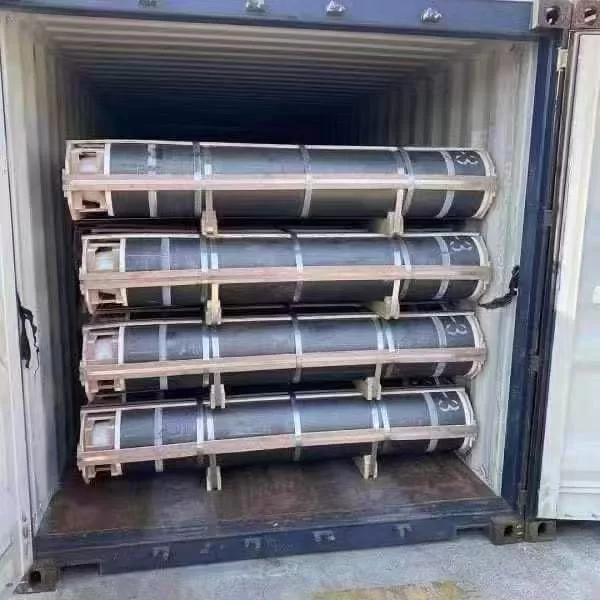
Expanded our logistics network to serve the North American market, ensuring stable lead times for US industrial clients.

Innovation Leadership

Developed a proprietary blend of carbon additives that reduced oxidation rates by 15% for arc furnace operations.

Sustainable Future

Committing to "Green Carbon" initiatives, focusing on recycled graphite and energy-efficient production methods.

Comprehensive Carbon Portfolio for the US Market

Integrated solutions for metallurgy, energy, and advanced manufacturing.

US Industrial Carbon FAQ

Expert answers to common technical and procurement questions.

How does calcined petroleum coke purity affect US steel quality?

Lower sulfur and ash levels in calcined petroleum coke prevent impurities from entering the melt, which is critical for producing high-strength automotive and aerospace grade steels in the US.

What is the lifespan of arc furnace electrodes in high-power US mills?

Lifespan depends on the power density, but our UHP electrodes are engineered to minimize oxidation and mechanical cracking, significantly reducing the consumption rate per ton of steel.

Can graphitized petroleum coke reduce energy costs in EAF?

Yes, due to its higher electrical conductivity, it lowers the electrical resistance during the melting process, directly reducing kWh consumption per heat.

What are the typical dimensions for graphite blocks used in US aluminum plants?

We provide customized dimensions based on furnace design, but typically focus on high-density blocks that offer maximum current carrying capacity and thermal shock resistance.

How is graphite powder quality verified for precision casting?

We use laser diffraction particle size analysis and purity testing to ensure the powder provides uniform lubrication and thermal expansion during the casting process.

What is the lead time for bulk carbon shipments to North American ports?

By optimizing our logistics chain, we offer streamlined shipping schedules to major US ports, ensuring your production lines never face carbon shortages.

Get Your Custom Carbon Solution

Partner with a leader in carbon engineering to optimize your production efficiency in the United States.

Contact Us Now

If you are interested in our products, you can choose to leave your information here, and we will be in touch with you shortly.

  • captcha