Industrial arc furnace electrodes Solutions for Chile’s Mining Sector

Industrial arc furnace electrodes Solutions for Chile’s Mining Sector

Industrial arc furnace electrodes Solutions for Chile's Mining Sector

High-performance carbon materials engineered for the demanding metallurgical and smelting environments of the Chilean Andes.

Industrial arc furnace electrodes Solutions for Chile's Mining Sector

Providing Chile's heavy industry with premium graphite blocks and specialized carbon agents to optimize energy efficiency and production yield in copper and steel smelting.

The State of Carbon Materials in Chile's Industrial Landscape

Analyzing the intersection of high-altitude smelting and carbon consumption in South America's mining hub.

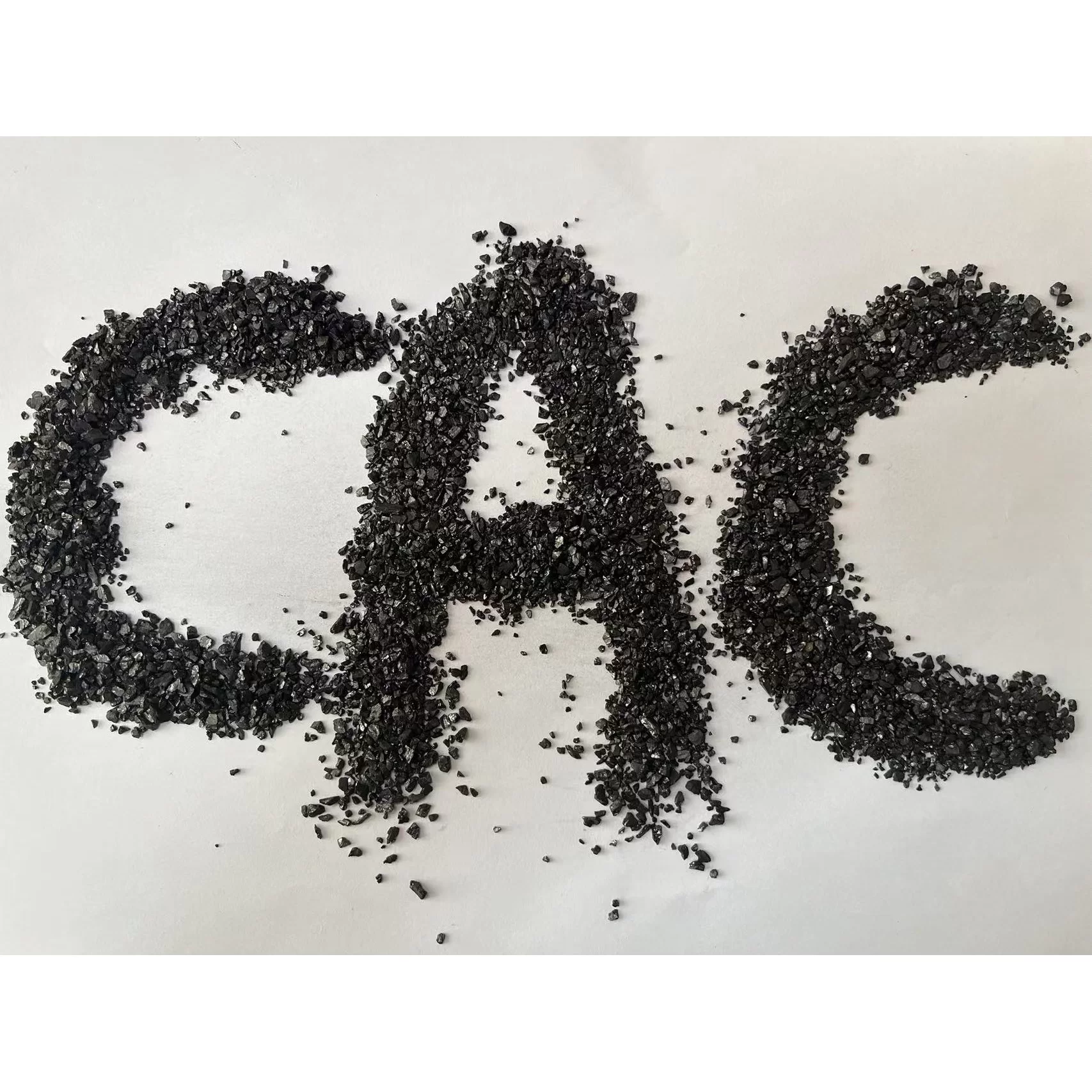
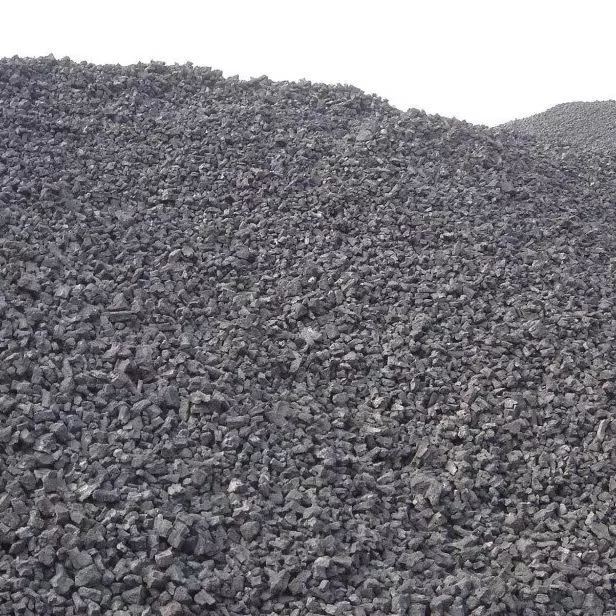
Chile's industrial sector is dominated by massive copper smelting operations. Due to the unique geographical challenges of the Andes, the demand for high-purity calcined petroleum coke is critical. Local plants require materials that can withstand extreme thermal fluctuations and the corrosive nature of sulfide ores common in the region.

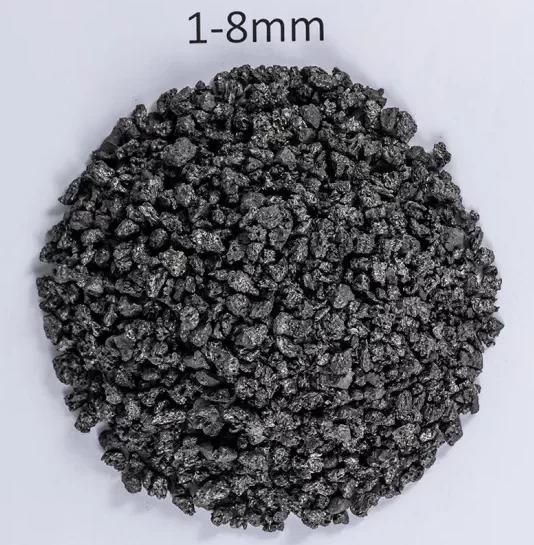
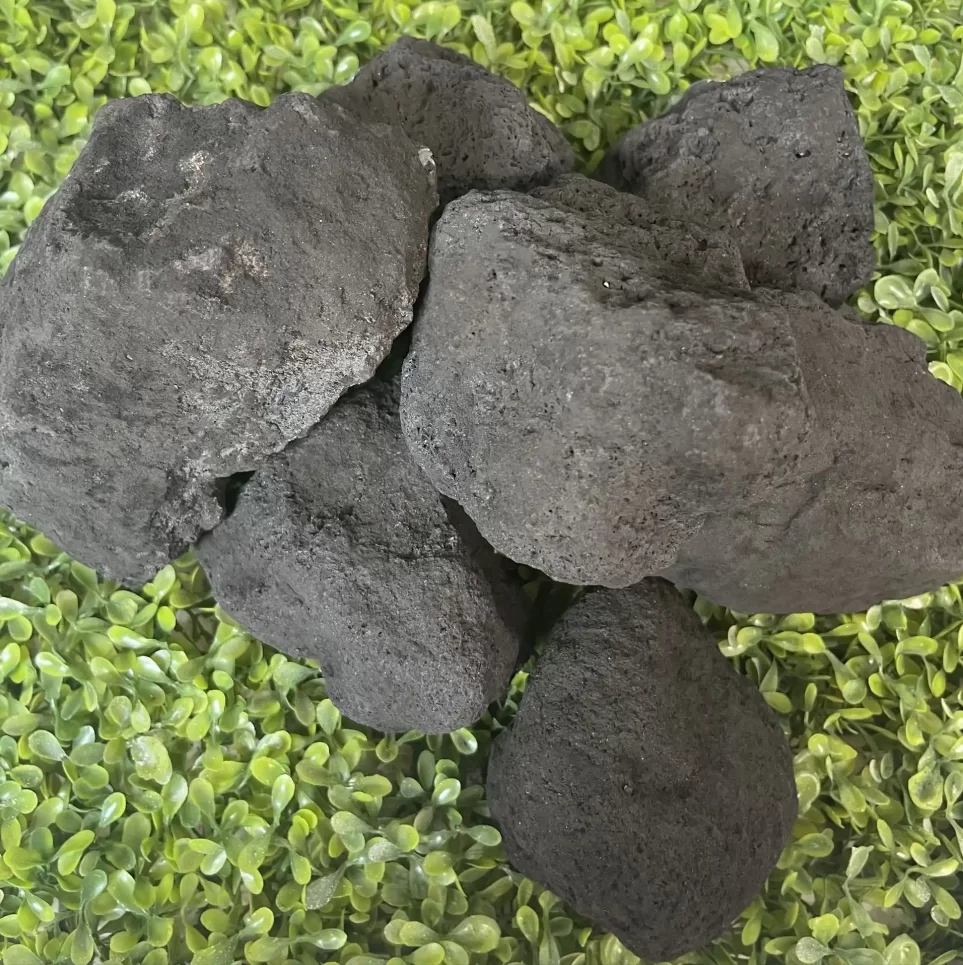
The reliance on imported high-grade carbon agents is a strategic vulnerability for Chilean manufacturers. Currently, the market is shifting toward graphitized petroleum coke to reduce electrode consumption rates and improve the stability of electric arc furnaces used in secondary steel production across Antofagasta and Valparaíso.

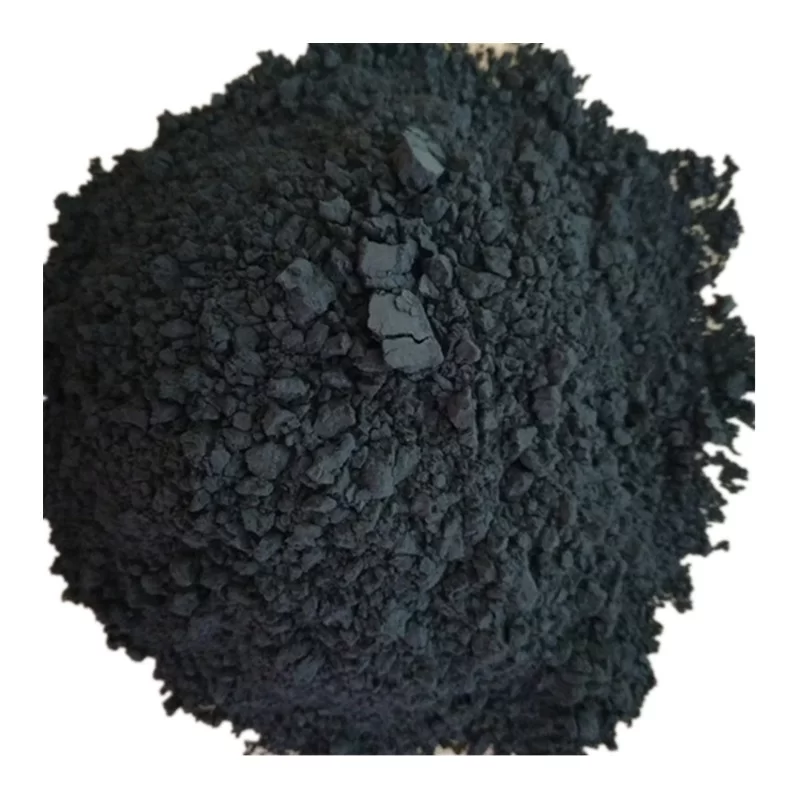
Furthermore, the strict environmental regulations imposed by the Chilean government are forcing a transition toward lower-emission carbon sources. This has led to an increased interest in ultra-fine graphite powder for specialized lubrication and battery-grade applications as the country pivots toward green energy and lithium extraction.
Evolution and Trajectory of Carbon Technology in Chile

From traditional smelting additives to precision-engineered graphitized materials.

Market Development History

In the early 2000s, the Chilean market primarily relied on basic carbon additives with inconsistent purity levels, often leading to high slag formation in copper smelters. The focus was purely on volume rather than the specific electrical conductivity of the materials.

Between 2010 and 2020, there was a significant technical iteration. The introduction of standardized graphite blocks for furnace linings allowed Chilean plants to increase their operational temperature, thereby improving the recovery rate of precious metals from complex ores.

By 2023, the integration of digital monitoring in electric furnaces led to a demand for electrodes with precise impedance characteristics. This shift transitioned the industry from "generic carbon" to "application-specific graphite," emphasizing purity and structural density.

Future Development Trends

Decarbonization of Smelting

The next 3 years will see a move toward "Bio-Carbon" hybrids and ultra-pure carbon agents to meet Chile's Net-Zero 2050 goals, reducing the carbon footprint of traditional smelting.

Advanced Lithium-Carbon Integration

With the lithium boom in the Atacama region, the demand for specialized conductive additives will skyrocket, shifting focus toward synthetic graphite precursors.

AI-Driven Consumption Optimization

Implementation of real-time wear analysis will allow furnace operators to optimize the feed rate of carbon materials, drastically reducing waste in large-scale operations.

Strategic Outlook for Carbon Products in Chile

Anticipating the technological shifts in South America's non-metallic mineral processing.

High-Conductivity Shift
Increased adoption of graphitized materials to lower electrical resistance in smelting.
Purity Standardization
Stricter sulfur and ash content limits for calcined petroleum coke.
Green Logistics
Implementation of closed-loop supply chains to reduce particulate emissions during transport.
Material Hybridization
Combining carbon powders with ceramics for enhanced thermal shock resistance.

Industry Outlook

Based on Google search trends for "sustainable smelting" and "carbon electrode efficiency" in the South American region, we anticipate a 15% CAGR increase in demand for high-performance graphitized petroleum coke over the next five years.

The strategic focus is shifting from raw material procurement to "solution procurement," where Chilean firms seek partners who can provide precise chemical compositions to match specific ore grades found in the Atacama and Coquimbo regions.

Localized Applications in Chile's Industrial Sectors

Practical implementation of carbon solutions across Chilean mining and metallurgy.

01. Copper Smelting in Antofagasta

Using high-purity calcined petroleum coke as a reductant to ensure maximum copper extraction and minimal slag viscosity in high-capacity smelters.

02. Steel Recycling in Santiago

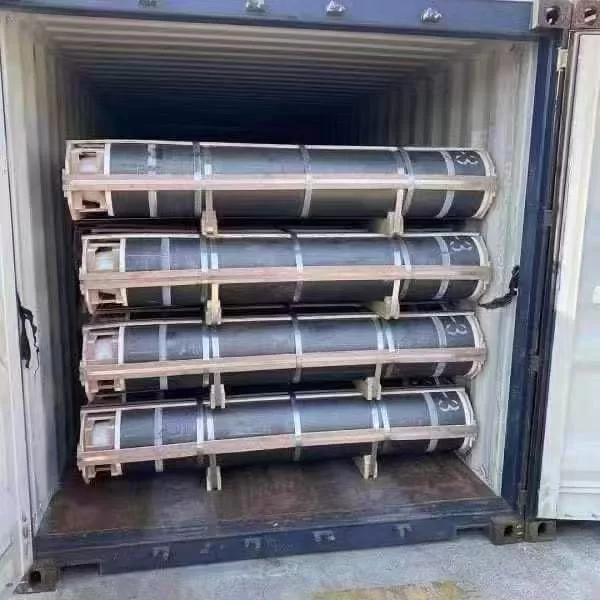
Deployment of premium arc furnace electrodes for electric arc furnaces (EAF) to produce high-quality construction steel for urban infrastructure.

03. Thermal Insulation in Mining Kilns

Installation of custom-sized graphite blocks for furnace lining to reduce heat loss in the extreme cold of high-altitude Andean mining sites.

04. Precision Lubrication in Machinery

Application of specialized graphite powder for heavy-duty mining equipment operating in abrasive, dusty environments.

05. Lithium Processing Enhancements

Utilization of graphitized petroleum coke in the production of battery anodes and conductive additives for the growing lithium-ion industry in Chile.

Brand Story

Global Development Journey of Hebei Dahcarbon Co., Ltd.

Technical Foundation

Established with a mission to solve the instability of carbon density in industrial electrodes, focusing on rigorous material science.

Quality Standardization

Developed a proprietary calcination process that eliminated impurities, setting a new benchmark for petroleum coke purity.

Global Expansion

Expanded reach into South America, tailoring carbon solutions to the specific volcanic and mineral profiles of the Andean region.

Sustainable Innovation

Invested in graphitization technology to reduce energy consumption and provide eco-friendly carbon alternatives.

Industry Leadership

Currently serving as a strategic partner for global smelting plants, solving the pain point of electrode premature failure.

Comprehensive Carbon Portfolio for the Chilean Market

Integrated solutions from raw carbon agents to precision-engineered graphite components.

Common Questions Regarding Carbon Materials in Chile

Technical guidance and procurement insights for local industrial buyers.

How does the purity of calcined petroleum coke affect copper smelting efficiency in Chile?

High-purity calcined coke reduces the amount of slag and impurities in the final copper matte, leading to lower refining costs and higher metal recovery rates.

What is the advantage of using graphitized petroleum coke over standard coke?

Graphitized coke offers significantly higher electrical conductivity and thermal stability, which reduces power consumption in electric arc furnaces.

Can graphite blocks withstand the thermal shock of Andean mining operations?

Yes, our graphite blocks are engineered with a specific crystalline structure that allows for rapid thermal expansion and contraction without cracking.

How to choose the right diameter for arc furnace electrodes in steel plants?

The diameter must be calculated based on the furnace tonnage and current load to ensure a stable arc and prevent electrode breakage.

What are the applications of graphite powder in heavy mining machinery?

It is primarily used as a high-temperature dry lubricant for bearings and gears that operate in extreme dust conditions where oil lubricants fail.

Are your carbon products compliant with Chilean environmental regulations?

Absolutely. We ensure low sulfur and low ash content to help our clients meet the emission standards required by Chilean authorities.

Get Expert Carbon Consultation

Optimize your smelting efficiency with high-performance carbon materials delivered directly to your facility in Chile.

Contact Us Now

If you are interested in our products, you can choose to leave your information here, and we will be in touch with you shortly.

  • captcha