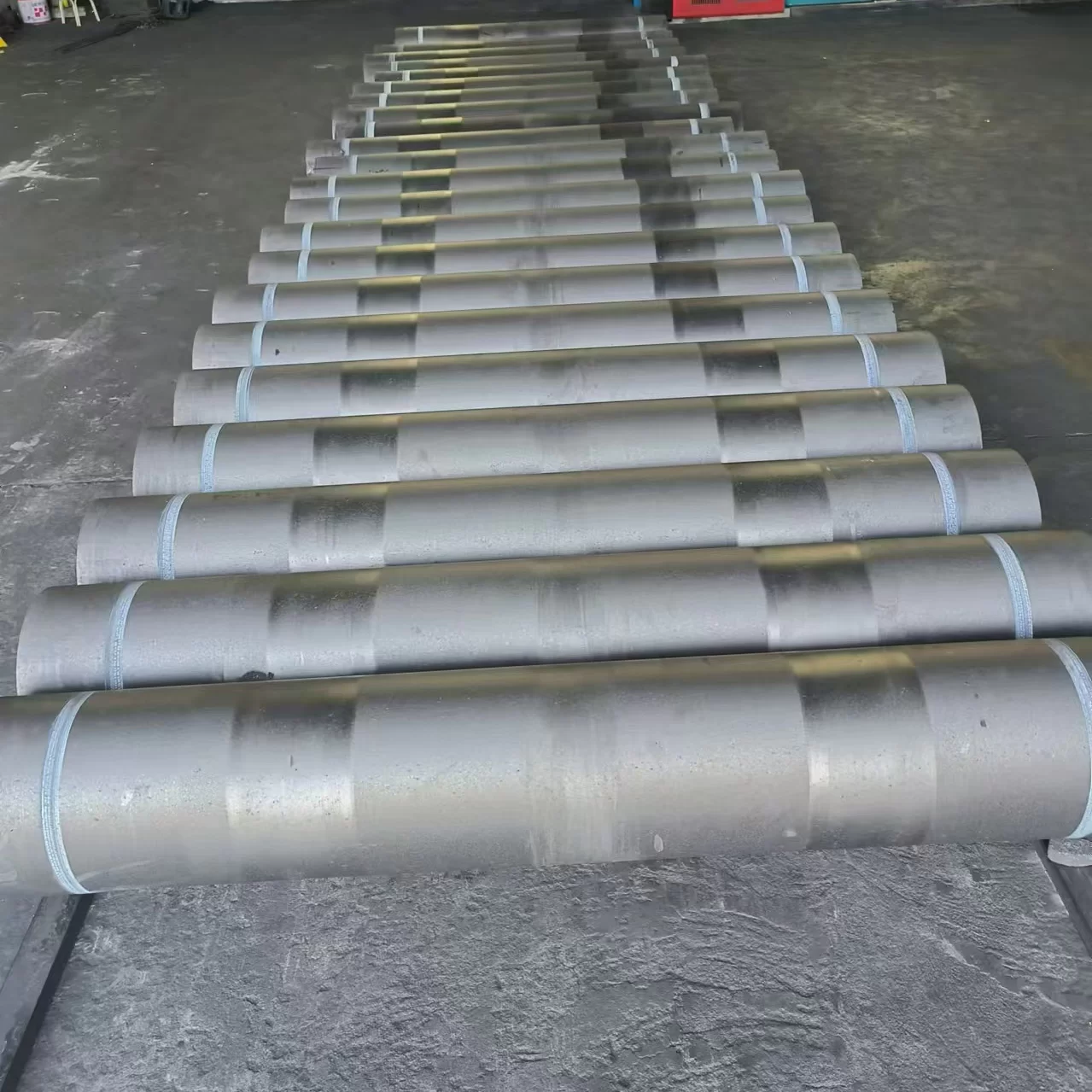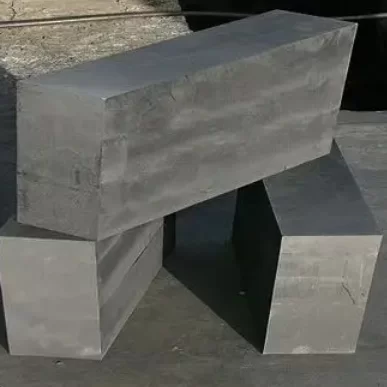
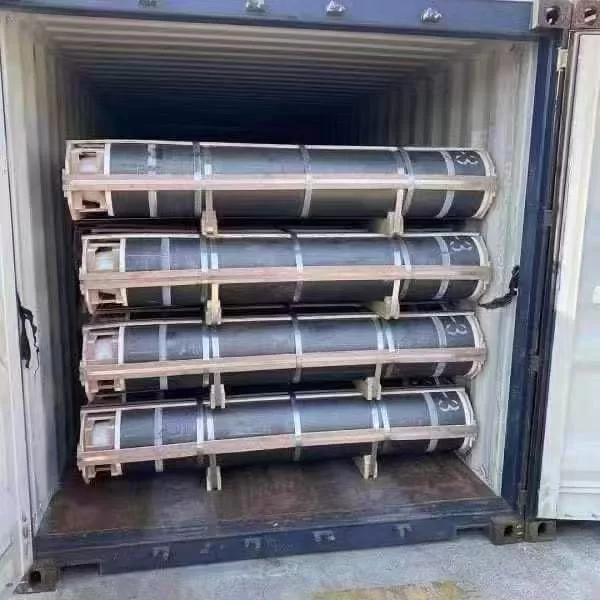
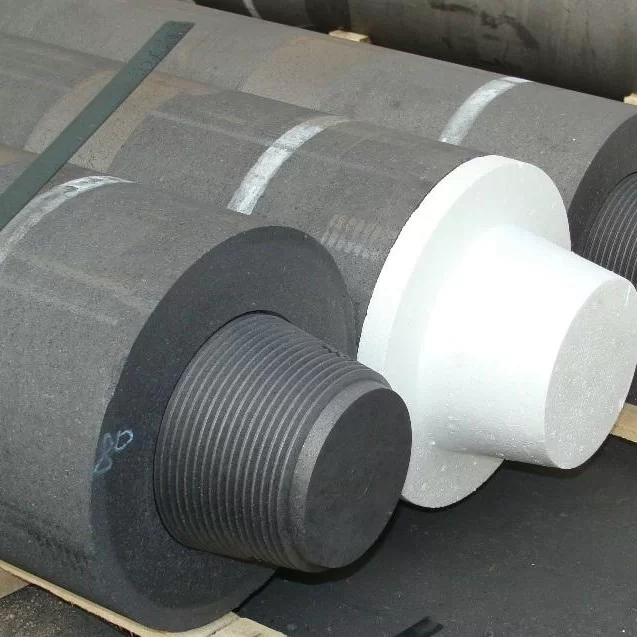
Papua New Guinea's industrial landscape is heavily defined by its rich mineral reserves, particularly gold and copper. The reliance on high-temperature smelting processes creates a consistent demand for graphite blocks and electrodes. However, the region's high humidity and extreme precipitation levels pose significant storage and transport challenges for carbon materials, requiring specialized moisture-proof packaging.
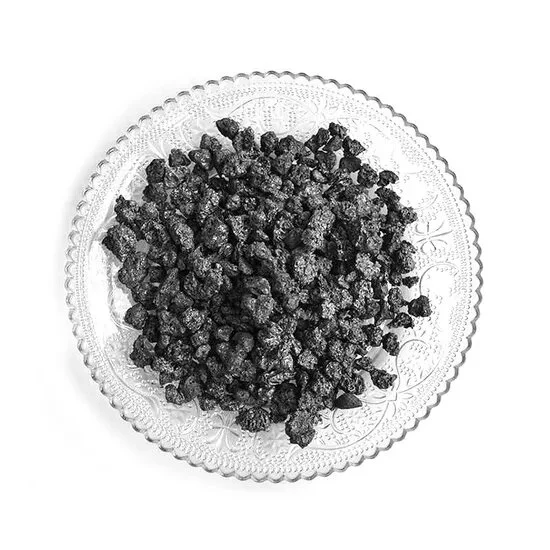
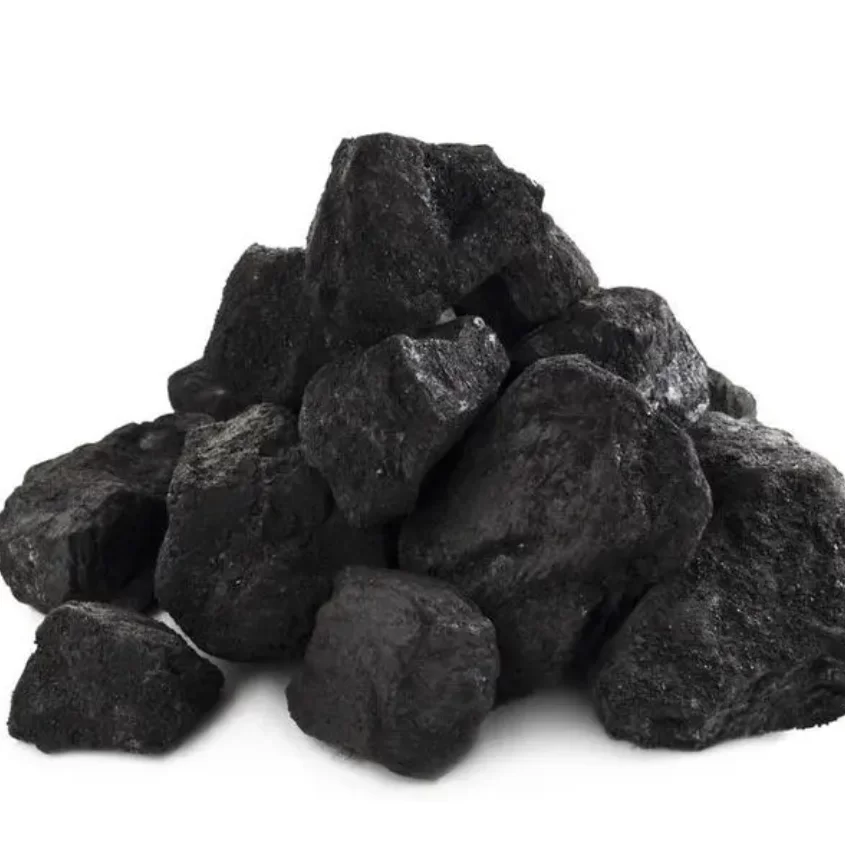
Current operations in the Highlands and coastal mining zones often face supply chain bottlenecks. The need for high-purity calcined petroleum coke is increasing as local refineries aim to reduce impurity levels in recovered metals, shifting from low-grade alternatives to industrial-standard carbonaceous agents.
Economically, the shift toward sustainable mining in Papua New Guinea is forcing a transition toward more energy-efficient carbon products. The adoption of high-density graphitized petroleum coke is becoming a priority to lower electricity consumption per ton of metal produced, aligning with global ESG standards.