4 September 2025
Graphitized Petroleum Coke Manufacturing +8618231158869
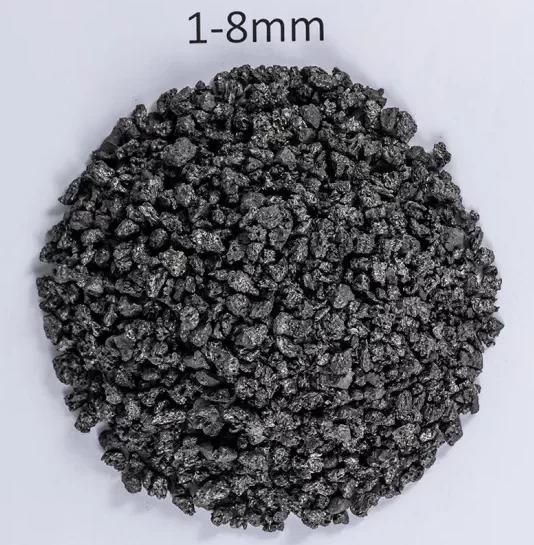
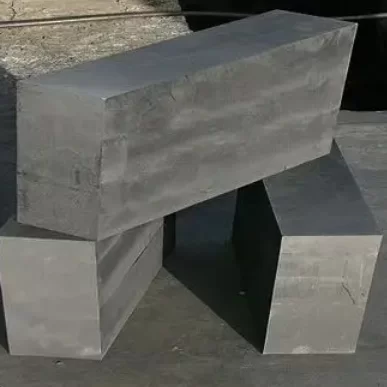
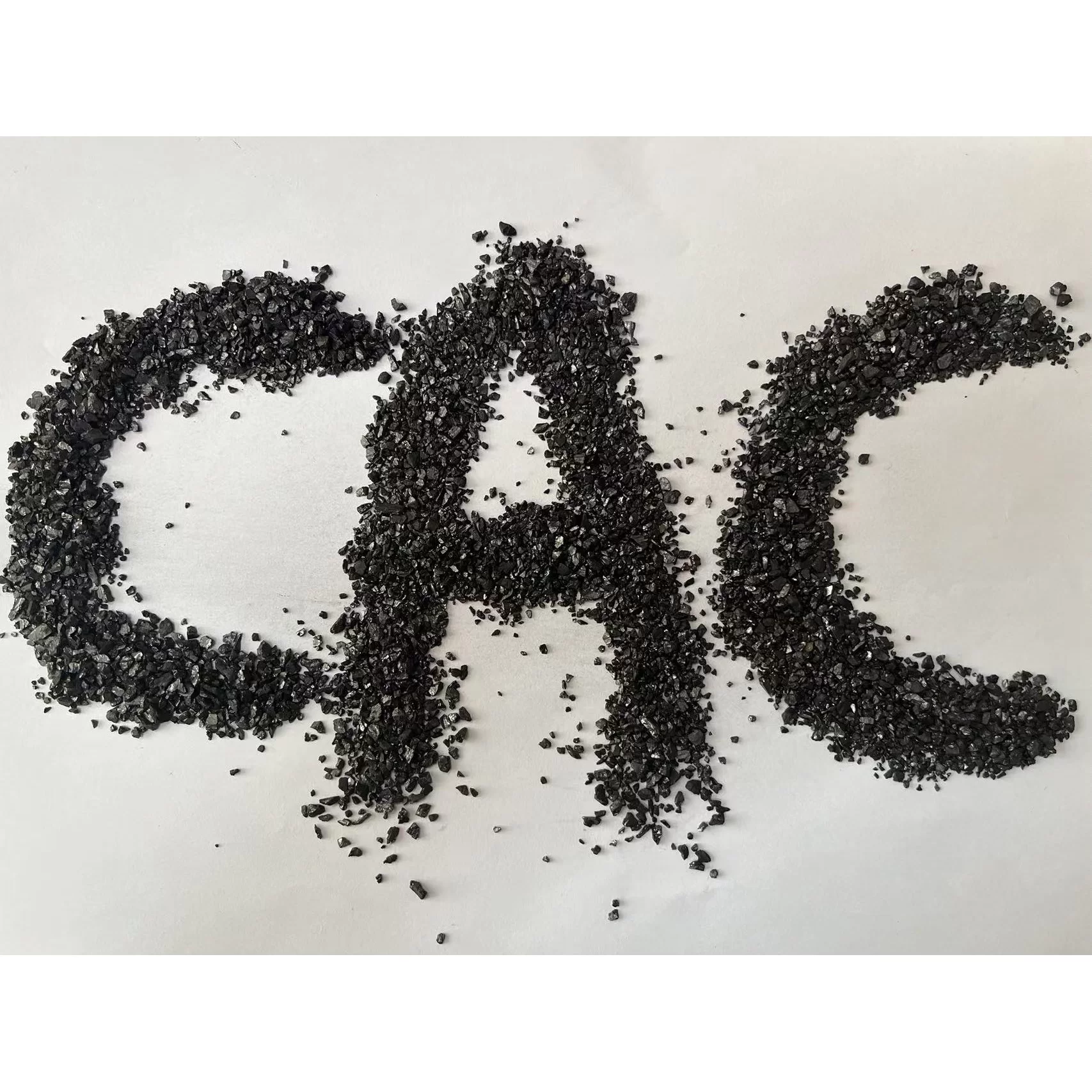
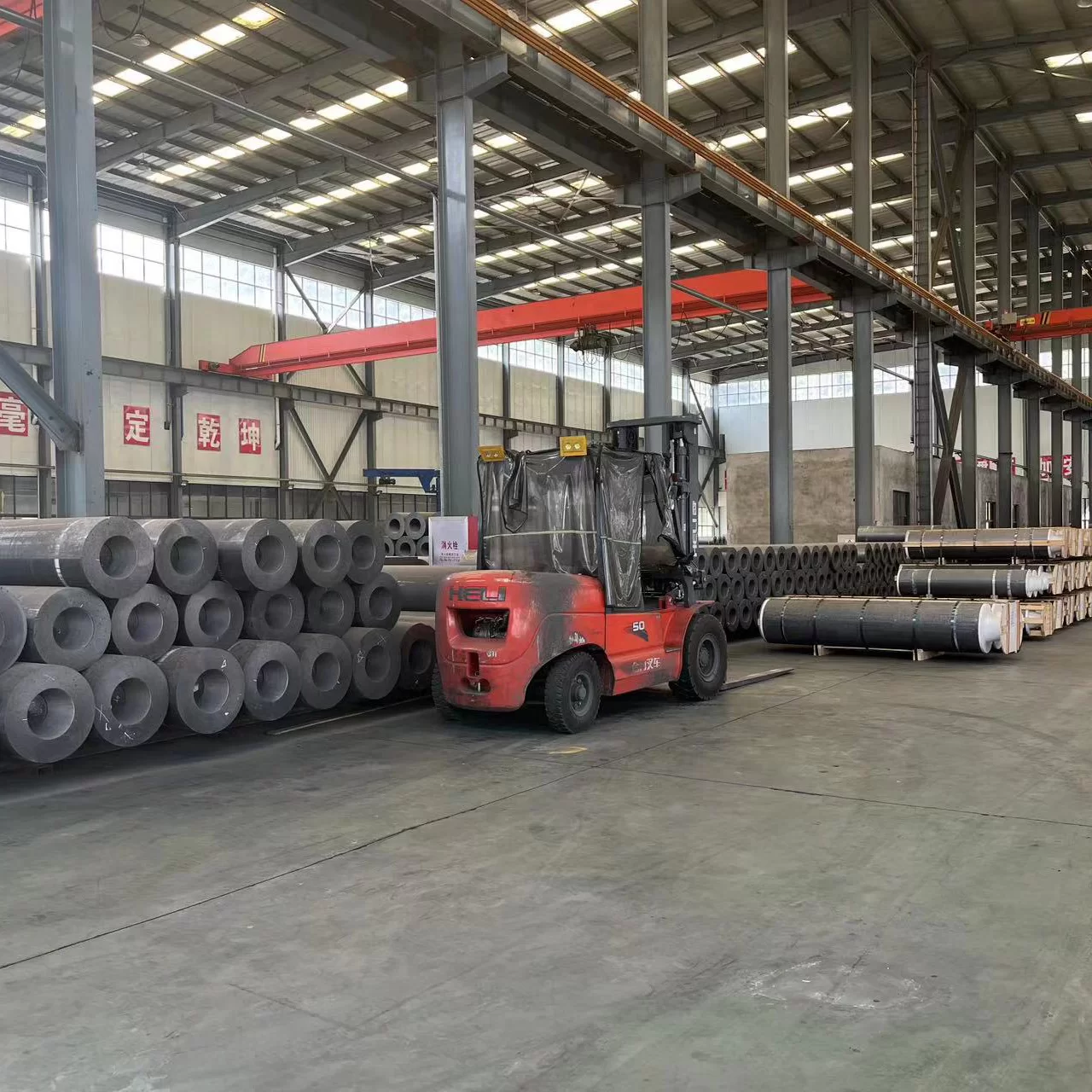
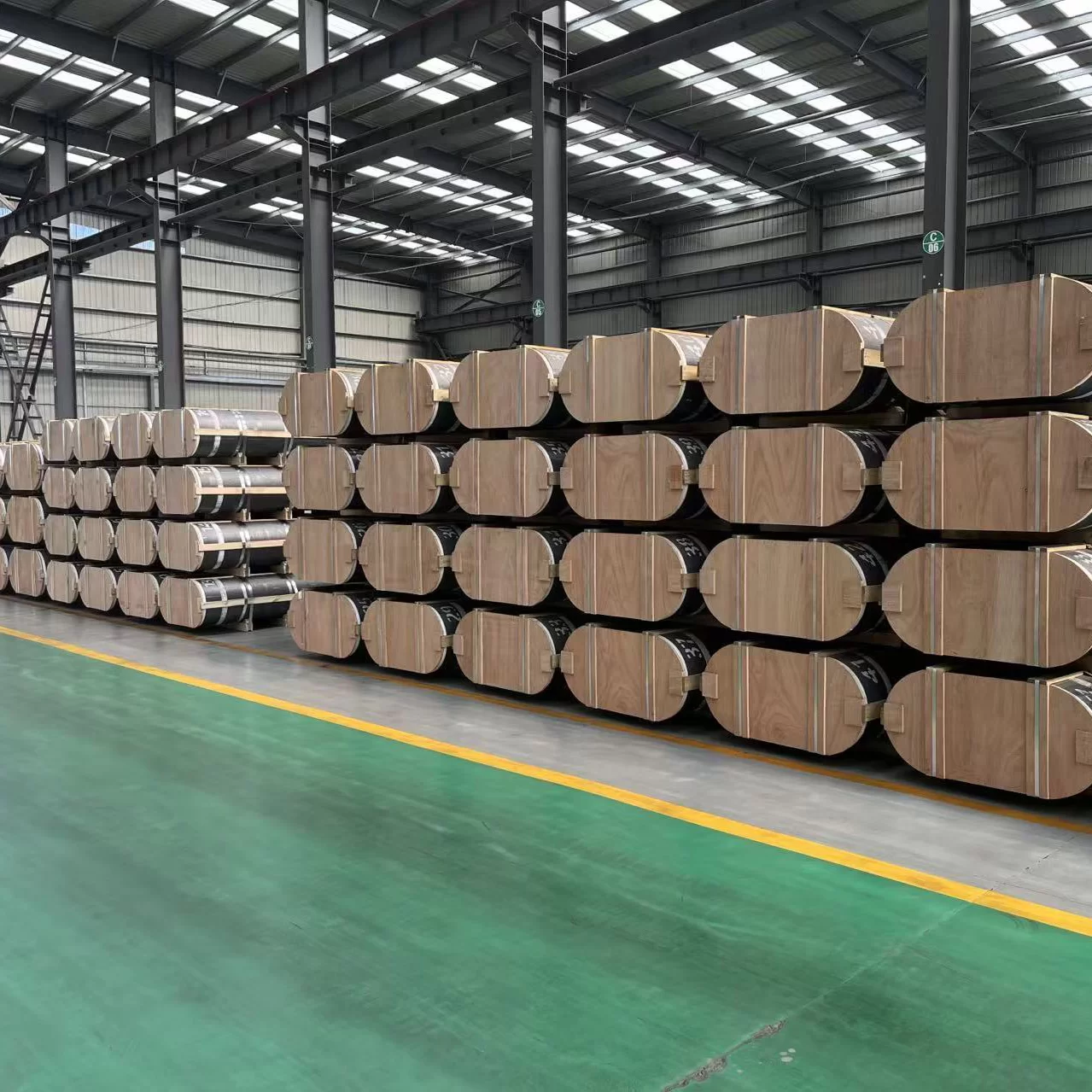
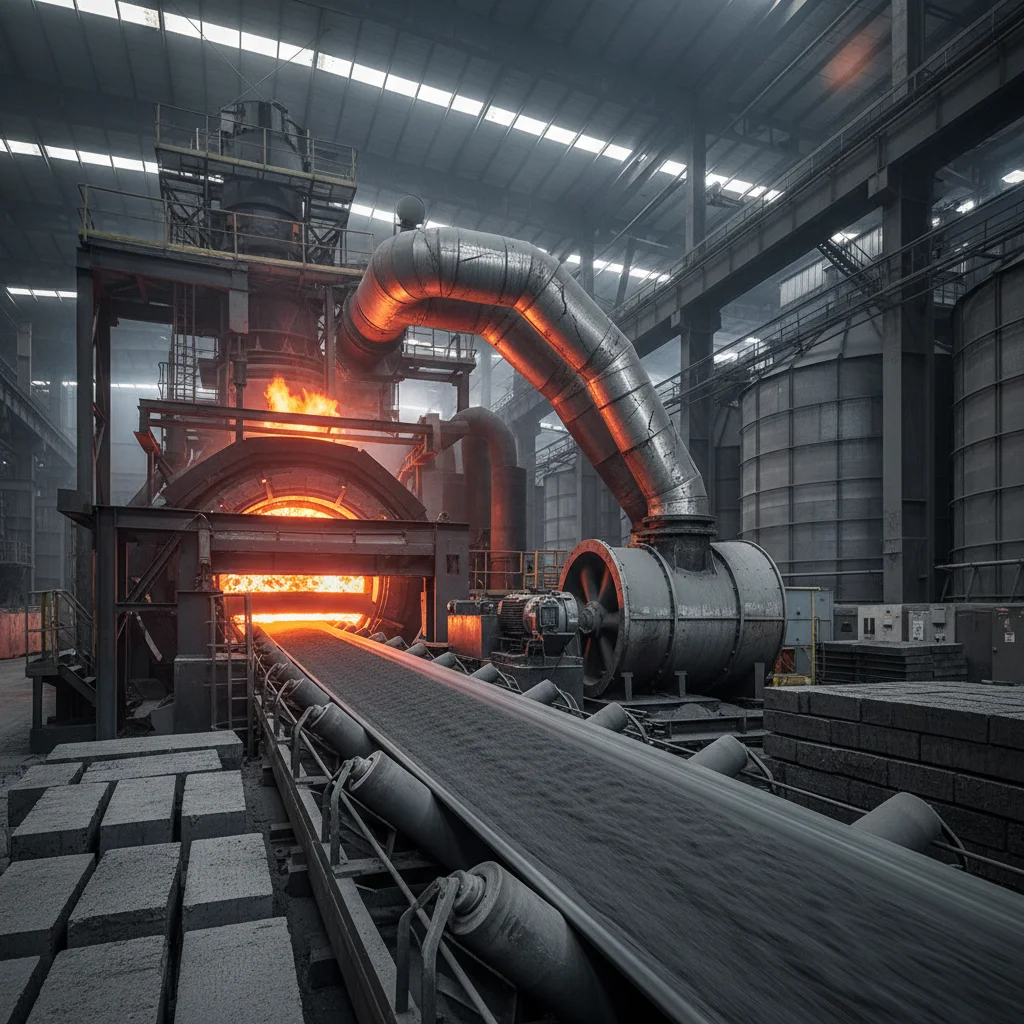
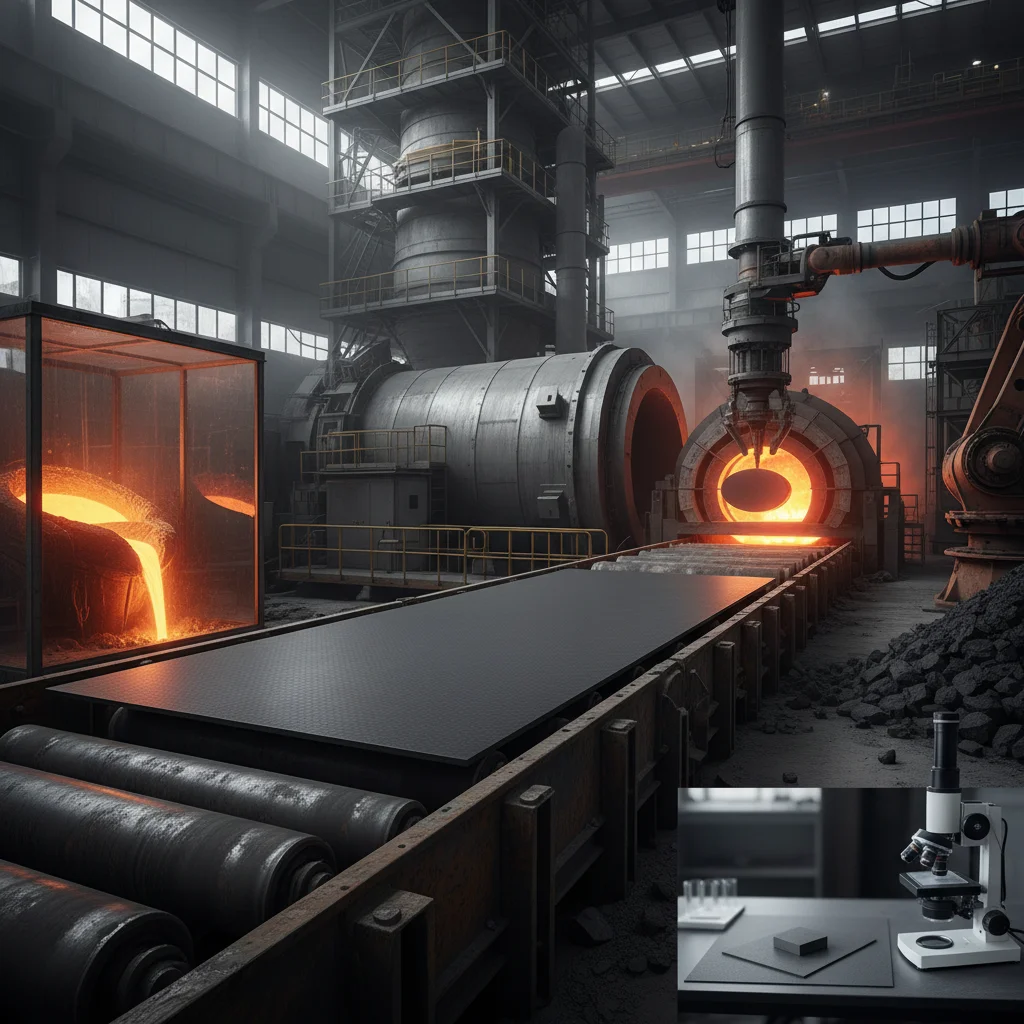
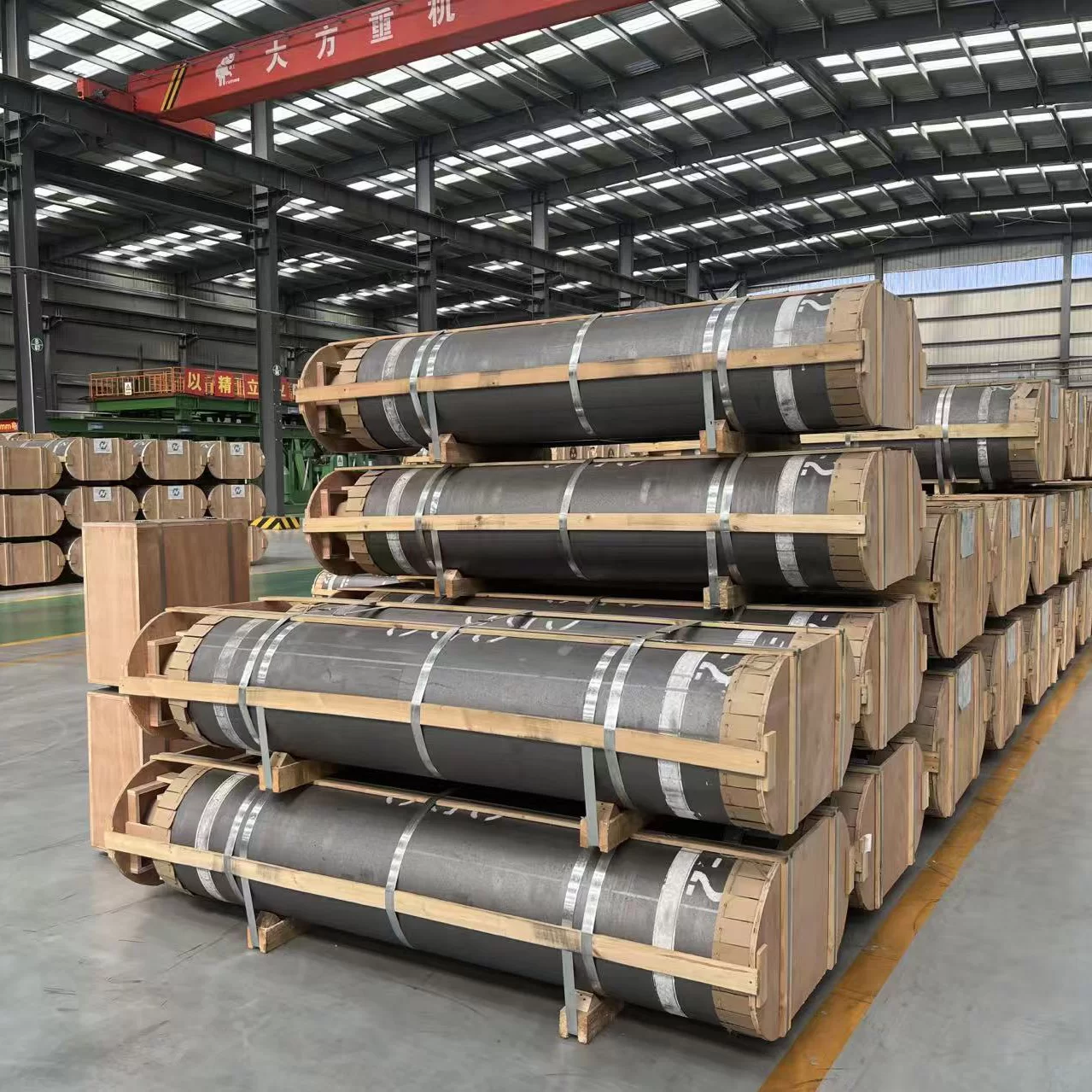
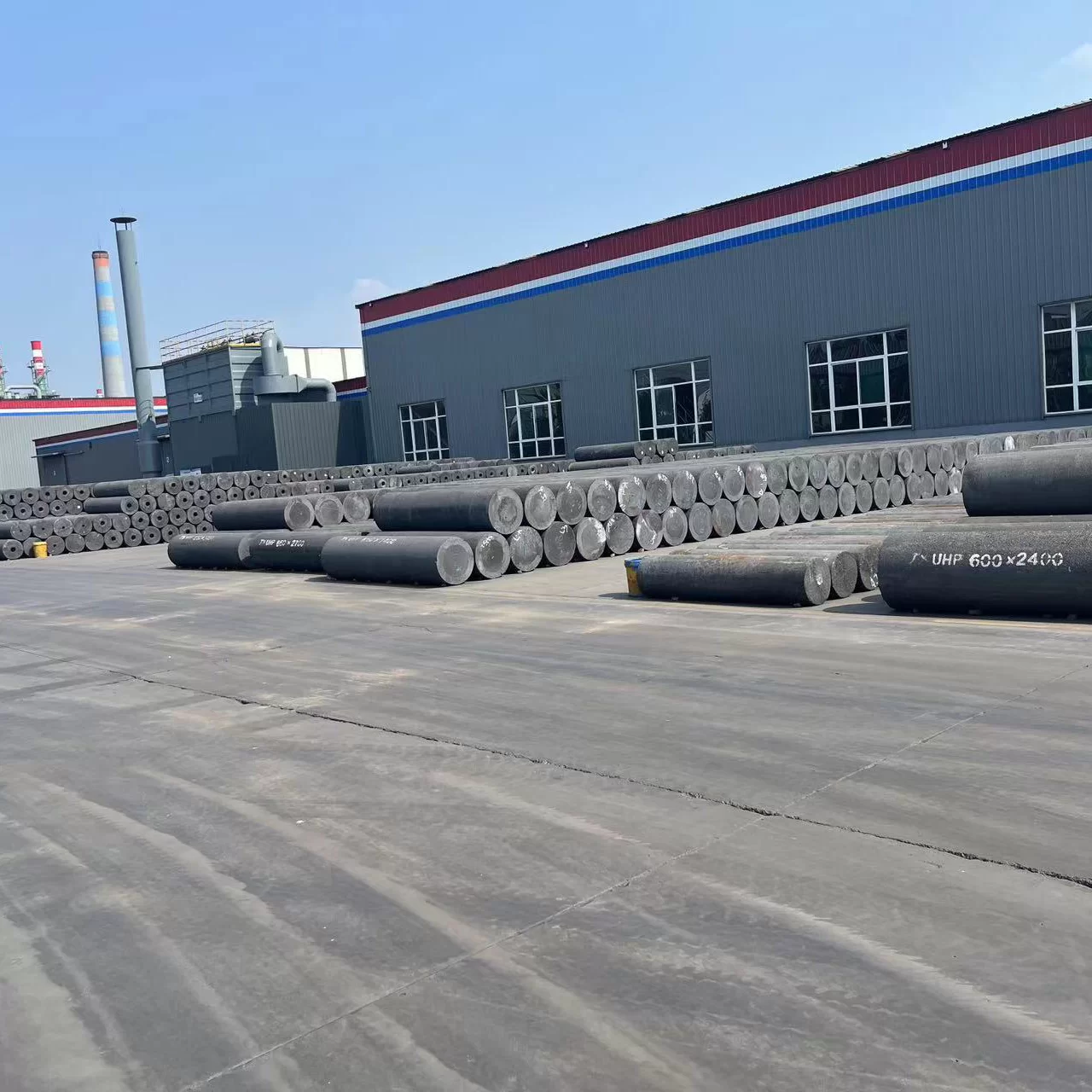
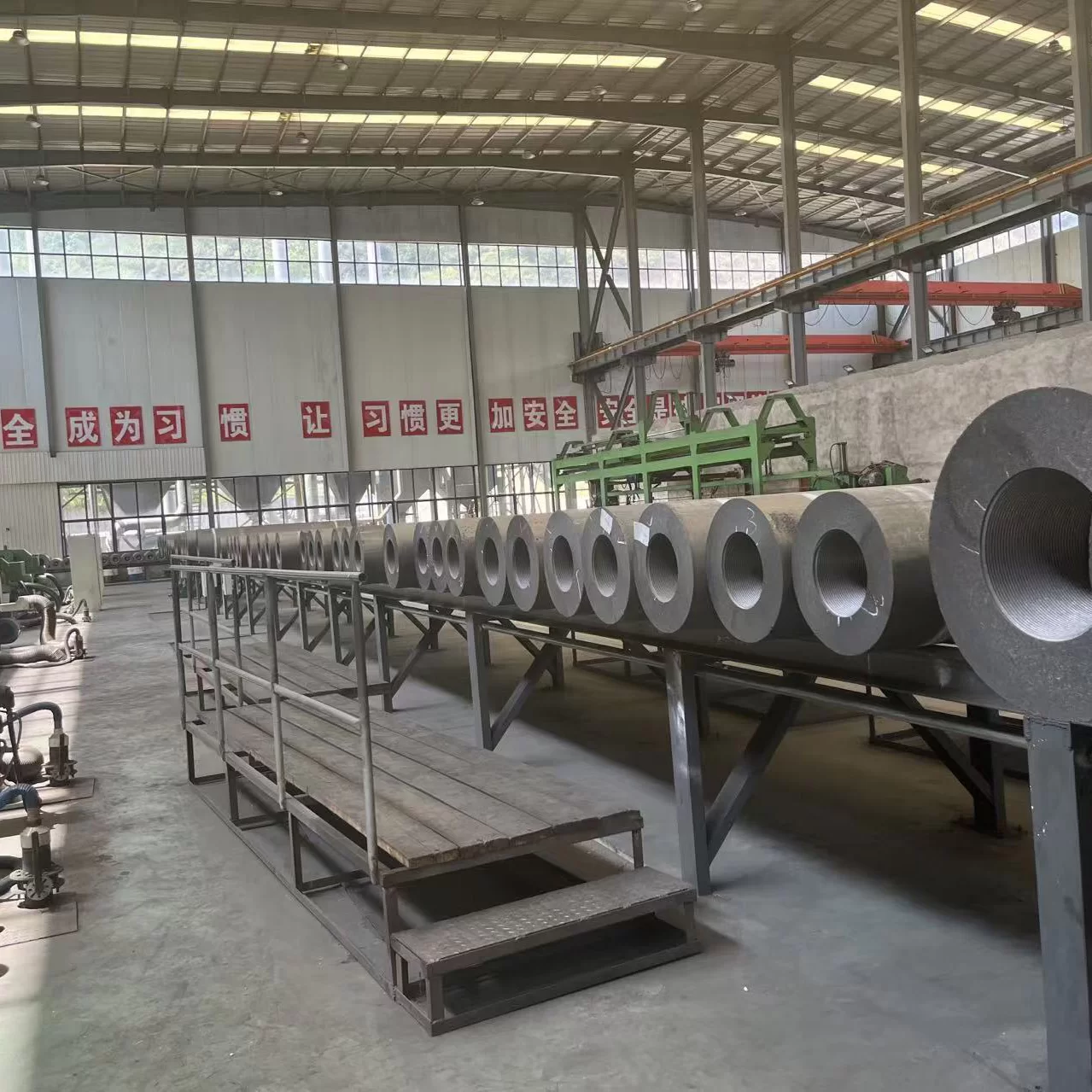
To produce graphitized petroleum coke, petroleum coke is first calcined at 1,200°C to 1,500°C to remove volatile matter and increase density. The calcined product is then graphitized at much higher temperatures, typically 2,500°C to 3,000°C, in a graphitization furnace where the carbon structure rearranges into a highly ordered graphite crystal lattice. This process significantly increases the material's purity, electrical conductivity, and thermal stability, making it suitable for high-end industrial applications.