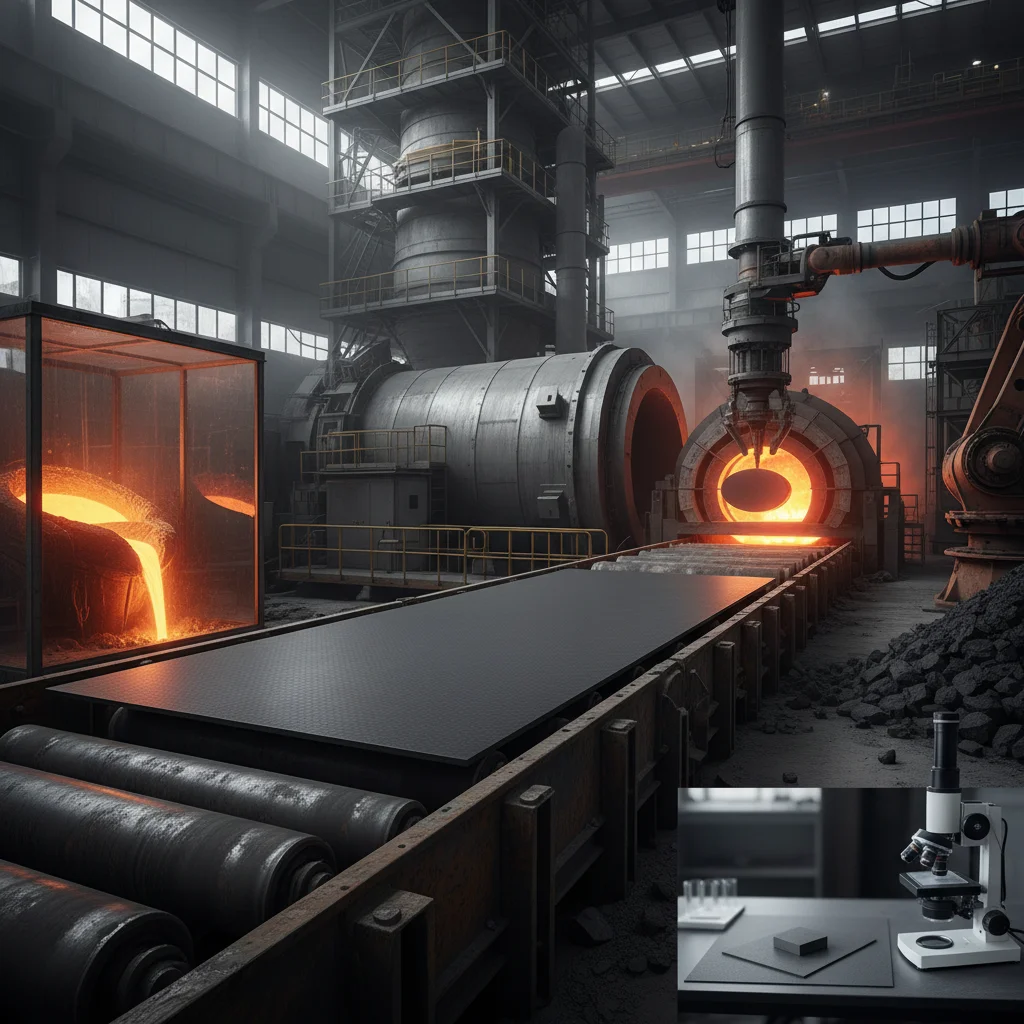
In the intricate world of metal casting, the role of high-quality foundry coke cannot be overstated. It stands as the cornerstone for efficient and precise melting processes in cupola furnaces, serving as both a primary heat source and a crucial carburizing agent. The global casting industry, a behemoth valued at an estimated $200 billion annually, relies heavily on consistent and predictable inputs. Within this ecosystem, the demand for superior foundry coke remains robust, driven by an unyielding need for stringent quality control, energy efficiency, and environmental compliance. Market analytics predict a steady growth trajectory, with the Asia-Pacific region leading in consumption, fueled by rapid industrialization and infrastructure development. However, foundries worldwide face increasing pressure to reduce operational costs while enhancing product quality, making the selection of the right coke an economic imperative. A slight improvement in coke quality – for instance, a 1% increase in fixed carbon content – can translate into a 2-3% reduction in overall fuel consumption, directly impacting a foundry's bottom line by potentially millions of dollars annually, depending on scale. This tangible economic advantage underscores why discerning foundries are continually seeking suppliers who can guarantee exceptional and consistent product specifications, moving beyond mere commodity pricing to a value-driven partnership.
Beyond its economic implications, the technical performance of foundry coke directly influences the metallurgical integrity of the final cast product. Inferior coke can lead to inconsistent melt temperatures, increased slag formation, higher sulfur pick-up in the metal, and ultimately, defective castings. These defects not only incur significant scrap rates but also erode a foundry's reputation and client trust. The average scrap rate in foundries can range from 5% to 15%, with a substantial portion attributed to inconsistent melting conditions that directly link back to coke quality. Furthermore, stricter environmental regulations, particularly regarding emissions of sulfur dioxide (SO2) and particulate matter, compel foundries to opt for low-sulfur coke variants and those with optimal combustion characteristics. This strategic shift is not just about compliance; it's about sustainable operations and maintaining a social license to operate. The foundational dependency on this critical material necessitates a comprehensive understanding of its properties, supply chain dynamics, and the tangible benefits of investing in premium grades. It is a material that, despite its seemingly simple appearance, holds the key to unlocking superior operational efficiency and metallurgical excellence.
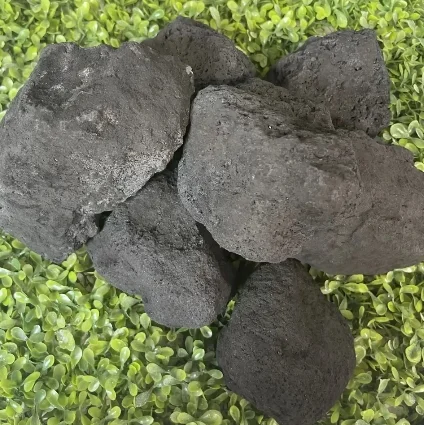
Unlocking Superior Performance: Technical Advantages
The technical specifications of foundry coke are not merely numerical values; they are indicators of its profound impact on foundry operations. Foremost among these is Fixed Carbon (FC), typically ranging from 86% to 92%. A higher FC content signifies greater calorific value and more efficient combustion, translating into reduced coke consumption per ton of metal melted. For instance, increasing FC from 88% to 90% can potentially lower coke consumption by 3-5%, leading to significant energy savings and decreased CO2 emissions. Ash content, conversely, should be as low as possible, ideally below 8-10%. High ash content not only displaces valuable carbon but also contributes to increased slag volume, requiring more flux and energy for removal, and potentially leading to higher refractory wear. Every 1% reduction in ash content can decrease slag volume by 5-7%, offering substantial operational advantages.
Sulfur content is another critical parameter, especially for producing low-sulfur cast iron. Premium foundry coke typically boasts sulfur levels below 0.6%, with some specialized grades reaching below 0.4%. High sulfur coke leads to sulfur pick-up in the molten metal, which can embrittle castings and necessitate costly desulfurization processes. Moisture content, ideally below 5%, affects the effective carbon content and can lead to uneven combustion if excessive. Mechanical strength, often measured by M40 (resistance to breakage) and M10 (resistance to abrasion) indices, is crucial for maintaining coke size integrity during transport and within the cupola furnace. A high M40 (e.g., >80%) and low M10 (e.g.,<8%) ensure="" uniform="" bed="" permeability="">
Navigating the Market: A Manufacturer's Perspective
The global foundry coke market is characterized by a diverse array of manufacturers, each offering products with varying specifications, pricing structures, and logistical capabilities. Choosing the right supplier involves more than just comparing per-ton costs; it necessitates a deep dive into consistency, reliability, and technical support. Major players typically possess integrated production facilities, from coal mining to coke processing, allowing for tighter quality control. Smaller, specialized producers might offer niche products tailored for specific applications. The geographic location of a manufacturer, proximity to ports, and established distribution networks also play a significant role in determining lead times and overall delivered cost. Foundries often benefit from establishing long-term relationships with suppliers who can demonstrate a consistent track record of product quality and responsive customer service.
Manufacturer/Grade | Fixed Carbon (FC) | Ash Content | Sulfur Content | M40 Strength | Logistics Score (1-5) | Technical Support |
Alpha Metals Premium | 90.5% | 7.2% | 0.48% | 84% | 4 | Excellent (on-site) |
Beta Castings Standard | 88.0% | 8.5% | 0.65% | 78% | 3 | Good (remote) |
Gamma Solutions Eco | 89.5% | 7.8% | 0.42% | 82% | 5 | Excellent (dedicated rep) |
Delta Forge Basic | 86.5% | 9.1% | 0.70% | 75% | 2 | Limited |
A comprehensive manufacturer comparison often involves evaluating several key metrics beyond just the technical specifications of the coke itself. Aspects such as batch-to-batch consistency, packaging options (e.g., bulk, jumbo bags), minimum order quantities, and the availability of technical support for troubleshooting or optimization are equally vital. Furthermore, certifications like ISO 9001 for quality management or ISO 14001 for environmental management provide additional assurances regarding a manufacturer's commitment to quality and sustainability. Below is a simplified comparison table illustrating how different suppliers might be evaluated based on these critical factors:
This type of systematic comparison empowers foundries to make informed procurement decisions that align with their specific operational requirements and strategic goals, ensuring optimal performance and cost-effectiveness in the long run.
Tailored Solutions: Crafting Your Perfect Blend
The notion that one size fits all in the realm of foundry coke is a misconception. Modern foundries, with their diverse product portfolios, furnace designs, and metallurgical requirements, often necessitate highly customized solutions. A reputable supplier understands that an off-the-shelf product may not always yield optimal results for every client. This is where the capability for customization becomes a significant competitive advantage. Customization can involve precise adjustments to particle size distribution, ranging from large lumps for high-capacity cupolas to smaller fractions for specialized melting applications. For instance, a foundry running a particular type of blast furnace might require coke with a tight size range of 70-120mm to ensure uniform burden permeability and prevent channeling, while another using a smaller cupola could benefit from 30-80mm coke.
Beyond physical dimensions, chemical composition can also be fine-tuned. Suppliers with advanced coking facilities can modify the coal blend to achieve specific fixed carbon, ash, or sulfur percentages, directly addressing a foundry's unique metallurgical needs. For example, a foundry producing high-strength ductile iron might prioritize exceptionally low sulfur coke to minimize the need for post-treatment desulfurization, saving time and reagents. Conversely, a foundry producing gray iron might tolerate slightly higher sulfur if other parameters like strength and reactivity are optimized for their specific process. This level of customization often begins with a thorough consultation, where the supplier's technical team collaborates with the foundry's engineers to understand their furnace design, production volume, desired metal chemistry, and existing operational challenges. Through this collaborative approach, supported by laboratory analysis and pilot batch testing, a bespoke foundry coke specification can be developed, ensuring maximum efficiency, reduced waste, and consistent product quality, ultimately leading to significant process improvements and cost reductions tailored to the client's operational fingerprint.
Real-World Impact: Case Studies in Metallurgy
The theoretical advantages of superior foundry coke translate into tangible benefits in real-world industrial applications. Consider a medium-sized automotive parts foundry specializing in cast iron engine blocks. Facing issues with inconsistent melt temperatures and high scrap rates due to hard spots and porosity, they switched from a standard coke grade to a premium, low-ash, high-strength variant. Before the change, their average scrap rate for critical components hovered around 12-15%, often traced back to uneven carburization. After implementing the premium coke, their fixed carbon pickup became more consistent, melt temperatures stabilized within a tighter ±5°C range, and the overall melt quality improved dramatically. Within six months, the scrap rate for these critical parts dropped to below 7%, leading to an annual saving of over $750,000 in material and processing costs. This was further compounded by an observable reduction in furnace lining wear by 15%, extending maintenance cycles and decreasing downtime.
Another compelling example comes from a non-ferrous foundry producing intricate bronze sculptures. Their challenge was maintaining specific alloying element percentages while minimizing impurity pick-up, especially sulfur, which can negatively affect the aesthetic finish and mechanical properties of bronze. By utilizing a highly customized, ultra-low sulfur foundry coke with precise size grading, they were able to achieve their target chemistries more consistently. The reduction in sulfur pick-up, from an average of 0.05% to 0.02% in their final melt, eliminated the need for secondary refining steps, cutting processing time by 20% and reducing material losses associated with further handling. This not only expedited their production cycle but also significantly enhanced the purity and quality of their bronze, allowing them to command higher prices for their artisanal products. These cases underscore that investing in the right foundry coke is not merely an expenditure but a strategic decision that directly contributes to operational excellence, product quality, and competitive advantage across diverse metallurgical applications.
Optimizing Your Operations: Strategic Implementation
Beyond the initial selection and procurement, the strategic implementation and management of foundry coke within daily operations are critical for maximizing its benefits. This involves a holistic approach encompassing logistics, storage, handling, and continuous performance monitoring. Logistically, securing a reliable supply chain with multiple sourcing options or robust single-source contracts can mitigate risks associated with price fluctuations, transportation delays, or geopolitical events. Just-in-time inventory management, balanced with sufficient buffer stock, can optimize capital expenditure and storage costs. For instance, a foundry with an average daily consumption of 50 tons of coke might aim for a 3-week buffer stock (1050 tons) to ensure continuity without over-committing warehouse space, which typically costs $5-10 per ton per month to maintain.
Proper storage and handling are paramount to preserving coke quality. Foundry coke should be stored in dry, covered facilities to prevent moisture absorption, which not only reduces its effective calorific value but also causes issues during charging. Exposure to the elements can increase moisture content by 5-10%, directly impacting furnace performance. Mechanized handling systems, such as conveyors and vibratory feeders, should be designed to minimize attrition and prevent size degradation, thereby maintaining the optimal particle size distribution required for uniform burden permeability in the cupola. Furthermore, continuous monitoring of coke performance through regular analysis of incoming batches and their correlation with melt data (e.g., melt rate, tap temperature, slag volume, metal chemistry) enables proactive adjustments and refinement of operational parameters. Establishing key performance indicators (KPIs) like coke-to-metal ratio, fixed carbon utilization efficiency, and specific energy consumption per ton of metal melted allows for data-driven optimization. This systematic approach ensures that the investment in premium foundry coke yields its full potential, leading to sustained operational efficiency and enhanced profitability.
Maximizing Efficiency with Premium Foundry Coke
The journey from raw material to finished casting is complex, but at its heart lies the indispensable role of premium foundry coke. As we have explored, its impact reverberates across every facet of a foundry's operations – from energy efficiency and cost reduction to metallurgical consistency and environmental compliance. The global market's increasing demands for higher quality castings, coupled with tighter regulatory frameworks, underscore the strategic importance of this critical material. Foundries that prioritize quality and partner with suppliers capable of delivering tailored, consistent, and technically superior products are unequivocally better positioned for long-term success. The data unequivocally supports this assertion: an investment in top-tier foundry coke directly correlates with reduced scrap rates, optimized energy consumption, prolonged equipment lifespan, and ultimately, a more competitive market standing.
Looking ahead, advancements in coking technology, coupled with a deeper understanding of coal blend optimization, will continue to drive improvements in foundry coke properties, making it an even more powerful tool for metallurgical excellence. The shift towards sustainable manufacturing also places a greater emphasis on low-sulfur and low-ash variants, aligning economic benefits with ecological responsibility. Ultimately, the quest for operational perfection in metal casting is a continuous one, and the strategic selection and meticulous management of foundry coke remain foundational to achieving that goal. For any foundry committed to pushing the boundaries of quality and efficiency, embracing the power of premium foundry coke is not just a choice; it is an imperative for thriving in an increasingly competitive global landscape.
Frequently Asked Questions (FAQ) about Foundry Coke
What is foundry coke and how does it differ from metallurgical coke?
Foundry coke is a high-carbon material produced by heating coal in the absence of air. While both foundry coke and metallurgical coke (met coke) are used in metal production, foundry coke is specifically designed for cupola furnaces used in iron casting. It typically has a larger, more uniform size, higher fixed carbon, lower ash, and greater mechanical strength (M40/M10) compared to general metallurgical coke, ensuring optimal permeability and consistent melting in a cupola.
What are the key specifications to consider when purchasing foundry coke?
Primary specifications include Fixed Carbon (FC), Ash Content, Sulfur Content, Volatile Matter, Moisture Content, and Mechanical Strength (M40 and M10 indices). Other important parameters can include Reactivity to Carbon Dioxide (CRI) and Post-Reaction Strength (CSR), as well as specific size grading.
How does fixed carbon content impact foundry operations?
A higher fixed carbon content in foundry coke directly translates to a greater calorific value, meaning more heat is generated per unit of coke. This leads to reduced coke consumption per ton of molten metal, improved fuel efficiency, lower operational costs, and often, more consistent melt temperatures and carburization of the metal.
Why is low sulfur content important for foundry coke?
Low sulfur content is crucial because sulfur from the coke can transfer to the molten iron, making the cast iron brittle and prone to defects. High sulfur content necessitates additional, costly desulfurization processes. Foundries producing high-quality or specialized iron castings, such as ductile iron, require exceptionally low sulfur coke.
What role does mechanical strength play in coke performance?
Mechanical strength (measured by M40 for crushing strength and M10 for abrasion resistance) ensures that the coke maintains its size and integrity during transportation and within the cupola furnace. Strong coke prevents excessive fines, which can reduce bed permeability, lead to channeling, and cause uneven melting, ultimately impacting furnace efficiency and melt quality.
Can foundry coke be customized for specific applications?
Yes, many reputable suppliers offer customized foundry coke solutions. This can involve tailoring particle size distribution, adjusting chemical composition (e.g., specific fixed carbon, ash, or sulfur levels) by modifying coal blends, or selecting particular coking processes to meet the unique requirements of a foundry's furnace design, desired metal chemistry, or specific casting products.
What are the environmental considerations related to foundry coke?
Environmental considerations include emissions of sulfur dioxide (SO2), particulate matter, and CO2 during combustion. Foundries increasingly seek low-sulfur and low-ash foundry coke to reduce SO2 and particulate emissions. Efficient combustion characteristics also contribute to lower overall CO2 emissions per ton of metal produced, aligning with sustainability goals and regulatory compliance.