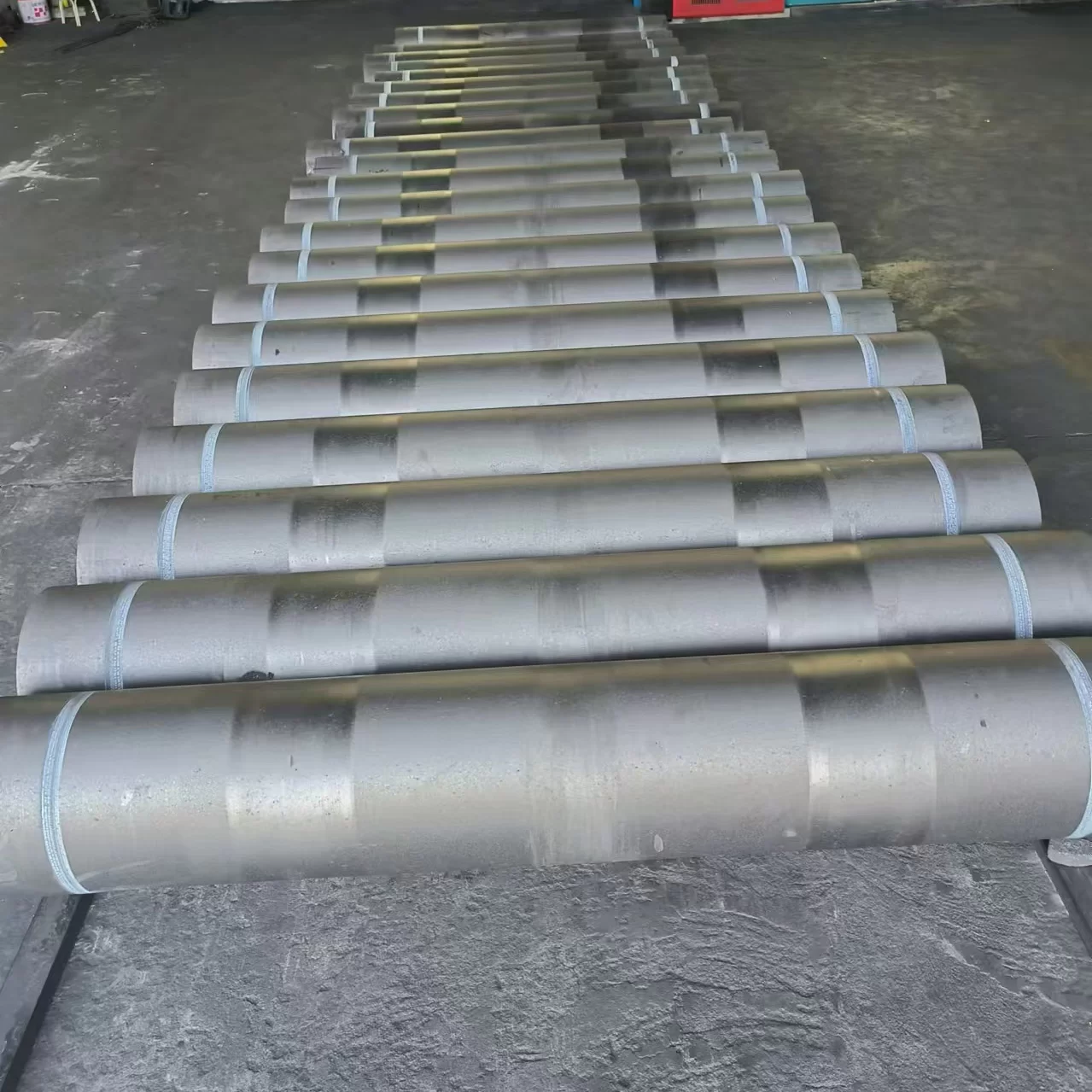
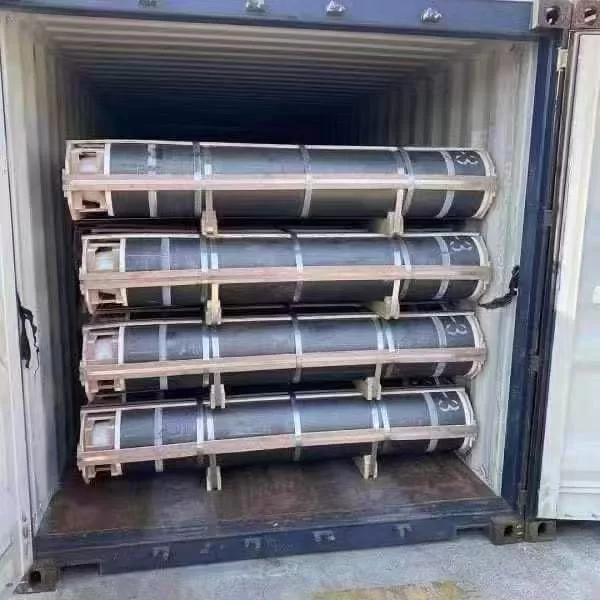
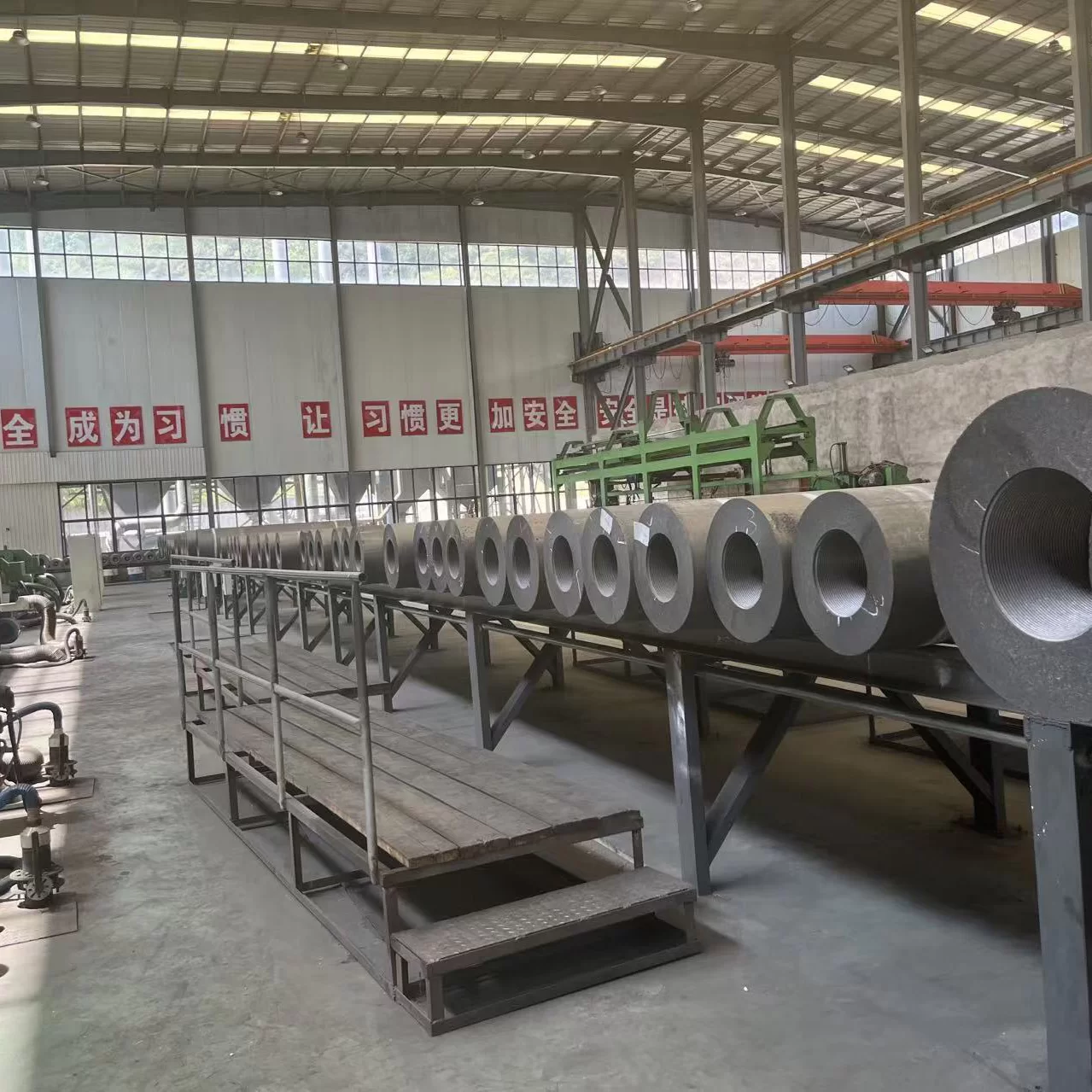
In the unforgiving environment of electric arc furnaces (EAFs), where temperatures soar past 3,000°C, the role of an rp graphite electrode is not merely functional; it is absolutely critical. These electrodes are the conduits through which immense electrical energy is transformed into the searing heat necessary to melt scrap metal and refine primary metals, forming the very backbone of modern steelmaking and ferroalloy production. The demand for efficiency, cost-effectiveness, and unwavering reliability in these processes has never been greater, pushing the boundaries of material science and manufacturing precision. An RP (Regular Power) graphite electrode, while distinct from its high-power (HP) and ultra-high-power (UHP) counterparts, remains a cornerstone for numerous foundries, steel mini-mills, and casting operations that do not require the extreme current densities but still demand robust performance and consistent quality. The selection of a superior RP graphite electrode directly correlates with reduced operational expenditure, minimized downtime, and optimized furnace productivity. Its ability to withstand thermal shock, maintain structural integrity under mechanical stress, and conduct electricity with minimal resistance directly impacts the financial viability and environmental footprint of these energy-intensive industries. Therefore, understanding the nuances of these vital components is paramount for any stakeholder aiming for metallurgical excellence and sustainable industrial growth.
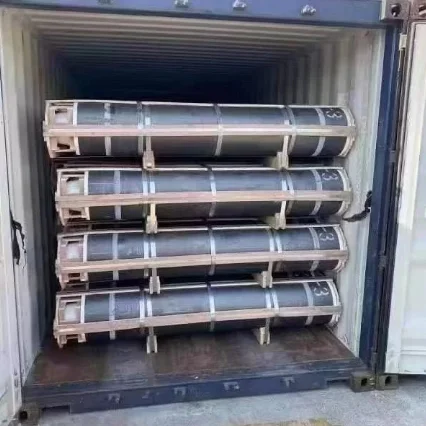
Unpacking the Technical Superiority and Material Science Behind High-Performance Electrodes
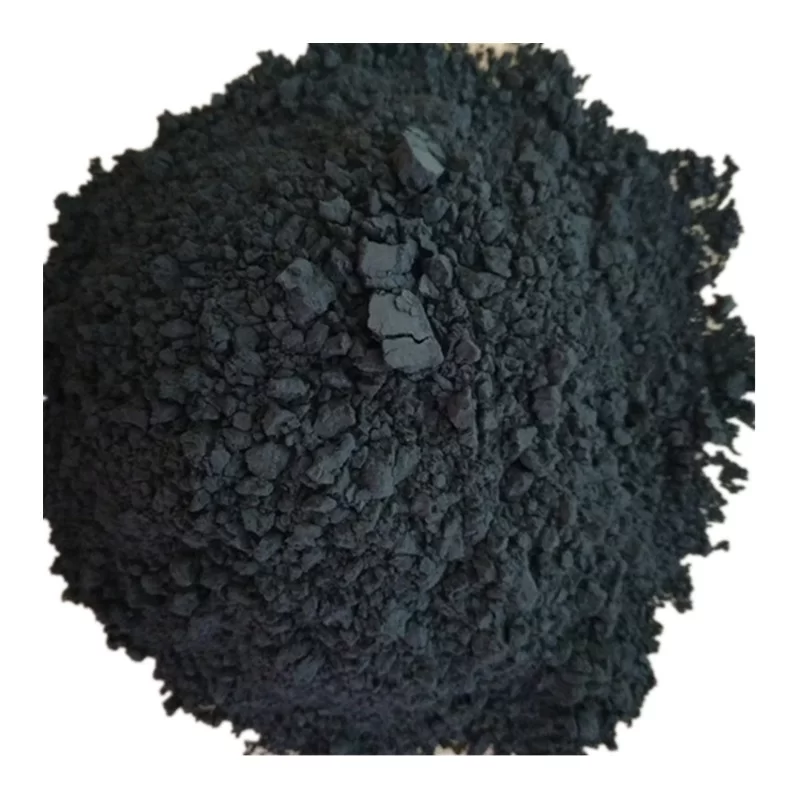
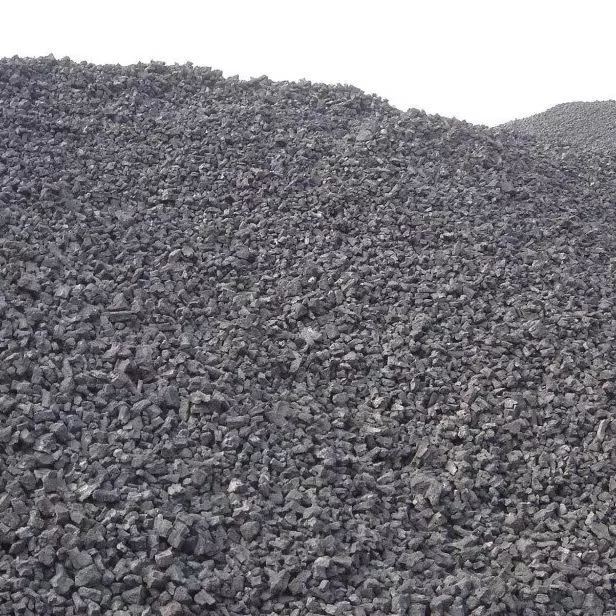
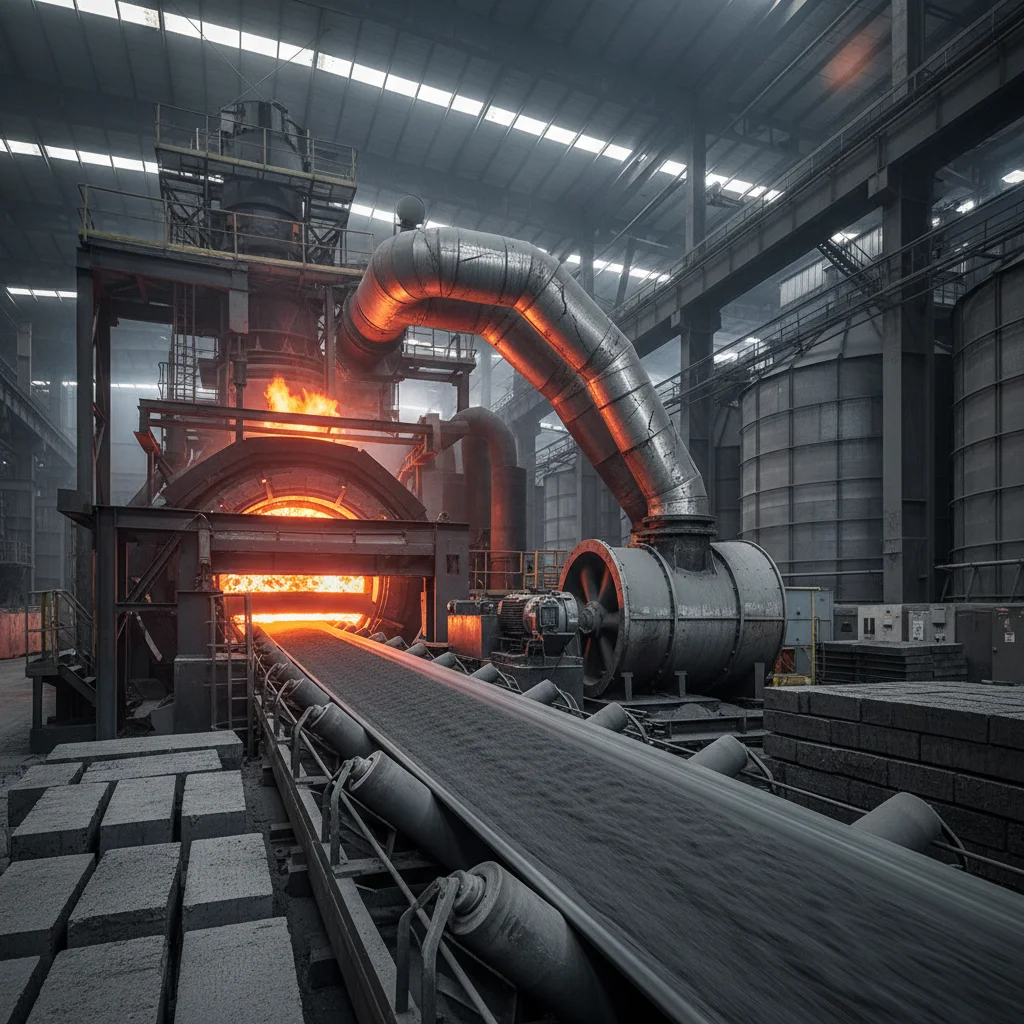
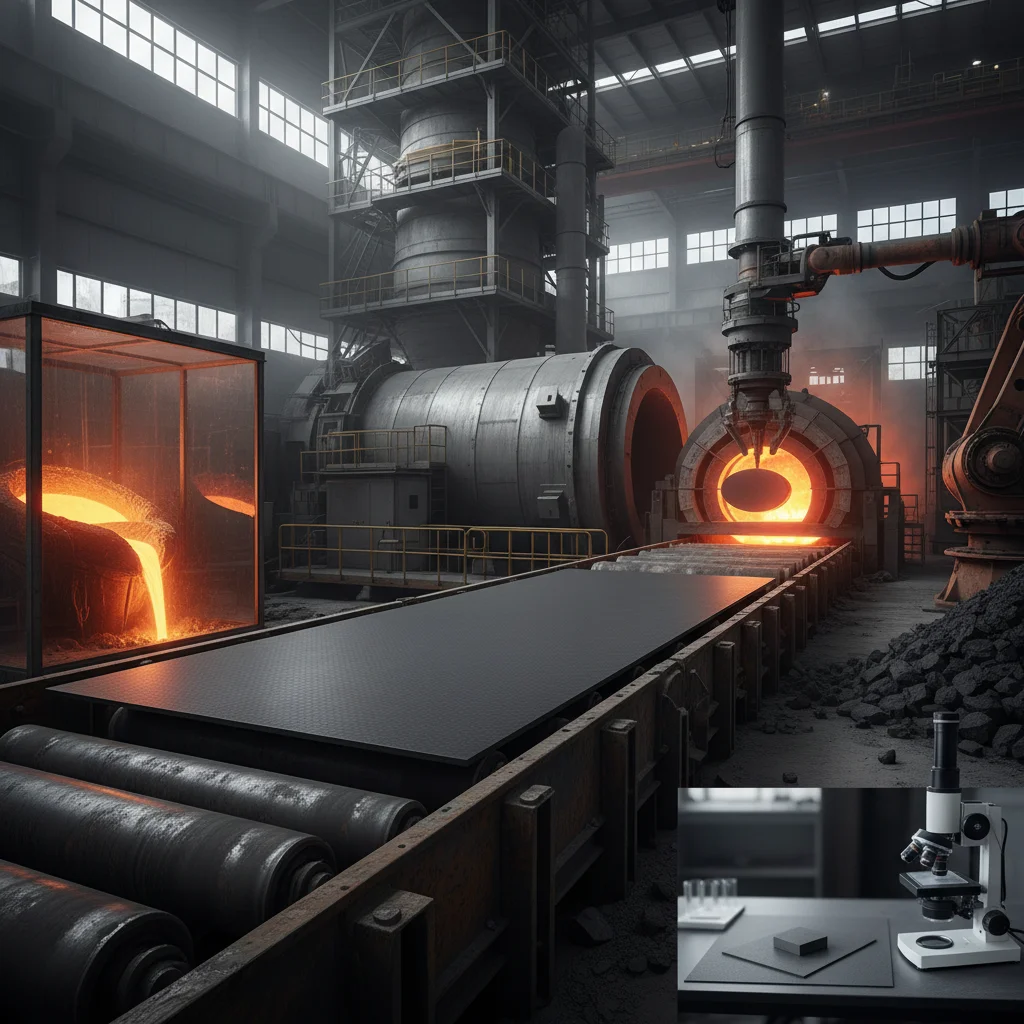
The superior performance of any graphite electrode, including the RP variant, is fundamentally rooted in its material composition and the meticulous manufacturing processes it undergoes. At its core, an electrode's quality is dictated by the selection of premium raw materials, primarily petroleum coke and sometimes pitch coke, which are characterized by low ash content and high carbon purity. These raw materials are first crushed, precisely sized, and then mixed with a coal tar pitch binder. This mixture is then extruded into the desired electrode shape under immense pressure, a process that aligns the carbon particles, influencing the electrode's ultimate strength and conductivity. Following extrusion, the 'green' electrodes are baked in ring furnaces at temperatures reaching over 1,000°C. This baking process cokes the pitch binder, transforming it into a solid carbon matrix and significantly increasing the electrode's density and mechanical strength. The most transformative step, however, is graphitization, where the baked electrodes are heated to temperatures between 2,500°C and 3,000°C in specialized graphitizing furnaces. At these extreme temperatures, the amorphous carbon structure reorganizes into a highly ordered crystalline graphite lattice, which is responsible for the exceptional electrical conductivity, thermal conductivity, and resistance to thermal shock. Precision machining then creates the threaded ends for secure joining, ensuring seamless electrical continuity and structural integrity throughout the electrode column. Each stage is meticulously controlled to guarantee a product that excels in electrical resistivity, flexural strength, and overall durability, crucial attributes for its demanding application.
Quantifying Performance: Data-Driven Insights into Electrode Efficiency and Longevity
The true value of a high-quality graphite electrode is best understood through empirical data and quantifiable performance metrics. In the intense environment of an EAF, even marginal improvements in electrode performance can translate into significant operational savings. For instance, advanced RP electrodes are engineered to exhibit a low consumption rate, often measured in kilograms of electrode material consumed per ton of liquid metal produced. Market leaders consistently demonstrate consumption rates that are up to 15% lower than standard offerings, attributing to superior material density and resistance to oxidation. This reduction directly correlates with substantial cost savings on consumables and fewer electrode changes, thereby minimizing valuable furnace downtime. Furthermore, electrodes designed with optimized electrical resistivity facilitate more efficient energy transfer, leading to a demonstrable reduction in specific energy consumption. Studies have shown that a well-matched electrode system can contribute to a 5-7% decrease in kWh per ton of steel produced, translating into considerable energy cost savings over an annual production cycle. Enhanced mechanical strength and thermal shock resistance also mean fewer breakages, improving furnace availability and overall productivity by as much as 10-12% in tap-to-tap time. These data points underscore that while the initial investment in a premium RP electrode might be marginally higher, the long-term operational efficiencies and economic benefits far outweigh the upfront cost, making it a strategic choice for forward-thinking metallurgists.
Navigating the Landscape: A Comparative Analysis of Leading RP Graphite Electrode Manufacturers
The market for graphite electrodes is characterized by a few major global players and numerous regional specialists, each offering distinct advantages in terms of technology, service, and cost. Selecting the right manufacturer for RP graphite electrodes involves a comprehensive evaluation of several critical factors beyond mere price. Key considerations include the consistency of quality, the robustness of technical support, lead times, and the manufacturer's commitment to research and development. Below is a simplified comparative analysis, highlighting various attributes across different manufacturer profiles:
Feature / Manufacturer Category | Premium Global Producer A | Specialized Regional Provider B | Cost-Effective Challenger C |
Electrical Resistivity (µΩ·m) | ~50-55 | ~55-60 | ~60-70 |
Flexural Strength (MPa) | ~10-12 | ~8-10 | ~6-8 |
Ash Content (%) | <0.1 | 0.1-0.3 | 0.3-0.5 |
Typical Electrode Consumption (kg/ton steel) | 1.8 - 2.5 | 2.2 - 3.0 | 2.8 - 3.8+ |
Technical Support & R&D | Extensive, proactive | Responsive, localized | Basic, reactive |
Delivery Lead Times | Standard (4-8 weeks) | Often faster (3-6 weeks) | Variable, potentially longer |
This table illustrates that while lower-cost options might seem appealing, they often come with compromises in critical performance metrics like electrical resistivity and mechanical strength, leading to higher overall consumption and increased operational risks. A detailed comparison considering specific furnace parameters and operational demands is crucial for an informed decision.
Engineering Precision: Tailored RP Graphite Electrode Solutions for Specific Industrial Demands
Recognizing that no two EAF operations are exactly alike, leading manufacturers of RP graphite electrodes excel in providing tailored solutions. The 'one-size-fits-all' approach is increasingly obsolete in a market that demands peak efficiency and cost optimization. Customization extends beyond merely selecting standard diameters and lengths; it encompasses a deeper collaboration between the supplier and the end-user to engineer electrodes perfectly matched to specific furnace designs, scrap charging practices, melting strategies, and even the type of steel or alloy being produced. For instance, some furnaces might benefit from electrodes with slightly altered nipple designs to enhance joint strength and reduce premature breakage, while others might require specific anti-oxidation coatings to prolong electrode life in highly oxidative environments. Material formulations can be subtly adjusted to prioritize either higher thermal shock resistance for batch operations with frequent power cycles or superior electrical conductivity for continuous melting processes. Furthermore, manufacturers can offer varying grades of impregnation to enhance density and reduce porosity, directly impacting consumption rates. This bespoke approach ensures that every aspect of the electrode’s design and composition is optimized for the client’s unique operational parameters, leading to improved performance, reduced overall electrode consumption, minimized energy costs, and a substantial decrease in unscheduled downtime. Such strategic partnerships are key to unlocking the full potential of EAF operations and achieving sustainable competitive advantages.
Real-World Impact: Case Studies Demonstrating the Value of Premium Graphite Electrodes
The theoretical advantages of superior graphite electrodes translate into tangible benefits in diverse industrial settings. Consider a mid-sized steel mini-mill operating three 50-ton EAFs, struggling with inconsistent electrode consumption rates averaging 2.8 kg/ton of liquid steel, coupled with frequent breakages impacting tap-to-tap times. By collaborating with a premium RP electrode manufacturer to implement electrodes engineered for their specific furnace dynamics and scrap mix, they achieved a remarkable 18% reduction in electrode consumption over six months, bringing it down to 2.3 kg/ton. This change alone represented an annual saving of over $500,000 on consumables, alongside a 7% improvement in furnace uptime due to fewer electrode column failures. In another instance, a specialized foundry producing high-alloy tool steels faced challenges with premature electrode tip wear and increased power consumption due to high arc instability. A customized RP electrode solution, featuring enhanced thermal stability and a slightly modified tip geometry, resulted in a 15% extension of electrode tip lifespan and a measurable 6% decrease in electricity consumption per ton of cast metal. This translated to not only direct cost savings but also a noticeable improvement in final product quality through more consistent heating. These examples underscore that investing in tailored, high-quality graphite electrodes is not merely an expense but a strategic investment that yields significant returns through enhanced efficiency, reduced operational costs, and improved productivity across the metallurgical sector.
The Future of Industrial Heating: Sustaining Excellence with Advanced RP Graphite Electrode Technology
The journey towards greater efficiency and sustainability in metallurgical industries continues, and the rp graphite electrode remains a pivotal component in this evolution. As steelmakers and foundry operators face mounting pressure to reduce their carbon footprint and optimize resource utilization, the demand for even more sophisticated and resilient electrodes will only intensify. Future innovations are likely to focus on further enhancing thermal shock resistance through novel material compositions, developing advanced anti-oxidation coatings that dramatically extend electrode life in aggressive furnace environments, and exploring smarter manufacturing techniques that ensure even greater consistency and precision. The integration of digital technologies, such as IoT sensors embedded in electrodes for real-time performance monitoring and predictive maintenance, could revolutionize operational management, allowing for proactive adjustments and preventing costly failures. Collaborations between material scientists, electrode manufacturers, and furnace operators will be instrumental in pushing these boundaries, leading to electrodes that not only withstand the extreme conditions but actively contribute to more energy-efficient and environmentally responsible melting processes. Ultimately, investing in state-of-the-art RP graphite electrode technology is not just about purchasing a consumable; it's about securing a competitive edge, ensuring operational continuity, and paving the way for a more sustainable future in industrial heating and metal production.
Frequently Asked Questions About RP Graphite Electrodes
Q1: What exactly is an RP graphite electrode?
A1: An RP (Regular Power) graphite electrode is a type of carbon electrode primarily used in electric arc furnaces (EAFs) and ladle furnaces (LFs) for melting scrap metal and refining steel. It is designed for applications that require moderate current densities and operates under standard power conditions, offering a balance of performance and cost-effectiveness compared to HP (High Power) and UHP (Ultra High Power) electrodes.
Q2: How does an RP electrode differ from HP or UHP electrodes?
A2: The primary difference lies in their material properties and intended applications. RP electrodes are suitable for furnaces with lower power requirements and current densities. HP (High Power) electrodes have lower electrical resistivity and higher mechanical strength, allowing them to handle higher current loads. UHP (Ultra High Power) electrodes represent the pinnacle, designed for the highest current densities and extreme thermal shocks in large, modern EAFs, featuring superior strength, conductivity, and resistance to oxidation.
Q3: What are the key factors influencing RP electrode performance?
A3: Key factors include electrical conductivity (low resistivity for efficient power transfer), thermal shock resistance (ability to withstand rapid temperature changes without cracking), mechanical strength (to prevent breakage during handling and operation), oxidation resistance (to minimize material loss in high-temperature, oxidative environments), and consistency of quality (uniform properties throughout the electrode). The raw material quality and manufacturing precision are paramount.
Q4: What industries primarily use RP graphite electrodes?
A4: RP graphite electrodes are widely used in steel mini-mills, foundries for steel and iron casting, ferroalloy production plants, and other metallurgical operations that utilize electric arc furnaces or ladle furnaces operating at regular power levels. They are particularly favored in applications where extreme power inputs are not required but reliable and consistent performance is essential.
Q5: How can I extend the lifespan of my RP graphite electrodes?
A5: Extending electrode lifespan involves several strategies: ensuring proper joint makeup (tightening), optimizing furnace operating practices to minimize current fluctuations and thermal shocks, implementing effective cooling systems, applying anti-oxidation coatings, and ensuring correct electrode handling to prevent mechanical damage. Regular inspection and maintenance also play a crucial role.
Q6: What are the environmental considerations associated with RP electrode production/use?
A6: Environmental considerations include energy consumption during production (especially graphitization), emissions from baking and graphitization processes, and the disposal of used electrodes. Manufacturers are increasingly focusing on energy-efficient production methods, reducing emissions, and exploring recycling options for graphite scrap to minimize environmental impact.
Q7: How do I select the right RP graphite electrode for my application?
A7: Selecting the right RP electrode requires a detailed assessment of your furnace specifications (power, diameter, operational practices), the type of material being melted, desired production rates, and budget. It is highly recommended to consult with experienced electrode manufacturers who can offer technical support and custom solutions based on your specific operational parameters and performance goals.