A Pragmatic Buyer’s Guide to Metallurgical Coke
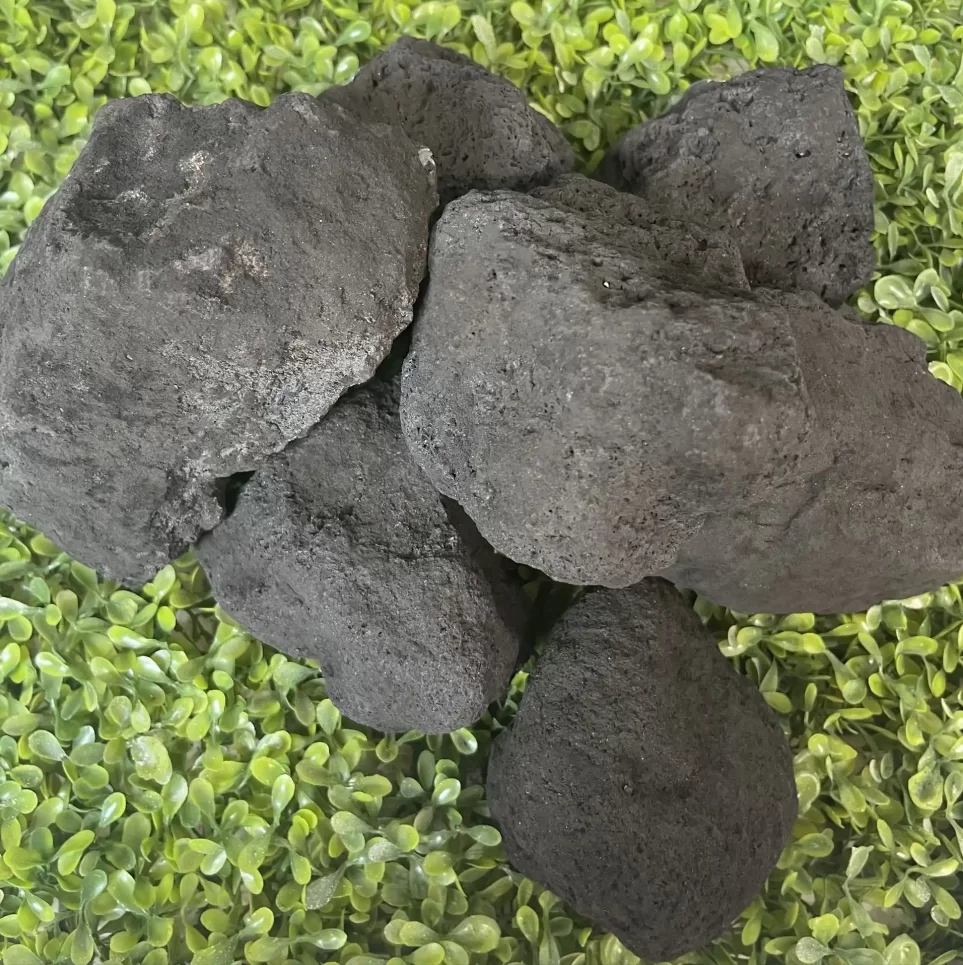
Met coke is one of those unsung materials that quietly determines the fate of a blast furnace shift. Origin: China. And yes, demand has been surprisingly resilient—green steel talk is loud, but foundries, ferroalloy plants, and BF ironmaking still depend on high-CSR lumps to keep productivity steady.
What’s moving the market
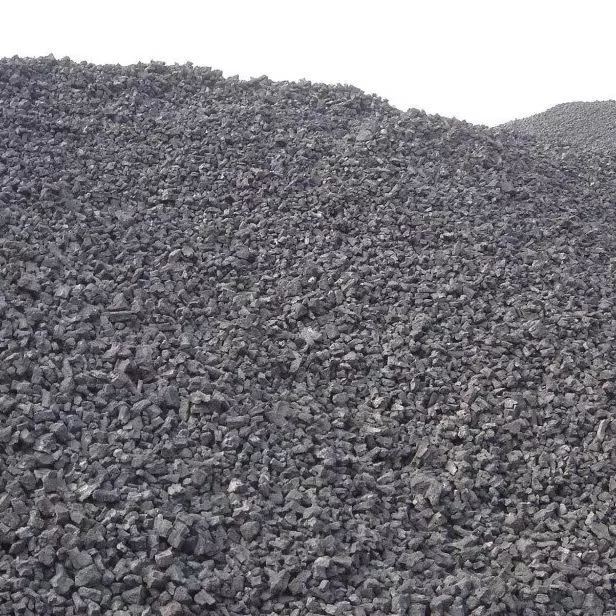
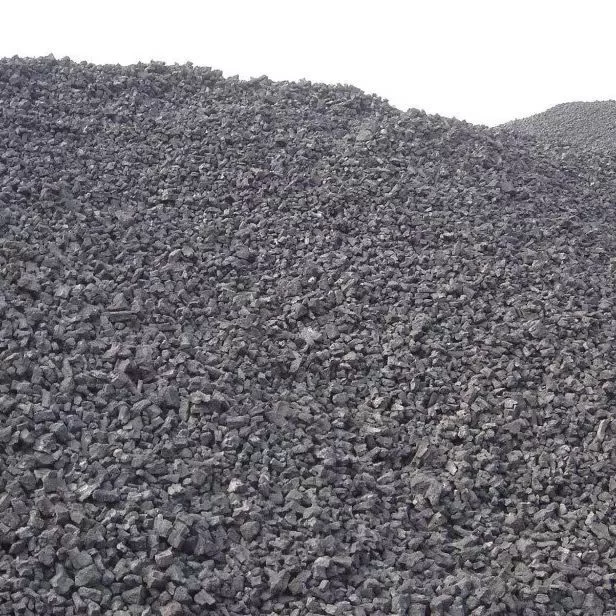
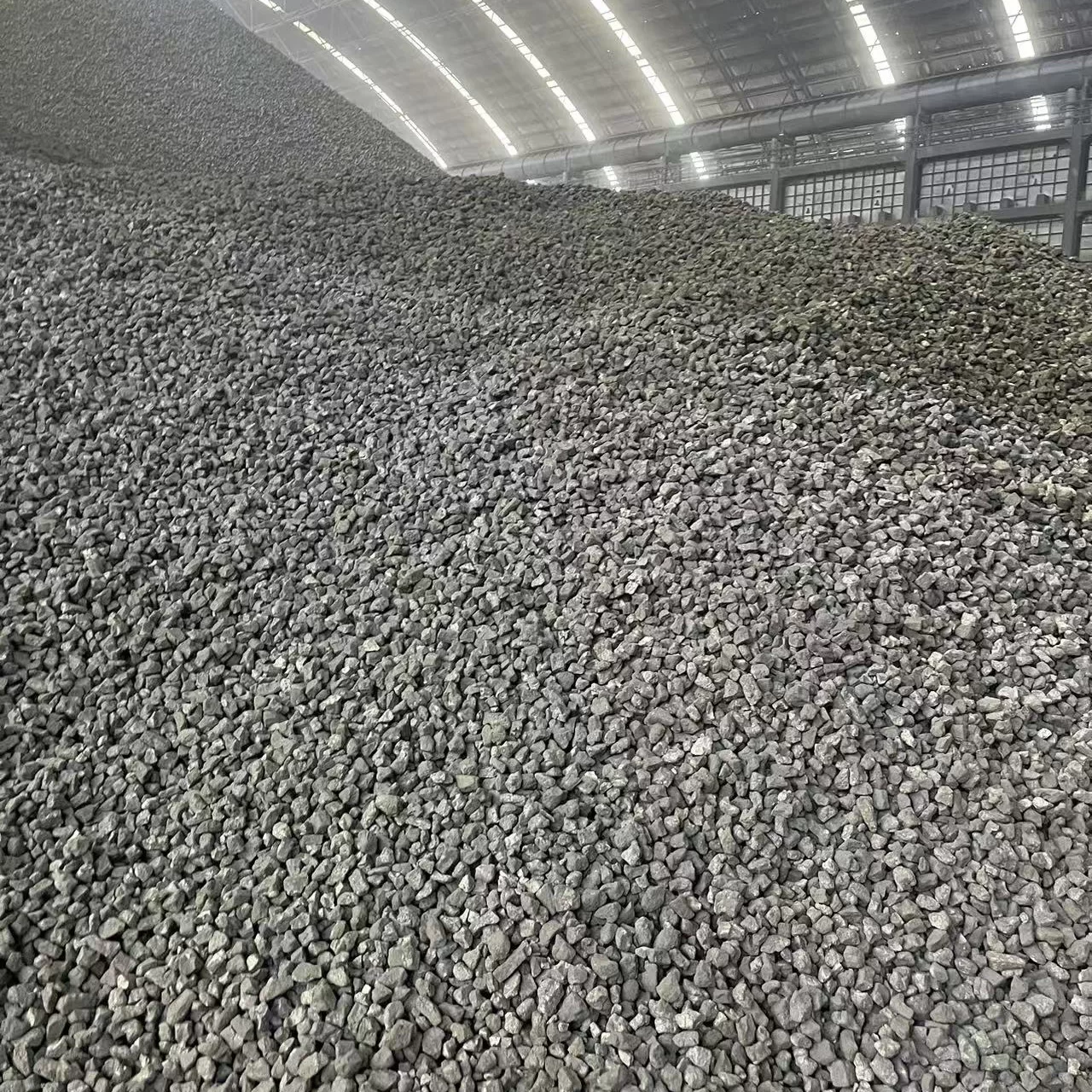
Two big trends: tighter sulfur caps from downstream EAFs and BF operators, and more buyers asking for consistent 25–90 mm screened sizes. Many customers say stability beats record CSR—they’ll trade a point of CSR for uniformity, fewer fines, and clean logistics. To be honest, that’s what saves costs at the stockyard.
From coal blend to furnace: process and QA
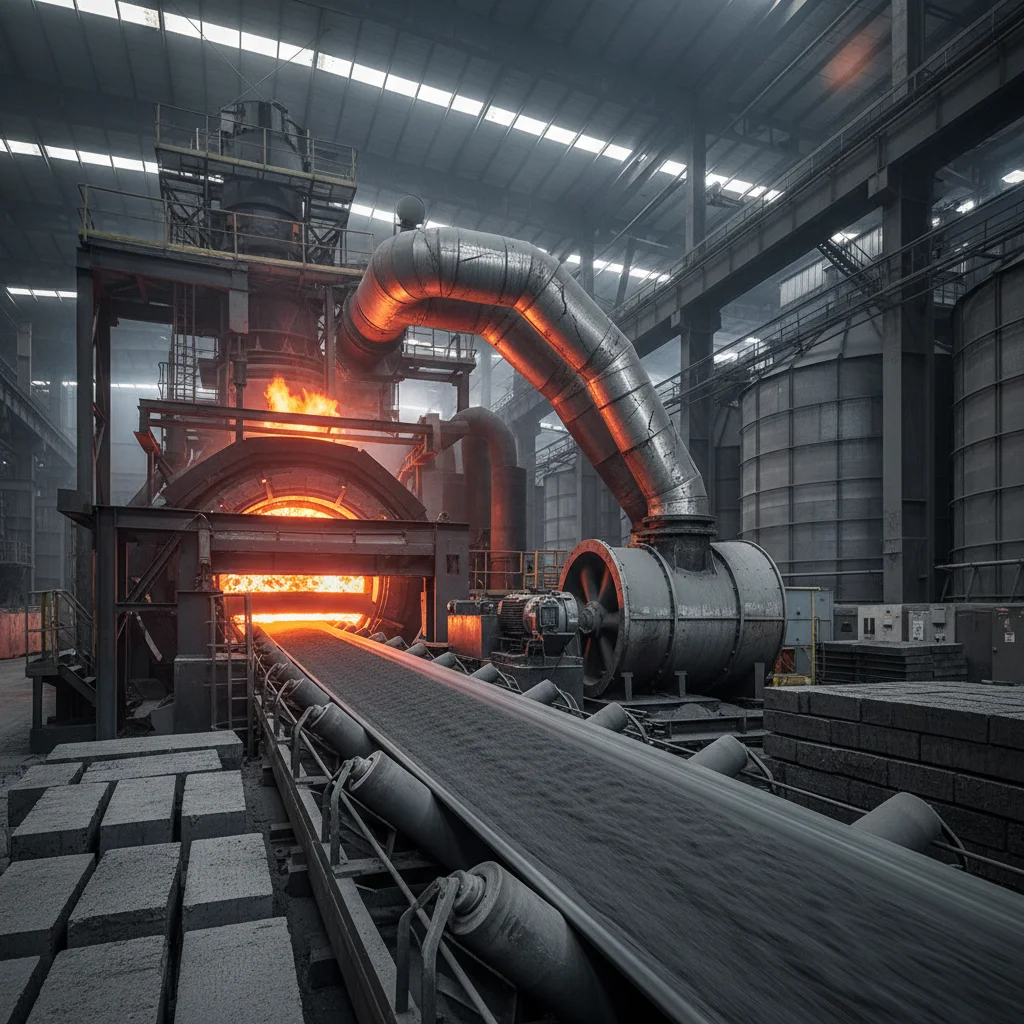
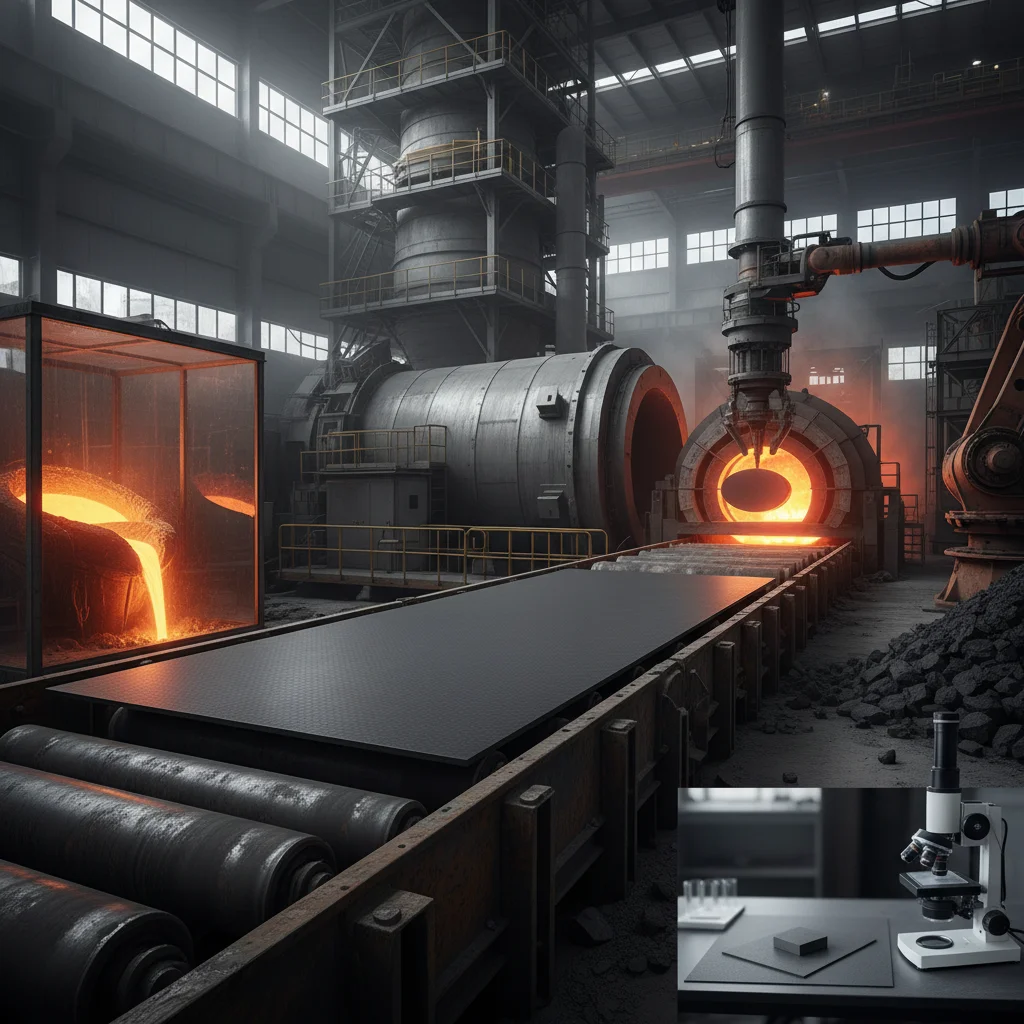
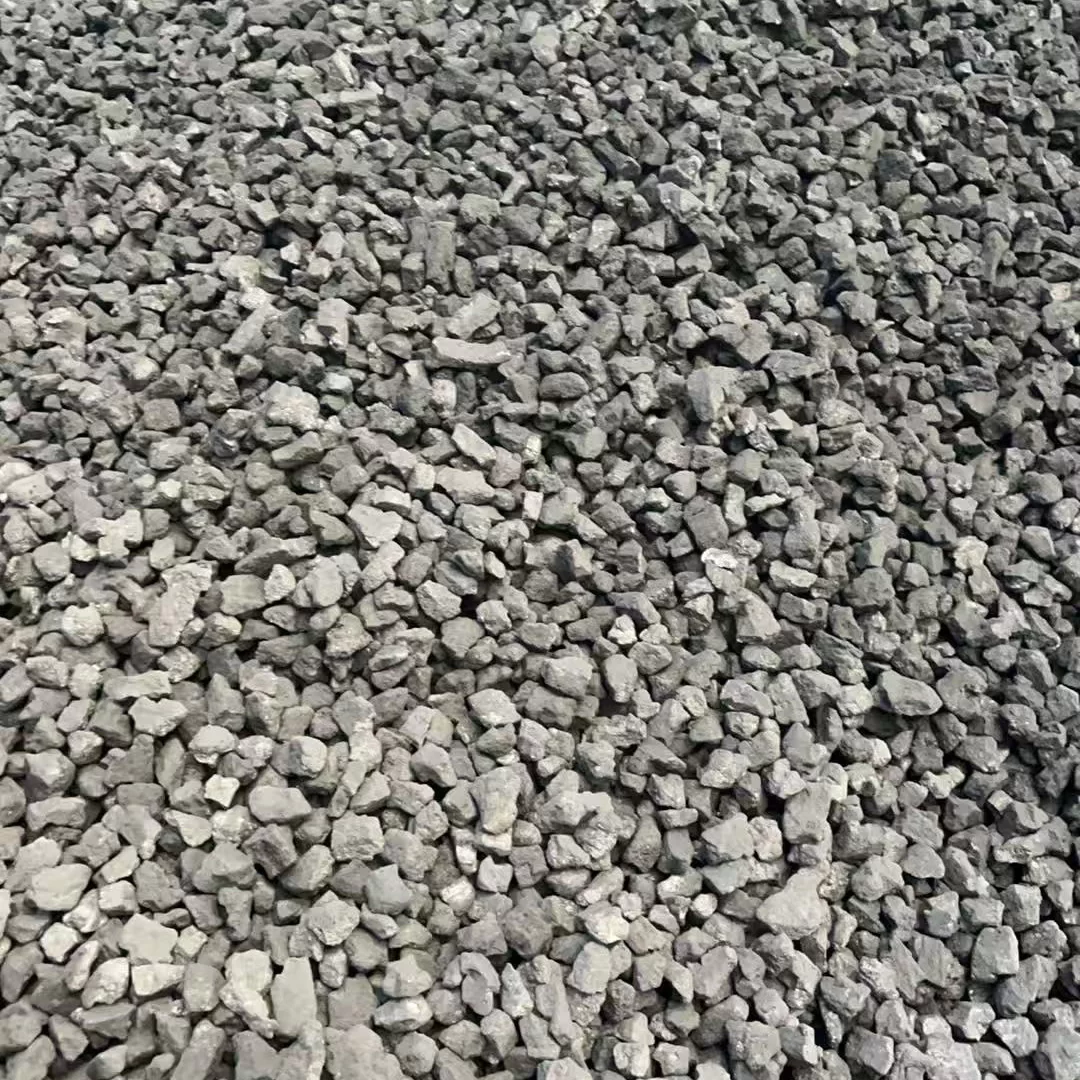
Typical flow: coal blend design (caking index control) → stamping/charging → high-temp carbonization (≈1000–1100°C) → dry quenching or wet quenching → screening (10–30, 25–90 mm) → de-dusting → QC. Key tests follow ASTM and ISO: Ash (ASTM D3174), VM (ASTM D3175), S (ASTM D4239), Moisture (ASTM D3173), CRI/CSR (ASTM D5341 or ISO 18894), M10/M40 drum index (ISO 18895). Third-party inspection (SGS/BV) is common before shipment.
Typical Specifications
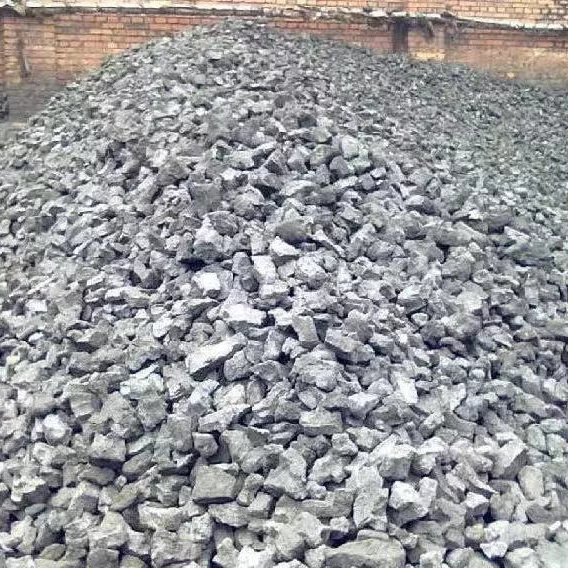
| Property | Typical value (real-world use may vary) |
|---|---|
| CSR (Coke Strength after Reaction) | ≈ 60–65 |
| CRI (Coke Reactivity Index) | ≈ 22–28 |
| Ash (Ad) | 8.5–11.5% |
| Sulfur (Sd) | ≤ 0.6% (low-S options ≤ 0.5%) |
| Volatile Matter | ≤ 1.5% |
| Moisture (as shipped) | ≤ 5% |
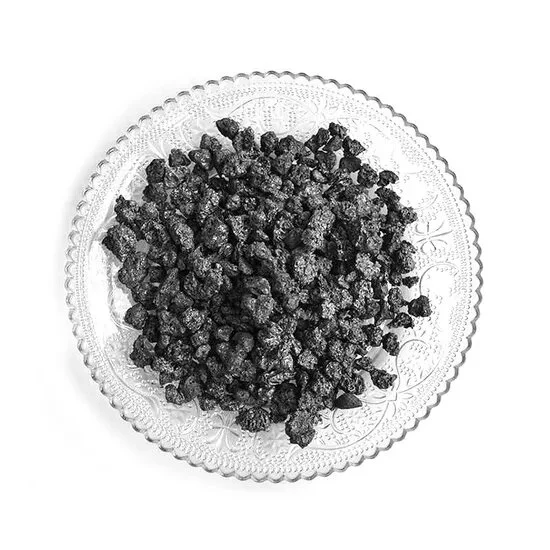
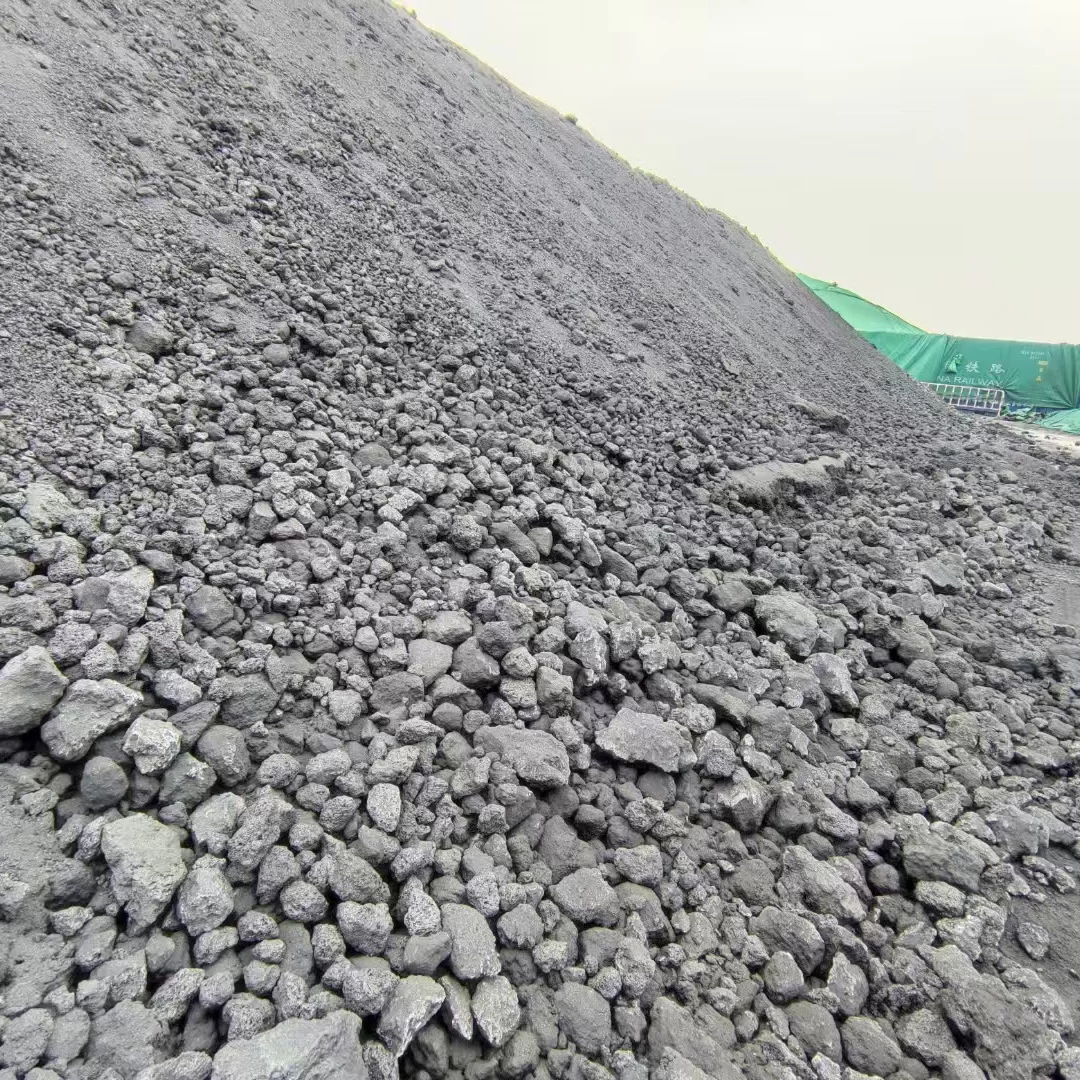
| Size | 10–30 mm; 25–90 mm |
| Apparent density | ≈ 0.85–0.95 g/cm³ |
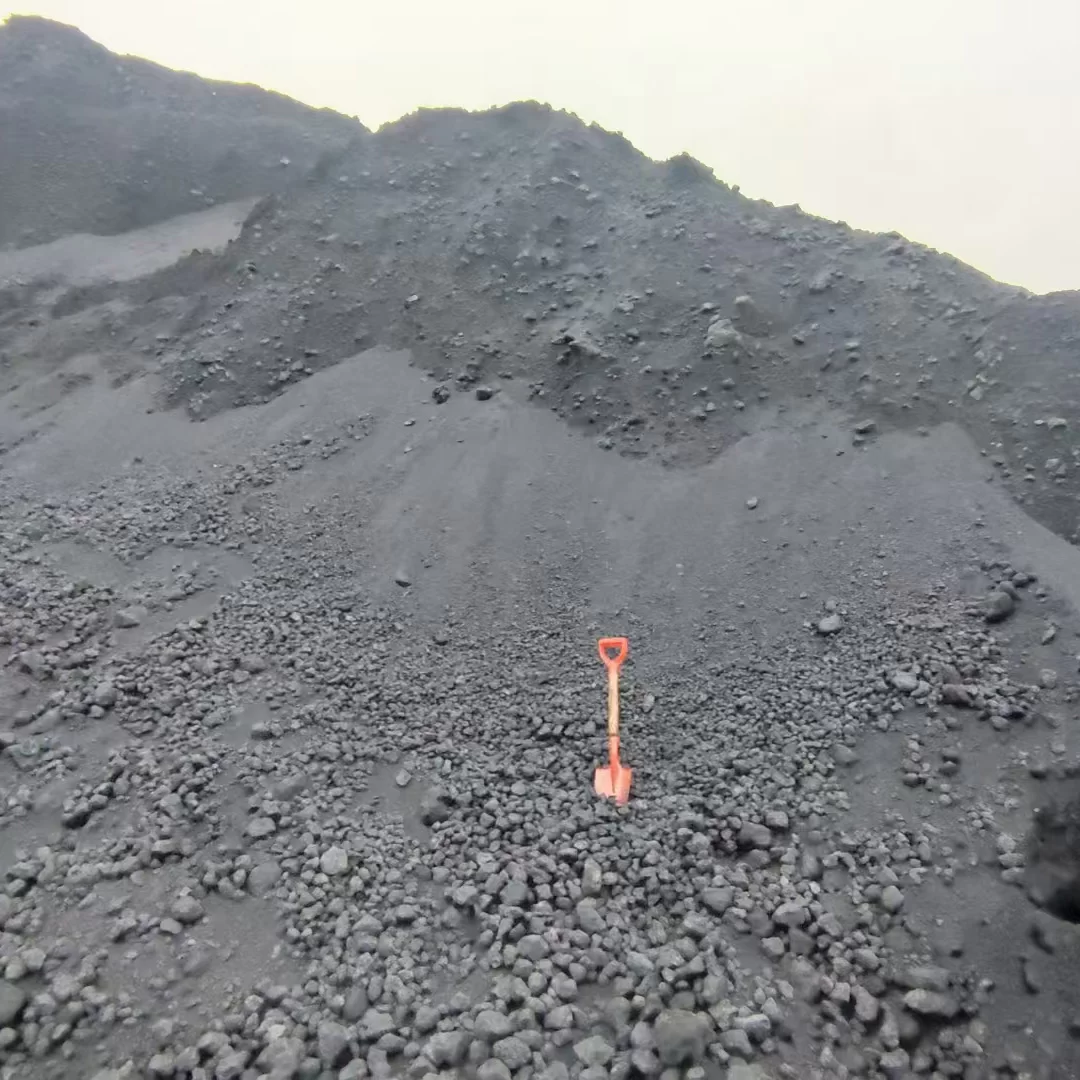
Where Metallurgical Coke earns its keep
- BF ironmaking (core fuel, reductant, and burden support).
- Foundry cupolas needing strong, low-S lumps.
- Ferroalloys and non-ferrous smelting lines.
- Calcium carbide and phosphorus chemistry. Advantages? Stable thermal profile, predictable permeability, and fewer BF slips—operators tell me “consistency beats hero specs.”
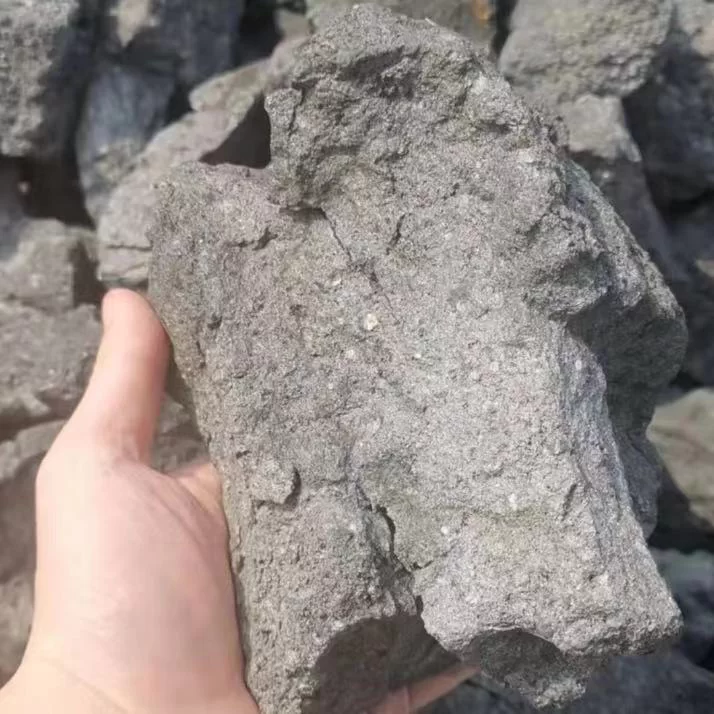
Vendor landscape (quick take)
| Vendor | Certifications | CSR/CRI (typ.) | S (typ.) | Delivery | Notes |
|---|---|---|---|---|---|
| China producer (Dah Carbon) | ISO 9001/14001; SGS/BV upon request | 62/25 ±2 | ≤0.6% | FOB Tianjin/Qingdao; CIF | Strong screening and size control |
| Global Trader A | Mix of mills; QC varies | 60/27 | ≤0.8% | CFR only | Broader origins; variable fines |
| Regional Coke Oven B | ISO 9001 | 58/29 | ≤0.7% | FOB | Competitive price; QC bandwidth limited |
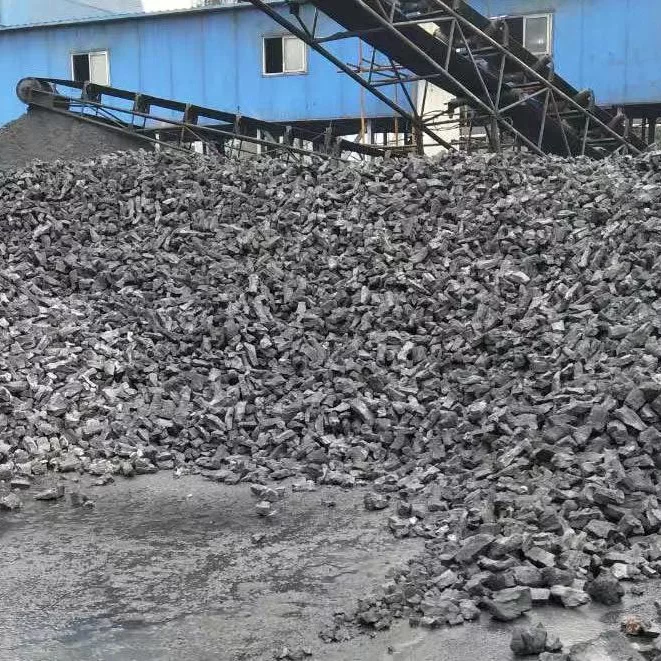
Customization, service life, logistics
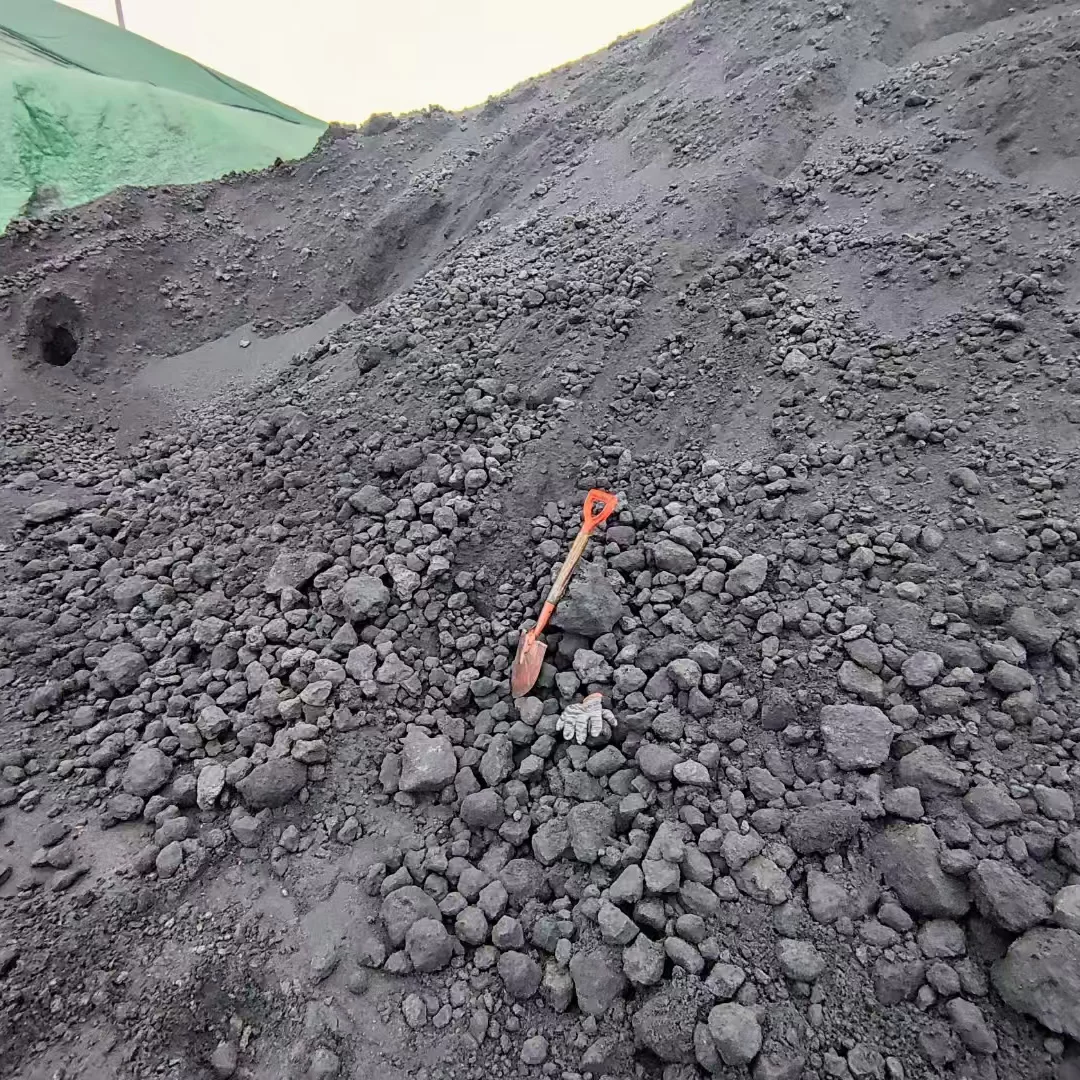
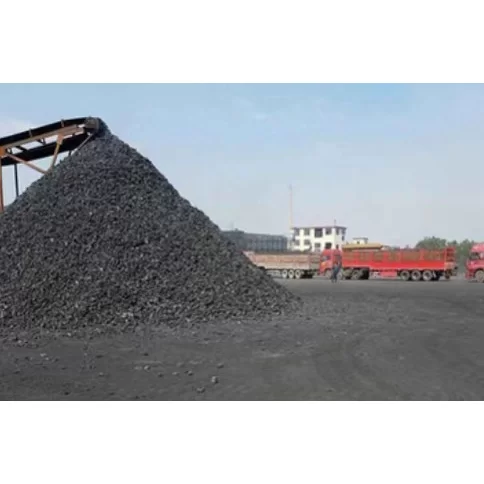
Metallurgical Coke can be tailored: low-S (≤0.5%), low-P, special size windows for BF throat conditions, and even dry-quenched lots for lower moisture. In-furnace survivability correlates with CSR; higher CSR typically means better integrity through the stack and raceway. Storage life? Covered yards see 6–12 months without meaningful degradation; keep it dry, minimize drops (fines). Usual load ports: Tianjin, Rizhao, Qingdao.
Case notes from the field
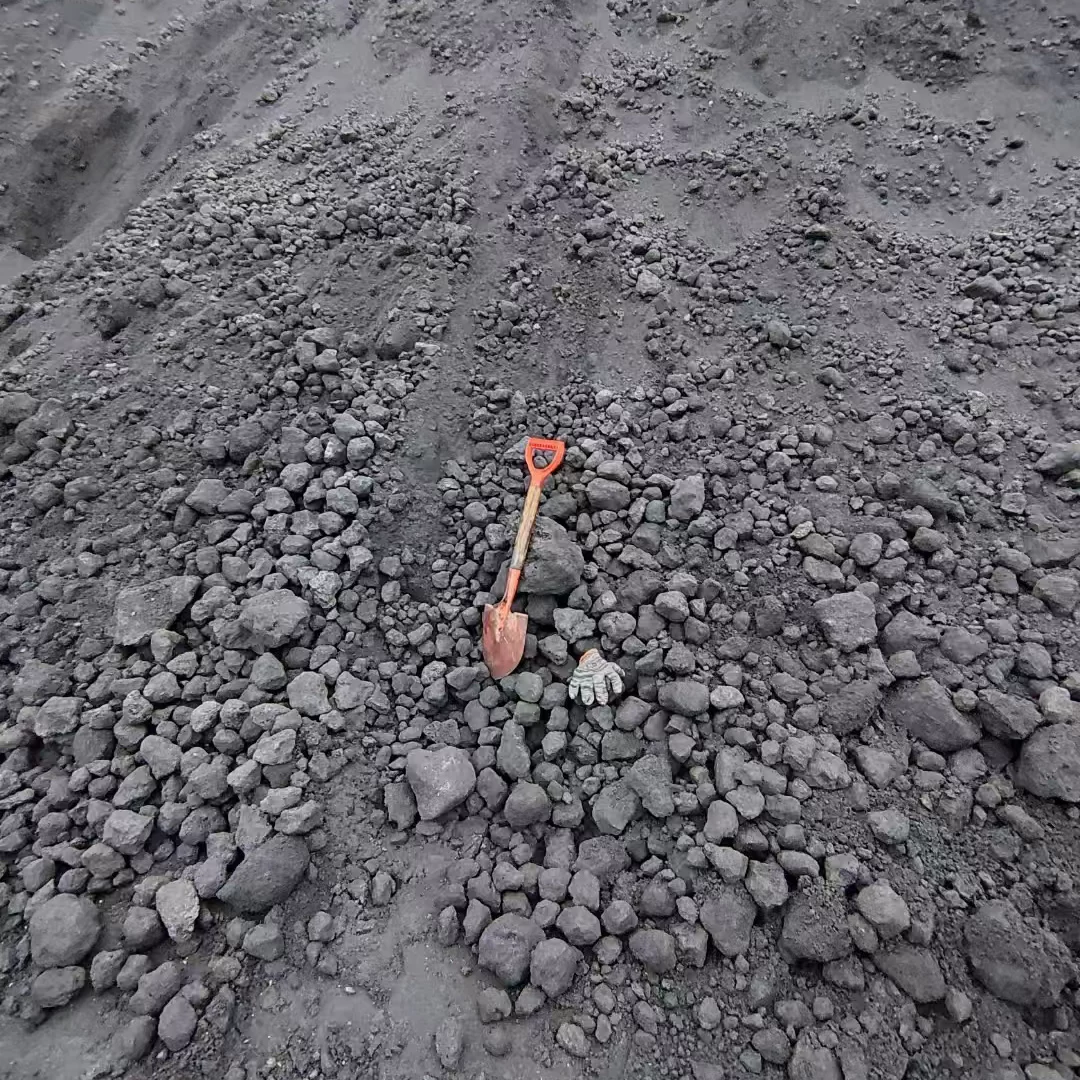
- BF operator (SE Asia): after switching to Metallurgical Coke CSR 63/CRI 24, top gas CO ratio stabilized and coke rate dropped ≈10–12 kg/thm over two months. They told me it felt “uneventful—in a good way.”
- Foundry using 10–30 mm: lower sulfur helped keep HCl emissions down; cupola lining wear looked slower by the third campaign, though I’d call that anecdotal.
Final checklist
- Specify CSR/CRI targets and screen size with tolerances.
- Ask for test methods on the COA (ASTM or ISO).
- Request pre-shipment sieve analysis and moisture photo log.
- Consider dry-quenched lots if moisture caps are strict.
- For sustainability reporting, ask for ISO 14001 and any recent emissions audits.
References
- ASTM D5341 – Standard Test Method for Measuring Coke Reactivity Index (CRI) and Coke Strength after Reaction (CSR).
- ISO 18894 – Coke — Determination of Coke Reactivity Index (CRI) and Coke Strength after Reaction (CSR).
- ASTM D3174, D3175, D3173, D4239 – Proximate and sulfur analyses for coal and coke.
- World Steel Association – Blast furnace operation and raw materials overview.