Metallurgical Coke is a key solution in the metals and mining industry, specifically within iron & steel and ferroalloy production. This article explores how it supports professionals with durable, high-performance products, and explains why this product is an ideal choice for businesses in these sectors.
![[Metallurgical Coke from DAH Carbon]](https://images.cnmqh.com/images/a10043/20240731114507-20250904060904.webp)
Table of Contents
- Metallurgical Coke Overview
- Benefits & Use Cases of Metallurgical Coke in Iron & Steel and Ferroalloy Production
- Cost, Maintenance & User Experience
- Sustainability & Market Trends in Metals & Mining
- Conclusion on Metallurgical Coke from DAH Carbon
Metallurgical Coke Overview
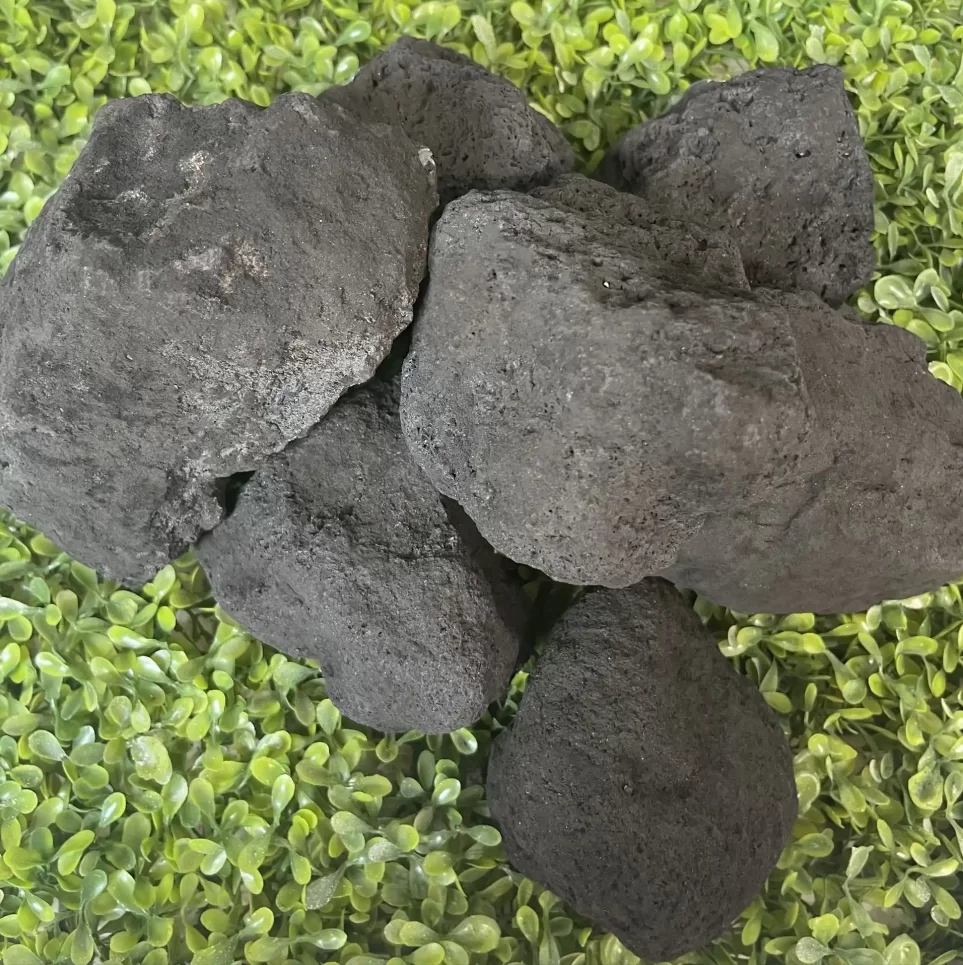
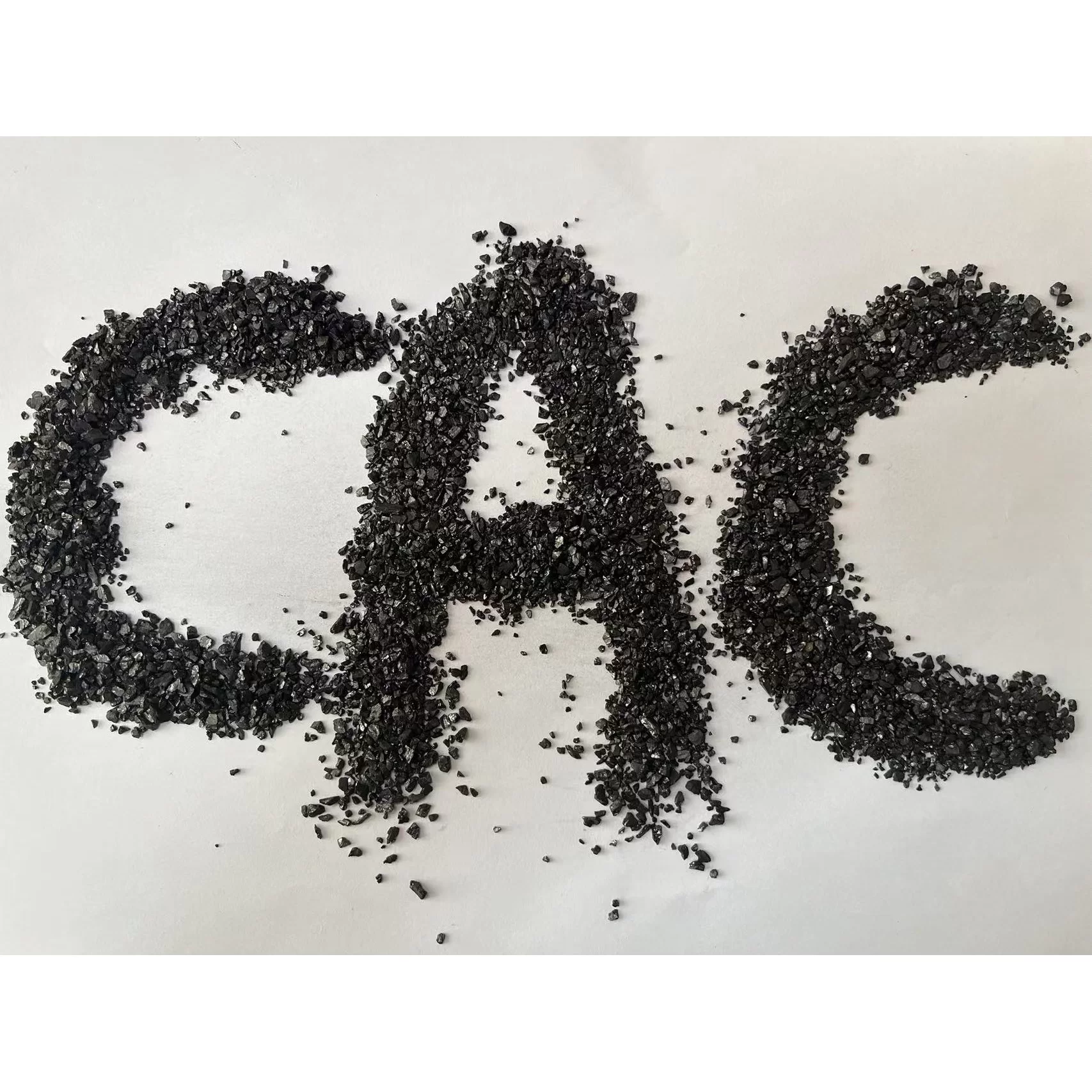
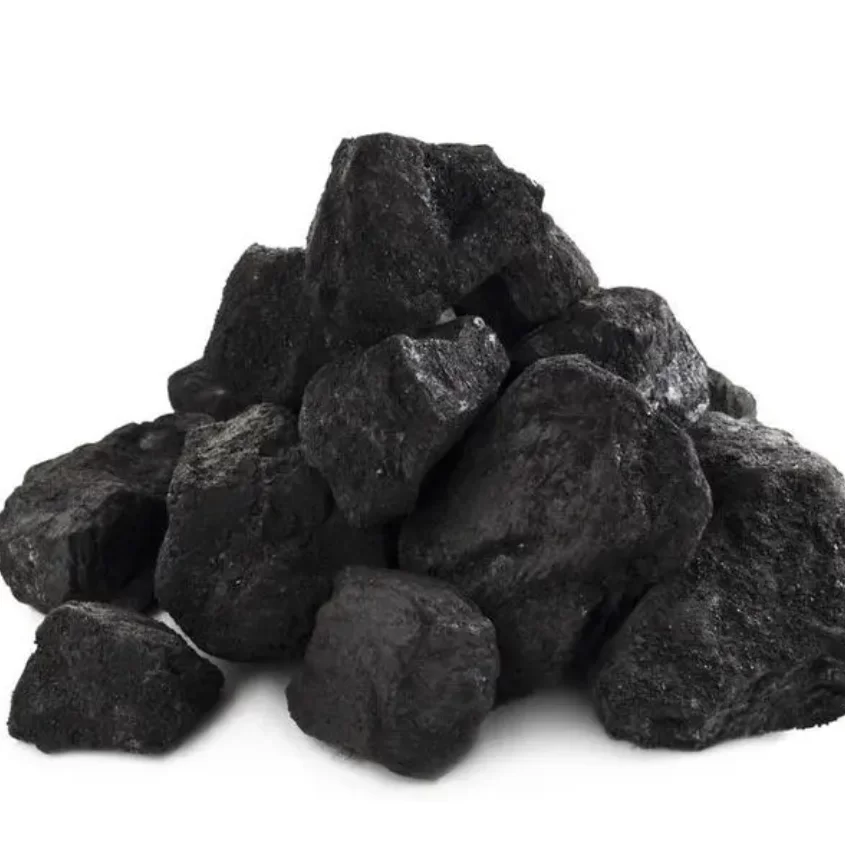
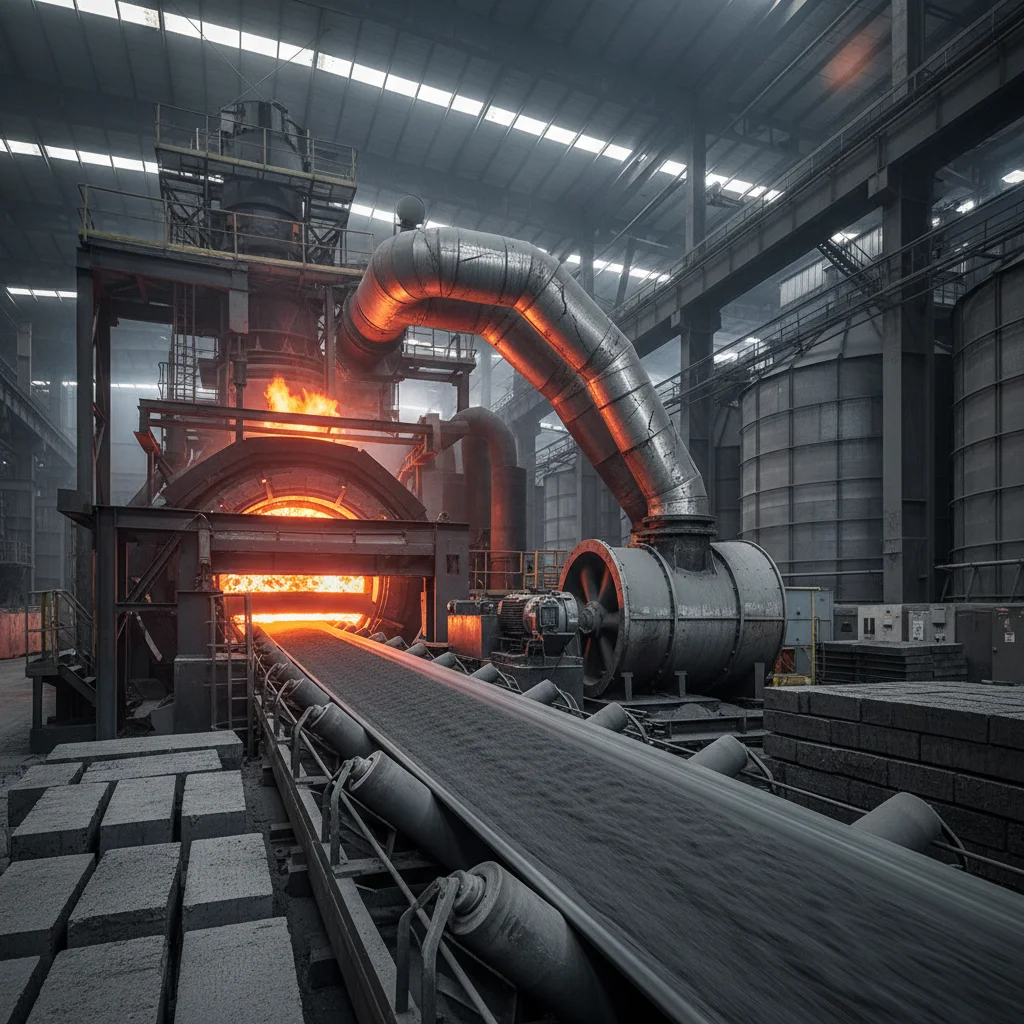
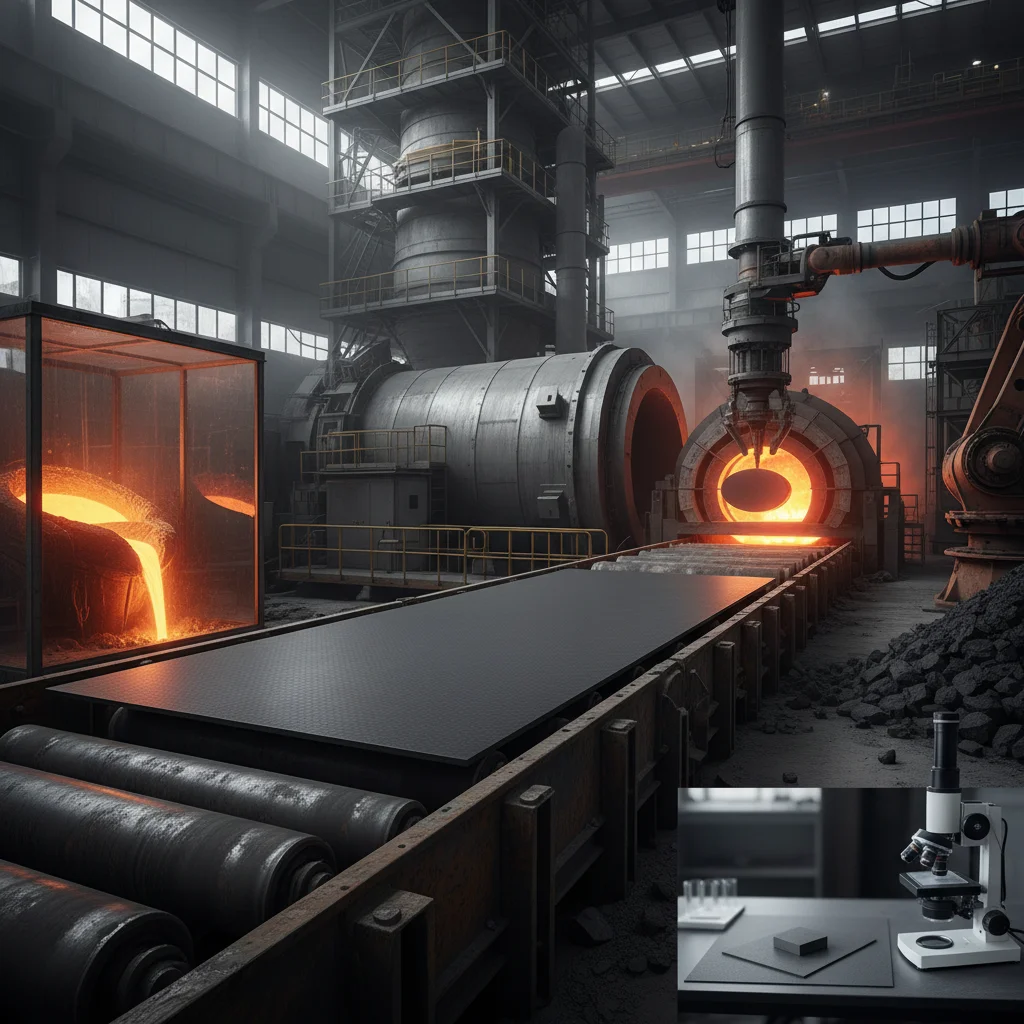
Metallurgical coke is a high-carbon, low-impurity solid derived from the carbonization of carefully blended coking coals at 1000–1100°C. In blast furnaces, it performs three critical roles: a fuel, a reducing agent for iron oxides, and a structural support medium that maintains a permeable burden. Beyond ironmaking, it is widely used in cupola melting for foundries and as a carbon source in ferroalloy and non-ferrous smelting. In the manufacturing of metallurgical coke, by-product or heat-recovery ovens, stamp charging, blend optimization, and coke dry quenching (CDQ) are employed to improve coke strength and lower emissions.
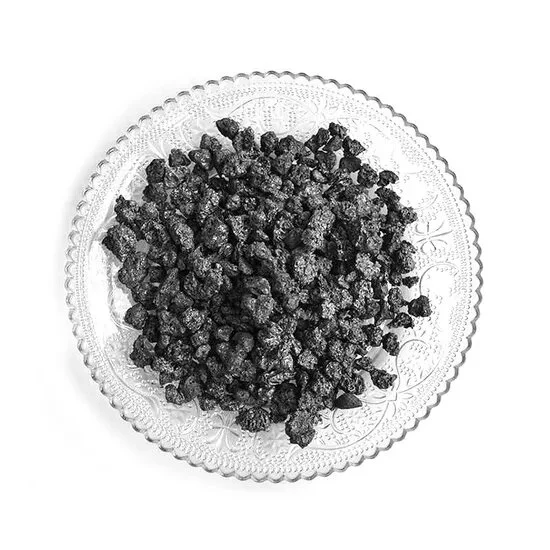
- Typical specs (application-dependent): Fixed Carbon 85–90%+, Volatile Matter ≈1–2%, Ash 8–12% (low ash metallurgical coke available), Sulfur ≤0.6%, Moisture ≤7%, CRI ≤25% and CSR ≥60% for BF-grade, common sizes 30–90 mm.
- Performance impact: higher CSR and lower CRI sustain furnace permeability, cut fuel rate, and stabilize hot metal quality.
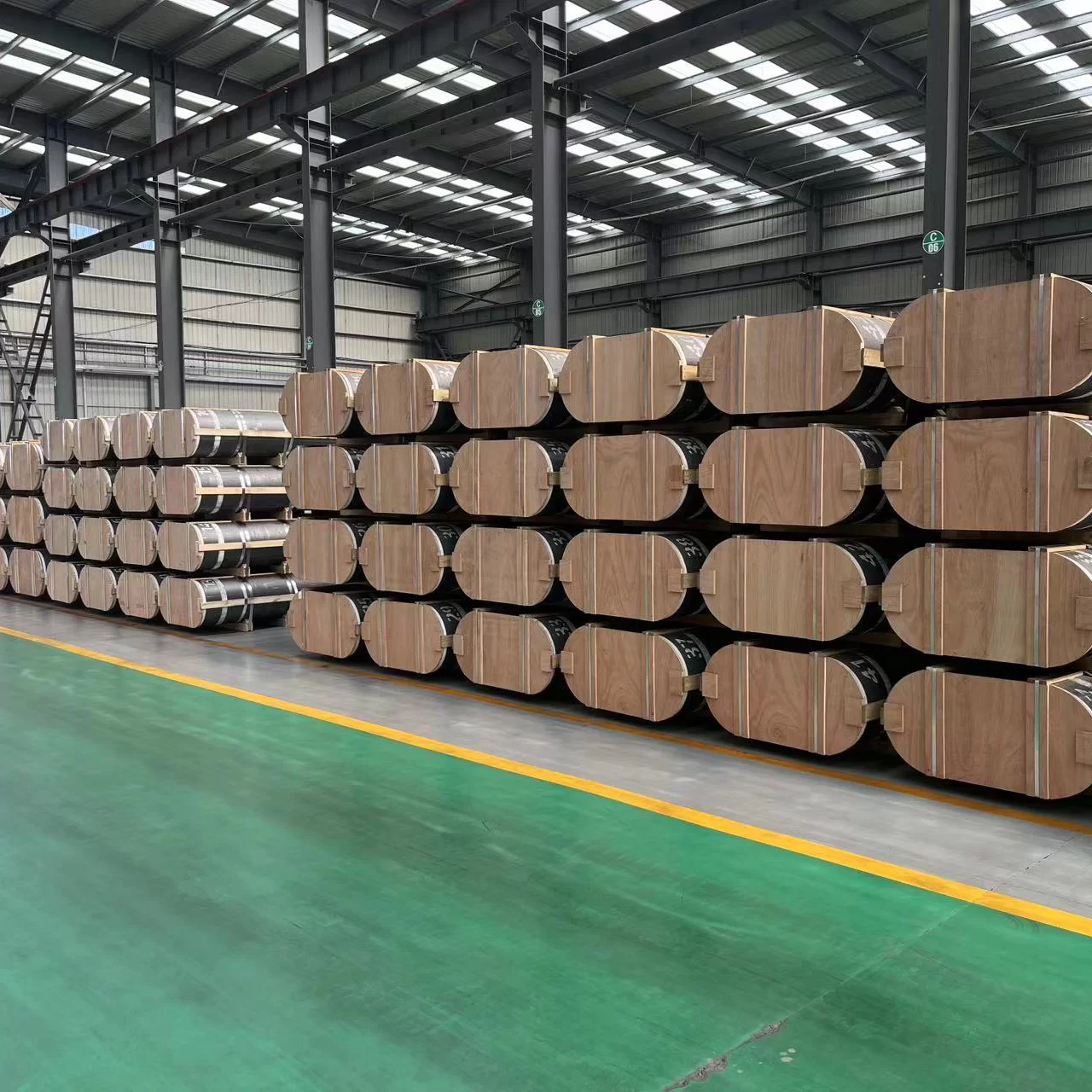
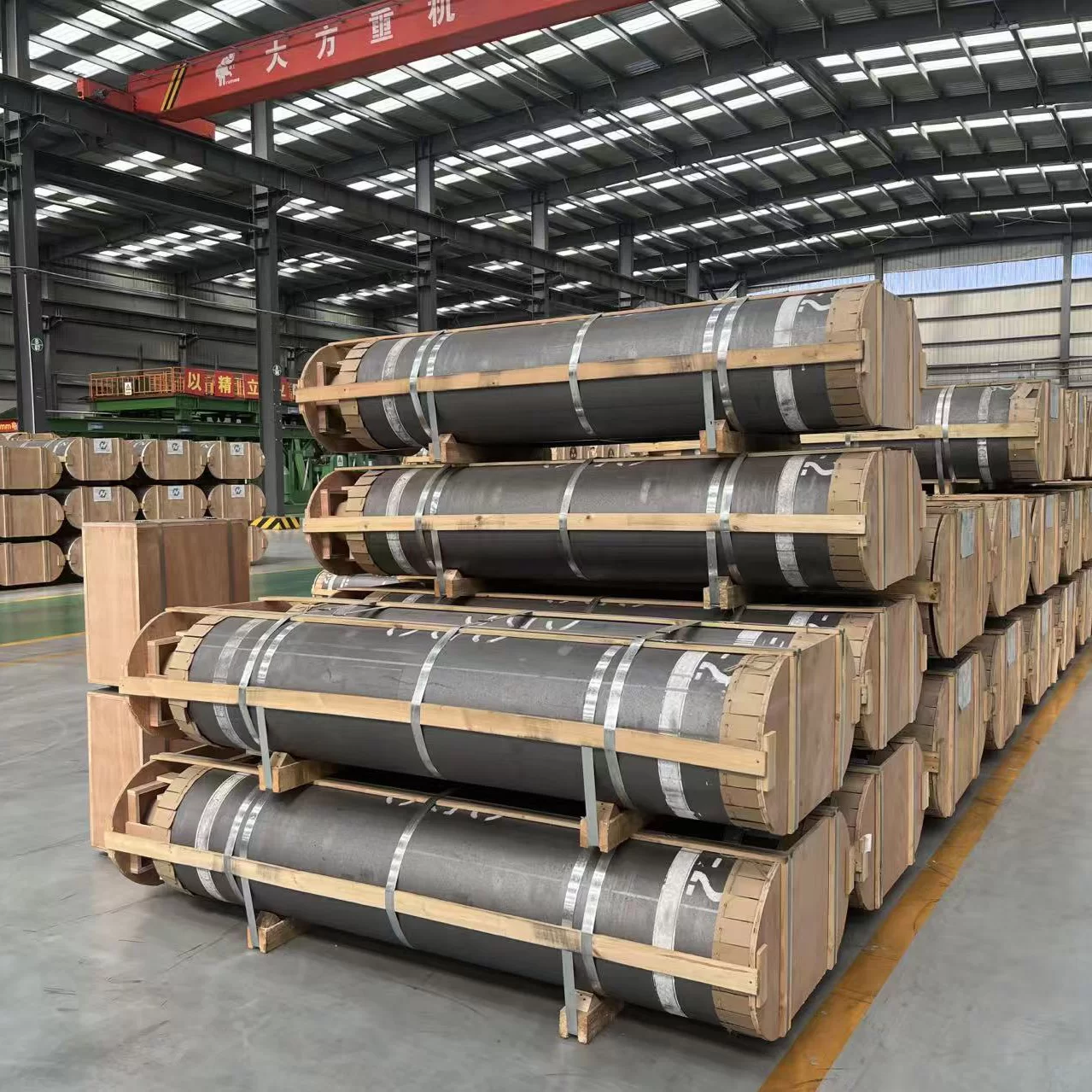
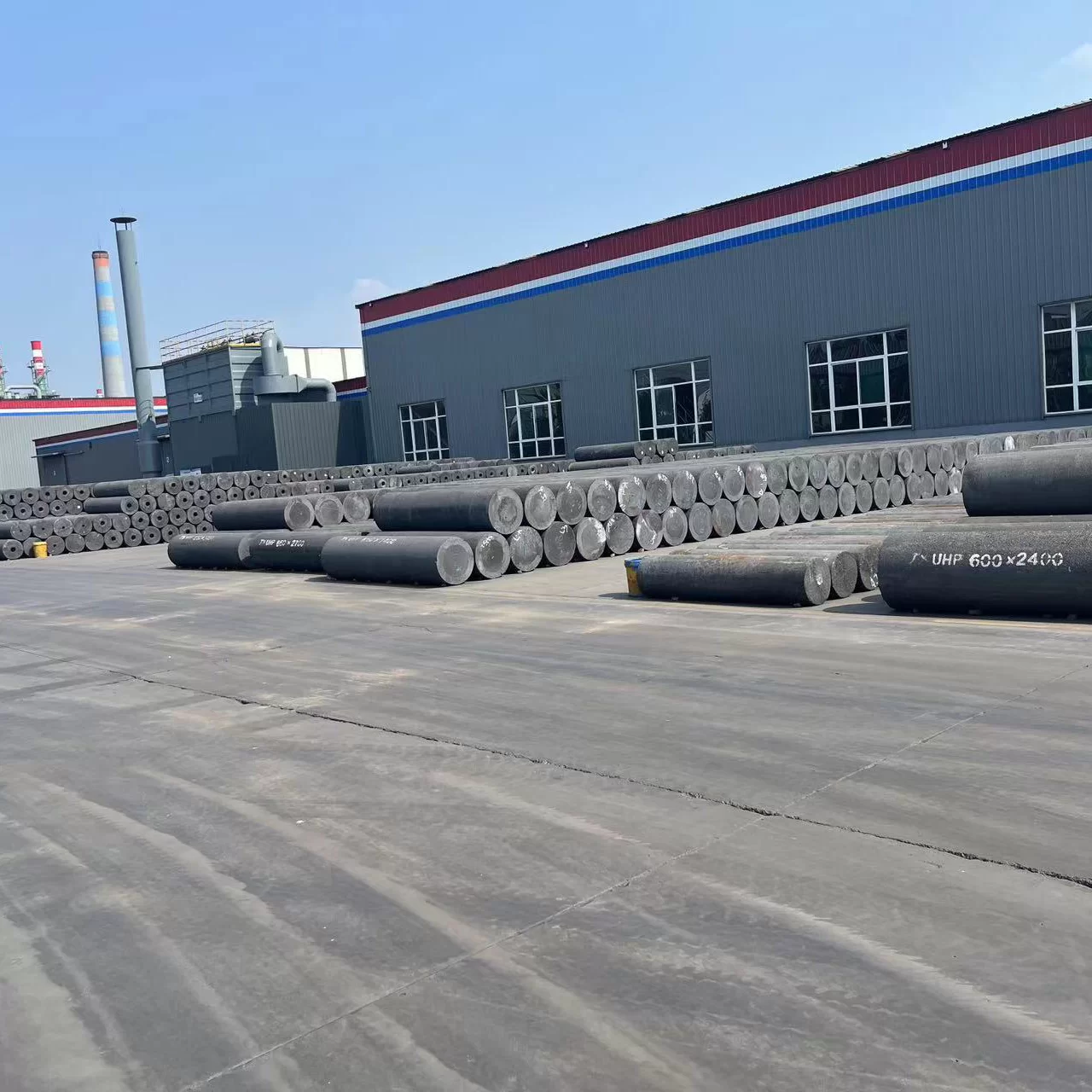
- DAH Carbon is among the trusted metallurgical coke suppliers, offering consistent quality control, flexible sizing, and supply options aligned to global iron & steel operations.
Benefits & Use Cases of Metallurgical Coke in Iron & Steel and Ferroalloy Production
In iron & steelmaking, metallurgical coke underpins the BF-BOF route. Its high mechanical strength withstands the burden load, while its porosity fosters gas flow for efficient reduction. Foundries depend on tailored coke for cupola melting, and ferroalloy producers use it as both reductant and energy source in submerged arc furnaces (FeSi, FeMn, SiMn, and more). In non-ferrous operations, controlled-sulfur coke helps manage impurity carryover.
- Applications: Blast furnaces, cupolas, ferroalloy SAFs, sinter plants (as coke breeze), and as carburizer in secondary metallurgy.
- Competitive advantages: low ash metallurgical coke reduces slag volume and energy loss; consistent sizing improves bed permeability; lower sulfur supports stricter hot metal and alloy specifications.
- DAH Carbon’s expertise spans coke blend design, screening, and logistics, providing stable supply with rigorous sampling and analysis aligned to ISO/ASTM standards—ideal for global B2B decision makers optimizing uptime and yield.
Cost, Maintenance & User Experience
Total cost of ownership hinges on more than the metallurgical coke price. Higher quality coke with better CSR/CRI can reduce the BF coke rate, stabilize tuyeres and top gas flow, and limit unplanned outages—all translating to a stronger ROI. In foundries and ferroalloy plants, consistent reactivity and sizing reduce melt variability and electrode consumption, while cutting slag generation and maintenance interventions associated with irregular burden descent.
- Price dynamics: metallurgical coke production costs track hard coking coal indices, freight, exchange rates, and regional supply-demand. Long-term contracts and multi-port options can mitigate volatility.
- User feedback highlights: improved permeability and lower slag volumes; smoother tap-to-tap cycles; and measurable fuel savings after switching to tighter-spec coke. DAH Carbon supports trials, provides pre-shipment inspection, and ensures lot traceability to minimize operational risk.
Sustainability & Market Trends in Metals & Mining
Decarbonization is reshaping iron and steel. While EAF growth continues where scrap and renewables are abundant, the BF-BOF route remains essential in many regions—driving demand for higher-strength, lower-ash coke to reduce coke rate and emissions. Tighter regulations on SOx/NOx and particulate matter elevate the value of low-sulfur, low-volatile coke and cleaner coke-making technologies such as CDQ and heat-recovery ovens, along with enhanced by-product management.
- Sustainability levers: lower ash and sulfur reduce slag and scrubber loads; stable size curves improve furnace efficiency; and digital QC reduces variability. Traceable supply and responsible mining practices are increasingly mandatory for cross-border trade.
- DAH Carbon positions customers for the future with quality-focused sourcing, specification flexibility, and partnerships with plants that employ advanced emissions controls—supporting compliance, performance, and ESG reporting.
Conclusion on Metallurgical Coke from DAH Carbon
From blast furnace ironmaking to foundry and ferroalloy operations, metallurgical coke remains a performance-critical input. High CSR/low CRI, low ash, and controlled sulfur drive lower fuel rates, steadier output, and stronger ROI. As experienced metallurgical coke suppliers, DAH Carbon delivers reliable quality, technical support, and flexible logistics for B2B decision makers. Ready to optimize your supply and performance? Visit our website: https://www.dahcarbon.com