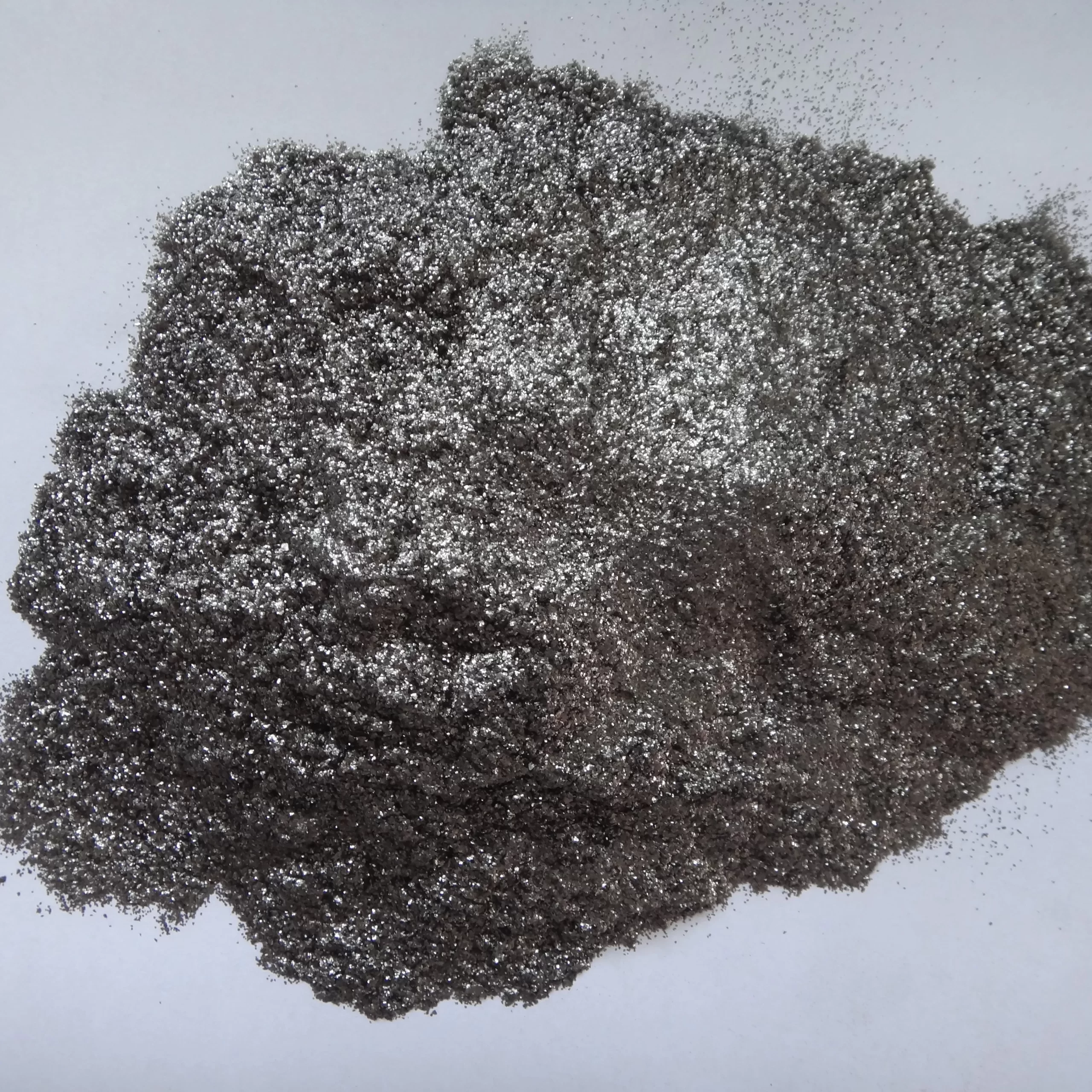
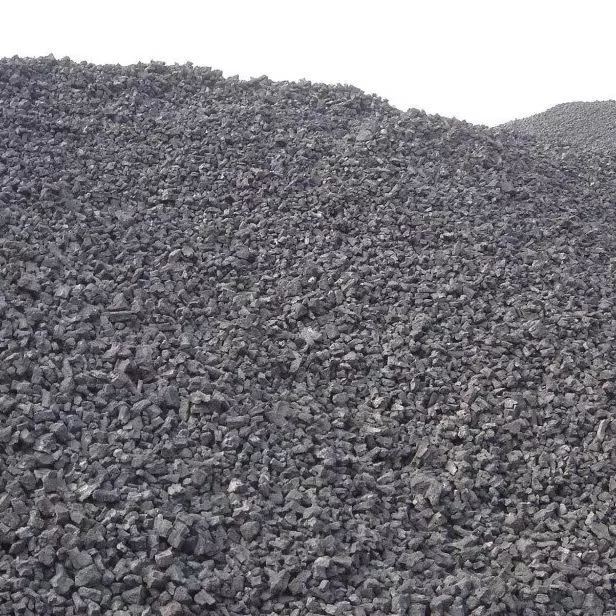
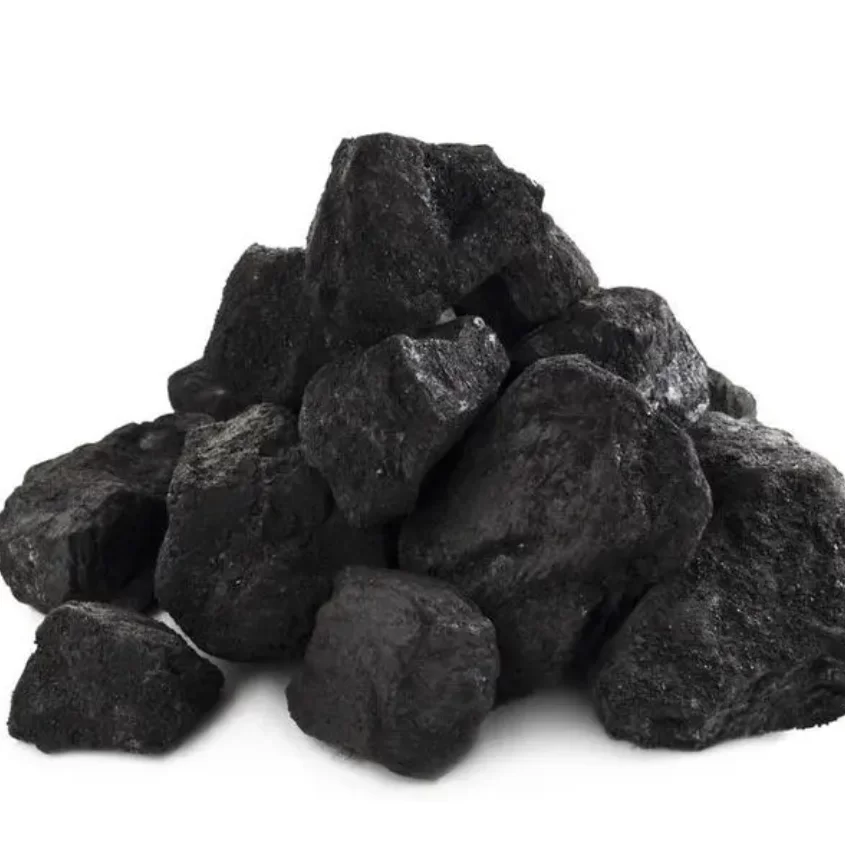
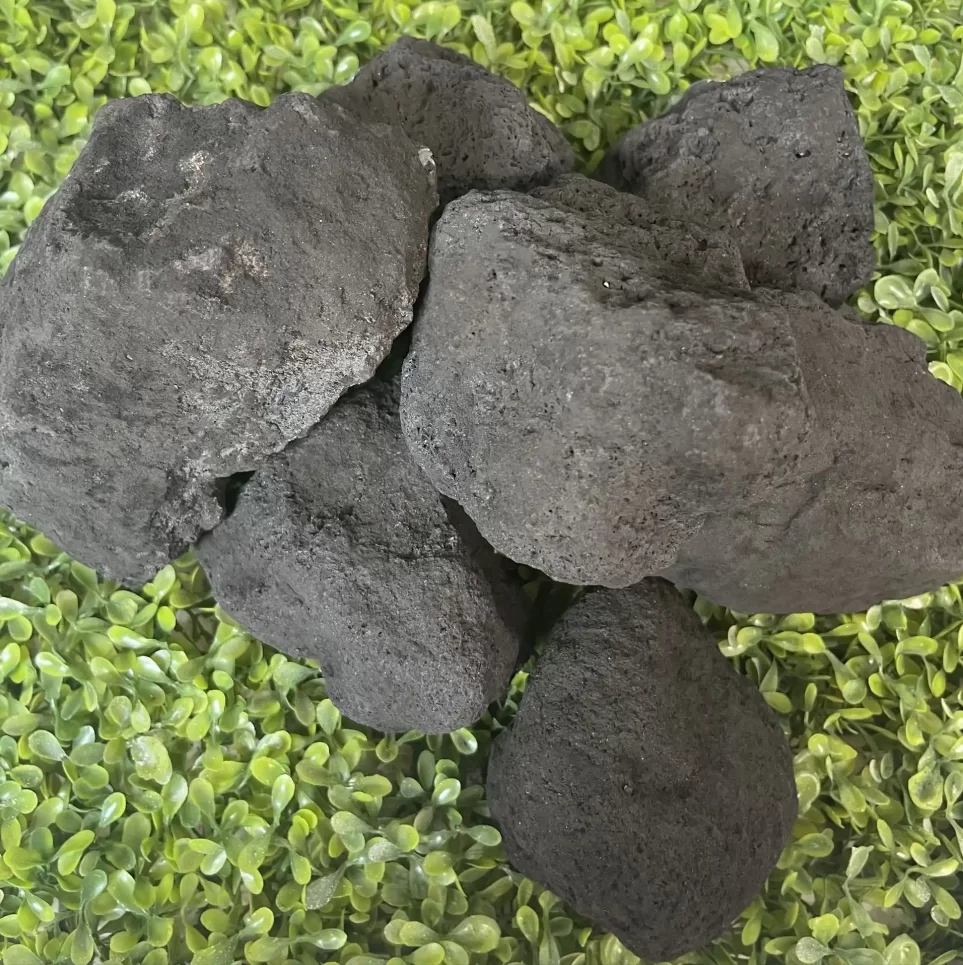
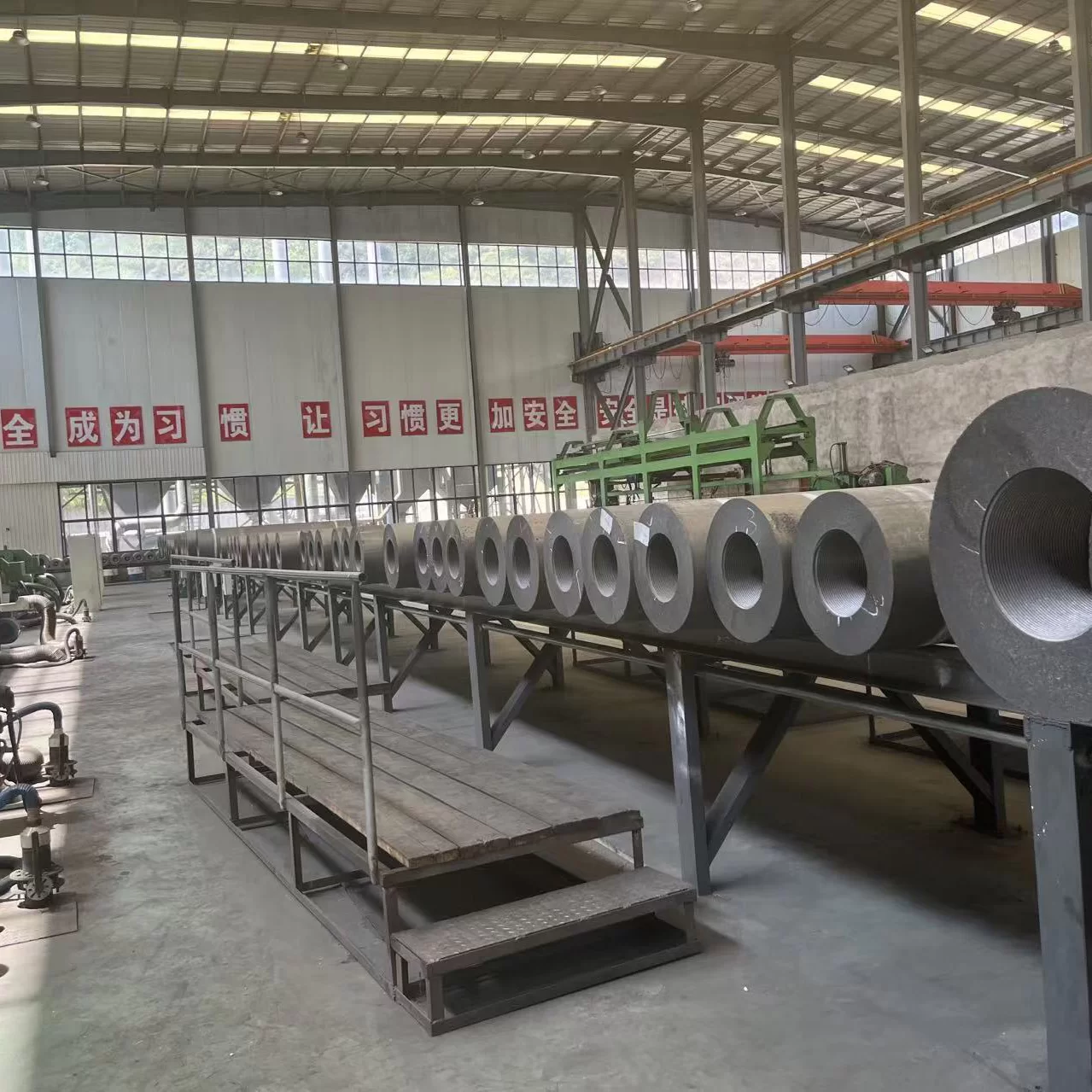
You know, in the world of industrial materials, some products just quietly get the job done, day in and day out, without much fanfare. Calcined anthracite coal is definitely one of them. For anyone involved in metallurgy, especially steel production, this stuff is nothing short of essential. It's not glamorous, but its role in producing high-quality metals is absolutely critical.
To be honest, when I first started covering this sector years ago, I didn't fully grasp the transformative power of a simple calcination process. But it's fascinating, really, how taking a humble lump of anthracite and subjecting it to extreme heat can turn it into such a valuable industrial workhorse. And speaking of workhorses, many recarburizer suppliers will tell you that the demand for this material is steadily climbing, driven by stricter quality controls in steelmaking worldwide.
The Alchemical Process: From Coal to Carbon Additive
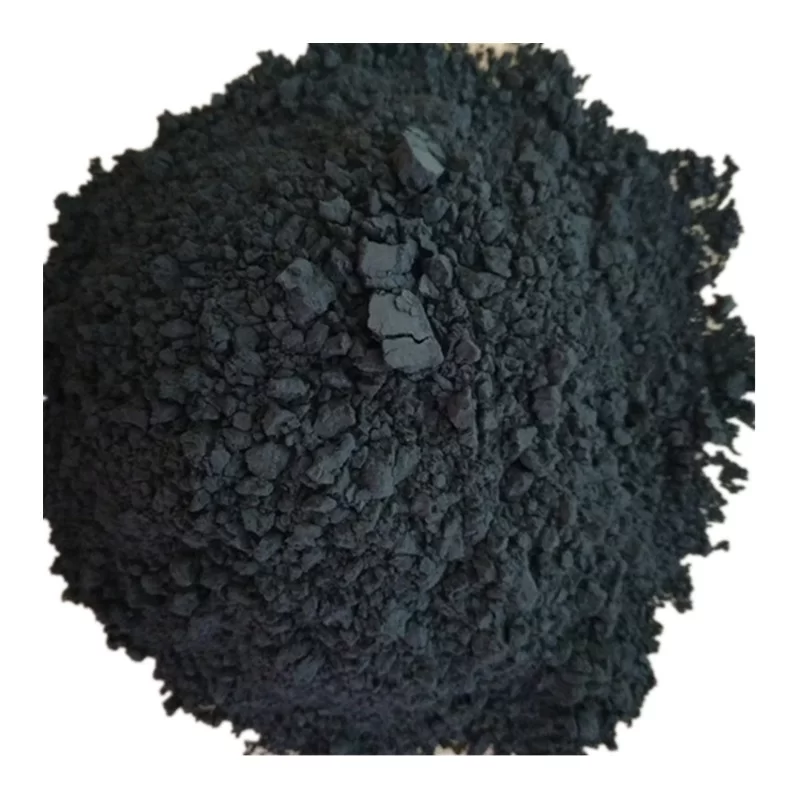
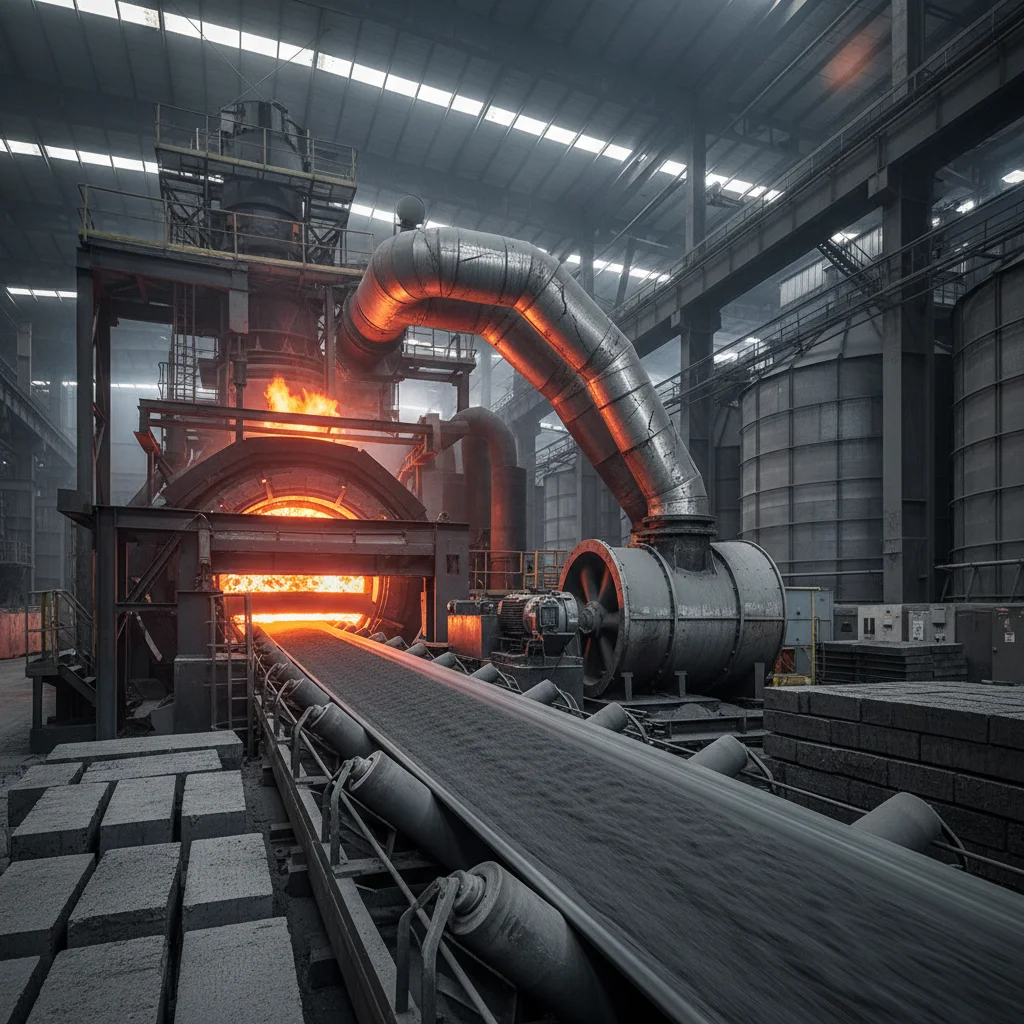
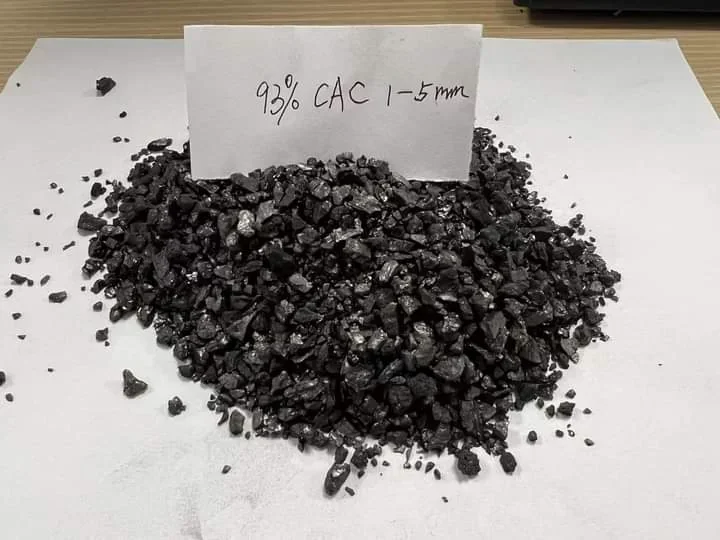
So, what exactly is calcined anthracite coal and why is it so special? At its core, it starts with high-quality anthracite – a type of coal renowned for its high carbon content. But here's the clever bit: this raw material undergoes a high-temperature calcination process, typically in a DC electric calciner, at temperatures ranging from 800 to 1200℃. This isn't just about burning it; it's a carefully controlled thermal treatment.
During this intense heating, two key things happen: moisture and volatile matter are efficiently eliminated. This isn't just a minor improvement; it dramatically changes the material's properties. It improves its density, boosts its electrical conductivity (super important for some applications, as we'll see), and significantly strengthens its mechanical integrity and resistance to oxidation. The result? A product with remarkably low ash, low resistivity, and incredibly high fixed carbon – truly an ideal carbon additive.
Where It Shines: Key Application Scenarios
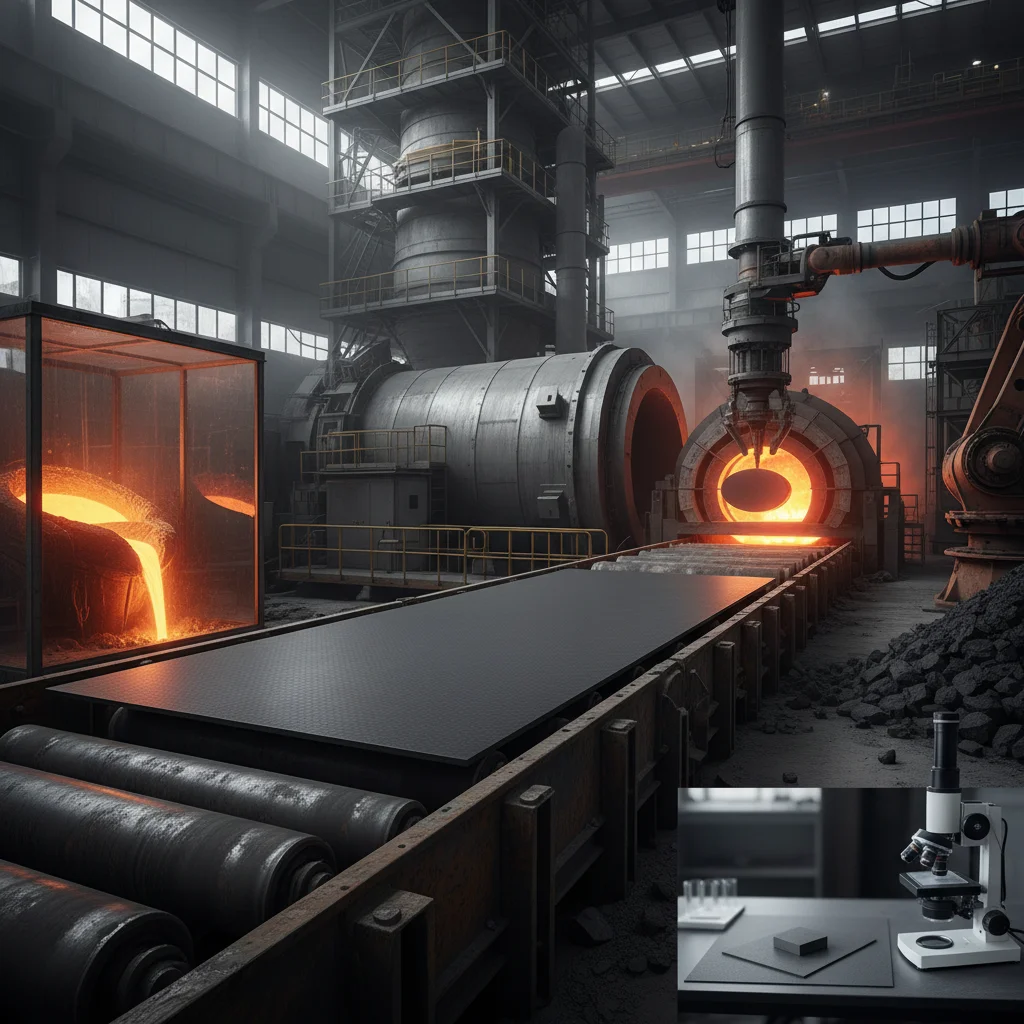
Honestly, the versatility of calcined anthracite coal is one of its biggest selling points. Its primary stomping ground is, of course, the steel industry. Here, it's widely used as a carbon additive, or recarburizer, in electric arc furnaces and induction furnaces. Steelmakers rely on it to precisely control the carbon content in their melts, which, as any metallurgist will confirm, is absolutely fundamental to achieving the desired properties in the final steel product. But it's not just steel; it's also a valuable component in other high-quality carbon products and even as a specialized fuel where consistent, high-purity carbon is paramount.
The Edge: Advantages that Matter
· Low Ash & Volatile Matter: This means fewer impurities entering your melt, leading to cleaner, higher-quality metal.
· High Fixed Carbon: Maximizes the carbon contribution per unit of material, making it incredibly efficient.
· High Density & Strength: Ensures better recovery rates and reduces material loss during handling and use.
· Improved Conductivity & Anti-oxidation: Crucial for electrical processes and longevity of the material itself.
· Consistency: Believe it or not, the consistency achieved through calcination leads to more predictable metallurgical outcomes.
Technical Snapshot: What to Look For
When sourcing calcined anthracite coal, the specifications are everything. Here’s a typical breakdown you might see from a reputable supplier. Keep in mind, real-world use may vary slightly, but these are solid benchmarks.
Typical Calcined Anthracite Coal Specification | |
Parameter | Value |
Fixed Carbon (FC) | >92% (often >93-95%) |
Ash Content | <5% (often <3%) |
Volatile Matter (VM) | <1% (sometimes as low as <0.5%) |
Sulfur (S) | ≈0.3% (varies, can be lower) |
Resistivity | Low (improves electrical efficiency) |
Moisture | Extremely Low |
Size Range | Customizable (e.g., 1-5mm, 3-8mm, 8-20mm) |
Choosing Your Supplier: More Than Just Price
When you're looking for recarburizer suppliers, it's never just about the cheapest price per ton. Quality, consistency, and reliability are arguably more important in the long run. Many customers say that a supplier's ability to offer customization – be it specific sizing or slightly tweaked chemical profiles – makes a huge difference to their operations. Certifications like ISO 9001 and adherence to ASTM or other relevant industry standards are usually a good indicator of quality control. Case studies often highlight reductions in slag formation or improved steel yield due to superior carbon recovery.
Vendor Comparison Factors (Illustrative) | ||
Feature | Vendor A (Premium) | Vendor B (Standard) |
Fixed Carbon (%) | >95% | >92% |
Ash Content (%) | <2% | <5% |
Customization | Extensive size/spec options | Limited size options |
Certifications | ISO 9001, SGS Certified | Basic QC checks |
Lead Time | Around 1-2 weeks | 2-4 weeks, may vary |
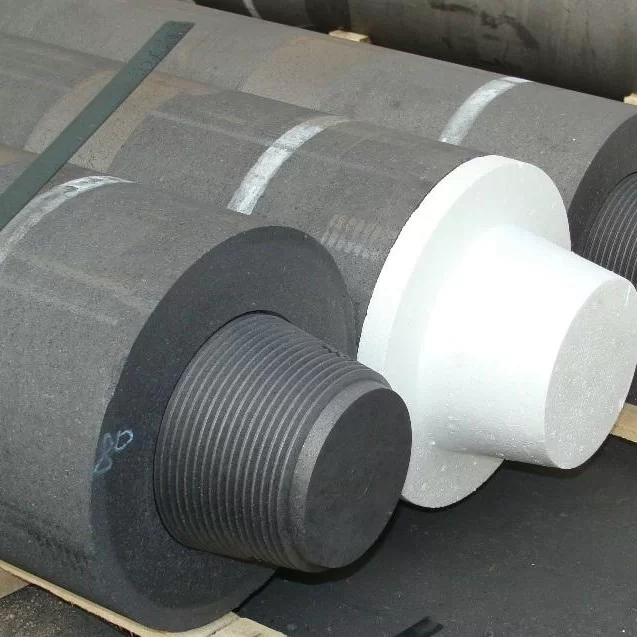
In fact, many industries outside of just steel, like foundries producing cast iron or even the carbon electrode manufacturers, depend heavily on the consistent quality of calcined anthracite coal. Its service life, within these applications, is essentially tied to the production cycle itself, as it's consumed in the process. The impact, however, on the quality and longevity of the final metal products, is significant.
So, the next time you hear about breakthroughs in steelmaking, remember the unsung hero, calcined anthracite coal. It's truly a testament to how intelligent material processing can elevate a raw resource into an indispensable component of modern industry. If you're currently in the market, always engage with recarburizer suppliers who can demonstrate a robust understanding of your specific needs and have verifiable quality assurance.
Authoritative Citations
1. Smith, J. D. (2022). The Role of Carbon Additives in Modern Steelmaking. Journal of Metallurgy and Materials Science, 45(3), 123-130.
2. International Iron & Steel Institute. (2023). Global Trends in Steel Production and Raw Material Demand. IISI Reports.
3. ASTM International. (2020). Standard Test Methods for Proximate Analysis of Coal and Coke. ASTM D3172.