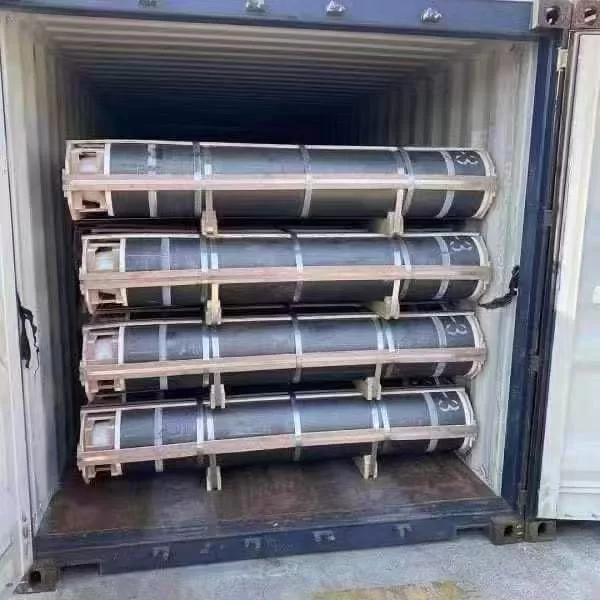
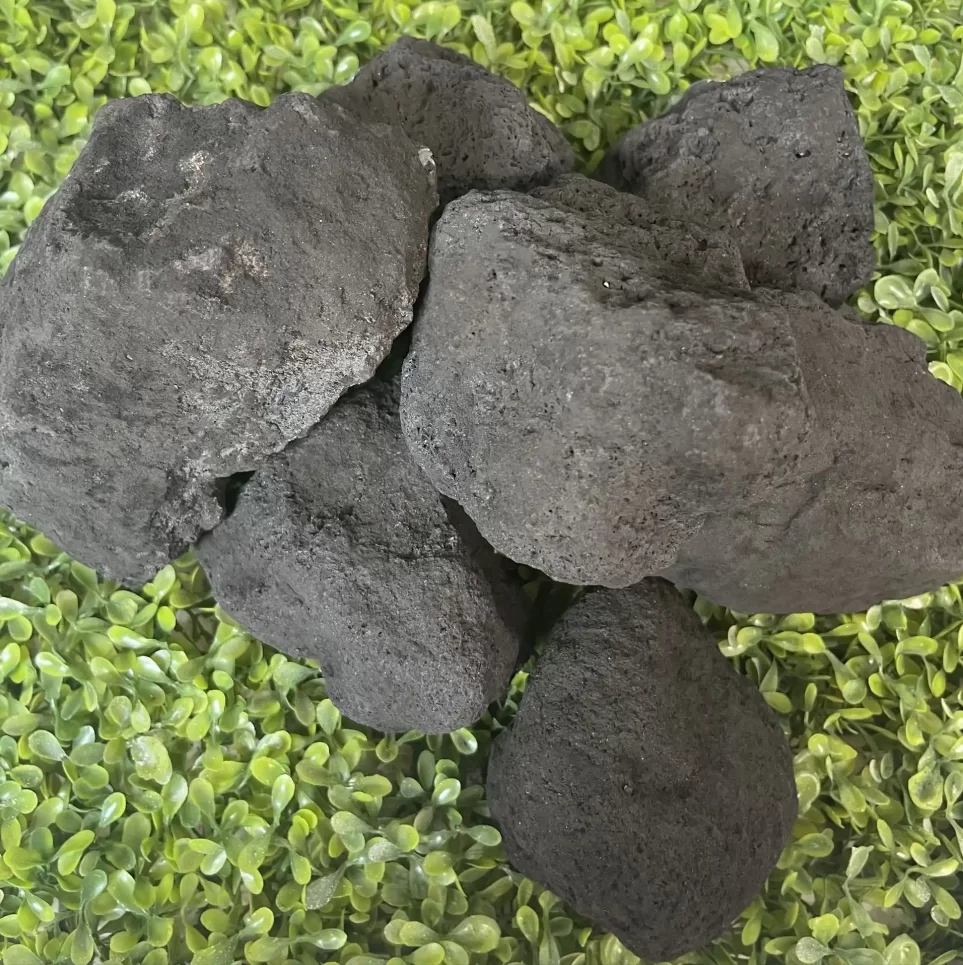
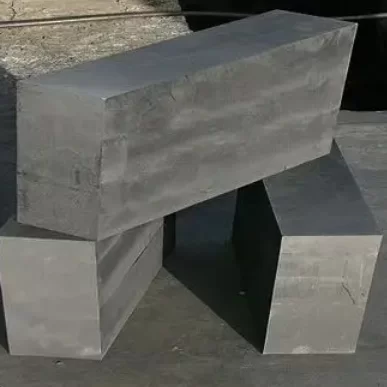
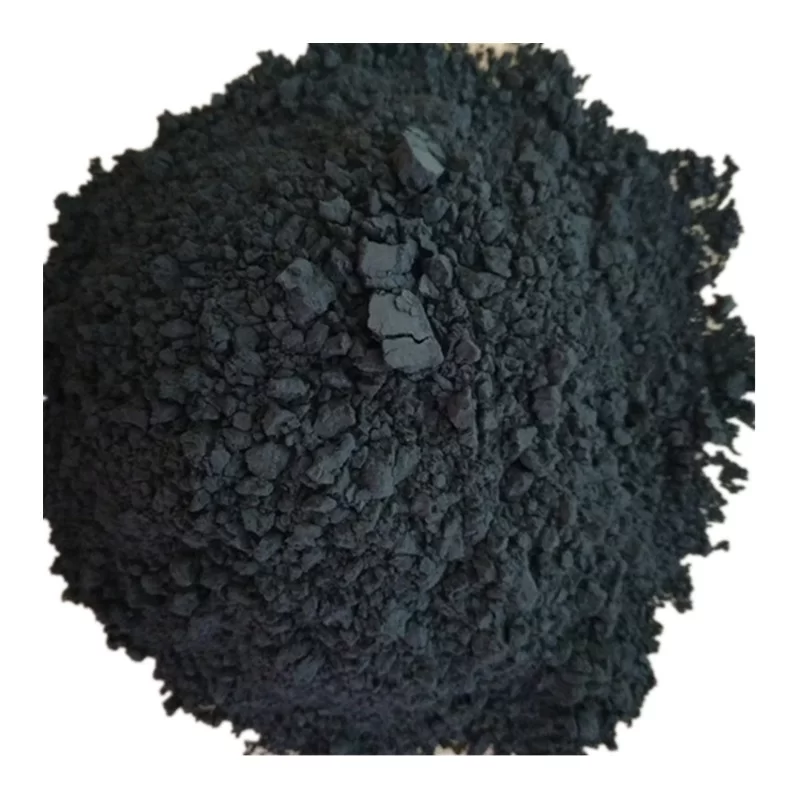
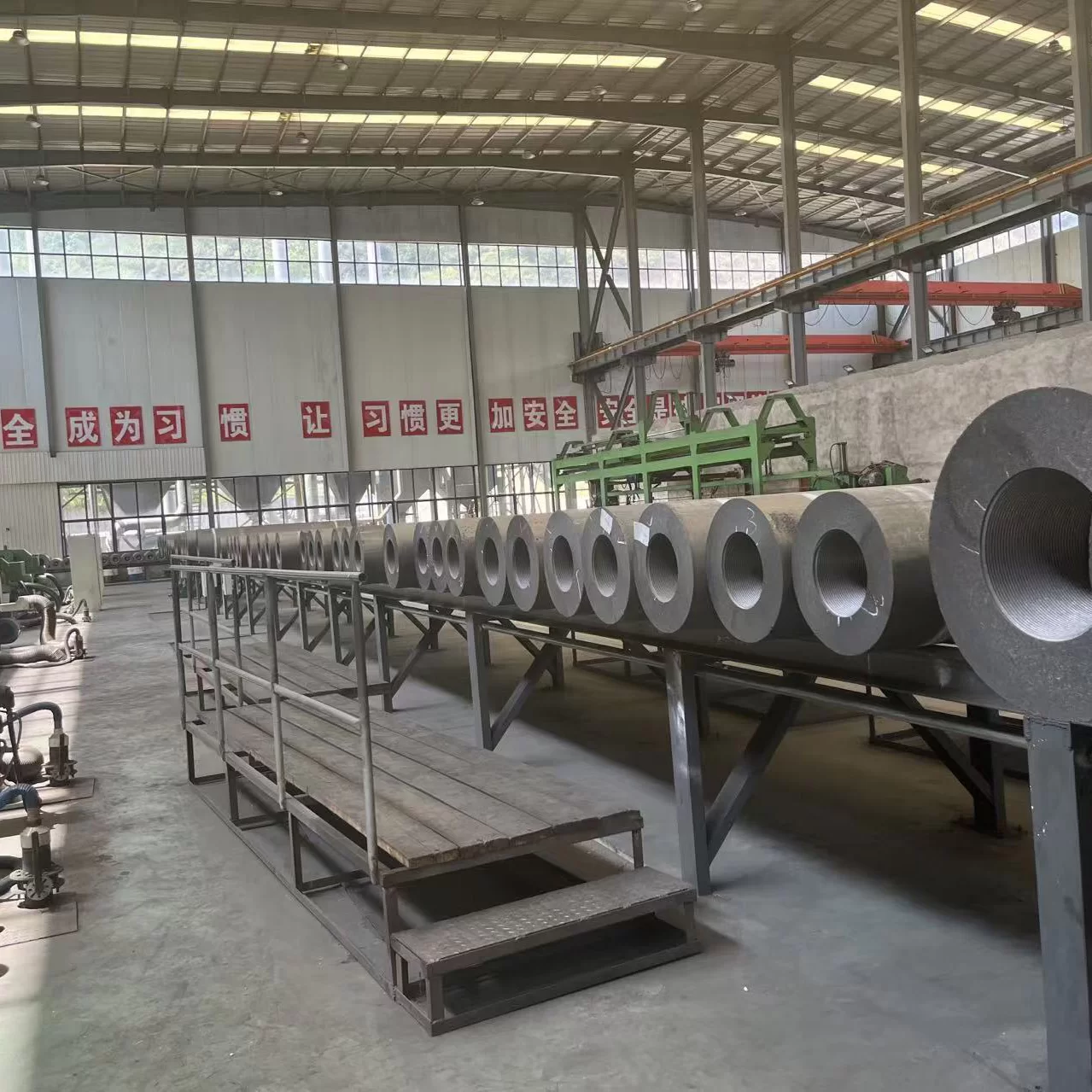
Gas Calcined Anthracite Coal is a key solution in the metallurgy industry, specifically within steelmaking and non‑ferrous smelting. This article explores how DAH CARBON supports professionals with durable, high-performance products, and explains why this product is an ideal choice for businesses in these sectors.
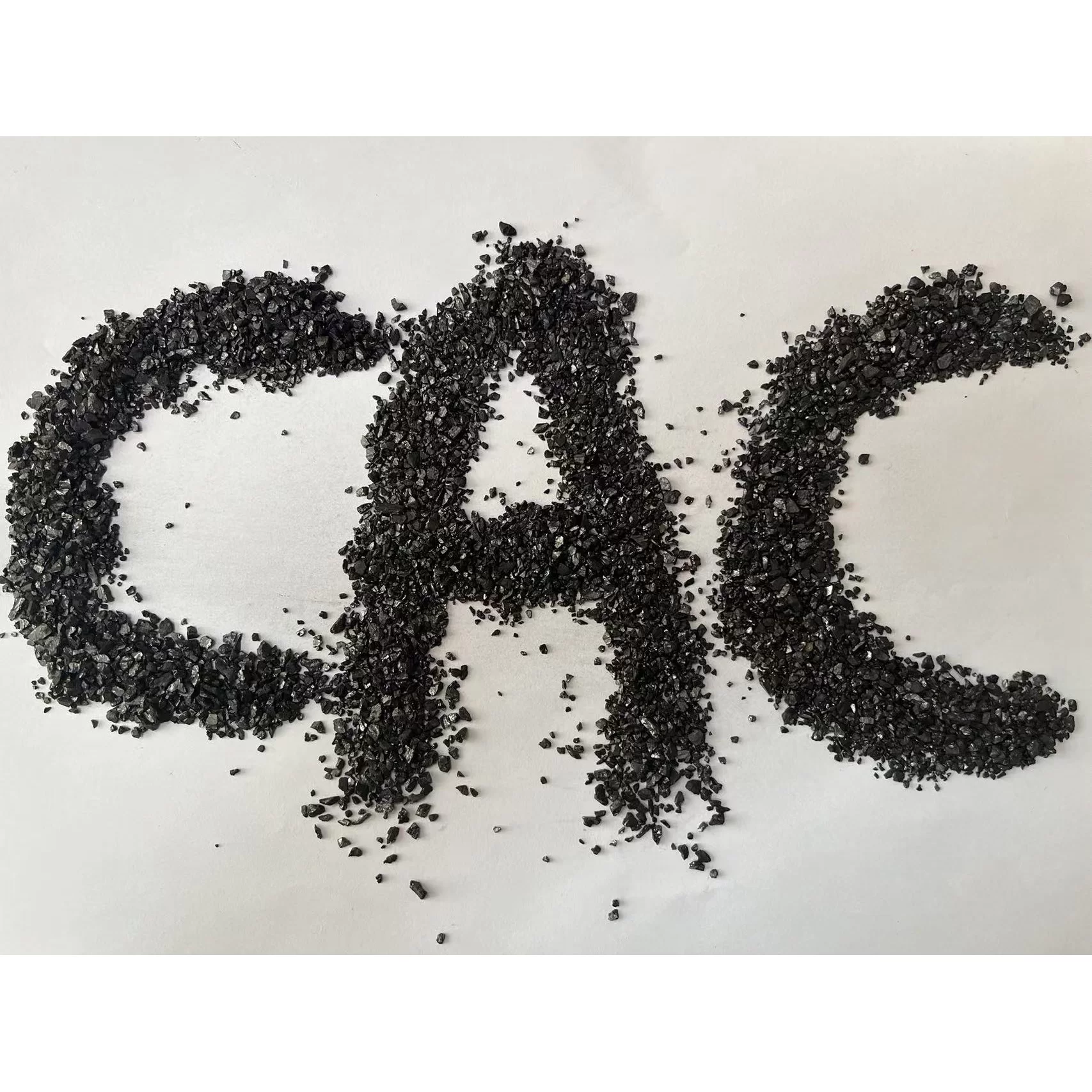
Table of Contents
- Gas Calcined Anthracite Coal Overview
- Benefits & Use Cases of Gas Calcined Anthracite Coal in Metallurgy
- Cost, Maintenance & User Experience
- Sustainability & Market Trends in Metallurgy
- Conclusion on Gas Calcined Anthracite Coal from DAH CARBON
Gas Calcined Anthracite Coal Overview
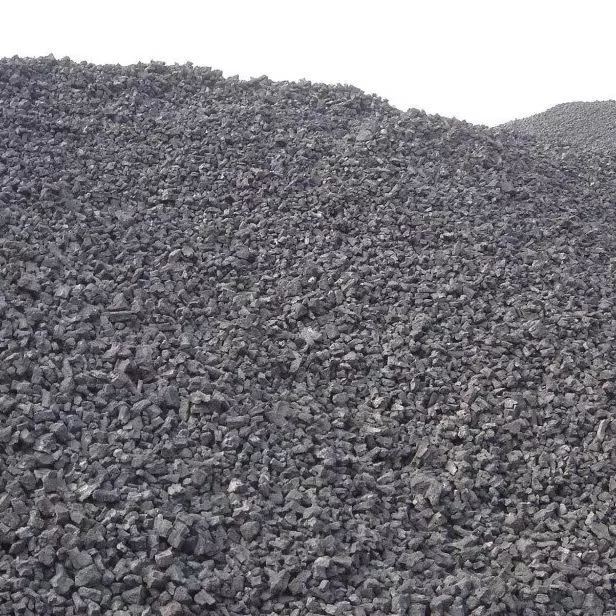
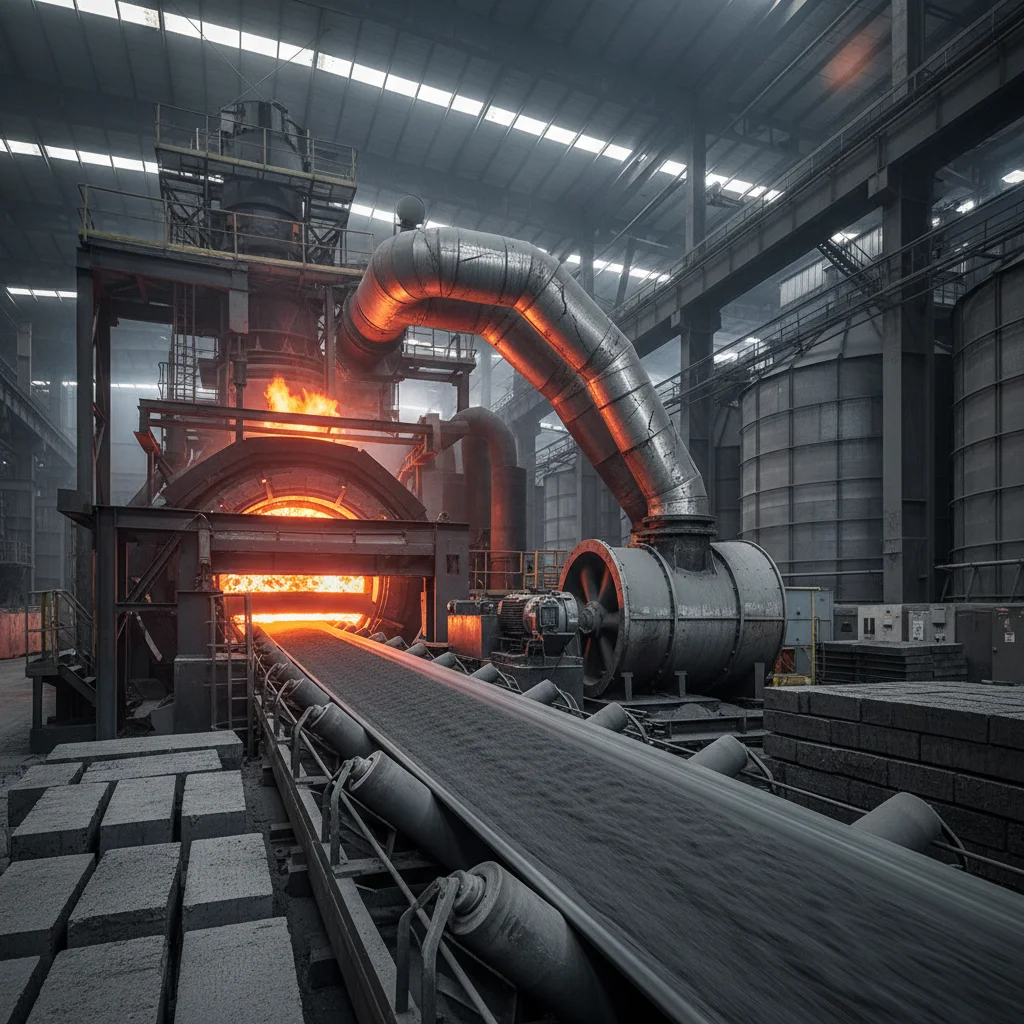
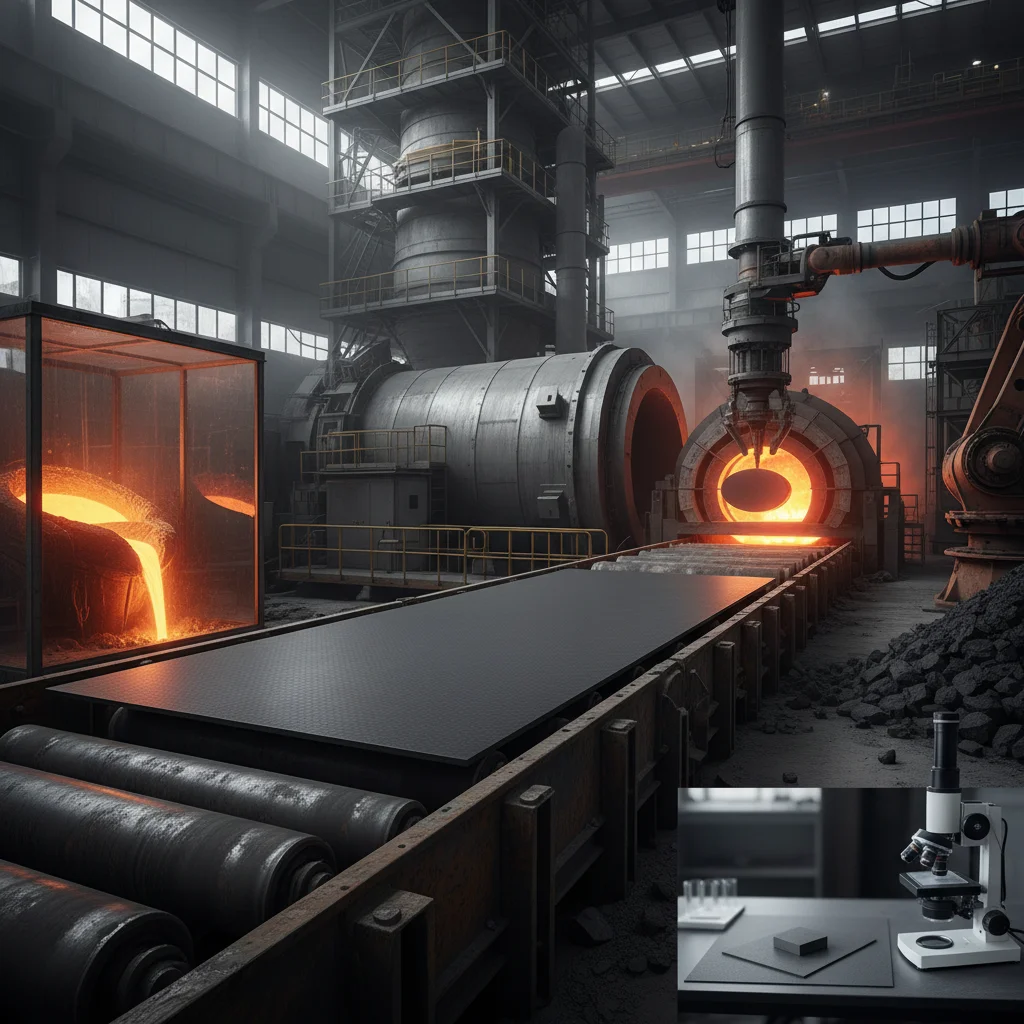
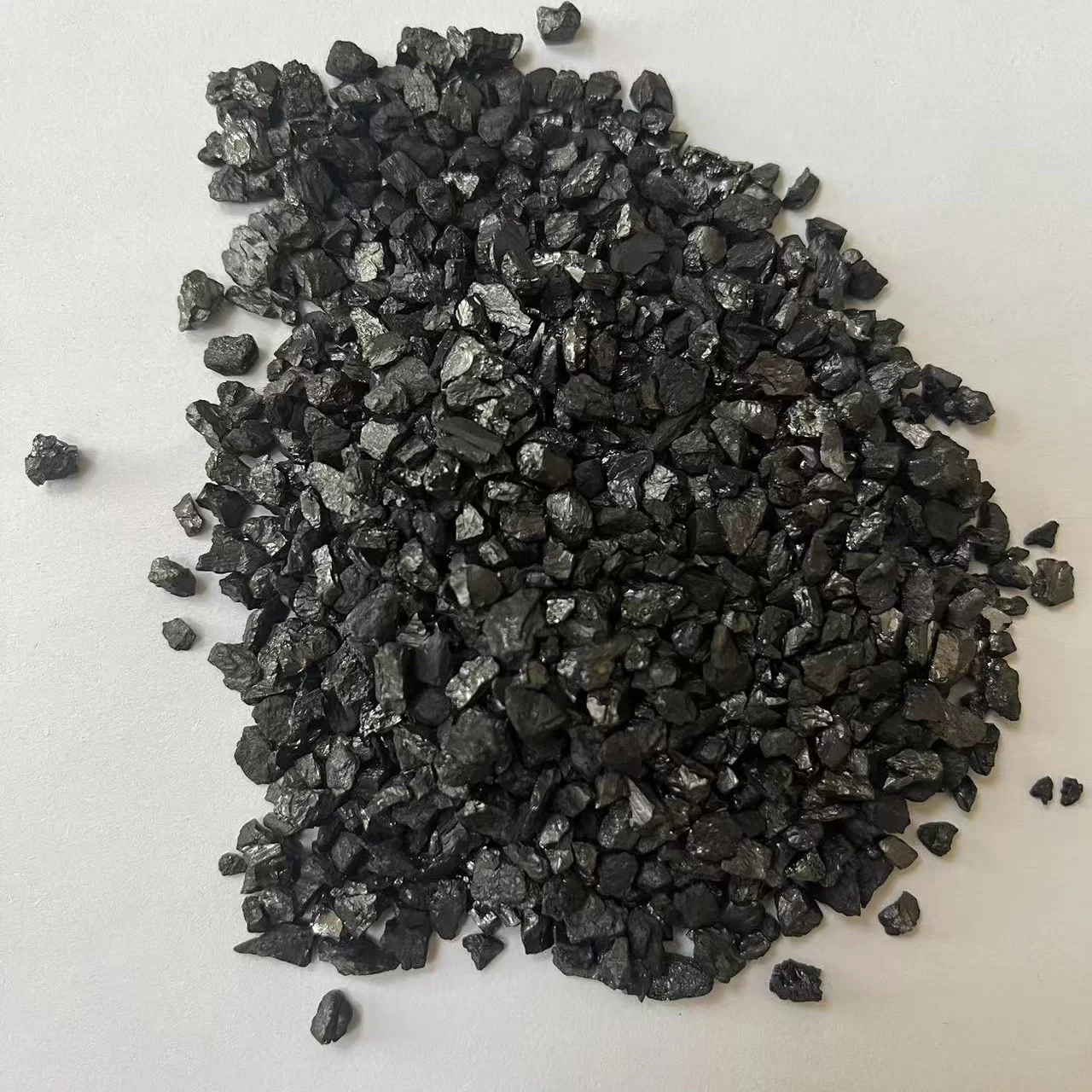
Gas Calcined Anthracite Coal (GCA) is premium anthracite that has been thermally treated in a gas-fired calciner to remove volatiles, reduce moisture, and improve carbon purity and electrical properties. For B2B buyers in metallurgy—especially steelmaking and non‑ferrous smelting—GCA is widely chosen as a low‑sulfur, low‑ash carbon additive and recarburizer that delivers consistent carbon recovery and stable furnace behavior. Compared with electrically calcined anthracite coal (ECA), GCA offers strong value where high purity, predictable sizing, and cost efficiency are prioritized across ladle refining, ductile iron, and alloy steel production.
- Relevance: In steelmaking, foundries, and aluminum-related processes, GCA improves melt carbon control, reduces impurities, and supports stable metallurgical performance.
- Typical calcined anthracite coal specifications (reference ranges): Fixed Carbon ≥ 90–95%; Ash ≤ 3–8%; Sulfur ≤ 0.3–0.5%; Volatile Matter ≤ 1.5%; Moisture ≤ 0.5%; common sizes 0–1 mm, 1–3 mm, 3–6 mm, 6–12 mm. Always confirm the final “calcined anthracite coal specifications” against your melt practice and local standards.
- DAH CARBON is a reliable manufacturer with process-controlled gas calcination, tight screening, and customized packaging to ensure repeatable results heat after heat.
Benefits & Use Cases of Gas Calcined Anthracite Coal in Metallurgy
In steel and foundry operations, GCA is used as a recarburizer in basic oxygen furnace (BOF) and electric arc furnace (EAF) routes, as well as in ladle metallurgy and ductile iron production. The low sulfur and low nitrogen content help meet tighter chemistry targets and reduce rework. In non‑ferrous workflows, it serves as a carbon source in various refining steps and can complement carbon materials in anode/cathode mixes depending on process design—particularly where cost-effective conductivity and low ash are desired.
- Applications: Recarburization in steel ladles, ductile/compact graphite iron, alloy steel adjustments, carburizing blends, and as a component in carbon pastes where appropriate.
- Advantages: High carbon recovery, clean melt (low ash and sulfur), predictable particle size distribution, good electrical characteristics, and consistent burn behavior versus alternatives. When ECA is required for maximum conductivity, DAH CARBON can advise on the best balance between gas calcined and electrically calcined anthracite coal.
- Expertise: DAH CARBON provides application-matched grading, rapid sampling support, and stable supply programs to help mills standardize recipes and improve tap‑to‑tap consistency.
Cost, Maintenance & User Experience
Total cost of ownership in melt shops hinges on carbon recovery, yield, and time per heat. Gas Calcined Anthracite Coal delivers strong ROI by reducing over‑addition, minimizing sulfur correction, and supporting cleaner slags—benefits that cascade into lower flux consumption and improved lining life. Consistent sizing lowers fines losses and dusting, lowering housekeeping and filtration loads. For many B2B buyers, GCA can partially replace higher-cost carbon sources without sacrificing metallurgical targets.
- Durability & handling: Strong mechanical integrity reduces degradation during transport and pneumatic conveying, keeping the “as-used” spec close to “as-shipped.”
- Voice of customer: Steel and foundry clients report steadier carbon picks, fewer chemistry deviations, and smoother ladle practice after standardizing on DAH CARBON’s GCA grades. Many highlight lower variance compared with mixed-source uncalcined anthracite.
Sustainability & Market Trends in Metallurgy
As global steel and non‑ferrous producers decarbonize, tighter emissions rules and ESG reporting are reshaping raw material selection. Consistent, low‑impurity carburizers like Gas Calcined Anthracite Coal help limit sulfur and nitrogen inputs, reduce reblows, and support energy efficiency through predictable carbon recovery. Buyers are also seeking suppliers who provide transparent “calcined anthracite coal specifications,” traceability, and optimized particle sizing to reduce waste and dust emissions in-house.
- DAH CARBON’s approach: process-controlled gas calcination, quality audits, and packaging options that minimize spillage—all aligned with greener, safer operations. The team can also advise when electrically calcined anthracite coal is the better fit for conductivity-critical applications.
- Market outlook: Continued growth in EAF/ladle refining and high-spec cast iron supports demand for clean carbon additives. Expect increasing attention on supply stability, documented QA/QC, and lifecycle impacts.
Conclusion on Gas Calcined Anthracite Coal from DAH CARBON
Gas Calcined Anthracite Coal remains a dependable choice for metallurgy—across steelmaking, foundry, and non‑ferrous smelting—thanks to its clean chemistry, consistent carbon recovery, and attractive total cost of ownership. DAH CARBON’s rigorous process control, tailored sizing, and responsive technical support help B2B decision makers achieve tighter targets with fewer variables. Ready to optimize your carburizer strategy? Visit our website: https://www.dahcarbon.com