Understanding Graphite Marble Mold: A Global Perspective
If you've ever wondered what exactly a graphite marble mold is and why it's quietly pivotal in industries worldwide, you’re in the right place. The term might sound like a niche technical phrase from a foundry, but its impact is impressively broad — from precision stone crafting to advanced manufacturing sectors. Globally, understanding this tool helps manufacturers cut costs, speed up production, and reduce material waste. In fact, with rising demand for sophisticated stone surfaces and composites, the graphite marble mold has become essential to meet quality and sustainability goals.
Simply put, this isn't just about molding a decorative slab. It's about crafting efficiency and reliability in industries ranging from construction to art restoration — all while advancing greener and smarter technologies.
Introduction: Why Graphite Marble Molds Matter Worldwide
The global stone surface market is booming — estimated to reach USD 3.7 billion by 2030 (ISO reports and various market analyses). Marble production is a key part of this, especially for architecture and luxury interiors. Yet, challenges like inconsistent finishes, material waste, and environmental impact have held the industry back.
Enter the graphite marble mold. By leveraging graphite’s thermal conductivity and durability, manufacturers can create highly accurate molds that improve texture, reduce defects, and extend the lifespan of molds. This means faster turnaround, less energy during curing, and a significant drop in raw material scrap.
Oddly enough, many industries still overlook these molds in favor of cheaper or less efficient alternatives, unaware of how this can affect long-term costs, waste production, and even carbon footprints. From fabricators in Italy to construction firms in China, making the switch could be a quiet revolution.
What Is a Graphite Marble Mold?
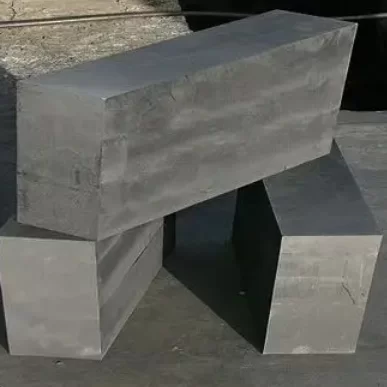
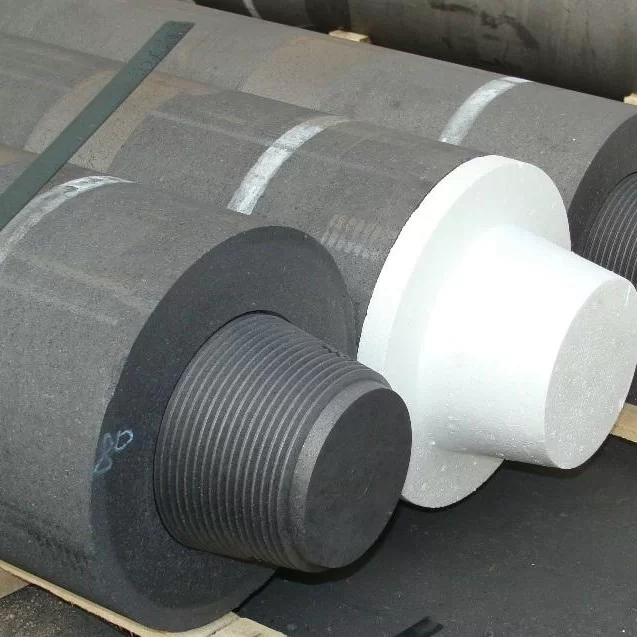
In straightforward terms, a graphite marble mold is a form or template made primarily from graphite — yes, that same material found in your pencil — used for shaping marble or synthetic stone products. Its unique properties, like chemical inertness and high temperature resistance, allow the molding of complex marble pieces without compromising quality.
Modern industry benefits enormously from these molds by producing consistent and highly detailed pieces with less manual correction. On a humanitarian note, think structures or art restoration projects where authentic marble textures are required at scale, but time and resource constraints are tight. Graphite molds help meet such demands with grace and efficiency.
Core Components and Factors of Graphite Marble Molds
Durability and Heat Resistance
Graphite’s natural resilience to heat means the molds endure many cycles of curing without warping or deteriorating. This translates to longer-lasting molds and fewer replacement costs.
Precision and Surface Quality
Graphite molds can maintain extremely fine details, producing stone products with immaculate surfaces. This is a boon for luxury tiles, custom countertops, or architectural elements demanding perfection.
Scalability and Production Speed
Because graphite molds cool fast and recover shape quickly, they allow rapid production cycles. This scalability supports both small artisan workshops and large factories alike.
Cost Efficiency Over Time
While upfront costs may be higher than plastic or metal counterparts, the return on investment shines due to lower waste, longer mold life, and reduced polishing time.
Sustainability Benefits
Using graphite molds reduces raw material scrap and energy consumption during setting processes, helping manufacturers meet increasingly demanding environmental standards.
Global Applications and Real-World Cases
Around the globe, graphite marble molds find their use in:
- Architectural stone fabrication: High-end hotels in Dubai utilize graphite molds for elegant marble cladding with intricate designs.
- Restoration projects: European museums trust these molds for replicating damaged marble sculptures that require exact texture matching.
- Industrial composite surfaces: Factories in Southeast Asia mass-produce quartz countertops molded with graphite-based templates.
- Disaster relief housing: Some organizations explore quick-setting marble-like panels made with molds for durable, lightweight shelters.
For those curious about specifics, many manufacturers produce tailored graphite molds to fit regional marble designs and needs — making it a truly globalized yet customized offering.
Mini Takeaway:
Graphite marble molds aren't a ‘one-size-fits-all’ solution; instead, their nuances allow adaptation to industries and geographies, offering unmatched quality and efficiency.
Advantages and Long-Term Impact
Putting aside the technical, what truly makes graphite marble molds stand out lies in the blend of cost savings, sustainability, and trust built over time. Here’s why:
- Reduced production defects: Less manual labor means fewer errors, speeding up timelines and reducing rejects.
- Lower environmental impact: Less waste and fewer energy resources needed in curing processes.
- Improved aesthetics: Surfaces produced look and feel more authentic and premium, boosting brand reputation.
- Reliability: You can count on the mold’s performance cycle after cycle, ensuring peace of mind for suppliers and clients alike.
Many engineers I spoke to highlight how the combination of emotional confidence — "I can count on this every time" — and economic logic makes graphite molds a lasting preferred choice.
Product Specifications: Typical Graphite Marble Mold
| Specification | Details |
|---|---|
| Material | High-purity Graphite (>99%) |
| Thermal Conductivity | ~120 W/m·K |
| Max Operating Temperature | >2500°C (inert atmosphere) |
| Mold Longevity | 200+ production cycles |
| Dimensional Accuracy | ±0.05 mm |
| Customization Options | Surface texture, size, and shape |
Comparison of Leading Graphite Marble Mold Vendors
| Vendor | Customization | Pricing (USD) | Lead Time | Sustainability Focus |
|---|---|---|---|---|
| DahCarbon | High — tailored textures & sizes | $$$ (Premium) | 2–4 weeks | Advanced eco-friendly processes |
| GraphiMold Inc. | Medium — fixed sizes, limited surface | $$ | 3–5 weeks | Standard sustainability measures |
| MoldMasters Ltd. | Basic — limited customization | $ | 1–3 weeks | Minimal eco initiatives |
Looking Ahead: Innovations and Trends in Graphite Marble Mold Technology
Frankly, the next decade looks bright for graphite-based molds. Researchers are developing composite molds combining graphite with graphene for even higher thermal efficiency. Automation in mold design via AI-driven 3D scanning and printing is reducing human error and customization time.
Plus, growing pressure on greening the supply chain pushes towards recyclable mold materials and cleaner graphite sourcing — no small feat given the mining implications. In real terms, the ability to digitally model and rapidly produce highly detailed graphite molds will accelerate projects globally while cutting down on carbon footprints.
Challenges and How Experts Propose Overcoming Them
Of course, graphite marble molds aren’t perfect. The initial cost barrier is one. Also, graphite’s brittleness means handling requires care; a slight mishandling means damage.
Yet, innovative solutions are emerging — from hybrid mold designs to better training for fabricators. Some companies now offer on-site mold repair or rapid replacement services, reducing downtime. Moreover, advances in composite materials lessen brittleness without sacrificing thermal properties.
FAQ: Your Questions About Graphite Marble Molds
- Q: How long does a typical graphite marble mold last in continuous use?
A: Usually, these molds sustain over 200 production cycles before noticeable wear occurs, depending on the specific material and handling. - Q: Are graphite marble molds environmentally friendly?
A: Yes, compared to traditional molds, they produce less waste and consume less energy during curing processes, though sourcing graphite responsibly remains important. - Q: Can the molds be customized to any shape or texture?
A: Most vendors offer high customization options, often accommodating custom surface textures and complex shapes to match client needs. - Q: How do graphite molds compare cost-wise to metal or silicone molds?
A: Graphite molds usually have a higher initial price but deliver long-term savings through durability, precision, and reduced finishing times. - Q: Is it possible to order graphite marble molds internationally?
A: Absolutely. Vendors often provide international shipping and can manage export documentation for industrial clients.
Concluding Thoughts and What to Explore Next
In the grand scheme of manufacturing and construction, the humble graphite marble mold quietly drives quality and efficiency. It’s a niche tool, yes, but one that carries disproportionate weight for anyone needing precision stone products and sustainable practices.
If your next project calls for premium marble textures or faster production cycles, exploring a graphite mold could be the smartest move you make. For detailed product options and expert consultation, don’t hesitate to visit graphite marble mold vendor sites like DahCarbon, who lead innovation in this space.
Mini Takeaway:
The right mold ensures your project lasts, feels premium, and contributes to a more sustainable industry—something worth considering, especially now.