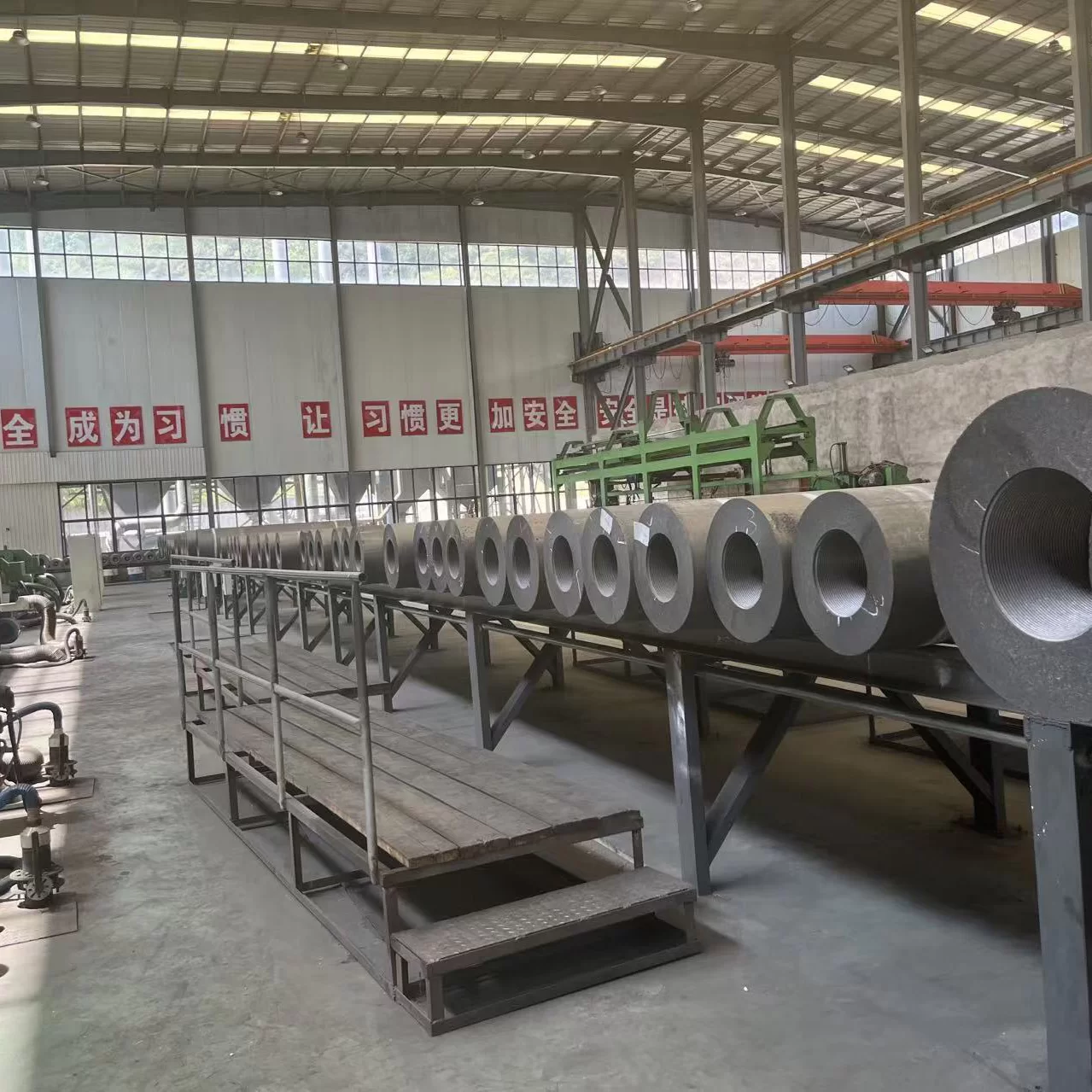
Understanding the Graphite Slab: Why It Matters Globally
In a world where material science quietly shapes critical industries, the humble graphite slab stands tall. Not just a piece of carbon, it is a key enabler in sectors stretching from energy storage to aerospace. Globally, demand for graphite slabs is riding a steady wave, with projections pointing to continued growth fueled by electric vehicles, renewable energy, and high-tech manufacturing.
Why care? When you grasp what a graphite slab is and why it's indispensable, you unlock deeper insight into sustainable tech, new manufacturing frontiers, and better, smarter industrial solutions. Understanding this might seem niche, but it truly matters—especially as we chase cleaner energy and innovation that requires both durability and efficiency.
Setting the Scene: Graphite Slab and Its Global Relevance
Graphite’s role is undeniable in today's green energy push. According to the International Energy Agency (IEA), materials like graphite are crucial in battery production — lithium-ion cells rely heavily on graphite anodes. The global battery market, expected to surpass $250 billion by 2030, indirectly fuels graphite slab demand. Many industrial batteries and aerospace components depend on these slabs' unique properties.
However, there is a caveat: sourcing quality graphite slabs sustainably remains an ongoing challenge. Environmental concerns around mining and processing put pressure on industries to innovate while ensuring availability. From the UN’s Sustainable Development Goals to ISO environmental standards, the graphite slab market walks a tightrope balancing demand and eco-responsibility.
What Exactly Is a Graphite Slab?
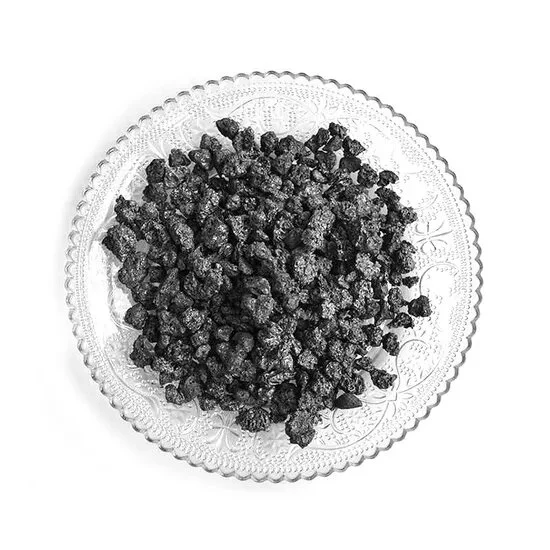
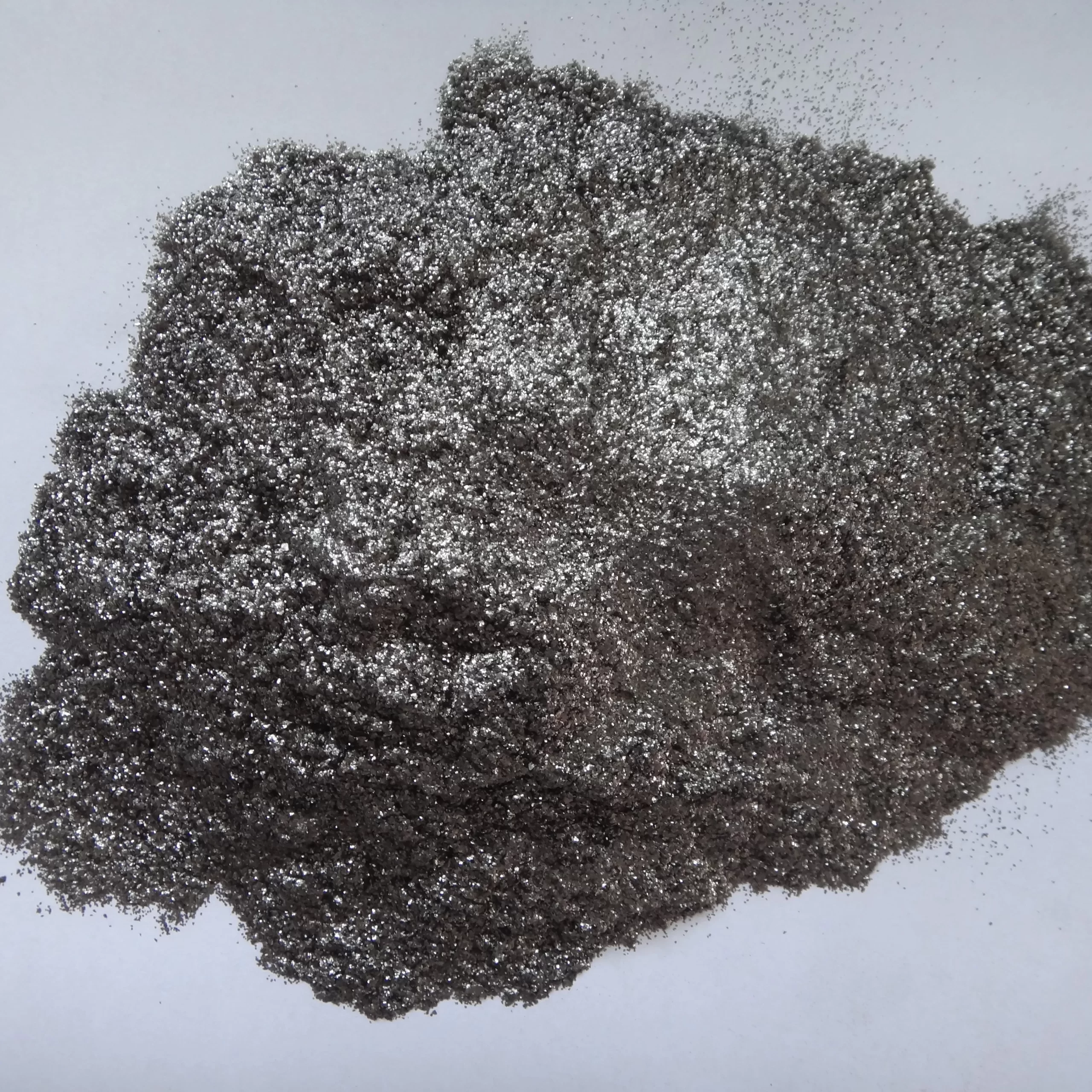
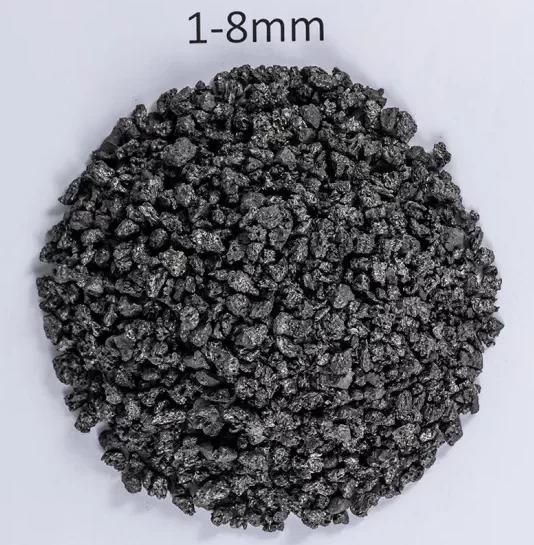
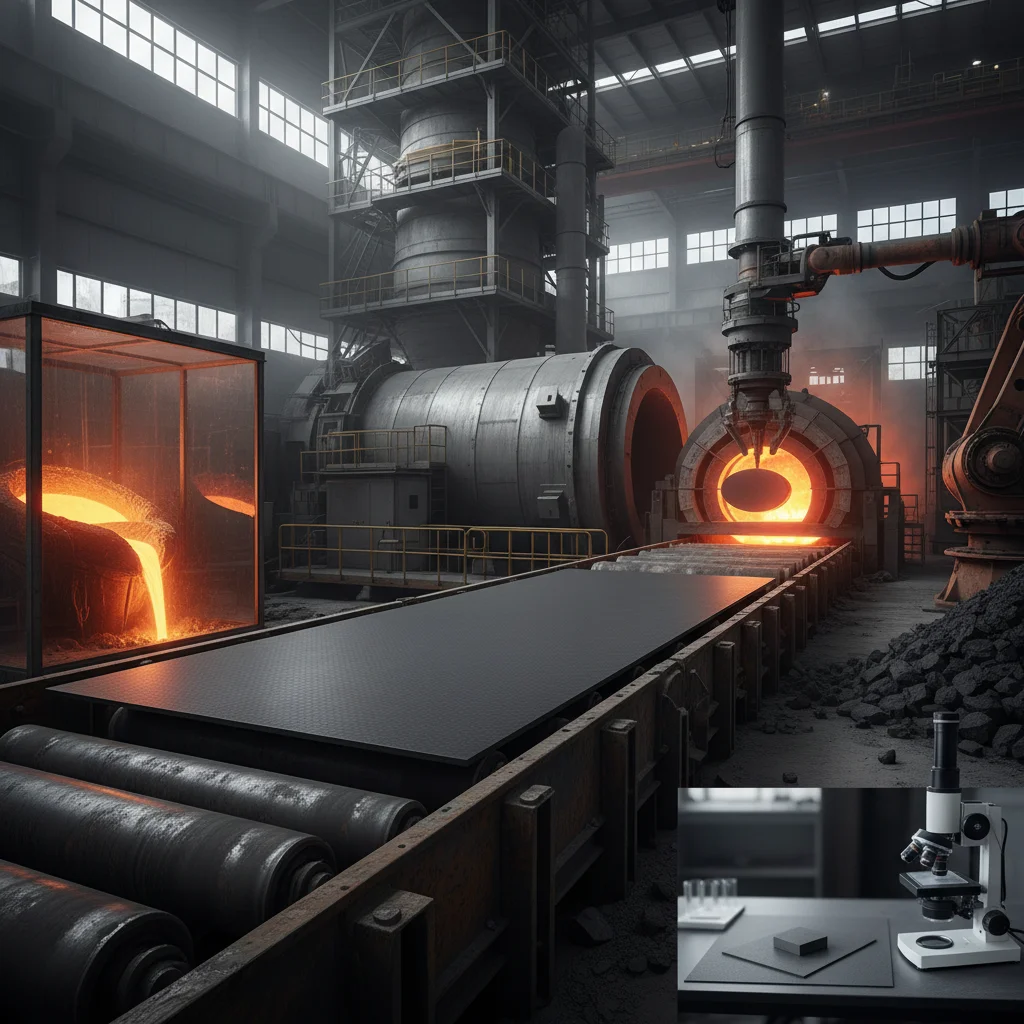
Simply put, a graphite slab is a flat, solid piece of highly pure graphite, processed into plates or sheets of various thicknesses. It’s prized for its remarkable thermal conductivity, electrical performance, and resistance to thermal shock. Think of it as carbon’s all-star — layered, crystalline, yet flexible enough to be shaped for diverse uses.
Graphite slabs are integral to modern industry not just for performance but also because they fit humanitarian needs. For example, in electrical grids or medical devices, the reliability that graphite affords can mean better service delivery or life-saving tech.
Key Factors That Define the Quality and Use of Graphite Slabs
1. Thermal Stability
One of graphite slabs’ biggest selling points is their ability to withstand extreme temperatures without degrading. This is crucial in high-heat industrial processes, like steel manufacturing or battery thermal management, where materials must perform reliably. Oddly enough, this stability also makes them suited for aerospace components, where temperature swings are brutal.
2. Electrical Conductivity
Graphite's layered atomic structure means electrons flow with ease. This conductivity is a boon in electronics or as battery anode material, making the slab more than just a mechanical component but an active part of energy systems.
3. Mechanical Strength and Durability
Although brittle compared to metals, engineered graphite slabs can be surprisingly tough, especially under compression. This toughness translates to longer lifespans in demanding environments, which many engineers swear by when designing industrial equipment.
4. Purity and Grain Size
The finer the grain and the higher the purity, the better the slab performs—particularly for applications where consistency is key, such as semiconductor manufacturing or precision sensor platforms.
5. Environmental and Economic Feasibility
With rising pressure on sustainable sourcing, the environmental footprint of producing graphite slabs is now a decision factor. The economic viability also varies based on raw material sources and processing techniques, impacting market prices.
Mini Takeaway:
Graphite slabs are not one-size-fits-all. Their unparalleled thermal and electrical properties, combined with mechanical robustness and environmental considerations, carve out their place in both traditional and cutting-edge industries.
Where Do Graphite Slabs Shine? Real-World Applications
Graphite slabs have crossed from academic labs into the backbone of modern applications. Here’s how:
- Energy Storage: Used as anodes in lithium-ion batteries powering everything from smartphones to electric cars.
- Industrial Machinery: Linings in crucibles, heat exchangers, or high-temperature molds.
- Aerospace: Components exposed to high thermal or electrical stress.
- Semiconductors: Substrate and support structures benefiting from precision and purity.
- Medical Devices: Durable parts in sensitive equipment requiring chemical stability.
Interestingly, post-disaster environments sometimes require reliable energy solutions; graphite slabs embedded in modular energy storage systems can prove invaluable in powering relief efforts quickly. Also, remote industrial zones benefit from these slabs’ longevity and low maintenance.
Mini Takeaway:
Applications demonstrate graphite slab versatility—from advanced tech hubs in North America and Asia to pragmatic uses in emerging economies.
Technical Snapshot: Typical Graphite Slab Specifications
| Property | Typical Value | Unit |
|---|---|---|
| Bulk Density | 1.8 - 2.2 | g/cm³ |
| Thermal Conductivity | 100 - 200 | W/mK |
| Electrical Resistivity | 2.5 - 5.0 | µΩ·m |
| Flexural Strength | 25 - 40 | MPa |
| Thickness Range | 1 - 20 | mm |
Choosing Your Supplier: Graphite Slab Vendor Comparison
With many iterations and grades on offer, picking the right vendor is as important as choosing the slab itself. Here’s a rough guide comparing three notable suppliers:
| Vendor | Grade Quality | Sustainability | Customization | Pricing Level |
|---|---|---|---|---|
| Dah Carbon | High purity (99.9%) | ISO 14001 certified | Custom thickness & size | Mid-range |
| CarbonTech | Standard industrial | In progress | Limited customization | Budget-friendly |
| GraphiteWorks | Specialist aerospace | ISO 50001 compliance | Highly customizable | Premium |
Advantages and Enduring Benefits of Graphite Slabs
In real terms, investing in graphite slabs is not just about upfront cost but long-term payoff. Their excellent durability means less frequent replacements, and their performance consistency reduces system failures.
From a sustainability viewpoint, graphite slabs produced through greener processes are edging out rivals with heavy environmental impacts. Socially, the reliability graphite provides contributes to safer infrastructure and added dignity in critical services.
Plus, the innovation they enable across sectors means adopting graphite slabs often aligns with a company’s future-proofing goals. It’s like placing a bet on resilience, innovation, and trust all at once.
Looking Ahead: Future Trends in Graphite Slab Technology
The path forward is exciting. Researchers are exploring nano-graphite slabs that deliver superior conductivity and strength, perfect for digital transformation impulses like faster semiconductors and more efficient solar panels. Green energy policies worldwide, including ESG (environmental, social, governance) imperatives, encourage suppliers to develop less polluting graphite extraction methods.
Automation in manufacturing also enables highly precise slab customization, cutting waste and improving performance. It’s a small revolution quietly gathering pace.
Challenges and How Industry Innovates Around Them
Challenges persist — primarily in raw material scarcity, mining environmental impacts, and the cost of high-grade processing. To counteract this, some manufacturers blend recycled graphite or optimize production workflows to minimize waste. Others pursue alternative carbon materials, but few match graphite’s balance of properties.
Quality control remains key: subtle defects can compromise performance, so inline testing and AI-driven inspection are becoming standard. This tech-driven approach helps producers keep graphite slabs both reliable and competitive.
Frequently Asked Questions About Graphite Slabs
- Q: How is a graphite slab different from other carbon materials?
A: Graphite slabs have a highly ordered layered structure, giving them superior thermal conductivity and electrical performance compared to amorphous carbon or carbon composites. They’re also processed to exacting purity and size standards, making them ideal for precision applications. - Q: Can graphite slabs be customized for specific industrial uses?
A: Absolutely. Thickness, purity, and grain orientation can be tailored to suit various needs, from battery anodes to aerospace parts. Suppliers often offer bespoke fabrication to meet technical specs. - Q: Are graphite slabs environmentally friendly?
A: This largely depends on sourcing and processing. Many companies now follow ISO 14001 standards for environmental management to reduce impact. Plus, graphite’s longevity and efficiency mean fewer replacements and less waste overall. - Q: How do I ensure the graphite slab fits my application?
A: Collaborate closely with vendors who provide detailed technical data and sample testing. Factors like thermal, electrical, and mechanical properties matter differently depending on your use case. - Q: Where can I source reliable graphite slabs?
A: Well-established suppliers like Dah Carbon (graphite slab) offer high purity products with certifications and customization options. It’s wise to verify certifications and review vendor comparisons.
Conclusion: Why Graphite Slabs Deserve Your Attention
Long story short, graphite slabs are quietly powerful players in the push toward a more sustainable and technologically advanced future. Their unique combination of durability, conductivity, and adaptability underpins innovation across industries and geographies alike.
If you’re curious to explore how high-quality graphite slabs can support your projects or business goals, don’t hesitate to visit our website to see detailed specs, expert advice, and options to get started.