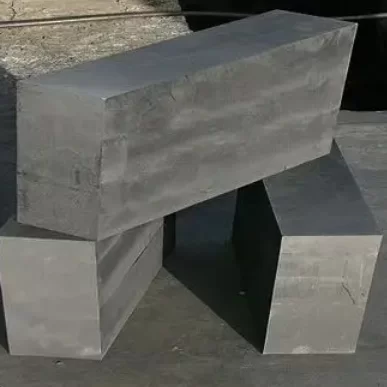
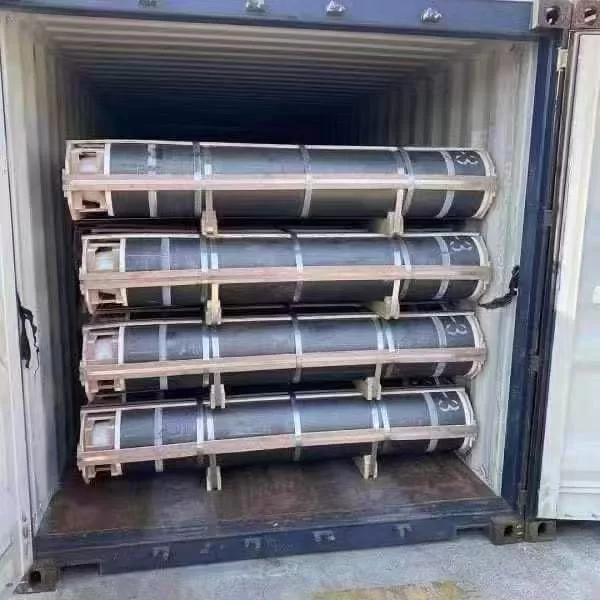
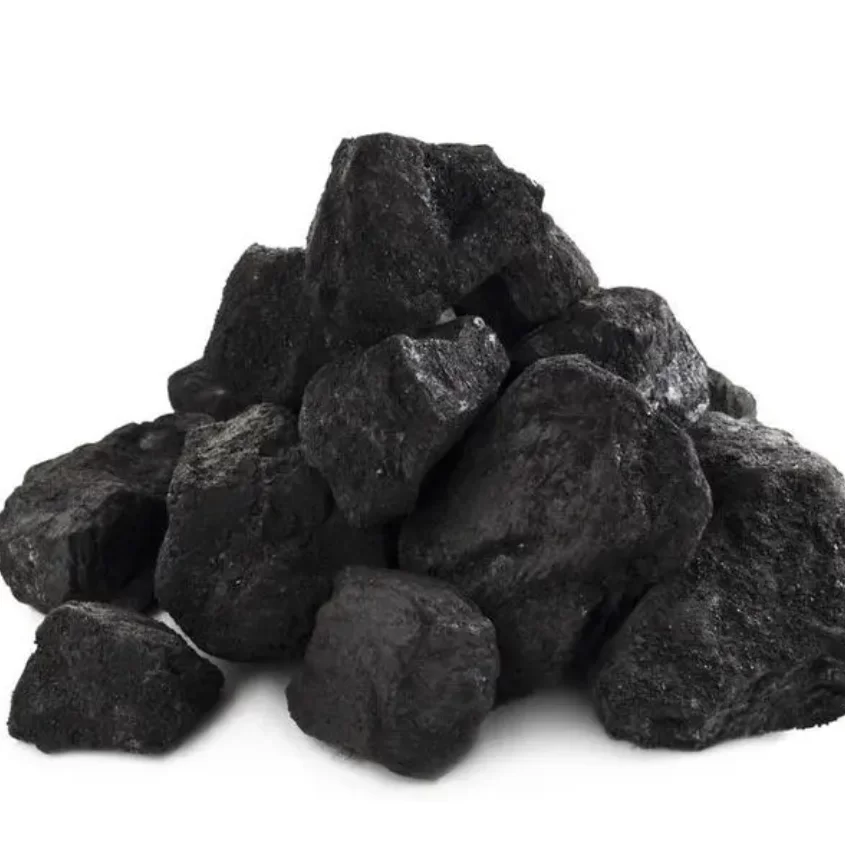
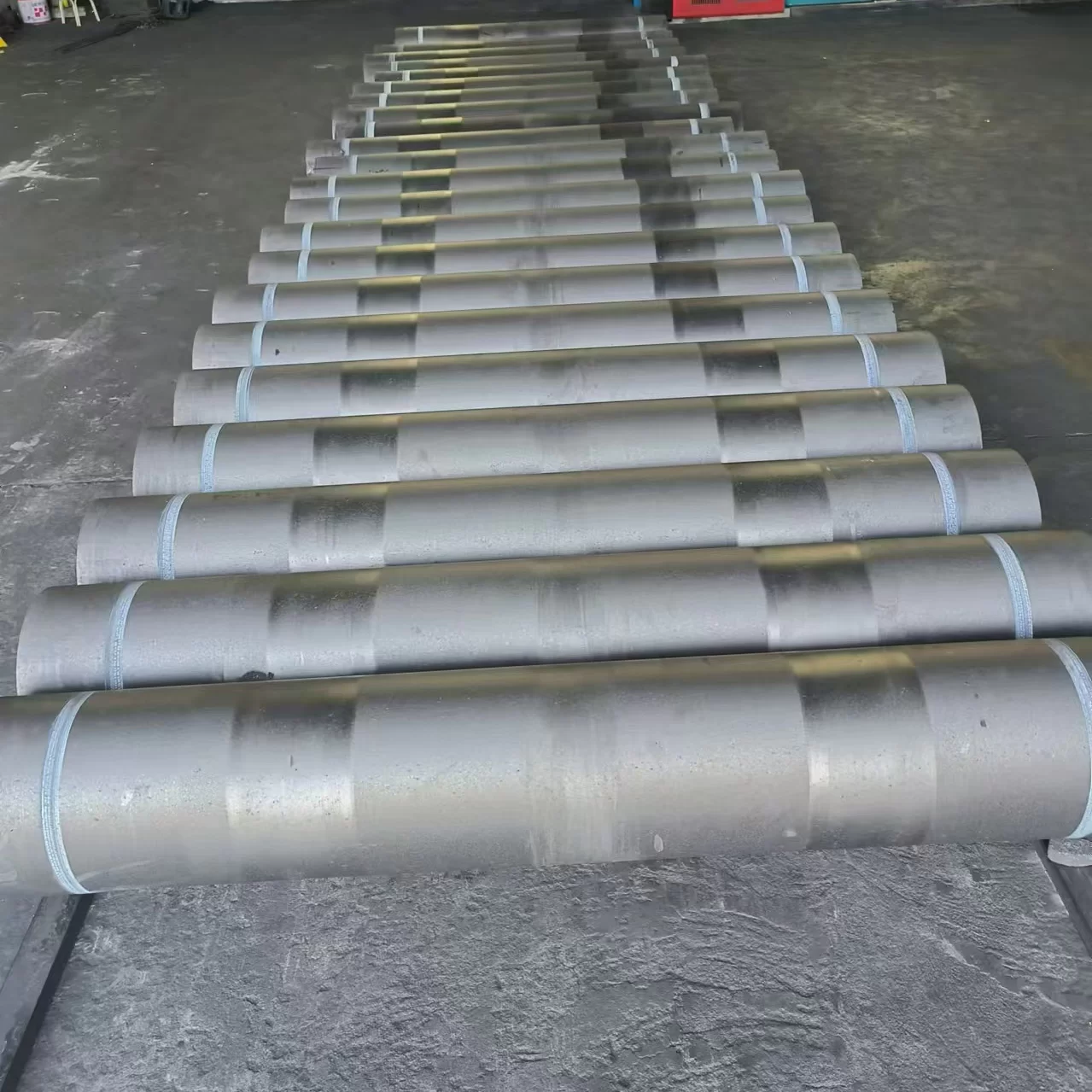
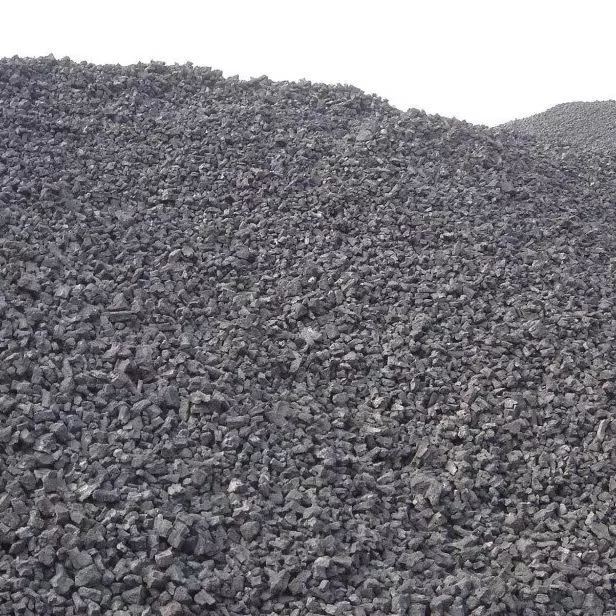
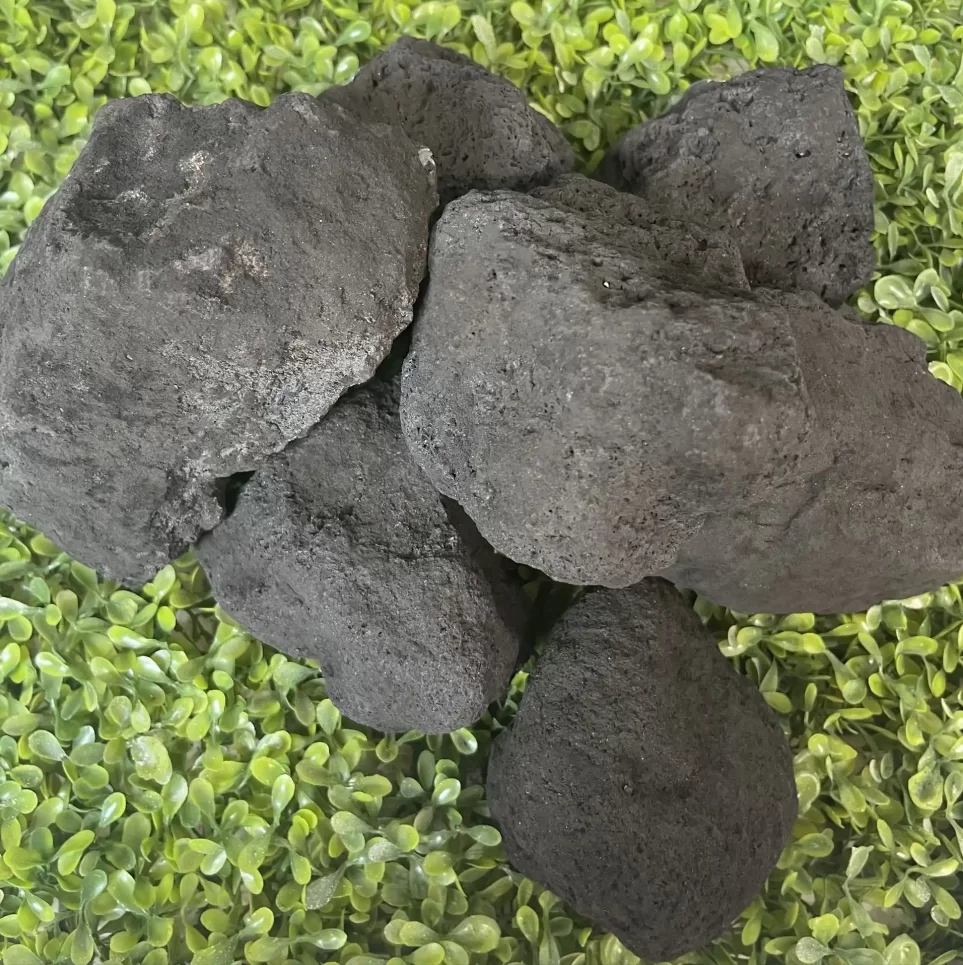
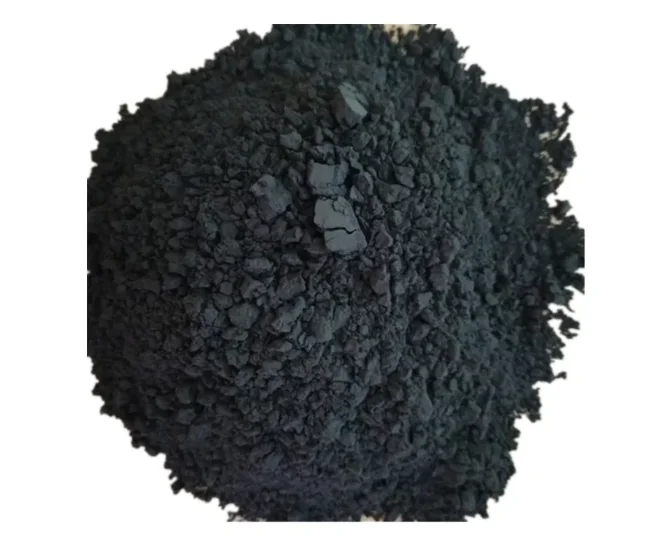
In the relentless march towards technological advancement and sustainable energy solutions, the unassuming yet extraordinarily versatile material known as Artificial Graphite Powder stands as a critical enabler. Far from a simple byproduct, this engineered marvel is at the heart of countless high-performance applications, from powering the electric vehicle revolution to enhancing the efficiency of industrial processes. Its significance cannot be overstated, particularly when we consider the burgeoning demand across sectors that prioritize energy density, longevity, and thermal stability. The global market for artificial graphite, largely driven by the lithium-ion battery segment, is projected to surge dramatically, with forecasts indicating a compound annual growth rate (CAGR) of over 15% through the next decade, potentially reaching market valuations exceeding $20 billion. This exponential growth underscores a fundamental shift in industrial reliance on materials that offer unparalleled performance characteristics.
What sets Artificial Graphite Powder apart is its meticulously controlled synthesis and subsequent optimization for specific performance metrics. Unlike its natural counterpart, artificial graphite offers superior purity, consistent crystalline structure, and tailored particle morphology, which are paramount for demanding applications. For instance, in lithium-ion batteries, the anode material dictates charge-discharge cycles, energy density, and safety. High-grade artificial graphite can contribute to battery cells achieving cycle lives exceeding 1,000 cycles with minimal capacity fade, a critical benchmark for automotive and grid-scale energy storage. Furthermore, its excellent electrical conductivity, typically ranging from 1.5 x 10^4 to 3.0 x 10^4 S/cm, ensures rapid electron transfer, facilitating quick charging capabilities. This robust combination of electrical, thermal, and mechanical properties positions artificial graphite not merely as a component, but as a foundational element driving innovation and efficiency across a spectrum of modern industries, solidifying its indispensable role in the current and future technological landscape.
Technical Prowess: Unpacking the Superior Properties of Artificial Graphite
The intrinsic technical advantages of artificial graphite powder stem from its precisely controlled graphitization process, which transforms amorphous carbon precursors into highly ordered graphitic structures at temperatures often exceeding 2500°C. This thermal treatment is key to developing its exceptional properties. A primary advantage lies in its high purity, typically exceeding 99.95%, making it ideal for applications where even trace impurities can compromise performance, such as in semiconductors or high-end battery anodes. This purity ensures minimal side reactions within a battery cell, contributing significantly to its long-term stability and safety.
Furthermore, artificial graphite exhibits remarkable specific capacity. For lithium-ion battery anodes, it consistently achieves theoretical maximums close to 372 mAh/g, providing high energy density critical for portable electronics and electric vehicles. The material’s crystallinity and structural integrity are meticulously managed to optimize lithium ion intercalation and de-intercalation kinetics, leading to fast charging capabilities and high power output. Thermal conductivity is another crucial benefit; high-grade artificial graphite can have a thermal conductivity ranging from 100 to 200 W/(m·K), which is vital for dissipating heat generated during rapid charge/discharge cycles, thereby preventing thermal runaway and extending battery life. The ability to engineer particle size distribution (PSD) and morphology—from spherical to flake-like—allows for tailored tap densities, ranging typically from 0.9 to 1.7 g/cm³, ensuring optimal packing density within battery electrodes and superior volumetric energy density. These carefully engineered properties collectively underscore artificial graphite's technical superiority and its indispensable role in pushing the boundaries of material science and energy storage.
Precision Engineering: The Manufacturing Excellence Behind High-Performance Graphite
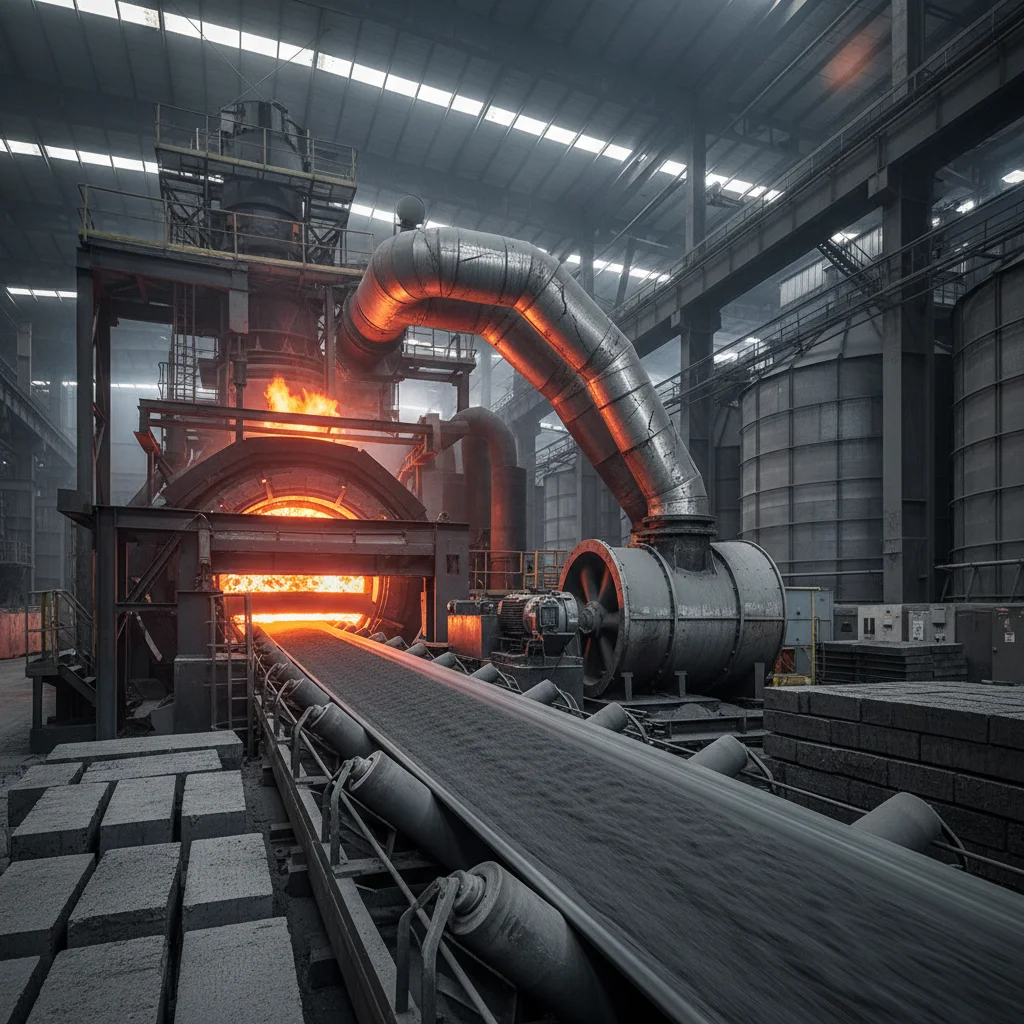
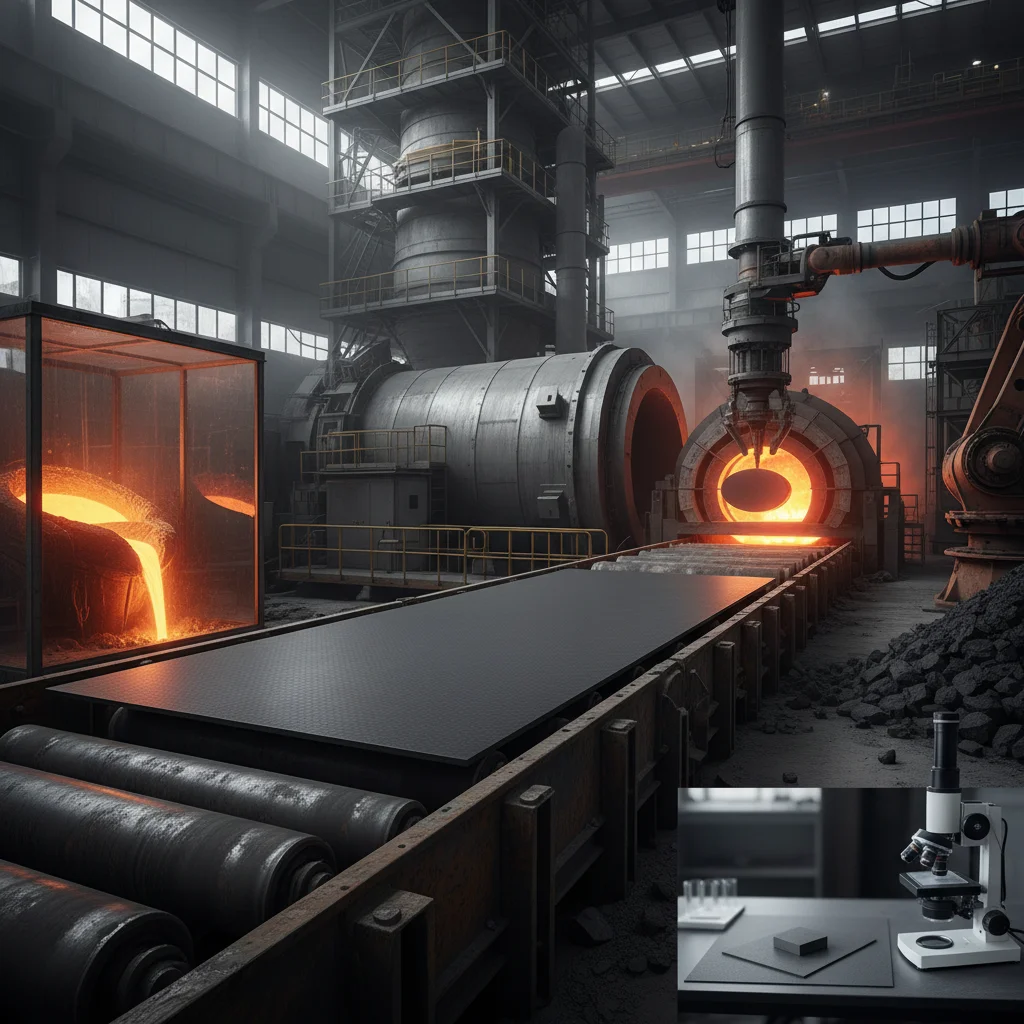
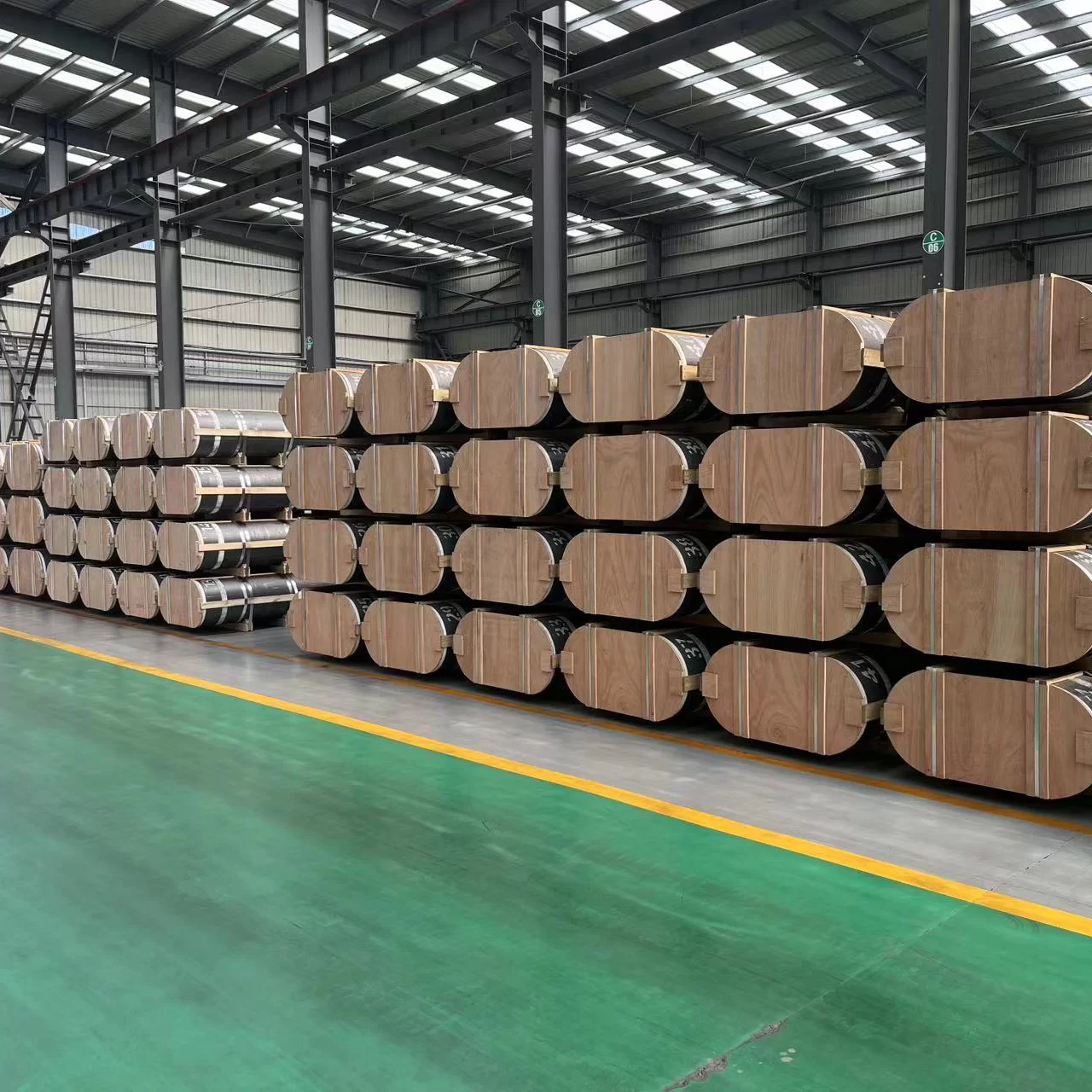
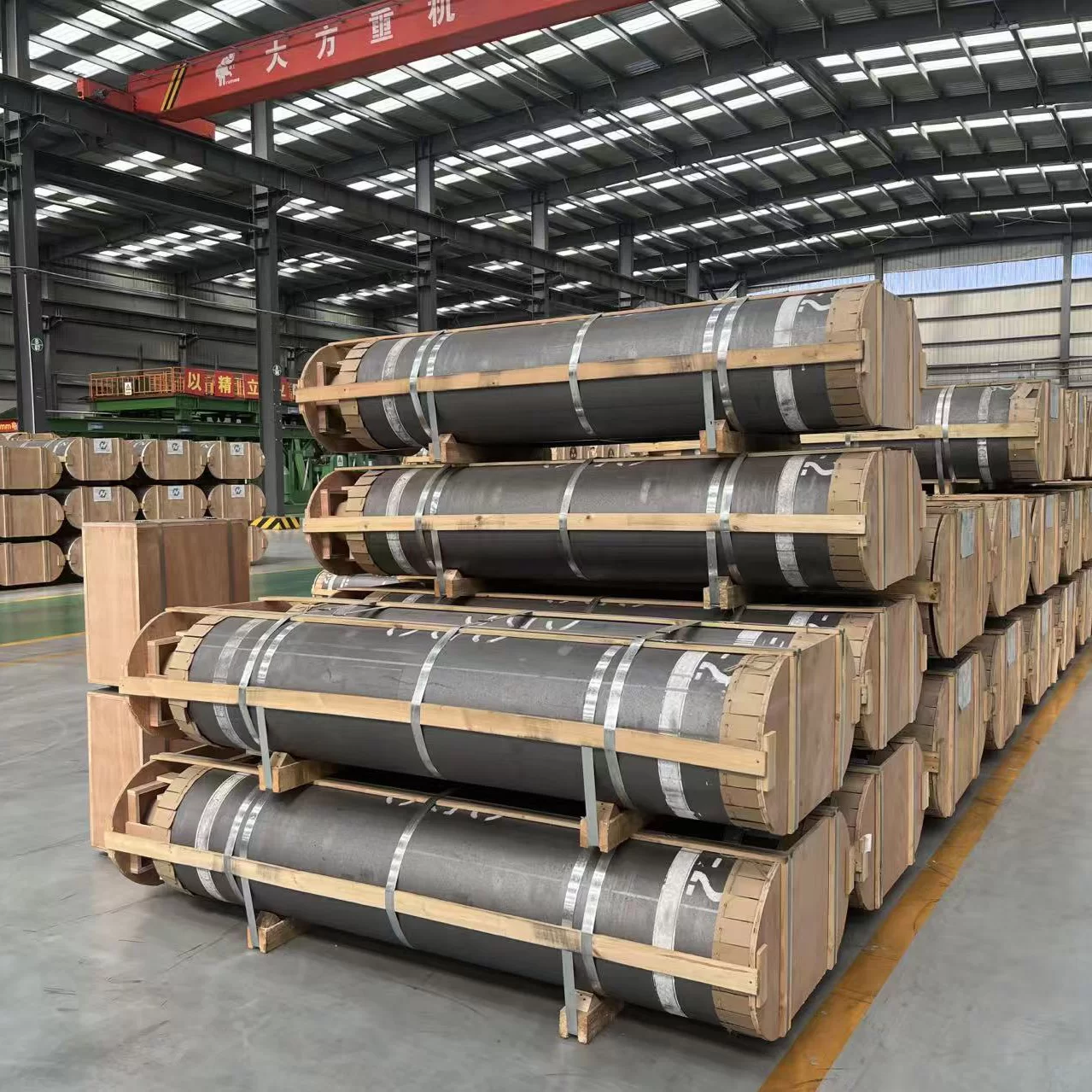
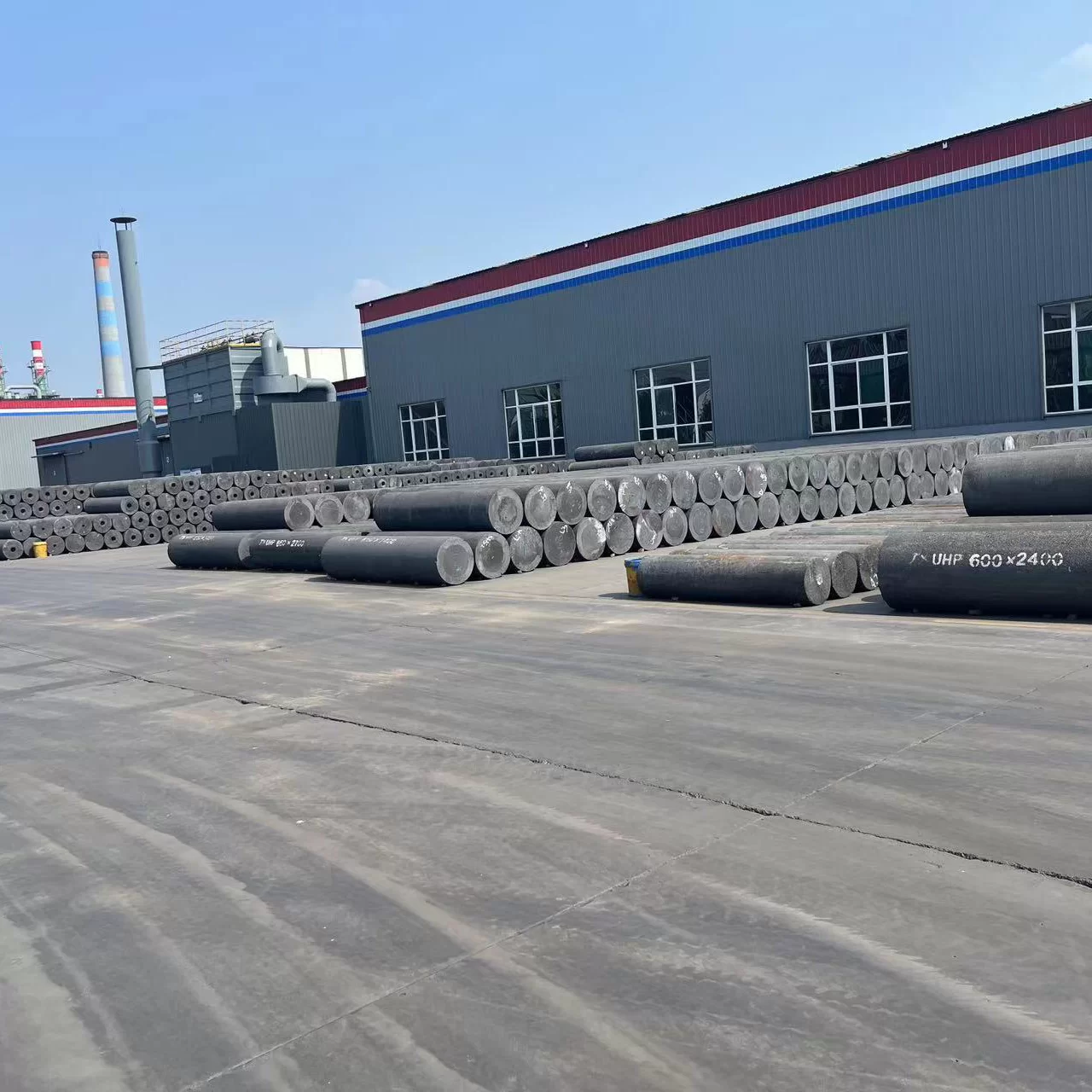
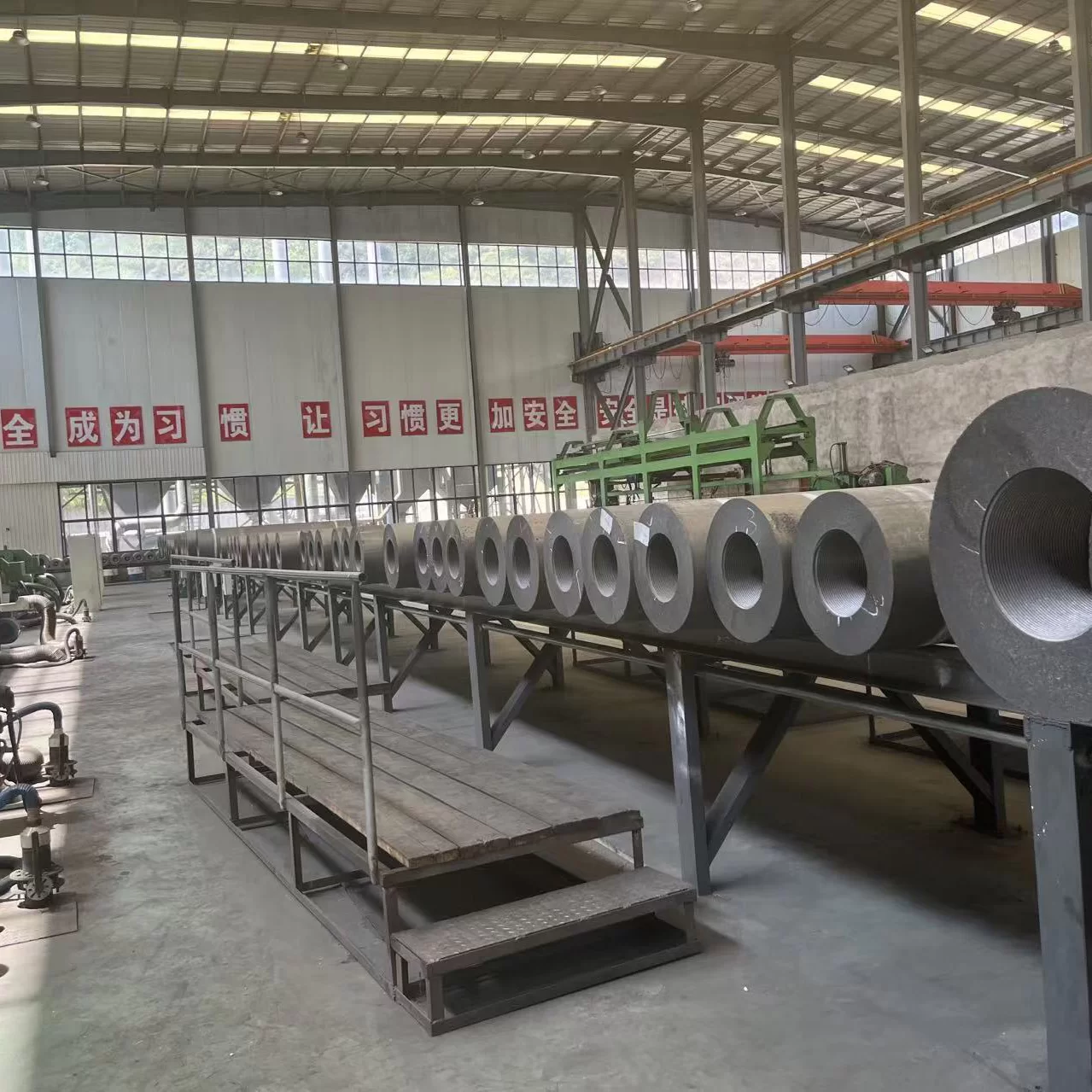
The production of high-performance artificial graphite powder is a sophisticated multi-stage process, demanding rigorous control and specialized equipment to achieve the desired material characteristics. It begins with the selection of high-quality carbonaceous precursors, typically petroleum coke or coal tar pitch, chosen for their low impurity levels and suitable graphitization potential. These precursors undergo initial purification and milling to achieve a specific particle size distribution before being blended with binders. The mixture is then compacted into green bodies through processes like pressing or extrusion, which are subsequently baked in inert atmospheres at temperatures around 1000°C. This carbonization step drives off volatile components and consolidates the material, forming hard carbon.
The most critical stage is graphitization, where the carbonized material is subjected to extremely high temperatures, often between 2500°C and 3000°C, in specialized furnaces like Acheson or graphitization furnaces. At these temperatures, the amorphous carbon atoms reorient into the highly ordered hexagonal crystalline lattice characteristic of graphite. The duration and precise temperature profile of this treatment dictate the material’s crystallinity, purity, and structural perfection. Post-graphitization, the material undergoes further processing steps including milling, micronization, and classification to achieve the desired particle size and shape. Advanced techniques such as surface coating or doping may also be applied to enhance specific properties like cycle life, rate capability, or electrolyte compatibility. Each step is monitored with stringent quality control measures, utilizing techniques like X-ray diffraction (XRD) for crystallinity, laser diffraction for particle size, and elemental analysis for purity, ensuring that the final artificial graphite powder meets the exacting standards required for its intended high-performance applications. This meticulous engineering journey transforms raw carbon into a precisely optimized functional material.
Strategic Selection: A Comparative Analysis of Leading Artificial Graphite Powder Manufacturers
Choosing the right supplier for artificial graphite powder is a critical decision that impacts product performance, cost-effectiveness, and supply chain reliability. The market is populated by several key players, each with distinct strengths in terms of product specifications, production capacity, and R&D focus. Below is a comparative overview of typical manufacturer profiles, highlighting key differentiators that buyers should consider when evaluating potential partners. It's important to note that these are generalized profiles, and specific product lines from each manufacturer would require detailed technical datasheets for precise comparison.
Manufacturer Profile | Purity (C content) | Specific Capacity (mAh/g) | Tap Density (g/cm³) | Typical Particle Size (D50, µm) | Key Advantage / Focus | Approx. Price Range (per kg) | Lead Time (standard order) |
Global Innovators Inc. | >99.98% | 365-370 | 1.6-1.7 | 10-15 | Ultra-high purity, long cycle life for EV batteries | $25 - $35 | 4-6 weeks |
Asia Advanced Materials Co. | >99.95% | 360-365 | 1.5-1.6 | 15-20 | Cost-effective, high volume, general electronics | $18 - $28 | 3-5 weeks |
EuroGraph Solutions | >99.96% | 368-372 | 1.6-1.65 | 12-18 | Optimized for high power, fast charge applications | $28 - $38 | 5-7 weeks |
North America Performance Graphite | >99.97% | 367-371 | 1.55-1.7 | 8-12 | Tailored morphology, specialty applications, R&D support | $30 - $45 | 6-8 weeks |
This comparison highlights that while all manufacturers offer high-grade artificial graphite, their specialization in purity, specific capacity, or even price point can vary significantly. Selecting a supplier requires a thorough analysis of application-specific needs, balancing technical specifications with commercial considerations like volume requirements, lead times, and the potential for long-term partnership in R&D and customization.
Tailored Solutions: Customizing Artificial Graphite for Niche Industrial Demands
In an industrial landscape increasingly characterized by highly specialized requirements, off-the-shelf artificial graphite powder may not always suffice. This necessitates robust customization capabilities, allowing manufacturers to fine-tune material properties to meet very specific application demands. The ability to offer tailored solutions is a significant differentiator for leading artificial graphite suppliers. Customization can involve several critical parameters, starting with precise control over particle size distribution (PSD). For instance, an application requiring high packing density and minimal internal resistance might demand a very narrow PSD with tightly controlled spherical particles (D50 as low as 5-8 µm), while another requiring rapid diffusion kinetics might benefit from a broader distribution or more porous structures.
Beyond particle size, surface modification plays a crucial role. Techniques such as carbon coating, inorganic compound doping, or polymer grafting can significantly alter surface reactivity, improve electrolyte compatibility, reduce irreversible capacity loss, or enhance thermal stability. For example, a thin layer of amorphous carbon on the surface of graphite particles can mitigate solid electrolyte interphase (SEI) formation issues in lithium-ion batteries, thereby improving cycle life and safety. Furthermore, controlling the overall particle morphology – from highly spherical particles that improve electrode calendering and reduce expansion, to irregular flakes beneficial for certain conductive composites – is another dimension of customization. Advanced manufacturers collaborate closely with clients, often engaging in joint R&D projects to develop bespoke artificial graphite solutions. This iterative process involves extensive material characterization, performance testing, and iterative refinement, ensuring that the final product not only meets but often exceeds the demanding performance benchmarks of niche industrial applications, such as advanced aerospace components, specialized friction materials, or next-generation energy storage systems.
Broadening Horizons: Diverse Applications and Future Outlook of Artificial Graphite
While its role as the premier anode material in lithium-ion batteries often dominates discussions, the utility of artificial graphite powder extends far beyond energy storage. Its unique combination of properties—high electrical and thermal conductivity, lubricity, chemical inertness, and high-temperature stability—makes it an invaluable component across a vast array of industries. In metallurgy, artificial graphite is crucial as a recarburizer in steel and cast iron production, enhancing mechanical properties and reducing energy consumption. Its use as an electrode material in electric arc furnaces (EAFs) highlights its exceptional thermal and electrical resilience, with large-scale electrodes consuming significant volumes annually due to their ability to withstand temperatures exceeding 3000°C during smelting operations.
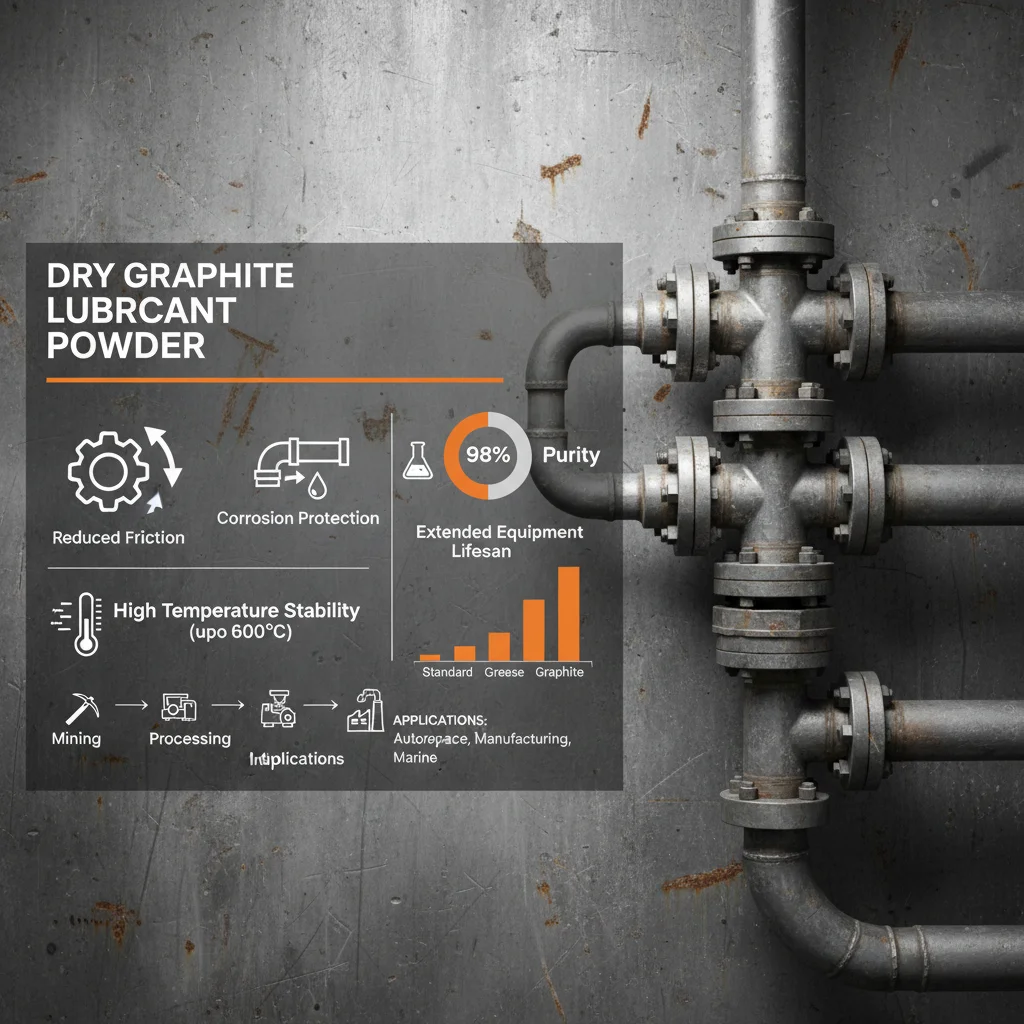
Artificial graphite also finds applications in demanding lubrication environments, where its lamellar structure provides excellent solid lubrication, reducing friction and wear in high-temperature or high-pressure systems where traditional liquid lubricants fail. In advanced materials, it serves as a conductive additive in polymers and composites, imparting antistatic properties or enhancing thermal management. Furthermore, its role in fuel cells, particularly as bipolar plates, is growing, leveraging its high conductivity and corrosion resistance. Looking to the future, research and development are exploring artificial graphite in solid-state batteries, advanced supercapacitors, and even as a substrate for graphene production, potentially unlocking new frontiers in electronics and materials science. The continuous pursuit of enhanced properties, such as even higher specific energy, faster charging rates, and improved safety profiles, ensures that the applications for artificial graphite powder will only continue to diversify and deepen, securing its place as a cornerstone material for future technological advancements.
Forging Ahead: Partnering for Future Innovations with Superior Artificial Graphite Powder Solutions
The journey through the intricate world of Artificial Graphite Powder underscores its unparalleled importance in shaping modern technological landscapes and driving future innovations. From the meticulous precision of its manufacturing processes to its diverse and critical applications across myriad industries, artificial graphite is far more than a commodity; it is a meticulously engineered material whose properties are continually optimized to meet and exceed the escalating demands of high-performance systems. The market dynamics, technical specifications, and the nuanced capabilities of various manufacturers all point to a singular conclusion: the strategic selection and implementation of the right artificial graphite solution is paramount for achieving competitive advantage and driving sustainable growth.
As industries continue their rapid evolution, particularly in the realms of electric vehicles, renewable energy storage, and advanced electronics, the demand for superior artificial graphite with increasingly refined characteristics will only intensify. Partnering with a supplier who possesses not only the advanced manufacturing capabilities but also a deep commitment to research and development and a proven track record in customization is crucial. Such a partnership transcends mere transactional exchanges; it fosters collaborative innovation, enabling the development of bespoke solutions that address the unique challenges and opportunities of tomorrow. Investing in high-quality, tailor-made Artificial Graphite Powder is not just an operational decision—it is a strategic imperative that empowers innovation, ensures product longevity, and solidifies leadership in an ever-more demanding global market.
Frequently Asked Questions about Artificial Graphite Powder
Q1: What is Artificial Graphite Powder?
A1: Artificial Graphite Powder is a synthetic form of carbon material produced by graphitizing carbonaceous precursors (like petroleum coke or coal tar pitch) at extremely high temperatures (2500-3000°C). This process transforms amorphous carbon into a highly ordered, crystalline graphite structure, resulting in superior purity, conductivity, and consistent properties compared to natural graphite.
Q2: How does Artificial Graphite Powder differ from Natural Graphite Powder?
A2: While both are forms of graphite, artificial graphite is synthesized and offers higher purity, more consistent crystallinity, and better control over particle morphology (e.g., spherical particles for batteries). Natural graphite is mined and can vary in purity and consistency, often requiring extensive purification. Artificial graphite generally exhibits superior rate capability and cycle life in lithium-ion batteries.
Q3: What are the primary applications of Artificial Graphite Powder?
A3: Its primary application is as an anode material in lithium-ion batteries for electric vehicles, portable electronics, and energy storage systems. Other significant applications include recarburizers in metallurgy, electrodes for electric arc furnaces, conductive additives in polymers, lubricants, and components in fuel cells.
Q4: What key properties make Artificial Graphite suitable for Li-ion battery anodes?
A4: Key properties include high specific capacity (around 372 mAh/g), excellent electrical conductivity, good thermal stability, consistent particle size and morphology for optimal packing, and high purity to minimize side reactions. These properties enable high energy density, long cycle life, and safe operation.
Q5: Can Artificial Graphite Powder be customized for specific needs?
A5: Absolutely. Leading manufacturers offer extensive customization options, including precise control over particle size distribution, surface treatments (e.g., carbon coating), doping, and morphology control. This tailoring allows the material to meet unique performance requirements for niche industrial and advanced technology applications.
Q6: What factors should be considered when selecting a supplier of Artificial Graphite Powder?
A6: Critical factors include the manufacturer's purity levels, specific capacity and tap density specifications, particle size distribution control, production capacity, consistency of supply, lead times, pricing, technical support, and their R&D capabilities for customization.
Q7: What is the environmental impact of Artificial Graphite Powder production?
A7: While the high-temperature graphitization process is energy-intensive, modern manufacturing techniques are increasingly focusing on energy efficiency and emission reduction. The long cycle life and high performance of artificial graphite in batteries contribute to overall energy efficiency and sustainability by extending the lifespan of energy storage devices and enabling clean energy technologies.