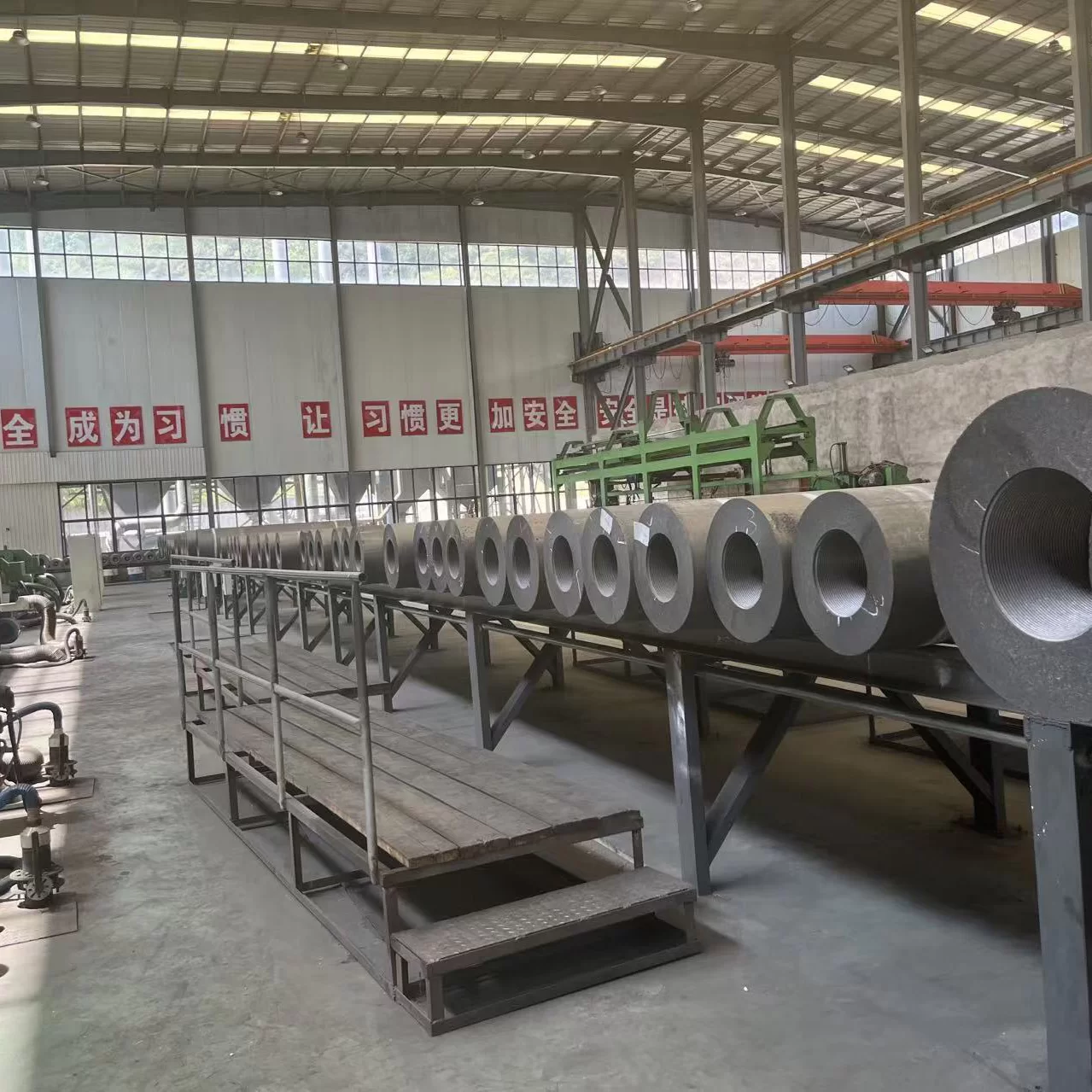
Graphite Solar Panels: Powering a Sustainable Future
If you’ve ever caught yourself wondering how solar technology keeps evolving, graphite solar panels might just be the next big step. These aren't your usual silicon-based panels — they blend graphite’s unique properties with solar tech to deliver improved durability, efficiency, and scalability. As the world leans into renewable energy (UN data shows renewables accounted for nearly 29% of global electricity in 2022), understanding this advancement matters for industries, governments, and even remote communities coping with power challenges.
Graphite solar panels promise a mix of cost efficiency, sustainability, and flexibility that could change how we think about solar power deployments globally. Here’s a lightly technical but very practical deep dive into what they are, why they matter, and how they might just light up the future.
Why Graphite Solar Panels Matter in Today’s Energy Revolution
Globally, the push towards cleaner energy is urgent — climate targets from the United Nations and international organizations like the International Renewable Energy Agency (IRENA) stress drastic carbon cuts by 2050. Traditional solar panels are a staple but have challenges, from material limitations to environmental footprint.
Graphite, a naturally abundant form of carbon, plays a pivotal role here. World Bank data reveals graphite mining and processing is growing steadily, driven by industries seeking better conductive materials. In solar tech, graphite’s excellent electrical conductivity, flexibility, and heat resistance can overcome some limits silicon panels face — especially in harsh environments.
One key issue: solar panel efficiency tends to drop when they get hot, which is a big problem in sunny climates where solar power is needed most. Graphite’s thermal properties help maintain performance under heat stress.
So, in a nutshell: graphite solar panels aren’t just a novelty; they’re a functional solution to real-world problems facing renewable deployments worldwide.
What Exactly Are Graphite Solar Panels?
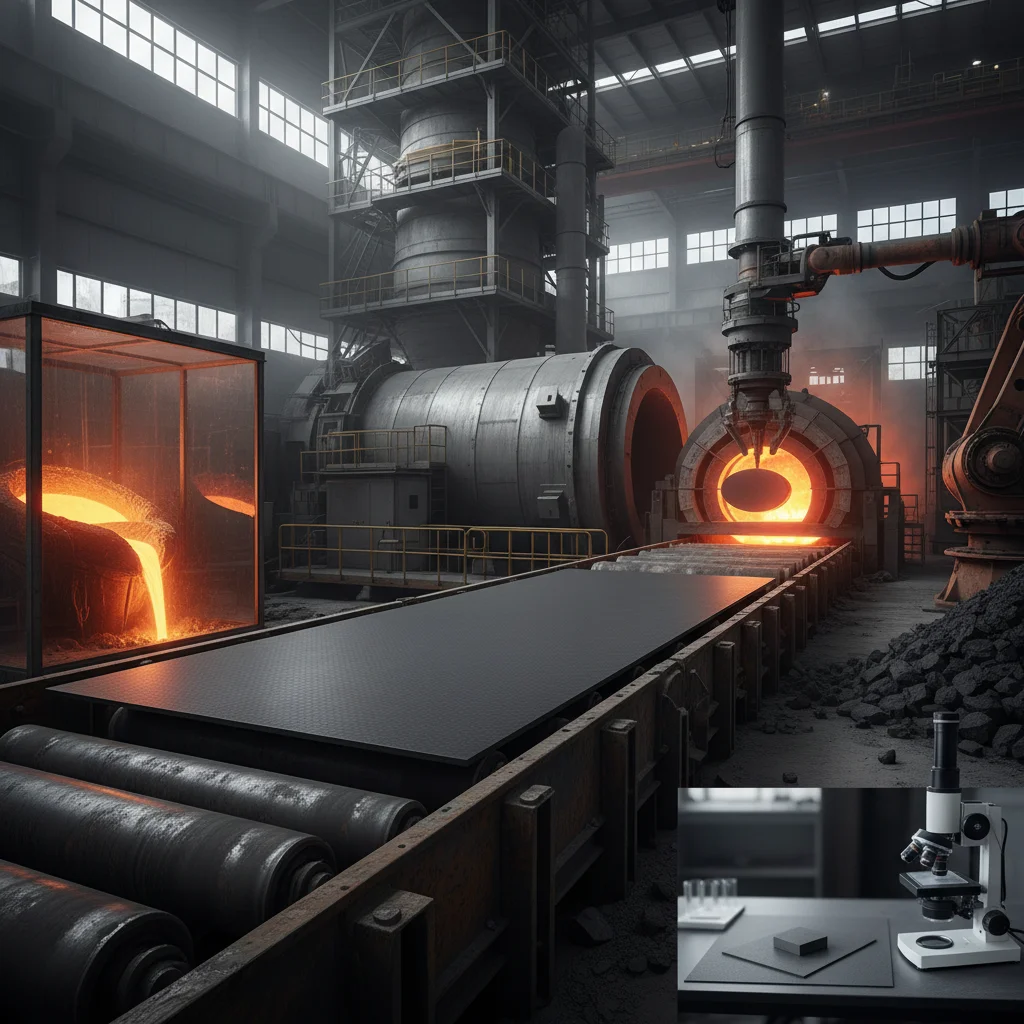
In simple terms, graphite solar panels use graphite-based materials integrated into the photovoltaic (PV) cells or conductive layers to improve electrical pathways and thermal management. Rather than relying solely on traditional silicon cells, manufacturers incorporate graphite either as a thin film, a coating, or a structural component to enhance performance.
This isn’t just about tweaking tech for the sake of it — it ties directly into modern needs. Remote communities without reliable grid access, emergency response teams requiring rapid power setups, and industrial zones aiming to reduce carbon footprints can all benefit from panels that last longer and perform better under stress.
Core Factors Behind Graphite Solar Panels
1. Durability
Graphite is highly resistant to corrosion and mechanical stresses. Many engineers I talked to mention how graphite layers increase panel lifespan, especially where dust, humidity, or saltwater exposure is common — think coastal or desert regions.
2. Scalability
One neat thing about graphite is its abundance and versatility. This allows manufacturers to design panels for everything from small-scale portable devices to large solar farms. This scalability is critical for meeting diverse energy needs.
3. Cost Efficiency
Compared to rare metals or expensive semiconductor materials, graphite is more affordable. While initial R&D and integration might raise costs a bit, the long-term savings due to durability and efficiency gains potentially offset this.
4. Thermal Conductivity
Graphite’s excellent thermal management reduces the usual overheating problem with solar panels. This means more consistent energy output, even in blazing temperatures.
5. Environmental Impact
Using graphite also cuts down the reliance on heavy metals or environmentally sensitive materials. Plus, graphite mining, while not impact-free, is relatively mature with improving sustainability practices.
Mini takeaway:
Graphite's qualities — thermal, mechanical, and economic — make it an excellent component in next-gen solar panel technology.
Global Applications and Real-World Use Cases
Graphite solar panels are popping up in a few innovative projects worldwide. For instance, in sub-Saharan Africa, NGOs combine these panels with microgrids to electrify villages — cutting out expensive fossil fuel generators.
Post-disaster relief operations, like those after hurricanes or earthquakes, utilize portable graphite solar units because they handle rough handling and temperature swings better than silicon alone.
In industrial settings — especially in remote mining or oil extraction fields — continuous, reliable power is critical. Here, graphite-enhanced panels provide greater uptime with less maintenance.
Interestingly, in Europe, some research labs are experimenting with graphite composites to create semi-flexible panels for urban installations, where space and aesthetics matter.
Mini takeaway:
Whether off-grid villages, disaster zones, or urban rooftops, graphite solar panels prove their worth across diverse scenarios.
Advantages and Long-Term Value of Graphite Solar Panels
- Cost savings: Longer lifespan means fewer replacements and maintenance costs.
- Sustainability: Less reliance on toxic materials and improved recyclability.
- Performance reliability: Stable output regardless of temperature variances.
- Social impact: Safer and more accessible technology supports dignity and development in underserved areas.
Frankly, these factors together build trust — both from investors and end-users. Innovation like this isn’t just about efficiency; it’s about creating a resilient energy future that’s inclusive.
Product Specification Table: Typical Graphite Solar Panel
| Specification | Typical Value |
|---|---|
| Panel Type | Monocrystalline with graphite composite layers |
| Power Output | 300-350 W |
| Efficiency | 19-22% |
| Operating Temperature Range | -40°C to 85°C |
| Durability (Warranty) | 25 years |
| Weight | 18-20 kg |
| Recyclability | >90% |
Future Trends and Innovations in Graphite Solar Panels
The world of solar is always shifting, and graphite solar panels are no exception. Researchers are now looking at combining graphite with other carbon nanomaterials like graphene to push conductivity and durability even further.
On the policy side, more governments are setting incentives specifically for “carbon-smart” materials like graphite composites, which could speed adoption.
Digital technology—think IoT-enabled solar panel monitoring coupled with graphite’s stable conductivity—may usher in new smarter setups that optimize performance dynamically.
And oddly enough, some startups are designing flexible graphite solar sheets for electric vehicle roofs, which feels like a neat convergence of two big green trends.
Challenges and Creative Solutions
Despite the promise, graphite solar panels face hurdles. One is consistent material quality — naturally sourced graphite can vary, and processing it requires advanced techniques.
Also, integrating graphite doesn’t yet match the pure efficiency peak of top-tier silicon panels in lab tests. That said, many engineers say the trade-off with durability and cost is worth it.
Innovations in composite manufacturing and hybrid material systems are the path forward, combining graphite’s strengths with other materials to optimize all-around performance.
FAQ: Your Graphite Solar Panel Questions Answered
Q1: How do graphite solar panels compare to traditional silicon solar panels in durability?
A: Graphite layers enhance resistance to heat, moisture, and physical stress, typically leading to longer lifespans (20-25 years standard) compared to some conventional silicon panels that may degrade faster under extreme conditions.
Q2: Are graphite solar panels more expensive upfront?
A: Initially, they can cost 10-15% more due to advanced materials and processing. However, cost savings over time from reduced maintenance and higher efficiency in hot climates often balance this out.
Q3: Can graphite solar panels be used in portable solar devices?
A: Absolutely. Their flexibility and robustness make them ideal for portable units used in disaster relief, outdoor expeditions, or remote off-grid power supply.
Q4: How eco-friendly are graphite solar panels?
A: They reduce reliance on rare or toxic metals, offer over 90% recyclability, and utilize graphite mining processes that are steadily improving in sustainability.
Q5: Where can I learn more or purchase graphite solar panels?
A: Visit trusted industry sites such as graphite solar panels vendors and research organizations for the latest products and technical details.
Vendor Comparison Table: Leading Graphite Solar Panel Providers
| Vendor | Panel Power (W) | Warranty (Years) | Price per Watt (USD) | Special Features |
|---|---|---|---|---|
| GrapheneSunTech | 320 | 25 | $0.85 | Graphite-graphene hybrid layer |
| CarbonClad Solar | 310 | 20 | $0.78 | High thermal resistance coating |
| Dah Carbon Solutions | 350 | 25 | $0.90 | Modular scalable panels, extensive testing |
Wrapping It Up: Why You Should Care About Graphite Solar Panels
So, what did we learn? Graphite solar panels marry material science with practical renewables, tackling real pain points like durability, cost, and climate performance. They bring hope for greener energy solutions where current tech falls short, supporting everything from rural electrification to resilient disaster relief power.
If renewable energy feels like the future (and I suppose it has to), then paying attention to how graphite solar panels are developing is a smart move — especially if you’re part of energy planning or tech innovation. For the latest in this space, check out graphite solar panels. After all, the future’s bright, as long as we keep improving the way we catch that sunshine.