Why Graphite Varnish Matters in Today’s Industrial World
If you’ve ever marveled at the durability of certain industrial coatings or thought about how electronics survive harsh environments, you might not have realized that an unsung hero called graphite varnish is often at work behind the scenes. Graphite varnish, while sounding niche and a bit technical, plays a surprisingly pivotal role—especially when industries demand materials that can withstand heat, abrasion, and electrical stresses.
Globally, industries ranging from automotive manufacturing to aerospace rely on advanced coatings like graphite varnish to enhance product lifespan, reduce maintenance costs, and improve overall safety. According to ISO standards (ISO 8510-2), using specialized varnishes can directly affect the efficiency and durability of electric motor components, transformers, and high-voltage equipment.
Understanding graphite varnish isn’t just for engineers or chemists—it’s valuable for any professional involved in industrial procurement, product design, or sustainability planning. Knowing what it does helps you make better decisions about materials that last longer and perform better under demanding circumstances.
Graphite Varnish: A Global Industrial Context
Industries worldwide are constantly battling wear and tear—quite literally from the heat, friction, and chemical exposure typical in manufacturing and energy sectors. The United Nations Industrial Development Organization (UNIDO) highlights that improved materials engineering is key to achieving sustainable industrial growth, especially in emerging economies.
Graphite varnish steps in as a solution to several challenges:
- Heat Resistance: It shields components from excessive heat damage.
- Electrical Conductivity: Offers controlled conductivity where needed.
- Corrosion Protection: Acts as a barrier against moisture and chemicals.
Without such varnishes, manufacturers face higher failure rates, more frequent replacements, and increased downtime—inefficiencies that add up quickly on a global scale.
What Exactly Is Graphite Varnish?
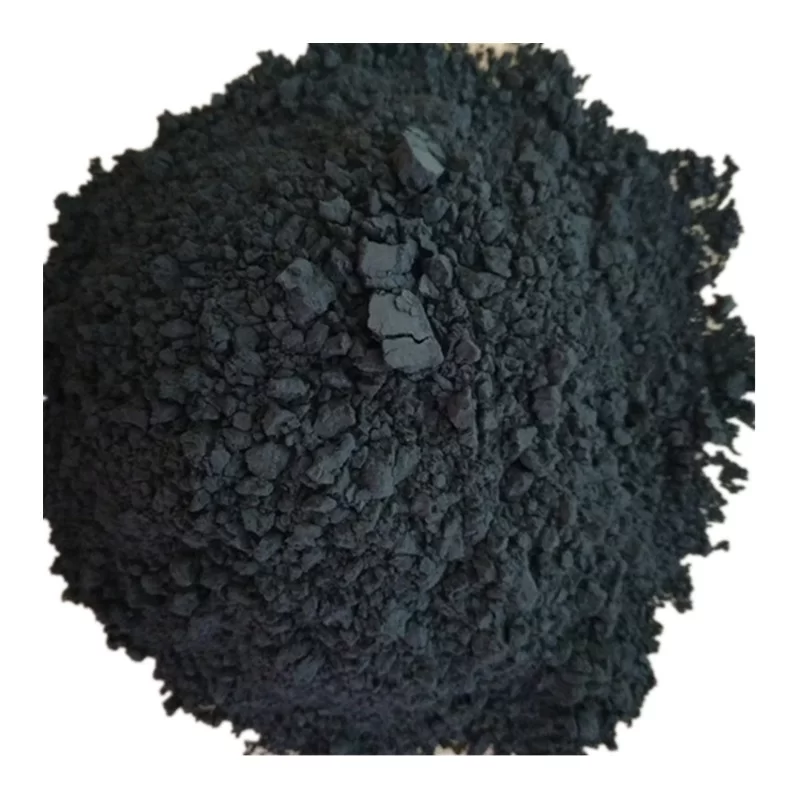
At its core, graphite varnish is a type of resin-based coating infused with finely milled graphite particles. These particles are what give the varnish its unique properties, such as enhanced conductivity and excellent lubrication. Unlike standard varnishes meant solely for aesthetics or basic protection, graphite varnish is formulated to handle tough industrial applications.
The varnish gets applied to components like electric motor windings, bearings, or metal surfaces to protect them from heat, friction, and moisture—all while sometimes serving as a lubricant or a semi-conductive layer. Essentially, it’s a kind of “smart coating” that can extend product life and improve reliability.
In humanitarian or remote industrial settings, graphite varnish ensures critical equipment stays operational in extreme conditions—think power generation units running in desert heat or emergency relief machinery operating post-disaster.
Key Features of Graphite Varnish That Make It Industrial-Grade
1. Durability & Heat Resistance
Graphite varnish maintains its integrity under high-temperature conditions, sometimes as hot as 250°C or more, making it ideal for equipment that runs hot. Its graphite content helps the varnish resist thermal breakdown better than typical polymer coatings.
2. Electrical & Thermal Conductivity
Thanks to the conductive graphite flakes, this varnish provides controlled conductivity—a critical factor for electrical insulation systems where overheating might be catastrophic. It helps dissipate heat efficiently and keeps electrical components safe from breakdowns.
3. Corrosion and Chemical Protection
Applied as a thin film, graphite varnish seals metal surfaces off from moisture and corrosive agents, preventing rust and chemical erosion. This feature is vital for offshore industries and chemical plants.
4. Lubrication Properties
Oddly enough, graphite varnish can reduce friction on moving parts when applied properly—which is a double benefit for both protection and efficiency in mechanisms.
5. Cost and Ease of Application
While high-tech in function, graphite varnish remains relatively affordable and can be applied via brushing, spraying, or dipping processes—making it scalable for production lines of all sizes.
Graphite Varnish in Action: Real-World Applications
Thinking bigger than lab tests, graphite varnish finds homes in several critical arenas across the globe:
- Electrical Motors & Transformers: Companies in Germany and Japan apply graphite varnish to windings for insulation and heat dissipation, reducing failure rates and improving efficiency.
- Aerospace Components: Due to its lubrication and heat resistance, parts of aircraft actuators and turbine components often get coated with graphite varnish to enhance performance in extreme environments.
- Disaster Relief Equipment: Remote power generators used in post-hurricane zones benefit from graphite varnished parts that resist corrosion and wear despite humidity and salt exposure.
- Automotive Industry: Hybrid and electric vehicle battery housings sometimes employ graphite varnish as a component sealant and thermal management layer.
Many manufacturers sourcing from China, the USA, and Europe emphasize varnish performance as a key differentiator, often custom-tuned to client specifications.
Key Product Specifications of Graphite Varnish
| Specification | Typical Value | Unit / Note |
|---|---|---|
| Graphite Content | 15 - 25 | % by weight |
| Operating Temperature | -40 to 260 | °C continuous |
| Drying Time | 30 - 45 | minutes at 150°C |
| Viscosity | 250 - 350 | cP (centipoise) |
| Electrical Resistivity | 10-3 - 10-2 | Ohm·cm |
How Different Vendors Stack Up: A Quick Comparison
| Vendor | Graphite Content (%) | Heat Resistance (°C) | Lead Times | Customization |
|---|---|---|---|---|
| CarbonCoatings Inc. | 20 | 250 | 2 weeks | Moderate |
| GraphTech Solutions | 18 | 260 | 3 weeks | High |
| DuraVarnish Ltd. | 22 | 240 | 1 week | Low |
The Upside: Why Invest in Graphite Varnish?
When I first dug into coatings research, it felt like graphite varnish was just another paint. But the more I learned, the clearer it became: it’s a game-changer for long-term value. Manufacturers report:
- Lower Maintenance Costs: Equipment with graphite varnished parts often requires less frequent servicing.
- Environmental Benefits: Longer service life means fewer replacements and less waste.
- Safety Improvements: Heat and electrical protection enhances operational safety, reducing downtime.
From an emotional perspective, it’s that confidence you get knowing a critical machine won’t fail unexpectedly—especially when lives or large investments depend on uptime.
Peeking Into the Future: Trends and Innovations
Graphite varnish isn’t standing still. With green energy tech booming, newer formulations focus on reduced volatile organic compounds (VOCs), aligning with ISO 14001 environmental standards. Plus, nano-graphite additives are on the rise, offering even more consistent coatings with finer control over conductivity and wear resistance.
Automation of application processes—using robotics for uniform layers—and integration with smart sensors embedded in varnish films might soon become mainstream, creating “smart coatings” that can self-monitor or adapt their properties.
Challenges and How Industry Experts Are Tackling Them
Of course, no solution is perfect. The main challenges with graphite varnish include:
- Ensuring Uniform Coating: Graphite particle settling can cause uneven layers if not managed carefully.
- Balancing Conductivity: Too much graphite and you lose insulation; too little and you sacrifice thermal benefits.
- Application Conditions: Humidity and temperature swings during application affect curing quality.
Experts recommend tight quality controls, advances in resin formulations, and pre-treatment processes as effective solutions. Some companies even tailor varnish mixes down to batch-specific testing to get it just right.
FAQ: Common Questions About Graphite Varnish
Q1: How is graphite varnish different from regular industrial varnish?
A1: Graphite varnish integrates graphite particles within the resin, giving it unique conductive and lubrication properties that standard varnishes lack. This makes it suitable for electrical and high-friction environments.
Q2: Can graphite varnish be used outdoors?
A2: Yes, especially when formulated with UV stabilizers and moisture barriers. It provides excellent corrosion and weather resistance, though some formulations are better suited for extreme outdoor conditions.
Q3: How does the curing process affect its performance?
A3: Proper curing at recommended temperatures ensures the varnish bonds correctly, achieving desired hardness and conductivity. Too low or uneven heat can cause weak spots and reduced effectiveness.
Q4: Is graphite varnish environmentally safe?
A4: Modern formulations have reduced VOC content and comply with environmental standards like ISO 14001. Still, disposal and handling should follow manufacturer and local regulations.
Q5: Where can I buy high-quality graphite varnish?
A5: Several vendors worldwide specialize in graphite varnishes, including graphite varnish suppliers known for custom blends and industry certifications. It helps to source directly from reputable companies for quality assurance.
In Conclusion: Why Graphite Varnish Is Worth Your Attention
Summing it all up: graphite varnish might seem like a small detail, but if you’re in any sector involving electrical equipment, machinery, or even specialized coatings, it’s one of those behind-the-scenes heroes that keep things running smoothly. It works quietly to withstand heat, cut friction, and add that touch of longevity that saves serious money—and stress.
Looking to learn more or source top-quality products? Feel free to visit our website: https://www.dahcarbon.com for comprehensive options and expert advice on graphite varnish solutions tailored to your needs.