Why Understanding Graphite Yarn Matters for Today’s Industries
Graphite yarn might sound like just another industrial material, but it’s quietly shaping some of the most innovative sectors worldwide. Whether in aerospace components, flexible electronics, or even advanced textiles, this fascinating material offers a unique blend of properties—lightweight yet incredibly strong, thermally conductive but electrically adaptable—that’s hard to beat.
Globally, as industries race to develop smarter, more sustainable materials, graphite yarn stands out as an essential player. Understanding its benefits and applications is no longer just academic; it’s a practical necessity for engineers, manufacturers, and even humanitarian organizations aiming for durability and innovation.
Mini takeaway: Graphite yarn isn’t just a technical buzzword. It’s a game-changer that’s quietly powering advancements across multiple industries on a global scale.
The Big Picture: Graphite Yarn’s Role in Global Industry
To put graphite yarn’s relevance in perspective, consider that global demand for advanced carbon materials has been growing at roughly 8% annually according to the International Organization for Standardization (ISO). The World Bank also highlights increasing interest in lightweight materials that support energy efficiency and sustainability goals. But here’s where graphite yarn really earns its stripes: its unique properties help solve challenges in harsh environments where other fibers fall short.
For example, industries from automotive manufacturing hubs in Germany to high-tech textile zones in Japan have turned to graphite yarn to overcome issues like thermal degradation, weight constraints, and mechanical fatigue. Plus, in humanitarian relief scenarios, its durable nature supports long-lasting solutions like insulated fabrics and portable energy systems — little-known but invaluable uses often overlooked in mainstream discussions.
Mini takeaway: Graphite yarn meets real-world needs — from high tech to humanitarian — by providing stability and performance that new global challenges demand.
What Exactly is Graphite Yarn?
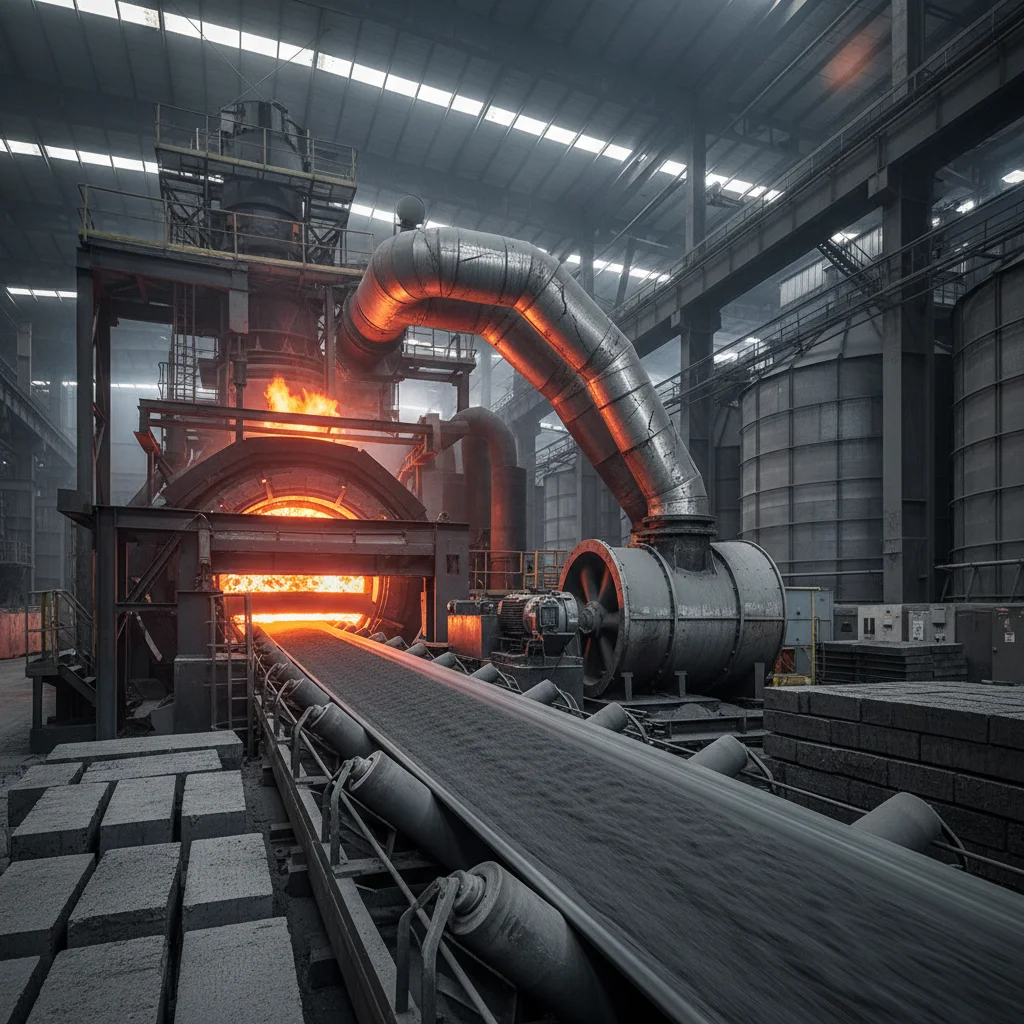
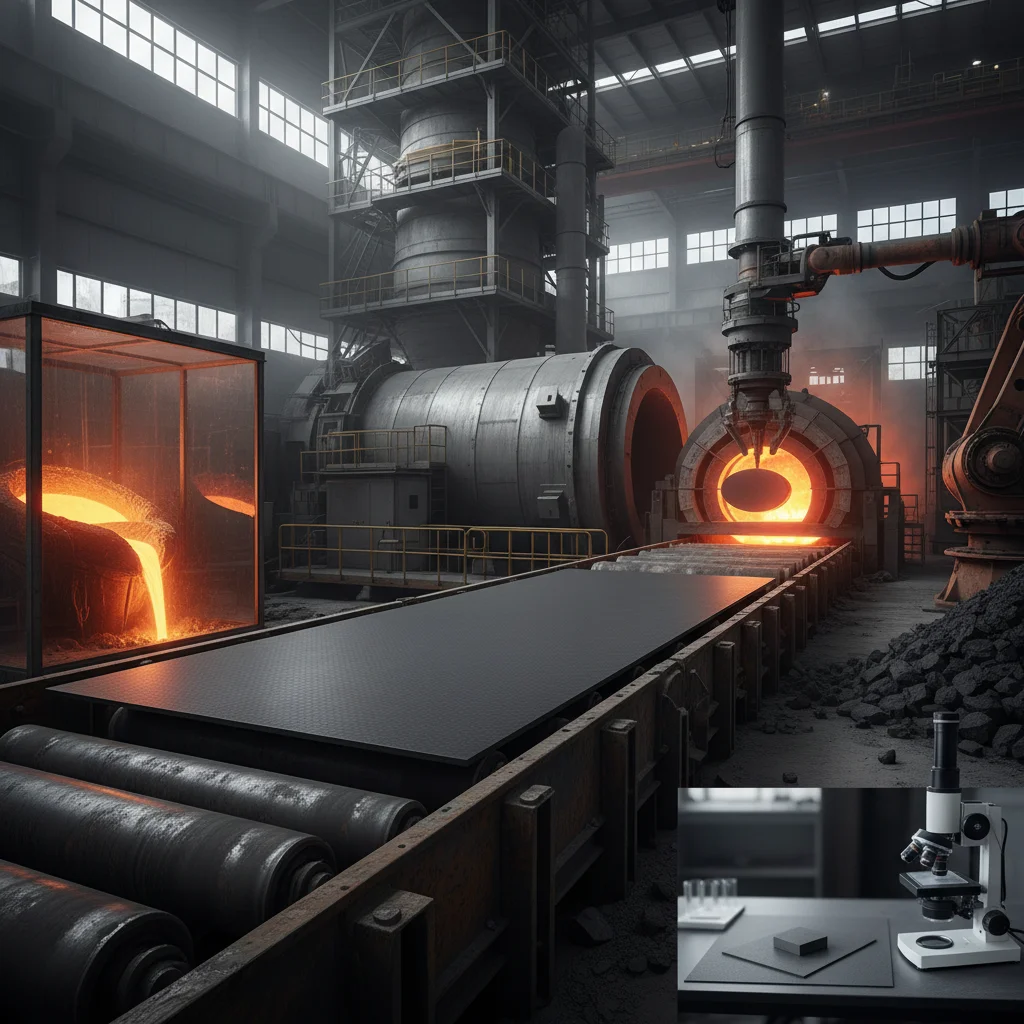
Simply put, graphite yarn is a fiber composed primarily of graphite, a crystalline form of carbon known for its electrical conductivity and heat resistance. These yarns are produced by carbonizing and graphitizing precursor fibers, such as polyacrylonitrile (PAN), to deliver a robust but flexible filament structure.
The result? A material that bridges the gap between traditional textile fibers and high-performance composites. It’s not just strong, but also lightweight and thermally stable. This makes graphite yarn a perfect fit for industries that rely on advanced composites or need flexible electronics integrated into fabrics — think aircraft interiors or wearable tech.
And though it might seem niche, its humanitarian potential is starting to gain traction: communities rebuilding after disasters, for instance, can use graphite yarn-enhanced materials for insulation in temporary shelters that must withstand extremes of temperature.
Mini takeaway: Graphite yarn is the high-tech cousin of traditional fabrics — tougher, smarter, and ready to meet 21st-century demands.
Core Characteristics of Graphite Yarn and Why They Matter
Durability and Strength
Frankly, one of graphite yarn’s biggest selling points is its ability to hold up under stress. Where natural fibers might fray or synthetic ones degrade, graphite yarn maintains structural integrity across a wide range of temperatures and environments. This makes it ideal for aerospace composites or protective clothing.
Thermal and Electrical Conductivity
Oddly enough, graphite yarn offers a rare combo: it conducts electricity and heat efficiently but is still flexible. This dual nature is gold for engineers designing lightweight heating elements or electromagnetic shielding woven directly into fabric.
Lightweight and Scalable Production
In real terms, industries need materials they can scale without sacrificing performance. The manufacturing processes for graphite yarn have improved dramatically, lowering costs and improving yield, which helps meet demands in automotive, energy, and electronics sectors.
Cost Efficiency Over Lifecycle
While raw graphite yarn can be pricier upfront than some alternatives, many engineers say its longevity and performance benefits actually reduce costs over the long run by lowering maintenance and replacement frequency.
Environmental Impact
Though still early days, sustainable sourcing and recycling techniques for graphite yarn are evolving, aligning this material with green initiatives focused on carbon footprint reduction.
Mini takeaway: Graphite yarn’s combination of durability, conductivity, scalability, and growing sustainability makes it a versatile tool in tackling complex industrial challenges.
Global Applications: Graphite Yarn in Action
The use cases for graphite yarn range widely, reflecting its multifaceted properties:
- Aerospace & Defense: Reinforcing composite materials in aircraft wings and fuselage panels, where weight savings and strength come at a premium.
- Wearable Electronics: Incorporating conductive yarns into smart textiles for health monitoring or energy storage.
- Automotive Industry: Enhancing battery packs and thermal management systems, especially in electric vehicles.
- Humanitarian Relief: Durable insulation fabrics for temperature-sensitive shelters or medical gear in disaster zones, notably in regions like Southeast Asia and Sub-Saharan Africa.
- Energy Sector: Flexible heating elements and shielding in harsh industrial environments.
For instance, a relief operation in the Philippines recently adopted graphite yarn–coated fabrics for emergency shelter insulation that resisted tropical heat and humidity far better than traditional textiles — literally buying time and comfort for displaced families.
Mini takeaway: From high-tech hubs in Europe to crisis zones in Asia, graphite yarn delivers solutions where it counts most.
Advantages & Long-Term Value
Why do companies commit to graphite yarn? Because it delivers. Cost savings from lower maintenance, environmental benefits tied to longer-lasting products, and social impact through improved worker safety and humanitarian support all add up.
And let’s be real — at a human level, materials like graphite yarn that can help protect people and environments feel meaningful. It fosters trust in technology without sacrificing dignity or innovation.
Future Trends and Innovations Around Graphite Yarn
Looking forward, expect to see:
- More integration of graphene-enhanced yarns for superlative electrical performance.
- Advances in recycling graphite yarn composites to reduce waste.
- Growing use in flexible energy storage, like batteries and supercapacitors.
- Smart textile applications blending AI sensors with conductive yarns.
In essence, graphite yarn is part of a broader digital and green transformation rippling through manufacturing worldwide.
Challenges and How They’re Being Tackled
Still, no silver bullet here. Producing consistent graphite yarn quality requires tight process control and expensive equipment. Also, integrating it into conventional manufacturing lines can be tricky without specialized know-how.
Innovators are addressing these issues by developing standardized testing protocols, modular production units, and training platforms to ease adoption. Plus, collaborations between academia and industry help refine materials for better cost-performance tradeoffs.
FAQ: Your Practical Questions Answered
What are the common uses of graphite yarn in industry today?
Graphite yarn is mainly used for reinforcing composites in aerospace, automotive thermal management, and wearable electronics thanks to its strength and conductivity. It's also gaining ground in specialized textiles for disaster relief.
How does graphite yarn compare to carbon fiber?
Graphite yarn shares many properties with carbon fiber but is typically more flexible and suitable for weaving into fabrics. It offers better adaptability in textiles whereas carbon fiber excels in rigid composites.
Is graphite yarn eco-friendly?
While not inherently eco-friendly, advances in recycling methods and responsible sourcing are improving its environmental footprint, making it a better choice long-term compared to less durable alternatives.
Can graphite yarn be customized for specific applications?
Absolutely. Fiber thickness, weaving patterns, and treatment coatings can be tailored to meet needs ranging from electrical conductivity to thermal insulation.
Where can I buy high-quality graphite yarn?
Specialist suppliers and industrial manufacturers worldwide offer graphite yarn. Comparing options based on specs and certifications ensures you get materials fit for your application.
Graphite Yarn Product Specifications
| Property | Value/Range | Notes |
|---|---|---|
| Fiber Diameter | 5–15 µm | Depends on precursor and process |
| Tensile Strength | 3.5–7 GPa | Comparable to high-end carbon fibers |
| Thermal Conductivity | 100–300 W/m·K | Excellent for heat dissipation |
| Electrical Conductivity | 1,000–2,000 S/cm | Good for conductive textiles |
| Operating Temperature | Up to 3,000°C (inert atmosphere) | Extremely heat resistant |
Vendor Comparison for Graphite Yarn Suppliers
| Supplier | Product Range | Pricing | Geographical Reach | Lead Time | Certifications |
|---|---|---|---|---|---|
| Dah Carbon | Wide (multiple yarn diameters) | Mid to high | Global (Asia, Europe, Americas) | 2–4 weeks | ISO 9001, RoHS |
| CarbonTech Supplies | Focused (premium grades) | High | North America, Europe | 3–5 weeks | ASTM, ISO |
| FlexiGraphene Inc. | Innovative blends & composites | Variable | Asia, Australia | 1–3 weeks | ISO Certification pending |
Wrapping It Up
It’s funny how something as unassuming as graphite yarn can quietly underpin such a broad spectrum of high-tech and humanitarian solutions. From the durability and conductivity that engineers rely on, to the social impact felt in disaster zones, understanding this material helps companies innovate responsibly and sustainably.
Whether you’re designing the next generation of smart textiles or looking to build better, longer-lasting products, graphite yarn deserves a spot on your radar. Curious to explore more? Visit our website for detailed product info and expert advice: graphite yarn.