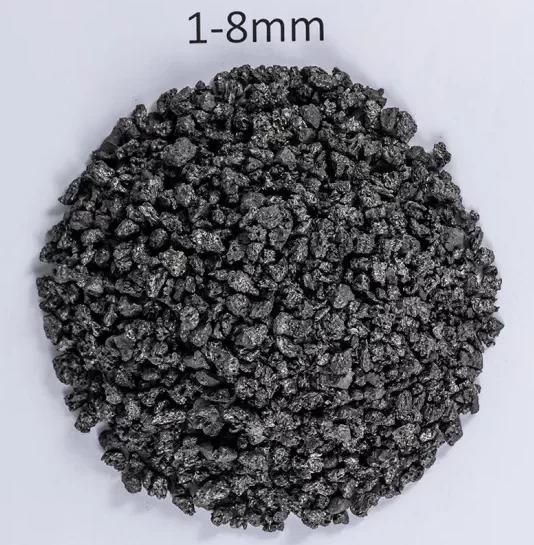
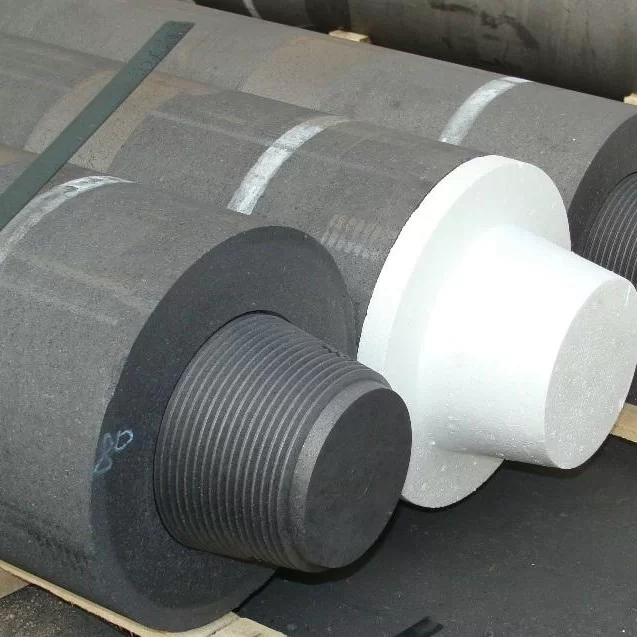
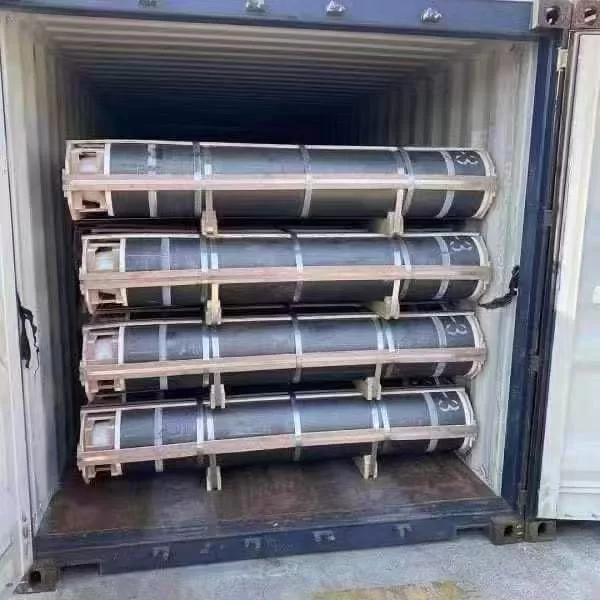
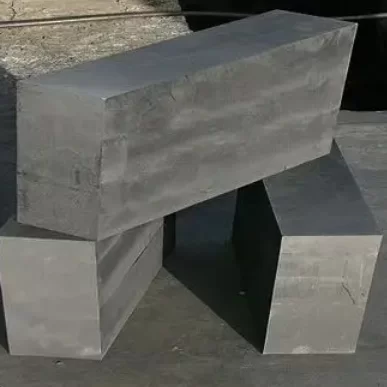
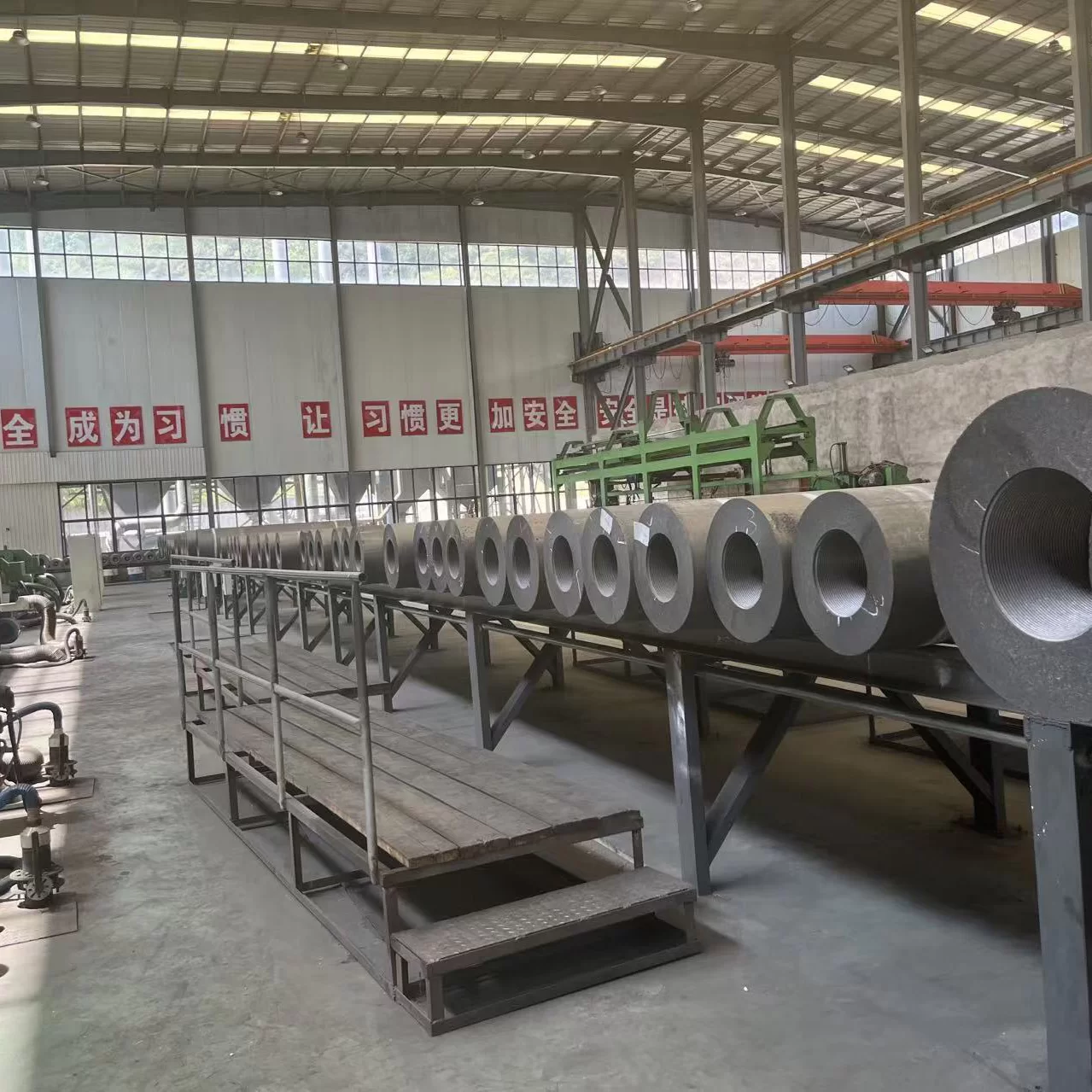
Understanding Green Graphite: Why It Matters in a Sustainable Future
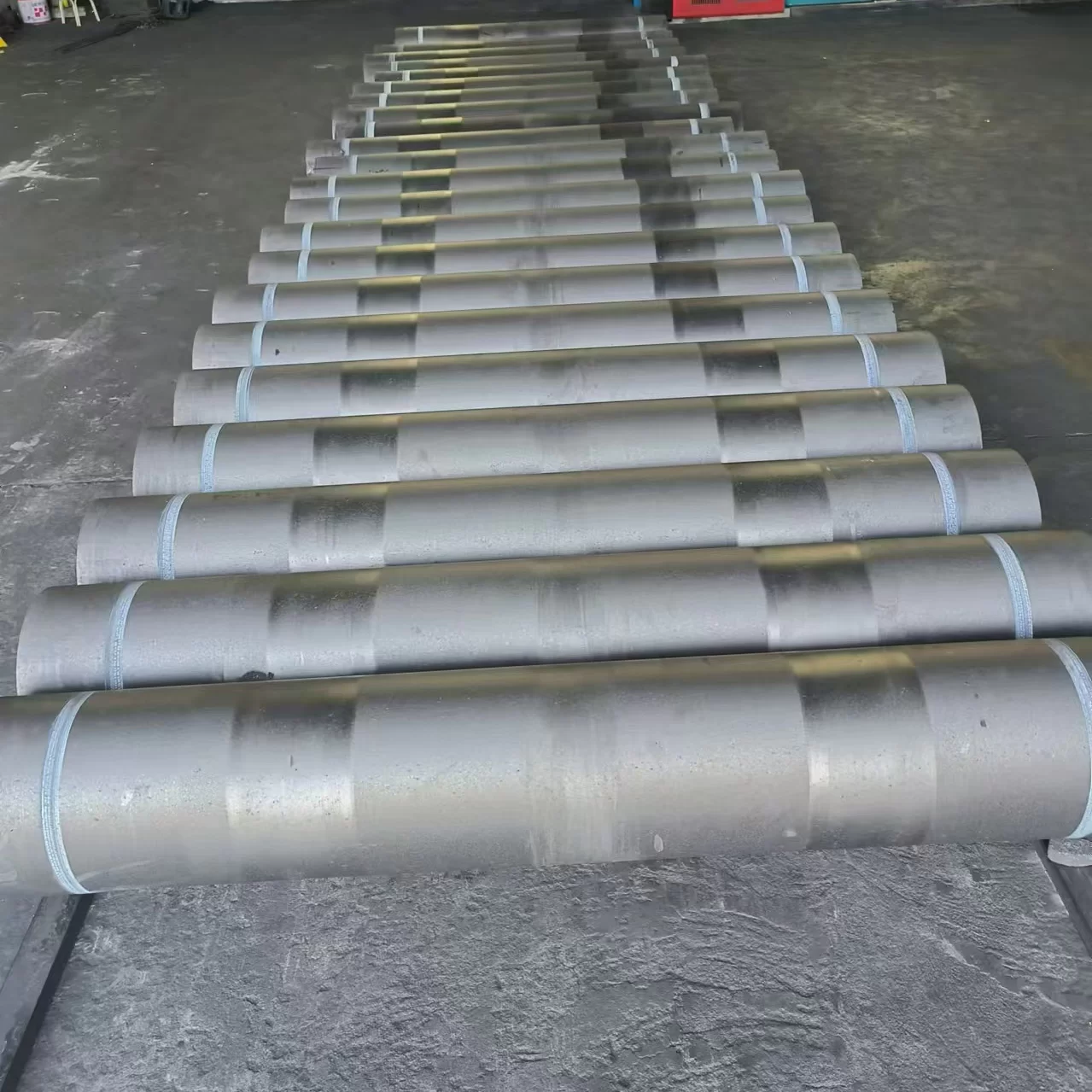
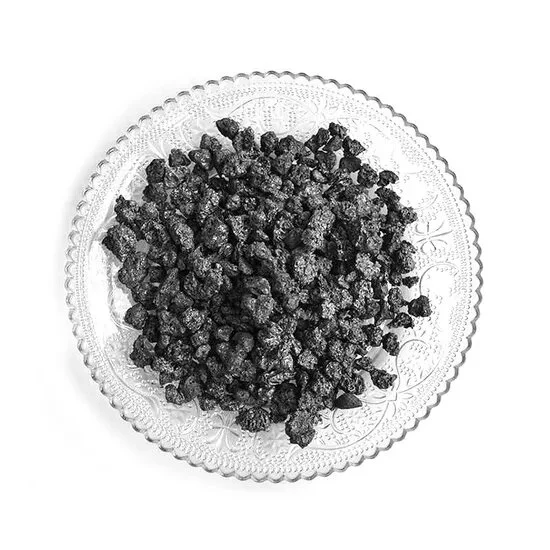
If you’re like me, you might have heard the term green graphite tossed around in conversations about clean energy and sustainable materials but weren’t quite sure what it meant — or why it matters. In simple terms, green graphite refers to graphite that has been sourced, processed, or manufactured with minimal environmental impact. Unlike conventional graphite, which often involves carbon-intensive mining and toxic chemicals, green graphite aims to reduce pollution, lower carbon footprints, and support circular economies. Globally, as industries rush to decarbonize and pivot towards greener technologies, understanding green graphite is more important than ever.
From electric vehicle batteries to solar panels and energy storage, the demand for sustainable graphite solutions is soaring. And this is not just about fancy technology; it’s about reshaping supply chains, cutting emissions, and preserving ecosystems — real, tangible benefits that ripple across communities and economies worldwide.
The Global Context: Why Green Graphite is a Critical Resource
Graphite is a key material in the energy transition. It’s estimated by the International Energy Agency (IEA) that demand for battery-related raw materials like graphite could increase by as much as 500% by 2030 in some regions. Yet, mining graphite conventionally can cause significant environmental damage, including deforestation, water pollution, and high carbon emissions.
Organizations such as the United Nations Environment Programme (UNEP) emphasize the need for sustainable mining that respects biodiversity and human rights. Green graphite tackles this challenge head-on by promoting cleaner extraction methods, recycling, and innovative sourcing models. Oddly enough, despite its humble black lump reputation, graphite is quietly becoming a linchpin for global climate efforts.
But here’s the catch: sustainable sourcing isn’t widespread yet. Many industries still rely on traditional graphite, especially in developing regions. This gap represents both a challenge and an opportunity.
Mini takeaway: Greening the graphite supply chain is not only essential but can reshape global markets and environmental health.
What Exactly is Green Graphite?
In its essence, green graphite means graphite produced or recycled with a strong emphasis on sustainability. It involves:
- Mining practices that limit emissions and land degradation
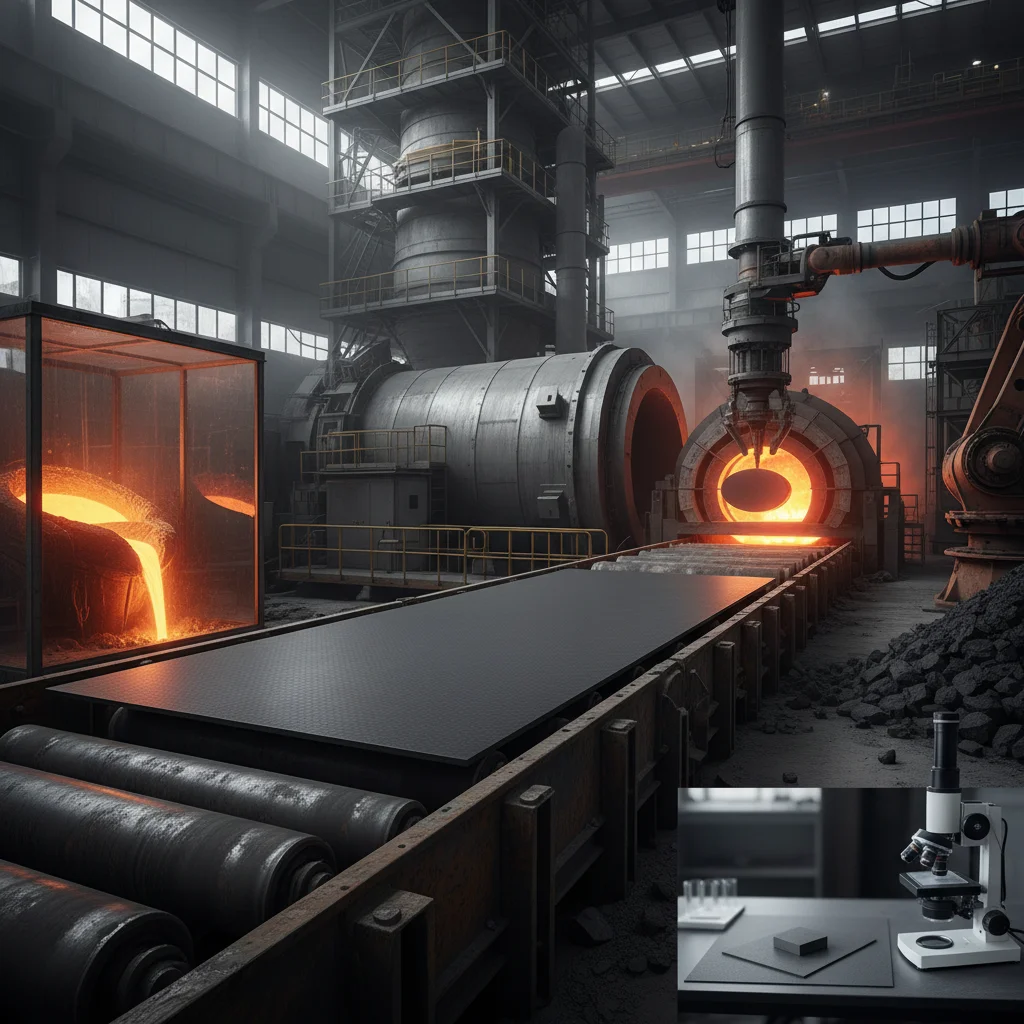
- Energy-efficient processing, often powered by renewables
- Use of eco-friendly chemicals or substitutes
- Increased focus on graphite recycling from end-of-life batteries and industrial waste
Green graphite supports modern applications like lithium-ion batteries, thermal management in electronics, and emerging uses in hydrogen fuel cells. It also has humanitarian significance by enabling cleaner energy in regions struggling with pollution.
Mini takeaway: Green graphite isn’t just a material—it's a commitment to cleaner practices across the graphite lifecycle.
Key Features That Define Green Graphite’s Impact
1. Durability and Performance
Graphite’s natural properties—thermal conductivity, electrical conductivity, chemical stability—make it indispensable. Green graphite retains these critical traits while ensuring sustainability doesn’t compromise quality.
2. Scalability of Production
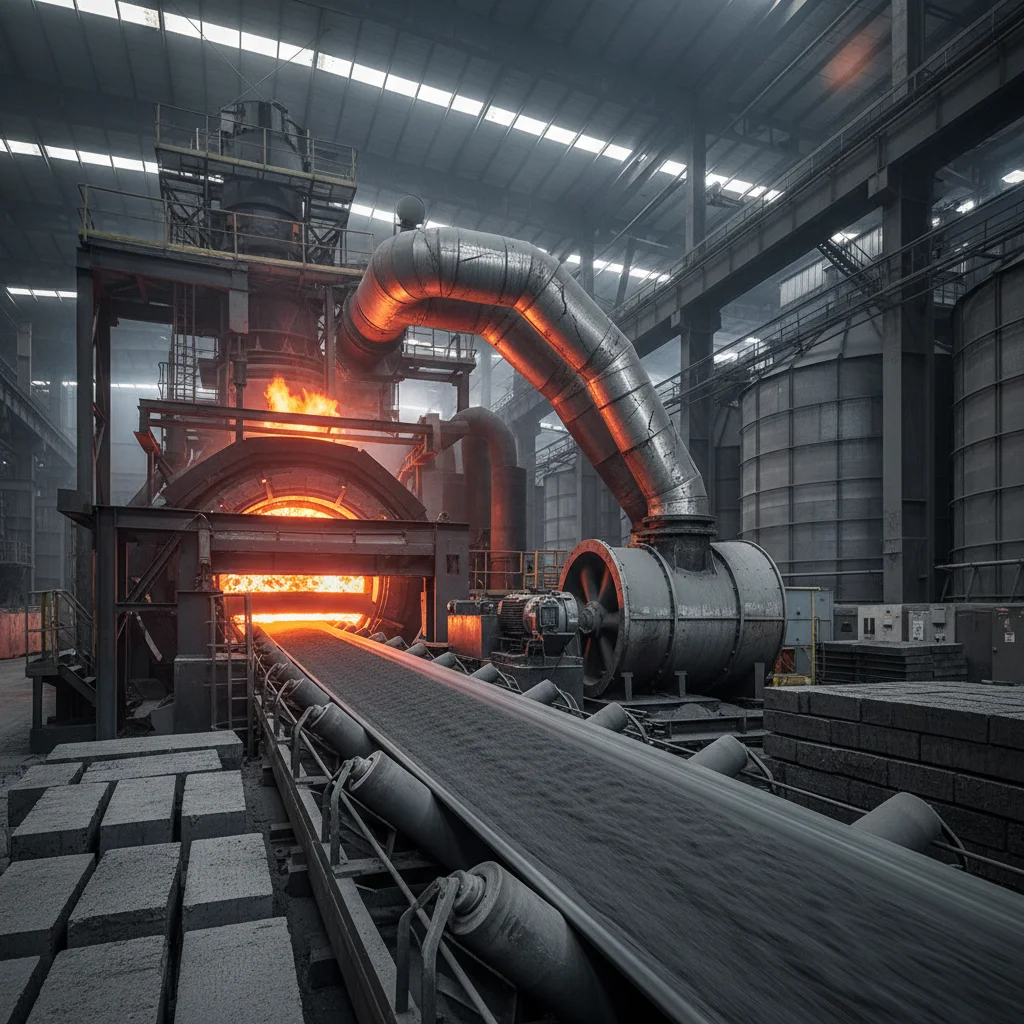
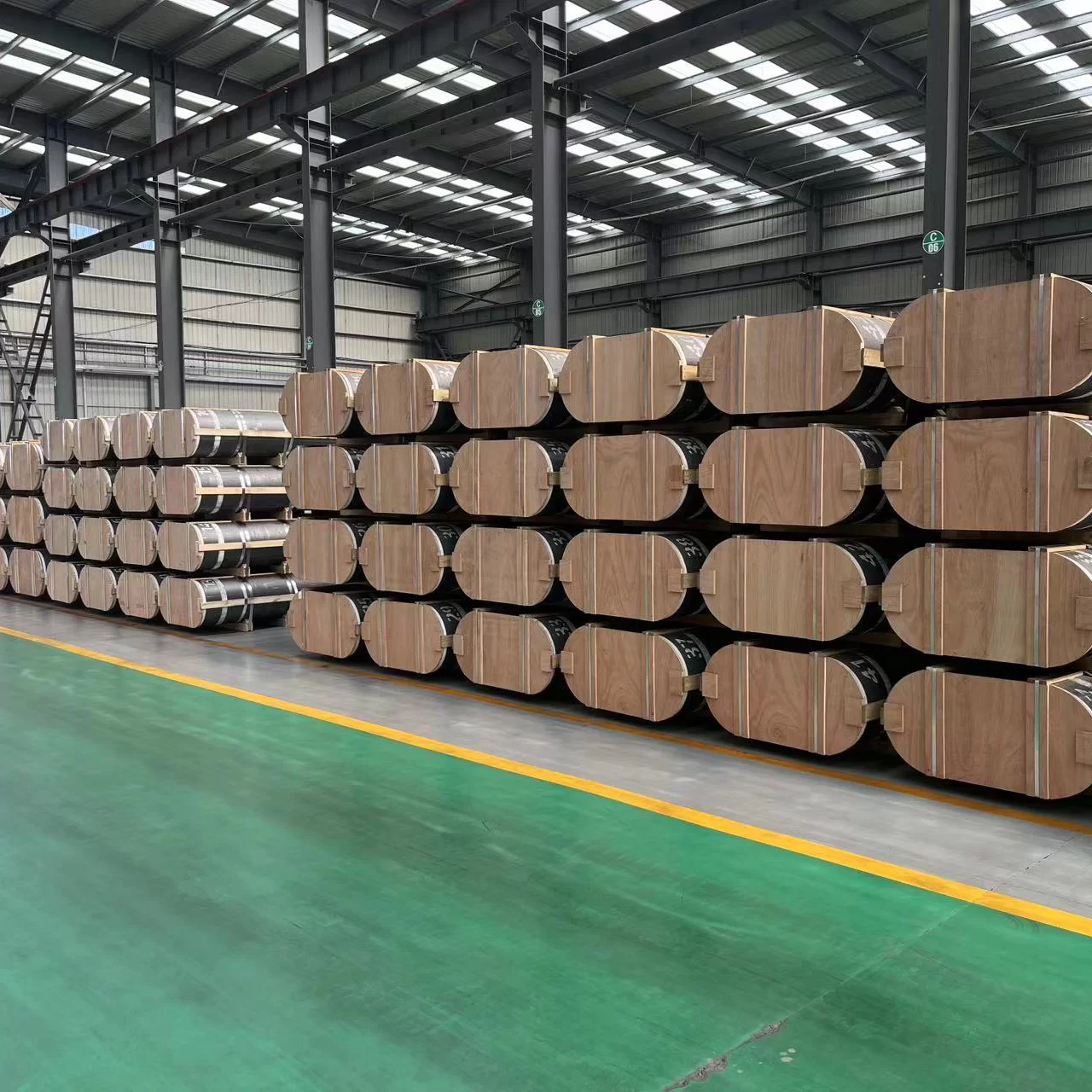
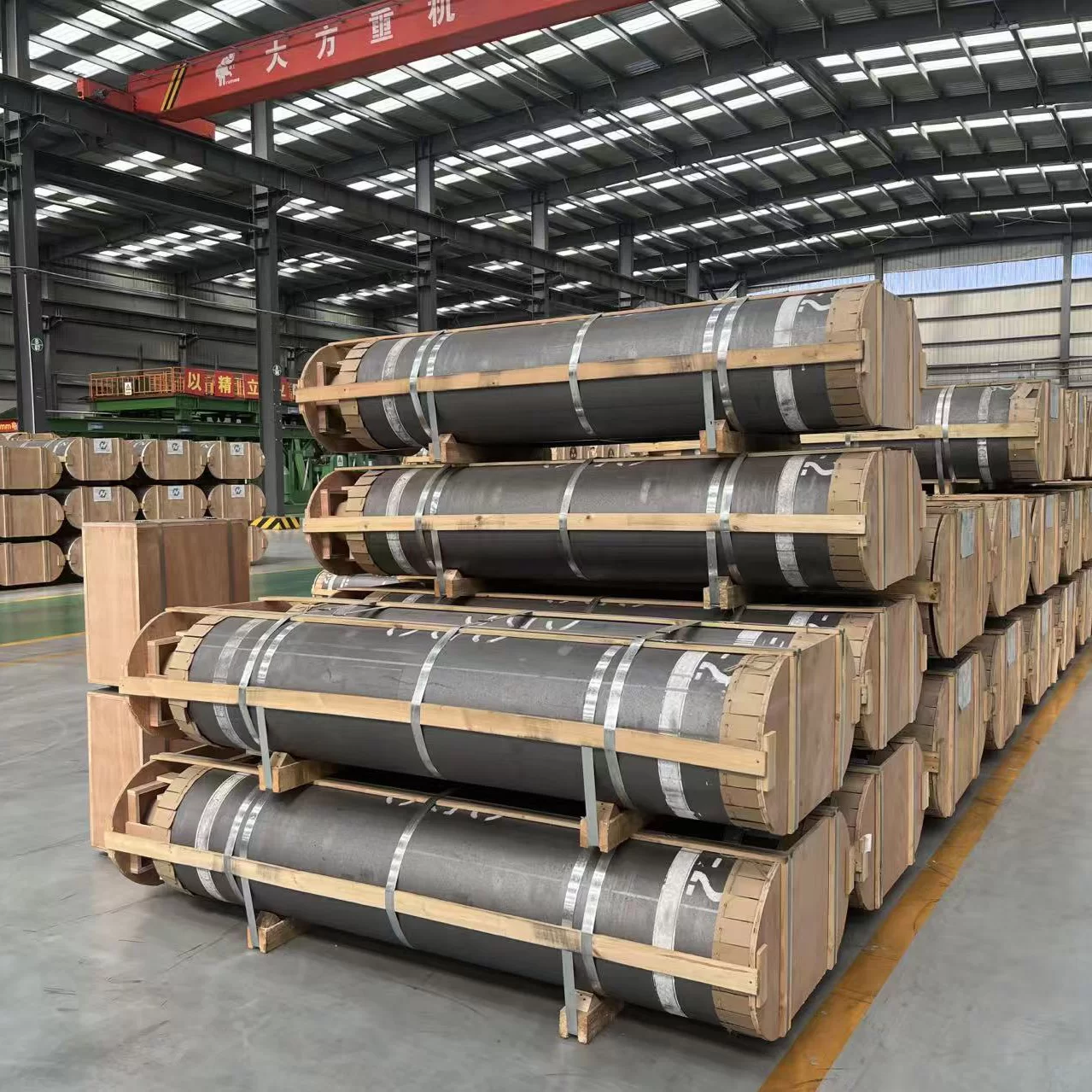
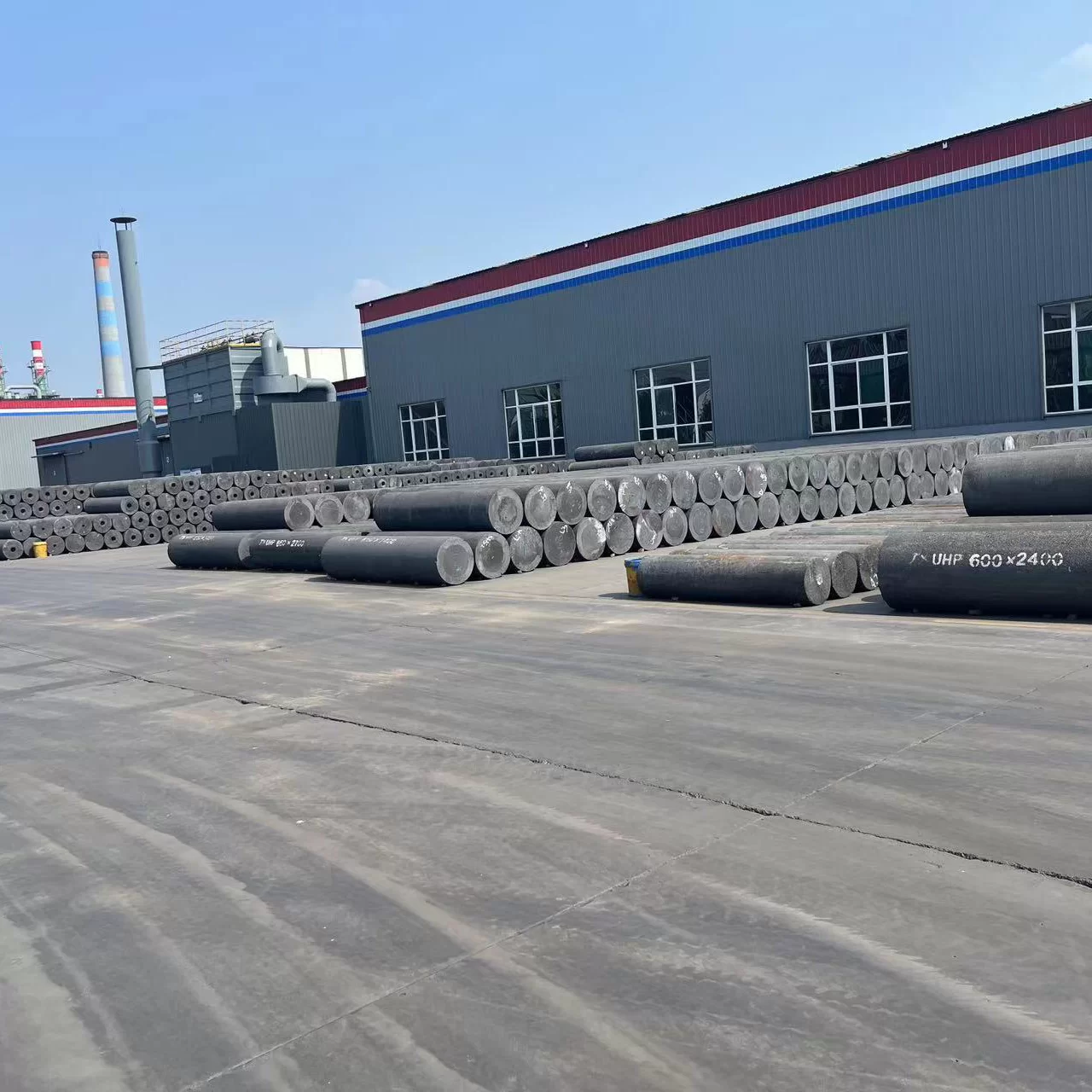
Scaling green graphite production remains a puzzle. The integration of cleaner technologies needs investments but promises long-term supply reliability. Some manufacturers are pioneering energy-efficient processing plants close to renewable grids.
3. Cost Efficiency and Market Viability
Right now, green graphite tends to cost roughly 10-20% more than traditional graphite. But as demand grows and technology matures, industry experts predict price parity or even cost advantages due to reduced waste and penalties.
4. Environmental Footprint
This is the crux: green graphite production drastically reduces CO2 emissions, water usage, and toxic effluents. Such carbon-conscious factoring aligns with the ISO 14001 environmental management standards many companies strive to meet.
5. Circularity and Recyclability
One of the shining aspects of green graphite is its embrace of circular economy principles. Recycling graphite from old batteries and industrial scrap reduces mining pressure and raw material dependency.
Product Specification Table for Green Graphite Grades
| Specification | High Purity Grade | Recycled Grade | Low Emission Grade |
|---|---|---|---|
| Carbon Content (%) | >99.9% | >95% | >98% |
| Particle Size (μm) | 5-15 | 10-30 | 5-20 |
| Sulfur Content (ppm) | |||
| Production Method | Clean thermal purification | Mechanical recycling | Renewable energy powered process |
| Typical Applications | Battery anodes, electronics | Industrial composites | Energy storage, fuel cells |
Putting Green Graphite to Work: Real-World Applications
From Asian manufacturing hubs to North American EV plants, green graphite is gaining traction. The automotive sector is probably the loudest adopter, especially as electric vehicle batteries demand more graphite. China, currently the world leader in graphite production, is gradually investing in greener processes to meet tightening domestic and global environmental regulations.
Regions like Canada and Europe are also stepping up, fostering green graphite startups that focus on recycled feedstocks. In humanitarian terms, deploying energy storage units powered by green graphite batteries in off-grid communities has helped elevate living standards while minimizing pollution.
For example, in post-disaster relief zones in Southeast Asia, battery packs made with green graphite help power essential communication devices and medical equipment with fewer harmful emissions — a small but significant difference to the environment and local health.
Mini takeaway: Green graphite isn’t just an industrial buzzword — it’s making a difference across sectors and geographies.
The Upside: Why Companies and Communities Value Green Graphite
One of the neat things about green graphite is how it balances ecological benefits with economic pragmatism. Sure, it costs a bit more upfront, but the longer-term sustainability aligns with investor and consumer demand for responsible products. Socially, cleaner graphite industries contribute to safer working conditions and less environmental degradation — factors that engender trust and innovation alike.
Emotionally, there’s satisfaction in knowing you’re using materials that safeguard biodiversity and reduce harmful waste. For engineers and product designers, it’s also a breakthrough opportunity to innovate with confidence that they’re not just chasing profits but positive impact.
What’s Next? Future Trends in Green Graphite
The momentum behind green graphite is ripe with innovation. Emerging techniques like closed-loop recycling, bioleaching, and advanced purification processes are promising to further cut environmental costs. Digital tracking and blockchain are increasingly being tested to certify graphite's “green” credentials transparently.
Regulatory frameworks worldwide are tightening, pushing companies to adopt clean sourcing. Coupled with the growth of green energy technologies and automation, we might soon see green graphite powering not just batteries but a slew of next-gen industrial applications.
Tackling Challenges Head-On
There’s no sugarcoating it — moving from conventional to green graphite production has hurdles. The biggest include high initial capital costs, limited recycling infrastructure in many regions, and supply chain traceability issues.
Experts suggest partnering with local communities, investing in technology advances, and fostering international cooperation as keys to unlocking scalable solutions. Some companies have also integrated waste heat recovery and renewable energy credits to ease cost pressures.
Comparing Leading Green Graphite Vendors
| Vendor | Sustainability Certification | Production Capacity (ton/year) | Primary Application | Pricing Tier |
|---|---|---|---|---|
| EcoGraph Inc. | ISO 14001, FSC | 2,500 | EV Batteries | Premium |
| SustainGraph Ltd. | Green Seal, ISO 45001 | 1,800 | Industrial Composites | Mid-range |
| RecycleCarbon Co. | Cradle to Cradle Certified | 1,200 | Battery Recycling Feedstock | Affordable |
FAQ: Common Questions About Green Graphite
What makes green graphite different from traditional graphite?
Green graphite is produced with a focus on reducing environmental impact by using cleaner mining and processing techniques or relying on recycled sources, unlike traditional graphite which often involves fossil fuel-intensive and polluting methods.
Is green graphite suitable for high-performance batteries?
Yes, many green graphite grades meet or exceed industry standards for battery anode materials, ensuring performance is not compromised by sustainable practices.
How does green graphite contribute to carbon footprint reduction?
By minimizing energy use, sourcing renewables, reducing toxic chemicals, and promoting recycling, green graphite production can cut CO2 emissions by up to 40% compared to conventional methods.
Can small businesses access green graphite supplies easily?
Access is improving as more vendors offer green graphite products with transparent certifications. Networking through industry associations can also help smaller players secure reliable sources.
Are there government incentives supporting green graphite adoption?
Several countries, including the EU nations and Canada, provide subsidies or tax breaks for companies investing in clean materials like green graphite, encouraging industry-wide transitions.
Wrapping Up: The Long View on Green Graphite
Green graphite embodies more than just a material upgrade — it signals a shift toward responsible, transparent, and innovative industrial practices that benefit not just shareholders but the planet and its people. Its integration across energy, automotive, and manufacturing sectors promises a cleaner, more sustainable future.
If you want to explore more about sustainable graphite solutions and how they can power your projects, visit our website to discover cutting-edge green graphite options tailored for your needs.