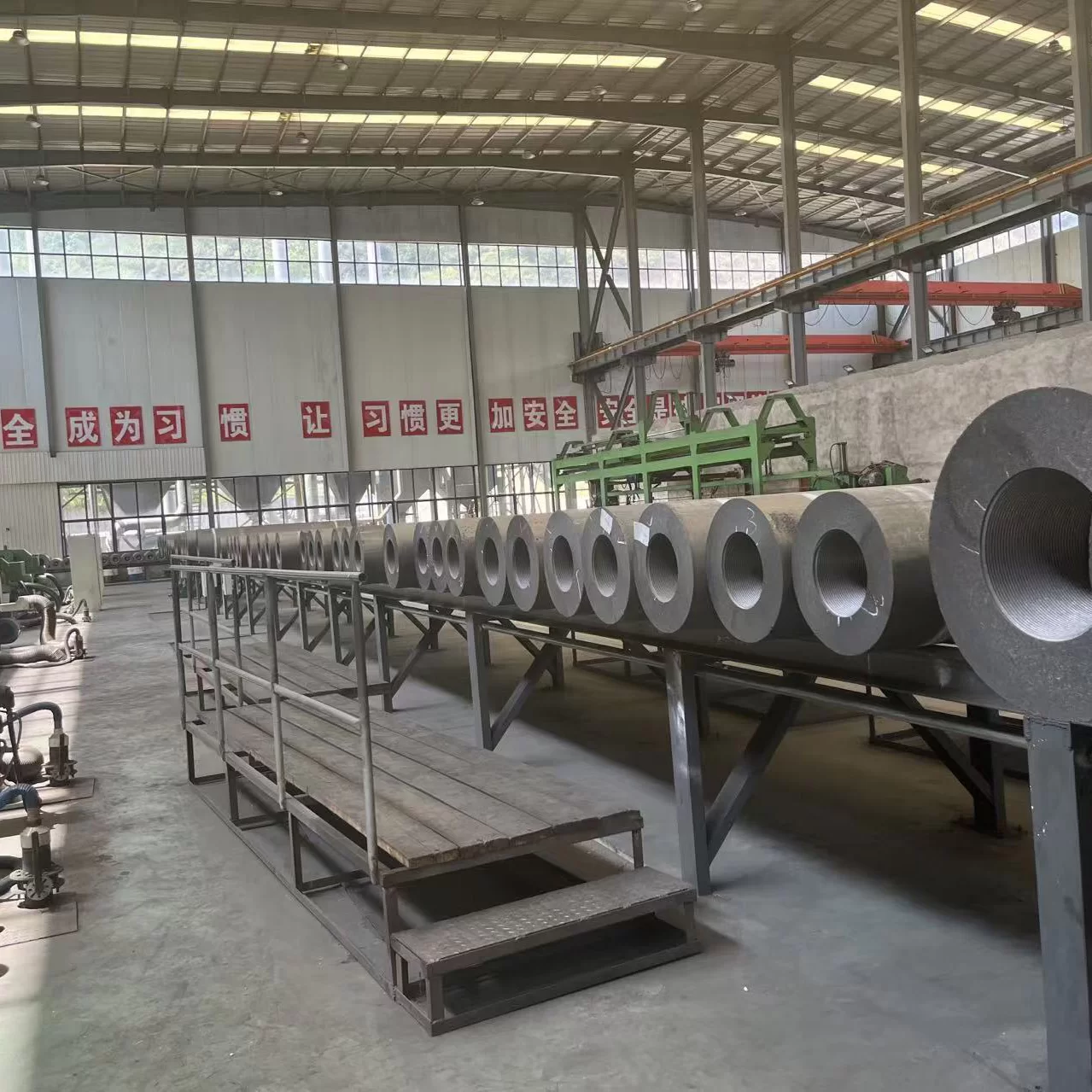
Understanding Light Graphite: A Material Poised to Transform Industries Globally
Light graphite — it might sound like a material you stumble over in a technical spec sheet, but don’t be fooled. This stuff is quietly shaping the future of energy storage, electronics, and even humanitarian projects. In a world constantly hungry for lighter, more efficient, and sustainable materials, light graphite emerges as a fascinating hybrid of performance and practicality.
Why does it matter? On a global scale, the demand for lightweight materials that maintain strength and conductivity is skyrocketing. Industries from aerospace to consumer electronics wrestle daily with weight, costs, and endurance — and light graphite addresses these challenges head-on.
Mini takeaway: Light graphite is more than just a technical innovation; it's a cornerstone for energy, transport, and infrastructure solutions worldwide.The Global Importance of Light Graphite in Today’s Industries
For the uninitiated, it might surprise you how integral graphite already is in the world economy. The graphite market is valued in the billions, and its light variant is carving out an increasingly vital niche. According to recent studies, lightweight conductive materials like light graphite can reduce overall component weight by up to 30%, which is huge when you're designing electric vehicles or portable electronics.
On a sustainability note, graphite’s carbonaceous nature means it’s often more recyclable and less environmentally damaging than some alternatives—albeit with some caveats around mining impacts. It serves green energy transition goals by improving battery efficiency — a fact that has caught the eye of environmental agencies and policymakers globally.
Despite its great promise, though, challenges persist: how to balance cost with scalability, how to expand high-grade light graphite production, and how to integrate it seamlessly into emerging tech. That’s the puzzle many researchers and manufacturers are currently trying to solve.
Mini takeaway: Light graphite offers significant benefits for green energy and lightweight applications but requires innovation in cost and supply chains.What Exactly Is Light Graphite?
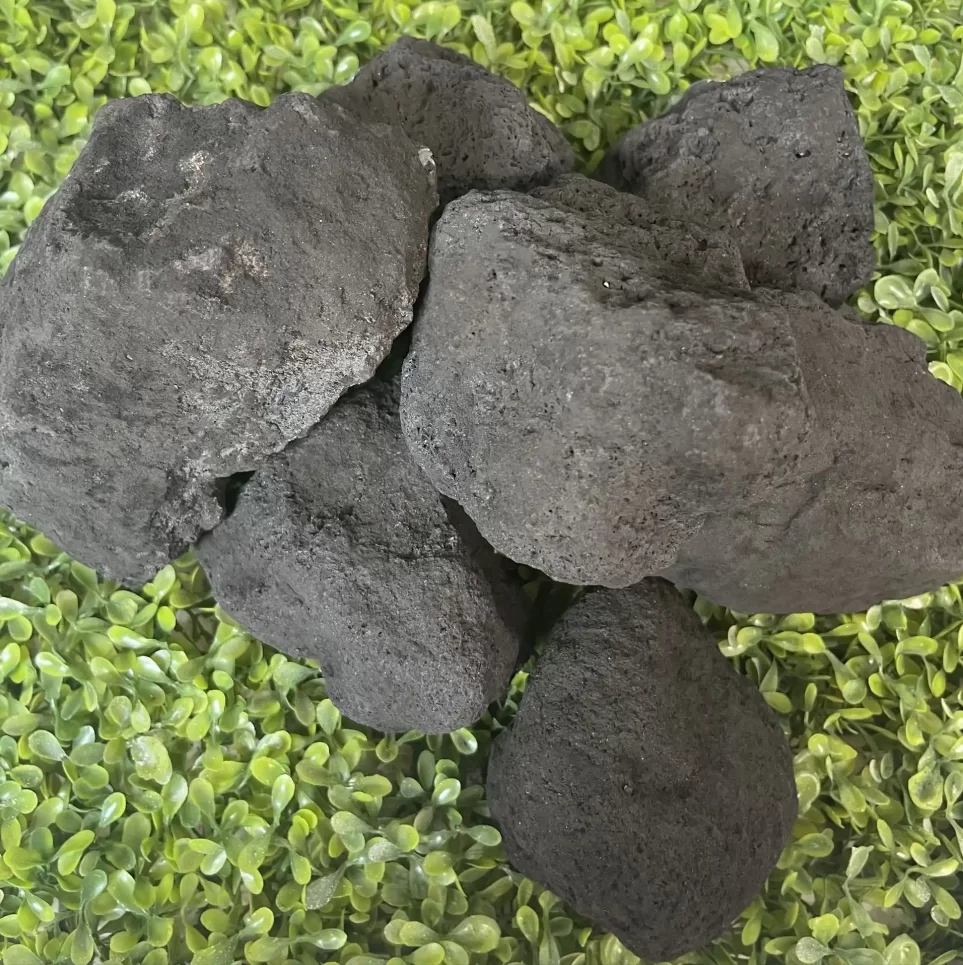
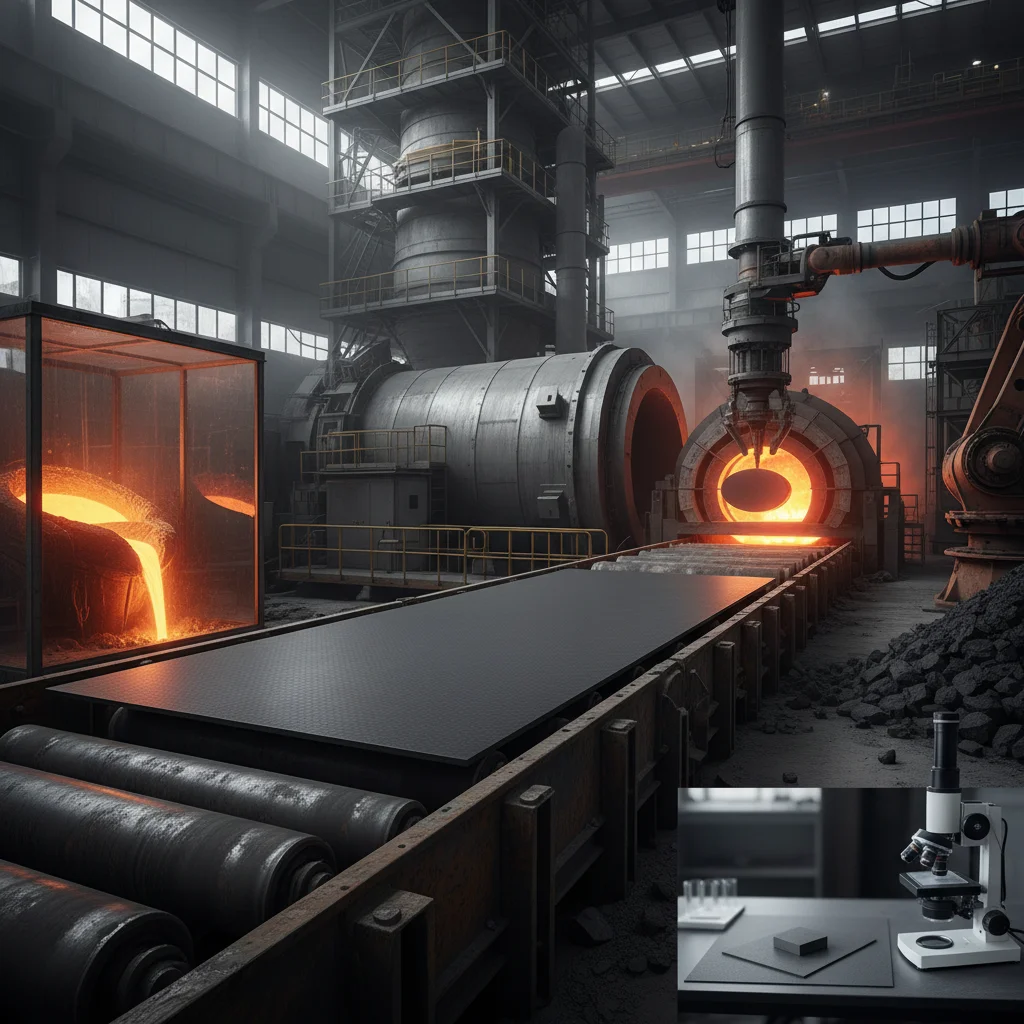
At its core, light graphite is simply graphite material engineered to be less dense without compromising its signature electrical and thermal properties. Think of it as the "featherweight champion" of carbon materials. This is typically achieved through advanced processing methods that introduce porosity or composite formation to reduce mass while retaining strength and conductivity.
Its versatility is staggering — it shows up in everything from battery anodes to heat sinks and even structural components that benefit from its combined electrical and thermal traits. It connects traditional industrial needs with the contemporary push for sustainability and efficiency.
Mini takeaway: Light graphite strikes a balance between weight reduction and functional performance, making it a modern industrial essential.Key Characteristics That Define Light Graphite’s Appeal
Durability
Durability here isn’t just about resisting wear. Light graphite must maintain structural integrity while being lighter — a tricky balance. Advances in composite technology and particle bonding help reinforce it against mechanical stresses. For example, in aerospace applications, a brittle fragment could be catastrophic, so manufacturers fine-tune the material carefully.
Scalability of Production
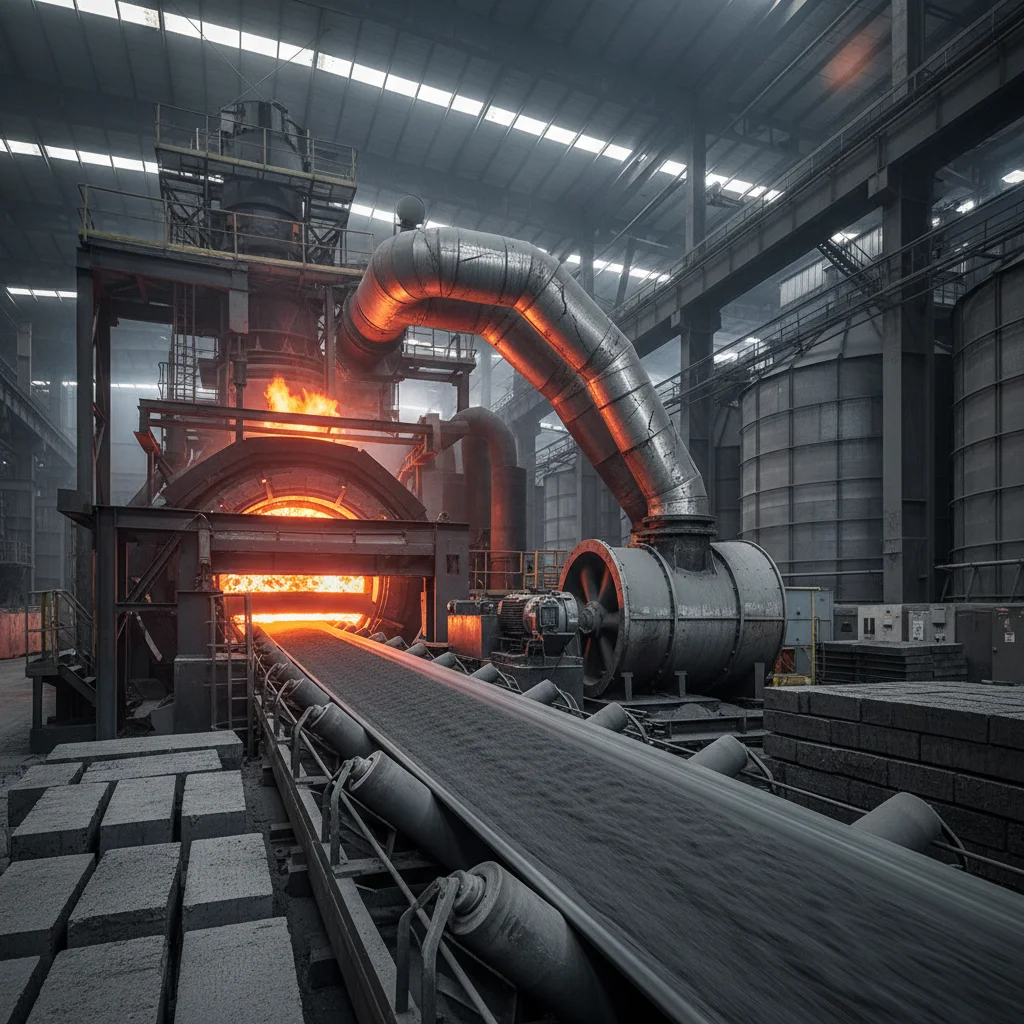
Currently, producing high-quality light graphite requires precise control of particle size, temperature, and chemical treatments. Many companies work on streamlining these processes. With better scalability, we could see widespread adoption paired with cost reduction — a true industrial game-changer.
Cost Efficiency
It’s no secret: lightweight materials often come at a premium. But as light graphite production ramps up, economies of scale promise to narrow this gap. Additionally, reducing component weight can translate to lower shipping costs and improved fuel economy across sectors, which offsets upfront investment.
Thermal and Electrical Conductivity
Graphite’s natural strength lies in exceptional conductivity. Light graphite retains this advantage, making it ideal for heat dissipation in electronics or as battery electrodes where conductivity equals performance. It’s what many engineers consider the “secret sauce” behind sleek, efficient designs.
Environmental Sustainability
As industries commit to lower carbon footprints, materials like light graphite offer more than performance — they provide possibilities for circular economies. Some manufacturing routes focus on recycled carbon sources, minimizing environmental impact.
Compatibility with Modern Manufacturing
From additive manufacturing to traditional molding, light graphite can be tailored. This adaptability allows easy integration in diverse products without reinventing entire production lines.
Mini takeaway: The future of light graphite depends on optimizing durability, production scale, and environmental impact simultaneously.Light Graphite in the Real World: Diverse Applications and Use Cases
So, where does light graphite actually shine? The aerospace industry loves it for lightweight components that reduce fuel usage. In electric vehicles, it’s increasingly central as a battery anode material, improving charge rates and lifespan. Electronics manufacturers use it for thermal management — because overheating is a silent product killer.
Humanitarian contexts also benefit — in remote areas, lightweight but sturdy materials speed up the deployment of shelters or energy storage for critical facilities. For example, international NGOs have been experimenting with light graphite-enhanced composites in emergency tents and portable power units, combining durability with ease of transport.
Asia-Pacific is witnessing some of the fastest growth in industrial adoption, thanks to massive investments in green infrastructure. Europe’s stringent environmental regulations are pushing companies to innovate with light graphite in energy-efficient buildings and devices.
| Specification | Typical Value | Unit |
|---|---|---|
| Bulk Density | 0.40 - 0.60 | g/cm³ |
| Electrical Conductivity | 1,500 - 2,000 | S/m |
| Thermal Conductivity | 80 - 120 | W/m·K |
| Compressive Strength | 20 - 35 | MPa |
| Typical Thickness Range | 1.0 - 5.0 | mm |
Comparing Leading Light Graphite Vendors
| Vendor | Production Capacity (tons/year) | Cost per kg (USD) | Key Strengths | Customization Options |
|---|---|---|---|---|
| Dah Carbon | 1,200 | $25 - $30 | Consistent quality, advanced composite integration | Tailored density, thickness, conductivity |
| Graphite Solutions Inc. | 900 | $28 - $33 | R&D focus, rapid scaling | Density and particle size control |
| CarbonX Ltd. | 1,500 | $23 - $29 | High volume, competitive pricing | Standard light graphite grades |
The Tangible Benefits and Endurance of Light Graphite
Besides being lightweight, what truly sets light graphite apart is how it aligns with the long game. Users report up to 40% improvement in lifecycle performance for batteries and electronics using it. This means fewer replacements, less waste, and in humanitarian scenarios, more reliable equipment where power or heat issues can mean life or death.
On the emotional side? The confidence it inspires in engineers and end-users knowing a material is both high-performing and sustainable can’t be underestimated. Trust in materials tends to ripple into higher innovation adoption rates — and that means real impact.
Mini takeaway: The mix of durability, performance, and sustainability means light graphite is a long-term investment.Looking Ahead: Innovations on the Horizon for Light Graphite
What’s next? We’re seeing a surge in hybrid composites—combining light graphite with graphene, carbon nanotubes, or polymers—that could lead to even lighter, more conductive, or flexible materials. There’s also growing interest in bio-derived graphite to reduce carbon footprints further.
In policy terms, stricter environmental regulations globally push manufacturers to prioritize materials like light graphite that support circular economy goals. Digital transformation in manufacturing is enabling precise control over graphite layering and microstructure — which means even more tailored performance.
Mini takeaway: Combining light graphite with emerging tech and eco-conscious methods propels it into the next industrial era.Common Roadblocks and How Industry Experts Tackle Them
Despite these bright prospects, challenges remain. One big limitation is the current cost barrier for large-scale use, especially in emerging markets. Another is quality consistency — batch-to-batch variation can complicate integration in delicate components.
Experts recommend multi-pronged approaches: investing in process automation, adopting closed-loop recycling, and fostering cross-industry partnerships to stabilize supply chains and pricing. I noticed some manufacturers even work with local governments to reduce environmental risks from mining, which thankfully helps preserve social license to operate.
Mini takeaway: Solutions require coordinated effort across tech, policy, and supply chains to make light graphite truly ubiquitous.FAQ: Frequently Asked Questions About Light Graphite
- What is the main advantage of light graphite over traditional graphite?
- Light graphite offers significantly reduced density while maintaining excellent electrical and thermal conductivity, which makes it ideal for applications where weight savings improve performance, such as in batteries or aerospace components.
- How long can light graphite components last in demanding industrial environments?
- When appropriately engineered, light graphite can endure for several years, often outperforming heavier alternatives by resisting thermal cycling and chemical corrosion, which is critical in harsh settings like automotive or electronics industries.
- Is light graphite an eco-friendly option?
- Yes, especially when sourced responsibly and combined with recycling initiatives, light graphite supports sustainability goals by enabling lighter, more efficient products that consume less energy across their lifecycle.
- Can light graphite materials be customized for specific project needs?
- Absolutely. Manufacturers offer various grades and densities tailored to client requirements, including thickness, conductivity, and mechanical strength, ensuring optimal fit for diverse applications.
- How can companies acquire light graphite solutions internationally?
- Many suppliers like Dah Carbon provide global shipping and assist with import regulations, making it easier for businesses worldwide to integrate light graphite into their manufacturing processes.
Conclusion: Why Embracing Light Graphite Makes Sense Now
In real terms, light graphite feels like a stealth revolution happening just beneath the surface of many industries. With its blend of lightweight strength, conductivity, and growing sustainability, it’s a material whose time has come. Whether you’re an engineer, product designer, or sustainability manager, keeping light graphite on your radar will pay dividends in innovation and impact.
Curious to learn more or source premium light graphite? Visit our website at https://www.dahcarbon.com and discover how this remarkable material might fit your next project.
References: