What is Silver Graphite and Why Does It Matter Globally?
Silver graphite—at first glance, it might sound like an exotic hybrid of precious metal and mineral, which it actually is in a way. This material blends the exceptional conductive properties of silver with graphite’s robustness and stability, creating a composite that’s vital to today’s rapidly evolving tech industries. From electronics manufacturing to green energy solutions, silver graphite plays a quiet but crucial role. Understanding it not only unlocks insights into advanced materials engineering but also touches on broad global challenges like sustainability, efficiency, and innovation.
Setting the Stage: The Global Relevance of Silver Graphite
Why does silver graphite deserve a moment in the global spotlight? Frankly, as industries race toward greener, more reliable tech, materials that offer both conductivity and durability become game changers. The global electronics market alone is forecasted to hit $1.35 trillion by 2027 (Statista), and silver graphite composites underpin crucial components in that ecosystem—touchscreens, batteries, sensors, you name it.
Beyond pure electronics, silver graphite is also valued in energy sectors. The International Renewable Energy Agency (IRENA) estimates that renewable energy investments will exceed $2 trillion worldwide during the next decade. Silver graphite materials contribute to crucial devices like fuel cells and energy storage units, ushering in low-carbon technologies essential for combating climate change.
Yet, supply chain challenges and costs tied to silver mean innovations blending it with graphite are helping reduce dependency on pure silver, making technologies more scalable and affordable—addressing both economic and environmental concerns.
Defining Silver Graphite: A Simple Explanation
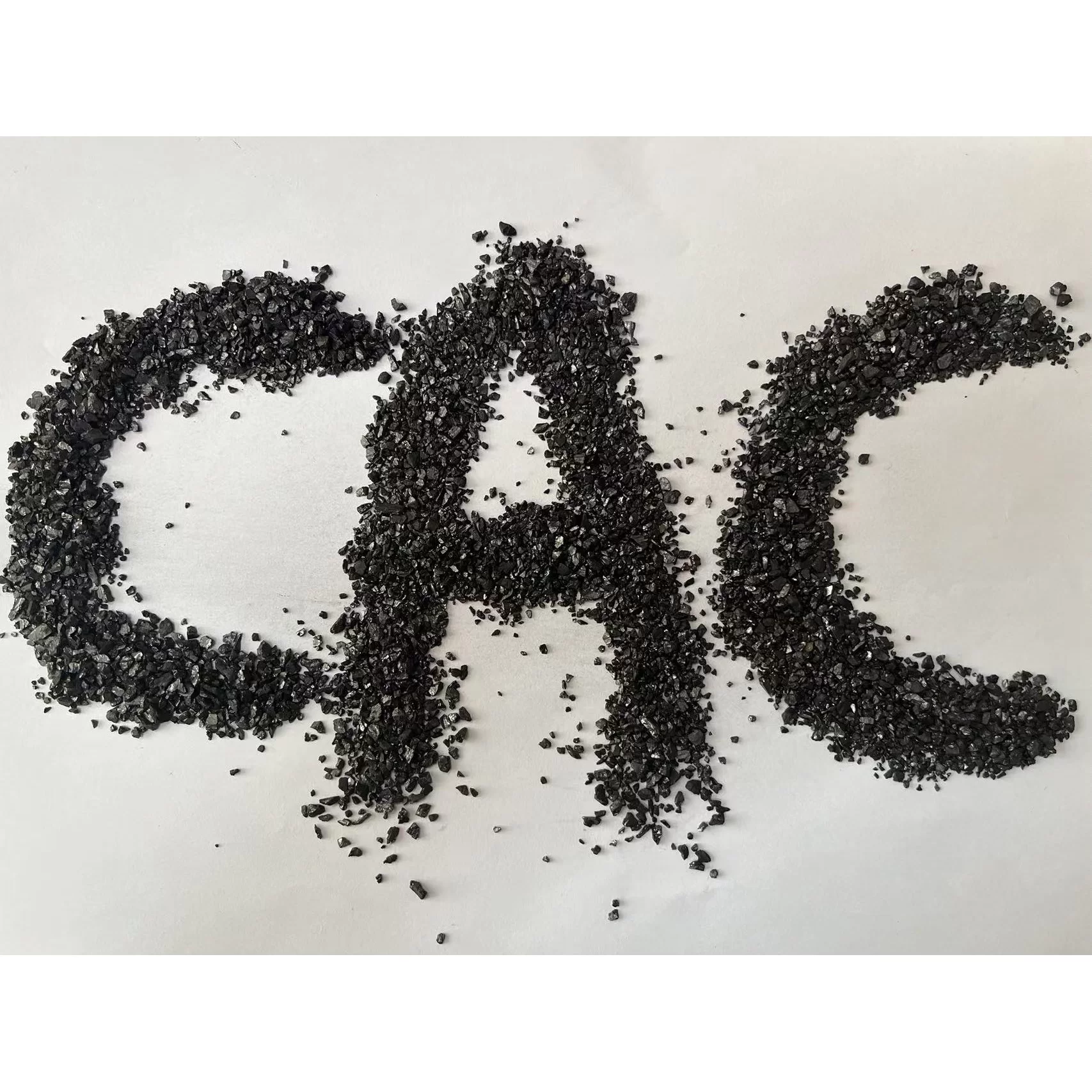
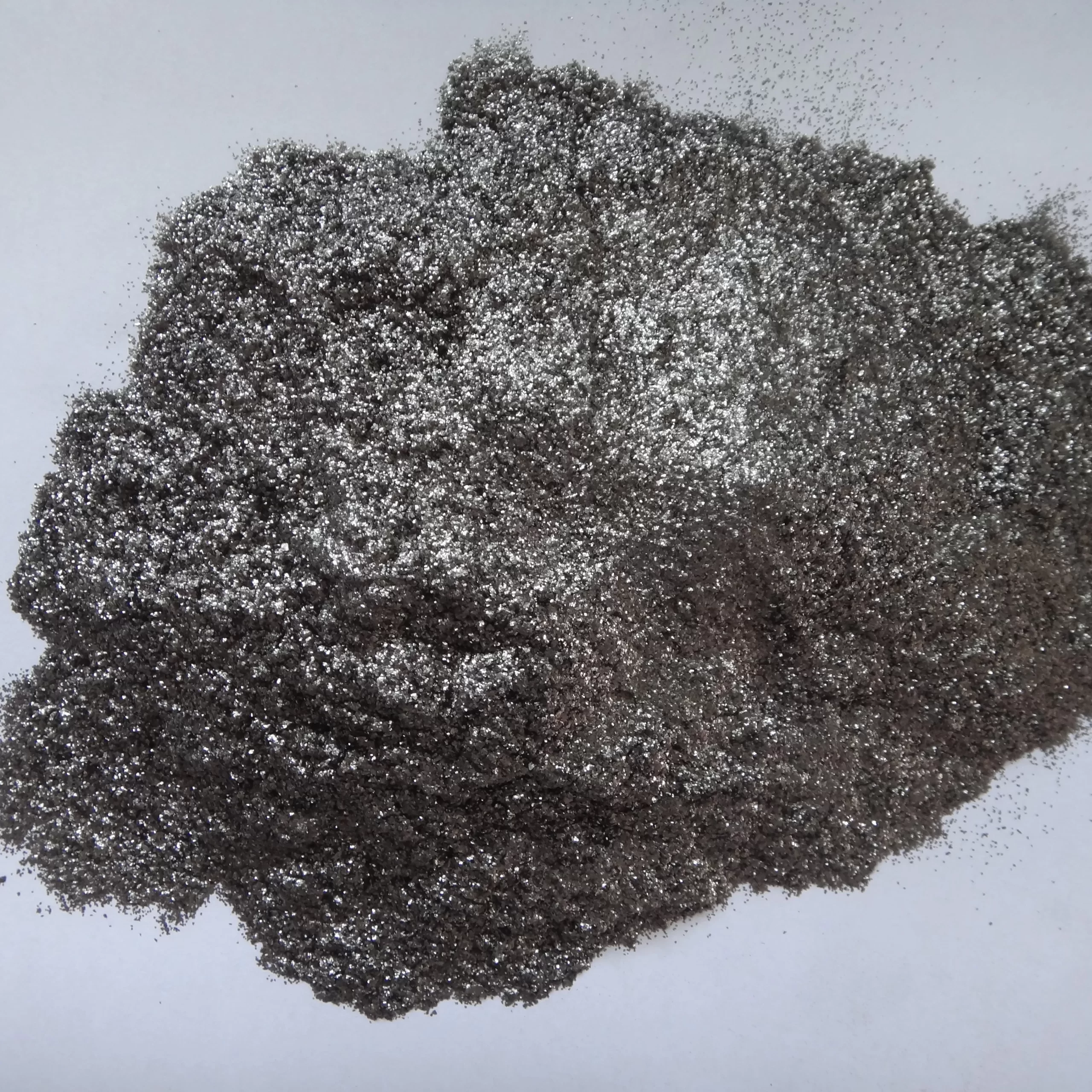
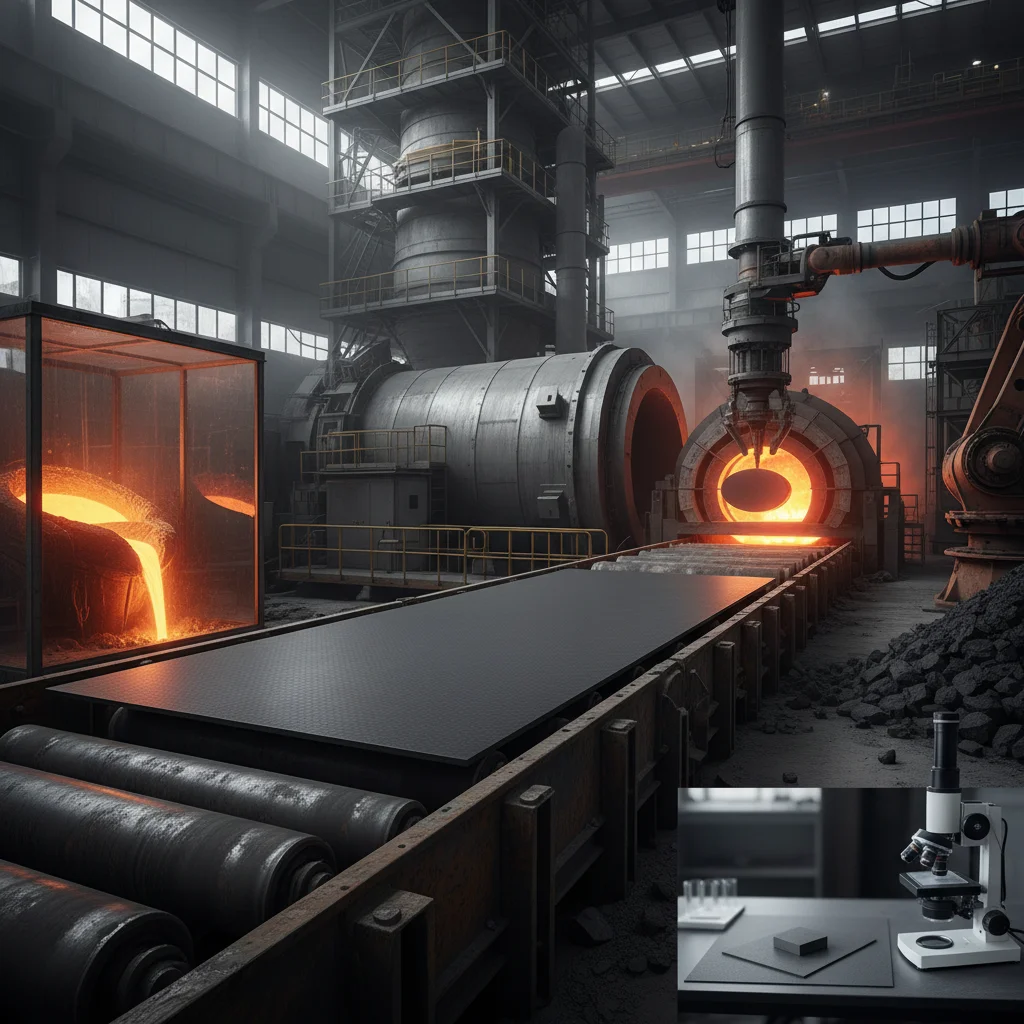
Simply put, silver graphite is a composite material combining finely powdered silver with graphite particles. The goal? To harness silver's unparalleled electrical and thermal conductivity, while leveraging graphite's mechanical strength, lubricity, and chemical stability. Think of it as a union where silver energizes conductivity, and graphite stabilizes performance under stress.
This synergy makes silver graphite ideal for components exposed to friction, heat, or corrosive environments—think electrical contacts in harsh industrial settings or conductive brushes in electric motors. Its role in humanitarian tech is subtle but significant too; for example, in durable, efficient devices supporting medical equipment in remote areas.
Core Components and Key Factors Behind Silver Graphite's Success
1. Electrical Conductivity
Silver is famous for being the best conductor of electricity. When bonded with graphite, it maintains high conductivity, allowing devices to work efficiently with minimal energy loss. This is crucial in low-voltage, high-frequency electronics, where precision is everything.
2. Mechanical Durability
Graphite adds a layer of wear resistance, friction reduction, and heat tolerance. This lets silver graphite withstand repetitive mechanical motion without rapid degradation, important in industrial motors and switches.
3. Thermal Stability
The composite can manage heat better than either pure silver or graphite alone. This thermal management ensures components don’t fail prematurely in high-temperature environments.
4. Cost Efficiency
Silver is expensive, no doubt. Graphite helps reduce the quantity of silver needed without compromising performance, helping manufacturers build cost-effective solutions that scale.
5. Environmental Compatibility
The material’s composition allows it to be reused or recycled more easily compared to other complex composites, fitting well with circular economy principles that large industries now strive to adopt.
Mini Takeaway:
Silver graphite brings together the best of both worlds: superior conductivity and mechanical resilience, packaged in a form that is both practical and increasingly sustainable.
Global Applications & Use Cases
- Electronics Manufacturing: Used in conductive inks, contact points, and RFID antennas predominantly in East Asia, where electronics production is highest.
- Renewable Energy: Found in fuel cells and solar panel contacts across Europe’s green tech industry.
- Automotive Industry: Electric vehicle motors utilize silver graphite brushes for longer-lasting and efficient performance globally, especially in North America.
- Medical Devices: Durable and sterile conductive components in portable diagnostic equipment benefit rural and post-disaster zones worldwide.
For example, in disaster recovery setups in Southeast Asia, silver graphite-enhanced generators have offered much more reliable energy delivery under harsh conditions than standard alternatives.
Product Specification Table: Typical Silver Graphite Composite
| Property | Typical Value | Unit |
|---|---|---|
| Silver Content | 20-60 | % by weight |
| Electrical Conductivity | 3.5 - 6.1 | MS/m |
| Thermal Conductivity | 100 - 250 | W/m·K |
| Hardness (Mohs) | 2.5 - 3.0 | – |
| Operating Temp. Range | -50 to +450 | °C |
Vendor Comparison: Leading Silver Graphite Suppliers
| Vendor | Silver Content Range | Customization | Sustainability Initiatives | Delivery Reach |
|---|---|---|---|---|
| Dah Carbon | 20-60% | Tailored mixes | Recycling program | Global |
| SilverTech Ltd. | 30-50% | Standard grades | Carbon offset projects | Europe & Asia |
| GraphiSilver Co. | 25-55% | Custom blends & particle sizes | Eco-friendly packaging | North America |
Advantages & Long-Term Value of Silver Graphite
At its heart, silver graphite offers both economic and practical advantages: better component lifespan, lower energy losses, and materials that can be fine-tuned for highly specialized applications. Beyond straightforward numbers, think about the safety of devices that don’t fail in critical moments, or the dignity enabled by reliable medical tech in underserved regions.
It’s not just about cost savings—though those are substantial—but about innovations that empower industries and communities alike. Silver graphite is emerging as a foundation stone in building trusted, future-forward technologies.
Upcoming Trends and Innovations
Looking ahead, researchers are exploring nano-engineered silver graphite composites aiming for even better conductivity and environmental resistance. Digital manufacturing techniques, like 3D printing conductive composites, are enabling rapid prototyping and customization.
Policies focused on sustainable sourcing and recycling are pushing vendors to innovate more eco-friendly silver graphite formulations, making the material a key player in the green transition. Oddly enough, the fusion of classic materials like silver and graphite is becoming a symbol of modern tech savvy.
Challenges & Expert Solutions
Yet, no material is a silver bullet. Key hurdles include the high cost of silver, potential supply fluctuations, and the technical challenge of ensuring uniform particle dispersion to avoid weak spots.
Experts suggest innovative recycling streams and hybrid composites incorporating graphene or other carbon forms. Industry 4.0 automation in manufacturing improves precision, while strategic partnerships ensure stable silver supply chains.
FAQ: Frequently Asked Questions About Silver Graphite
- What industries benefit most from silver graphite materials?
- Electronics, automotive, renewable energy, and medical device manufacturing are primary beneficiaries. These sectors require durable conductivity and heat resistance, which silver graphite provides. For more detailed applications, check out silver graphite supplier resources.
- Is silver graphite more sustainable than pure silver?
- Yes, because blending silver with graphite reduces the amount of silver needed, lowering environmental impact and cost. Plus, many suppliers promote recycling programs to reclaim silver from end-of-life components.
- How does silver graphite affect device performance?
- It enhances electrical and thermal conductivity while extending component life by reducing wear and heat damage, ensuring more reliable operation in demanding environments.
- Can silver graphite composites be customized?
- Absolutely. Vendors tailor silver content, particle sizes, and binder materials to optimize performance for specific applications, balancing cost and conductivity.
- Are there any geographic supply chain risks?
- Since silver is mined in limited regions, supply can be influenced by geopolitical factors. However, graphite sources are more widespread, and advances in recycling are mitigating risks.
Conclusion & Call to Action
In the grand scheme, silver graphite exemplifies how blending traditional materials can create modern, practical solutions. It offers not just performance boosts but pathways toward sustainability and affordability across sectors worldwide. If you’re seeking to stay ahead in your industry or diving deeper into next-gen materials, exploring silver graphite innovations is well worth your time.
Visit our website https://www.dahcarbon.com to learn more about cutting-edge silver graphite solutions and how they can power your projects and products.
Reflecting on the journey of silver graphite, it’s fascinating how a seemingly humble composite quietly fuels the future of electronics, energy, and humanitarian tech alike.