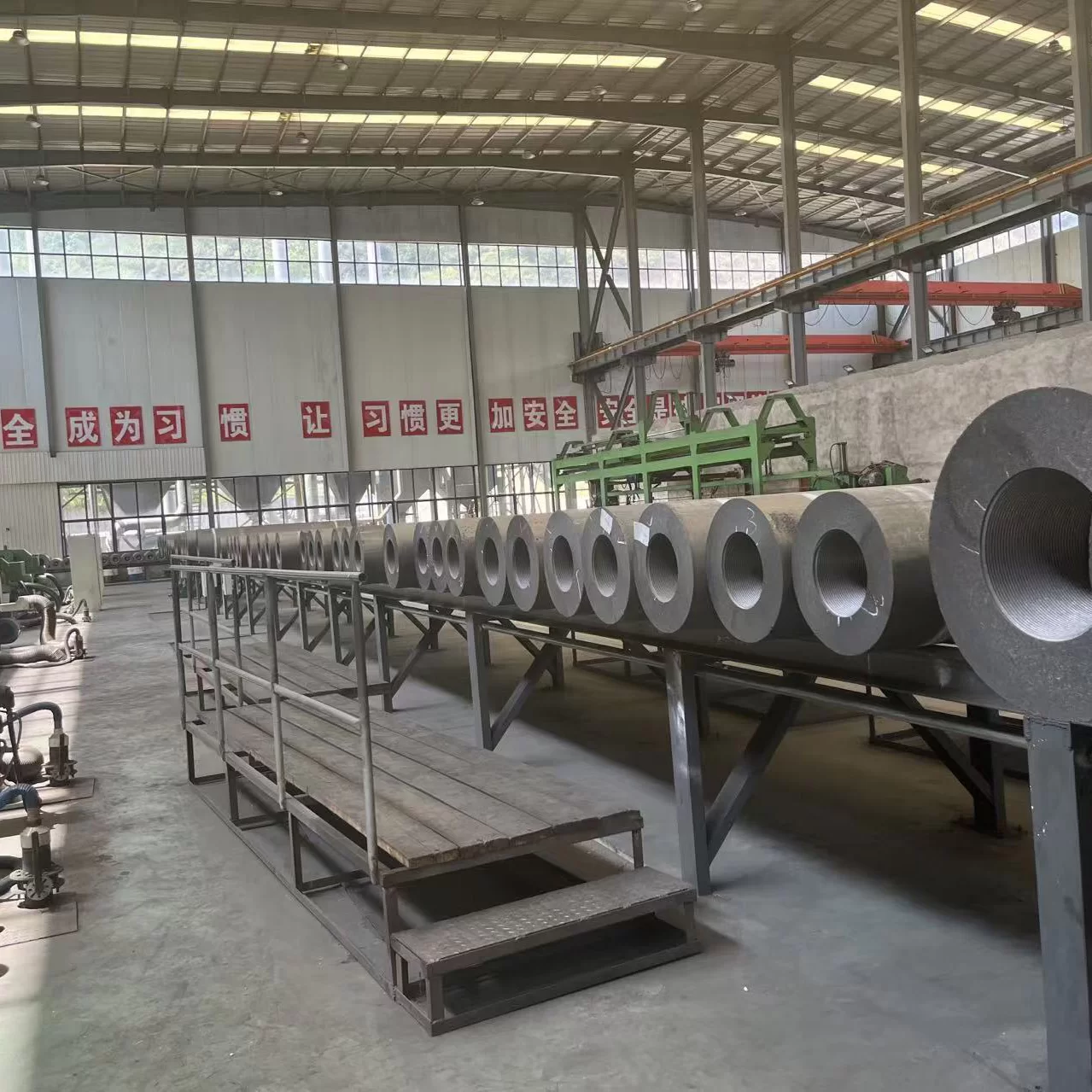
Understanding Solid Graphite and Its Global Importance
Solid graphite — it might sound like just another industrial material, but in reality, it’s a quietly pivotal substance powering countless global industries and innovations. Why does it matter so much? Well, this crystalline form of carbon offers exceptional electrical conductivity, thermal resilience, and mechanical strength that modern manufacturing, technology, and even humanitarian fields rely on heavily. Understanding solid graphite unlocks a window into sustainable technologies, advanced engineering, and efficient energy solutions worldwide. Let’s dive deeper into what solid graphite is, why it’s crucial worldwide, and how it brings tangible benefits across sectors.
Global Context: Why Solid Graphite Matters Today
Data from the International Energy Agency and the United Nations signals an ongoing surge in demand for high-performance materials that support green energy and industrial automation. Solid graphite fits right into this equation thanks to its stability under extreme conditions and its crucial role in battery technologies, such as lithium-ion cells which are powering electric vehicles around the world. Oddly enough, while graphene often steals headlines, plain old solid graphite remains a backbone material — dependable, tested, and versatile.
Yet, there’s a challenge looming: sourcing high purity graphite responsibly amid growing environmental concerns and geopolitical tensions. Key graphite-producing regions like China, Brazil, and Mozambique together supply roughly 80% of global needs, and nations are racing to secure stable supply chains without compromising sustainability goals (UN Environmental Programme).
What Exactly Is Solid Graphite?
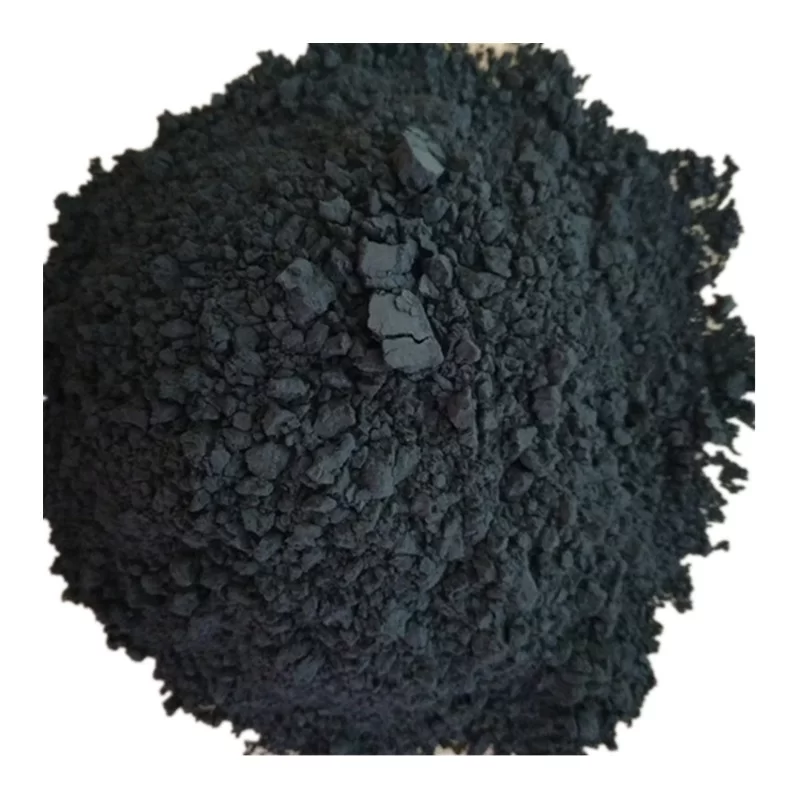
In simple terms, solid graphite is a naturally occurring form of carbon arranged in a hexagonal lattice, exhibiting layers that slide easily over each other — that’s why pencils write smoothly! Beyond the humble pencil, this layered structure gives graphite unique properties: it’s an excellent conductor of electricity and heat, chemically stable, and incredibly strong at high temperatures. Industrially, it’s refined and processed to meet specific needs — think of it as the “Swiss army knife” of materials for engineers.
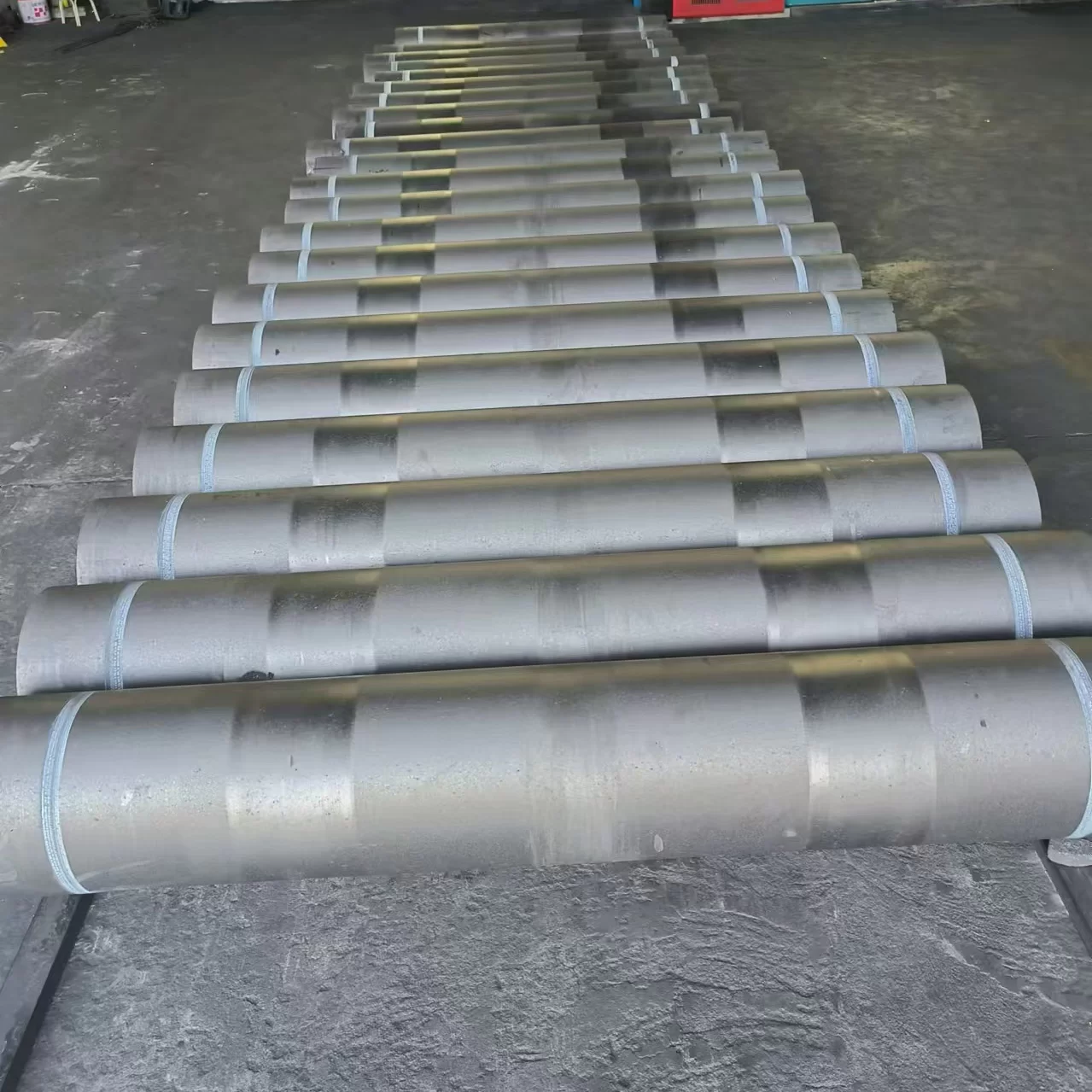
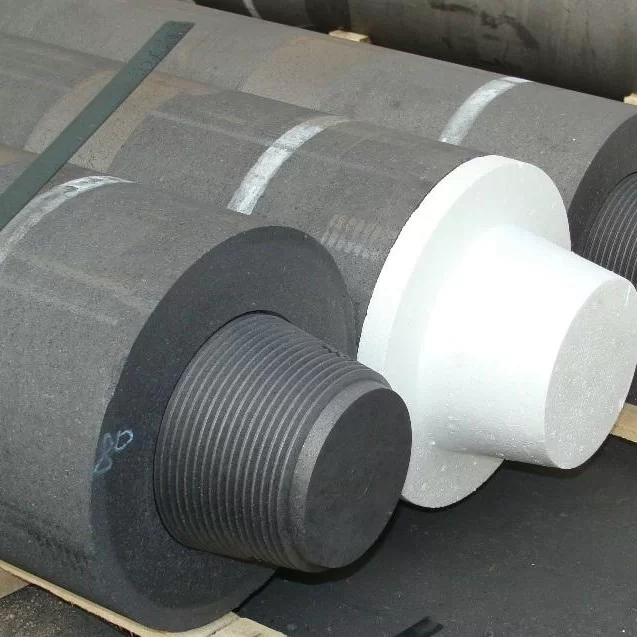
Its role in modern industry is massive: from electrodes in electric arc furnaces to components in nuclear reactors, solid graphite supports infrastructure that keeps the world running — in ways you might not have thought about.
Core Properties of Solid Graphite
Durability and Thermal Stability
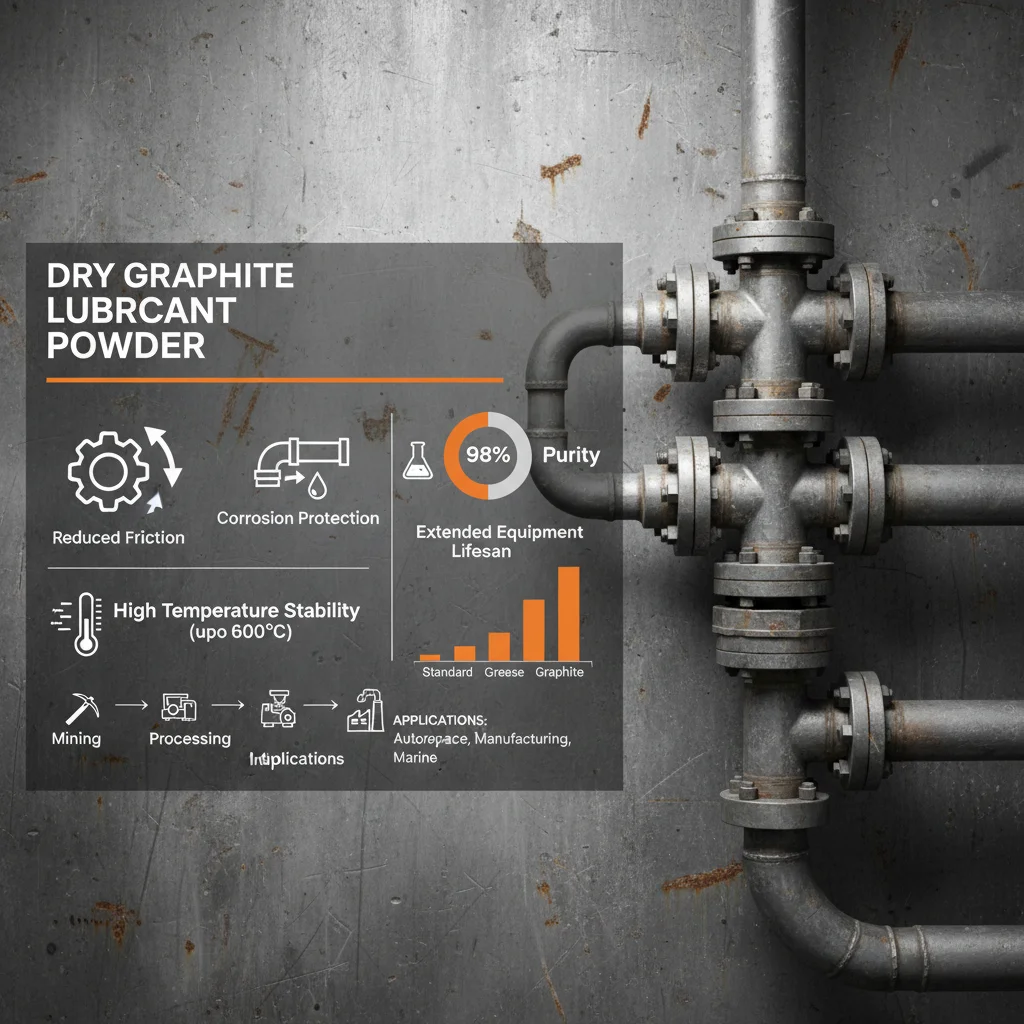
Graphite withstands temperatures over 3000°C without decomposing, making it indispensable in aerospace, metallurgy, and electronics manufacturing. This means components last longer, reducing downtime and maintenance costs.
Electrical Conductivity
Solid graphite’s high electrical conductivity allows efficient current flow, which is crucial in battery anodes and electrodes. It provides alternatives to metals, especially where weight and corrosion are concerns.
Chemical Inertness
Graphite’s layered structure is also chemically inert to many substances, which is ideal for harsh industrial environments where resistance to chemical attack and oxidation is necessary.
Cost Efficiency and Scalability
Compared to synthetic alternatives, natural solid graphite is more cost-effective and widely available — factors that influence design choices at scale. This scalability plays a big role in industries pushing for affordable, sustainable technologies.
Typical Specifications of Industrial Solid Graphite
| Specification | Typical Value | Unit |
|---|---|---|
| Purity (Carbon Content) | ≥ 99% | % |
| Bulk Density | 1.5–1.9 | g/cm³ |
| Flexural Strength | 30–70 | MPa |
| Electrical Resistivity | 10–20 | μΩ·cm |
| Maximum Operating Temp. | 3000+ | °C |
Worldwide Applications and Real-World Use Cases
Industries spanning energy, manufacturing, and technology utilize solid graphite extensively. In East Asia, the battery manufacturing sector leverages ultra-pure graphite to produce lithium-ion cells essential for electric vehicles, aiming to pivot towards clean transportation. In Europe, aerospace manufacturers depend on graphite’s thermal resilience for engine components that face intense heat during flight.
Post-disaster humanitarian aid also benefits from solid graphite materials. For example, in remote industrial zones and relief operations, graphite-based sensors and electronic components ensure communication devices remain operational — a subtle but critical lifeline.
Moreover, solid graphite is used in heavy industries in North America for high-temperature crucibles and electrodes, improving efficiency in metal refining processes.
Advantages and Long-Term Value of Solid Graphite
- Sustainability: Its natural abundance and recyclability make graphite a more sustainable choice compared to scarce metals.
- Cost Benefits: Longevity and durability translate to reduced replacement and maintenance costs over time.
- Innovation Enablement: Reliable graphite materials underpin emerging technologies, from green batteries to smart sensors.
- Trust & Safety: Dependable performance under extreme conditions ensures safety in critical applications like nuclear reactors.
All told, choosing solid graphite often equates to investing in a stable, efficient, and environmentally conscious solution.
Upcoming Trends and Innovations
The future’s bright for solid graphite, oddly enough, fueled by the ongoing green energy revolution. Enhanced purification techniques aim to produce ultra-high purity graphite that will improve battery lifecycles and energy densities dramatically. Additionally, automated manufacturing is enabling more consistent, scalable graphite components tailored for advanced electronics and aerospace.
Policymakers, too, are pushing for responsible sourcing and processing standards — a welcome shift that could alleviate environmental concerns while boosting demand for sustainable graphite products worldwide.
Common Challenges and Solutions
While graphite’s benefits are vast, challenges remain. Fluctuating raw material supply and contamination risks sometimes compromise quality. However, innovations in synthetic graphite production and purification technologies are helping to stabilize availability and enhance performance. Industry experts emphasize collaborative supply chain management and investments in localized production as key solutions.
Vendor Comparison: Solid Graphite Suppliers at a Glance
| Supplier | Purity Range | Product Range | Specialty | Region |
|---|---|---|---|---|
| Dah Carbon | 99.9%+ | Blocks, Rods, Powder | Ultra-pure industrial grades | Asia |
| GraphTech | 99.5%–99.8% | Electrodes, Sheets | Custom graphite composites | Europe |
| Carbonex | 98.5%–99.7% | Powders, Granules | Cost-effective bulk supply | North America |
FAQs About Solid Graphite
- What makes solid graphite better than synthetic carbon alternatives?
- Natural solid graphite offers unique layered structures giving it superior thermal stability and electrical conductivity. While synthetics can be tailored, natural graphite often costs less and comes with proven long-term performance in harsh environments.
- How long can solid graphite components last in industrial applications?
- With proper maintenance, industrial-grade solid graphite parts can last many years — sometimes decades — especially due to their resistance to heat and chemical wear. Lifespan depends on operating conditions but generally exceeds many metals in similar roles.
- Is solid graphite environmentally sustainable?
- Solid graphite, being naturally abundant and recyclable, is relatively eco-friendly compared to rare metals. Still, responsible sourcing is critical to minimize ecological impact, which many leading suppliers adhere to under international standards.
- How do manufacturers customize solid graphite for specific uses?
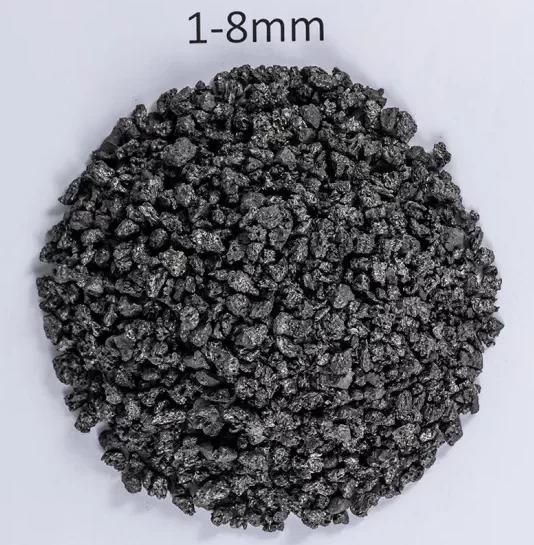
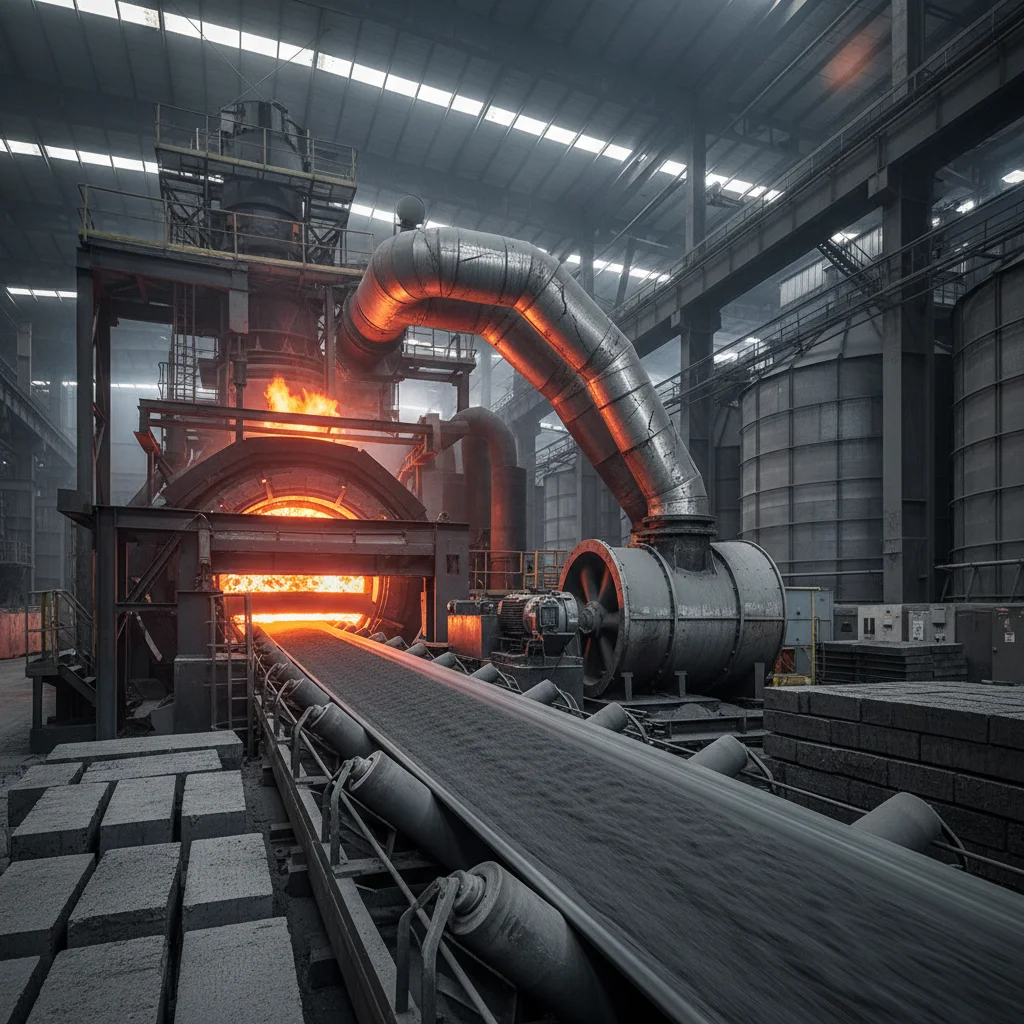
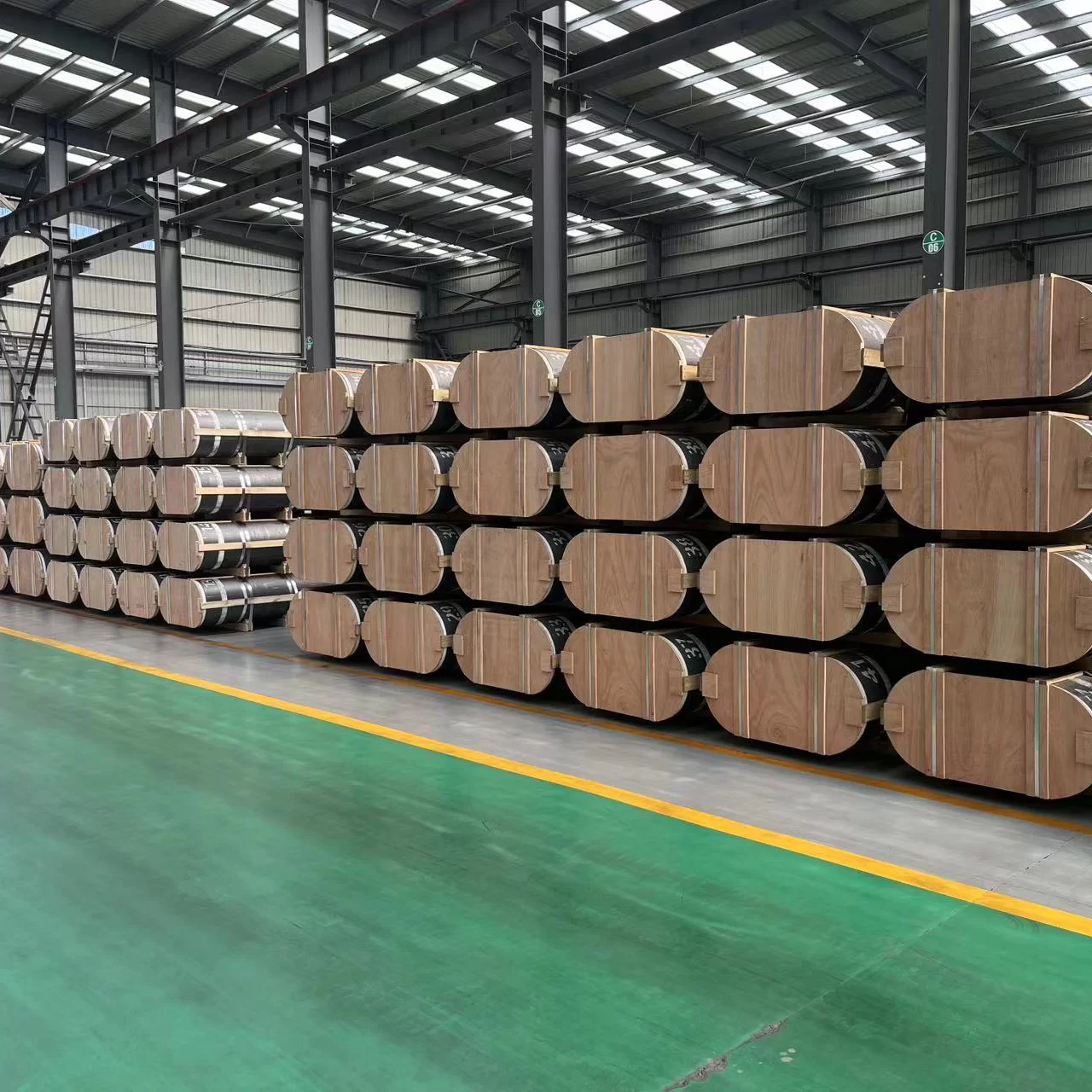
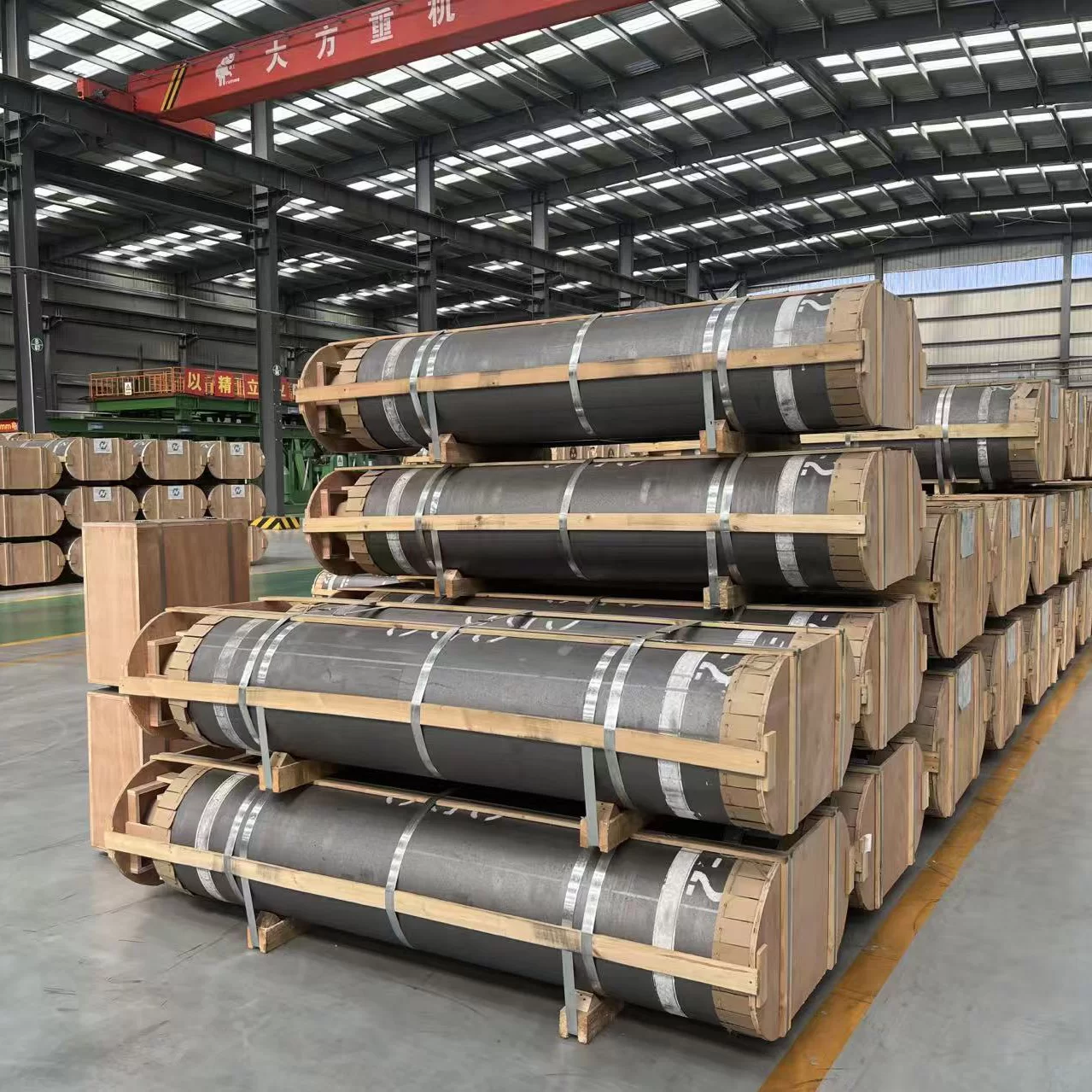
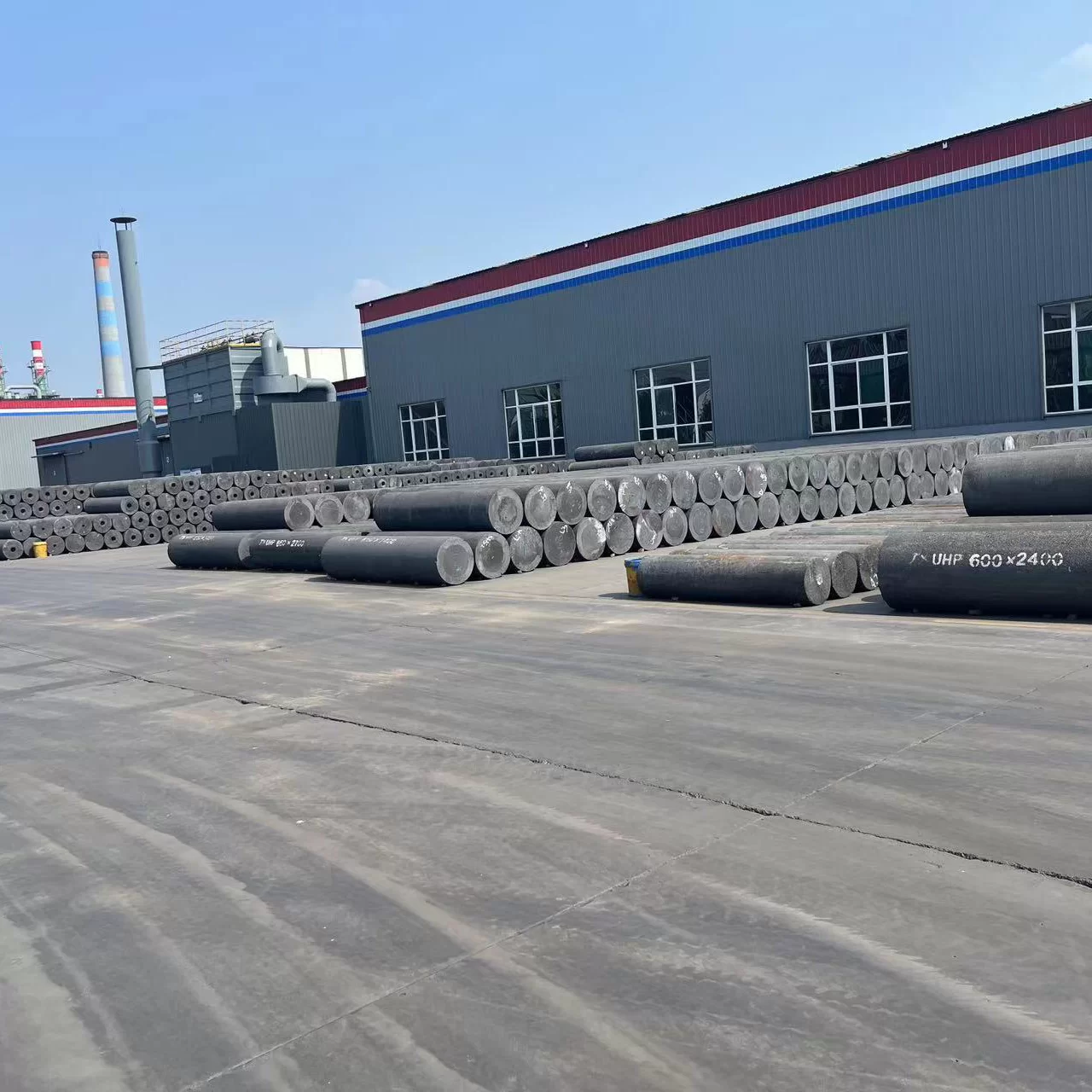
- Customization involves shaping graphite into rods, blocks, powders, or sheets, then tailoring purity and grain size to performance needs. Processing techniques like baking and graphitization also influence final product properties.
Conclusion: Why Solid Graphite is a Strategic Material for the Future
In real terms, solid graphite isn’t just an industrial component; it’s a material that embodies the crossroads of tradition and innovation. Its unmatched properties support critical infrastructure, renewable energy advancements, and emerging technologies that address global challenges. Frankly, investing in solid graphite products today means preparing for a sustainable and high-performance tomorrow.
Curious to explore high-quality solid graphite solutions tailored to your industry? Visit our website to discover how we can help you harness the power of this exceptional material.
Mini takeaway: Solid graphite’s remarkable properties and expanding applications position it as a cornerstone for industry’s sustainable future — practical, reliable, and essential.