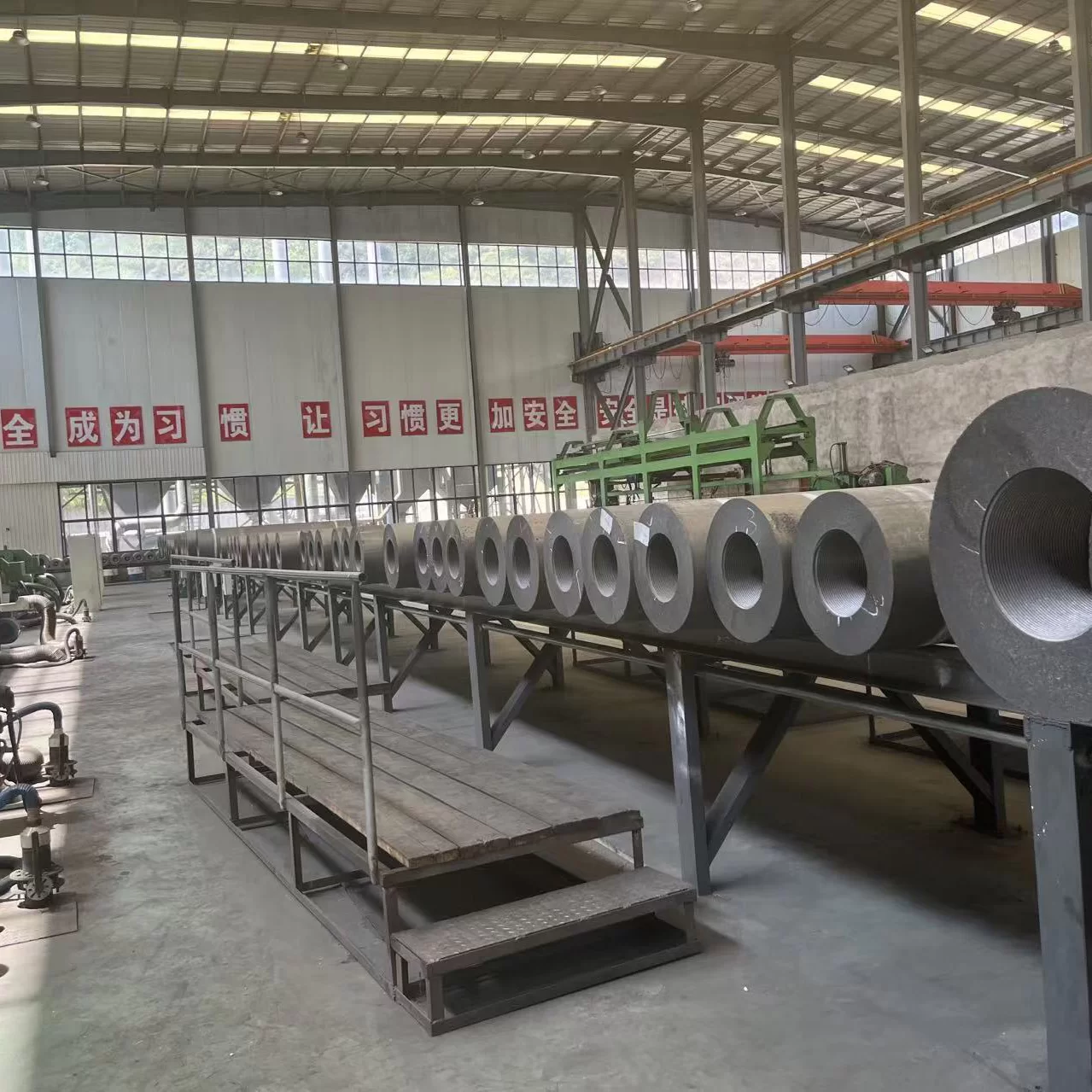
Understanding Artificial Graphite Production: A Modern Industrial Pillar
When you hear the term artificial graphite production, you might think of a niche process far removed from daily life. But the truth is, artificial graphite is quietly fundamental to many modern technologies — from electric vehicle batteries that promise a cleaner future to high-tech manufacturing processes. Understanding how artificial graphite is made and its applications helps us appreciate the backbone of industries aiming for sustainability, innovation, and global progress.
Why Artificial Graphite Production Matters Globally
Artificial graphite is no small player in the global industrial landscape. According to the International Organization for Standardization (ISO) and market research by the World Bank, the demand for graphite – especially synthetic variants – is rising dramatically, primarily due to booming industries like lithium-ion battery manufacturing. Most of the world’s electric vehicles rely on graphite anodes. This rise directly ties artificial graphite production to the global push for decarbonization and sustainable energy.
However, global supply chains occasionally struggle with natural graphite’s consistency and purity. Synthetic graphite manufacturing helps bridge this gap, offering more uniform and scalable solutions. Frankly, it’s a sector that’s quietly shaping the future of energy, electronics, and even humanitarian tech applications.
What is Artificial Graphite Production?
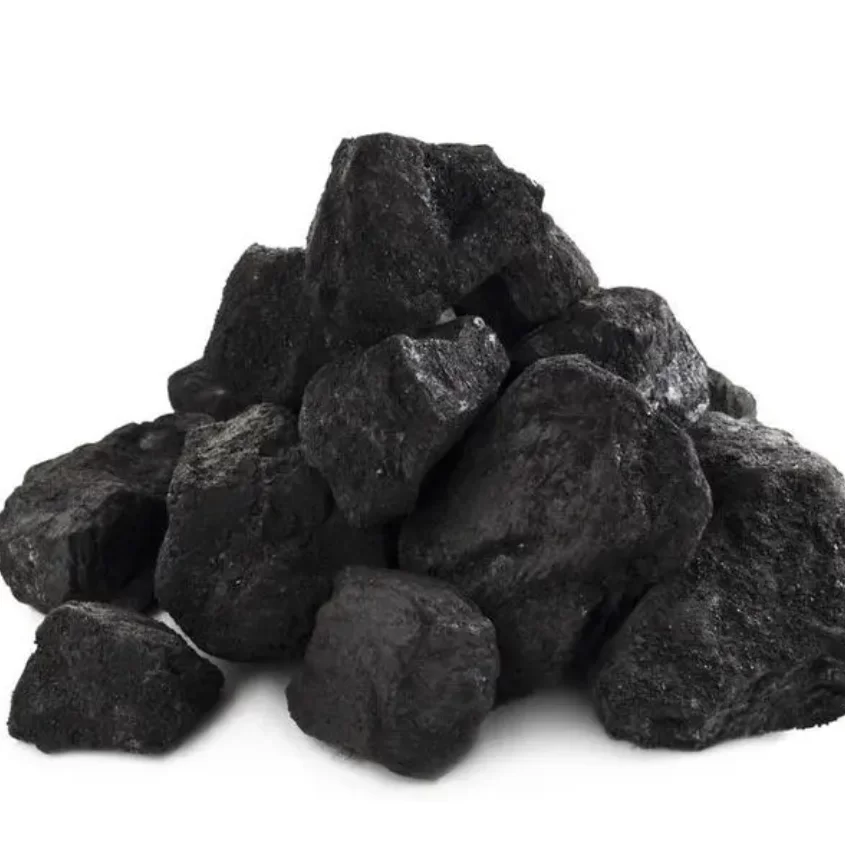
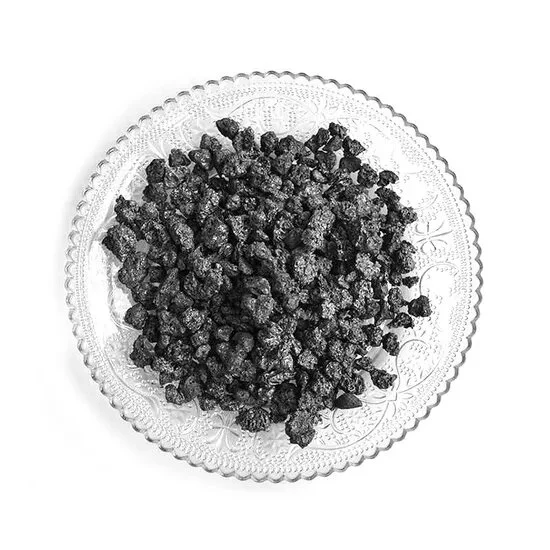
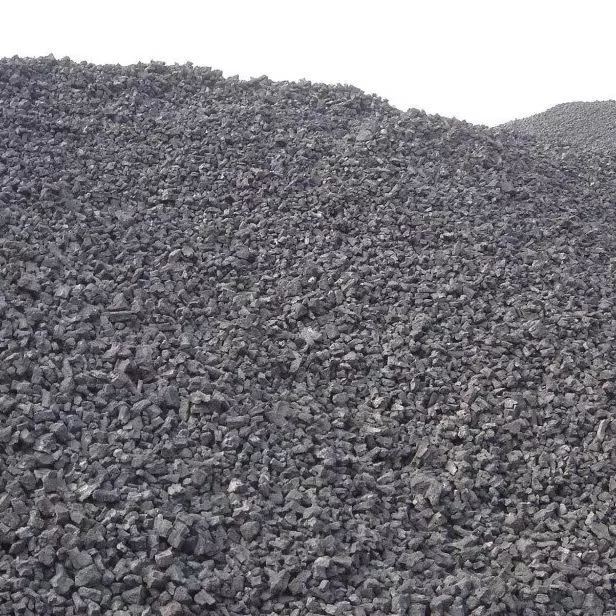
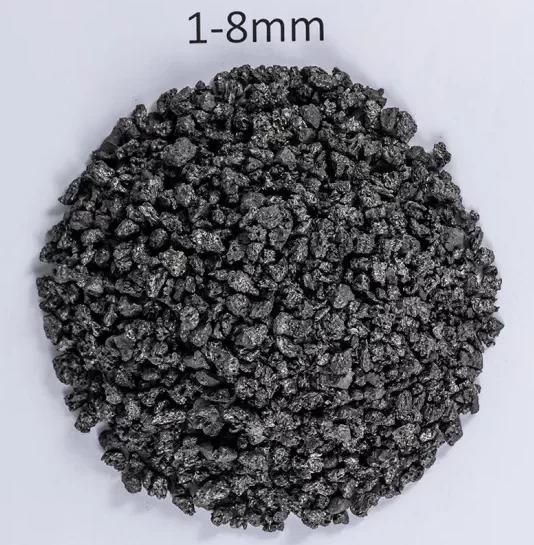
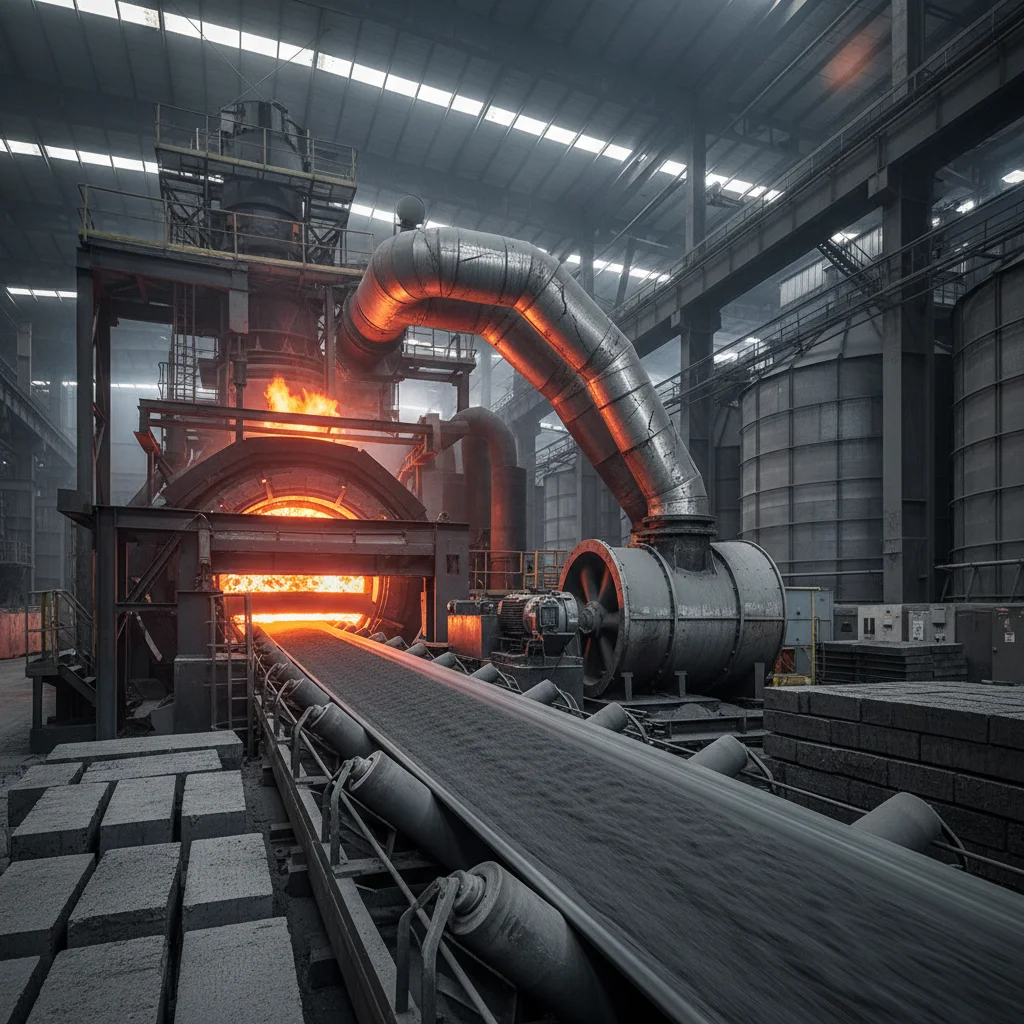
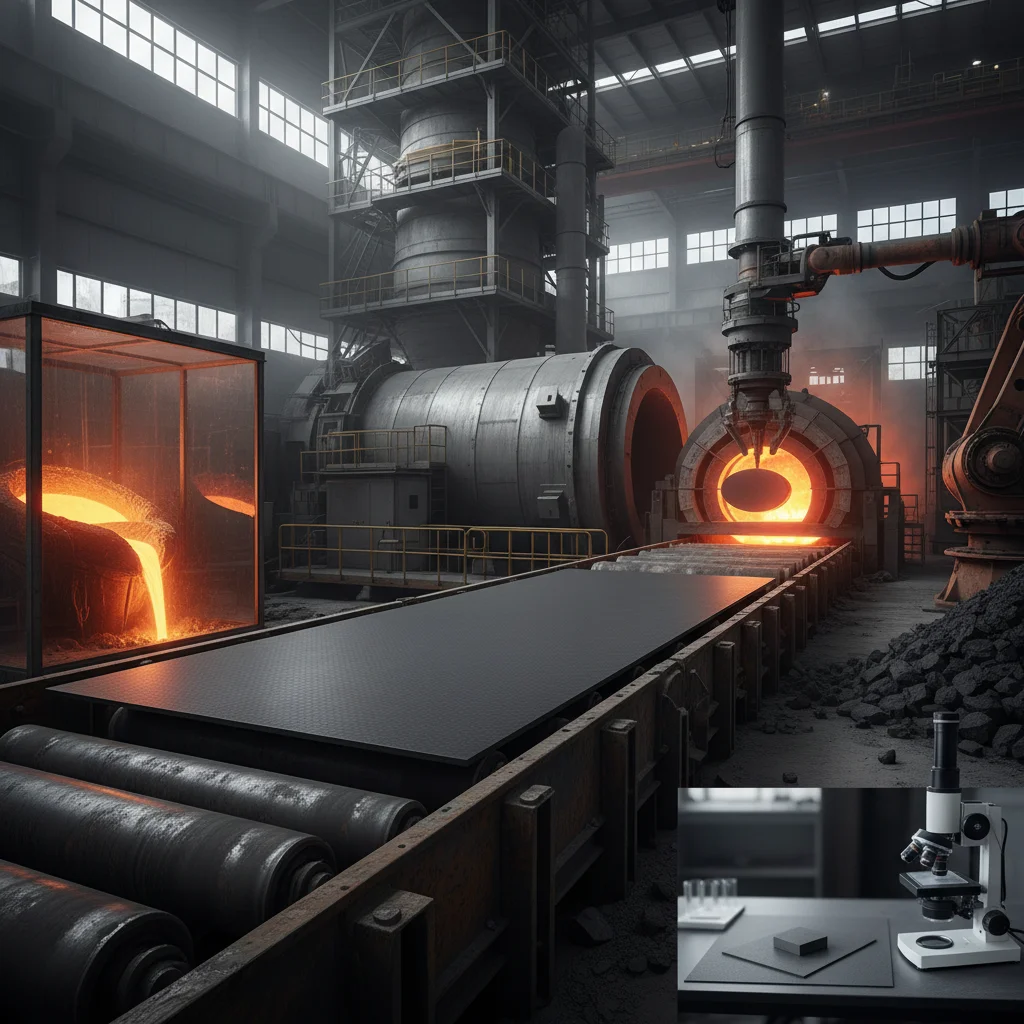
At its core, artificial graphite production refers to the industrial process of manufacturing graphite material synthetically rather than mining it from natural deposits. This process usually involves high-temperature heat treatments of carbon-rich precursors — think petroleum coke or coal tar pitch — transforming them into highly ordered graphite crystals.
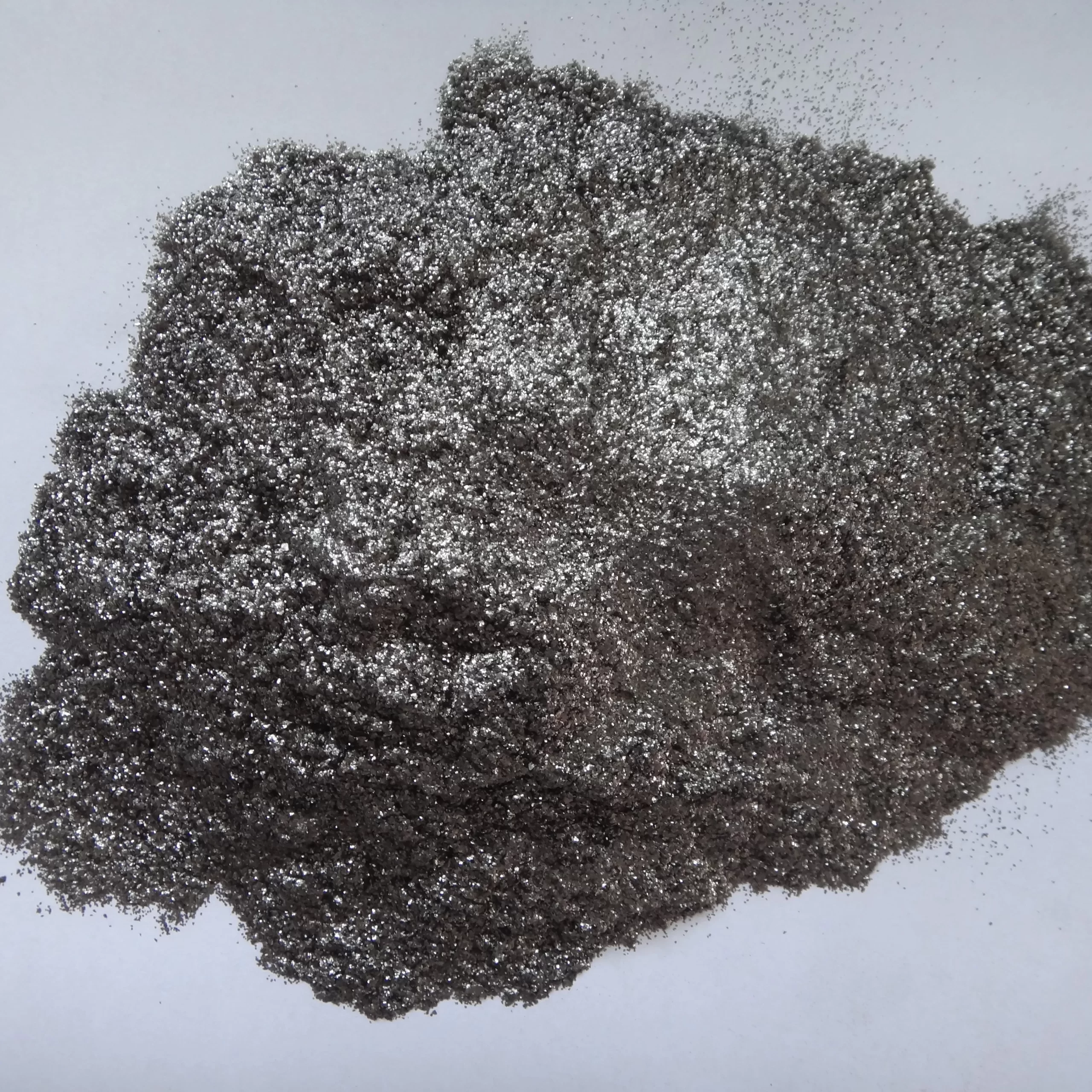
This synthetic graphite tends to have superior purity, controlled particle size, and consistent physical properties, making it ideal for demanding industrial applications like electrodes, batteries, and nuclear reactors. So, while “artificial” sometimes sounds less desirable, here it really marks quality and precision, helping meet exacting modern needs.
Core Components Influencing Artificial Graphite Production
- Raw material selection: Petroleum coke and coal tar pitch quality directly impact the final graphite’s characteristics.
- Graphitization temperature: The higher the temperature (up to 3000°C), the better the crystalline structure.
- Process scalability: Can manufacturers reliably increase production without losing quality?
- Cost efficiency: Balancing high energy inputs and raw materials to meet market pricing demands.
- Environmental controls: Minimizing emissions and waste from carbonization and graphitization steps.
These factors interweave tightly — for example, pushing higher temperatures improves quality but drives costs and energy consumption up. It’s a balancing act, and mastering it is crucial for competitive advantage.
Product Specification Overview
| Specification | Typical Range | Industry Relevance |
|---|---|---|
| Purity | >99.5% | Battery anodes, electronics |
| Density (g/cm³) | 1.8 – 2.3 | Structural resilience |
| Electrical Conductivity (S/m) | 10,000 – 20,000 | Energy storage, electrodes |
| Thermal Stability (°C) | Up to 3000 | High-temp industrial processes |
Global Applications & Use Cases
Artificial graphite finds its way into a surprising variety of industries and regions. For instance:
- Electric Vehicles (EVs): Battery anodes in EVs use artificial graphite extensively. China, Europe, and North America lead production and consumption.
- Aerospace and Electronics: High-purity graphite is critical for heat management and conductivity in satellites and semiconductors.
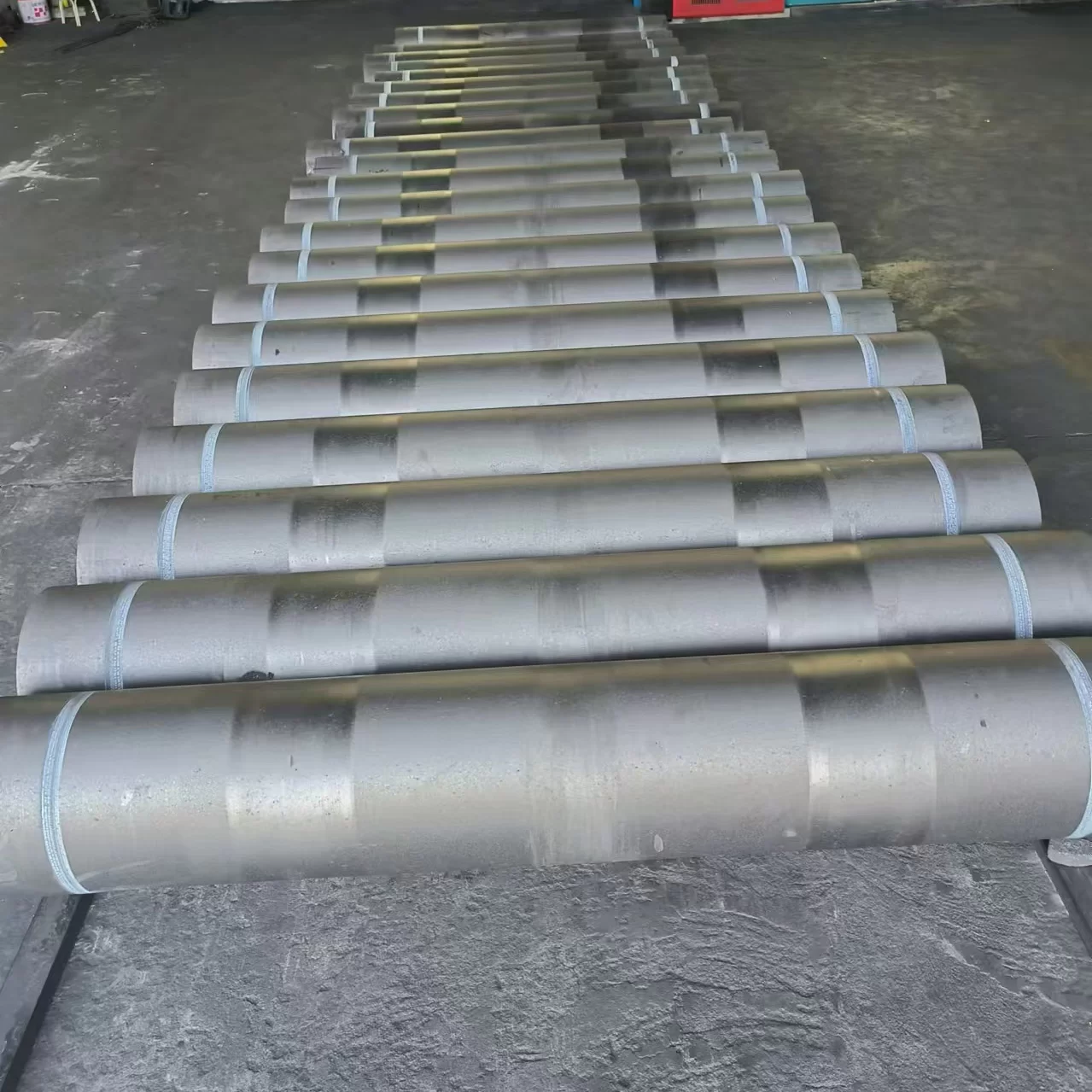
- Steel Manufacturing: Electrodes made from synthetic graphite sustain the electric arc furnaces producing steel worldwide.
- Disaster Relief Tech: Artificial graphite components enable reliable, lightweight energy storage in emergency devices deployed in remote or disaster-prone regions.
Oddly enough, even humanitarian efforts indirectly benefit from what might seem like purely industrial materials — the stability and efficiency that synthetic graphite provides extend to areas where dependable technology means safety and dignity.
Vendor Comparison: Leading Artificial Graphite Producers
| Vendor | Production Capacity (tons/year) | Specialty | Sustainability Practices |
|---|---|---|---|
| Dah Carbon | 50,000 | High-purity EV graphite | Waste recycling & emission controls |
| SGL Carbon | 40,000 | Special graphite for aerospace | ISO 14001 certified |
| Showa Denko | 55,000 | Large-scale energy storage materials | Carbon footprint reduction initiatives |
Advantages & Long-Term Value of Artificial Graphite Production
What truly makes artificial graphite production compelling is how it combines tangible and intangible benefits. Cost-wise, manufacturers gain pricing consistency unlike natural graphite mining, which fluctuates with geographic issues and supply shortages.
There’s also sustainability — many producers invest in recycling carbon materials and advanced emissions control. It’s this environmental consciousness that adds a layer of social trust and responsibility.
Logically, artificial graphite’s reliability under extreme conditions translates to safer, longer-lasting products — whether powering an EV or ensuring equipment works in disaster zones. On a human level, that means better safety and dignity for users.
Future Trends & Innovations in Artificial Graphite Production
- Green Production Methods: Manufacturers are investigating lower-energy graphitization techniques and cleaner raw materials.
- Automation & Digitalization: AI-driven quality control is optimizing production, reducing waste and ensuring consistency.
- Material Hybridization: Combining synthetic graphite with graphene or other novel additives for enhanced performance.
- Policy Drivers: Increasing regulatory focus on carbon emissions pushes the industry toward greener technologies.
Challenges & Solutions in the Field
Artificial graphite isn’t without its hurdles. High energy consumption during production remains a key concern, alongside fluctuating raw material costs. Luckily, industry innovators are tackling these by developing lower-temperature synthesis processes and recycling strategies.
Another challenge is supply chain security, especially for sensitive technologies reliant on ultra-pure grades. Here, partnerships with trusted vendors and localizing parts of the supply chain bring resilience — a trend many engineers swear by.
FAQ: Practical Questions on Artificial Graphite Production
- What raw materials are commonly used in artificial graphite production?
- Primarily petroleum coke and coal tar pitch serve as carbon sources. The choice affects purity and structural properties of the resulting graphite.
- How does artificial graphite compare to natural graphite in batteries?
- Artificial graphite offers more uniform particle size and purity, often leading to better battery performance and longer lifecycles.
- Is artificial graphite production environmentally friendly?
- While energy-intensive, many producers are adopting waste recycling and emission reduction technologies to minimize environmental impact.
- Can artificial graphite be customized for specific industrial applications?
- Yes, properties like particle size, density, and purity can be tailored through production controls to fit applications from aerospace to electronics.
Conclusion: The Imperative of Artificial Graphite Production
Artificial graphite production stands as a vital cog in the machinery of global industrial progress. It feeds the backbone of cleaner energy solutions, enables high-tech manufacturing, and, frankly, is a quiet hero in humanitarian efforts. As global demands evolve, refining this process to be more sustainable and efficient will continue shaping the future.
Curious about how cutting-edge synthetic graphite advances can power your projects? Visit our website to learn more about our expertise and products: artificial graphite production.