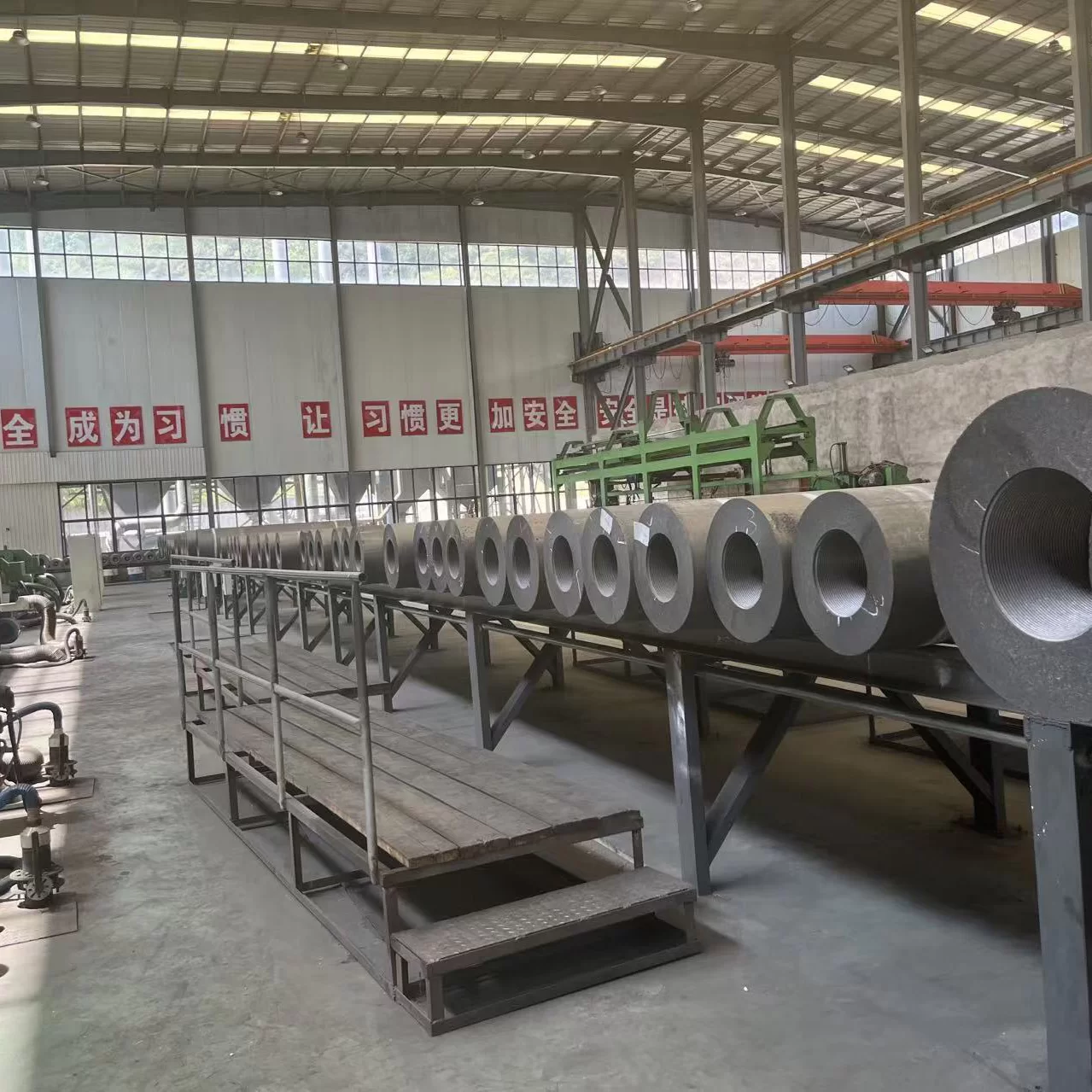
Understanding Man Made Graphite Price: Why It Matters in Today’s Industry
You might wonder why the man made graphite price has been a hot topic across multiple industries recently. Well, graphite’s not just some old-school material used in pencils anymore. Its synthetic variant—engineered to strict properties—powers everything from lithium-ion batteries to aerospace components. The price of this material is a global barometer for innovation and manufacturing efficiency, influencing sectors ranging from green energy to electronics.
Graphite’s journey from nature to the lab and then to factory floors is fascinating. Its cost dynamics shed light on raw material availability, production techniques, and even geopolitical shifts. Understanding this price isn’t just for economists or commodity traders—it matters for engineers, procurement teams, and policymakers aiming at sustainable and cost-effective solutions.
Introduction: The Global Impact of Man Made Graphite Price
The global graphite market, including both natural and synthetic variants, is projected to grow steadily, driven especially by the electric vehicle (EV) sector, which depends heavily on lithium-ion batteries where man made graphite plays a core role (International Energy Agency, 2023). The man made graphite price fluctuates based on supply chains, raw material costs, and manufacturing innovations.
For instance, a leap in lithium-ion battery production ramps up demand for high-purity synthetic graphite, pushing prices up. Conversely, disruptions in precursor materials or energy-intensive processes can create bottlenecks. Oddly enough, while synthetic graphite costs more initially than natural, its predictable properties make it the preferred choice for cutting-edge applications.
What Is Man Made Graphite Price?
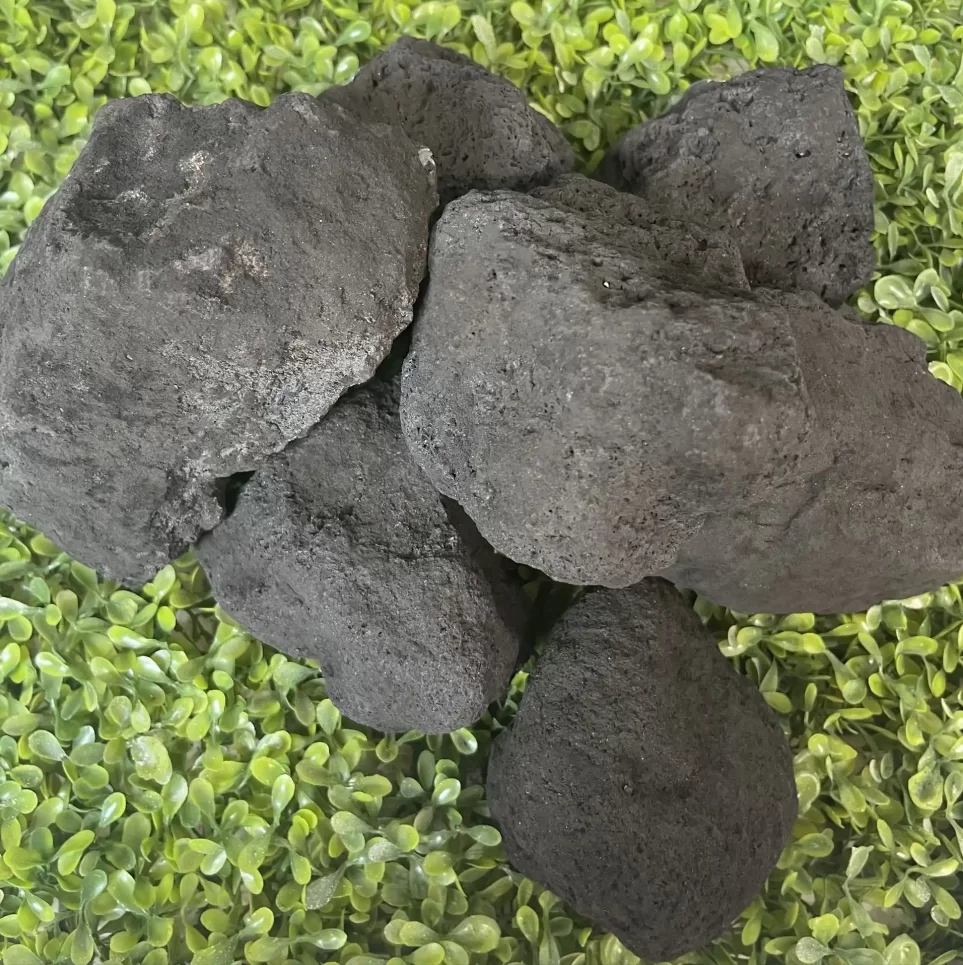
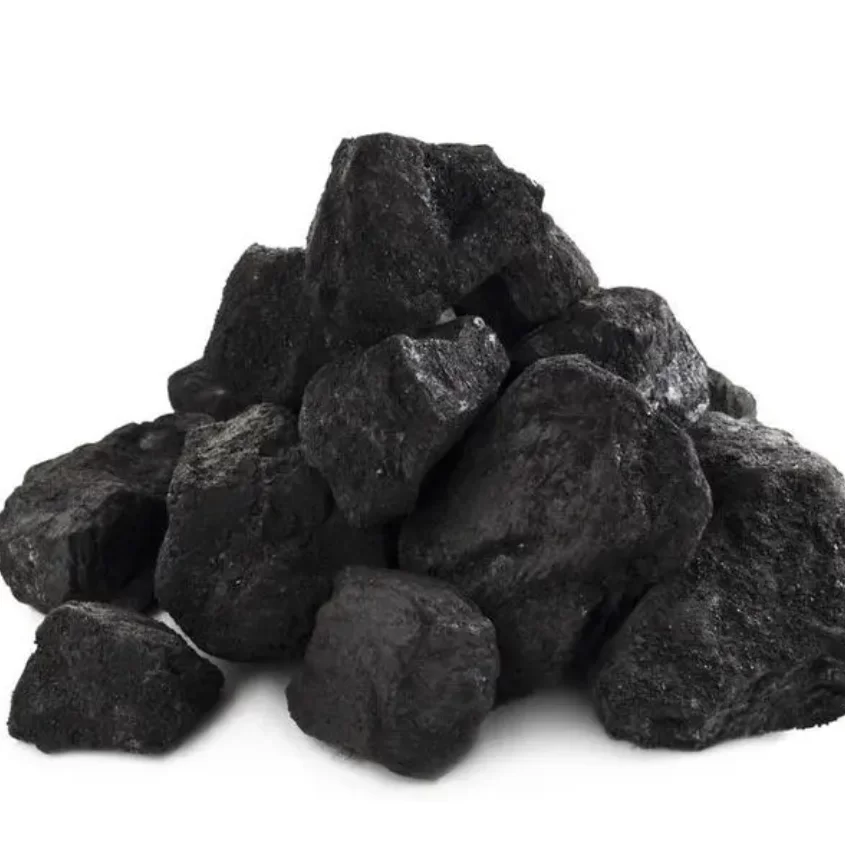
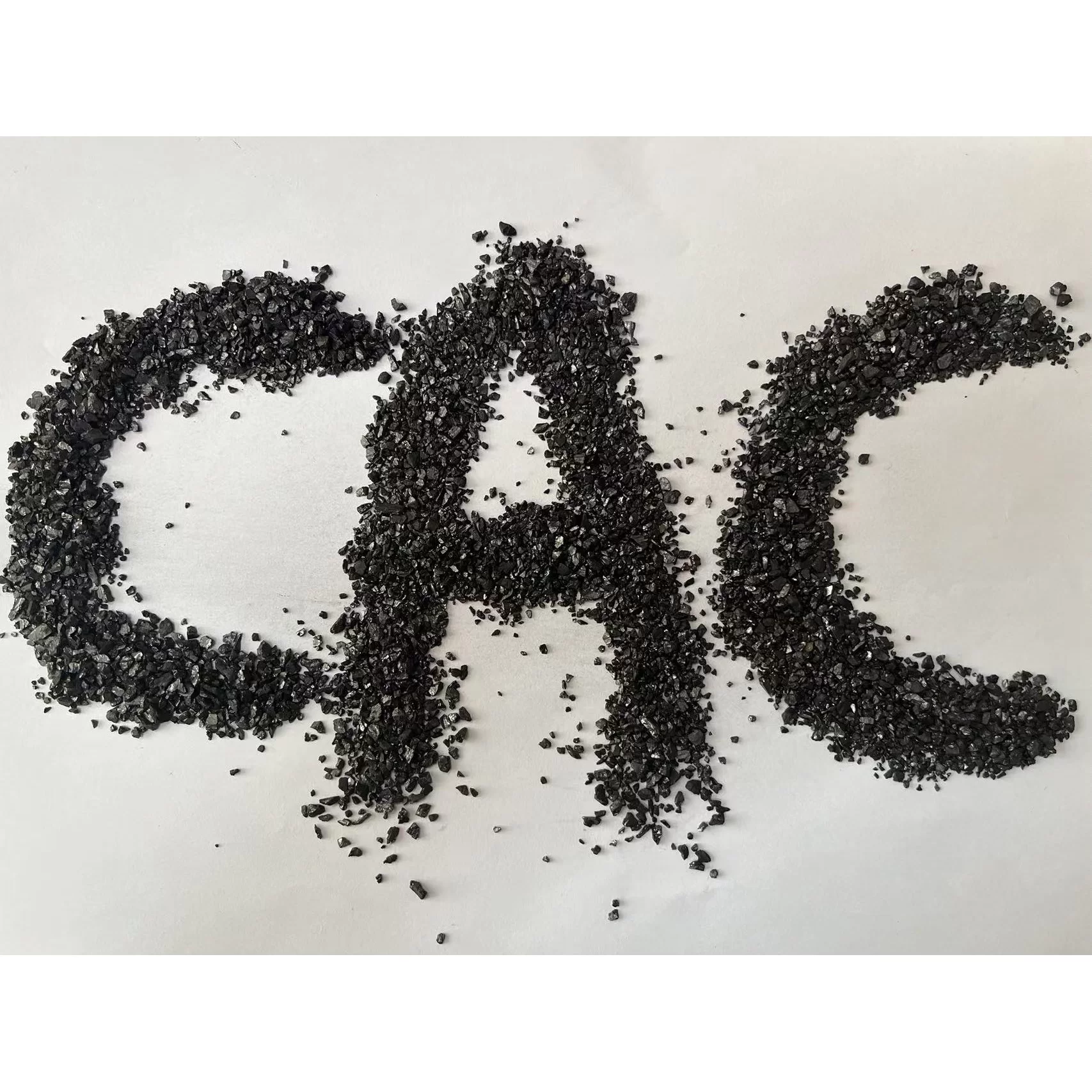
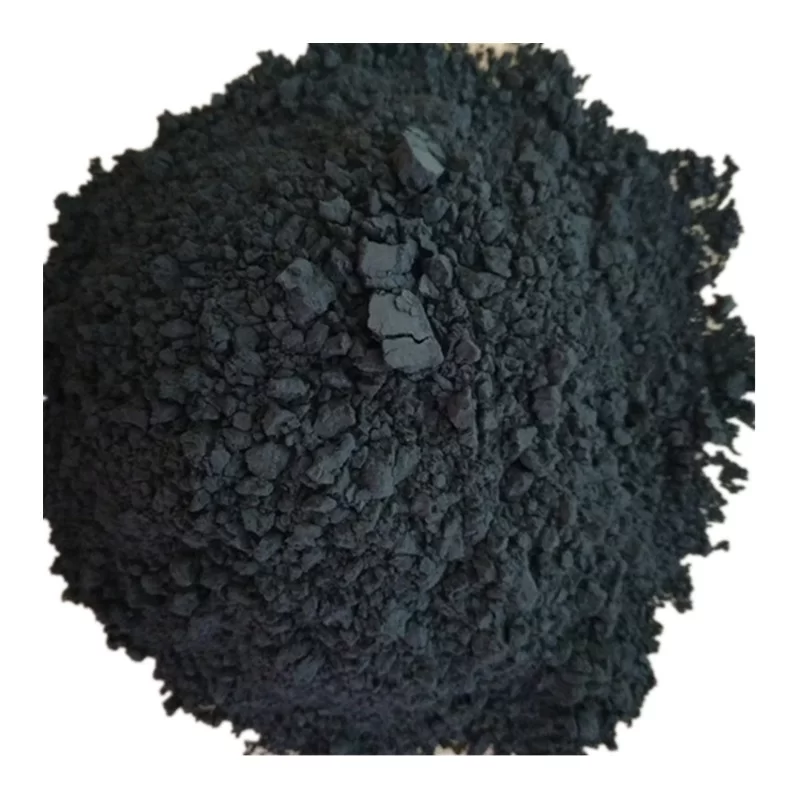
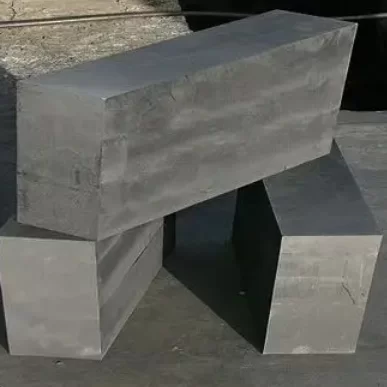
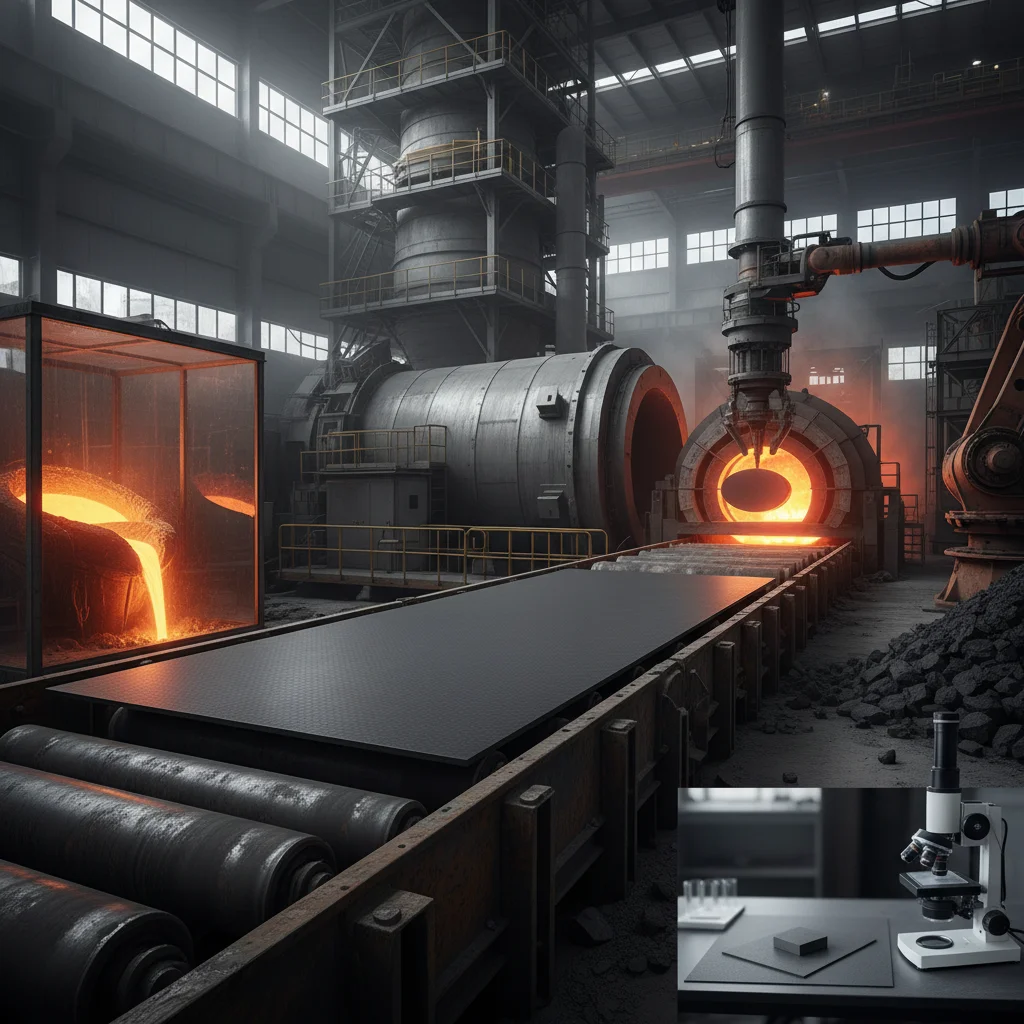
In simple terms, man made graphite price refers to the cost of synthetic graphite—material produced by heat-treating carbon-rich substances like petroleum coke or coal tar pitch under precise conditions to get a specific crystalline structure. Unlike natural graphite mined from the earth, synthetic graphite offers controlled purity, particle size, and electrical conductivity.
This price affects many industries, including aerospace, refractory manufacturing, batteries, and even nuclear reactors. Because synthetic graphite often forms the backbone of high-tech innovations, its affordability directly impacts the feasibility of emerging technologies.
Key Factors Influencing Man Made Graphite Price
1. Raw Materials and Sourcing
The price of precursor materials like petroleum coke significantly swings the overall cost. If oil markets fluctuate, synthetic graphite prices do too. Sometimes, geopolitical tensions disrupt access to quality raw materials, pushing prices higher.
2. Energy Consumption in Production
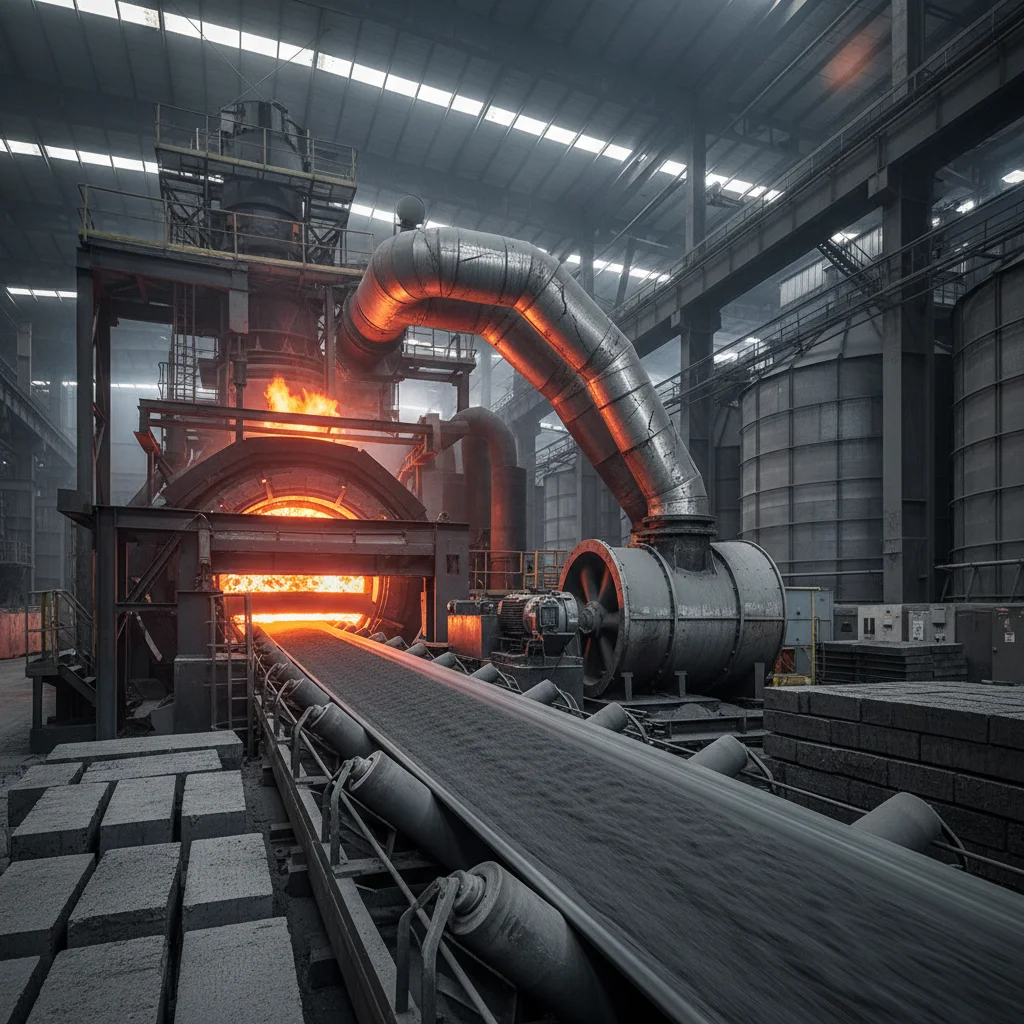
Producing synthetic graphite is energy-intensive, requiring temperatures of 2500°C or more during graphitization. Energy costs, therefore, weigh heavily, especially where electricity prices are volatile.
3. Purity and Performance Grade
Higher purity levels, essential in battery-grade graphite, command premium pricing. Lower grades suited for refractory or lubrication purposes cost comparatively less but have stricter tolerance thresholds.
4. Technological Advancements
Innovations in production, such as microwave graphitization or automation, can reduce costs and improve qualities, thus affecting price in the long term.
5. Demand from Growing Industries
Electric vehicles, steelmaking, and renewable energy sectors greatly influence market demand, thereby impacting prices. For example, increased EV adoption spikes demand for man made graphite.
6. Environmental Regulations
Stricter environmental standards can add compliance costs, influencing the final price, but also pushing producers towards greener processes.
| Specification | Battery Grade | Refractory Grade | Lubricant Grade |
|---|---|---|---|
| Purity (C%) | >99.95 | 97-99.7 | 95-97 |
| Particle Size (µm) | 10-20 | 20-50 | 50-100 |
| Electrical Conductivity (S/m) | >15,000 | 8,000-13,000 | 5,000-8,000 |
| Bulk Density (g/cm³) | 1.6-1.8 | 1.5-1.7 | 1.4-1.6 |
Global Applications & Use Cases of Man Made Graphite
Man made graphite finds itself woven into the fabric of many industries worldwide. For example:
- Battery Industry: In regions like China, South Korea, and the U.S., synthetic graphite is fundamental for EV battery anodes, pushing for cleaner transport worldwide.
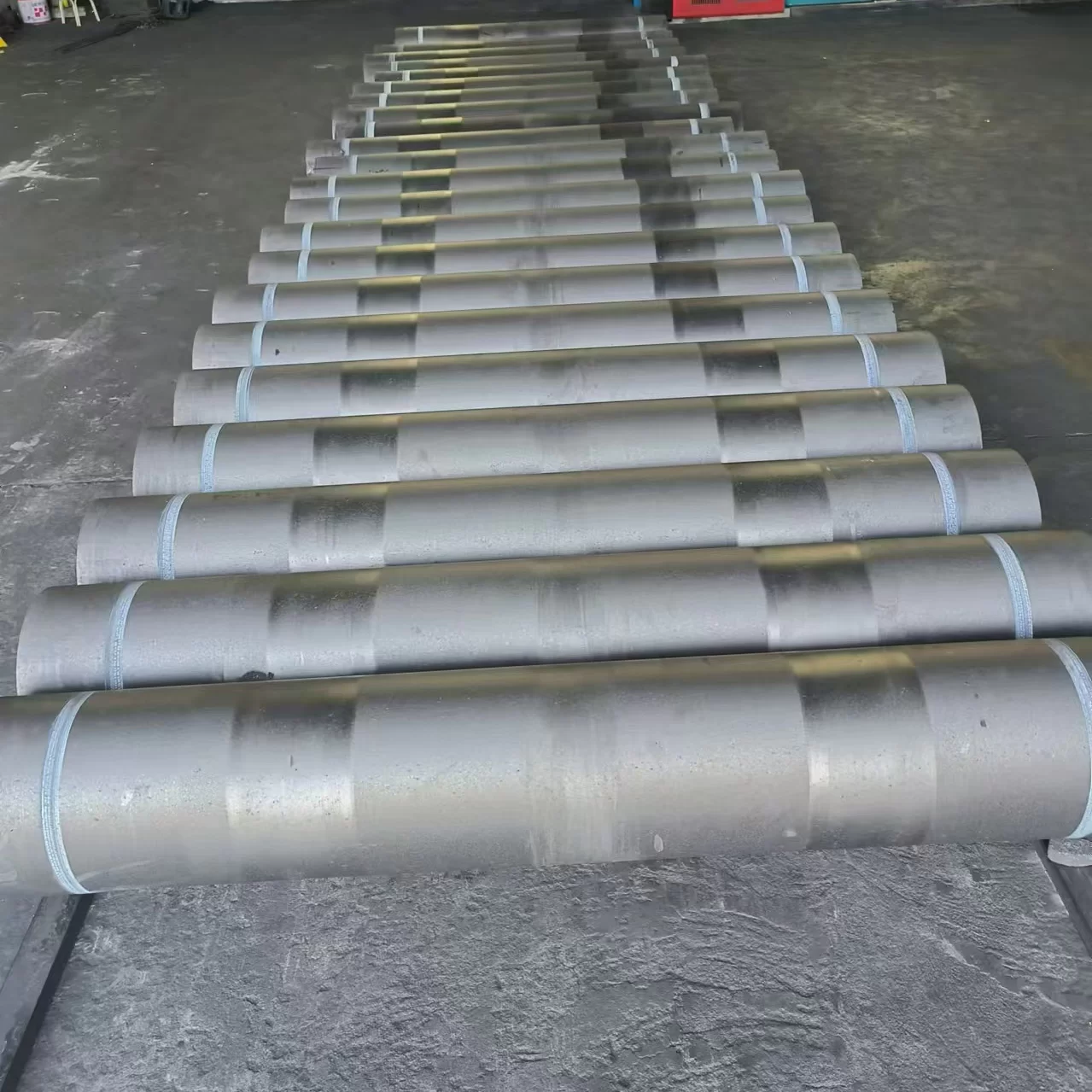
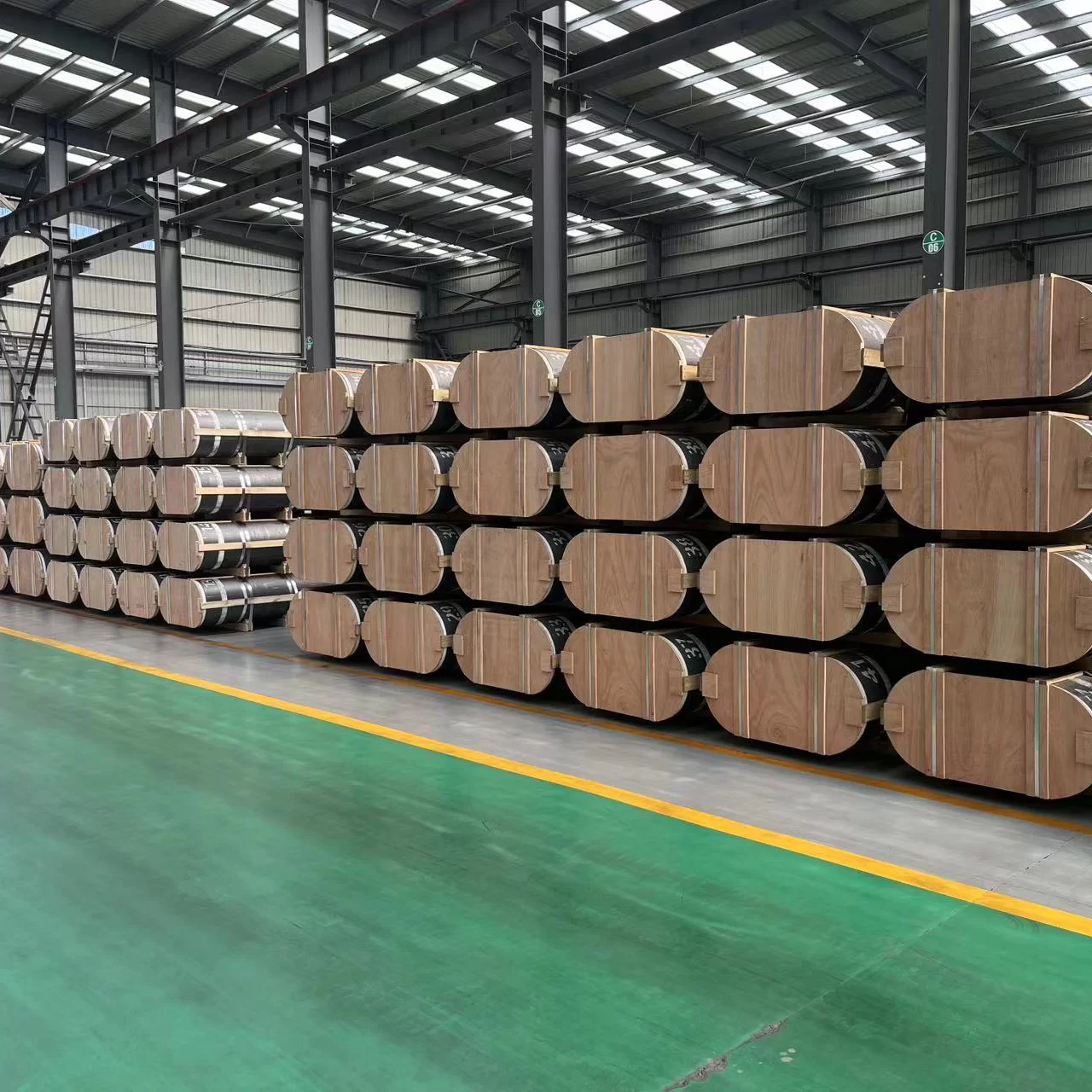
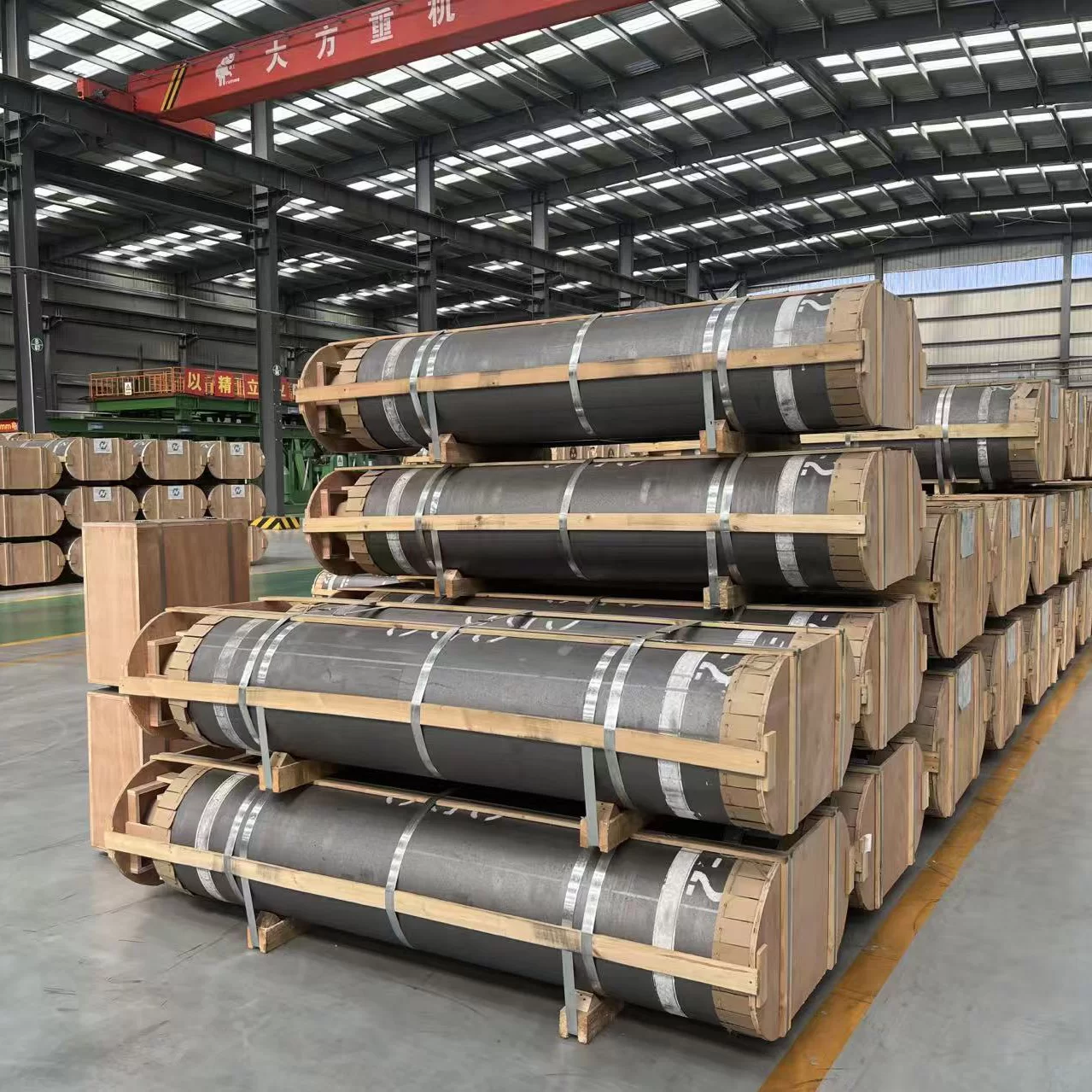
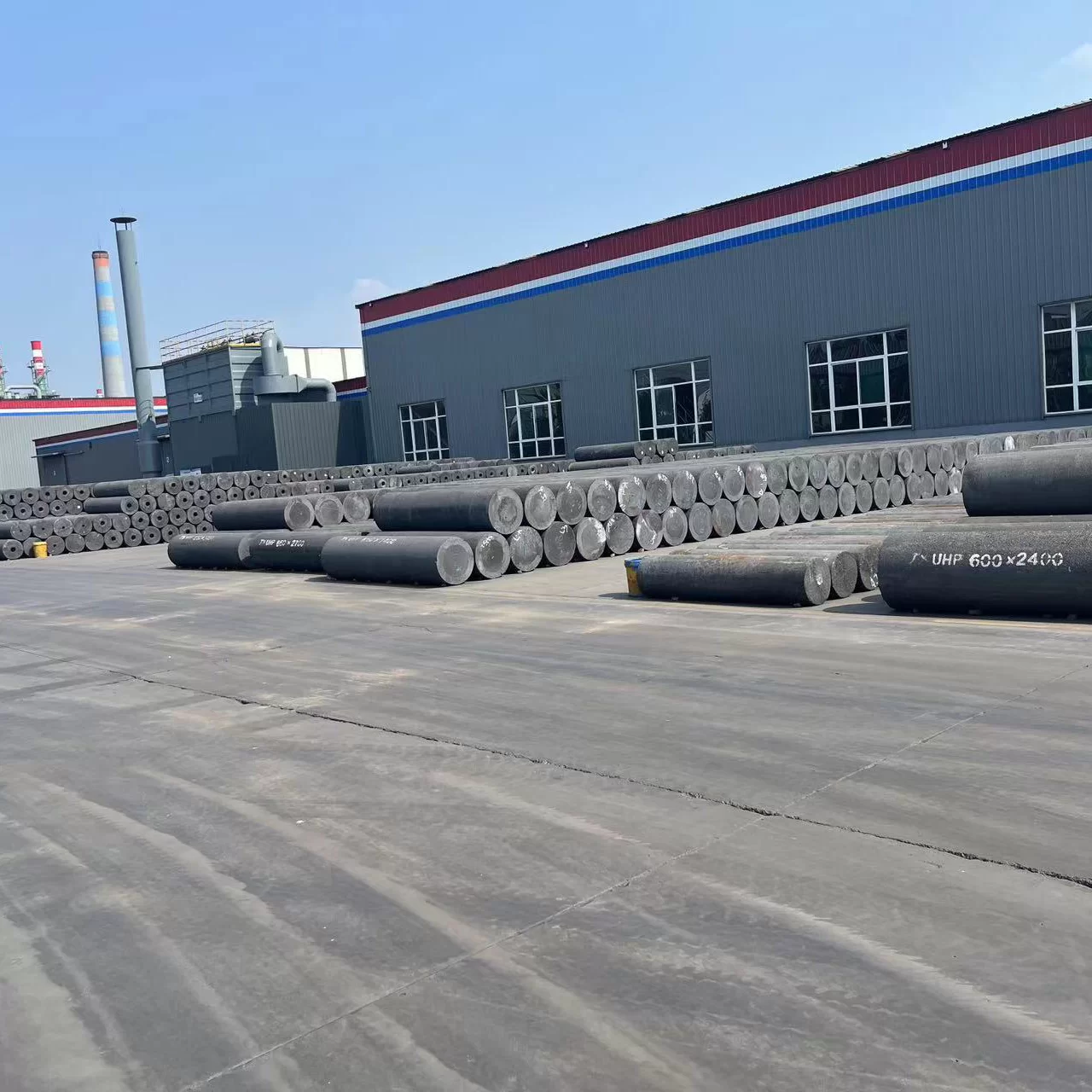
- Steelmaking & Metallurgy: Europe and India leverage graphite electrodes from synthetic graphite in electric arc furnaces, ensuring efficient steel recycling.
- Aerospace and Electronics: Japan and Germany use high-purity synthetic graphite for heat resistant applications and electronic components.
- Disaster Relief and Remote Industrial Zones: In remote areas, synthetic graphite-based lubricants and refractory materials help maintain equipment at scale — keeping operations viable under challenging conditions.
It’s tangible proof that the price and availability of synthetic graphite affect infrastructure and innovation on multiple continents.
Advantages and Long-Term Value of Man Made Graphite
Certainly, synthetic graphite’s cost can look steep upfront when compared to natural graphite, yet its benefits often justify the premium:
- Cost Predictability: Due to controlled production, prices are less subject to supply chain volatility.
- Consistency & Quality: High purity and tailored properties improve product reliability, essential in critical applications like batteries.
- Sustainability: Some manufacturers now explore greener production methods, reducing carbon footprints despite the energy intensity.
- Innovation & Trust: Industries trust synthetic graphite for consistent performance, enabling breakthroughs in tech and energy sectors that impact millions globally.
Future Trends and Innovations
Looking ahead, the man made graphite price might reflect trends that underscore environmental consciousness and digital transformation:
- Green Production Techniques: Researchers focus on reducing energy consumption in graphitization using novel microwave processes.
- Recycling and Circular Economy: Efforts to recycle spent graphite from batteries might stabilize prices over time.
- Material Innovations: Developing composite graphite materials for better performance in next-gen batteries or aerospace.
- Automation and AI: Smart manufacturing could streamline processes, impacting both cost and quality.
Challenges and Practical Solutions
Despite its promise, synthetic graphite production faces hurdles:
- High Energy Use: Production demands extensive electricity at extreme temperatures, challenging cost control.
- Raw Material Scarcity: Petroleum coke sources are finite and subject to price fluctuations.
- Environmental Impact: Emissions and waste from production require regulation and innovation.
Industry insiders suggest diversifying precursor materials and adopting greener energy could offset these. Some companies implement closed-loop systems to minimize waste. So, while challenges remain, the sector is actively innovating—hopefully stabilizing prices and enhancing sustainability.
| Vendor | Price/kg (USD) | Purity (%) | Lead Time (weeks) | Sustainability Certification |
|---|---|---|---|---|
| Dah Carbon | $35–$40 | >99.9 | 2–3 | ISO 14001 |
| Global Carbon Inc. | $38–$45 | >99.7 | 3–4 | None |
| EcoGraphite Ltd. | $40–$50 | >99.95 | 4–5 | ISO 14001, LEED |
FAQ: Frequently Asked Questions about Man Made Graphite Price
- Q1: What factors cause the man made graphite price to fluctuate so much?
- A: Prices shift due to raw material costs, energy price variations, purity grade requirements, and supply-demand imbalances, especially in battery markets. Political tensions affecting petroleum coke supply can also cause ripples.
- Q2: Is synthetic graphite cost-effective compared to natural graphite?
- A: While synthetic graphite often costs more upfront, its consistency, purity, and performance benefits in high-tech applications typically justify the expense.
- Q3: How can manufacturers reduce costs related to synthetic graphite?
- A: Investing in energy-efficient production technologies, recycling materials, and diversifying precursors can lower operational expenses and stabilize prices.
- Q4: Are there environmentally friendly options for man made graphite production?
- A: Yes, some companies pursue ‘green’ graphitization methods, including microwave techniques and adopting renewable energy, aiming to reduce carbon footprints.
- Q5: Where can I check current man made graphite prices and suppliers?
- A: Websites of specialized vendors like Dah Carbon offer updated pricing, specs, and certifications. Trade platforms also provide market indexes.
Conclusion: Why Tracking Man Made Graphite Price Makes Sense
All told, keeping an eye on the man made graphite price is not just a financial exercise. It gives insight into technological progress, supply chain health, and emerging industries shaping our future. The control synthetic graphite offers creates reliability for manufacturers and innovators alike, and though costs can be high, the long-term benefits often prove invaluable.
Looking to stay informed or source high-grade synthetic graphite? Visit our website for expert insights and quality products: https://www.dahcarbon.com
This material truly is a backbone for modern industry, and understanding its cost dynamics helps you anticipate market shifts and technical needs—a practical skill in this fast-evolving landscape.
Final takeaway: Synthetic graphite price reflects the pulse of tomorrow’s technology, weaving economics with innovation and sustainability.