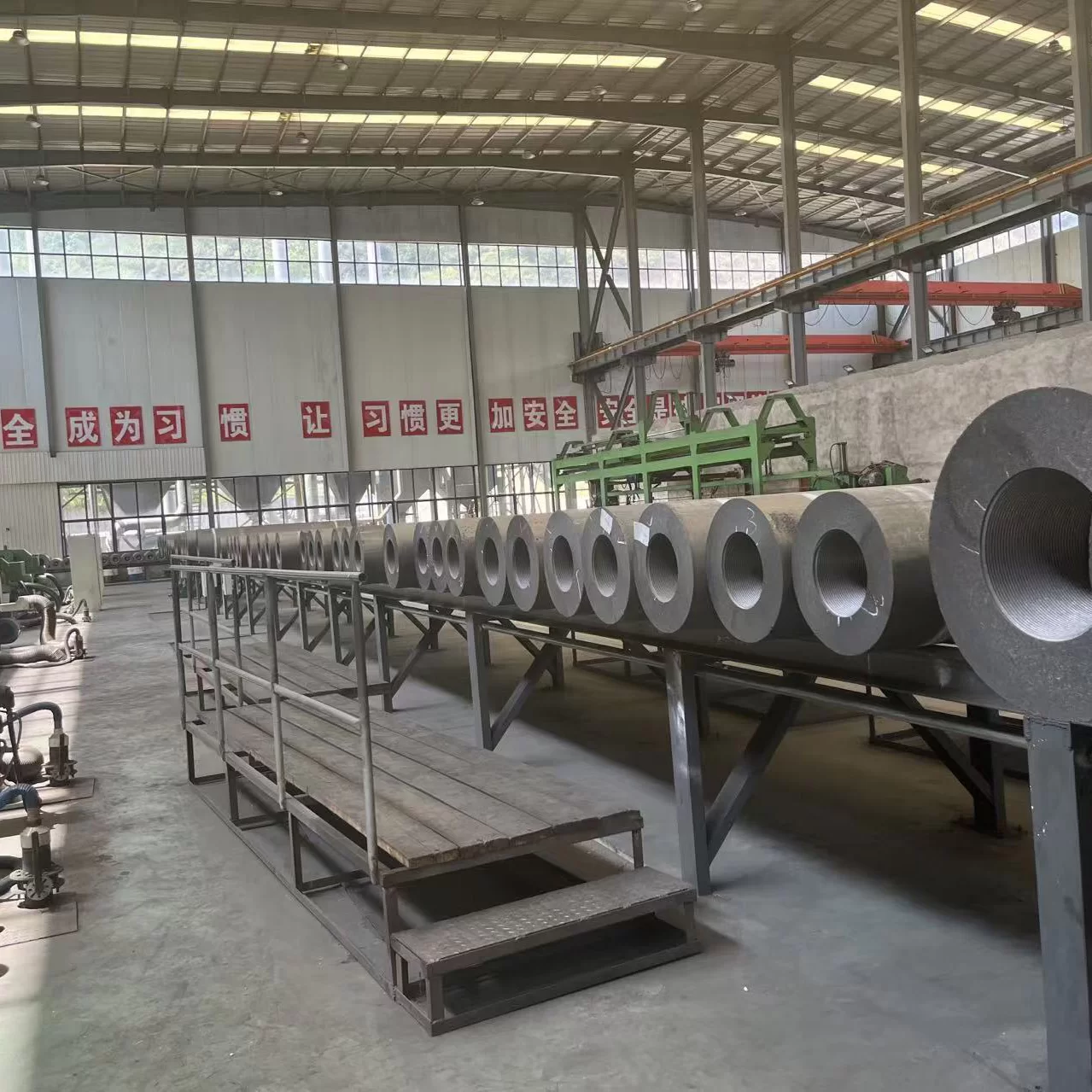
In the vast landscape of advanced materials, artificial graphite stands as a cornerstone, silently powering innovations across an expansive array of industries. Far from being a mere synthetic substitute, this engineered material possesses a unique combination of properties that often surpasses its natural counterpart, making it indispensable in critical applications ranging from electric vehicle batteries to nuclear reactors. Its meticulously controlled production process allows for unparalleled purity, consistent crystalline structure, and tailored performance characteristics, addressing the stringent demands of modern technology. The global market for this crucial material is experiencing exponential growth, driven by an insatiable demand for high-performance energy storage solutions and robust industrial components. Projections indicate the artificial graphite market, particularly for anode materials in lithium-ion batteries, is poised to exceed a valuation of $15 billion by 2028, reflecting a compound annual growth rate (CAGR) of over 12%. This robust expansion underscores its pivotal role in the ongoing energy transition and industrial advancement. Understanding the intricate science behind artificial graphite, its transformative impact, and the strategic choices in its procurement is crucial for any enterprise aiming to leverage its profound advantages and maintain a competitive edge in a rapidly evolving technological landscape. This exploration delves into the technical supremacy, market dynamics, and application diversity that define the world of artificial graphite.
Mastering Material Science: The Technical Edge of Synthetic Graphite
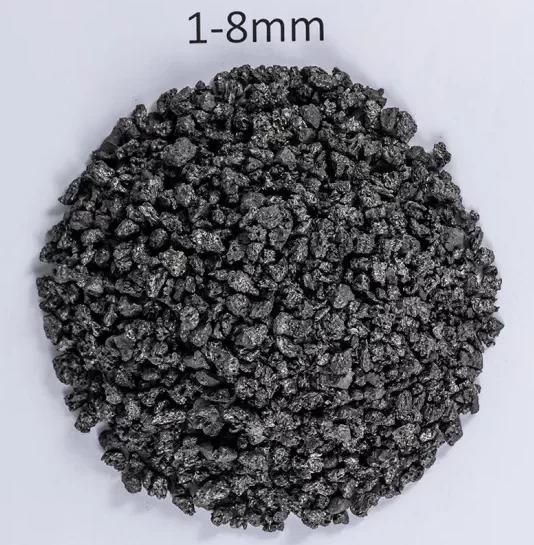
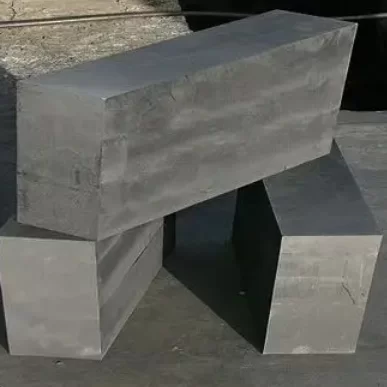
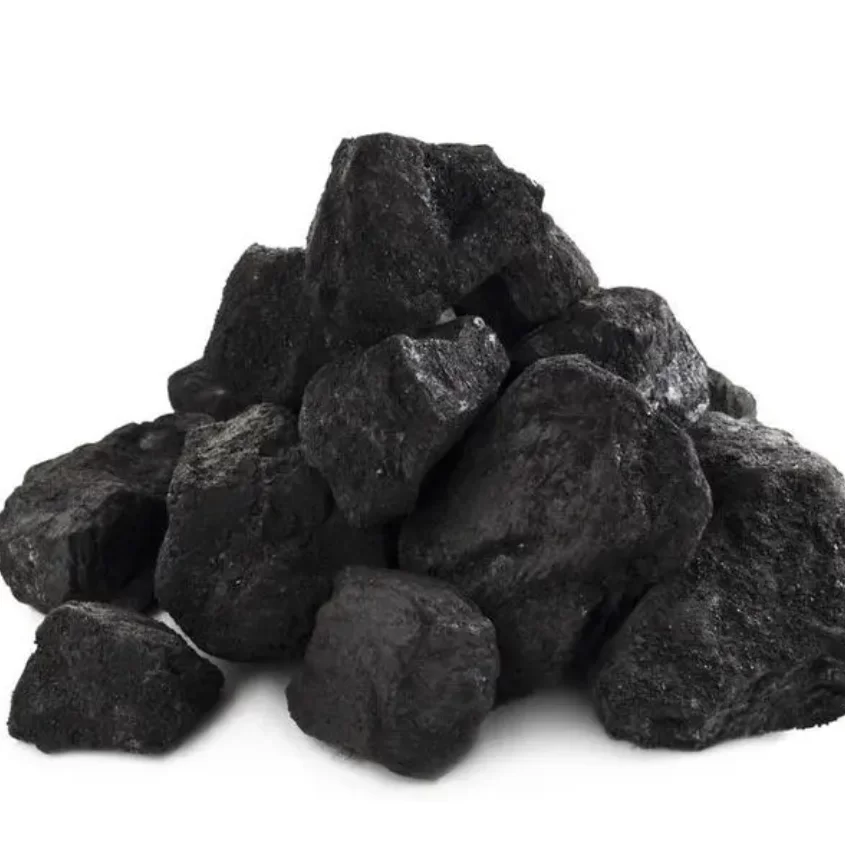
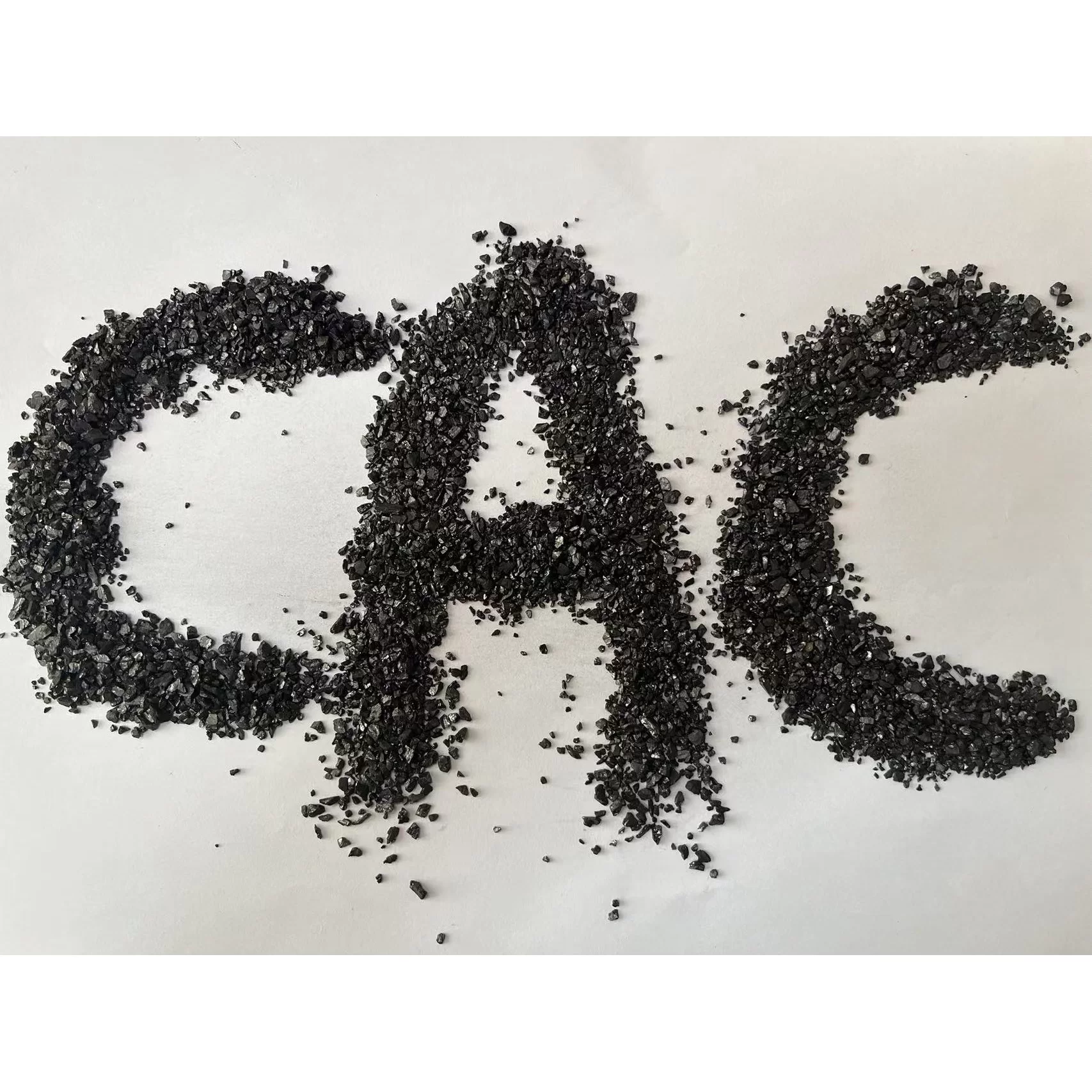
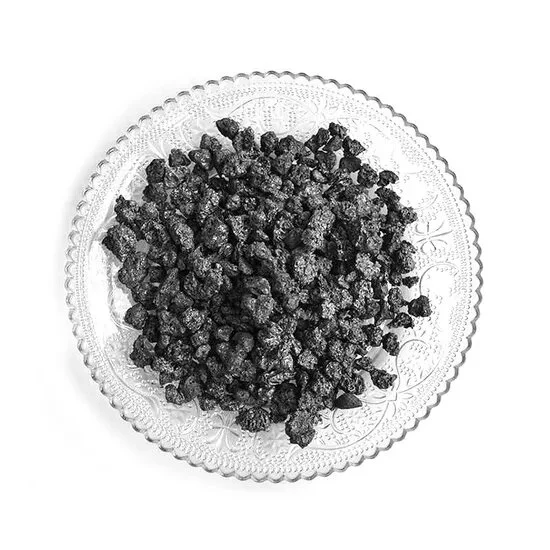
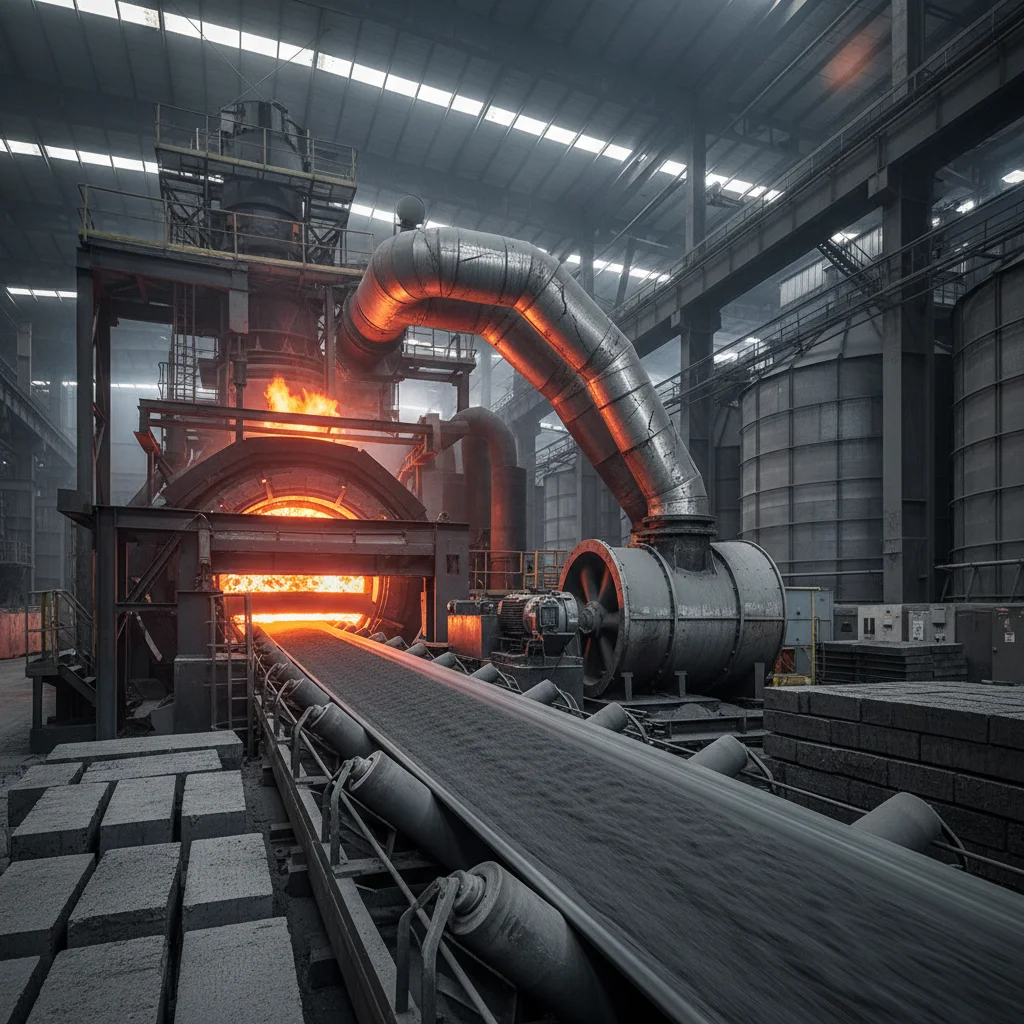
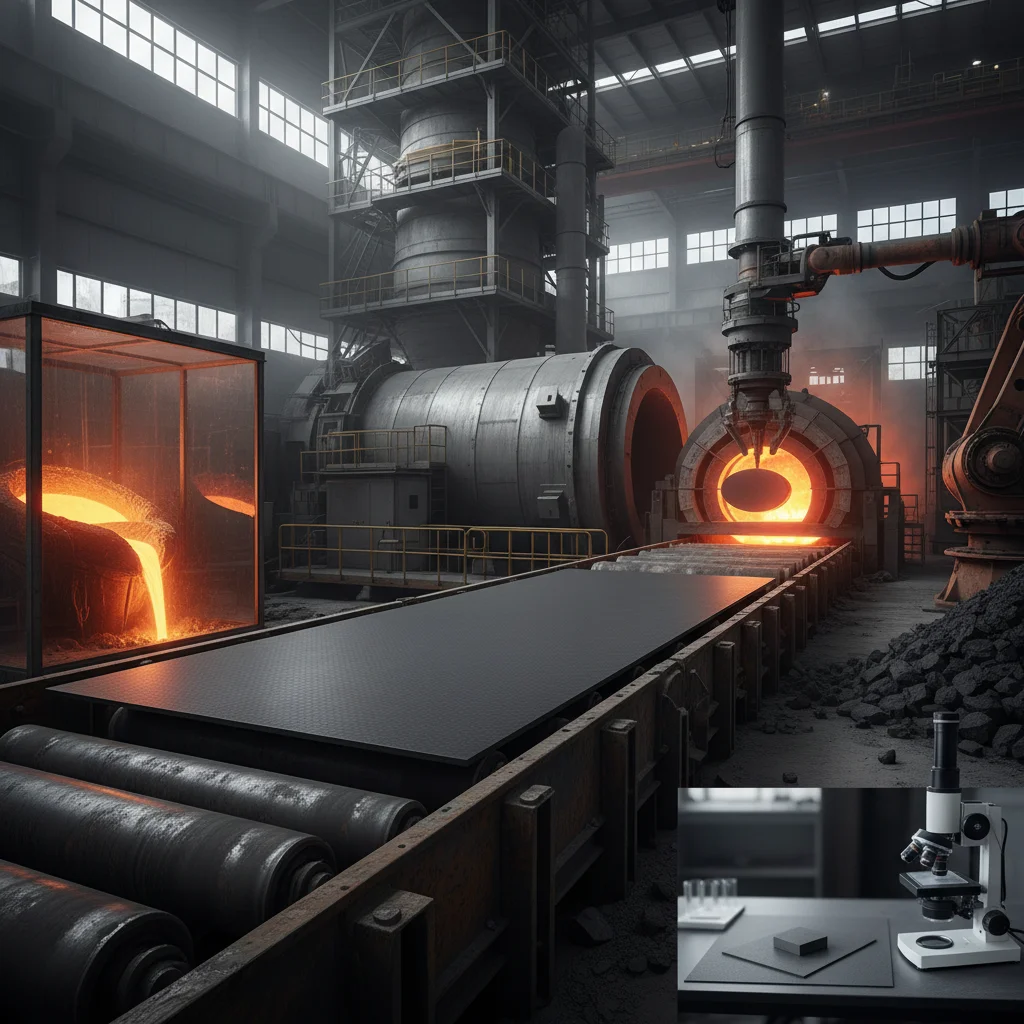
The manufacturing process of synthetic graphite is a testament to precision material engineering, involving the high-temperature graphitization of carbonaceous precursors. Unlike natural graphite, which is mined and purified, artificial graphite begins with carefully selected raw materials such as petroleum coke or coal tar pitch. These precursors undergo multiple stages, including calcination, milling, mixing with binders, forming (extrusion or molding), baking (carbonization), and critically, graphitization. The graphitization phase, where materials are subjected to temperatures exceeding 2500°C in an inert atmosphere, is where the amorphous carbon transforms into a highly ordered, layered crystalline structure. This thermal treatment eliminates impurities and develops the characteristic hexagonal lattice, imparting superior properties. A significant technical advantage lies in the unparalleled purity achievable, often exceeding 99.9% carbon content, which is vital for performance-sensitive applications where trace impurities can severely degrade efficacy. Furthermore, the synthetic route allows for precise control over particle size, morphology, and surface chemistry, enabling engineers to tailor the material for specific electrochemical and thermal requirements. For instance, in lithium-ion battery anodes, the uniform spherical particles of artificial graphite facilitate faster lithium-ion intercalation and de-intercalation, leading to enhanced power density and longer cycle life compared to materials with irregular shapes. The high thermal conductivity (ranging from 100 to 700 W/m·K) and excellent electrical conductivity (100 to 1000 S/cm) of synthetic graphite make it an ideal material for thermal management and electrical contact applications, ensuring efficient operation and longevity of electronic components and industrial electrodes. This meticulous control over atomic structure and macroscopic properties is what truly distinguishes artificial graphite, positioning it as a preferred material for high-performance, high-reliability applications.
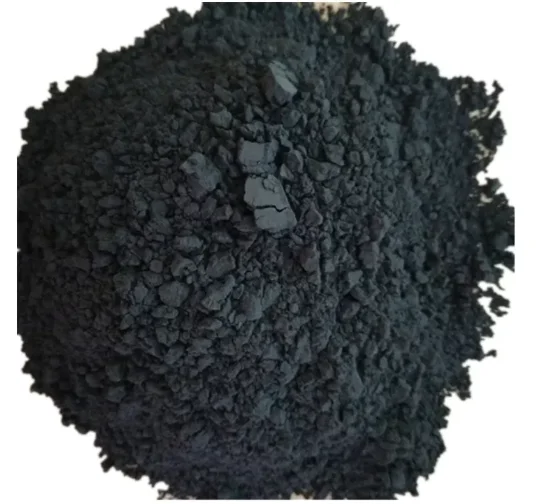
Driving Innovation: Performance Metrics and Industry Impact
The profound impact of artificial graphite across various sectors is often quantified by its exceptional performance metrics and the tangible advantages it confers upon end products. In the realm of energy storage, particularly for lithium-ion batteries, the material’s ability to deliver high energy density and superior cycle life is paramount. For example, contemporary electric vehicle (EV) batteries utilizing high-quality synthetic graphite anodes can achieve energy densities upwards of 250 Wh/kg, contributing significantly to extended driving ranges and reduced charging frequency. Furthermore, these anode materials demonstrate remarkable cycling stability, often sustaining over 80% capacity retention after 1000 charge-discharge cycles, directly translating to a longer operational lifespan for devices and vehicles. Beyond energy density, the fast-charging capabilities of advanced artificial graphite contribute to reducing EV charging times by up to 30%, a critical factor for consumer adoption. In industrial applications, such as electrodes for electric arc furnaces, the high thermal shock resistance and superior electrical conductivity of synthetic graphite translate into reduced electrode consumption rates by as much as 15-20%, leading to significant operational cost savings and increased furnace uptime. In the aerospace sector, where weight reduction is crucial, advanced graphite composites exhibit specific stiffness-to-weight ratios that are 20-30% higher than traditional metallic alloys, enabling lighter and more fuel-efficient designs. The material's thermal management capabilities are equally impressive; its high anisotropic thermal conductivity allows for efficient heat dissipation in compact electronic devices, preventing overheating and improving reliability. These empirical improvements across diverse metrics underscore how artificial graphite is not merely an alternative material but a catalyst for innovation, driving performance benchmarks and fostering transformative advancements across global industries.
Strategic Sourcing: A Comparative Analysis of Artificial Graphite Suppliers
Selecting the right supplier for artificial graphite is a critical strategic decision that can significantly impact product performance, cost-efficiency, and supply chain reliability. The market features a diverse range of manufacturers, each with unique strengths in terms of product purity, particle size distribution, production capacity, and R&D focus. Evaluating these factors rigorously is essential to ensure alignment with specific application requirements. Below is a comparative table highlighting key differentiators among hypothetical leading artificial graphite suppliers, illustrating the considerations involved in strategic sourcing:
Supplier | Purity (% C) | Particle Size Range (µm) | Application Focus | R&D Investment (Relative) | Typical Lead Time (Weeks) | Certifications |
Graphite Innovations Co. | >99.95 | 5-30 (spherical) | EV Batteries, High-End Electronics | Very High | 8-12 | ISO 9001, IATF 16949 |
CarbonTech Solutions | >99.9 | 10-50 (flake, spherical) | Industrial Electrodes, Refractories | Medium | 6-10 | ISO 9001, REACH |
Advanced Carbon Materials | >99.85 | 20-100 (granular) | Nuclear, Aerospace Composites | High | 10-14 | AS9100, NADCAP |
Global Graphite Dynamics | >99.8 | 30-150 (powder) | General Industrial, Lubricants | Low | 4-8 | ISO 9001 |
This comparison underscores the importance of a nuanced approach. While Graphite Innovations Co. might offer the highest purity and specialized spherical particles ideal for EV batteries, their higher cost and longer lead times could be prohibitive for general industrial applications. Conversely, Global Graphite Dynamics might offer cost-effective solutions for less demanding applications with quicker turnaround, but their material specifications might not meet the strict requirements for nuclear or aerospace sectors. Beyond the data, factors like a supplier's reputation for consistency, technical support capabilities, scalability of production, and commitment to sustainable practices also play a pivotal role in forming long-term, reliable partnerships. A comprehensive vendor assessment must therefore extend beyond basic specifications to encompass the full spectrum of operational and strategic considerations.
Tailored Excellence: Customization for Specialized Applications
One of the most compelling advantages of artificial graphite lies in its inherent capacity for customization, allowing manufacturers to engineer materials precisely suited for highly specialized and demanding applications. This bespoke approach transcends standard specifications, enabling precise control over key physical and chemical properties that directly influence performance. Customization typically revolves around several critical parameters. Firstly, particle size and morphology can be meticulously controlled, ranging from nano-sized powders to larger granular forms, and from spherical to irregular or flake-like shapes. For instance, anodes in high-performance lithium-ion batteries benefit significantly from highly spherical particles with a narrow size distribution, optimizing packing density and lithium-ion diffusion pathways. In contrast, applications requiring high thermal conductivity in composites might leverage larger, more anisotropic flakes. Secondly, surface modification and coating techniques are crucial. Applying thin layers of carbon or other materials to the graphite particles can enhance electrochemical stability, reduce side reactions, or improve dispersibility within a matrix. This is particularly important for extending battery life and improving charge efficiency by passivating the anode surface. Thirdly, the degree of graphitization and crystalline perfection can be fine-tuned. A higher degree of graphitization generally yields higher electrical and thermal conductivity, critical for electrodes and heat sinks. Conversely, slightly less graphitized materials might offer different advantages in specific electrochemical setups. Fourthly, purification levels can be tailored to achieve ultra-high purity (>99.99%) for sensitive applications like nuclear reactors or semiconductor manufacturing, where even trace impurities can be detrimental. Lastly, the integration of dopants or additives during the manufacturing process can introduce novel functionalities, such as improved mechanical strength or enhanced catalytic properties. This deep level of customization transforms artificial graphite from a commodity material into a highly engineered component, enabling breakthrough performance and innovation across a spectrum of industries, from advanced energy systems to cutting-edge electronics and high-temperature industrial processes.
Real-World Resilience: Diverse Applications Across Industries
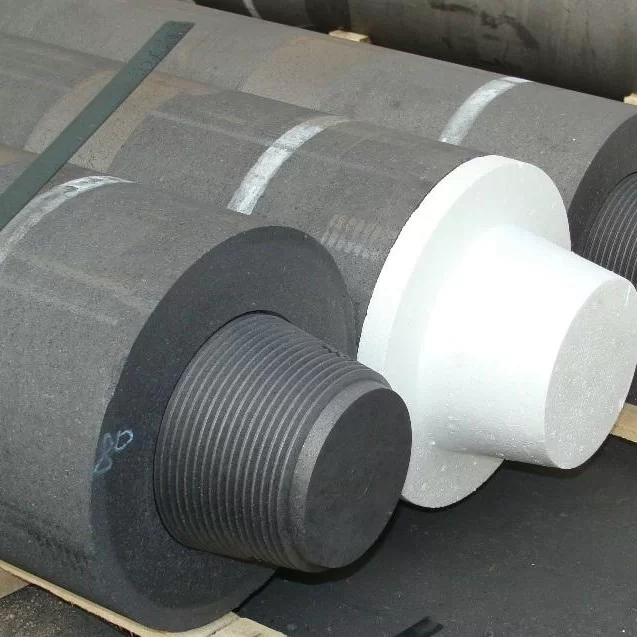
The versatility and superior performance characteristics of artificial graphite have cemented its position as a critical material across an incredibly diverse range of industries, driving innovation and efficiency. Perhaps its most well-known application is as the primary anode material in lithium-ion batteries, powering electric vehicles, smartphones, laptops, and grid-scale energy storage systems. Its stable layered structure allows for efficient and reversible intercalation of lithium ions, contributing significantly to the high energy density and long cycle life that define modern battery technology. Beyond consumer electronics, in the realm of heavy industry, artificial graphite is indispensable for electrodes in electric arc furnaces (EAFs) used for steel and aluminum production, where its high electrical conductivity, thermal shock resistance, and low erosion rates ensure efficient and cost-effective melting processes. Its use in nuclear reactors as a moderator and reflector is another critical application, leveraging its high neutron scattering cross-section and thermal stability to control nuclear fission. In the aerospace and defense sectors, advanced composites incorporating artificial graphite fibers provide lightweight yet incredibly strong materials for aircraft components, satellites, and ballistic protection, contributing to fuel efficiency and enhanced operational capabilities. Moreover, the material’s excellent lubricity and thermal stability make it an ideal component in high-performance lubricants and brake linings, particularly in extreme temperature environments found in automotive and industrial machinery. Its utility extends even to emerging technologies, such as fuel cells, where artificial graphite is utilized in bipolar plates due to its electrical conductivity and corrosion resistance, facilitating the efficient distribution of gases and current. From the microscopic scale of semiconductor manufacturing, where it forms essential components for thermal management, to the macroscopic scale of industrial furnaces, the pervasive utility of artificial graphite underscores its foundational role in modern technological progress, constantly evolving to meet the demands of an increasingly complex and interconnected world.
The Future Landscape: Advancing Artificial Graphite Technologies
The trajectory of artificial graphite development is marked by continuous innovation, driven by an ever-increasing demand for higher performance, greater efficiency, and more sustainable production methods. Future advancements are focusing intensely on several key areas to further unlock the material's potential. One significant thrust is the development of next-generation anode materials for lithium-ion batteries, where researchers are exploring composites of artificial graphite with silicon or other metallic oxides to achieve even higher energy densities and faster charging rates, potentially pushing battery performance beyond 300 Wh/kg. The integration of advanced computational modeling and AI-driven material design is accelerating the discovery of novel graphitic structures and surface modifications, enabling more precise tailoring of electrochemical properties. Furthermore, efforts are underway to enhance the sustainability profile of artificial graphite production. This includes investigating alternative, more readily available, and environmentally friendly precursors, reducing energy consumption during the high-temperature graphitization process, and optimizing recycling pathways for end-of-life products containing graphite. The industry is also witnessing a surge in research into new applications, particularly in fields like thermal interface materials (TIMs) for advanced electronics, where ultra-high thermal conductivity is paramount, and in various catalytic support structures. As the world transitions towards a greener economy and electrifies more aspects of daily life, the demand for stable, high-performance, and cost-effective anode materials will only intensify. The relentless pursuit of material perfection, coupled with a growing emphasis on circular economy principles, ensures that artificial graphite will remain at the forefront of material science, continuing to be a pivotal enabler of technological progress for decades to come, shaping industries from energy to aerospace with its unparalleled properties and adaptability.
Frequently Asked Questions about Artificial Graphite
Q1: What is artificial graphite and how does it differ from natural graphite?
A1: Artificial graphite, also known as synthetic graphite, is a manufactured form of carbon created through the high-temperature graphitization of carbonaceous precursors like petroleum coke. Unlike natural graphite, which is mined from the earth, artificial graphite offers superior purity, consistency, and tailorability of properties such as particle size, shape, and crystallinity, making it ideal for high-performance applications.
Q2: What are the primary applications of artificial graphite?
A2: The primary applications include anode material for lithium-ion batteries (EVs, consumer electronics), electrodes for electric arc furnaces, nuclear reactor components (moderators, reflectors), high-performance lubricants, aerospace composites, and thermal management solutions in electronics.
Q3: What are the key technical advantages of using artificial graphite in lithium-ion batteries?
A3: Artificial graphite provides high energy density, excellent cycle life (durability), superior power density for fast charging, and good electrochemical stability. Its controlled particle morphology allows for efficient lithium-ion intercalation and de-intercalation, enhancing overall battery performance.
Q4: How is the purity of artificial graphite controlled and why is it important?
A4: Purity is controlled through the careful selection of precursors and the high-temperature graphitization process, which removes impurities. High purity (often >99.9% carbon) is crucial because even trace impurities can negatively affect electrical conductivity, thermal stability, and electrochemical performance, especially in sensitive applications like batteries and nuclear reactors.
Q5: Can artificial graphite be customized for specific industrial needs?
A5: Absolutely. Artificial graphite is highly customizable. Parameters such as particle size distribution, morphology (spherical, flake, granular), surface coatings, degree of graphitization, and purification levels can be precisely engineered to meet the unique requirements of various applications, optimizing performance for specific end-uses.
Q6: What role does artificial graphite play in the electric vehicle (EV) industry?
A6: Artificial graphite is the dominant anode material in EV lithium-ion batteries. It enables high energy density for extended driving ranges, contributes to fast-charging capabilities, and ensures the long cycle life required for the durability and reliability of EV battery packs.
Q7: What are the environmental considerations related to artificial graphite production?
A7: Production involves high-temperature processes that are energy-intensive, and precursor materials are often derived from fossil fuels. However, ongoing R&D focuses on developing greener production methods, utilizing more sustainable precursors, reducing energy consumption, and improving recycling pathways to minimize the environmental footprint.