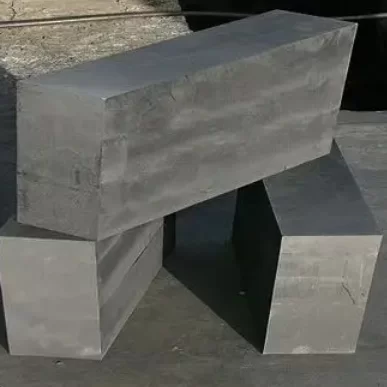
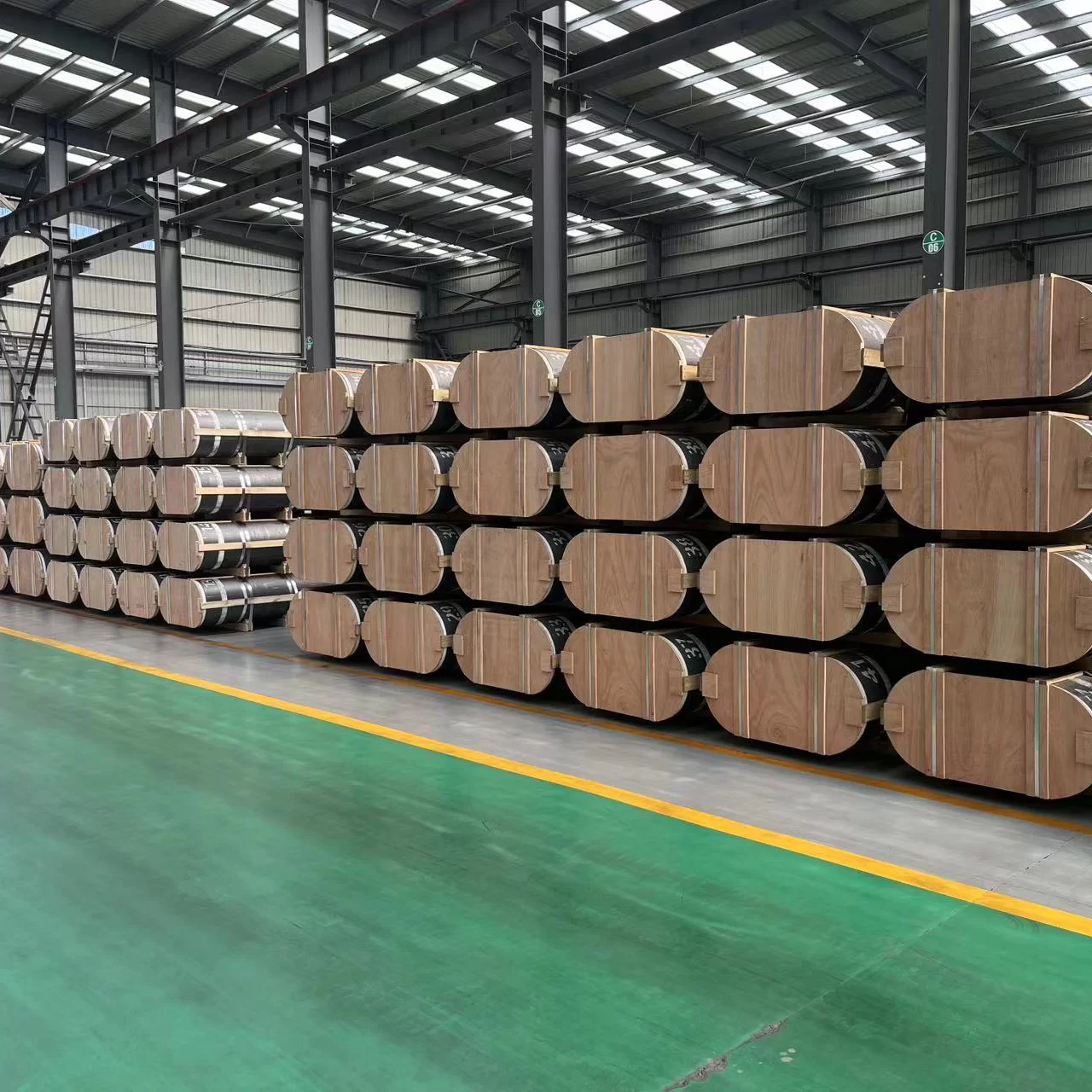
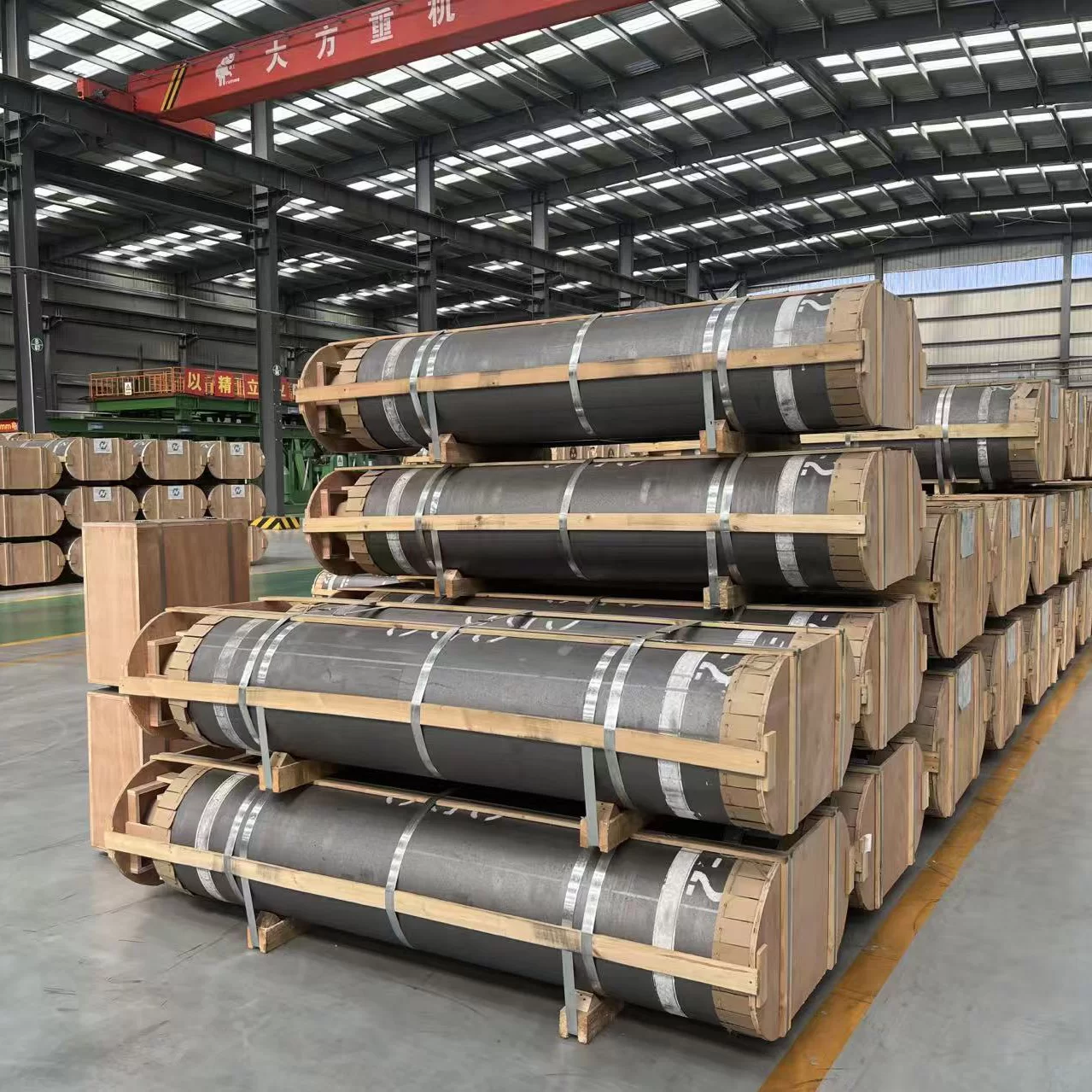
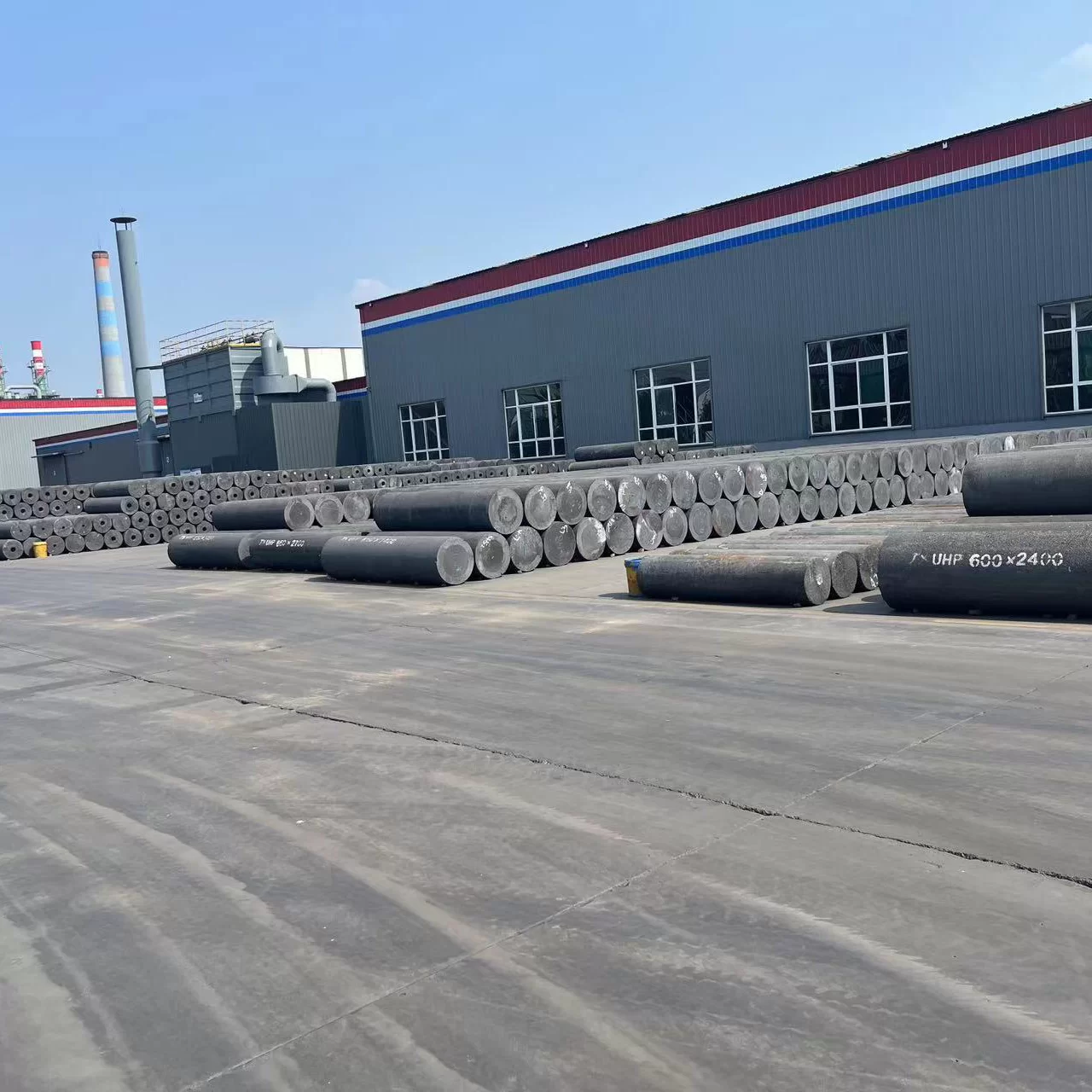
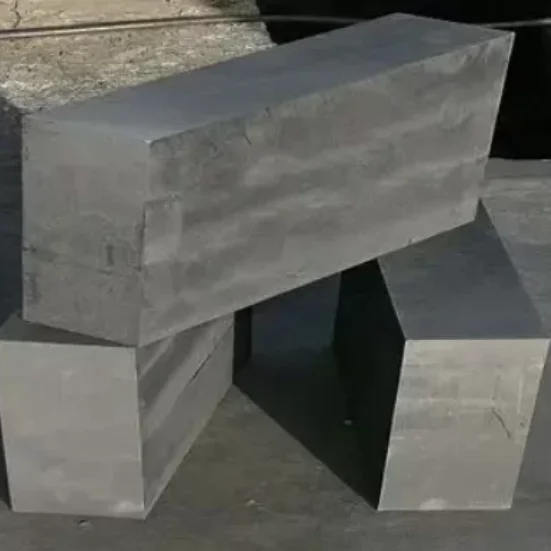
In the relentless pursuit of efficiency, durability, and extreme performance across various industrial sectors, the foundational materials chosen play an overwhelmingly critical role. Among these, the graphite block stands out as a material marvel, underpinning countless high-stakes operations. Its unique blend of physical and chemical properties allows it to thrive where other materials fail, making it an indispensable component in metallurgy, aerospace, semiconductors, and nuclear energy. From its exceptional thermal stability exceeding 3000°C in non-oxidizing environments to its unparalleled electrical conductivity and chemical inertness, a graphite block offers a performance envelope unmatched by conventional engineering materials. This extraordinary versatility is not just a theoretical advantage; it translates directly into tangible operational benefits such as extended equipment lifespan, reduced energy consumption, and superior process control, driving innovation and profitability. Indeed, the global demand for advanced graphite materials, including blocks, is projected to grow at a Compound Annual Growth Rate (CAGR) of approximately 6-8% over the next five years, fueled by its expanding applications in electric vehicle battery technology and renewable energy infrastructure. This blog post delves into the profound impact, technical intricacies, and strategic selection of this high-performance material, offering an in-depth exploration into why it remains a cornerstone of modern industrial advancement.
Unpacking the Technical Superiority and Intrinsic Properties
The engineering prowess of graphite, particularly in its block form, stems from a remarkable confluence of intrinsic properties. At its core, graphite is a crystalline form of carbon where atoms are arranged in hexagonal layers. This unique atomic structure grants it a suite of characteristics that are highly advantageous for demanding industrial applications. For instance, its exceptional thermal conductivity, often rivaling that of metals, enables rapid and uniform heat distribution or dissipation, crucial for high-temperature furnaces, heat exchangers, and semiconductor processing. Simultaneously, graphite boasts an extraordinary thermal shock resistance, allowing it to withstand rapid temperature fluctuations without fracturing, a common failure mode for many ceramics and metals. Electrically, graphite is an excellent conductor, making it invaluable for electrodes in arc furnaces, EDM (Electrical Discharge Machining) applications, and as current collectors in batteries. Its chemical inertness is another cornerstone property; it resists attack from most acids, alkalis, and molten metals, making it ideal for crucibles, chemical processing equipment, and corrosion-resistant linings. Furthermore, graphite exhibits high strength at elevated temperatures, often increasing in strength as temperatures rise beyond 2000°C, a counterintuitive property compared to most materials that weaken under such conditions. Add to this its self-lubricating nature, low coefficient of thermal expansion, and excellent machinability, and it becomes clear why graphite materials are chosen for critical components where performance cannot be compromised. These attributes collectively contribute to components that offer superior operational longevity, enhanced energy efficiency, and reliable performance in the harshest industrial settings, directly impacting the bottom line through reduced maintenance and increased uptime.
Understanding Manufacturing Processes and Diverse Graphite Grades
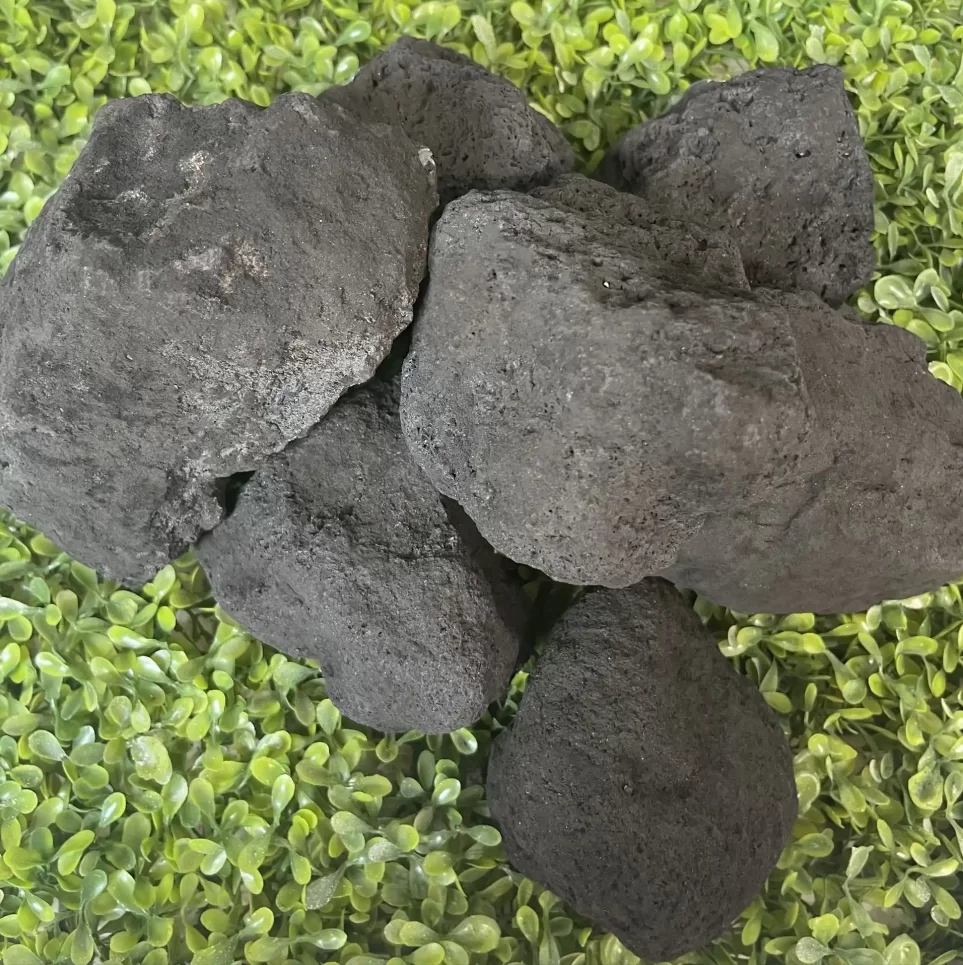
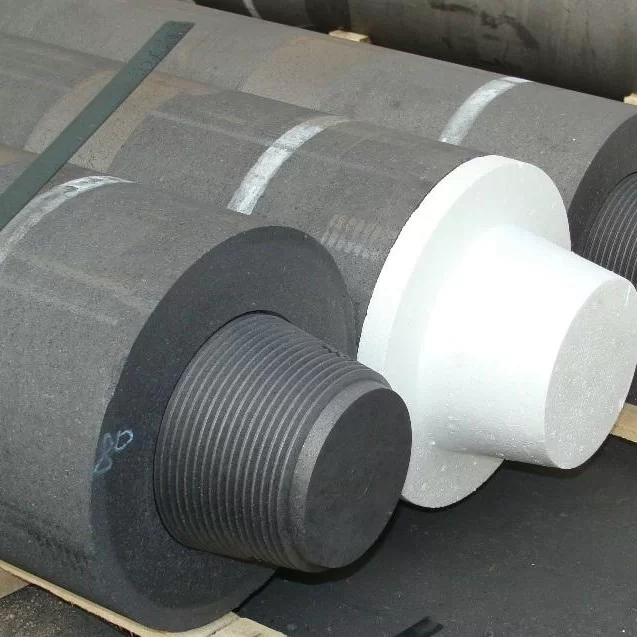
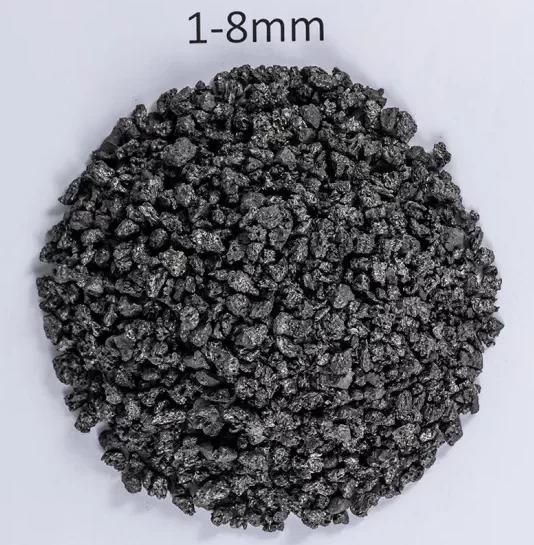
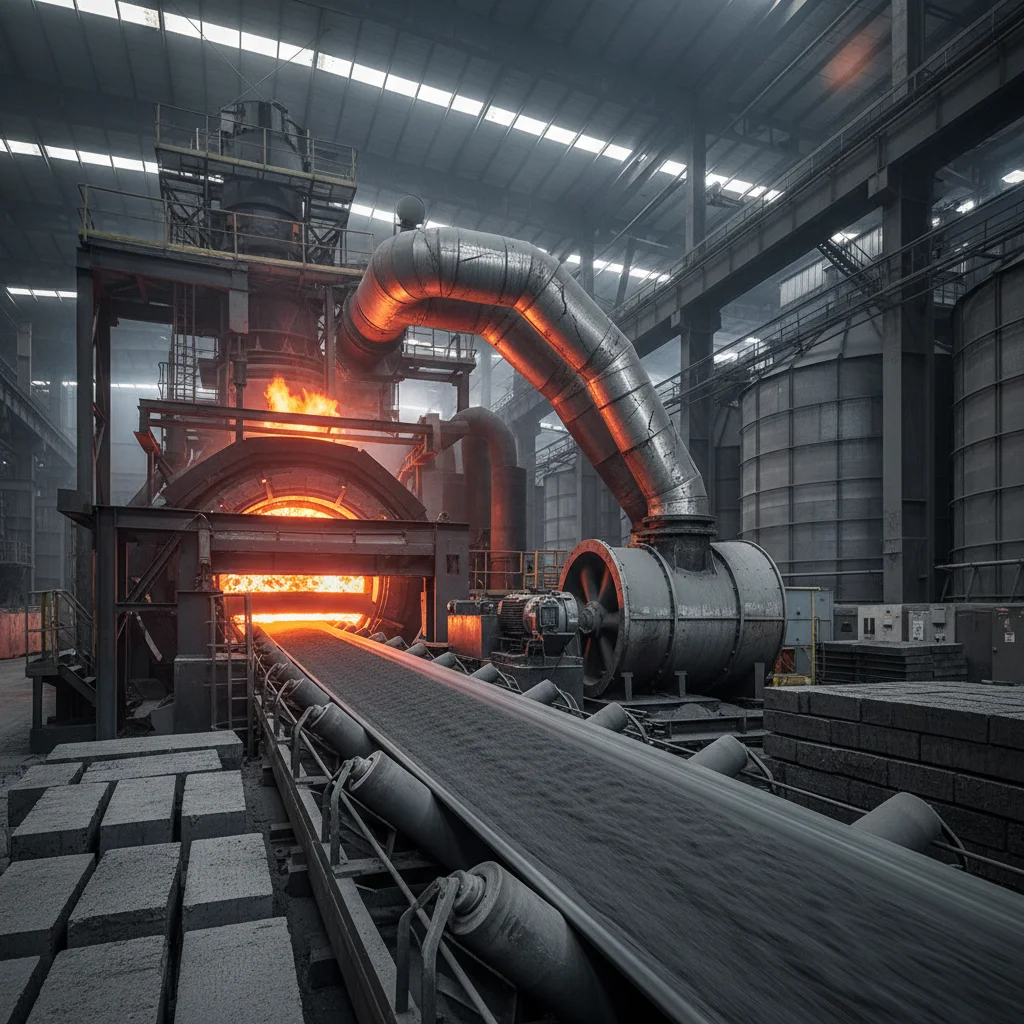
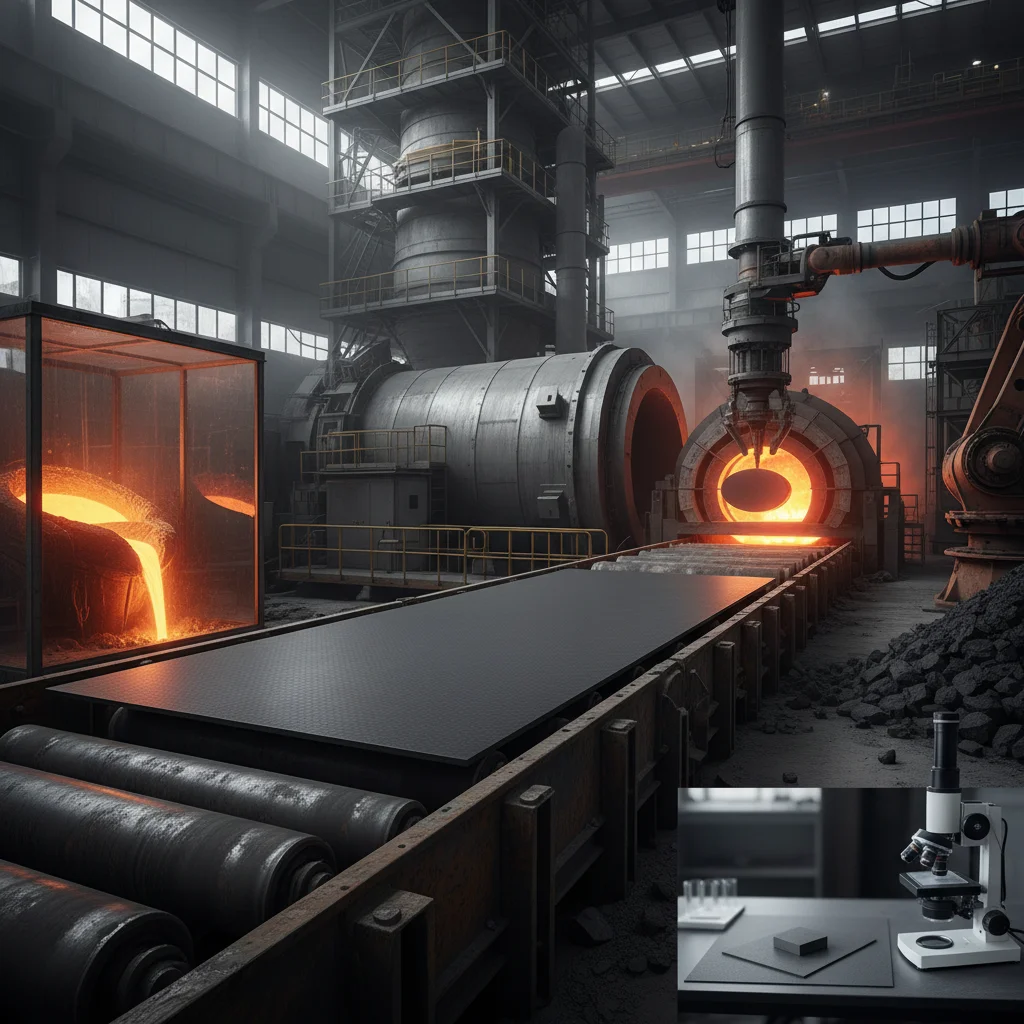
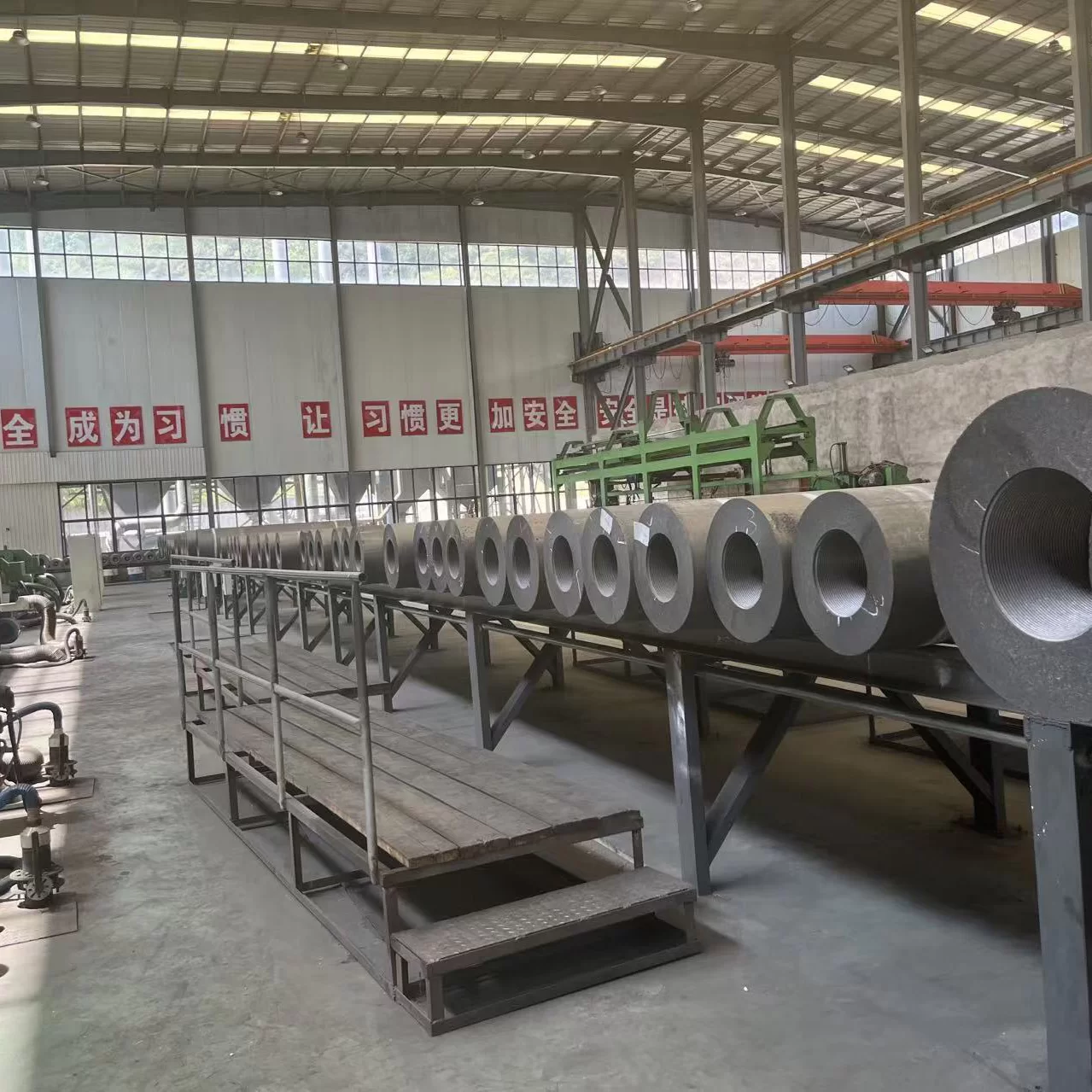
The journey from raw carbonaceous materials to a high-performance graphite block is a sophisticated multi-stage manufacturing process that critically determines the final product's properties and suitability for specific applications. It typically begins with carefully selected petroleum coke or pitch coke, which are ground, mixed with a binder pitch, and then formed into crude shapes through extrusion, vibration molding, or isostatic pressing. These "green" blocks are then baked at temperatures up to 1000°C to carbonize the binder, making them harder and more robust. The subsequent and most critical step is graphitization, where the baked blocks are heated to extremely high temperatures, often exceeding 2500°C, in a controlled inert atmosphere. This process transforms the amorphous carbon into crystalline graphite, significantly enhancing its thermal and electrical conductivity, strength, and purity. Finally, depending on the desired purity, a purification step might involve halogen treatment at high temperatures to remove residual impurities. This meticulous process allows for the creation of various grades of graphite, each tailored for distinct performance characteristics. Isostatic graphite, for example, is highly valued for its fine grain size, isotropic properties (uniform properties in all directions), and high density, making it ideal for precision applications like semiconductor components and EDM electrodes. Extruded graphite, while more anisotropic, offers excellent strength and is often used for larger electrodes and structural components. Vibration-molded graphite provides the capability for very large block sizes, commonly employed in furnace linings and large-scale industrial applications. Understanding these manufacturing nuances and the resulting material grades is paramount for engineers to select the optimal graphite product that aligns perfectly with their application's specific technical and economic requirements, ensuring peak performance and cost-effectiveness.
Comparative Analysis: Choosing the Right Graphite Block Manufacturer
The selection of a graphite block manufacturer is a decision that extends far beyond mere price comparison; it is a strategic partnership that directly influences the performance, reliability, and lifespan of critical industrial components. Reputable manufacturers differentiate themselves through their stringent quality control processes, advanced R&D capabilities, and commitment to material consistency. When evaluating potential suppliers, key metrics must be scrutinized to ensure the chosen graphite product meets the rigorous demands of the intended application. Factors such as material purity, density, compressive strength, thermal conductivity, and the maximum achievable block size are pivotal. Furthermore, the supplier's ability to offer bespoke customization, adhere to tight tolerances, and provide comprehensive technical support can be as crucial as the material properties themselves. Below is a comparative table illustrating key differentiators among various types of graphite block suppliers:
Feature | Premium Global Manufacturer | Specialized Niche Supplier | General Industrial Supplier |
Purity Levels | Ultra-high (e.g., >99.995% C), Nuclear Grade available | High (e.g., 99.9% C), tailored for specific applications | Standard Industrial (e.g., 99.5% C) |
Density Range (g/cm³) | 1.75 - 1.90, extremely consistent | 1.65 - 1.85, optimized for specific use | 1.50 - 1.75, general purpose |
Compressive Strength (MPa) | 70 - 120, excellent structural integrity | 50 - 90, good for specific stress loads | 30 - 60, adequate for less critical roles |
Thermal Conductivity (W/m·K) | 100 - 180, superior heat transfer | 80 - 150, application-specific thermal management | 60 - 100, basic heat handling |
Max Block Size | Very Large (e.g., up to 2500 x 800 x 800 mm) | Medium to Large, tailored for niches | Small to Medium, standard dimensions |
Customization & Machining | Extensive, high-precision, complex geometries | Moderate to extensive, specific expertise | Limited, standard shapes and sizes |
Certifications | ISO 9001, AS9100, Nuclear Grade, etc. | Industry-specific certifications | Basic quality assurance |
R&D and Technical Support | Strong, collaborative, problem-solving | Focused, application-specific expertise | Limited, basic product information |
Ultimately, selecting the right manufacturer involves a holistic assessment of their technical capabilities, quality assurance, ability to meet specific design and material requirements, and long-term support. A reliable partner ensures not only the supply of high-quality graphite but also provides invaluable expertise that can optimize designs and improve operational efficiency.
Tailored Solutions: Customization for Specific Industry Demands
The notion that a standard graphite block can universally address the nuanced demands of diverse high-tech industries is a misconception. In reality, the true power of graphite materials is often unlocked through bespoke customization, where the raw block is transformed into a highly specific component designed to meet exacting performance criteria. Customization begins with the selection of the appropriate graphite grade, factoring in desired density, strength, purity, and isotropic properties. Beyond the base material, extensive machining capabilities are paramount. Using advanced CNC milling, turning, and grinding equipment, manufacturers can sculpt graphite blocks into intricate geometries, maintaining exceptionally tight tolerances that are critical for precision applications like semiconductor processing equipment or aerospace components. This can involve producing complex crucibles, susceptors, heating elements, EDM electrodes with specific profiles, or specialized furnace linings. Furthermore, surface treatments and impregnations offer another layer of customization. For instance, impregnation with resins or metals can significantly enhance oxidation resistance, impermeability, or mechanical strength, extending the lifespan of components in aggressive environments. Coatings, such as silicon carbide, can provide even greater wear resistance and protection against chemical attack at elevated temperatures. The ability to tailor properties like porosity, thermal expansion, and electrical resistivity further broadens the scope of customized solutions. Collaborating closely with manufacturers who possess robust engineering and R&D departments allows industries to move beyond off-the-shelf solutions. This partnership facilitates the development of components precisely engineered to optimize specific operational parameters, mitigate unique challenges, and deliver superior performance outcomes, ultimately driving innovation and competitive advantage in specialized fields. Such tailored approaches ensure that every graphite component serves its function with maximum efficiency and reliability.
Diverse Applications and Real-World Impactful Case Studies
The versatility of graphite blocks translates into a breathtaking array of applications across a multitude of industries, each leveraging its unique properties to achieve peak performance. In the metallurgical sector, graphite is indispensable. For instance, a major steel producer faced persistent issues with rapid wear and material contamination in their continuous casting dies. By switching to high-purity, fine-grain isostatic graphite dies, they reported a remarkable 30% increase in die lifespan and a 5% reduction in casting defects, directly impacting product quality and operational costs. Similarly, in electrical discharge machining (EDM), custom graphite electrodes enable the intricate shaping of hardened metals with unparalleled precision, reducing post-processing and improving manufacturing throughput by up to 25% in complex mold fabrication. The semiconductor industry heavily relies on graphite for critical processes. Silicon carbide-coated graphite susceptors are crucial for epitaxial growth, where uniform heating is vital. A leading chip manufacturer noted that precisely machined graphite susceptors with specific thermal conductivity profiles reduced temperature gradients by 10°C across their wafers, leading to a significant improvement in device yield rates by 8% for advanced microprocessors. In aerospace and defense, graphite components withstand extreme conditions. High-density graphite is used in rocket nozzles, where its ablative properties allow it to resist scorching exhaust gases at thousands of degrees Celsius, ensuring trajectory stability during launch. A recent project saw the deployment of a novel carbon-carbon composite reinforced graphite in a hypersonic vehicle, demonstrating enhanced structural integrity under intense thermal and mechanical stress, extending flight envelope capabilities. Within the nuclear energy sector, nuclear-grade graphite blocks serve as moderators and reflectors in reactors, slowing down neutrons to sustain the chain reaction and improving fuel efficiency by minimizing neutron leakage. In chemical processing, graphite heat exchangers and pumps are vital for handling highly corrosive acids and alkalis, where their chemical inertness prevents degradation and contamination, ensuring operational safety and prolonging equipment life. A chemical plant processing concentrated sulfuric acid adopted graphite heat exchangers, reducing maintenance downtime by 40% compared to traditional metal alloys which corroded rapidly. These diverse examples underscore that graphite blocks are not just raw materials but critical enablers of technological progress and operational excellence across the industrial landscape.
The Future and Strategic Selection of High-Performance Graphite Blocks
As industries continue to push the boundaries of materials science and engineering, the strategic importance of the graphite block is poised to grow exponentially. The demand for advanced materials capable of operating under increasingly extreme conditions—higher temperatures, more corrosive environments, and tighter precision requirements—ensures graphite's enduring relevance. Emerging technologies, particularly in sustainable energy and advanced manufacturing, are opening new avenues. The burgeoning electric vehicle market, for instance, relies heavily on graphite for battery anodes, and the exploration of novel energy storage solutions continues to drive innovation in graphite material properties. Similarly, the advancement of additive manufacturing techniques for graphite promises even more intricate designs and tailored properties for future applications. For engineers, procurement specialists, and R&D teams, the strategic selection of graphite blocks is no longer a simple transaction but a complex decision requiring a deep understanding of material science, application demands, and supplier capabilities. Factors such as the specific grade of graphite, its purity, density, mechanical and thermal properties, and the manufacturer's ability to provide custom machining and surface treatments are all critical considerations. Moreover, evaluating a supplier's quality control protocols, R&D investment, technical support, and ethical sourcing practices are paramount to ensuring long-term reliability and performance. Ultimately, partnering with a knowledgeable and experienced graphite manufacturer is key to unlocking the full potential of this exceptional material, allowing industries to innovate, optimize processes, and build a more resilient and high-performing future. The continued evolution of graphite technology will undoubtedly solidify its position as a cornerstone material for generations to come, driving progress across a spectrum of critical global industries.
Frequently Asked Questions about Graphite Blocks
1. What defines a graphite block, and what are its primary uses?
A graphite block is a dense, usually large, solid form of industrial graphite, manufactured from carbonaceous raw materials like petroleum coke or pitch coke, that undergoes graphitization at extremely high temperatures. Its primary uses span various demanding industries including metallurgy (electrodes, crucibles, furnace linings), semiconductors (susceptors, heat sinks), aerospace (nozzles), nuclear energy (moderators), and chemical processing (heat exchangers, seals) due to its unique combination of thermal, electrical, and chemical properties.
2. What are the key properties that make graphite blocks so versatile?
Graphite blocks possess several key properties: exceptional thermal stability (up to 3000°C in inert atmospheres), high electrical conductivity, excellent thermal conductivity, chemical inertness (resistant to most acids, alkalis, and molten metals), high strength at elevated temperatures, low thermal expansion, good thermal shock resistance, and machinability. These properties collectively enable its use in extreme industrial environments.
3. How do different grades of graphite blocks (e.g., isostatic, extruded) differ?
Different manufacturing processes yield different grades of graphite blocks. Isostatic graphite is produced by pressing carbon powder uniformly from all directions, resulting in fine-grain, high-density, and isotropic (uniform properties in all directions) material, ideal for precision parts. Extruded graphite is formed by pushing material through a die, leading to a coarser grain, lower density, and anisotropic (properties vary with direction) material, often used for larger electrodes. Vibration-molded graphite allows for very large block sizes, suitable for furnace applications.
4. Can graphite blocks be customized for specific applications?
Absolutely. Customization is a critical aspect of using graphite blocks. Manufacturers can machine blocks into complex shapes and precise dimensions, and tailor material properties such as density, porosity, and strength. Additionally, surface treatments like impregnation (with resins or metals) or coatings (e.g., silicon carbide) can enhance oxidation resistance, impermeability, or wear resistance, optimizing the block for specific operational challenges.
5. What factors should be considered when selecting a graphite block supplier?
Beyond price, key factors include the supplier's quality control standards, material purity levels (e.g., >99.9% carbon), consistency in properties (density, strength, conductivity), maximum block sizes offered, customization capabilities, technical support, R&D investment, and adherence to relevant industry certifications (e.g., ISO 9001, nuclear grade). A reliable supplier acts as a strategic partner, offering expertise and consistent material quality.
6. Are graphite blocks environmentally friendly?
While the manufacturing process for graphite is energy-intensive, graphite itself is a non-toxic, chemically stable material. Its durability and long lifespan in demanding applications reduce the need for frequent replacements, contributing to less waste. Furthermore, efforts are ongoing in the industry to improve the energy efficiency of graphite production and explore recycling options for used graphite components.
7. What is the typical lifespan of a graphite block component in industrial use?
The lifespan of a graphite block component varies significantly depending on the specific application, operating conditions (temperature, chemical exposure, mechanical stress), and the grade of graphite used. In highly corrosive or extreme temperature environments, even graphite can eventually degrade. However, properly selected and maintained graphite components often significantly outperform metallic or ceramic alternatives, lasting from several months to many years in continuous operation, contributing to reduced maintenance and replacement costs.