Micronized Graphite: A Tiny Material with Massive Impact
If you’ve ever wondered how one of the world's most ancient materials keeps reinventing itself, micronized graphite is your answer. It’s tiny—literally particles ground to a fine powder—but its influence stretches across industries from energy storage to lubrication and even humanitarian solutions. Globally, as industries push for greener, more efficient, and cost-effective materials, micronized graphite quietly plays a key role. Understanding its properties and applications not only unlocks innovation but also addresses pressing sustainability challenges worldwide.
Introduction: Why Micronized Graphite Matters on a Global Scale
Graphite, in any form, is no stranger to industry. It’s been mined and used for centuries, but the modern demand for its micronized form is soaring. According to the International Graphite Association, global graphite consumption is expected to grow at an annual rate exceeding 5% through 2030, largely driven by battery manufacturing and lubricant industries alone.1 Why? Because micronized graphite offers unique performance benefits—improved conductivity, lubrication, and thermal resistance—that traditional materials often cannot match.
Yet, challenges persist. Many industries grapple with sourcing high-quality graphite that meets strict environmental and technical standards. Enter micronized graphite: a solution refined to fit the needs of cutting-edge applications, from electric vehicles to aerospace, and crucially, to more sustainable industrial processes.
What Is Micronized Graphite?
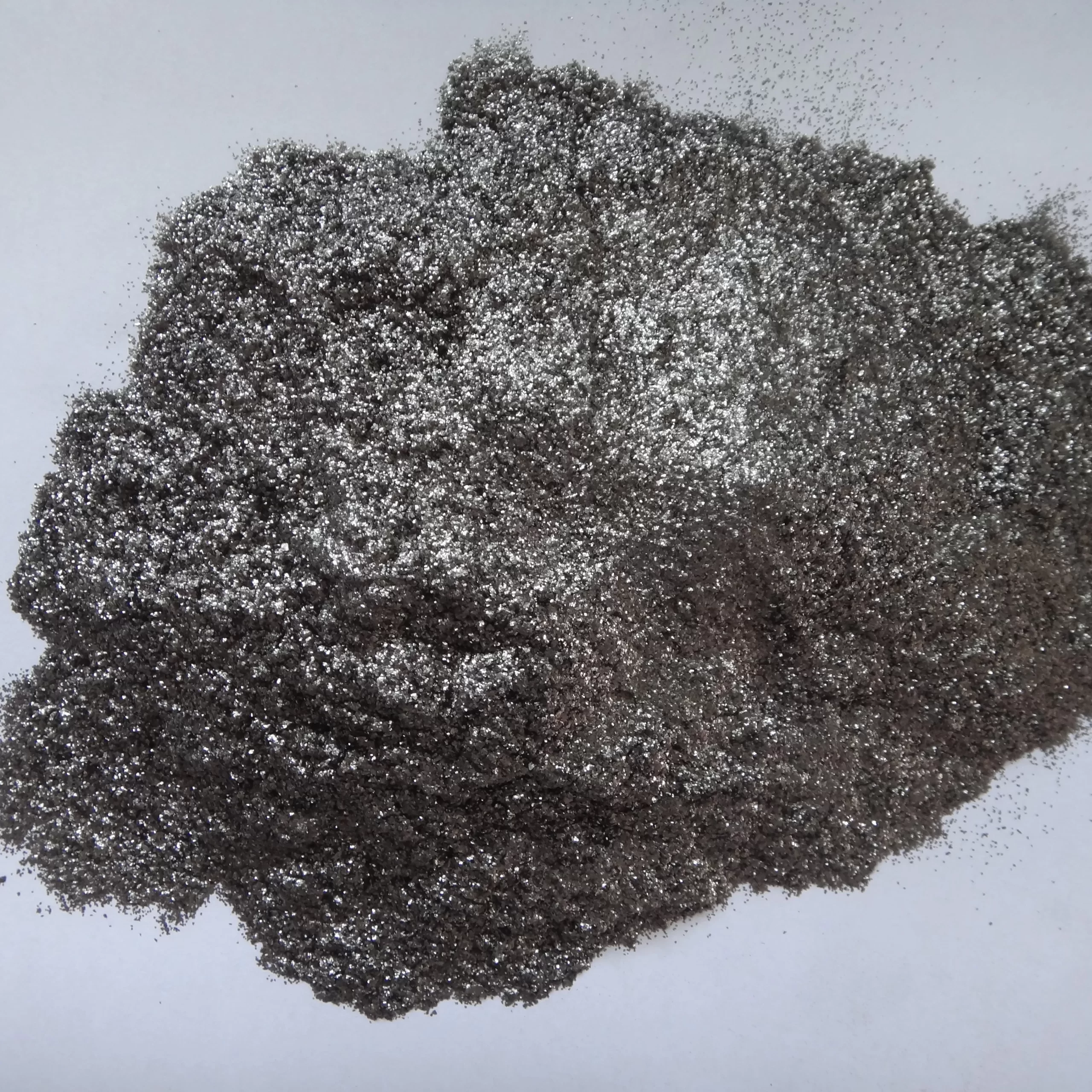
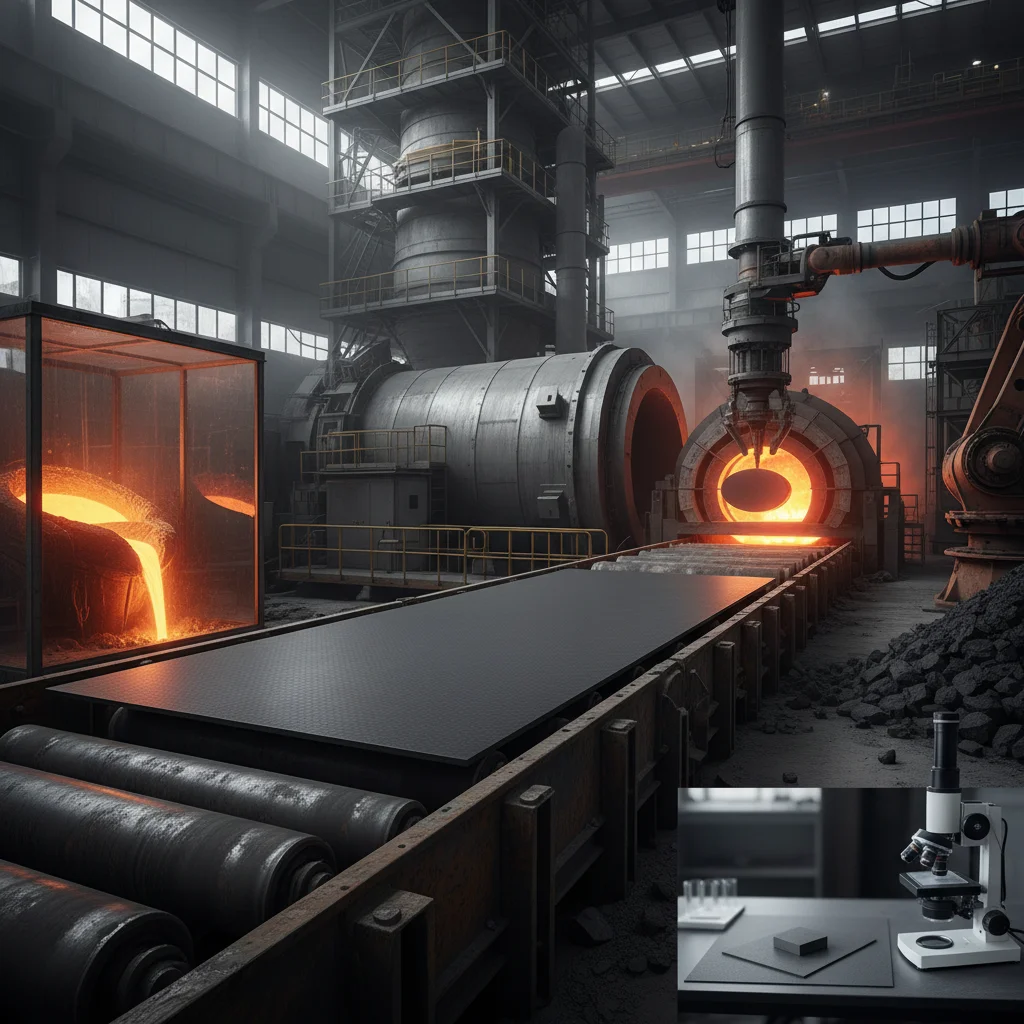
Put simply, micronized graphite is graphite crushed into ultrafine particles—generally less than 20 microns in size. This “micronization” process enhances graphite's natural traits, making it more reactive and effective when blended with other materials or used as a standalone additive. It’s like taking a familiar tool and sharpening it for precision work.
In practical terms, this means improved conductivity, wear resistance, and lubricity, all of which industries crave. Especially for sectors relying on electrical performance or where friction reduction can save both energy and costs, micronized graphite is often the go-to choice.
Key Factors Defining Micronized Graphite’s Value
Particle Size and Purity: The finer the graphite, the better it integrates into composites and lubricants. Purity also matters—high-grade micronized graphite often exceeds 99.5% carbon content.
Thermal Stability: Because graphite remains stable at high temperatures, its micronized form excels in heat dissipation applications, such as thermal interface materials.
Lubrication Performance: Micronized graphite acts as a dry lubricant reducing wear and friction in moving parts, which enhances lifespan and efficiency.
Conductivity: Electrical and thermal conductivity make micronized graphite essential in batteries, fuel cells, and electrodes.
Environmental Footprint: Sourced responsibly, micronized graphite contributes to greener products by replacing harsher chemical alternatives in lubricants and coatings.
So, you see, it’s not just about size. The interplay of these aspects determines how effectively micronized graphite meets industrial needs.
Product Specifications at a Glance
| Specification | Typical Range | Notes |
|---|---|---|
| Particle Size (D50) | 5–20 microns | Smaller size improves dispersion |
| Carbon Purity | 99.5% – 99.9% | Critical for conductivity |
| Bulk Density | 0.3–0.5 g/cm³ | Affects handling and transport |
| Ash Content | Lower ash means higher quality | |
| Moisture Content | Storage stability indicator |
Mini takeaway: When buying micronized graphite, focus on particle size, purity, and moisture to ensure it fits your application’s needs.
Global Applications and Use Cases
Micronized graphite is everywhere if you look closely: in electric vehicles' batteries across Europe, in thermal management solutions for Asia’s electronics industry, or in dry lubricants used by North American manufacturers aiming to reduce chemical lubricant use.
Specifically, here are some practical examples:
Battery Manufacturing: Lithium-ion batteries rely on graphite as anode material. Micronized graphite improves performance, lifespan, and consistency.
Industrial Lubricants: In remote industrial zones, dry lubricants with micronized graphite reduce maintenance needs—especially where oil lubrication is impractical.
Brake Linings and Composites: Automotive and aerospace sectors use micronized graphite composites for lightweight, heat-resistant parts.
Sealing and Gaskets: Its thermal stability improves the durability of sealing solutions used worldwide in harsh chemical environments.
Post-Disaster Relief Equipment: Oddly enough, graphite in micronized form helps ensure the reliability of power storage devices crucial for remote healthcare units after natural disasters.
Mini takeaway: The microscopic size lets micronized graphite slip into industries as varied as healthcare, automotive, and green energy with remarkable versatility.
Advantages & Long-Term Value of Micronized Graphite
There’s something deeply satisfying about a material that’s both high-performance and sustainable. Micronized graphite ticks these boxes:
Cost Efficiency: Longer-lasting lubricants and batteries mean fewer replacements and downtime.
Environmental Benefits: As a natural mineral, it enables reductions in synthetic chemicals and plastics.
Reliability & Safety: It withstands extreme conditions, maintaining structural and conductive integrity in critical applications.
Innovation Potential: With ongoing research into graphene, a form of graphite, micronized graphite is a stepping stone toward tomorrow’s nano-material breakthroughs.
Emotional benefits? Well, trust in your product’s durability means peace of mind. In complex industries, that counts for a lot.
Emerging Trends and Innovations
Looking forward, micronized graphite is riding the wave of digital transformation and green energy initiatives.
Energy Storage Advances: There's significant research into enhancing battery capacity and charging speed using micronized graphite as a baseline material.
Automated Manufacturing: Precision mixing and incorporation into composites boosts production consistency and lowers waste.
Graphene Derivatives: Some players innovate by turning micronized graphite into graphene flakes, adding value beyond traditional uses.
Sustainability Certifications: Supply chains are increasingly audited for environmental impacts, pushing demand for verified eco-friendly graphite.
Challenges and How Industry Addresses Them
Challenges exist, of course. Consistency in particle size and preventing agglomeration during transport can trip up suppliers and users alike. Plus, sourcing graphite responsibly sometimes runs into geopolitical hurdles.
Yet, modern milling techniques and quality control ensure tighter specifications, and strategic sourcing from multiple regions reduces supply risks. Industry leaders frequently collaborate on standards—see ISO/TC 35 for graphite materials—to push transparency and reliability further.
Vendor Comparison: Micronized Graphite Providers
| Supplier | Purity | Particle Size Range (µm) | Environmental Certification | Typical Industries |
|---|---|---|---|---|
| Dah Carbon | 99.8% | 3–15 | ISO 14001, REACH compliant | Battery, Lubricants, Composites |
| GrapheneTech Ltd. | 99.5% | 5–20 | ISO 9001 | Electronics, Aerospace |
| Mineral Solutions Inc. | 99.9% | 2–10 | REACH compliant | Lubricants, Industrial Coatings |
Frequently Asked Questions About Micronized Graphite
- What distinguishes micronized graphite from regular graphite powder?
- Micronized graphite is ground to much finer particle sizes (usually under 20 microns), enhancing its performance in specialized applications like lubrication and battery anodes. Regular powder tends to be coarser, which limits how well it disperses or reacts.
- Is micronized graphite safe for use in consumer products?
- Yes, when sourced from reputable suppliers with high purity and tested for contaminants, micronized graphite is safe. It’s widely used in batteries, lubricants, and sealing products that end up in consumer electronics and vehicles.
- How can I verify the environmental credentials of micronized graphite?
- Look for certifications like ISO 14001 or REACH compliance, which indicate responsible sourcing and manufacturing processes. Many top suppliers, such as Dah Carbon, provide documentation upon request.
- What industries make the most use of micronized graphite?
- Automotive, electronics, aerospace, lubrication manufacturing, and battery producers are among the primary users, relying on micronized graphite’s conductivity and thermal properties.
- Can micronized graphite be customized for specific applications?
- Absolutely. Particle size distribution, purity levels, and surface treatments can often be tailored. Discuss your requirements with vendors to optimize your product formulations.
Conclusion
Micronized graphite isn’t flashy, but it’s foundational. From tiny particles emerge vast improvements in every sector it touches, pushing industries toward more efficient, sustainable, and innovative solutions. For companies ready to embrace these benefits, sourcing high-quality micronized graphite like the products available at Dah Carbon is a smart step forward.
Thinking about integrating micronized graphite into your next project? Visit our website to explore premium options and technical support.
Oddly enough, sometimes the smallest components make the biggest differences—micronized graphite proves this, time and time again.