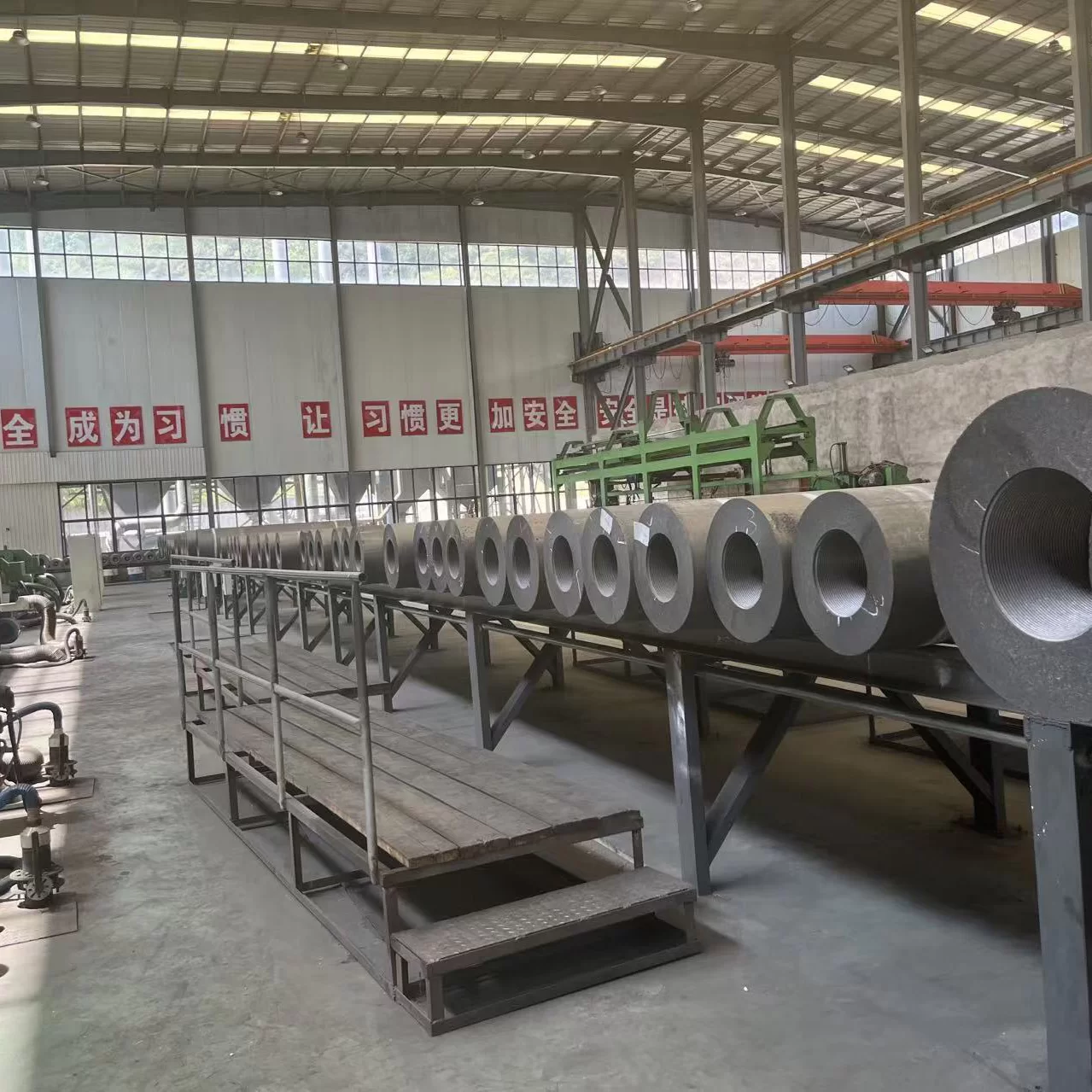
Molybdenum Graphite Powder: A Versatile Material Shaping Modern Industries
Molybdenum graphite powder, at first blush, might sound like some obscure chemical compound tucked away in a lab. However, its real-world significance couldn't be more tangible. This specialized powder is a game-changer in industries ranging from aerospace to electronics, offering unique combinations of heat resistance, conductivity, and mechanical strength. Understanding this material is vital—not only because it supports cutting-edge technology but also because it underpins sustainability efforts and humanitarian technologies worldwide.
Introduction: The Global Context of Molybdenum Graphite Powder
As the global economy becomes increasingly dependent on advanced materials, molybdenum graphite powder has emerged as a critical resource. According to the International Molybdenum Association, worldwide molybdenum consumption has increased by approximately 4.2% annually over the past decade, driven by its role in steel alloys and electrical contacts. Meanwhile, graphite's intrinsic properties support high-temperature stability and electrical conductivity. When combined, molybdenum graphite powder addresses challenges such as the demand for lightweight, corrosion-resistant components and efficient thermal management in harsh environments.
Take aerospace manufacturing, for example: the growing need for components that can withstand extreme temperatures without degrading has pushed engineers to look for innovative materials. Molybdenum graphite powder fits the bill, offering a solution that is also pivotal in enhancing energy efficiency and reducing carbon footprints across industries.
What Exactly is Molybdenum Graphite Powder?
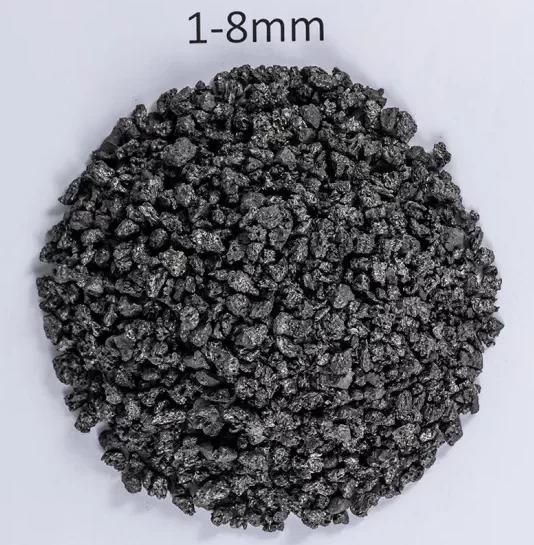
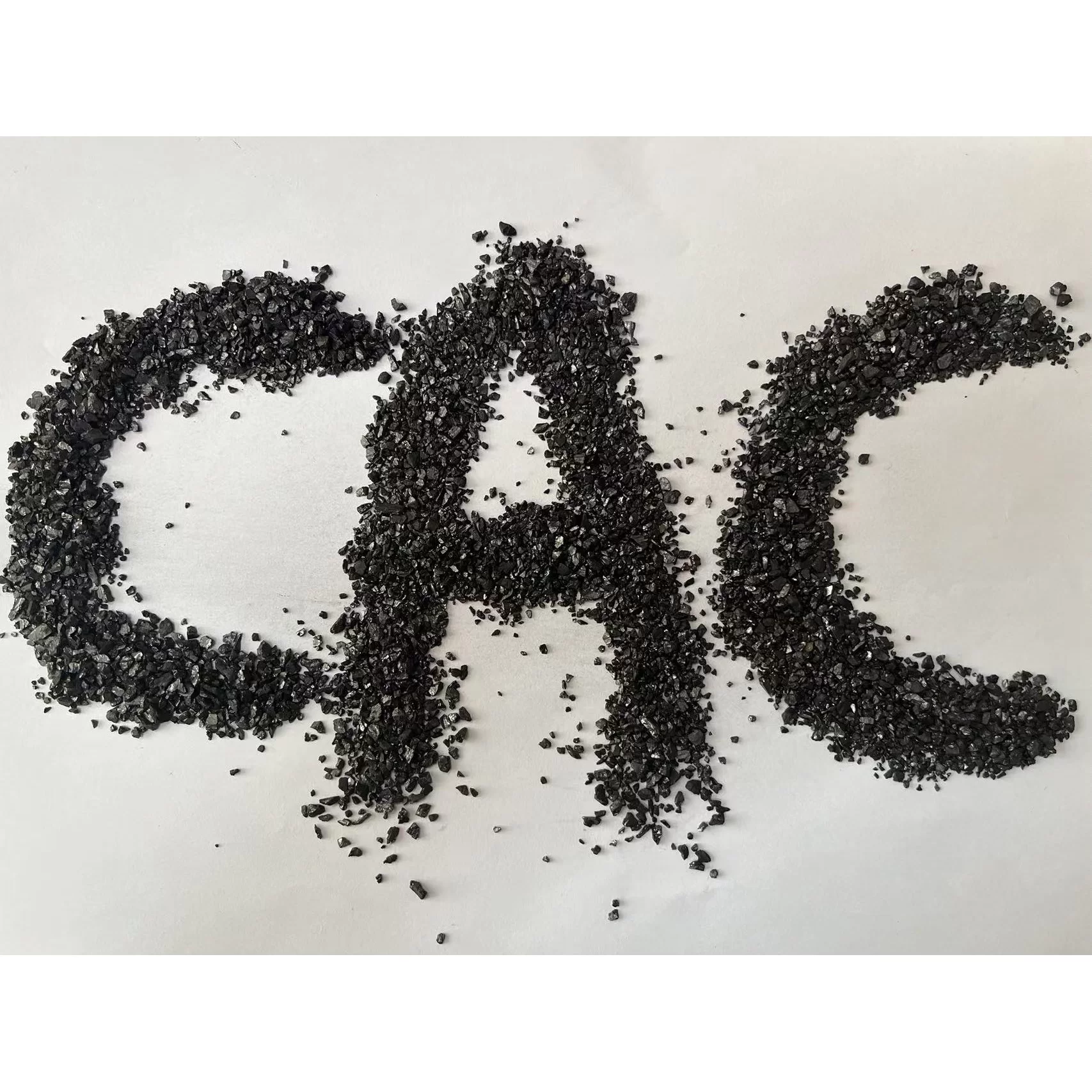
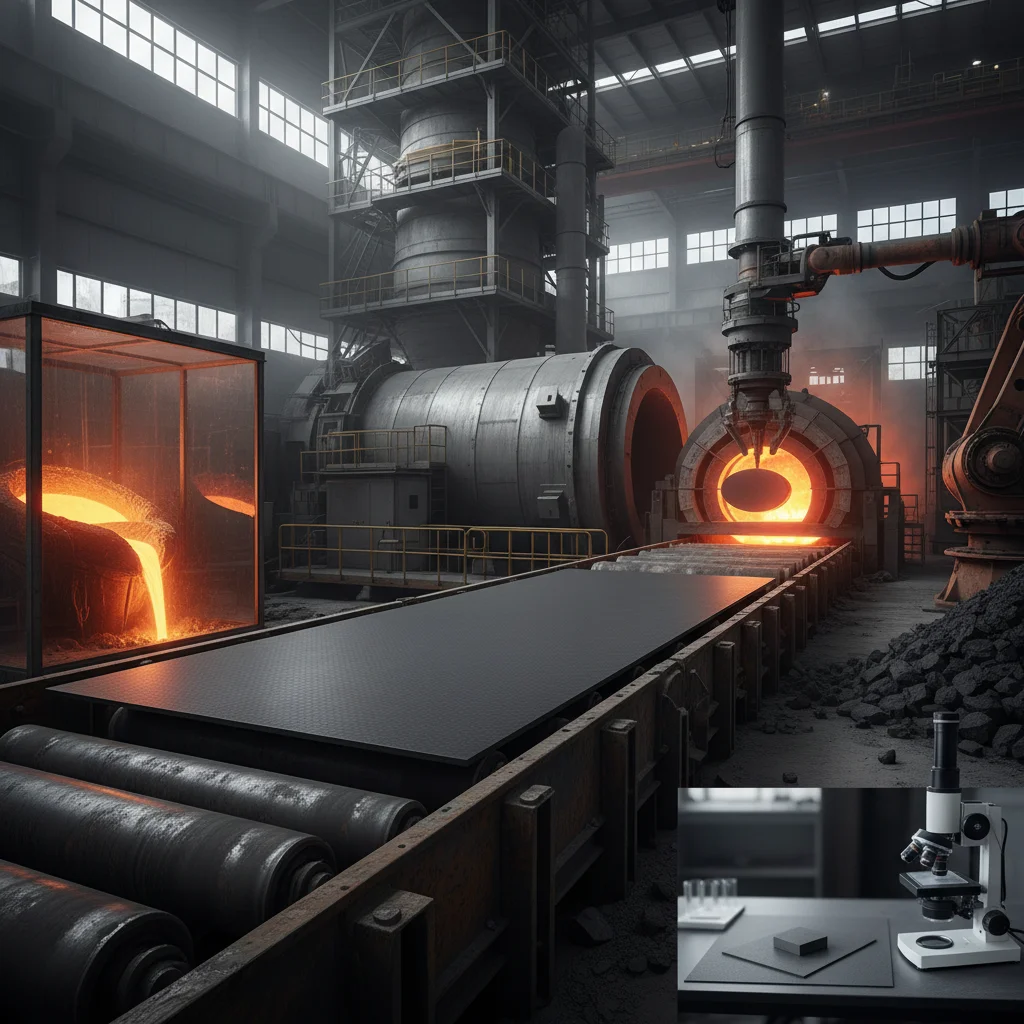
Simply put, molybdenum graphite powder is a finely ground blend of molybdenum and graphite particles, designed to harness the best features of both materials. Molybdenum, a silvery-white metal, is prized for its strength and melting point—second only to tungsten—while graphite offers exceptional thermal and electrical conductivity. The combination yields a composite material ideal for critical industrial applications.
This powder is often used in additive manufacturing, lubricants, electrical contacts, and coating powders. It links directly to modern industrial needs by enabling products that require a blend of durability, heat resistance, and conductivity—think components inside electric vehicles or circuit boards for renewable energy technologies.
Core Features of Molybdenum Graphite Powder
1. Heat Resistance
Molybdenum’s melting point sits high, around 2,623 °C (4,753 °F), meaning these powders remain stable under intense thermal stress. Graphite adds maintaining structural integrity, even in oxidizing atmospheres, making the composite indispensable for heat shields, engine parts, and more.
2. Electrical and Thermal Conductivity
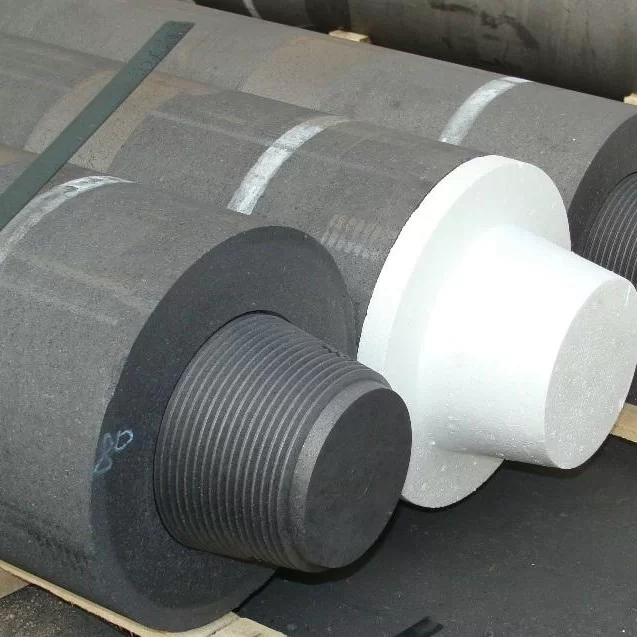
The synergy between molybdenum and graphite results in a material capable of conducting electricity and heat efficiently. This makes it ideal for electrodes, thermal interface materials, and electronic devices where managing heat efficiently is crucial.
3. Mechanical Strength and Wear Resistance
The powder supports additive manufacturing of wear-resistant parts, enhancing equipment longevity in mining, manufacturing, or aerospace settings. It resists abrasion and corrosion, a bonus for industrial equipment exposed to harsh environments.
4. Scalability and Cost Efficiency
Although molybdenum is rarer than common metals, advances in powder production methods have brought down costs and improved scalability. The powders can be tailored in particle size and composition, which keeps supply chains more reliable and cost-effective for manufacturers.
Product Specifications at a Glance
| Specification | Details |
|---|---|
| Particle Size | 5–45 microns (customizable) |
| Purity Level | ≥ 99.5% |
| Molybdenum Content | 40%–60% by weight |
| Graphite Content | 40%–60% by weight |
| Typical Applications | Thermal coatings, electrodes, lubricants, additive manufacturing |
Global Applications & Use Cases
The practical uses of molybdenum graphite powder span several continents and sectors. In Asia, for example, the booming electronics manufacturing hubs utilize this powder to enhance conductivity and thermal management in semiconductors. Meanwhile, Europe's renewable energy plants rely on components made from this powder to ensure durability in wind turbines and solar inverters.
In fact, during post-disaster relief operations, molybdenum graphite powder-based materials have found use in making lightweight, durable electronics for communication. Remote industrial zones, like mining sites in South America or Siberian oil fields, use it to create machinery parts that resist extreme wear — cutting downtime and improving safety.
Vendor Comparison: Top Providers of Molybdenum Graphite Powder
| Vendor | Particle Size Range | Purity (%) | Custom Formulations | Price Range (USD/kg) |
|---|---|---|---|---|
| DAH Carbon | 5–45 μm | ≥ 99.5% | Yes | 30–50 |
| Global Powders Co. | 10–50 μm | ≥ 99% | Limited | 35–60 |
| Sigma Materials | 15–40 μm | 98–99% | No | 28–45 |
Advantages & Long-Term Value
The clear advantages of molybdenum graphite powder lie not just in material performance, but in the long-term impact it enables. Cost-wise, its durability means fewer replacements and less maintenance downtime—always a welcome relief on any budget. On sustainability, components made with it generally consume less energy during production and last longer in service, reducing waste and carbon emissions.
Plus, there's an emotional component: users of products enhanced with molybdenum graphite powder often report increased trust and satisfaction with equipment reliability. For industries where safety and precision are paramount—like aerospace or medical tech—the stakes could not be higher.
Future Trends & Innovations
The horizon here is exciting. We’re seeing research into nano-structured molybdenum graphite powders that could unlock even greater thermal and electrical performance. Plus, the surge in green energy projects means increasing demand for powders tailored to battery electrodes and hydrogen fuel cells. Additive manufacturing technologies continue to mature, with molybdenum graphite powders enabling highly customized, lightweight components.
Frankly, as digital transformation reshapes manufacturing, these powders might soon become staples in automated production lines, reducing human error and increasing precision—another step forward in material science.
Challenges & Solutions
Not everything is rosy, though. One challenge is the consistency of powder quality, which is crucial for industries that demand strict adherence to specifications. Plus, molybdenum’s relative scarcity can spike costs, especially during supply chain disruptions—a reality many businesses have felt recently.
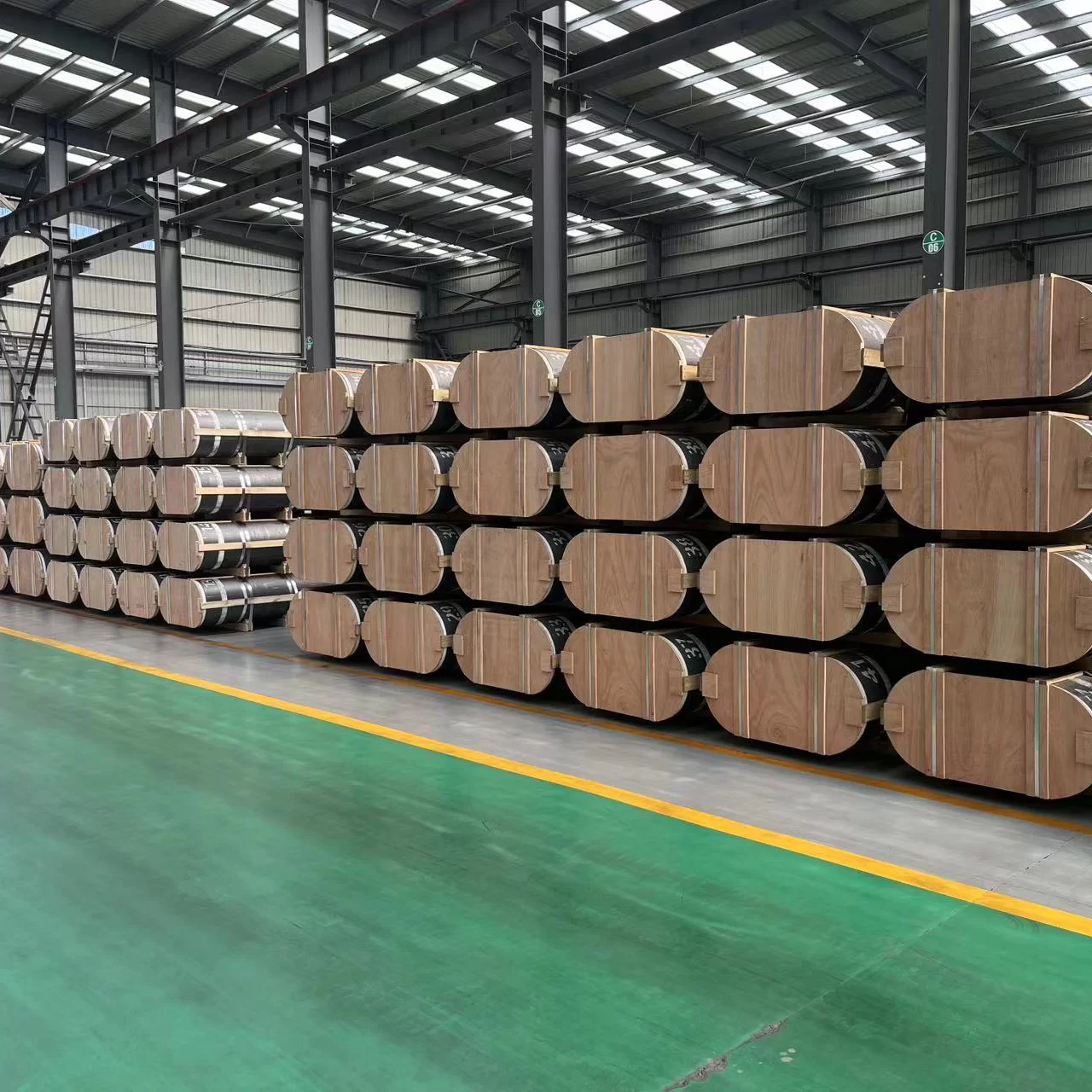
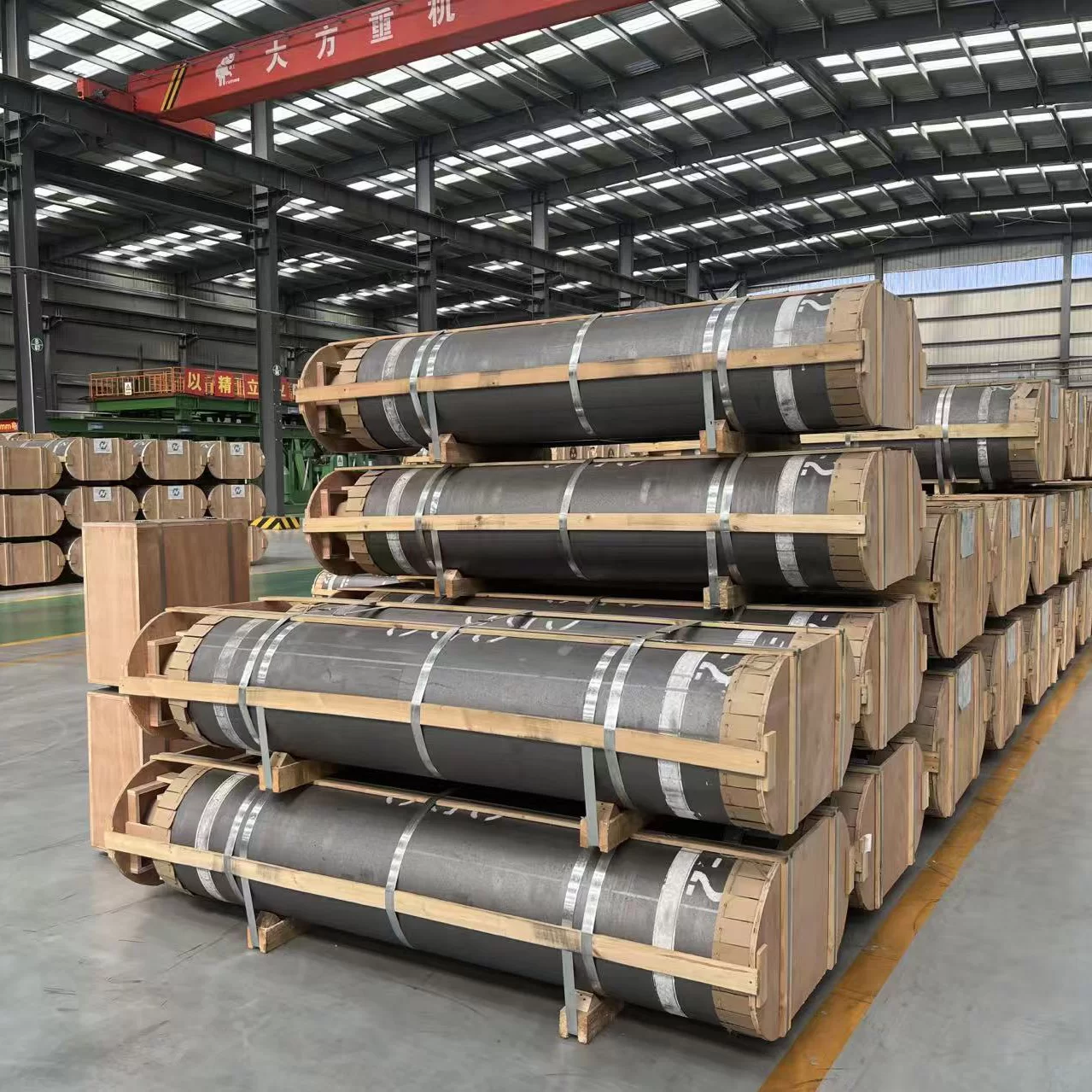
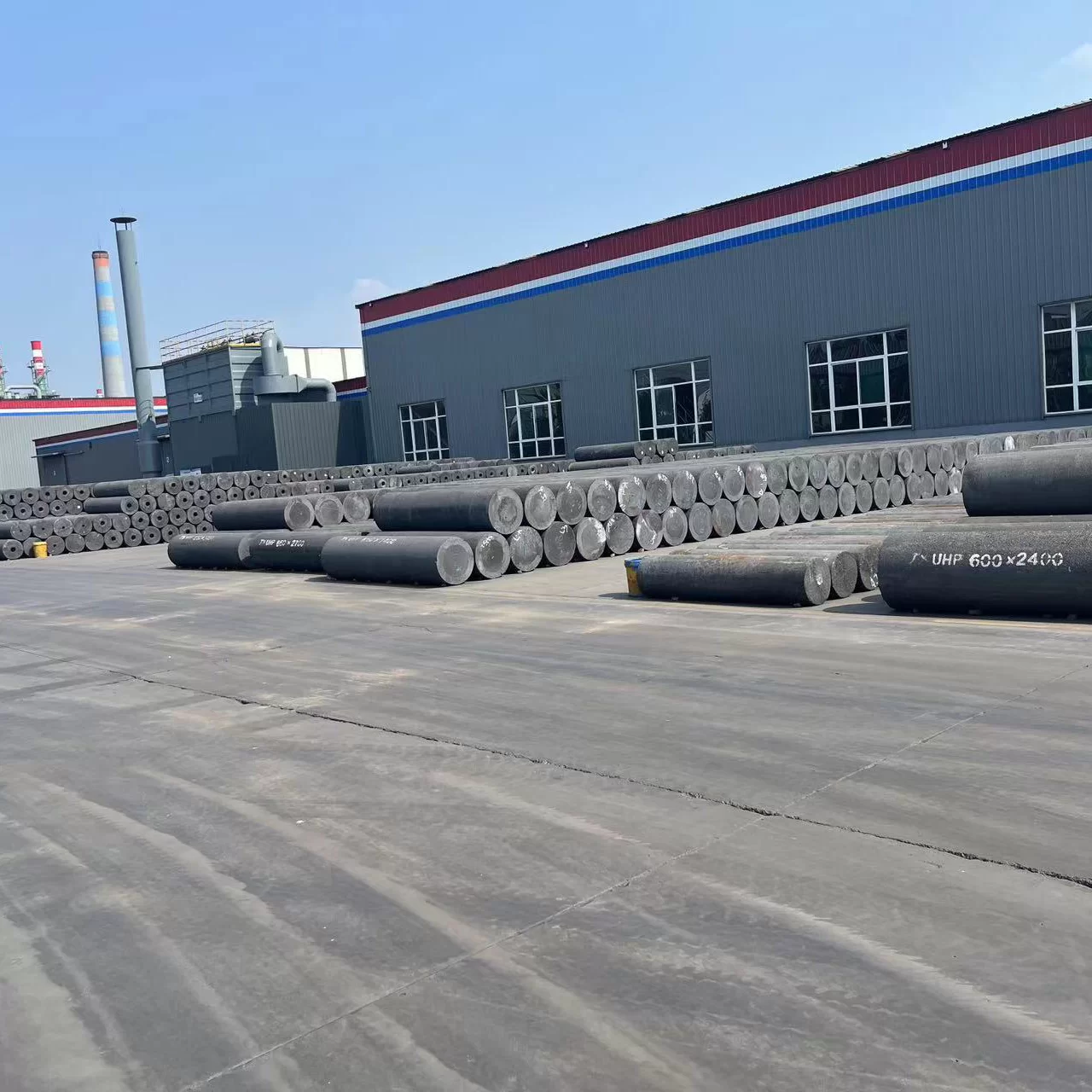
However, experts suggest advances in recycling and powder regeneration are mitigating these issues. Also, strategic sourcing from trusted vendors with transparent quality control, like DAH Carbon's molybdenum graphite powder, is increasingly standard practice. Innovations in scalable synthesis and purification continue to improve accessibility.
FAQ: Frequently Asked Questions About Molybdenum Graphite Powder
Q1: What industries benefit most from molybdenum graphite powder?
A: Industries like aerospace, electronics, energy, and automotive rely heavily on it due to its heat resistance and conductivity, enabling durable components, electrodes, and thermal interfaces.
Q2: How customizable is the powder for specific applications?
A: Quite customizable. Vendors can tailor particle size and molybdenum-to-graphite ratios to meet specific mechanical, electrical, or thermal requirements.
Q3: Is it suitable for additive manufacturing?
A: Absolutely. Its powder form is well-suited for 3D printing metal parts needing a blend of toughness and heat resistance.
Q4: What are common sources for high-quality molybdenum graphite powders?
A: Reliable sources include specialized manufacturers like DAH Carbon, which maintain tight quality controls and can supply international markets.
Q5: Are there environmental concerns regarding its production?
A: While mining molybdenum has environmental impacts, efforts in recycling and cleaner processing help limit the footprint. Sustainable sourcing is becoming a priority.
Conclusion + Call to Action
In sum, molybdenum graphite powder is not just another industrial material—it’s a cornerstone for technological progress and sustainable innovation. Its unique blend of properties addresses ever-tightening demands for efficiency, durability, and eco-consciousness. For businesses and engineers looking to stay ahead, diving into the capabilities of this powder is a smart move.
Curious to learn more or source quality molybdenum graphite powder? Visit DAH Carbon’s website for detailed specifications and custom supply options.
Mini Takeaway: Molybdenum graphite powder blends strength, heat resistance, and conductivity, making it essential for innovation across diverse global industries.