Why dry powder graphite lube remains an industrial favorite
Having worked around industrial equipment for a good part of my career, I've seen trends rise and fall. But oddly enough, something as old-school as dry powder graphite lubrication hasn’t lost its charm—or its utility. It feels almost like a secret handshake in maintenance circles; engineers and technicians who really know their stuff tend to appreciate this unsung hero. Frankly, the blend of simplicity and effectiveness is what makes it stand out amid all the high-tech grease blends and synthetic concoctions that flood the market today.
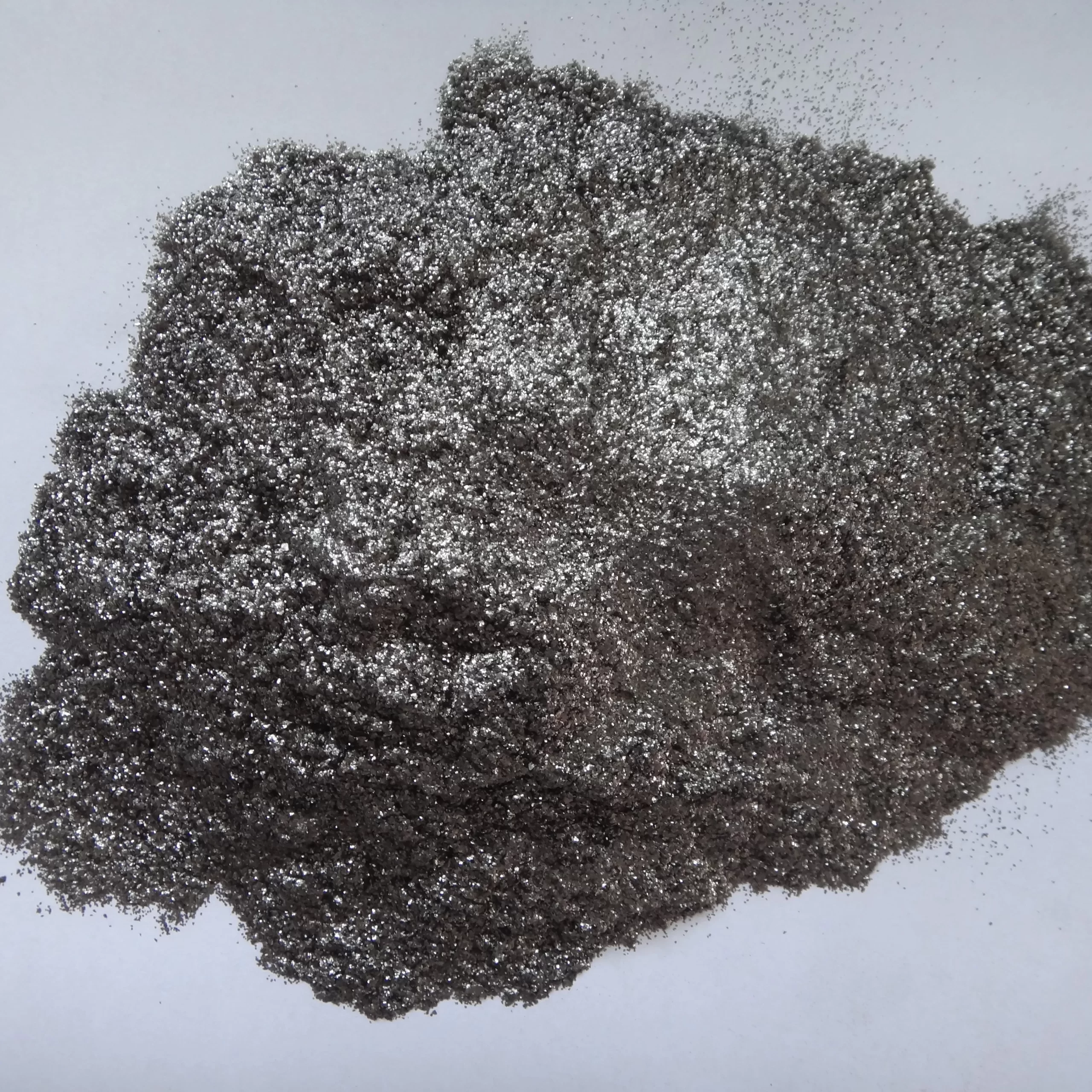
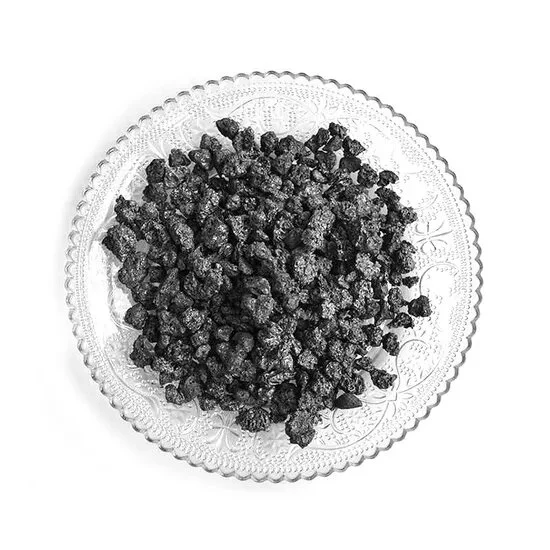
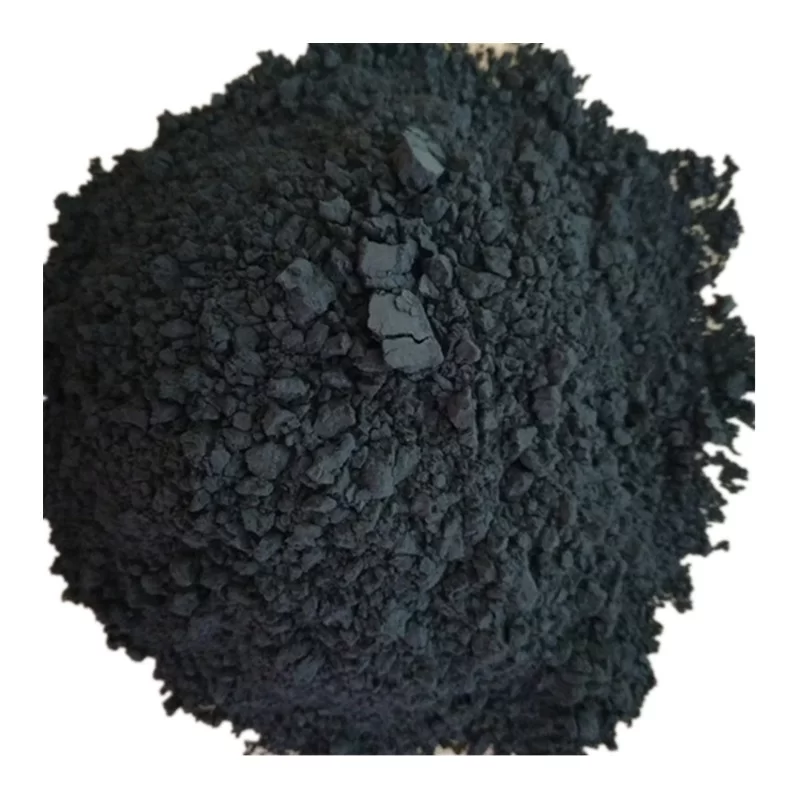
Graphite powder lube is essentially the classic black dust with serious performance. It’s a form of carbon, naturally resilient, with an excellent ability to reduce friction under extreme conditions where wet lubricants simply wouldn’t survive. Think about machines operating at high temperatures, or environments where dirt and contamination are a nightmare—dry powder graphite lube often gets the nod because it doesn't attract grime or degrade like oils or greases might.
One aspect I've noted over the years is the customization. Suppliers like dry powder graphite lube manufacturers offer a range of mesh sizes and purities to optimize performance based on your specific industrial needs. It's not some off-the-shelf magic; it's adapted carefully for everything from heavy-duty bearings to lock mechanisms. Many engineers say this makes a difference you can literally feel — smoother operation, less wear, extended equipment life.
Product Specifications Snapshot
| Property | Typical Value | Units |
|---|---|---|
| Purity | 99.5% | ±0.2% |
| Particle Size (Mesh) | -100 to -200 | Microns |
| Lubricity (Coefficient of Friction) | 0.02 - 0.05 | Unitless |
| Operating Temp Range | -200 to 450 | °C |
| Bulk Density | 0.9 - 1.1 | g/cm³ |
In real terms, for users like myself—or anyone maintaining industrial presses, textile machines, or elevators—dry powder graphite lube delivers consistent results without the mess. Sometimes, I’d see a freshly greased part covered in dust and dirt within a day. But a well-applied graphite powder coat? Often, it seems to deflect the grime altogether, because it’s dry and non-sticky by nature. It's almost ironic how something so powdery can be so effective in tough settings.
Vendor Comparison: Choosing the Right Supplier
| Feature | Dah Carbon | Vendor B | Vendor C |
|---|---|---|---|
| Purity | 99.5%+ | 98.7% avg | ~99% |
| Custom Mesh Sizes | Wide Range | Limited | Standard Only |
| Technical Support | Excellent, Responsive | Moderate | Minimal |
| Typical Lead Time | 2-3 Weeks | 4-6 Weeks | 3-5 Weeks |
| Price Range | $$$ (value-driven) | $$ | $ |
I remember one client — a packaging line retrofitter — who switched to dry powder graphite after countless failures with oily lubricants attracting dust, leading to downtime. Their machines ran smoother, downtime dropped, and oddly enough, some operators even commented on how “clean” the environment felt, free of slick residues. That’s the kind of practical difference that makes technical people smile quietly, you know?
For anyone eyeing dry powder graphite lube, I'd say: examine your operating conditions closely—temperature, contamination risk, load cycles. And trust trusted vendors who understand these nuances. It’s not just about buying powder; it’s about partnering for performance.
Ultimately, dry powder graphite lube still delivers where it counts, continuing to be a reliable choice for decades of tough industrial use.
Takeaway: Sometimes, the simplest materials prove the most enduring in industrial lubrication.
References:
1. "Graphite as a Dry Lubricant," Industrial Lubrication Tech Journal, 2021.
2. Dah Carbon Product Datasheets, 2023.
3. Interview with Field Maintenance Engineers, 2022.