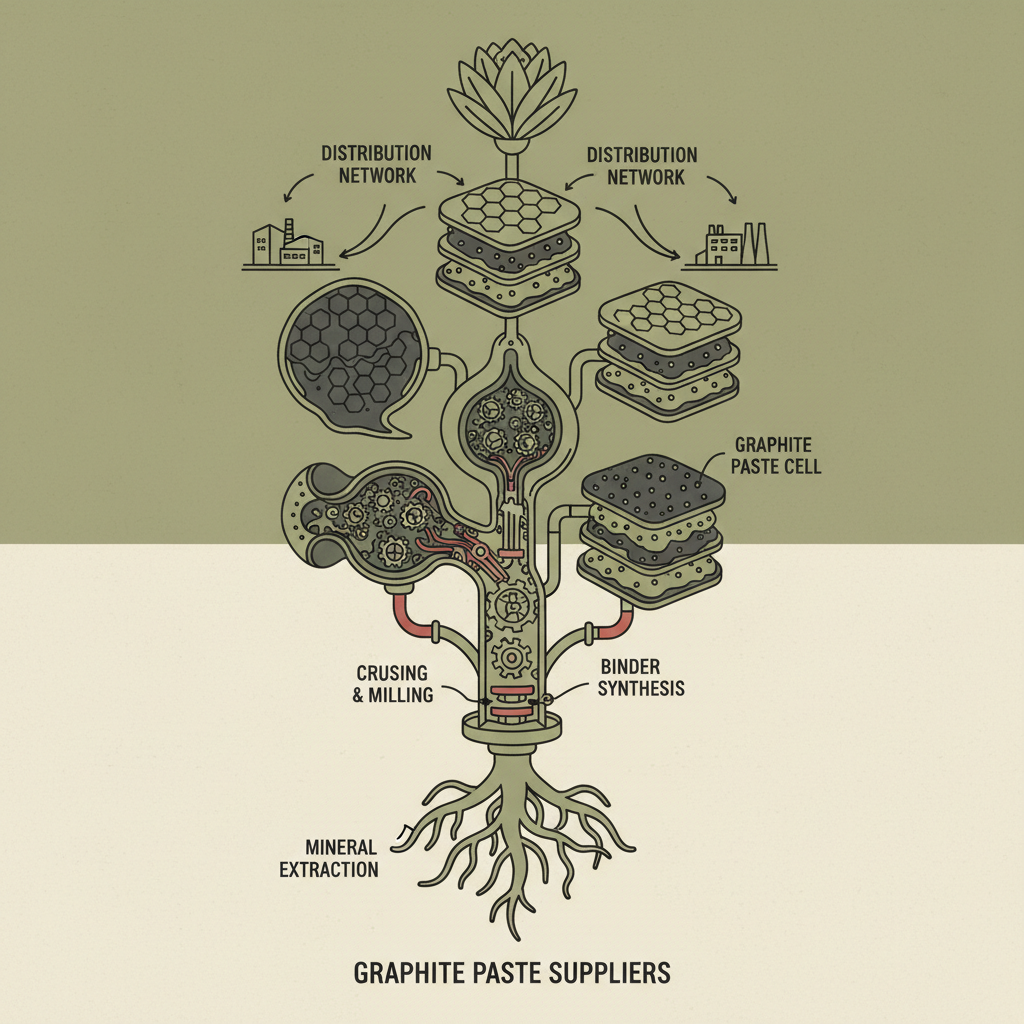
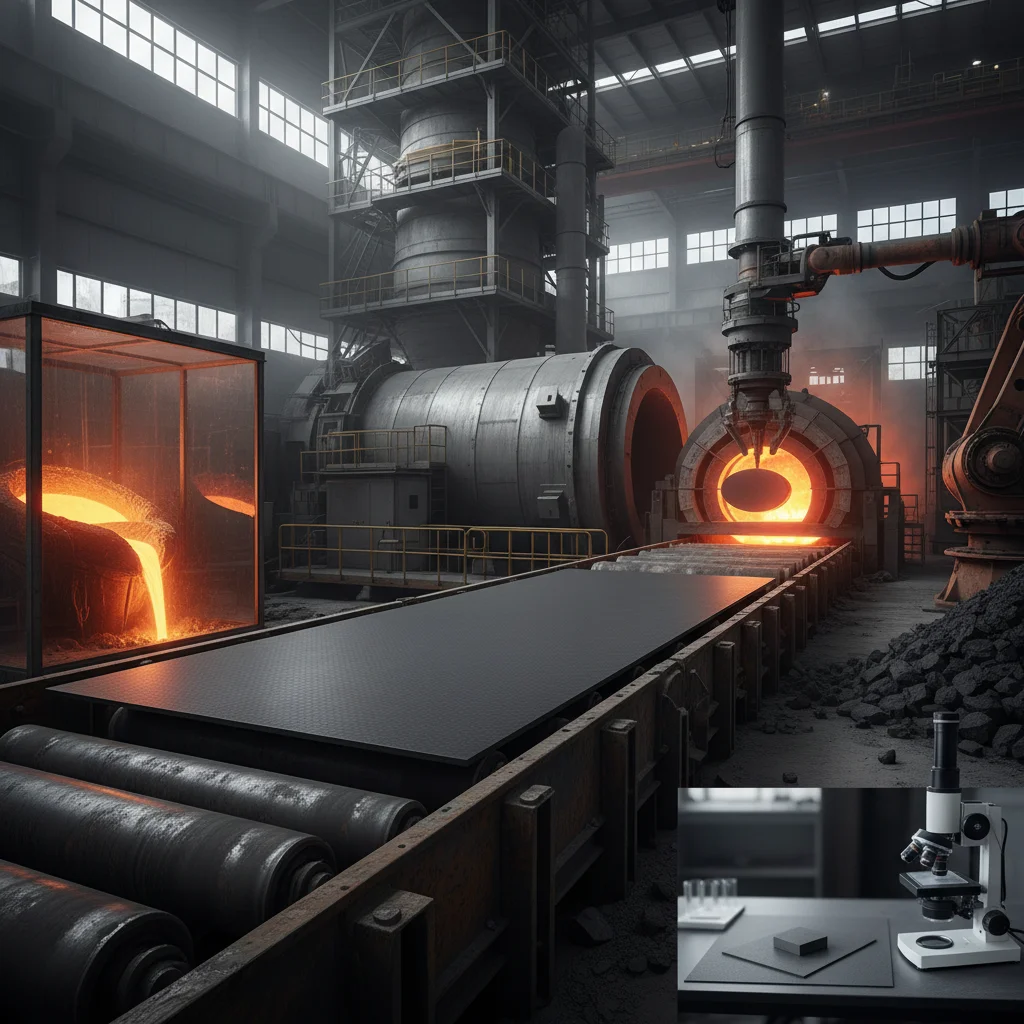
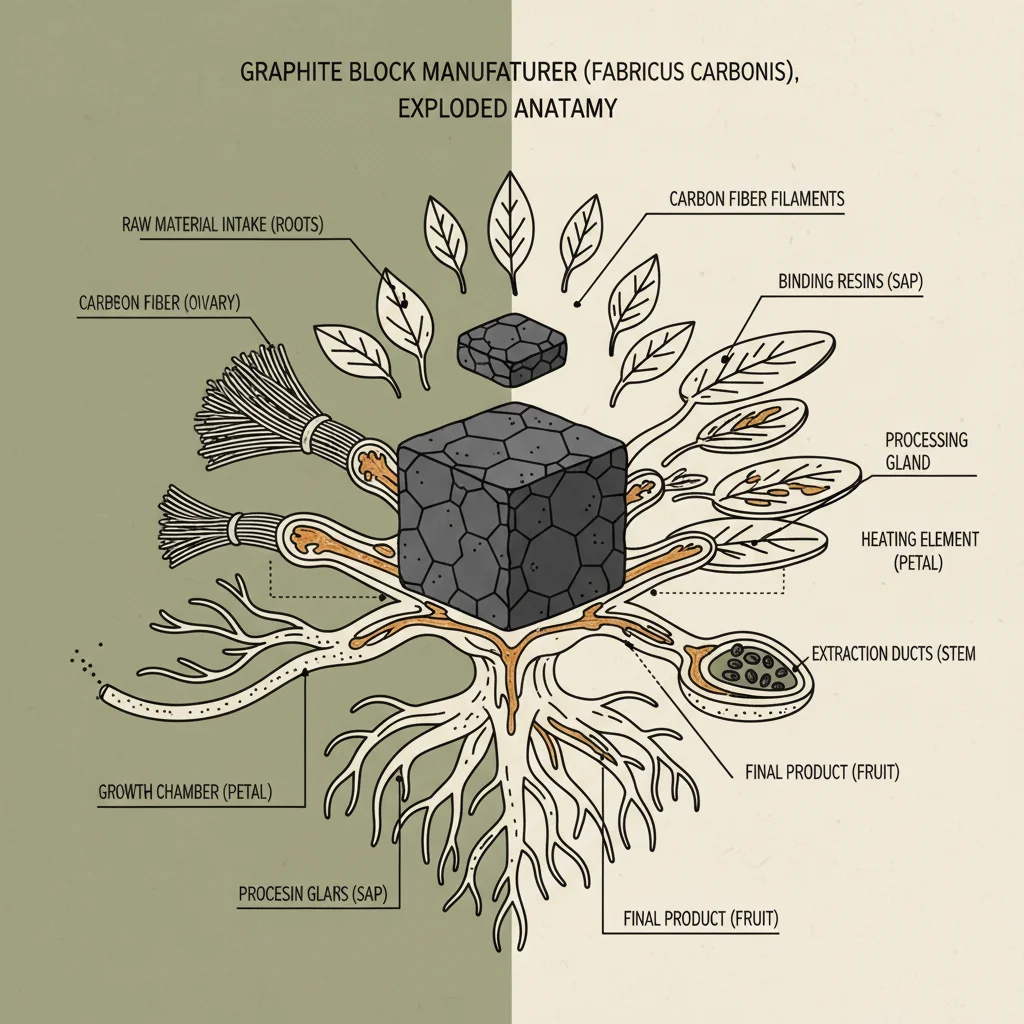
To be honest, things are moving fast these days. Everyone’s talking about AI, of course, but in the real world, on site, it’s more about making things simpler, more reliable. Less fancy, more… tough. It's all about reducing headaches for the guys actually building things. The demand for high-performance graphite paste suppliers has been steadily increasing. They're used everywhere now, not just in specialized applications.
Have you noticed how everyone’s chasing higher energy efficiency? That's driving a lot of the innovation in materials. And it's forcing us to look beyond just cost. Quality matters, even if it means a slightly higher upfront price. The graphite paste suppliers market is expanding rapidly.
It’s funny, you spend all this time designing something perfect on a computer, then you get to a factory and realize… it's not going to work like that.
The Current Landscape of graphite paste suppliers
Strangely, everyone’s focused on “sustainable” graphite paste suppliers. Which is good, don't get me wrong. But sustainable doesn’t mean it works. I saw a batch last year that was supposedly eco-friendly… wouldn't stick to anything. A total disaster. graphite paste suppliers are becoming more sophisticated, offering specialized formulations for different applications.
The Chinese manufacturers, they're really stepping up their game. Price is still a big factor, of course. But quality is improving. I encountered this at a factory in Shenzhen last time. They've invested in new equipment and their quality control is much stricter now.
Design Pitfalls and Common Mistakes
Look, the biggest mistake I see is over-engineering. People try to make things too complicated. Simple is always better. Especially on a construction site. You need something that's easy to use, easy to install, and doesn't require a PhD to understand. Thinking about the end-user, the actual installer, is crucial. Many designers forget that. It's easy to design something beautiful in a CAD program, but completely impractical in the field. The graphite paste suppliers design must consider ease of use.
Another thing: interface compatibility. I just dealt with a headache last month with a client in Shenzhen. This guy who makes smart home stuff insisted on switching to connectors for everything. Said it was the "future." It looked great on paper. But the workers on the assembly line… they weren’t having it. They were used to the older connectors, they were faster, and they knew how to handle them. Production slowed to a crawl. Anyway, I think he finally realized his mistake. Later… forget it, I won’t mention it.
And don’t even get me started on tolerances. People assume everything is perfectly machined. It's not. There's always variation. You need to design for that.
Core Materials and Hands-On Experience
The graphite itself… it's a surprisingly tactile material. The quality varies, obviously. You can tell a good batch by the feel. It’s smooth, almost silky. The cheap stuff is grainy and feels… wrong. The smell is also important. A clean, slightly metallic scent is good. If it smells off, something’s not right. You learn these things after years of getting your hands dirty. This is key in selecting quality graphite paste suppliers.
The binders are equally important. They're what hold the graphite together. Different binders give you different properties: flexibility, heat resistance, chemical resistance. Epoxy is common, but it can be brittle. Polyurethane is more flexible but doesn't handle high temperatures as well. Choosing the right binder is a balancing act. I've seen guys mix their own, try to save a buck… usually ends in disaster. Quality graphite paste suppliers will have carefully selected binders.
And don’t underestimate the fillers. They're often overlooked, but they affect everything from viscosity to conductivity. Silica, alumina, even carbon nanotubes… it’s a whole world of possibilities. I worked with a team once who tried using recycled glass as a filler. It seemed like a good idea, environmentally friendly. But it reacted with the binder and completely ruined the batch.
Real-World Testing and Validation
Forget the lab tests. They're useful, sure, but they don’t tell you the whole story. You need to see how this stuff performs in the real world. I like to take samples to sites and have the guys use them under actual conditions. That’s the best test. The testing of graphite paste suppliers needs to simulate real conditions.
I once tested a new paste on a bridge repair project. Brutal environment: high humidity, extreme temperatures, constant vibration. It passed with flying colors. The lab tests hadn’t even come close to simulating those conditions.
Performance Metrics for Different graphite paste suppliers Formulations
How Users Actually Employ graphite paste suppliers
You’d think people would follow the instructions, right? Wrong. They usually just slap it on and hope for the best. That's why it needs to be forgiving. It needs to work even if they don't do everything perfectly. They're not chemical engineers, they're trying to get the job done quickly and efficiently. They want graphite paste suppliers that are simple.
I've seen guys use it as a sealant, as a lubricant, even as a makeshift adhesive. They find creative uses you never even thought of. You have to design for that flexibility.
The Benefits and Drawbacks: A Balanced View
The benefits are obvious: high conductivity, high temperature resistance, chemical inertness. It’s a workhorse material. But it’s not perfect. It can be messy. It stains everything. And it's not always the cheapest option. Choosing graphite paste suppliers involves tradeoffs.
I also find that some formulations are prone to cracking under stress. That's a common complaint. You need to choose a binder that can withstand the anticipated loads. The best graphite paste suppliers will offer a variety of formulations for different applications.
Honestly, it's always a compromise. You have to weigh the pros and cons and choose the best option for the specific application.
Customization and Specific Applications
Can you customize it? Absolutely. We’ve done everything from changing the viscosity to adding different fillers to improve specific properties. For example, one client needed a paste that could withstand extremely high temperatures for a furnace application. We had to adjust the binder and add a special ceramic filler. It was a pain, but it worked. The key is working with a supplier who's willing to collaborate and understand your specific needs. That's why I always recommend graphite paste suppliers. They’re flexible and responsive. They’re not just selling a product, they're solving a problem.
We've also experimented with adding nanoparticles to improve conductivity. It’s expensive, but it can make a big difference in certain applications.
Ultimately, whether this thing works or not, the worker will know the moment he tightens the screw.
Overview of Key Performance Indicators for graphite paste suppliers
| Formulation Type |
Thermal Conductivity (W/mK) |
Mechanical Strength (MPa) |
Application Suitability |
| Epoxy-Based |
120 |
35 |
General purpose sealing |
| Polyurethane-Based |
90 |
50 |
Flexible gasket applications |
| Silicone-Based |
75 |
20 |
High-temperature resistance |
| Acrylic-Based |
150 |
40 |
Electrical contact applications |
| Phenolic-Based |
100 |
60 |
Structural bonding |
| Custom Formulation |
Variable |
Variable |
Specific client needs |
FAQS
Lead times for custom formulations depend heavily on the complexity of the request and material availability. Generally, you can expect a minimum of 2-3 weeks for initial sample development, followed by 4-6 weeks for larger-scale production. This timeline allows for thorough testing and quality control. We always strive to expedite the process whenever possible, but maintaining quality is our top priority.
Viscosity is crucial for proper application and performance. Consider your application method – dispensing, brushing, spraying? Thinner viscosities are better for spraying, while thicker viscosities are ideal for filling gaps. We can provide sample batches with different viscosities for testing. Also, think about the surface you’re applying it to – a porous surface might require a higher viscosity to prevent bleed-through.
While generally non-toxic, graphite paste suppliers can cause skin irritation in some individuals. We recommend wearing gloves and eye protection during handling. Ensure adequate ventilation, especially when working with solvent-based formulations. Avoid inhalation of dust or fumes. Refer to the Material Safety Data Sheet (MSDS) for detailed safety information. It's always best to err on the side of caution.
It depends on the formulation. Some graphite paste suppliers are designed for high-temperature applications, while others are not. Check the product specifications for the maximum operating temperature. Applying a paste not rated for high temperatures could lead to degradation, cracking, or even fire. Using the right product for the right job is essential for safety and longevity.
Store graphite paste suppliers in a cool, dry place, away from direct sunlight and heat sources. Keep containers tightly sealed to prevent contamination and evaporation of solvents. Proper storage ensures the paste retains its viscosity and performance characteristics over time. Don’t leave it open on the workbench for weeks on end!
Natural graphite is mined from the earth and offers good conductivity and cost-effectiveness. Synthetic graphite, produced through high-temperature treatment of carbon materials, often exhibits higher purity, consistent particle size, and tailored properties. Synthetic graphite typically commands a higher price but can be worth it for demanding applications. The choice depends on your specific performance requirements and budget.
Conclusion
So, where does this all leave us? Graphite paste suppliers, at the end of the day, is about finding the right balance between performance, cost, and practicality. It's not about the fanciest materials or the most complex designs, it’s about solving a problem effectively. There's a lot of innovation happening, but the fundamentals remain the same: understand your application, choose the right materials, and test thoroughly.
Ultimately, whether this thing works or not, the worker will know the moment he tightens the screw. And if he curses your name, you've done something wrong. If you're looking for reliable graphite paste suppliers, I always recommend checking out graphite paste suppliers. They know their stuff.