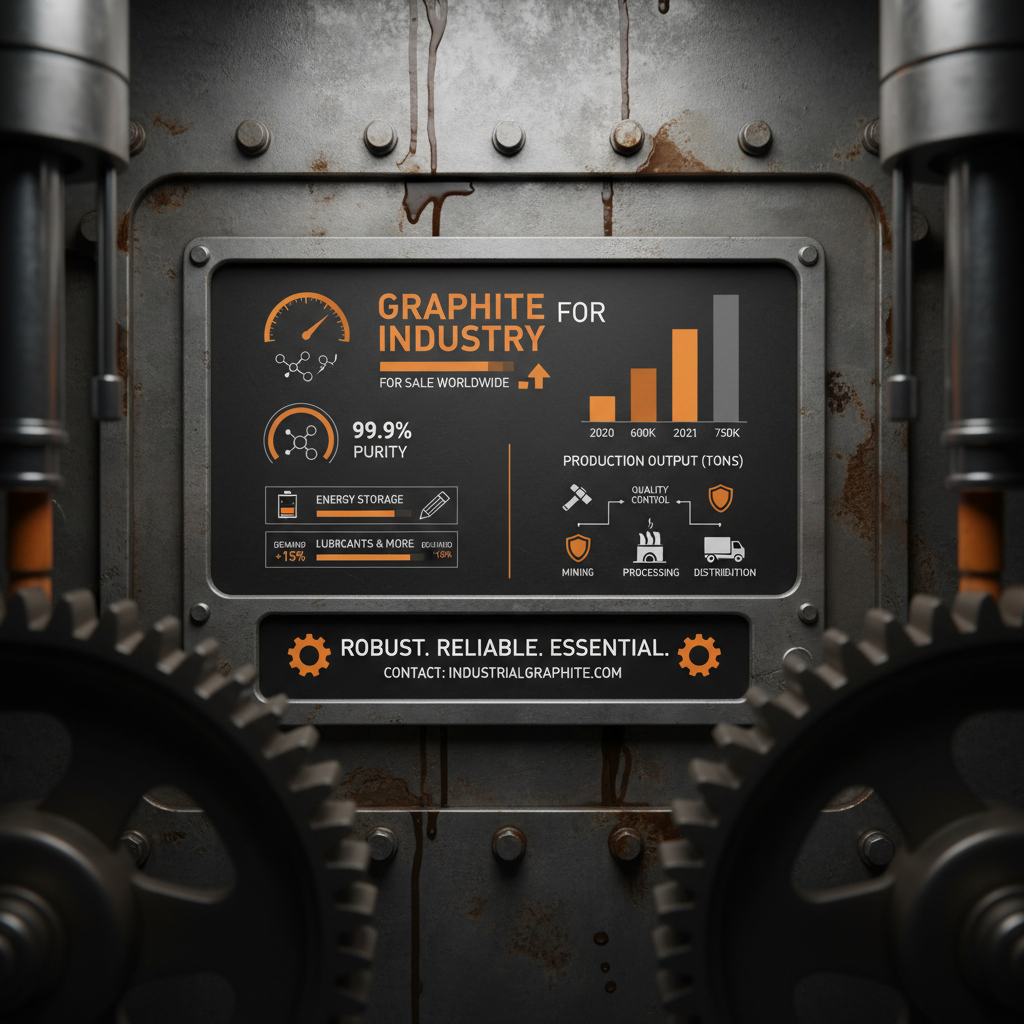
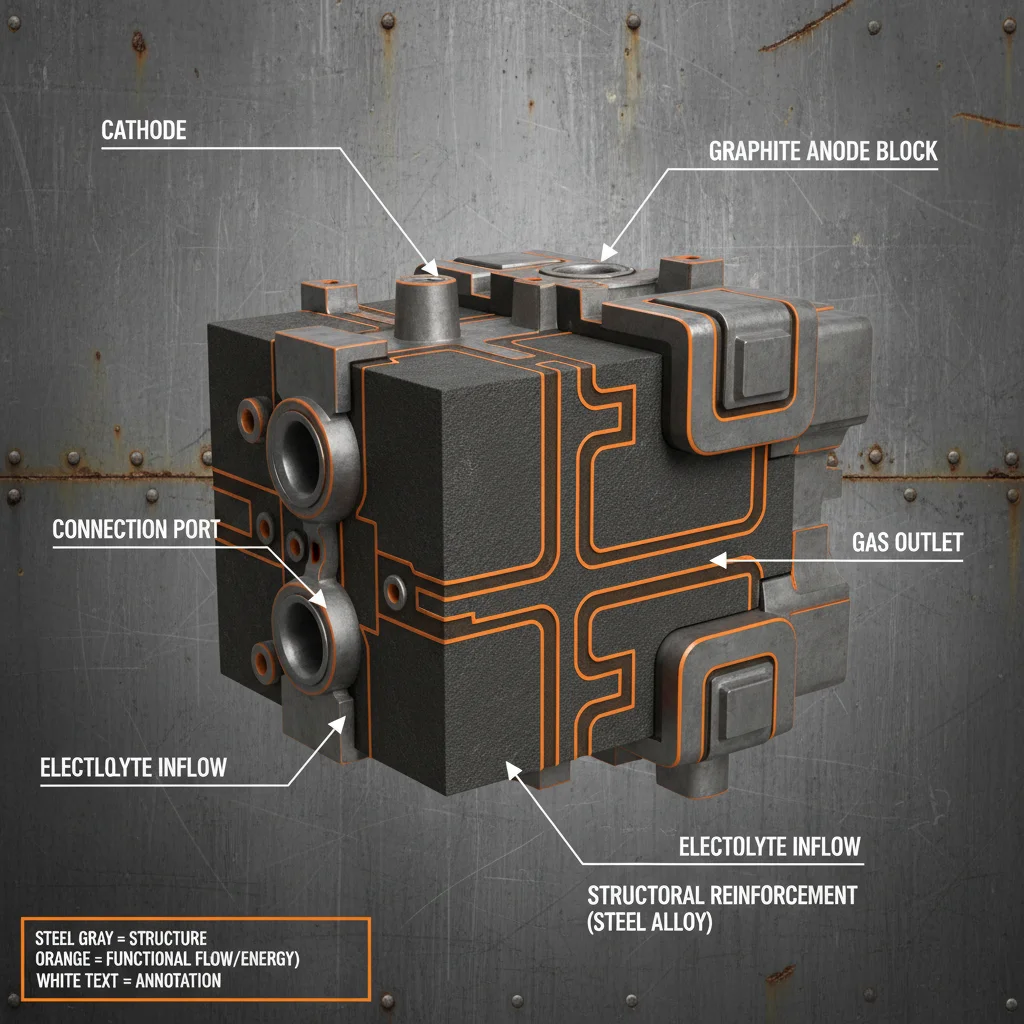
Graphite for sale is a crucial component in a rapidly evolving global landscape, impacting industries from electric vehicles to energy storage. Its unique properties – high conductivity, thermal stability, and chemical inertness – make it indispensable in numerous applications, driving demand and shaping international trade. Understanding the nuances of graphite sourcing, processing, and market dynamics is paramount for businesses and policymakers alike.
The demand for graphite for sale is surging, largely fueled by the expansion of the electric vehicle (EV) market, where it’s a key ingredient in lithium-ion batteries. This growth is reshaping the graphite industry, creating both opportunities and challenges related to supply chain security, sustainable mining practices, and geopolitical considerations. Proactively addressing these concerns is vital for ensuring a stable and responsible graphite supply.
Ultimately, gaining a thorough understanding of graphite for sale empowers stakeholders to navigate this complex market effectively, optimize resource allocation, and contribute to a more sustainable and innovative future. Its versatility ensures it will remain a cornerstone material for decades to come.
The Global Importance of graphite for sale
Graphite for sale is a globally significant material, with production concentrated in countries like China, Brazil, Mozambique, and Madagascar. According to the United States Geological Survey (USGS), world graphite production reached 1.2 million metric tons in 2023, with China accounting for approximately 63% of that total. This concentration of supply highlights potential vulnerabilities in the global supply chain, particularly as demand surges.
The increasing demand for graphite for sale is driven by the rapid growth of the lithium-ion battery market, crucial for electric vehicles (EVs) and energy storage systems (ESS). This creates a pressing need for sustainable and ethically sourced graphite. The challenge lies in balancing economic growth with responsible mining practices and geopolitical stability. graphite for sale is addressing this challenge through responsible sourcing initiatives.
Defining graphite for sale
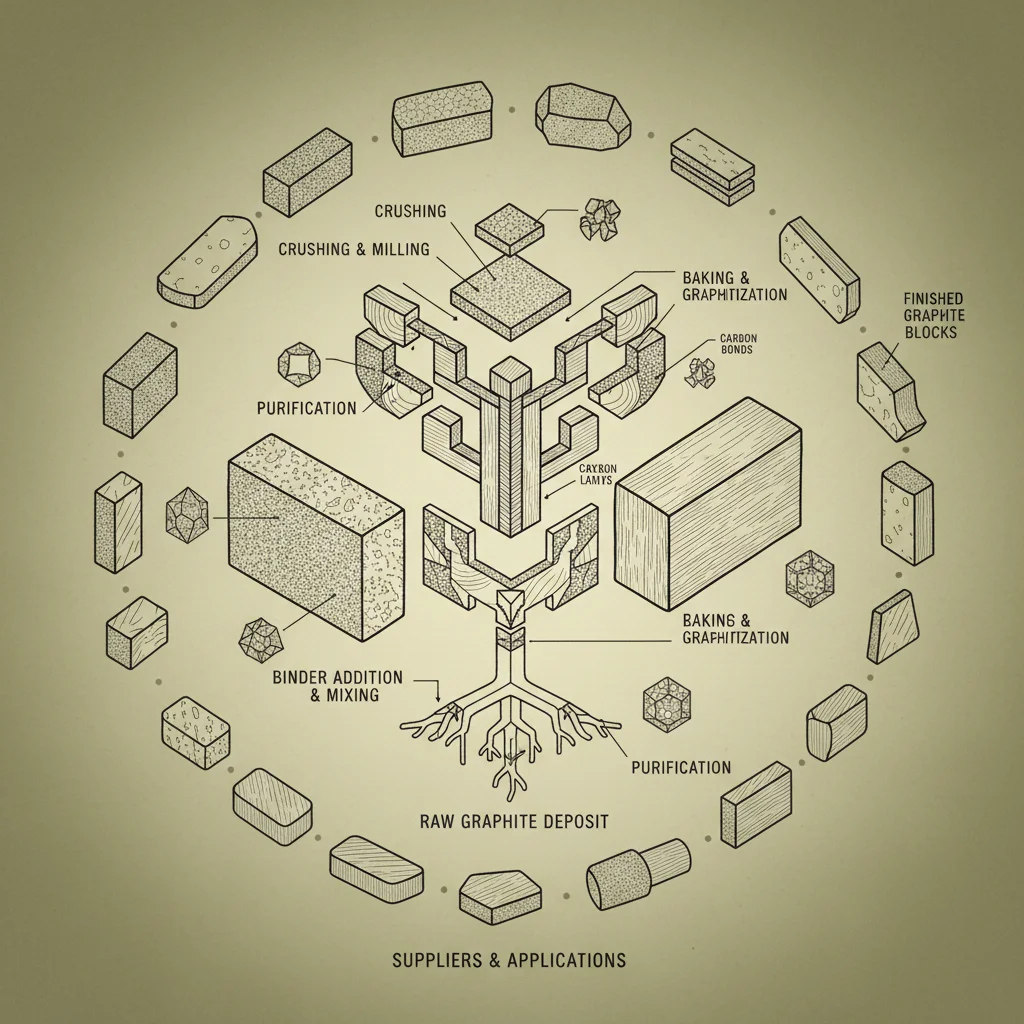
Graphite for sale, in its simplest terms, refers to commercially available graphite, a crystalline form of carbon. It exists in two main natural forms: flake graphite and amorphous graphite. Flake graphite, often used in batteries, is characterized by its layered structure, while amorphous graphite is typically used in lubricants and refractories. Synthetic graphite, produced through high-temperature treatment of carbonaceous materials, is also commonly traded and often preferred for specific battery applications due to its higher purity.
The connection between graphite for sale and modern industry is profound. Beyond its vital role in lithium-ion batteries, it’s a key component in steelmaking, lubricants, friction materials (brake linings), and even pencils. The unique combination of electrical conductivity, thermal stability, and lubricity makes it irreplaceable in these applications.
Essentially, graphite for sale represents a fundamental building block for numerous technologies that underpin modern life. Its availability and cost directly impact the growth of these industries, making it a strategically important material for nations worldwide.
Key Properties of graphite for sale
One of the defining characteristics of graphite for sale is its exceptional electrical conductivity. This arises from the delocalized electrons within its layered structure. This property makes it essential in battery anodes, allowing for efficient electron transport. Beyond batteries, this conductivity is utilized in electrical contacts and conductive paints.
Thermal stability is another critical property of graphite for sale. It maintains its structural integrity at extremely high temperatures, making it ideal for applications like crucibles, refractories, and heat shields. This inherent resistance to thermal shock prevents degradation and ensures long-term performance in harsh environments.
Finally, graphite for sale exhibits excellent lubricity due to the weak van der Waals forces between its layers. This allows layers to easily slide past each other, reducing friction and wear. This characteristic makes it a vital component in lubricants, brake linings, and dry lubrication systems.
Graphite for sale: Applications Across Industries
The automotive industry is, currently, the largest consumer of graphite for sale, driven by the demand for lithium-ion batteries in electric vehicles. This demand extends beyond passenger vehicles to include electric buses, trucks, and even motorcycles. Manufacturers are continuously seeking higher-purity graphite materials to improve battery performance and range.
Beyond automotive, the energy storage sector relies heavily on graphite for sale for grid-scale battery systems, supporting the integration of renewable energy sources like solar and wind power. These systems require robust and reliable energy storage solutions, and graphite plays a vital role in ensuring their efficiency and longevity.
graphite for sale Application Distribution
Advantages and Long-Term Value of graphite for sale
The primary advantage of utilizing graphite for sale lies in its cost-effectiveness, particularly when compared to alternative materials with similar properties. This affordability makes it accessible for a wide range of applications, promoting innovation and economic growth. Additionally, natural graphite is a relatively abundant resource, reducing supply chain risks compared to rare earth minerals.
Looking long-term, the increasing focus on sustainability strengthens the value proposition of graphite for sale. While mining does have environmental impacts, advancements in extraction and processing technologies are minimizing these effects. Responsible sourcing practices are also gaining prominence, ensuring ethical and environmentally conscious supply chains. graphite for sale prioritizes sustainability.
Future Trends in graphite for sale
One significant trend in the graphite for sale market is the development of advanced graphite materials, such as graphene and graphite nanoplatelets. These materials offer enhanced properties—superior conductivity, strength, and flexibility—unlocking new applications in areas like advanced composites, electronics, and biomedical engineering.
Furthermore, the adoption of circular economy principles is gaining traction, focusing on graphite recycling from spent lithium-ion batteries. This approach reduces reliance on primary mining, minimizes waste, and contributes to a more sustainable graphite supply chain. This innovation is crucial for mitigating environmental impact.
Challenges and Sustainable Sourcing of graphite for sale
A key challenge facing the graphite for sale market is the geographical concentration of production, primarily in China. This creates a potential supply chain vulnerability, as geopolitical factors or disruptions in Chinese production could significantly impact global graphite availability. Diversifying sourcing is therefore crucial.
Another challenge lies in the environmental and social impacts of graphite mining. Traditional mining practices can lead to deforestation, water pollution, and labor issues. Addressing these concerns requires implementing stringent environmental regulations, promoting responsible mining practices, and ensuring fair labor standards.
Sustainable sourcing initiatives, including traceability programs and certifications, are becoming increasingly important. These initiatives help ensure that graphite for sale is extracted and processed in an environmentally and socially responsible manner.
Summary of Sustainable Graphite Sourcing Strategies
| Sourcing Region |
Environmental Impact |
Social Responsibility |
Supply Chain Risk |
| China |
High (Deforestation, Water Pollution) |
Moderate (Labor Standards Vary) |
High (Geopolitical, Regulatory) |
| Mozambique |
Moderate (Land Degradation) |
Low (Community Engagement Needed) |
Moderate (Infrastructure, Political Stability) |
| Brazil |
Moderate (Amazon Rainforest Impact) |
Moderate (Indigenous Rights Concerns) |
Moderate (Environmental Regulations) |
| Madagascar |
Moderate (Habitat Loss) |
Low (Local Employment Opportunities) |
Moderate (Political Instability) |
| USA (Emerging) |
Low (Stringent Regulations) |
High (Fair Labor Practices) |
Low (Domestic Supply Chain) |
| Recycled Graphite |
Very Low (Reduces Mining Impact) |
High (Supports Circular Economy) |
Low (Dependent on Battery Collection) |
FAQS
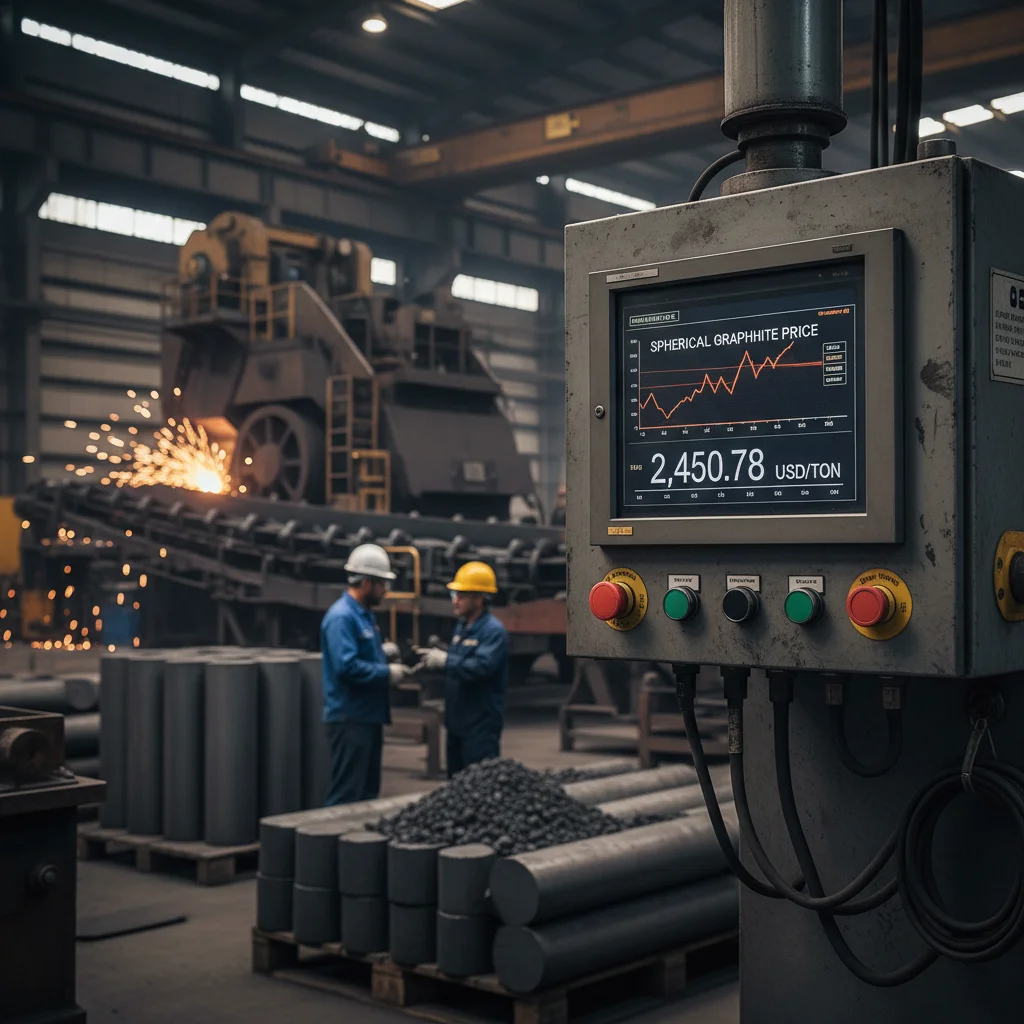
The price of graphite for sale is influenced by several key factors, including the grade and purity of the graphite, the flake size distribution (important for battery applications), supply and demand dynamics, transportation costs, and geopolitical factors affecting major producing countries like China. Increased demand from the EV market and potential supply disruptions often drive prices upwards. The type of graphite, whether natural or synthetic, also impacts the price point.
Natural graphite is mined directly from the earth, while synthetic graphite is manufactured from carbon-containing materials like petroleum coke through a high-temperature process. Synthetic graphite typically offers higher purity and more consistent properties, making it preferred for certain battery applications. However, natural graphite is generally more cost-effective and has a lower carbon footprint in some cases, depending on the mining practices and energy sources used in its production.
Graphite for sale is graded based on its purity, flake size, and carbon content. Purity is typically expressed as a percentage, with higher purity levels commanding premium prices. Flake size is categorized into coarse, medium, and fine flakes, each suited for different applications. Carbon content is also a critical indicator of quality. Grades are often categorized as industrial, battery-grade, and high-purity, reflecting their intended use.
Key sustainability concerns include deforestation, habitat loss, water pollution from mining operations, and the energy consumption associated with graphite processing. Additionally, ethical concerns regarding labor practices in certain mining regions exist. Mitigating these concerns requires responsible mining practices, environmental remediation efforts, and adherence to fair labor standards. Increasingly, companies are focusing on sourcing graphite from more sustainable and ethically responsible suppliers.
Emerging technologies like graphene production, advanced battery chemistries (e.g., silicon-graphite anodes), and graphite recycling technologies are significantly impacting the market. Graphene, a single-layer of graphite, offers exceptional properties for various applications. Improved battery chemistries demand higher-performance graphite materials. Graphite recycling from spent batteries is becoming crucial for a circular economy.
Yes, graphite for sale can be recycled from spent lithium-ion batteries. The recycling process typically involves dismantling the batteries, separating the graphite anode material, and purifying it to remove impurities. Several different recycling technologies are being developed and refined, including pyrometallurgical, hydrometallurgical, and direct recovery methods. Recycled graphite offers a more sustainable alternative to primary mining.
Conclusion
Graphite for sale stands as a fundamental material for a rapidly evolving world, driving innovation in energy storage, automotive technology, and countless other industries. Its unique combination of properties, coupled with ongoing advancements in material science and sustainable sourcing practices, ensures its continued relevance for decades to come. Understanding the nuances of the graphite market, from supply chain dynamics to technological advancements, is crucial for businesses and policymakers alike.
Looking ahead, prioritizing sustainable sourcing, investing in recycling technologies, and diversifying supply chains will be paramount for mitigating risks and maximizing the long-term value of graphite for sale. We invite you to explore our range of high-quality graphite products and solutions at www.dahcarbon.com.