Graphite Powder Lubricant Uses: A Comprehensive Guide
Graphite powder lubricant is a versatile dry lubricant prized for its exceptional properties. From everyday household applications to complex industrial processes, its ability to reduce friction and wear makes it invaluable. This article explores the diverse uses of graphite powder lubricant, its benefits, and important considerations for its application. We’ll delve into various industries and highlight how this material enhances performance and extends the lifespan of equipment. Understanding its capabilities can unlock significant efficiencies in various sectors.
Understanding Graphite Powder Lubricant
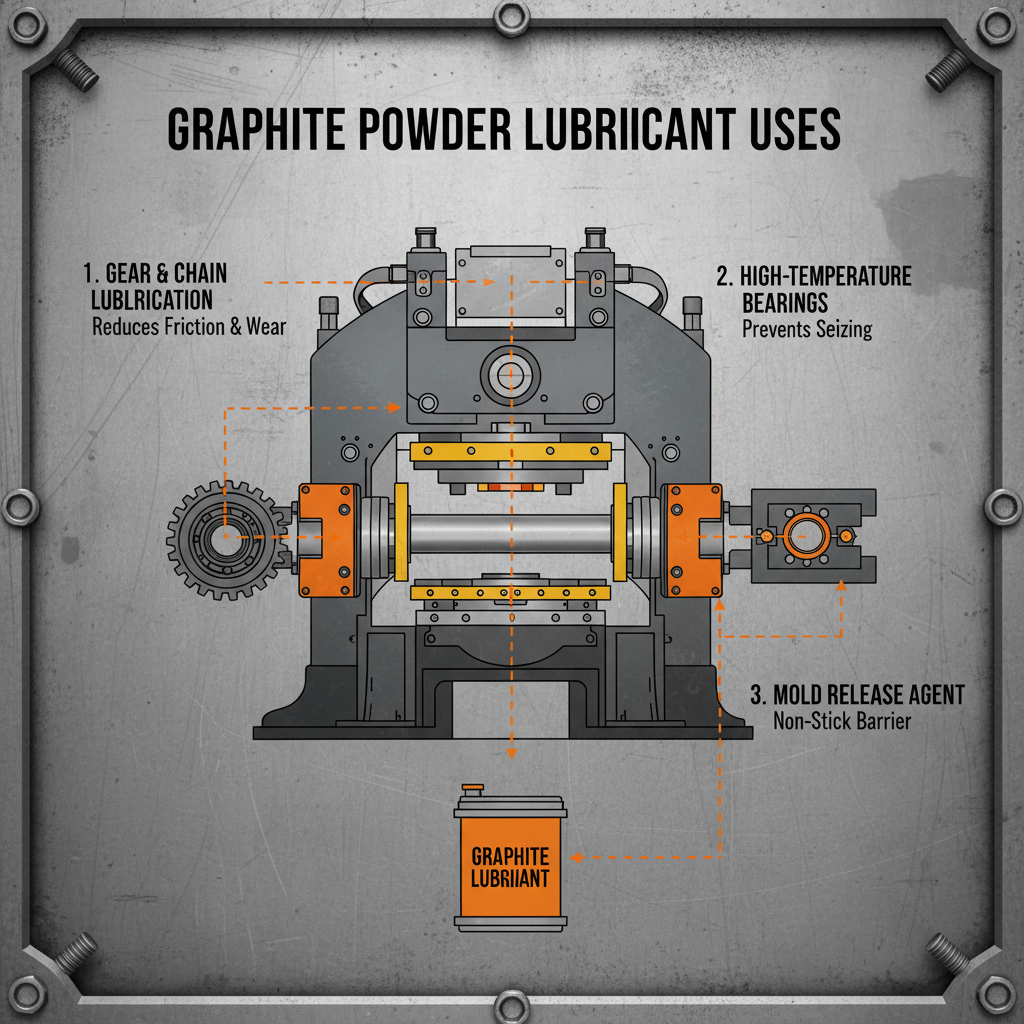
Graphite powder lubricant stands out due to its unique crystalline structure, allowing it to easily shear and form a slippery layer between surfaces. This minimizes friction, reduces wear, and prevents seizing. Unlike oil-based lubricants, graphite doesn’t attract dust or dirt, making it ideal for clean environments. It also maintains its lubricating properties over a wide temperature range – performing well in both high and low-temperature applications. Its inert nature and electrical conductivity further expand its usefulness. The benefits extend beyond simple friction reduction, contributing to quieter operation and increased energy efficiency. Exploring the various grades and types of graphite powder available is crucial for optimal performance.
Key Highlights: Graphite's layered structure facilitates easy shearing, minimizing friction. It is stable at high temperatures and resists attracting dust, making it a clean and reliable lubricant.
Key Applications of Graphite Powder Lubricant
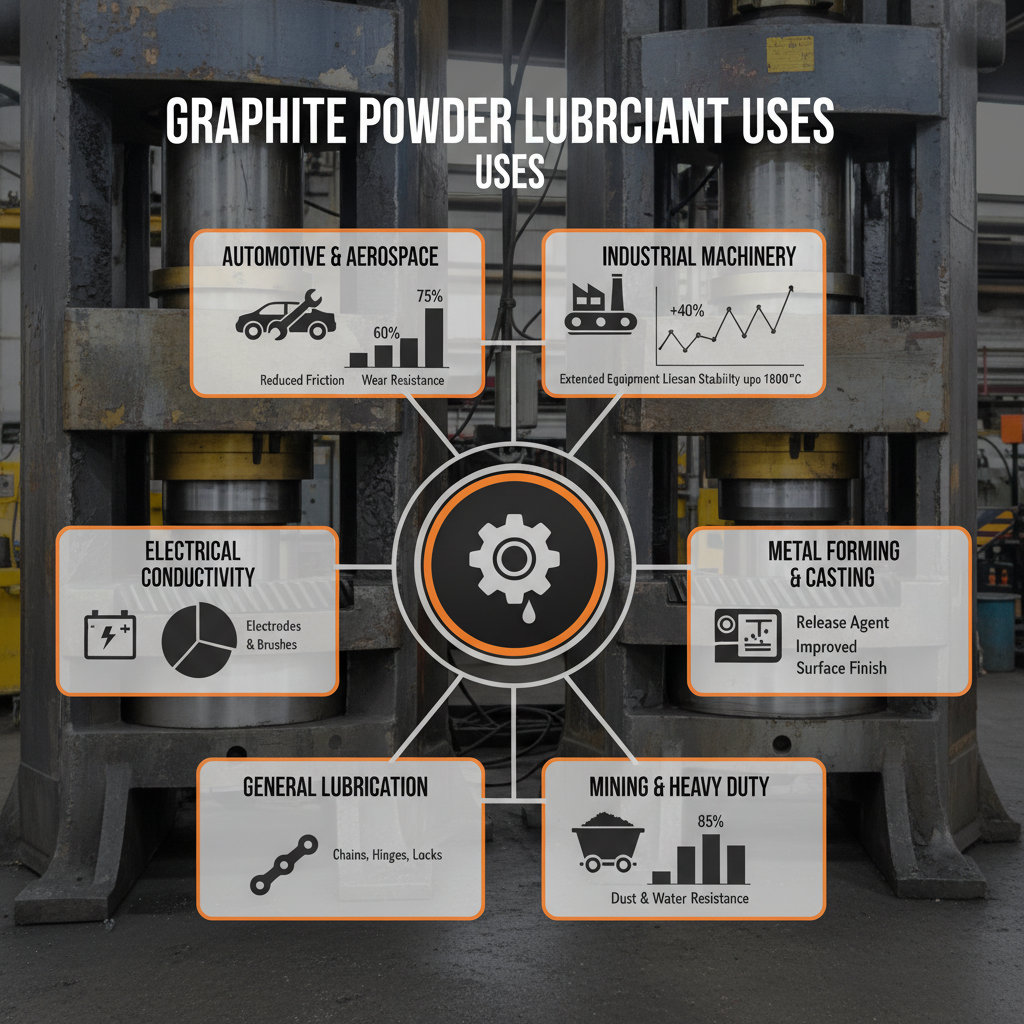
The applications of graphite powder lubricant are extensive. In the automotive industry, it's used for lubricating locks, hinges, and brake components. In manufacturing, it's vital for lubricating machinery, gears, and bearings. Household uses include lubricating door locks, drawer slides, and bicycle chains. Specialized applications are found in high-temperature furnaces and within the aerospace industry. Its use extends to molds to aid the release of cast parts. The versatility of graphite powder lubricant allows for solutions in various sectors, improving the efficiency and lifespan of countless components.
Application Examples:
• Automotive Locks & Hinges
• Industrial Machinery Gears
• High-Temperature Furnace Components
• Molds for Casting Processes
Graphite Powder Lubricant Uses: Industry Breakdown
Different industries utilize graphite powder lubricant in unique ways. The metallurgical industry benefits from its high-temperature stability in processes like sintering and forging. The plastics industry utilizes it as a mold release agent, enabling the easy removal of plastic parts. The textile industry uses it to lubricate needles and reduce friction during fabric production. The electronics industry leverages its conductive properties in various applications. Understanding these specific applications highlights the material's adaptability and value.
Graphite Powder Lubricant vs. Other Lubricants
Compared to oil-based or grease-based lubricants, graphite powder offers distinct advantages in certain applications. While oils and greases excel in high-load situations, they can attract contaminants and require more frequent reapplication. Graphite’s dry nature eliminates these concerns, and it performs reliably in extreme temperatures where oils might degrade. However, graphite may not be as effective in situations requiring extremely high load capacity or where a fluid film is essential. Choosing the right lubricant depends on the specific operating conditions and requirements.
Product Specifications and Choosing the Right Grade
Graphite powder lubricant is available in various grades, categorized by particle size, purity, and form (e.g., flake, spherical). The appropriate grade depends on the application. Finer particles offer smoother lubrication but might have lower load-carrying capacity. Spherical graphite provides excellent flowability and dispersion. Purity levels are crucial for sensitive applications like electronics. Here’s a sample specification table:
Conclusion: Optimizing Performance with Graphite Powder Lubricant
Graphite powder lubricant offers a compelling solution for reducing friction, minimizing wear, and enhancing performance across diverse applications. Its unique properties, including high-temperature stability and cleanliness, make it a valuable asset in industries ranging from automotive to aerospace. Selecting the appropriate grade from a trusted supplier like Dah Carbon ensures optimal results and prolonged equipment lifespan. Don't underestimate the power of this versatile lubricant to improve efficiency and reliability.
Frequently Asked Questions (FAQs)
Is graphite powder lubricant safe to use?
While generally safe, it’s important to handle graphite powder with care. Avoid inhaling the dust, as prolonged exposure can cause respiratory irritation. Wearing a dust mask is recommended during application. Graphite is also electrically conductive, so caution is necessary when working with electrical equipment. Always consult the Safety Data Sheet (SDS) for detailed handling instructions and safety precautions. The purity level of the graphite powder also influences its safety profile.
How do I apply graphite powder lubricant effectively?
Application methods vary depending on the surface and the desired effect. For small areas like locks, a puff bottle or small brush can be used. For larger surfaces, a spray applicator or dusting brush may be more appropriate. Ensure the surface is clean and dry before application. Apply a thin, even layer of graphite powder. Avoid excessive application, as this can lead to buildup and reduce effectiveness. Regular reapplication may be needed, depending on the operating conditions.
What is the difference between natural and synthetic graphite?
Natural graphite is mined from the earth, while synthetic graphite is manufactured. Synthetic graphite generally offers higher purity and more consistent particle size, making it preferable for specialized applications. Natural graphite is often more cost-effective for general lubrication purposes. Both types share the fundamental lubricating properties but vary in performance characteristics depending on the specific grade and manufacturing process. Dah Carbon offers both natural and synthetic graphite options.
Can graphite powder lubricant be used in food processing equipment?
Only food-grade graphite powder lubricant should be used in food processing equipment. This type of graphite is specifically purified to meet stringent safety standards and prevent contamination. It's essential to verify that the graphite is certified for food contact by relevant regulatory bodies. Using industrial-grade graphite in food applications is strictly prohibited due to potential health risks.