

The graphite electrode price is a crucial indicator of activity within the steelmaking industry, influencing production costs and overall market dynamics globally. Fluctuations in this price are directly linked to factors like raw material availability (specifically petroleum coke and pitch), energy costs, and the demand for steel, making it a sensitive barometer of economic health, particularly in developing nations reliant on steel-intensive infrastructure projects. Understanding the forces shaping graphite electrode price empowers businesses to strategically manage their costs and optimize their operations.
Globally, the steel industry represents a significant portion of manufacturing output, and graphite electrodes are indispensable for electric arc furnace (EAF) steel production – a method becoming increasingly prevalent due to its efficiency and lower environmental impact compared to traditional blast furnace techniques. The price volatility of graphite electrodes can therefore impact the competitiveness of EAF steel producers, influencing their ability to meet growing demand and potentially affecting the supply chain of numerous downstream industries.
Analyzing graphite electrode price trends provides insights into future steel production costs and helps predict potential shifts in the steel market. This knowledge is vital for investors, policymakers, and industry stakeholders seeking to navigate the complexities of a rapidly evolving global economy.
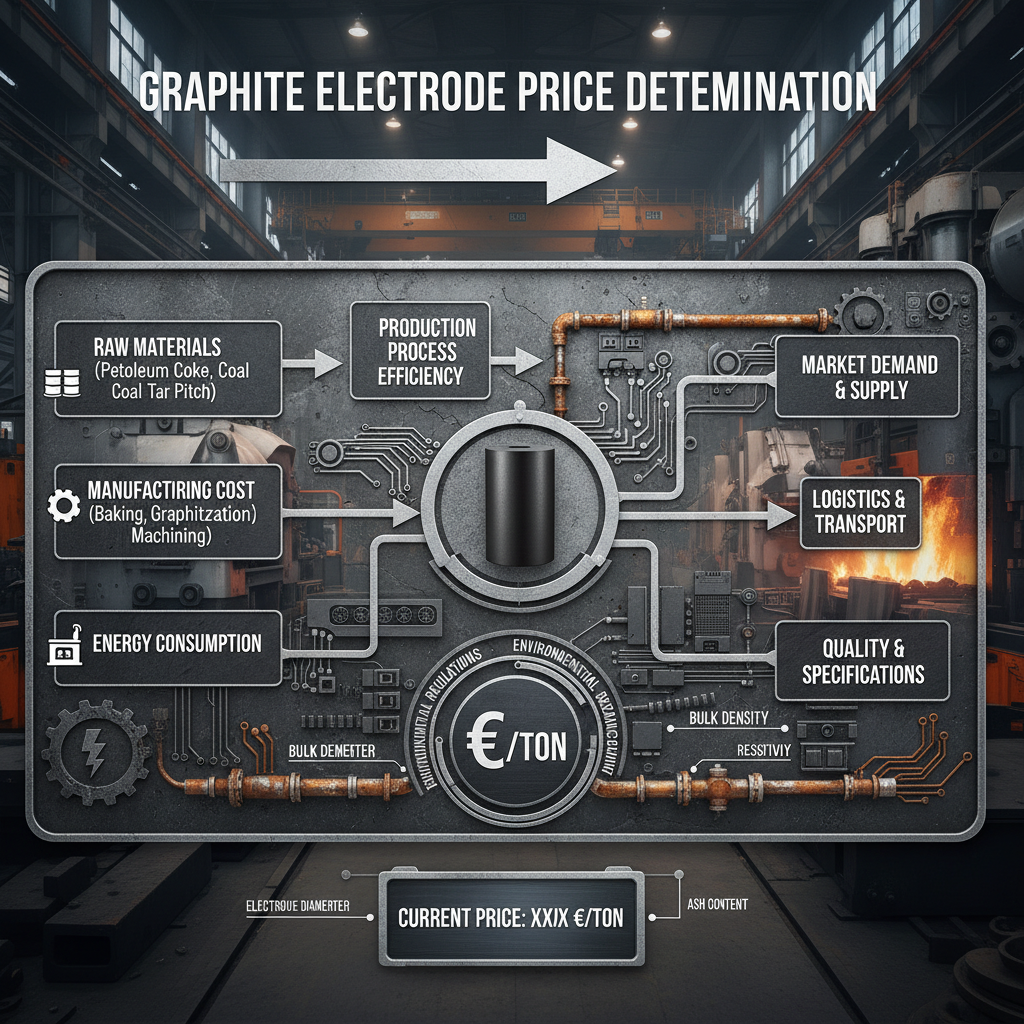
Introduction to Graphite Electrode Price
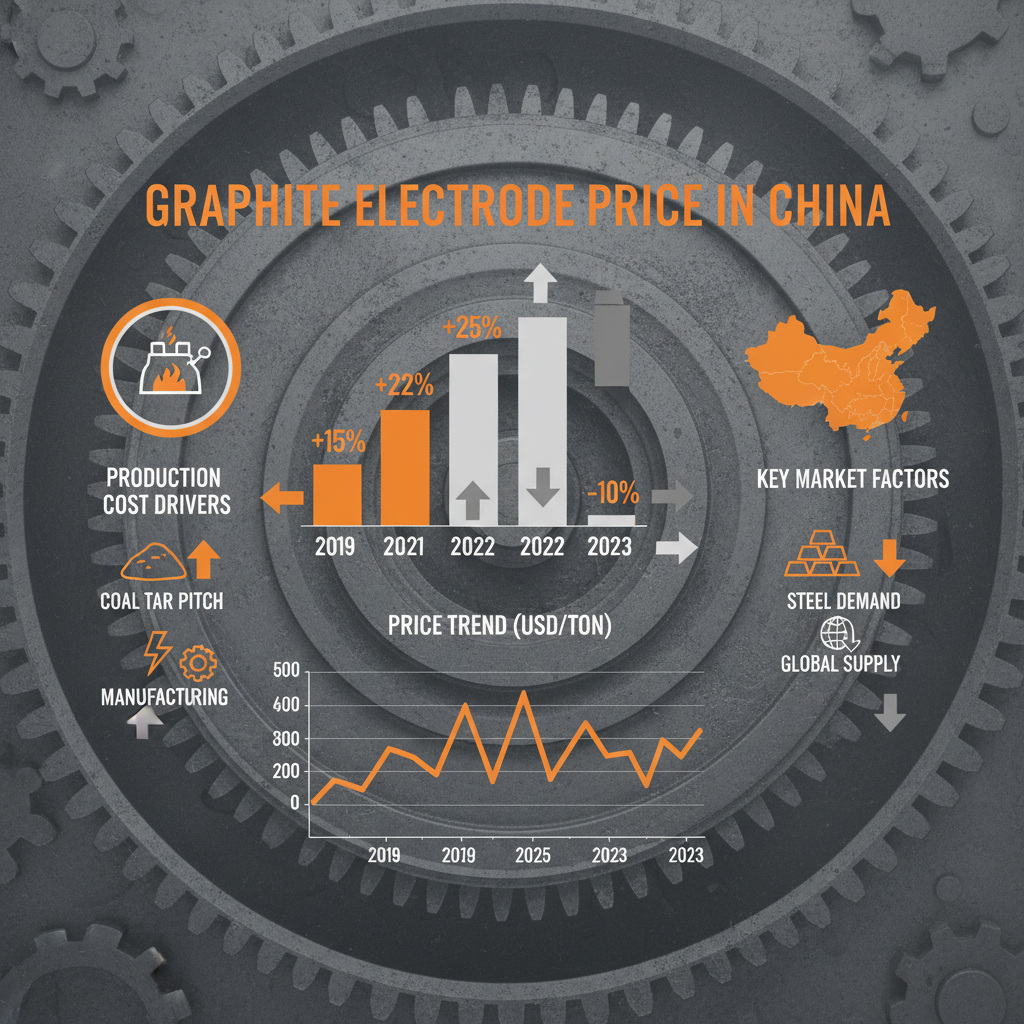
The graphite electrode price represents the cost associated with these essential components used in electric arc furnaces (EAFs) for steelmaking. Its significance stems from the direct impact it has on the cost of steel production; higher graphite electrode prices translate to increased manufacturing expenses, potentially affecting steel prices and impacting industries reliant on steel, such as construction, automotive, and manufacturing.
Understanding the factors influencing graphite electrode price – including raw material costs, manufacturing capacity, and global demand – is critical for steel producers to effectively manage their budgets and maintain competitiveness. Monitoring these price fluctuations allows for proactive planning and optimization of production processes.
FAQS
The primary drivers of graphite electrode price are the cost of raw materials (petroleum coke and coal tar pitch), energy prices, global steel production levels, and transportation costs. Geopolitical factors and supply chain disruptions can also have a substantial impact. Monitoring these factors is crucial for understanding price fluctuations.
Increased demand for steel, particularly in emerging economies undergoing rapid infrastructure development, directly leads to higher demand for graphite electrodes. This increased demand puts upward pressure on prices. Conversely, a slowdown in the steel industry can reduce demand and lead to price decreases. The overall economic climate significantly influences this dynamic.
Petroleum coke is a key raw material in graphite electrode production, accounting for a significant portion of the manufacturing cost. Fluctuations in crude oil prices directly impact petroleum coke prices, and consequently, the graphite electrode price. Any disruption to the supply of petroleum coke can lead to substantial price increases.
Research is ongoing to explore alternatives to traditional graphite electrodes, including silicon carbide electrodes and other advanced materials. However, graphite electrodes remain the dominant choice due to their cost-effectiveness and proven performance in EAF steelmaking. While alternatives show promise, they are not yet widely adopted on a large scale.
Steel producers can employ several strategies to mitigate price risk, including long-term contracts with electrode suppliers, diversifying their supply sources, optimizing electrode usage through advanced process control, and investing in energy efficiency measures to reduce overall production costs. Careful budgeting and forecasting are also essential.
The future trend for graphite electrode price is complex and depends on several factors. Increasing demand for EAF steel, coupled with potential supply constraints for raw materials, could put upward pressure on prices. However, advancements in electrode technology and the development of alternative materials could help stabilize or even reduce prices. Sustainability initiatives and a circular economy approach are also expected to influence future pricing.
Conclusion
In conclusion, the graphite electrode price is a critical indicator of health within the global steel industry, reflecting complex interplay of raw material costs, energy prices, supply and demand dynamics, and technological advancements. Understanding these forces is essential for steel producers, investors, and policymakers alike. Optimizing electrode usage, exploring alternative materials, and embracing digitalization are key strategies for mitigating risks and ensuring sustainable steel production.
Looking ahead, the industry will likely see continued innovation in electrode technology, a growing emphasis on sustainability, and a greater focus on circular economy principles. Staying informed about these developments will be crucial for navigating the evolving landscape of steelmaking and maximizing the long-term benefits of optimized graphite electrode performance. For further insights and up-to-date pricing information, visit our website: www.dahcarbon.com.
Related Posts
-
Reliable Infrastructure Grounding with High Performance Nipple Electrode Solutions
-
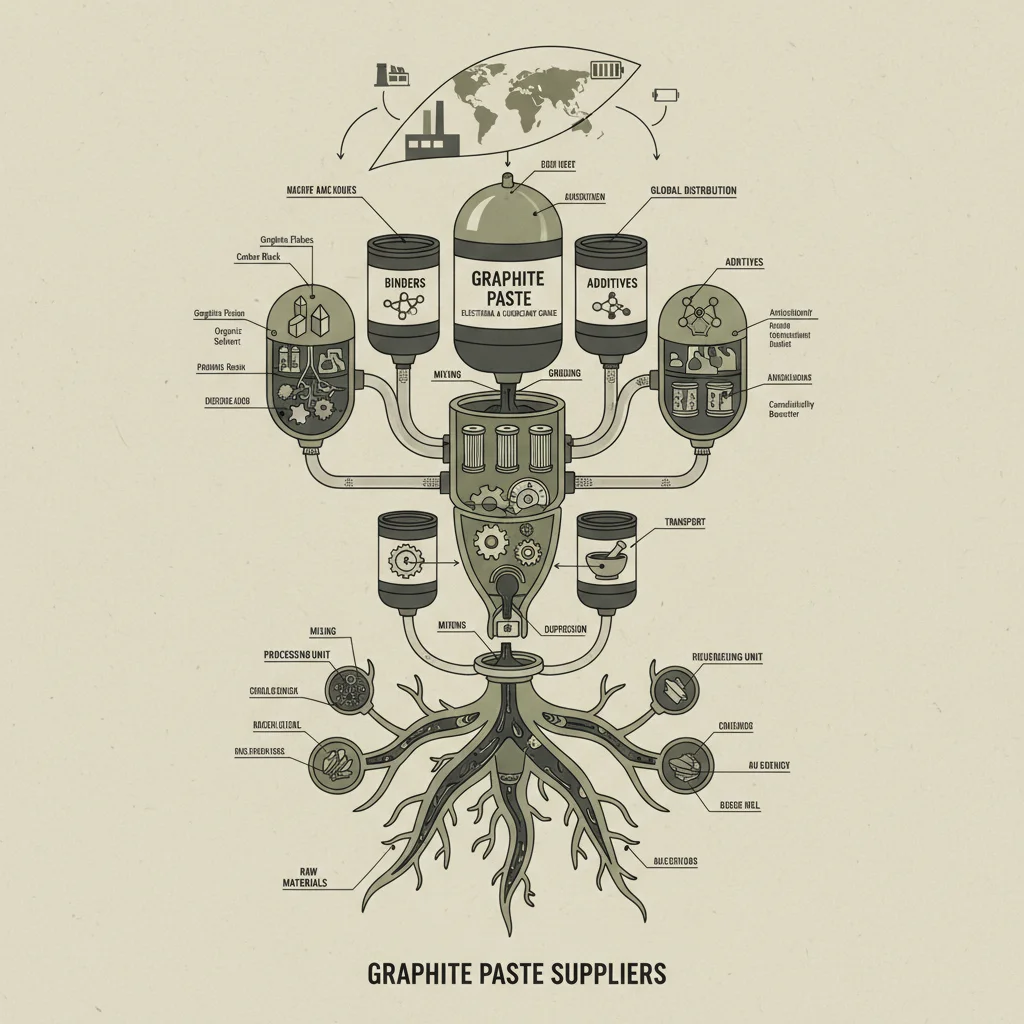
Exploring the Landscape of High Performance graphite paste suppliers and Material Innovations
-
High Performance Graphite Crucible for Industrial Melting
-
Understanding Flake Graphite Price Dynamics and Future Market Trends

Ethan Turner
Ethan is the Marketing Director at Cangzhou Jiujiang, focusing on expanding the brand's presence in North America. With over a decade of experience in outdoor apparel marketing, Ethan leverages his knowledge to promote the company’s PU rainwear, emphasizing its BSCI and GRS certifications.


