Understanding the Recarburizer Price Landscape
The price of recarburizers, essential additives in steelmaking, can fluctuate significantly based on several factors. Understanding these factors and current market trends is crucial for businesses involved in metallurgy. This article aims to provide a comprehensive overview of recarburizer price dynamics, quality considerations, and sourcing strategies. We'll explore different types of recarburizers, their applications, and what influences their cost, ultimately helping you make informed purchasing decisions.
Factors Influencing Recarburizer Price
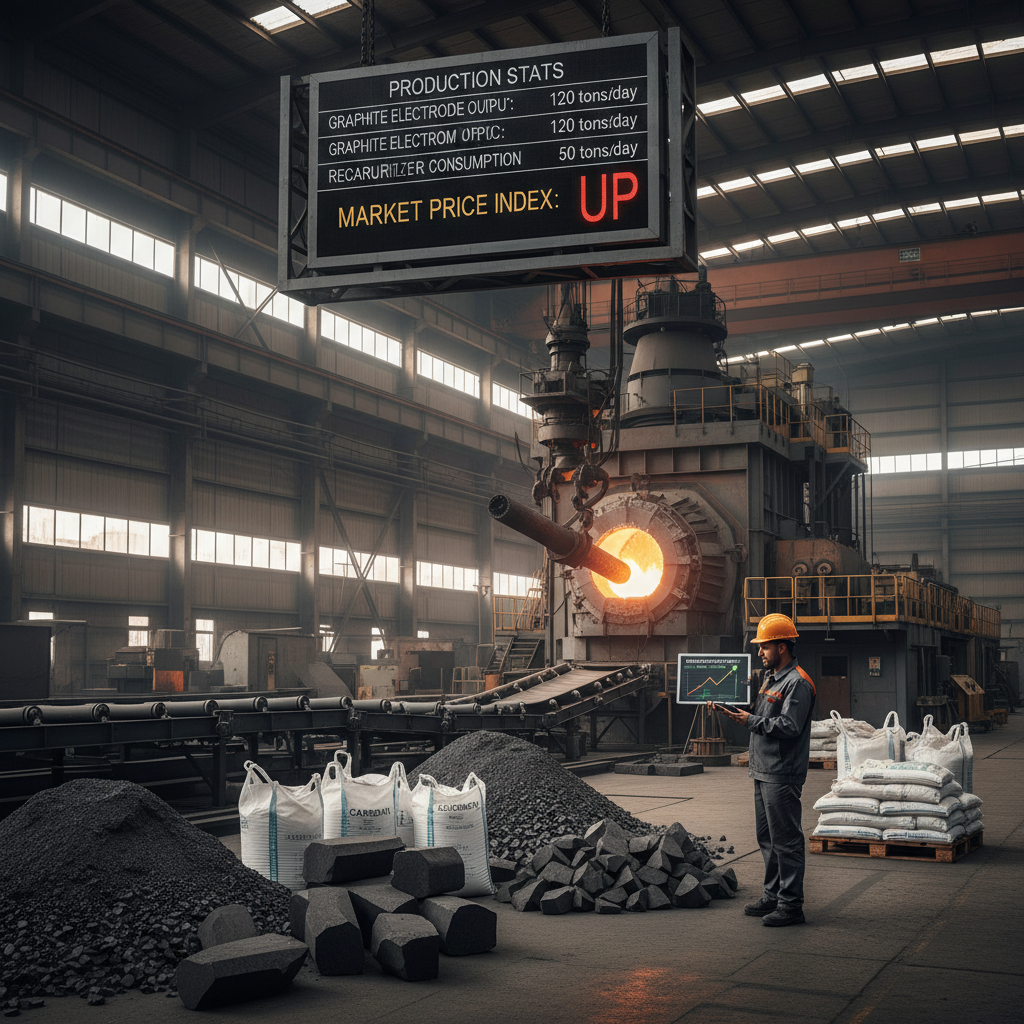
Several key factors contribute to the recarburizer price. Raw material costs, specifically those of carbon sources like coke and anthracite coal, play a significant role. Global demand for steel, and subsequently recarburizers, directly impacts pricing. Transportation costs, especially for international shipments, can add substantially to the final price. Furthermore, the type of recarburizer (calcined petroleum coke, graphite powder, etc.), its carbon content, and purity levels all influence its market value. Supply chain disruptions, geopolitical events, and currency exchange rates can also create price volatility.
Key Considerations: Raw material costs, global steel demand, transportation expenses, recarburizer type, purity, and geopolitical factors are all determinants of price.
Types of Recarburizers and Their Price Points
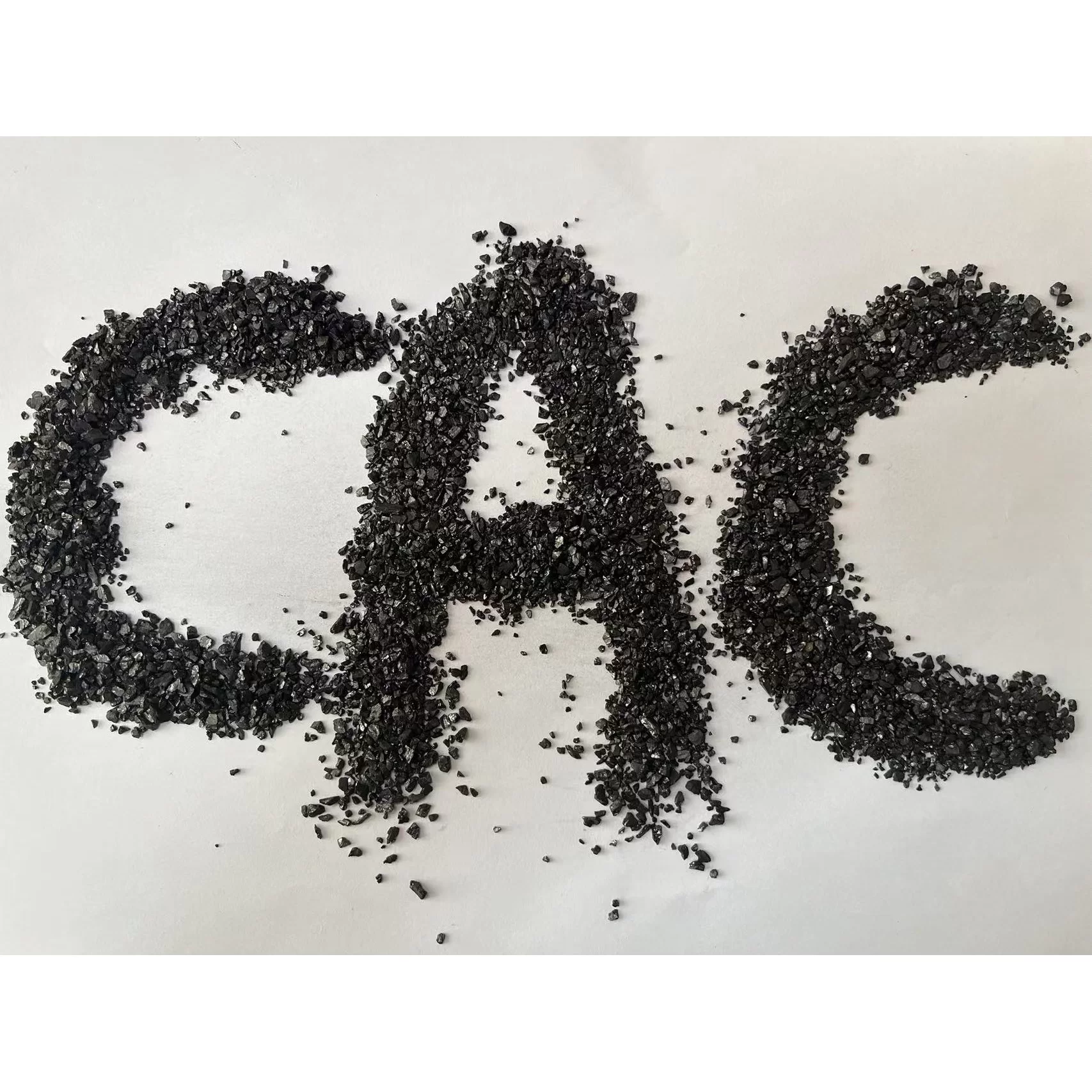
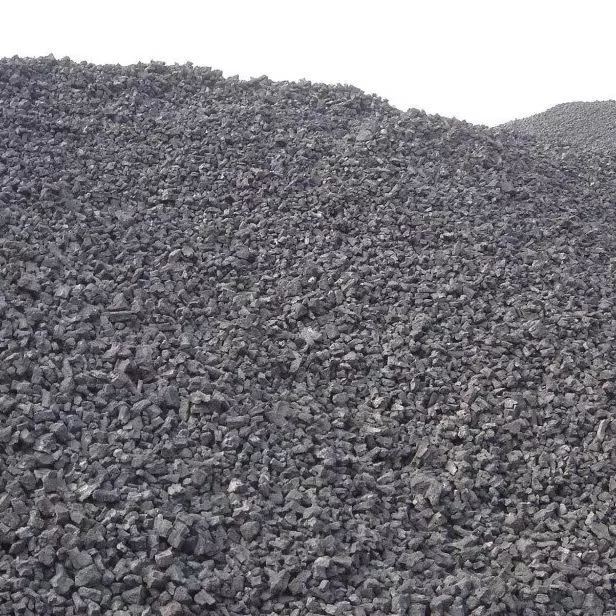
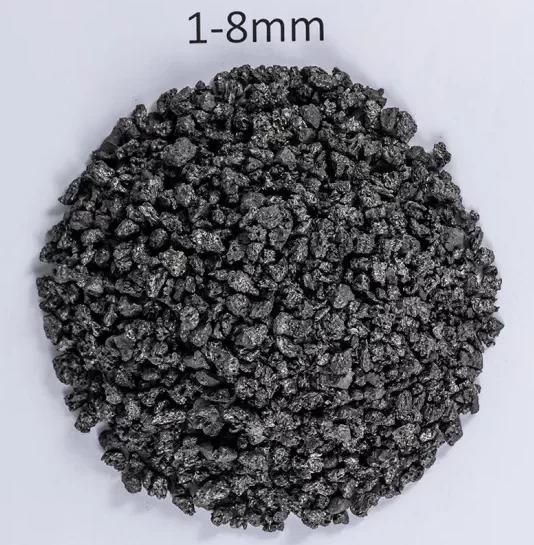
Different recarburizers offer varying levels of carbon content and are suited to different steelmaking processes. Calcined Petroleum Coke (CPC) is a commonly used, relatively affordable option. Graphite powder provides higher purity and faster carbon absorption but typically comes at a higher cost. Anthracite coal is another option, offering a balance between price and performance. The selection depends on the specific requirements of the steelmaking application and the desired steel quality. Let’s look at a price comparison:
Recarburizer Price Trends: A Historical Overview
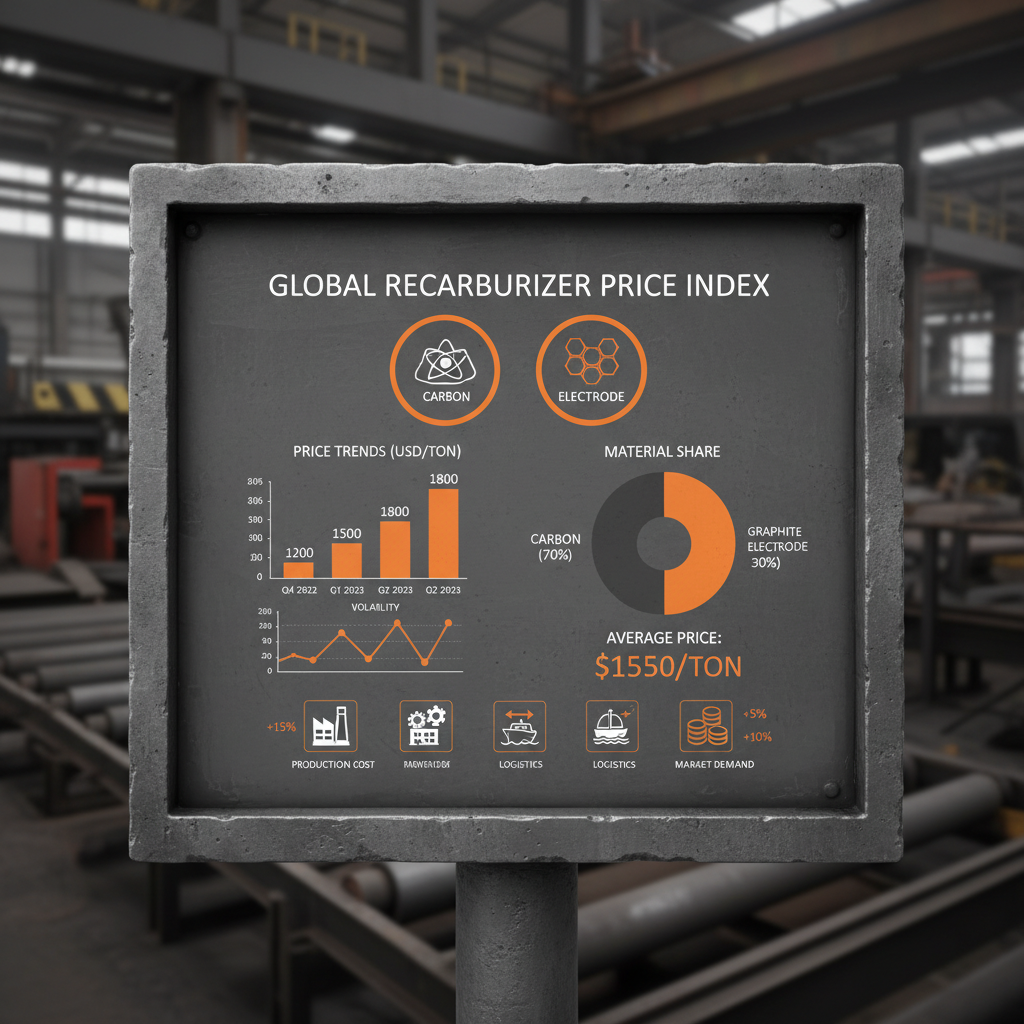
Over the past few years, recarburizer prices have experienced fluctuations. In 2022, prices surged due to increased steel production and supply chain bottlenecks following the pandemic. 2023 saw a slight cooling off, but prices remain elevated compared to pre-pandemic levels. Early 2024 shows signs of further stabilization, but ongoing geopolitical uncertainty continues to pose a risk of price spikes. Monitoring market reports and establishing strong relationships with suppliers are vital for navigating these trends.
The Impact of Quality on Recarburizer Price
While price is a primary consideration, it's essential to prioritize quality. High-quality recarburizers with consistent carbon content and minimal impurities lead to more efficient steelmaking processes and improved steel quality. Lower-quality materials can cause inconsistencies in the steel, requiring costly re-processing. Look for suppliers who provide detailed specifications, certificates of analysis, and have a reputation for reliability. Dah Carbon specializes in providing high-quality recarburizers at competitive prices.
Sourcing Strategies for Optimal Recarburizer Prices
To secure the best recarburizer price, consider these sourcing strategies: Establish long-term contracts with reliable suppliers to lock in favorable pricing. Diversify your supplier base to mitigate risk and increase negotiating power. Explore direct sourcing options from manufacturers to eliminate intermediary markups. Monitor market trends closely and be prepared to adjust your purchasing strategy accordingly. Negotiate payment terms and shipping arrangements to optimize costs.
Conclusion: Navigating the Recarburizer Market
Understanding the factors that influence recarburizer price, the different types available, and effective sourcing strategies is essential for success in the steelmaking industry. By prioritizing quality, monitoring market trends, and building strong supplier relationships, you can optimize your procurement process and ensure a reliable supply of this crucial material.
Frequently Asked Questions (FAQs)
What is the typical lead time for recarburizer orders?
Lead times can vary depending on the supplier, quantity ordered, and shipping destination. Typically, standard orders can be fulfilled within 2-4 weeks. However, for larger quantities or customized specifications, lead times may extend to 6-8 weeks. It's crucial to plan ahead and communicate your requirements to the supplier well in advance to ensure timely delivery. Factors such as customs clearance and transportation logistics can also influence the overall lead time.
How can I ensure the quality of the recarburizer I receive?
Quality assurance starts with selecting a reputable supplier with a proven track record. Request a Certificate of Analysis (COA) for each shipment, verifying the carbon content and purity levels. Conduct your own quality control checks upon receipt, including visual inspection and, if possible, laboratory testing. Look for suppliers who adhere to industry standards and have implemented robust quality management systems.
What is the minimum order quantity (MOQ) for recarburizers?
The MOQ varies depending on the supplier and the specific recarburizer type. Some suppliers may have a minimum requirement of 1-2 tons, while others may be willing to accommodate smaller orders. It's essential to inquire about the MOQ when requesting a quote. Negotiating for flexibility on the MOQ can be possible, particularly for long-term partnerships.
Are there any environmental considerations when using recarburizers?
Yes, environmental considerations are important. The production of recarburizers can have environmental impacts, so selecting suppliers who employ sustainable manufacturing practices is crucial. Proper handling and storage of recarburizers are also essential to prevent dust emissions and contamination. Some recarburizers may contain trace amounts of pollutants, so understanding the material composition and implementing appropriate safety measures is vital.