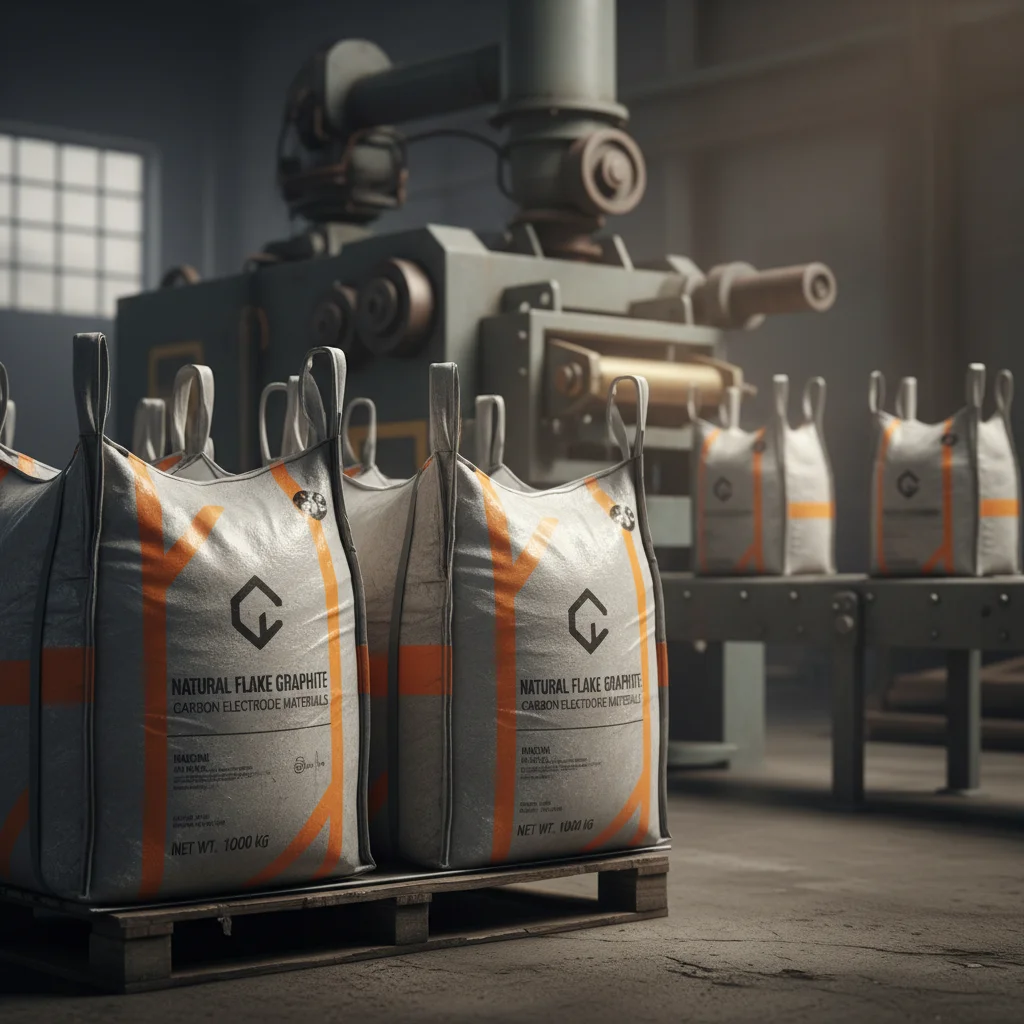
Understanding the graphite sheet price is crucial for industries reliant on high-performance materials. Fluctuations in this price directly impact production costs across sectors like metallurgy, electronics, and renewable energy. A comprehensive understanding allows businesses to optimize sourcing strategies and maintain competitive pricing.
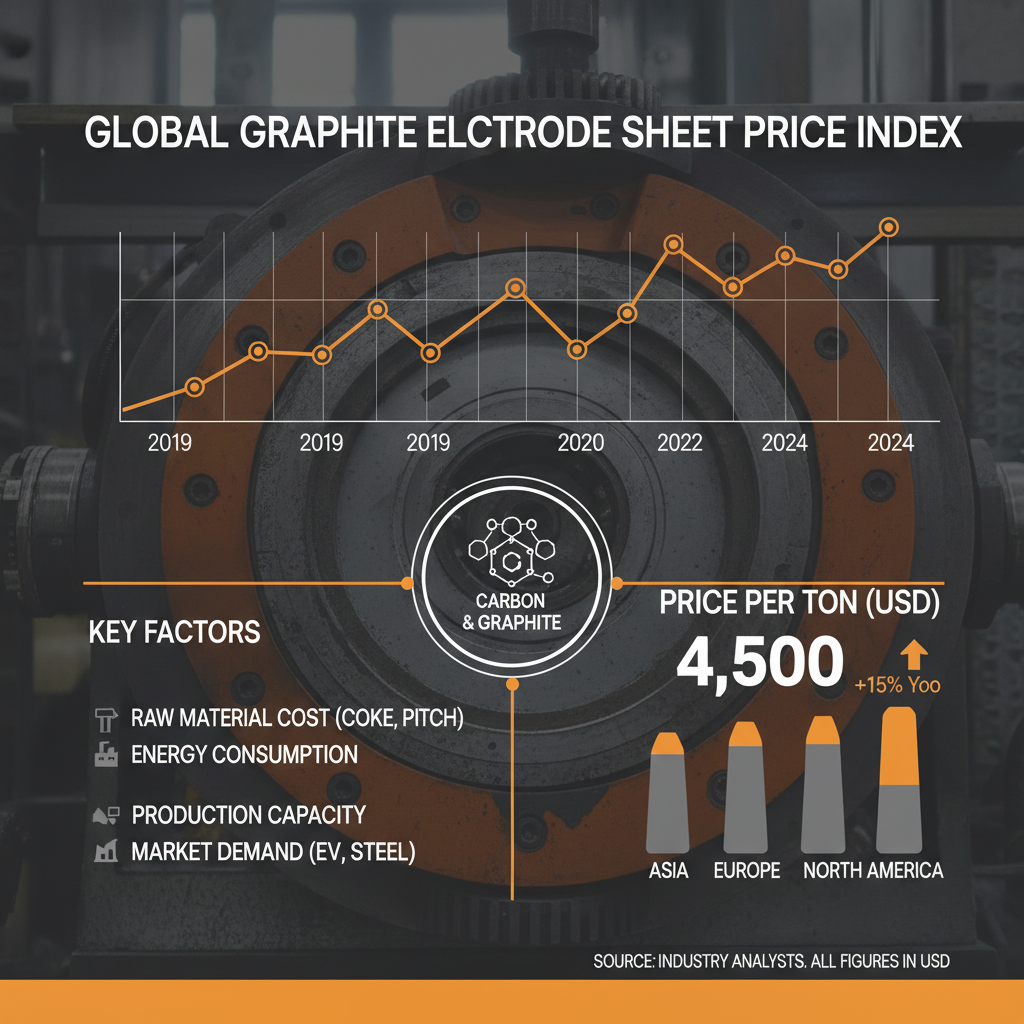
Globally, demand for graphite sheets is rising, driven by the expanding electric vehicle market and the need for efficient energy storage solutions. This heightened demand, coupled with geopolitical factors influencing raw material availability, creates volatility in the graphite sheet price. Proactive monitoring and informed purchasing decisions are, therefore, paramount.
The graphite sheet price is not a static figure; it’s a dynamic metric shaped by material quality, sheet dimensions, production volume, and supplier relationships. Effective cost management requires an in-depth assessment of these influencing factors, ensuring optimal value without compromising performance.
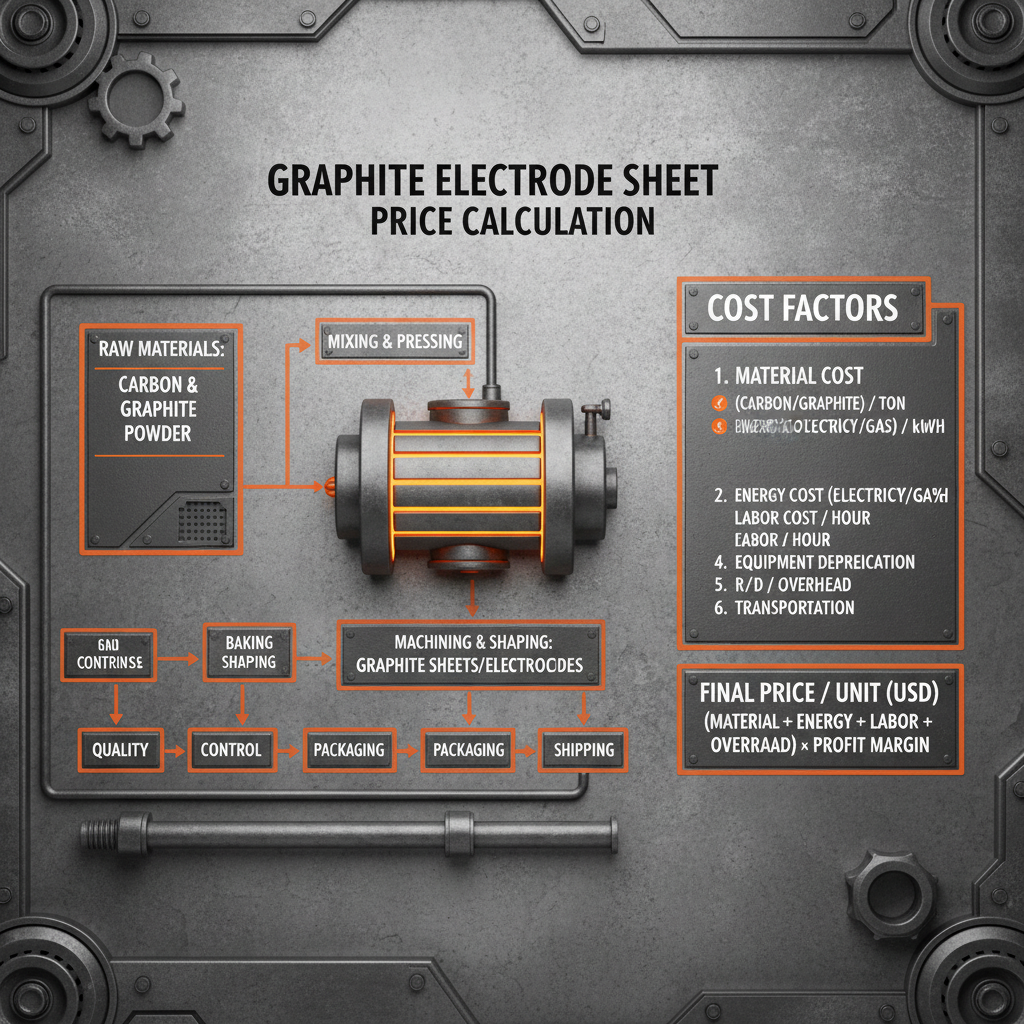
The Significance of Graphite Sheet Price
The graphite sheet price is a bellwether for the overall health of industries leveraging carbon materials. Its fluctuations offer insights into supply chain dynamics, technological advancements, and evolving market demands. Understanding these nuances allows companies to navigate cost pressures and secure a reliable supply of this critical component.
Beyond direct material costs, the graphite sheet price impacts total cost of ownership. Factors like sheet durability and performance influence lifespan, reducing the frequency of replacements and minimizing long-term expenses. A strategic approach considers the complete lifecycle cost, not simply the initial purchase price.
Defining Graphite Sheet Price
The graphite sheet price represents the monetary value associated with acquiring graphite sheets of a specific grade, size, and purity. It’s typically quoted per sheet or per unit area (e.g., $/cm²), and varies significantly based on the graphite’s characteristics and the supplier's pricing structure. The price also reflects associated costs like processing, packaging, and transportation.
Crucially, the “price” isn’t merely a number; it’s a reflection of the graphite’s quality and intended application. High-purity, fine-grained graphite sheets designed for specialized applications like battery electrodes command a premium price compared to standard-grade sheets used in general industrial purposes. Therefore, comparing prices requires a careful consideration of the specifications.
Understanding the basis of quotation is vital. Some suppliers quote based on the weight of the graphite sheet, while others use the dimensions. Furthermore, payment terms and currency exchange rates can also impact the final cost, making it essential to clarify these details during negotiations.
Key Factors Influencing Graphite Sheet Price
Several factors contribute to the variability of the graphite sheet price. Raw material sourcing plays a significant role, as the cost of graphite ore fluctuates based on mining operations, geopolitical stability in producing regions, and environmental regulations. The type of graphite (natural vs. synthetic) also affects the price, with synthetic graphite typically being more expensive due to its complex manufacturing process.
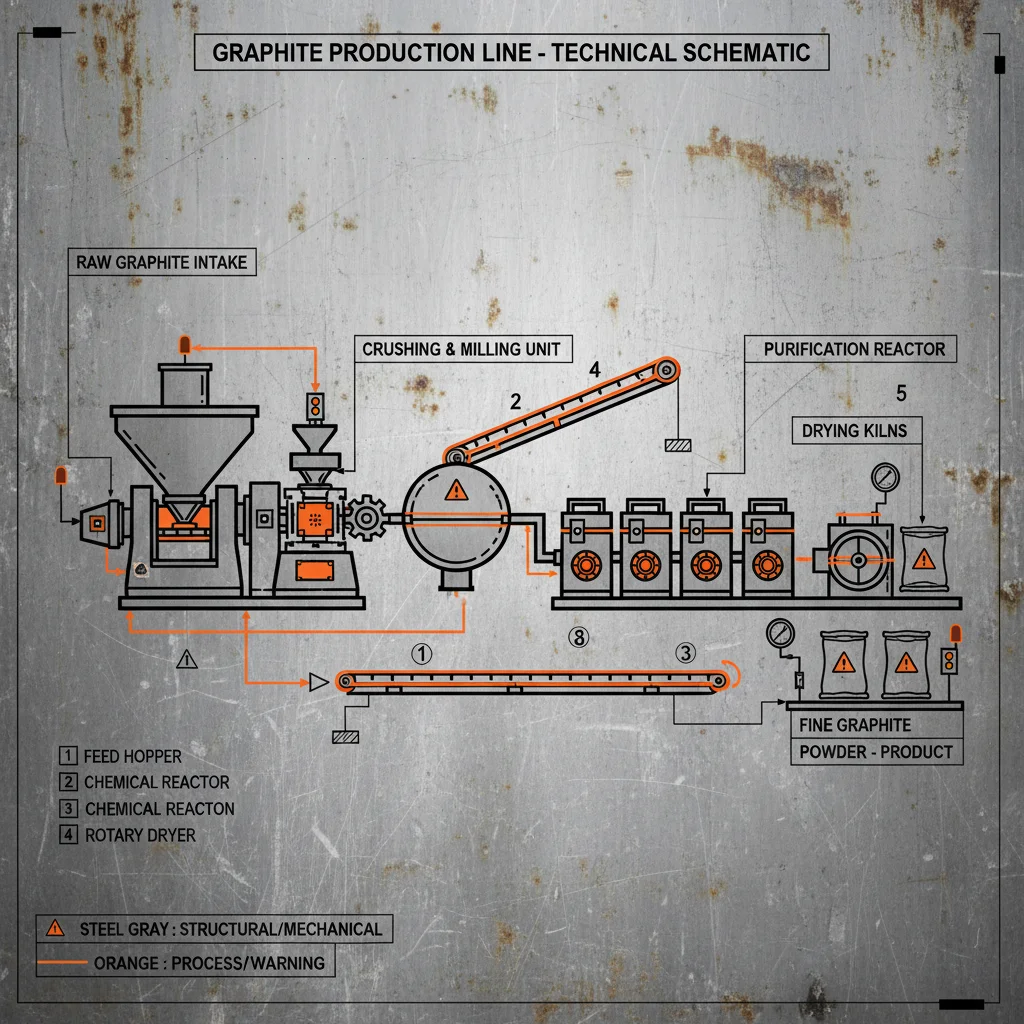
Processing techniques and quality control standards also influence the cost. Sheets requiring precise dimensions, high purity levels, or specific surface treatments undergo more rigorous processing, resulting in a higher price point. The scale of production further impacts the price; larger orders generally benefit from economies of scale, leading to lower unit costs.
Market demand and competition among suppliers are other essential drivers. Periods of high demand, especially in rapidly growing sectors like EV batteries, can push prices upward. Conversely, increased competition among suppliers can create downward pressure on prices, offering buyers more negotiating power.
Global Applications and Price Sensitivity
The graphite sheet price is keenly felt across diverse industries. In the battery sector, graphite sheets are crucial for electrode manufacturing, and fluctuations directly impact the cost of electric vehicle production. The semiconductor industry utilizes high-purity graphite sheets for thermal management, making them sensitive to price changes.
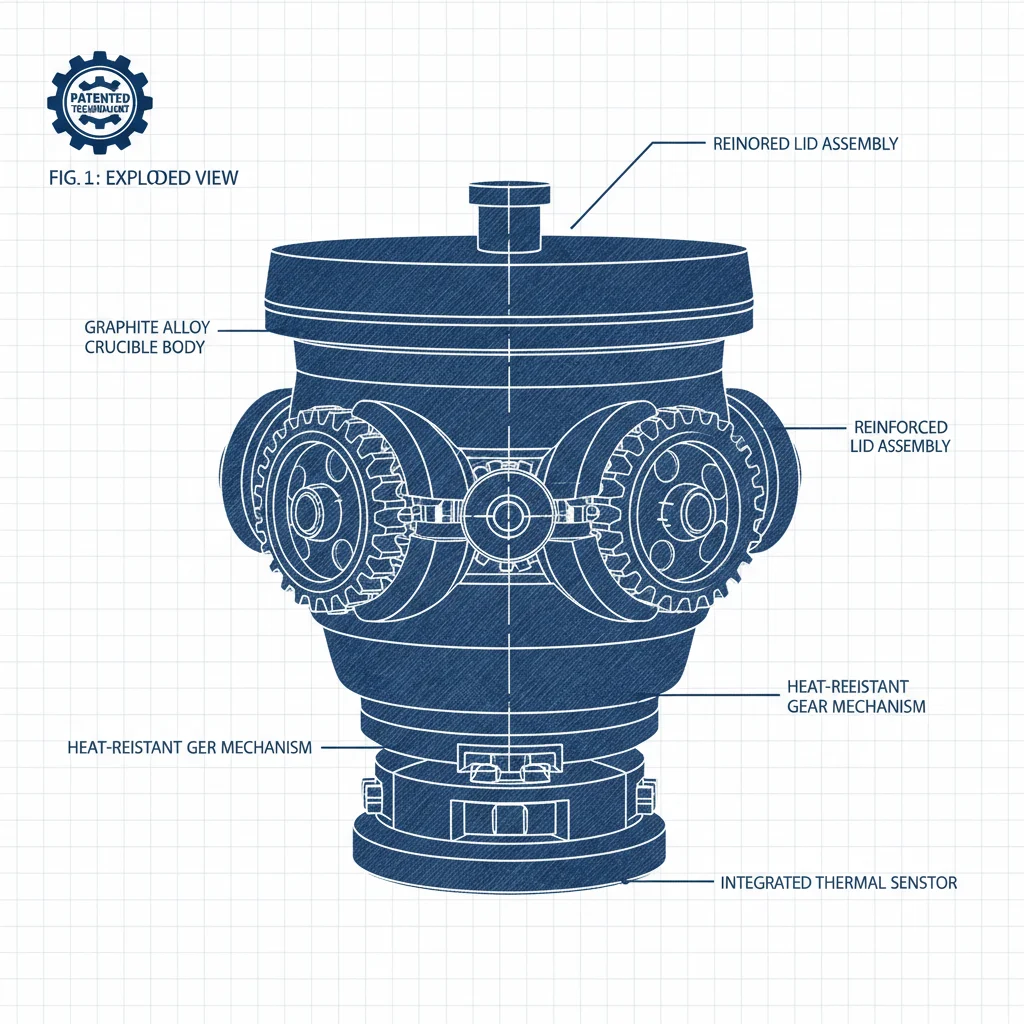
Metallurgical applications, such as crucible linings and molds, require robust and heat-resistant graphite sheets. Price sensitivity here depends on the scale of production and the competitive landscape. Similarly, in the aerospace industry, where lightweight and high-strength materials are paramount, the graphite sheet price plays a role in component manufacturing.
Geographically, the demand and price sensitivity vary. Regions with thriving EV manufacturing hubs, like China and Europe, experience higher demand and potentially higher prices. In contrast, regions with limited local production may rely more on imports and be susceptible to currency fluctuations and transportation costs.
Comparative Graphite Sheet Price by Application
Advantages of Optimized Graphite Sheet Price
Securing a favorable graphite sheet price translates directly into enhanced profitability for manufacturers. Lower material costs improve margins, allowing businesses to offer competitive pricing or reinvest in innovation. This strategic advantage can be particularly critical in price-sensitive markets.
Furthermore, optimizing the graphite sheet price contributes to supply chain resilience. Establishing strong relationships with reliable suppliers and negotiating favorable contracts mitigates the risk of price spikes and supply disruptions, ensuring a consistent flow of materials.
Future Trends and Graphite Sheet Price Forecasts
The future of the graphite sheet price is intertwined with several emerging trends. The escalating demand for electric vehicles will continue to exert upward pressure on prices, particularly for high-purity graphite suitable for battery applications. Advancements in battery technology, such as solid-state batteries, may require different graphite specifications, potentially impacting price structures.
Increasing focus on sustainability and circular economy principles will drive demand for recycled graphite and promote the development of more eco-friendly production processes, potentially influencing costs. Technological innovations in graphite processing and purification could also lead to greater efficiency and potentially lower prices.
Challenges & Strategies for Managing Graphite Sheet Price
One of the primary challenges in managing the graphite sheet price is the inherent volatility of the raw material market. Geopolitical instability, supply chain disruptions, and fluctuating currency exchange rates can all contribute to unpredictable price swings. Another challenge is ensuring consistent quality and purity, as variations can significantly impact performance.
Effective strategies for mitigation include diversifying suppliers, negotiating long-term contracts with price escalation clauses, and investing in supply chain monitoring tools. Collaborating with suppliers to explore alternative graphite sources and optimize production processes can also help to control costs.
Summary of Graphite Sheet Price Management Strategies
| Strategy |
Implementation |
Impact on Graphite Sheet Price |
Risk Level |
| Supplier Diversification |
Identify and qualify multiple graphite sheet suppliers. |
Reduces reliance on single source, promotes competitive pricing. |
Low |
| Long-Term Contracts |
Negotiate contracts with fixed or indexed pricing for extended periods. |
Provides price stability, reduces exposure to short-term fluctuations. |
Medium |
| Supply Chain Monitoring |
Implement tools to track raw material costs, geopolitical events, and transportation logistics. |
Enables proactive identification of potential price increases. |
Medium |
| Value Engineering |
Explore alternative graphite grades or sheet designs without compromising performance. |
Identifies cost-saving opportunities without sacrificing quality. |
Low |
| Strategic Stockpiling |
Maintain a buffer stock of graphite sheets during periods of stable pricing. |
Protects against short-term price spikes and supply shortages. |
Medium-High (storage costs) |
| Supplier Collaboration |
Work with suppliers to identify cost-reduction opportunities in processing and logistics. |
Fosters long-term partnerships and promotes mutual benefits. |
Low |
FAQS
The most substantial price fluctuations in graphite sheets stem from raw material costs (graphite ore availability and mining expenses), geopolitical factors affecting major producing countries, and surges in demand, particularly from the electric vehicle battery market. Energy costs associated with processing and transportation also contribute to price volatility.
To compare quotes effectively, ensure all suppliers specify the graphite grade, purity level, sheet dimensions, and tolerances. Clarify the basis of quotation (per sheet, per unit area, or per weight) and inquire about shipping costs, payment terms, and any applicable taxes. Also, consider the supplier’s reputation and quality control certifications.
Long-term, the graphite sheet price is expected to remain relatively stable with upward pressure from increasing demand for EV batteries. However, breakthroughs in alternative battery chemistries and recycling technologies could moderate price increases. Sustainable sourcing practices and improved processing efficiency will also play a role in shaping future price trends.
Stockpiling can be beneficial during periods of stable pricing, but it involves storage costs and the risk of obsolescence. A strategic approach involves forecasting demand, assessing price trends, and carefully evaluating the costs and benefits of holding inventory. Diversifying suppliers can often be a more effective long-term strategy than relying solely on stockpiling.
Purity level is a major driver of graphite sheet price. Higher purity graphite, requiring more intensive processing, is significantly more expensive. Applications requiring minimal impurities, like battery electrodes and semiconductors, necessitate higher-grade graphite sheets, commanding a premium price compared to industrial-grade materials.
Emerging technologies such as advanced purification methods, innovative processing techniques (like graphene incorporation), and more efficient recycling processes are poised to influence graphite sheet production and price. Sustainable and environmentally friendly production methods are becoming increasingly important, and advancements in these areas may lead to cost reductions and improved material performance.
Conclusion
In conclusion, understanding the dynamics of the graphite sheet price is paramount for industries relying on this critical material. From raw material sourcing and processing techniques to global demand and geopolitical factors, numerous elements contribute to its fluctuations. Proactive management, diversification, and strategic sourcing are key to mitigating risks and maximizing value.
Looking ahead, embracing sustainable practices, investing in innovative technologies, and fostering strong supplier relationships will be crucial for navigating the evolving landscape of the graphite market. By adopting a holistic and forward-thinking approach, businesses can secure a reliable and cost-effective supply of graphite sheets, enabling continued growth and innovation. Visit our website at www.dahcarbon.com to learn more about our graphite products and solutions.