Recarburizer Meaning: A Comprehensive Guide
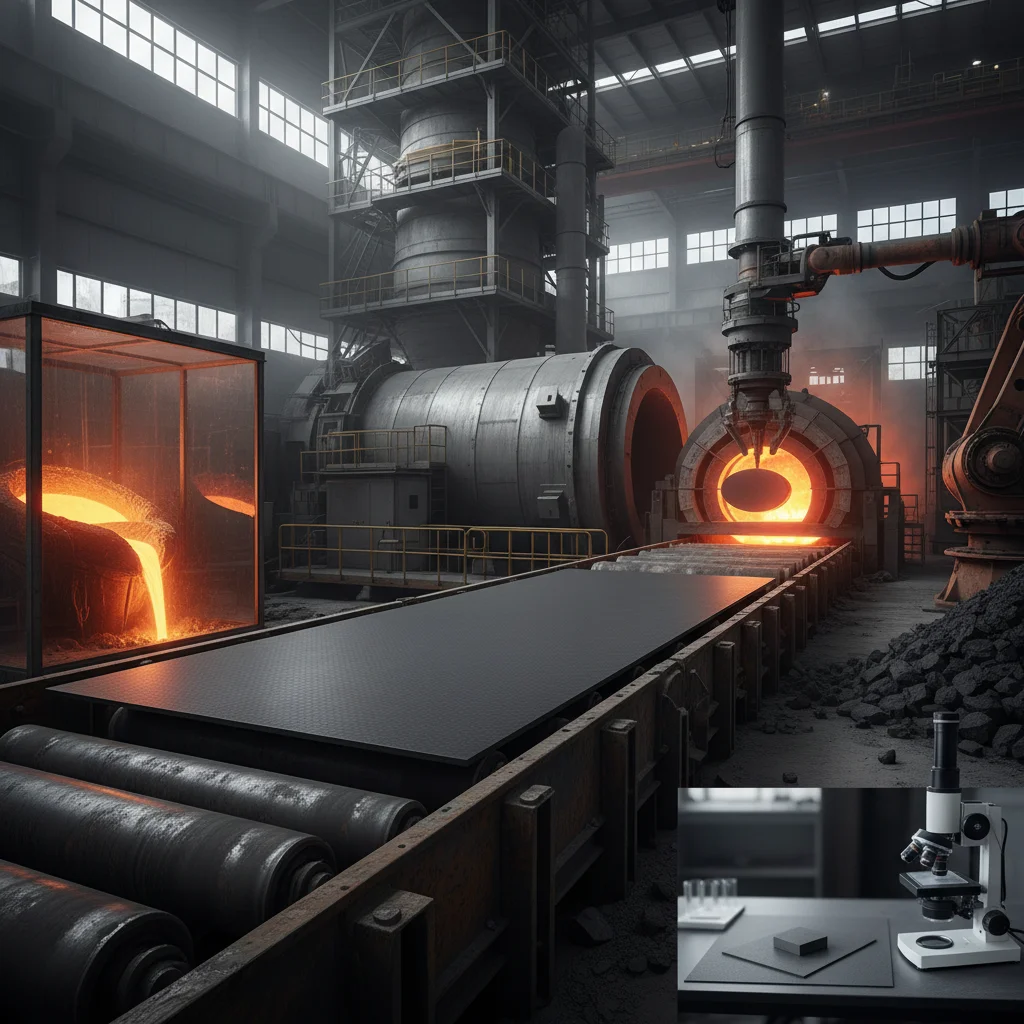
Understanding the term recarburizer is crucial in metallurgy and steelmaking. Essentially, a recarburizer is a material added to molten iron or steel to increase its carbon content. This process is vital for achieving desired material properties, like strength, hardness, and machinability. Different industries rely on precisely controlled carbon levels in their steel products, and recarburizers provide an efficient way to achieve this. Let’s explore the different types, uses, and factors affecting the choice of a recarburizer.
What is a Recarburizer and Why is it Used?
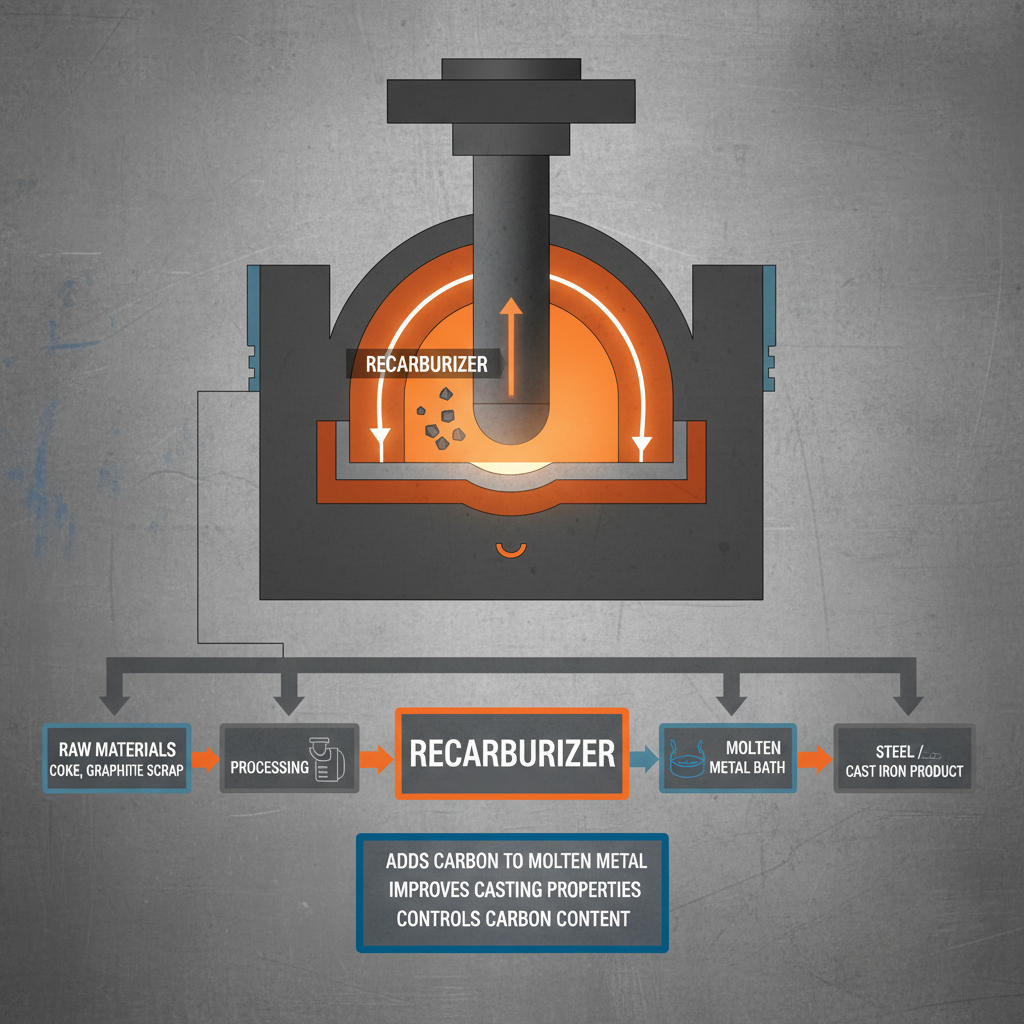
A recarburizer is an additive used in the iron and steelmaking process to increase the carbon content of the metal. Carbon is a key element in determining the properties of steel. Increasing the carbon percentage generally increases hardness and strength, but can reduce ductility. The need for recarburization arises when the initial iron or steel charge contains insufficient carbon, or when carbon is lost during the melting process due to oxidation. Controlling carbon content is critical for producing steel with the specific mechanical properties required for various applications. Different grades of steel demand specific carbon levels, making the accurate addition of a recarburizer essential for quality control.
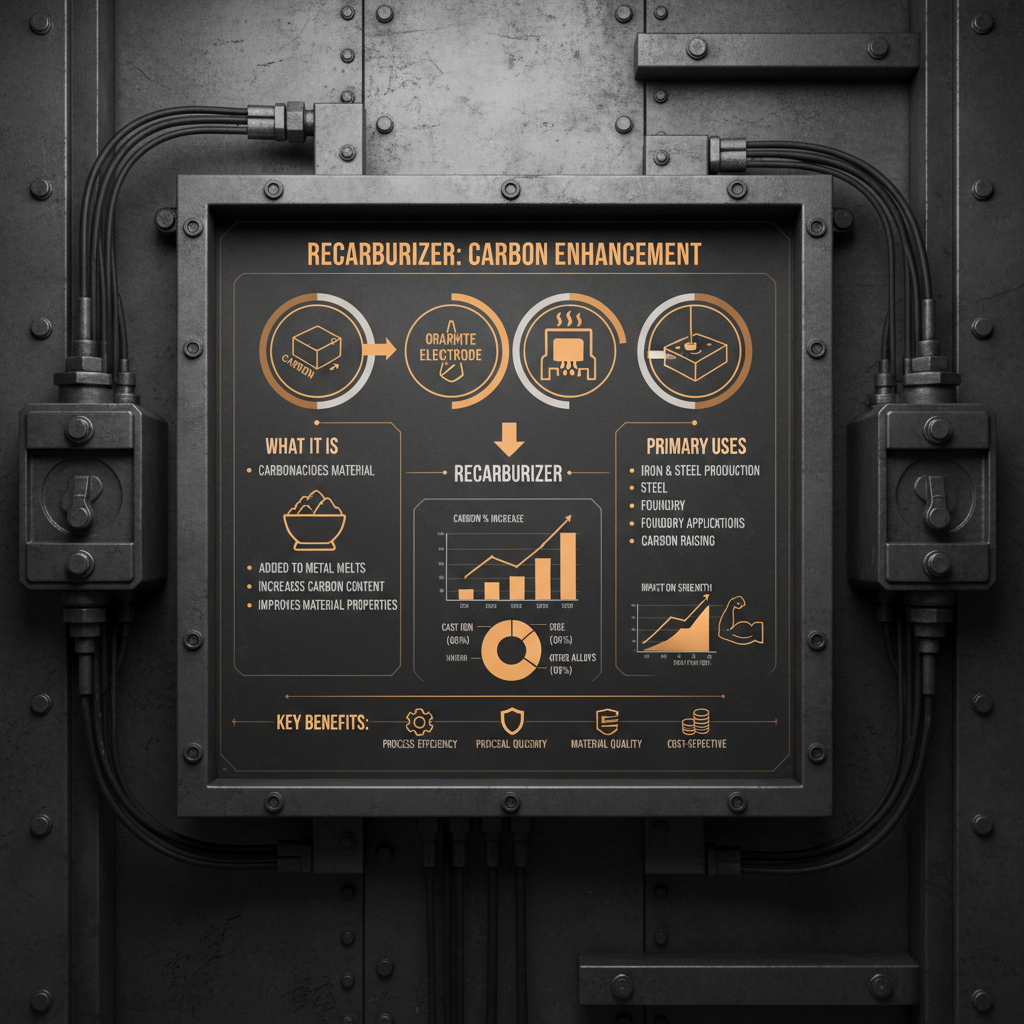
Key Benefits: Precise carbon control, improved steel properties, increased strength and hardness, enhanced machinability, and efficient production process.
Common Types of Recarburizers
Several materials are used as recarburizers, each offering different characteristics and advantages. The most common types include:
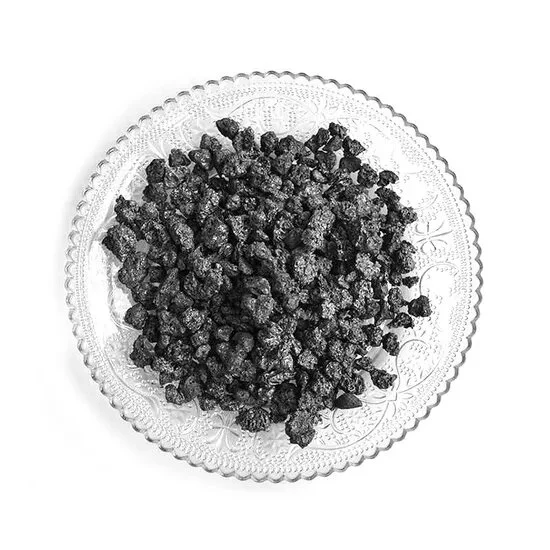
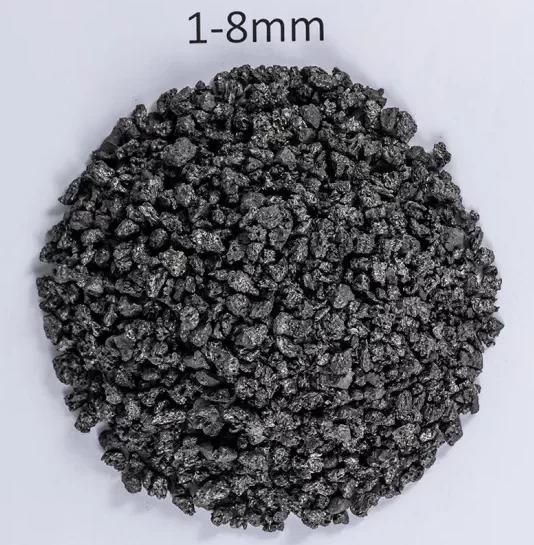
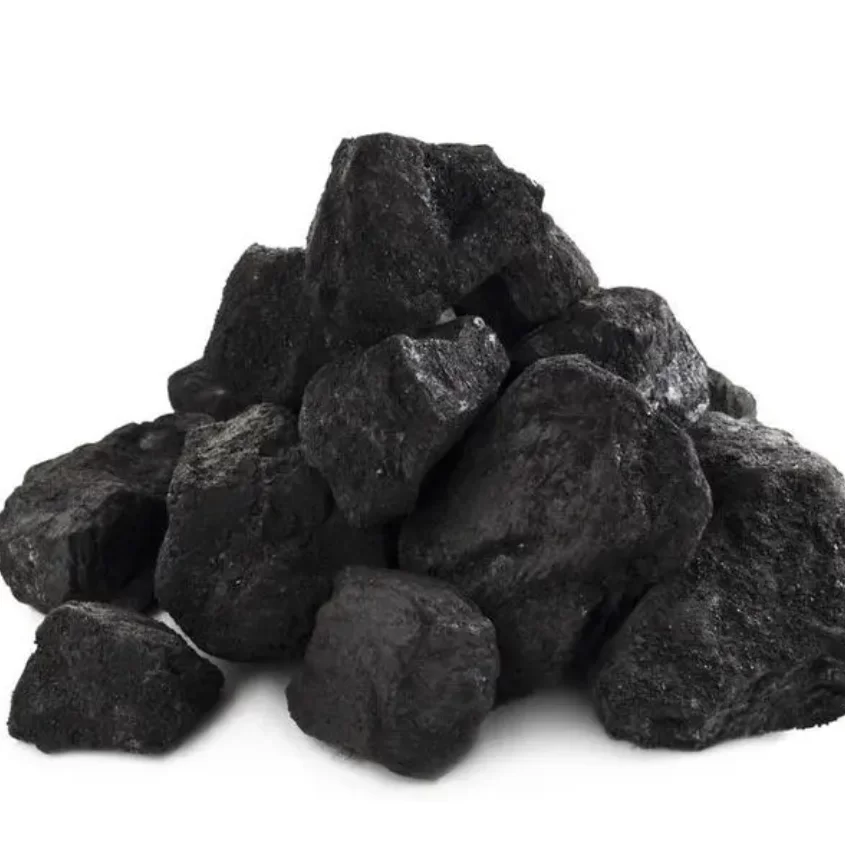
- Calcined Petroleum Coke (CPC): A widely used recarburizer known for its high carbon content and low sulfur levels.
- Anthracite Coal: Offers a more economical option, but typically has lower carbon content and higher ash levels.
- Wood Charcoal: Historically used, now less common due to inconsistent quality and higher ash content.
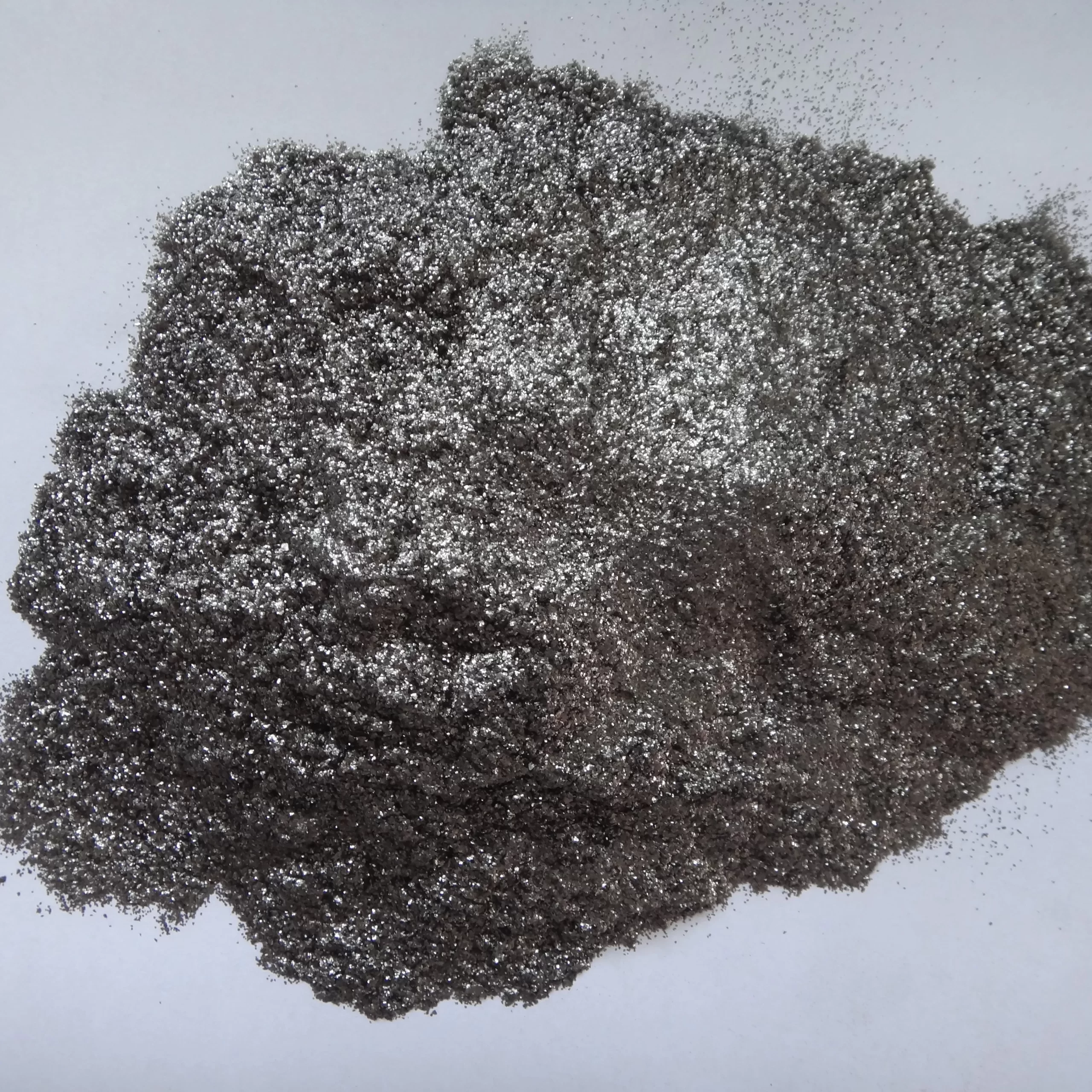
- Graphite Powder: Provides excellent carbon absorption and is often used for specialized steel grades.
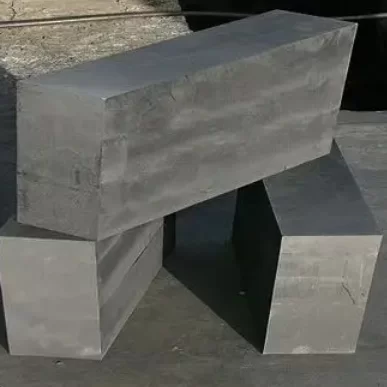
- Iron Carbides: Offer a high carbon content and can minimize sulfur uptake during the recarburization process.
Recarburizer Comparison:
• Carbon Content: Graphite & Iron Carbides (98-99%), CPC (95-99%), Anthracite (70-90%), Wood Charcoal (60-80%)
• Ash Content: Graphite & Iron Carbides (low), CPC (low-moderate), Anthracite (moderate-high), Wood Charcoal (high)
• Sulfur Content: CPC (low), Anthracite (moderate), Wood Charcoal (variable)
Factors Influencing Recarburizer Selection
Choosing the right recarburizer depends on several factors, including the desired carbon content in the final steel, the steel grade being produced, cost considerations, and environmental regulations. Lower sulfur content is often critical for certain steel grades to prevent brittleness. The absorption rate of the recarburizer also impacts efficiency; faster absorption reduces process time and energy consumption. Furthermore, the physical form – powder, granules, or lumps – can affect handling and dispersion within the molten metal. Understanding these factors ensures optimal performance and steel quality.
Applications Across Industries
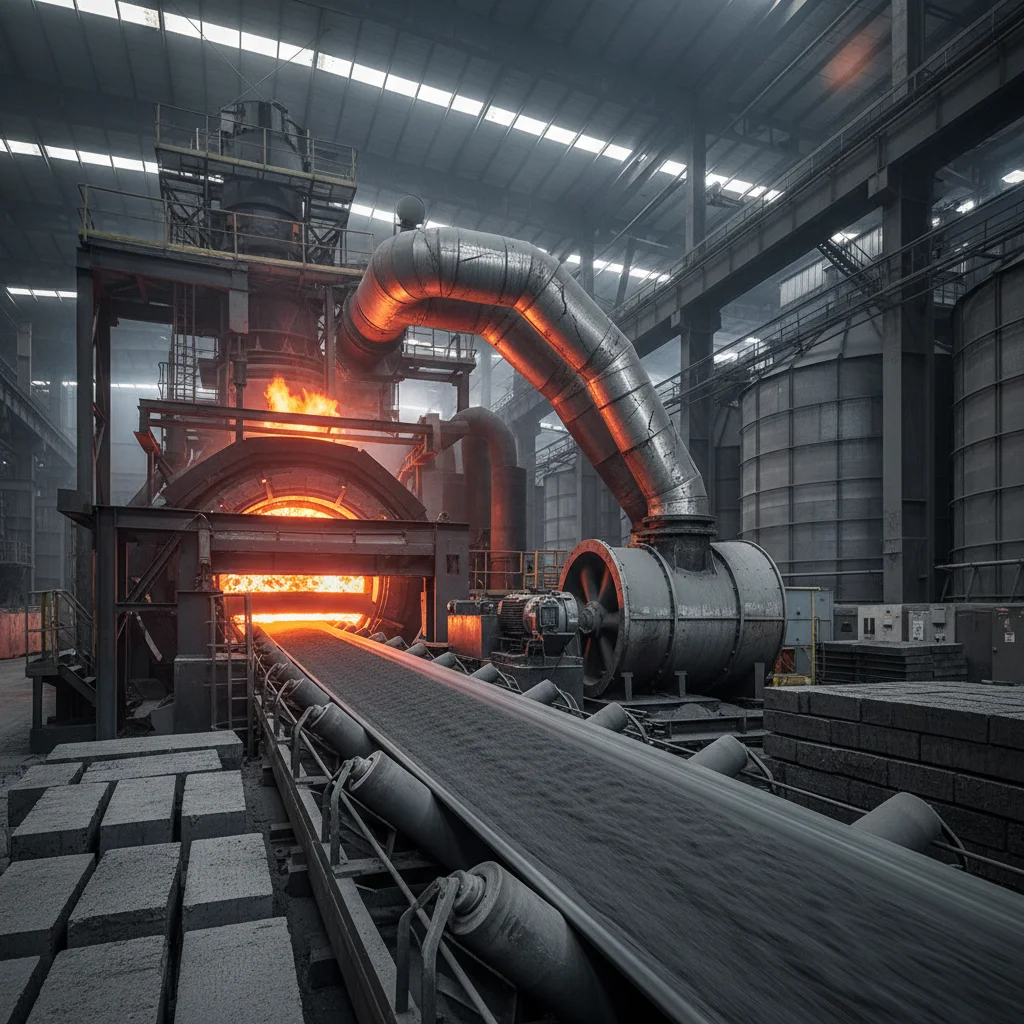
Recarburizers are essential in a diverse range of industries, including steel production, foundries, and automotive manufacturing. They are used to produce various steel grades, from low-carbon steel for automotive bodies to high-carbon steel for tools and dies. Foundries utilize recarburizers to adjust the carbon content of molten iron for producing castings with specific mechanical properties. The demand for high-quality steel continues to drive the need for efficient and reliable recarburization processes.
Dah Carbon: Your Trusted Recarburizer Supplier
At Dah Carbon, we specialize in providing high-quality recarburizers tailored to meet your specific steelmaking needs. We offer a comprehensive range of products, including Calcined Petroleum Coke, Graphite Powder, and Iron Carbides, ensuring consistent quality and reliable performance. Our team of experts can help you select the optimal recarburizer for your application, maximizing efficiency and minimizing costs. Contact us today to learn more about how we can support your steel production process.
Conclusion: Achieving Optimal Steel Quality with the Right Recarburizer
The selection and application of a recarburizer is a critical aspect of successful steel production. By understanding the different types available, the factors influencing selection, and the applications across various industries, you can ensure optimal steel quality and efficiency. Partner with a trusted supplier like Dah Carbon to access high-quality products and expert support.
Frequently Asked Questions (FAQs)
What is the typical carbon recovery rate when using a recarburizer?
The carbon recovery rate varies depending on the type of recarburizer, the molten metal's temperature, and the process conditions. Generally, CPC achieves recovery rates between 85-95%, while anthracite coal may have lower rates around 70-85%. Graphite powder offers high recovery, often exceeding 90%. Factors such as injection technique, stirring, and slag composition also significantly influence the rate. Optimal temperature control is crucial for maximizing carbon absorption and minimizing losses. A skilled metallurgist can assess your specific setup and recommend strategies to improve recovery.
How is recarburizer added to molten iron or steel?
Recarburizers are typically added to molten metal through several methods. The most common include direct injection through a lance into the molten bath, adding the recarburizer to the charging bucket before melting, or injecting it through the tuyeres during the blowing process. Injection allows for precise control and rapid absorption. Adding to the charging bucket is simpler but can result in uneven distribution. The optimal method depends on the specific steelmaking process and the desired carbon control.
Can recarburizers affect the sulfur content of the steel?
Yes, some recarburizers, particularly those containing impurities, can introduce sulfur into the molten metal. This is especially true for certain grades of anthracite coal. CPC typically has lower sulfur levels, making it a preferred choice when sulfur control is critical. Using high-purity graphite powder or iron carbides can also minimize sulfur uptake. Desulfurization practices may be necessary to remove excess sulfur if required by the steel grade specifications.